Exhaust Valve Seat Suppliers and Manufacturers
Source 19 verified Exhaust Valve Seat suppliers from China. Compare key dimensions including lead times, MOQs, certifications, and response rates. Review product specs and request quotes to streamline your procurement process; review the available evidence before requesting comparable quotations from suitable candidates.
Suppliers List
Dynamic Energy (Dongying) Co., Ltd.
- Verified by SGS
- Combined
- China Shandong
- Lead time30 days
- Avg. response≤ 21h
Main productsGas Engine, Gas Generator Set, Generator Set, Natural Gas Generator, Biogas Generator, Syngas Generator, Coal Gas Generator, Wood Gas Generator, Flue Gas Generator
Main marketsNorth America

Nanjing Teqrun Mechanical Machinery Co., Ltd.
- Manufacturer/Factory
- China Jiangsu
- Lead time45 days
- Avg. response≤ 15h
Main productsMarine Engine Spare Parts, Diesel Engine Spare Parts, Locomotive Engine Spare Parts, Diesel Engine Spares, Valve Spinlde, Piston, Cylinder Liner, Valve Spindle, Exhaust Valve, Cylinder Head
Main marketsSouth America,Eastern Europe,Mid East,North America,Southeast Asia,Eastern Asia,Oceania,Western Europe,Africa
Zhejiang Feiman Power Equipments Co., Ltd.
- Verified by TUVRHEINLAND
- Trading Company
- China Zhejiang
- Lead time30 days
- Avg. response≤ 16h
Main productsOil Pipe, Engine Spare Part, Engine, Sinotruk Engine, Engine Pipe, Auto Pipe, Sinotruk Spare Part, Truck Spare Part, Auto Part
Main marketsDomestic

SHIJIAZHUANG WUXING ENGINE PARTS CO., LTD.
- Verified by BV
- Trading Company,Manufacturer/Factory
- China Hebei
- Lead time30 days
- Avg. response≤ 2h
Main productsEngine Bearing, Gear, Piston, Main Bearing, Rod Bearing, Spiral Bevel Gear, Gear Shaft, Piston Ring, Liner, Valve
Main marketsEastern Europe,Mid East,North America,Southeast Asia,Africa
Hebei Ocean Technology Co., Ltd
- Verified by SGS
- Trading Company
- China Hebei
- Lead time30 days
- Avg. response≤ 2h
Main marketsEurope
Qingdao Chengzhi United Tech Power Engineering Co., Ltd.
- Verified by SGS
- Trading Company
- China Shandong
- Lead time30 days
- Avg. response≤ 3h
Main productsTg Service Overhaul and Upgrade, EPC Project of Power Plant, Steam Turbine and Generator Maintenance, Steam Turbine, Steam Turbine Generator Set, Steam Turbine Spare Parts, Generator Spare Parts, Steam Turbine Accessory Parts, Steam Turbine Components
Main marketsDomestic
Dongying Yuchang Petroleum Technology Co., Ltd
- Verified by SGS
- Trading Company
- China Shandong
- Lead time15 days
- Avg. response≤ 1h
Main productsMud Pump Parts
Main marketsSoutheast Asia/ Mideast,Europe,North America
Shandong Disam Machinery Co., Ltd.
- Trading Company
- Shandong, China
- Lead time0 days
- Avg. response≤ 3h
Main productstransmission case,Loader accessories
Main marketsDomestic Market(10.0%), Africa(10.0%), Southeast Asia(10.0%), Eastern Europe(10.0%), Northern Europe(10.0%), North America(10.0%), Oceania(5.0%), South Asia(5.0%), Southern Europe(5.0%), South America(5.0%), Central America(5.0%), Western Europe(5.0%), Eastern Asia(5.0%), Mid East(5.0%)
Guangzhou Disong Machinery Equipment Co., Ltd.
- Trading Company,Manufacturer/Factory
- China Guangdong
- Lead time15 days
- Avg. response≤ 16h
Main productsExcavator Part, Machinery Engine Part, Wheel Loader Part, Bulldozer Parts, Dump Truck Parts, Generator Set Parts, Heavy Truck Parts, Hydraulic Parts, Electronic Parts, Seal and Gasket
Main marketsSouth America,Eastern Europe,Mid East,North America,Southeast Asia,Eastern Asia,Oceania,Western Europe,Africa


Exhaust Seat for 4D84 and 4D88
Contact supplier
Shandong Better Intelligent Equipment Co., Ltd.
- Verified by SGS
- Combined
- China Shandong
- Lead time30 days
- Avg. response≤ 17h
Main productsMud Pump
Main marketsDomestic


Long Lasting 20crmnti Valve Seat for Car Engine Auto Parts Under High Pressure
$80.00 - $200.00
Moq: 5
Hangzhou Huajida Auto Parts Co., Ltd.
- Trading Company
- China Zhejiang
- Lead time15 days
- Avg. response≤ 20h
Main productsJAC Truck Spare Part
Main marketsSouth America,Africa,Southeast Asia/ Mideast,Europe


Engine Exhaust Valve Seat OEM No 5262173 Use for Isf2.8
Contact supplier

Intake Valve Seat OEM No 5262813 Use for Isf2.8
Contact supplier

Valve Spring Seat OEM No 4976168 Use for Isf2.8
Contact supplier

Shijiazhuang Huacheng Automobile Accessories Co., Ltd.
- Verified by TUVRHEINLAND
- Combined
- China Hebei
- Lead time30 days
- Avg. response≤ 21h
Main productsEngine Valve, Valve Seat, Valve Guide, Cylinder Head, Piston, Cylinder Head Gasket
Main marketsDomestic
Shandong Yingshi Autoparts Co., Ltd.
- Verified by CTI
- Manufacturer/Factory
- China Shandong
- Lead time23 days
- Avg. response≤ 10h
Main productsShock Absorber, Brake Pad, Oil Filter, Air Filter, Cargo Cover Shelf, Car Interiors, Car Accessories, Sunroof Assembly, Car Carpet Mats, Sun Visor
Main marketsSouth America,Eastern Europe,North America,Southeast Asia
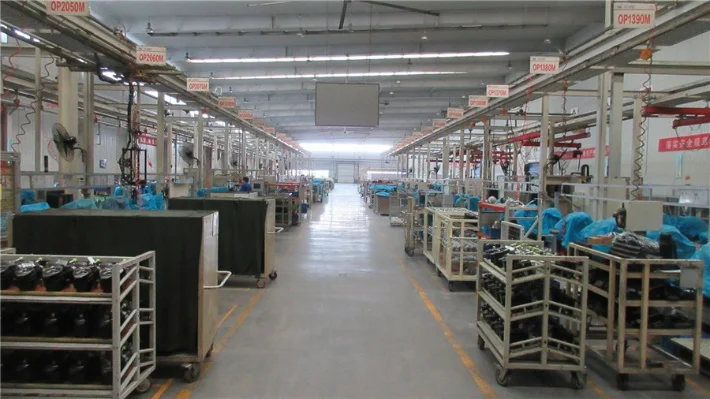
Shijiazhuang Huaru Trading Co., Ltd.
- Trading Company
- Hebei, China
- Lead time7 days
- Avg. response≤ 4h
Main productsDiesel Engine Parts, Diesel Engine, Clutch, Turbocharger
Main marketsDomestic Market(70.0%), Northern Europe(10.0%), Mid East(10.0%), Southeast Asia(10.0%)
Shandong Rongye Machinery Co., Ltd.
- Verified by TUVRHEINLAND
- Trading Company
- China Shandong
- Lead time0 days
- Avg. response≤ 1h
Main productsOilfield Drill Equipment, Tools Drill Rig Mud Pump Supplier, Spares for Drill Rig, Spares for Mud Pump, Solid Control System, Spares for Solid Control System, Pumping Unit, Drill Rig, Mud Pump
- Verified by SGS
- Manufacturer/Factory
- China Jiangsu
- Lead time15 days
- Avg. response≤ 4h
Main productsValve, Ball Valve, Gate Valve, Check Valve, Globe Valve, Butterfly Valve, Control Valve, Stainless Steel Ball Valve, Stainless Steel Butterfly Valve, Stop Valve
Main marketsSouth America,Eastern Europe,Mid East,North America,Southeast Asia,Eastern Asia,Oceania,Western Europe,Africa
- Trading Company
- China Fujian
- Lead time30 days
- Avg. response≤ 12h
Main productsToilet Bidet, Toilet Bidet Attachment, Toilet Fill Valve, Toilet Flush Valve, Toilet Tank Fittings, Dual Flush Valve, Toilet Parts, Flush Valve, Toilet Fittings, Toilet Flush Sensor
Main marketsSouth America,Southeast Asia/ Mideast,Europe,Australia,North America
Shanghai Chenyan Machinery Co., Ltd
- Verified by SGS
- Trading Company
- China Shanghai
- Lead time15 days
- Avg. response≤ 15h
Main productsEngine Parts Diesel Engine Gas Engine
Main marketsDomestic

Ningbo Salvador Piping System Co., Ltd.
- Verified by TUVRHEINLAND
- Trading Company,Manufacturer/Factory
- China Zhejiang
- Lead time23 days
- Avg. response≤ 1h
Main productsPlastic Valve, Plastic Fittings, PVC Valves & Fittings, Plastic Pipes, Irrigation Products, Faucets, Valves, Pipes & Fittings, PVC/CPVC/PPR/HDPE Pipes, Pph/PVDF Pipes & Fittings & Valves
Main marketsSouth America,Eastern Europe,Mid East,North America,Southeast Asia,Eastern Asia,Oceania,Western Europe,Africa


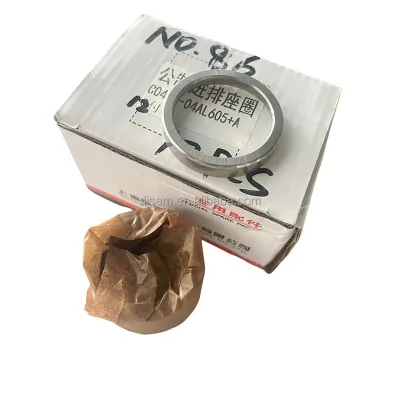
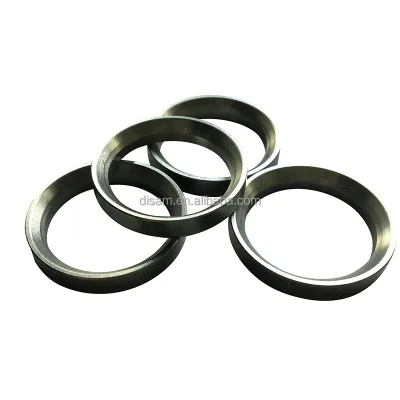




Comprehensive Sourcing Guide
Exhaust Valve Seat Supplier Concentration and Factory Types
Current data indicates a concentration of manufacturing activity in specific Chinese provinces, with Shandong and Jiangsu emerging as key regions for Exhaust Valve Seat production. Suppliers in these locations often list diverse engine-related portfolios, ranging from gas generator sets to marine engine spare parts, suggesting a robust industrial ecosystem capable of supporting precision component manufacturing. The presence of combined company types alongside dedicated manufacturers and factories implies a spectrum of operational models, where some entities handle both production and trading functions while others focus strictly on factory output. This variation allows buyers to encounter different supply chain structures, from direct factory lines to integrated trading houses that may offer broader product ranges including cylinder liners, pistons, and various valve assemblies.
When evaluating the factory type, buyers should look for explicit declarations of manufacturer status versus trading company status, as this distinction impacts direct access to production capabilities. The observed supplier profiles include entities with ODM and OEM capacities, indicating flexibility in customization and design support for specific engine models like Wartsila, MTU, and MAN series. However, not all suppliers in these regions may possess the same depth of engineering resources or production scale. Buyers must verify whether a supplier's primary focus aligns with their specific needs, such as high-volume casting or precision forging, rather than assuming all listed companies in a region offer identical manufacturing depth. The concentration in these provinces suggests established logistics and material supply chains, but the specific factory capabilities require individual verification against the buyer's technical requirements.
How to Verify Exhaust Valve Seat Suppliers
Verification of Exhaust Valve Seat suppliers relies heavily on cross-referencing available certification data and response metrics to establish credibility. Several suppliers in the current results display ISO 14001 and ISO 9001 system certifications, which serve as foundational indicators of quality management and environmental compliance. Additionally, third-party verification badges like SGS provide an external layer of trust regarding the supplier's operational integrity. Buyers should prioritize suppliers who explicitly list these certifications in their profile, as they suggest a commitment to standardized processes essential for producing critical engine components. However, the absence of a displayed badge does not automatically disqualify a supplier, but it necessitates a more rigorous request for documentation to confirm their quality control protocols.
Response time and lead time data offer practical insights into a supplier's operational efficiency and reliability. The observed response times vary, with some suppliers indicating rapid engagement capabilities while others show longer intervals, which can signal differences in staffing or communication workflows. Lead times also differ significantly, ranging from thirty days to forty-five days, reflecting variations in production scheduling and inventory management. Buyers should use these metrics to gauge whether a supplier can meet their specific project timelines. It is crucial to verify if the stated lead times apply to standard stock items or custom orders, as customization often extends production cycles. Confirming these operational details through direct inquiry ensures that the supplier's claimed capabilities align with the buyer's actual delivery expectations.
What to Compare Across Exhaust Valve Seat Suppliers
Comparing suppliers requires a systematic evaluation of technical specifications, pricing structures, and minimum order quantities to ensure alignment with project requirements. Product attributes such as hardness ratings, seat angles, and material composition vary across different engine models, with some suppliers offering components for MAN 52/55A engines while others specialize in Wartsila or MTU specifications. Buyers must scrutinize these technical details to confirm compatibility, noting that hardness values like 38-44HRC or 40-45HRC and specific seat angles are critical for performance. Additionally, the availability of customization options allows for tailored solutions, but the extent of this flexibility should be confirmed before proceeding with an order.
Pricing and order volume constraints are equally vital factors in the comparison process. The data shows price points ranging from approximately 120 to 241 units per item, with minimum order quantities varying from single units to fifty pieces depending on the specific product and supplier. These variations highlight the importance of understanding the total cost of ownership, including potential bulk discounts or setup fees for custom runs. Buyers should compare the price-to-MOQ ratio to determine the most cost-effective option for their volume needs. Furthermore, packaging standards like plywood or polywood boxes should be assessed to ensure they meet shipping and storage requirements. A comprehensive comparison ensures that the selected supplier offers the best balance of technical fit, cost efficiency, and logistical suitability.
Common Exhaust Valve Seat Sourcing Risks
One significant risk in sourcing exhaust valve seats involves the potential mismatch between advertised specifications and actual product performance. While suppliers list detailed attributes such as outer diameters, heights, and ignition modes, discrepancies can arise if the manufacturing process deviates from the stated standards. For instance, a supplier claiming ISO certification might not consistently adhere to the rigorous tolerances required for high-performance engines like the Wartsila 22 or B&W L45GF. Buyers must be vigilant in verifying that the physical product matches the provided technical data, particularly regarding critical dimensions like concentricity and roundness, which are essential for engine longevity and efficiency.
Another risk pertains to the reliability of lead times and the consistency of supply chain operations. The observed lead times of thirty to forty-five days may fluctuate due to raw material shortages, production bottlenecks, or logistical delays. If a supplier fails to meet the agreed-upon delivery schedule, it can disrupt downstream assembly lines and cause significant financial losses. Additionally, the variation in response times suggests that communication delays could hinder issue resolution during the production phase. Buyers should mitigate these risks by establishing clear contractual terms regarding penalties for delays and maintaining open channels for real-time updates. Ensuring that the supplier has a robust contingency plan for production disruptions is essential for maintaining supply chain stability.
Exhaust Valve Seat Regional Sourcing and Logistics
Sourcing from regions like Shandong and Jiangsu in China offers access to a dense network of engine component manufacturers, but it also introduces specific logistical considerations. The proximity of these industrial hubs to major ports facilitates efficient export, yet buyers must account for the time required for inland transportation and customs clearance. The concentration of suppliers in these areas often means that multiple vendors can be evaluated within a short timeframe, allowing for comparative analysis of their capabilities. However, the distance from the buyer's location necessitates careful planning of shipping routes and modes of transport to minimize transit times and costs.
Logistics planning should also consider the packaging standards provided by suppliers, which range from plywood boxes to polywood crates. These packaging choices impact the protection of the components during transit and the efficiency of loading and unloading operations. Buyers should verify that the packaging meets international shipping standards to prevent damage during long-haul transport. Additionally, the origin of the products, often listed as China or specific cities like Nanjing, influences the documentation required for import clearance. Understanding the regional logistics landscape helps buyers anticipate potential delays and budget appropriately for freight and insurance costs. Effective logistics management ensures that the exhaust valve seats arrive in optimal condition and on schedule.
Exhaust Valve Seat Commercial Terms and Order Planning
Commercial terms for Exhaust Valve Seat orders often include specific conditions regarding payment, delivery, and customization. The availability of customization is a key feature, allowing buyers to request modifications to standard designs, but this typically involves additional costs and extended lead times. Buyers should clarify the scope of customization and the associated pricing before finalizing an order to avoid unexpected expenses. Furthermore, the minimum order quantities, which can range from one unit to fifty pieces, dictate the initial investment required. Understanding these thresholds helps buyers plan their inventory levels and cash flow effectively.
Order planning must also account for the specific standards and certifications required for the intended application. Suppliers may adhere to standards like GL, BV, or CCS, which are critical for marine and industrial engines. Buyers should ensure that the selected supplier can provide the necessary documentation to prove compliance with these standards. Additionally, the response time of the supplier plays a role in the overall order planning process, as quick communication is essential for resolving technical queries and confirming order details. By carefully reviewing commercial terms and aligning them with project timelines, buyers can establish a reliable partnership that supports their operational needs. Clear communication and detailed planning are essential for successful procurement outcomes.
FAQs
What is the typical lead time for exhaust valve seats?
Manufacturers in China generally require 30 to 45 days for production. Shandong suppliers often quote 30 days, while Jiangsu factories may need 45 days. Buyers should confirm specific timelines based on order volume and customization requirements before placing orders.
What are the minimum order quantities for these parts?
MOQs vary significantly by supplier and product type. Some vendors accept orders as low as one unit, while others require 10, 20, or 50 pieces. Buyers must check individual product listings to determine the exact minimum quantity required for their specific engine model.
Which certifications are standard for these valve seats?
Many suppliers hold ISO 9001 and ISO 14001 system certifications. Products often carry ISO standards or specific classification society marks like GL, BV, and CCS. Buyers should verify that the specific valve seat model matches their engine's certification requirements.
What materials and hardness levels are used?
Common hardness ranges include 38-44 HRC and 40-45 HRC. Materials are selected for high-temperature resistance and durability. Manufacturing techniques include casting and forging. Buyers should specify the required hardness and material composition to ensure compatibility with their engine's operating conditions.
How quickly do suppliers respond to inquiries?
Response times typically range from 14 to 20 hours. Jiangsu-based manufacturers often respond within 14 hours, while Shandong suppliers may take up to 20 hours. Faster response times indicate active sales teams and efficient communication channels for urgent sourcing needs.
What customization options are available for valve seats?
Most suppliers offer available customization for dimensions, angles, and specifications. OEM and ODM services are widely supported. Buyers can request specific outer diameters, seat angles, and hardness levels. Customization ensures the valve seat fits unique engine models and performance requirements.