Exfoliating Liquid Foot Repair Socks Suppliers and Manufacturers
Compare 29 verified suppliers offering Exfoliating Liquid Foot Repair Socks with details on location, lead times, and response times. Review product specifications and MOQs to source the right fit for your needs; review the available evidence before requesting comparable quotations from suitable candidates.
Suppliers List
Ningbo Healsunny Technology Co., Ltd.
- Trading Company
- Zhejiang, China
- Lead time15 days
- Avg. response≤ 5h
Main productsTire,Medical Product,Beauty Product,LED Light,Car Auto Parts
Main marketsWestern Europe(15.0%), North America(15.0%), Northern Europe(10.0%), South America(9.0%), Eastern Europe(8.0%), Southern Europe(8.0%), South Asia(7.000000000000001%), Mid East(7.000000000000001%), Eastern Asia(5.0%), Africa(5.0%), Southeast Asia(5.0%), Central America(4.0%), Oceania(1.0%), Domestic Market(1.0%)

Dongguan Topinsole Commodity Limited
- Verified by BV
- Trading Company
- China Guangdong
- Lead time15 days
- Avg. response≤ 9h
Main productsInsoles, Footcare
Main marketsSouth America,Africa,Southeast Asia/ Mideast,East Asia(Japan/ South Korea),Europe,Australia,North America

Kunming Funyoung Trade Co., Ltd.
- Trading Company
- Yunnan, China
- Lead time15 days
- Avg. response≤ 7h
Main productsBeauty products,Health care products,OEM,ODM,OBM
Main marketsEastern Europe(15.0%), Oceania(10.0%), Northern Europe(10.0%), Western Europe(10.0%), North America(10.0%), South America(10.0%), Southern Europe(8.0%), South Asia(7.000000000000001%), Eastern Asia(5.0%), Mid East(5.0%), Africa(5.0%), Southeast Asia(5.0%)
Foshan Coolnice Silicone Rubber Products Co., Ltd.
- Verified by TüVRheinland
- Manufacturer, Trading Company
- Lead time7 days
- Avg. response≤ 3h
Main productsKitchen Supplies, Household Products, Beauty Tools, Outdoor Supplies, Outdoor Sport Accessories
Main marketsNorthern Europe(11%), South Asia(11%), Central America(10%)
Hangzhou Houde Fuze Technology Co., Ltd.
- Verified by SGS Group
- Manufacturer, Trading Company
- Lead time10 days
Main productsFoot Mask, Steam Eye Mask, Acne Patch, Collagen Eye Mask, Body Warmer Patch
Main marketsSouth America(17%), Eastern Europe(15%), Western Europe(15%)
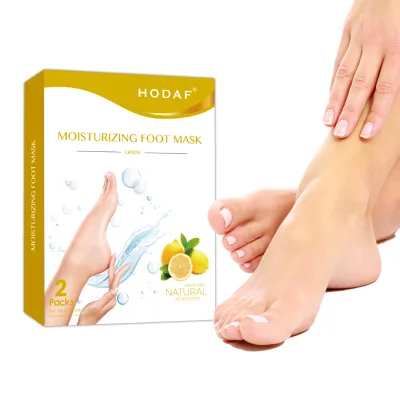
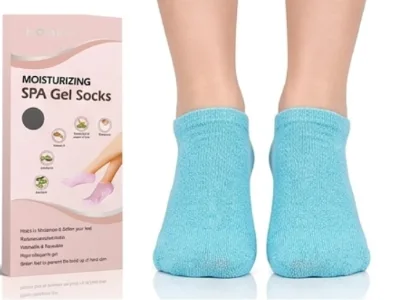
Custom Exfoliating Soothing Herbal Foot Mask Foot Spa Socks for Relaxing Foot Care
$0.41 - $0.49
Moq: 1000

Shijiazhuang Runlei Labour Protection Supplies Co., Ltd.
- Verified by CTI
- Manufacturer/Factory
- China Hebei
- Lead time0 days
- Avg. response≤ 11h
Main productsCotton Eczema Moisturizing Gloves, Leather Ski Gloves, Leather Barbecue Gloves, Firefighter Gloves, Arthritis Gloves
Main marketsSouth America,Eastern Europe,Mid East,North America,Southeast Asia,Eastern Asia,Western Europe,Africa

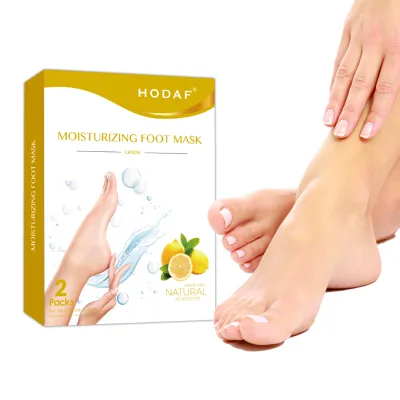
Repair Cracked Dry Skin Touch Screen Moisturizing Eczema Gloves Foot Care Socks
$0.50 - $3.00
Moq: 600

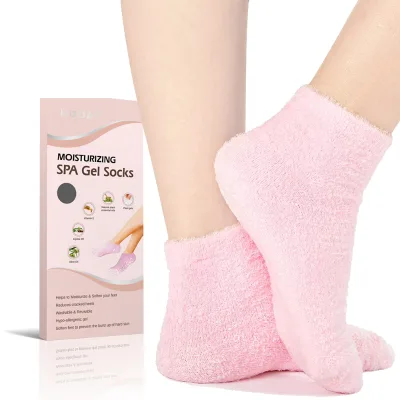
Anti Slip Moisturizing SPA Foot Skin Care Exfoliating Heels Moisturizing Gel Socks
$0.50 - $3.00
Moq: 600

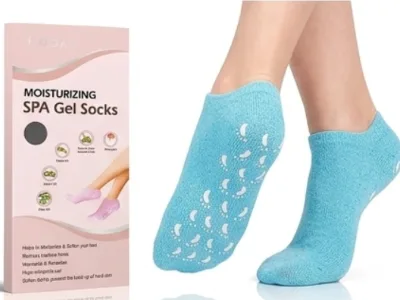
Exfoliating Foot Mask Cracked Feet Skin Cosmetic Soft Gel Moisturizing SPA Socks
$0.50 - $3.00
Moq: 600


Repairing Dry Hands Feet Cracked Silicone Moisturizing Gloves SPA Gel Heel Socks
$0.50 - $3.00
Moq: 600
Hebei Houde Hanfang Medical Devices Group Co., Ltd.
- Manufacturer, Trading Company
- Lead time旺季: "1 - 10000":31,"> 10000":"To be negotiated", 淡季: "1 - 10000":31,"> 10000":"To be negotiated"
Main productsFoot Patch, Hydrogel Patch, Scar Removal Patch, Non Woven Fabric Patch, Beauty Personal Care Products

Dongguan Chengda Rubber and Plastic Co., Ltd
- Verified by SGS
- Trading Company,Manufacturer/Factory
- China Guangdong
- Lead time23 days
- Avg. response≤ 6h
Main productsSilicone Products, Machnie Part, Silicone Gifts, Silicone Bag, Medicial Products, Silicone Bra, Custom Silicone Product, Silicone Toy
Main marketsEastern Europe

Guangzhou Aixin Cosmetic Co., Ltd.
- Verified by TUVRHEINLAND
- Trading Company
- China Guangdong
- Lead time15 days
- Avg. response≤ 5h
Main productsSkin Care, Cosmetic, Face Mask, Beauty, Body Scrub, Face Care, Body Care, Skin Care Product, Mask, Cream
Main marketsDomestic

Ningbo Yiyuankang International Trade Co., Ltd.
- Combined
- China Zhejiang
- Lead time30 days
- Avg. response≤ 25h
Main productsMedical Bandage, Tape, Medical First Aid, Alcohol Pad, Face Mask, Adhesive Bandage, Bandage
Main marketsSouth America,Africa,Southeast Asia/ Mideast,East Asia(Japan/ South Korea),Europe,Australia,North America


Anti-Slip SPA Moisturizer Foot Gel Socks Exfoliating Dry Cracked Soft Skin Socks
$0.70 - $0.80
Moq: 3000


Tianjin Yiwei Technology Co., Ltd.
- Trading Company
- Tianjin, China
- Lead time0 days
- Avg. response≤ 1h
Main productsmouth tape,wax beans,nose clip,acne patch,sleep mask
Main marketsNorth America(18.0%), Central America(13.0%), Mid East(10.0%), Eastern Asia(10.0%), Northern Europe(8.0%), South Asia(7.000000000000001%), Oceania(7.000000000000001%), Africa(5.0%), Southeast Asia(5.0%), Southern Europe(5.0%), Western Europe(5.0%), South America(3.5000000000000004%), Eastern Europe(3.0%), Domestic Market(0.5%)

Ningbo Multi Channel Co., Ltd.
- Trading Company
- China Zhejiang
- Lead time23 days
- Avg. response≤ 15h
Main productsFirst Aid Kit, Wound Dressing, Bandage, Outdoor Emergency Supplies, Hot/Cold Therapy, Surgery Supplies, Laboratory Supplies, Medical Devices, Anethesia Breathing Supplies, Daily Care
Main marketsSouth America,Southeast Asia/ Mideast,East Asia(Japan/ South Korea),Europe,North America


Toeless SPA Socks Heal and Heal Dry Hydrating Heel Socks Gel Lined Gel Heel Socks
$0.85 - $1.15
Moq: 500

Foot Sleeve Footcare Moisture Dry Foot Cooling Wholesale Silicone Gel SPA Socks
$1.20 - $1.50
Moq: 500

Shijiazhuang Changsui Import And Export Trading Co., Ltd.
- Trading Company
- Hebei, China
- Lead time45 days
- Avg. response≤ 3h
Main productsknee support,waist support,socks,ankle support,elbow support
Main marketsNorth America(20.0%), South America(15.0%), Central America(10.0%), Eastern Asia(10.0%), Mid East(10.0%), Africa(5.0%), South Asia(5.0%), Southern Europe(5.0%), Northern Europe(5.0%), Southeast Asia(5.0%), Eastern Europe(5.0%), Western Europe(5.0%)

Shijiazhuang Aishangxin Imp&Exp Co., Ltd.
- Trading Company
- Hebei, China
- Lead time10 days
- Avg. response≤ 5h
Main productsSports products,Fitness products,Processing custom-made clothing,Holiday celebration clothing,Daily household goods
Main marketsNorth America(40.0%), Oceania(23.5%), Central America(8.0%), Western Europe(8.0%), Mid East(5.0%), Africa(5.0%), South Asia(5.0%), South America(3.0%), Southeast Asia(2.0%), Eastern Asia(0.5%)

Henan Geesion Medical Devices Co., Ltd.
- Verified by BV
- Trading Company
- China Henan
- Lead time15 days
- Avg. response≤ 7h
Main productsPain Relief Patch, Cooling Gel Patch, Detox Foot Patch, Slimming Patch, Capsicum Plaster, Stop Smoking, Nasal Strips, Dental Mouthguard, Cough Relieve Patch, Wormwood Knee Patch
Main marketsSouth America,Africa,Southeast Asia/ Mideast,East Asia(Japan/ South Korea),Europe,Australia,North America
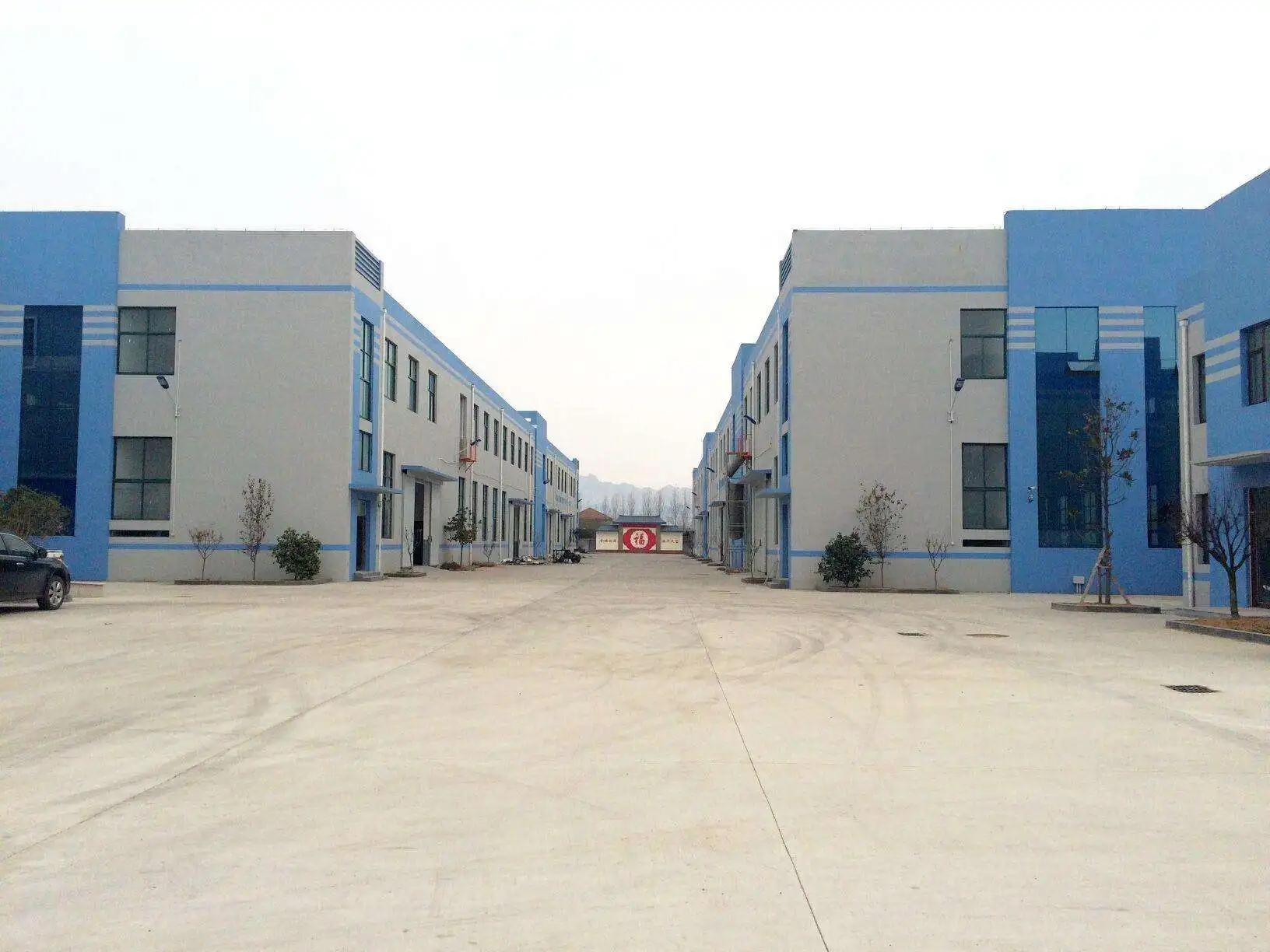
Shenzhen Qiaonvhai Trading Co., Ltd.
- Trading Company, Distributor/Wholesaler
- Guangdong, China
- Lead time4 days
- Avg. response≤ 2h
Main productsMakeup&Tools,Skin Care,Personal Care & Home Care,Eyelash Beauty & Tools,Nail Supplies
Main marketsNorth America(60.0%), Western Europe(10.0%), Southern Europe(10.0%), Eastern Europe(5.0%), South America(4.0%)

PLANET (ANHUI) INTERNATIONAL CO., LTD.
- Verified by BV
- Combined
- China Jiangsu
- Lead time60 days
- Avg. response≤ 1h
Main productsBandage, First Aid Kits, Band Aid, Wound Dressing, Foot Patch, Knee Brace, Knee Support, Knee Pad, Adhesive Tape, Compression Stocks
Main marketsNorth America

Ningbo Tyj Industry and Trade Co., Ltd
- Verified by BV
- Combined
- China Zhejiang
- Lead time30 days
- Avg. response≤ 5h
Main marketsDomestic

Guangzhou Epsilon Import & Export Co., Ltd.
- Manufacturer, Trading Company
- Guangdong, China
- Lead time0 days
- Avg. response≤ 3h
Main productshousehold appliances,plastic products,Silicone products,beauty appliances,Household daily necessities
Main marketsNorth America(45.0%), Eastern Europe(21.0%), South America(12.0%), Western Europe(8.0%), Southeast Asia(5.0%), Northern Europe(4.0%), Eastern Asia(3.0%), Mid East(2.0%)
Helloworld (guangzhou) Import & Export Co., Ltd.
- Manufacturer, Trading Company
- Guangdong, China
- Lead time0 days
- Avg. response≤ 6h
Main productsSilicone Product,Plastic Product,Gel Products,House Products,Gift & Craft
Main marketsNorth America(36.0%), South America(35.0%), Eastern Europe(15.0%), Southeast Asia(9.0%), Domestic Market(1.0%), Western Europe(1.0%), Eastern Asia(1.0%), Mid East(1.0%), Africa(1.0%)

Firstar Healthcare Company Limited (Guangzhou)
- Verified by SGS
- Combined
- China Guangdong
- Lead time30 days
- Avg. response≤ 5h
Main productsFirst Aid Kit, First Aid Box
Main marketsSoutheast Asia/ Mideast,Europe,Australia,North America
Dongguan City Everhealth Industrial Co., Ltd.
- Trading Company
- Guangdong, China
- Lead time20 days
- Avg. response≤ 7h
Main productsInsole,Foot Care,Arch Support Sandals,Walking Shoes
Main marketsWestern Europe(50.0%), North America(50.0%)
Hangzhou Chengrui Trading Co., Ltd.
- Trading Company
- Zhejiang, China
- Lead time15 days
- Avg. response≤ 2h
Main productsSOCKS,PANTYHOSE
Main marketsNorth America(50.0%), Northern Europe(15.0%), Eastern Europe(10.0%), Oceania(10.0%), Mid East(5.0%), Central America(5.0%), Western Europe(5.0%)
Dongguan Feifan Silicone Products Co., Ltd.
- Verified by Intertek
- Trading Company
- Lead time7 days
- Avg. response≤ 4h
Main productsInsoles, Toe Separators, Heel Pad, Forefoot Pad, Invisible Bra
Main marketsDomestic Market(80%), North America(5%), Southeast Asia(5%)
Tianjin Hodaf Technology Co., Ltd.
- Verified by SGS Group
- Manufacturer, Trading Company
- Lead time5 days
- Avg. response≤ 2h
Main productsFoot Mask, Foot Patch, Under Eye Pad, Heat Pack, Steam Eye Mask
Main marketsNorth America(30%), Eastern Europe(30%), Southeast Asia(20%)

Dongguan Ucom Info Tech Co., Ltd.
- Trading Company
- Guangdong, China
- Lead time5 days
- Avg. response≤ 4h
Main productsInsoles,toe separators,sole protector,Shoe tree,Shoe horn
Main marketsWestern Europe(30.0%), North America(20.0%), Northern Europe(10.0%), South America(10.0%), Eastern Europe(10.0%), Southern Europe(5.0%), Central America(5.0%), Southeast Asia(3.0%), South Asia(3.0%), Eastern Asia(3.0%), Mid East(1.0%)

PUYANG SELFAIDING INDUSTRIAL CO., LTD.
- Verified by SGS
- Manufacturer
- China Henan
- Lead time15 days
- Avg. response≤ 2h
Main productsAdult Bib, Pet Pad, Underpad, Baby Bib, Protective Panties, Washable Sanitary Pad, Compression Stockings, Patient Care Clothing, Pet Nest, Pet Toy

Shijiazhuang New Aosuo Medical Equipment Co., Ltd.
- Verified by TUVRHEINLAND
- Trading Company
- China Hebei
- Lead time15 days
- Avg. response≤ 3h
Main productsProsthetic Foot, Prosthetic Equipment, Orthopedic, Knee Joint, Leg Prosthesis, Sach Foot, Artificial Limbs Foot, Orthosis, Prosthetic Leg, Artificial Limbs Knee
Main marketsSouth America,Africa

Ningbo Beiduoen Health Tech. Co., Ltd.
- Verified by CTI
- Combined
- China Zhejiang
- Lead time23 days
- Avg. response≤ 10h
Main productsKnee Support, Ankle Brace, Compression Arthritis Glove, Wrist Support, Waist Belt, Foot Care, Insoles, Toe Separator, Compresson Sock Glove Knee Brace, Copper Supports
Main marketsSouth America,Southeast Asia/ Mideast,Europe,Australia,North America






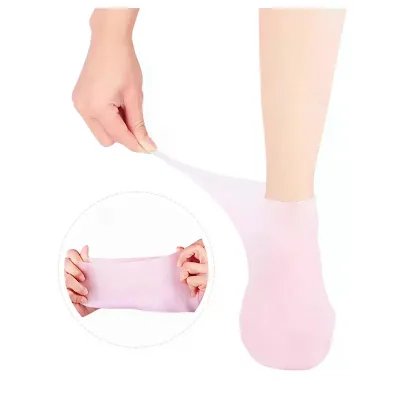


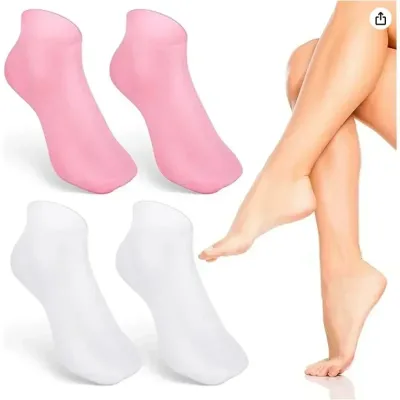
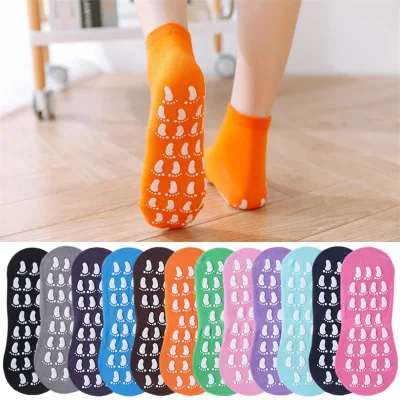
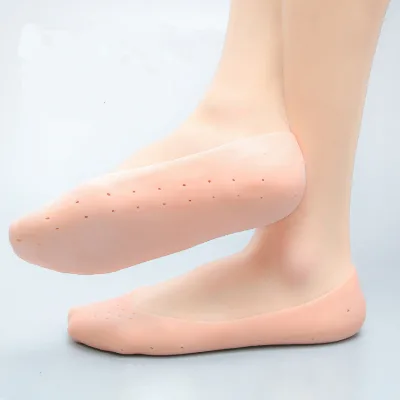





Comprehensive Sourcing Guide
Exfoliating Liquid Foot Repair Socks Supplier Concentration and Factory Types
Current data indicates that suppliers for Exfoliating Liquid Foot Repair Socks are concentrated in specific Chinese provinces, with Zhejiang and Guangdong appearing as primary manufacturing hubs. Fact records show a distinct clustering of companies in Zhejiang, China, alongside a significant presence in Guangdong, China, and a smaller number of entities located in Yunnan, China. These regions host a mix of trading companies and potential manufacturing facilities, though the specific factory-to-trader ratio varies by location. Buyers should note that the main products listed for these suppliers often extend beyond foot care to include LED lights, car parts, and general beauty products, suggesting that many suppliers operate as diversified trading entities rather than specialized single-product factories.
When assessing the factory type, it is critical to distinguish between pure manufacturers and trading companies, as the latter may offer broader product ranges but less direct control over production. The available facts confirm that several suppliers are explicitly classified as trading companies, which implies they source products from various factories before selling to international buyers. This structure can affect lead times and customization capabilities. Buyers must verify if a supplier claims to be a factory by requesting proof of production lines, as the presence of diverse main products like medical products or beauty items alongside foot socks often signals a trading operation. Understanding this distinction helps in predicting the supplier's ability to handle complex OEM or ODM requests for specific liquid formulations or sock materials.
How to Verify Exfoliating Liquid Foot Repair Socks Suppliers
Verification of suppliers requires a multi-step approach focusing on business credentials, product authenticity, and operational transparency. The provided data highlights that some suppliers hold BV verification status, which serves as a third-party validation of their business existence and basic operational capabilities. However, not all suppliers in the current results display this verification, and some show a system certification status of NIL. Buyers should prioritize suppliers with verified badges but must not assume that a lack of visible certification implies a lack of quality. Instead, buyers should request specific documentation, such as business licenses and factory audit reports, to confirm the legitimacy of the entity, especially when the supplier type is listed as a trading company.
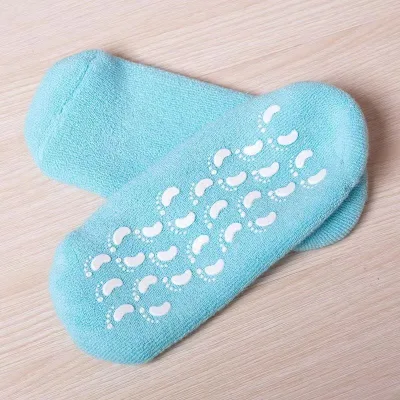
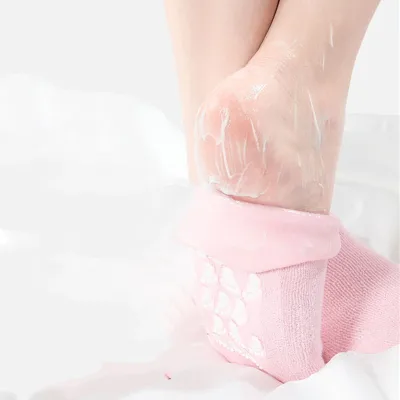
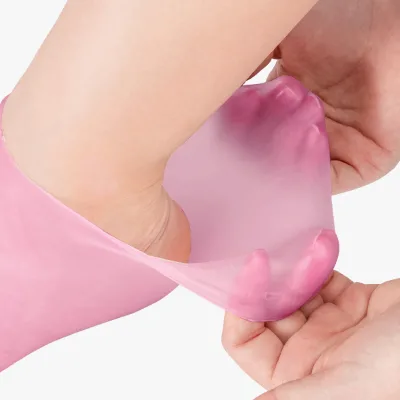
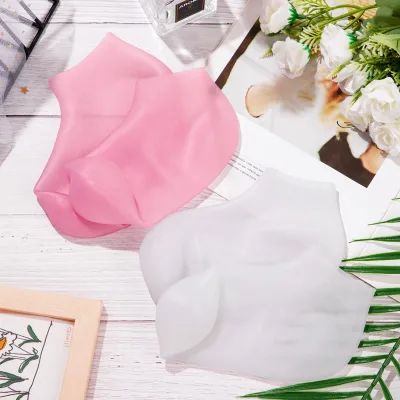
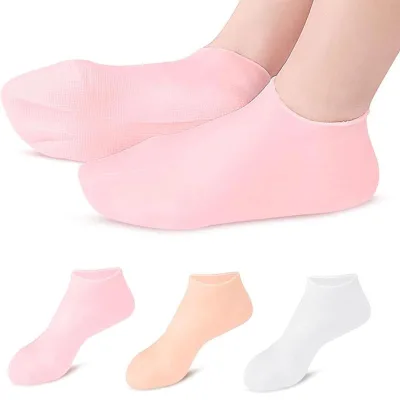
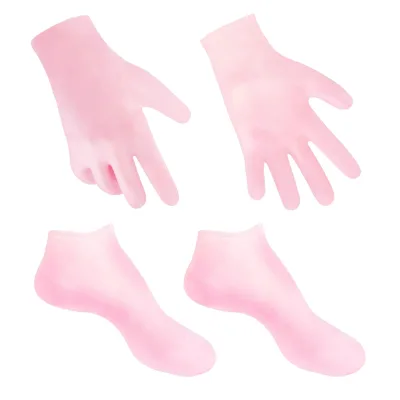
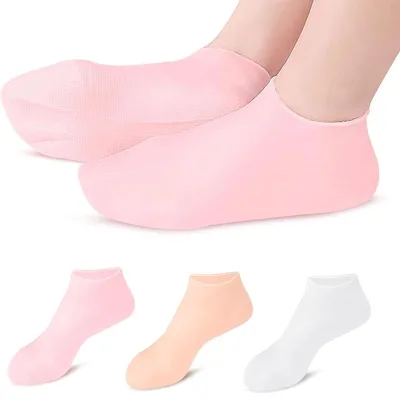
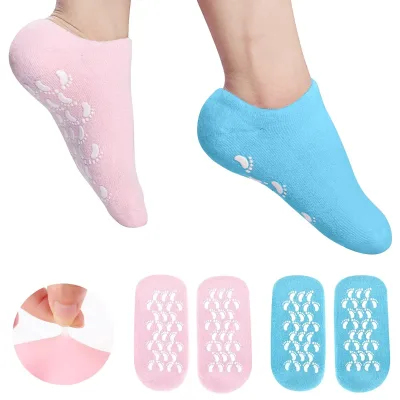
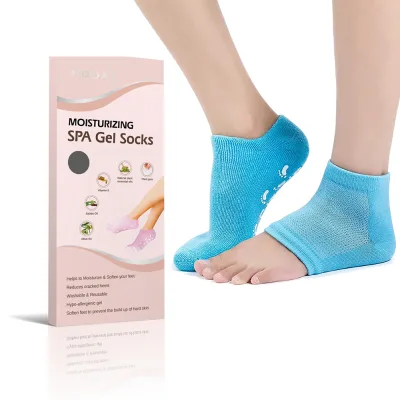
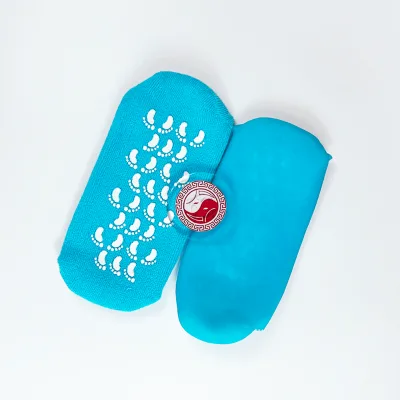
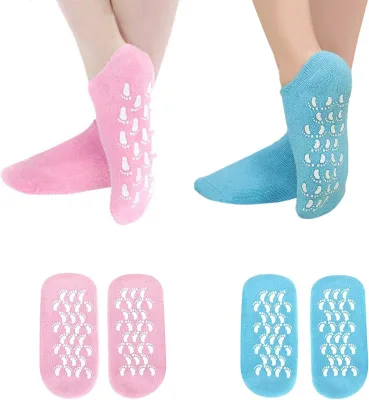
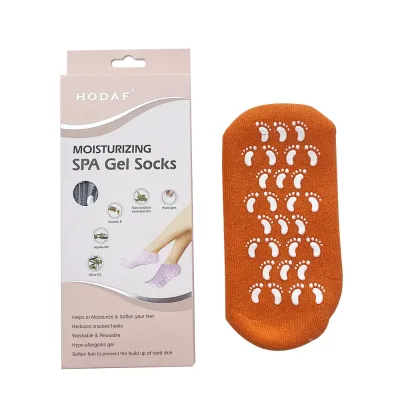
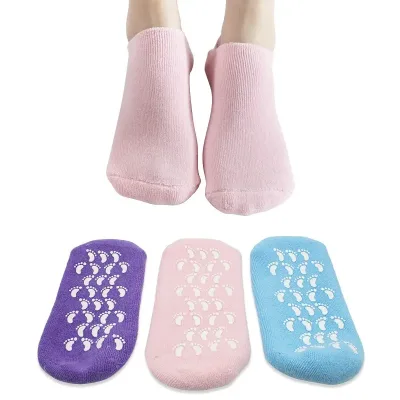
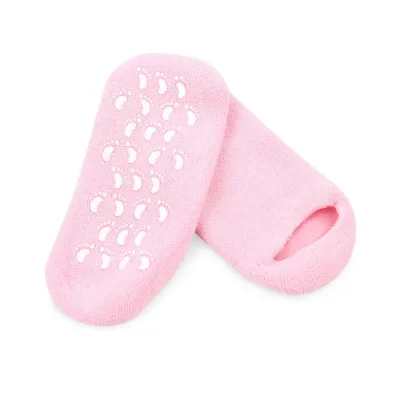
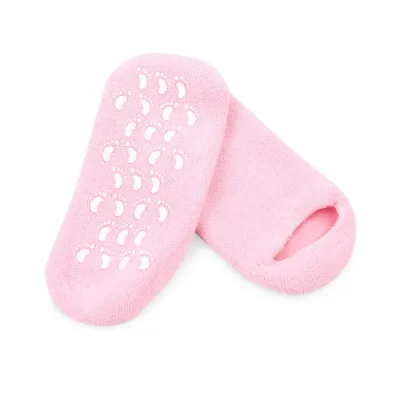
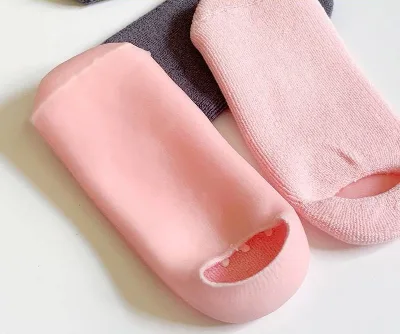
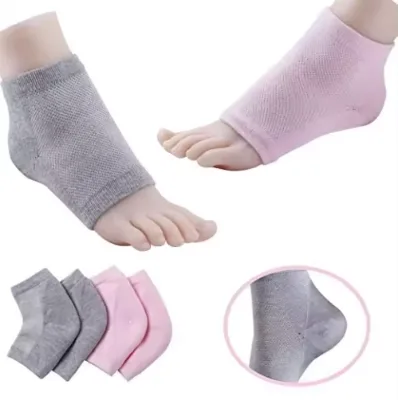
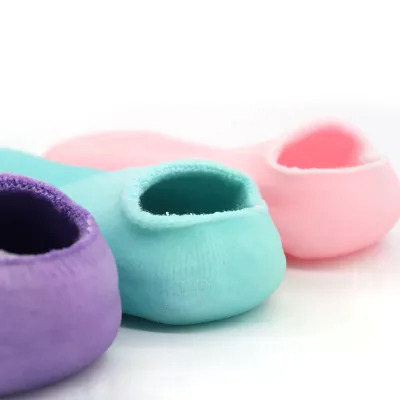
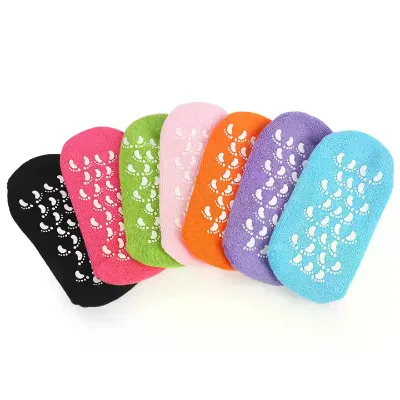
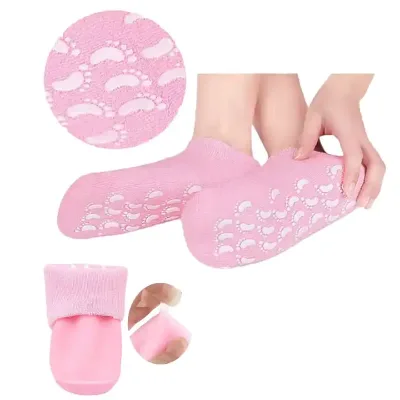
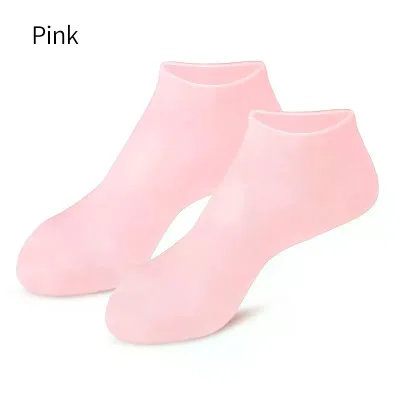
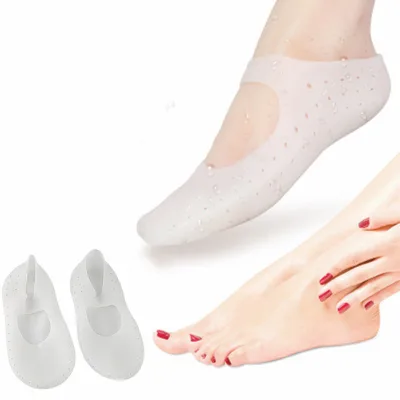
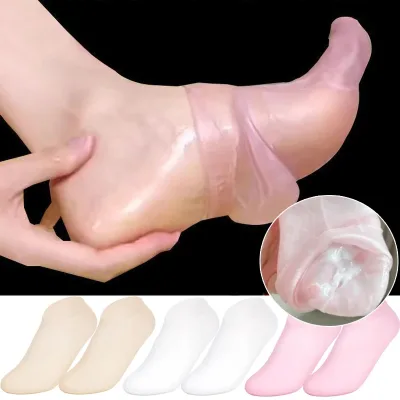
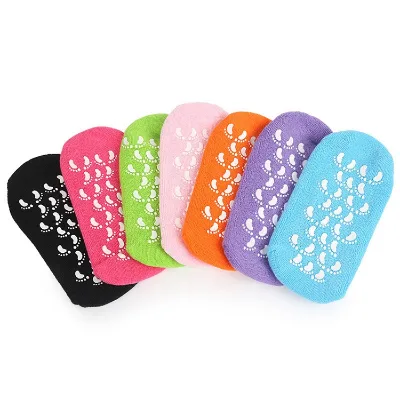
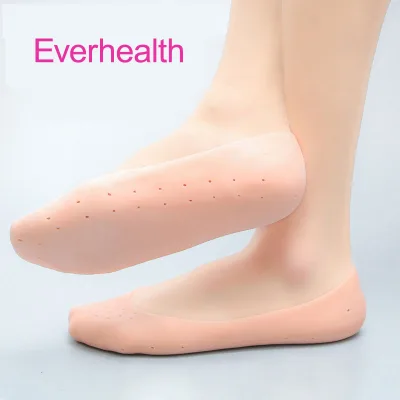
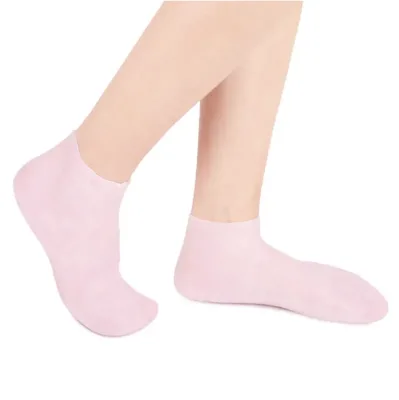
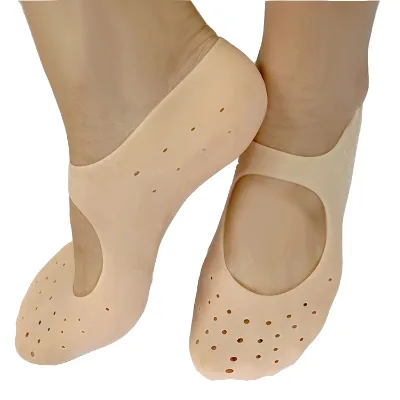
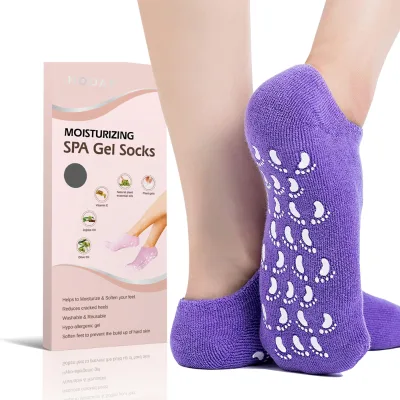
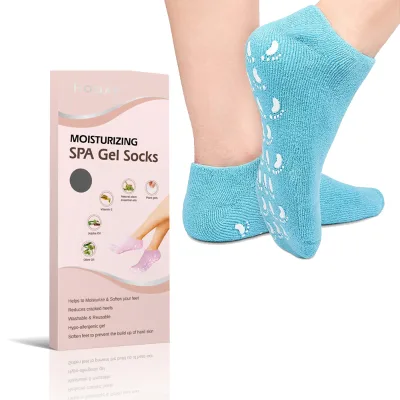
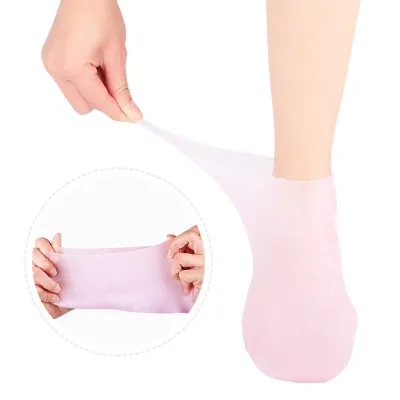
Product verification is equally critical, as the market contains various iterations of foot care socks, including gel socks, exfoliating masks, and moisturizing treatments. Buyers must cross-reference product attributes like material composition, specifically looking for polyester and silicone blends, and ensure the product name matches the intended function, such as "Moisturizing Nourishing Peeling Foot Mask Gel Socks." The data shows specific model numbers like MSHFS-2 and YSW003, which can be used to track specific product lines. Buyers should ask for physical samples to test the liquid formulation and the sock's elasticity, ensuring the product meets the "Exfoliating Liquid Foot Repair" specification. Relying solely on digital descriptions is insufficient; physical verification of the "Paraben-Free, Herbal, Chemical" ingredients and the "One size fits all" sizing claims is necessary to confirm the product matches the buyer's requirements.
What to Compare Across Exfoliating Liquid Foot Repair Socks Suppliers
Comparing suppliers requires a systematic evaluation of key operational metrics, including response times, lead times, and minimum order quantities. The data reveals a range of response times, with some suppliers responding within 5 hours and others taking up to 8.79 hours, which can significantly impact the speed of negotiation and order placement. Lead times also vary, with a standard figure of 15 days observed in the results, though this may fluctuate based on order volume and customization needs. Buyers should create a comparison matrix that lists these response and lead time figures alongside the supplier's location, as proximity to ports in Zhejiang or Guangdong might influence shipping logistics. A supplier with a faster response time but a longer lead time may not be the most efficient choice for urgent orders.
Minimum Order Quantity (MOQ) and pricing structures are another vital area for comparison. The observed data shows a wide disparity in MOQs, ranging from as low as 2 units to as high as 100 units, depending on the specific product model and supplier. Pricing also varies, with minimum prices observed at $0.70 and maximums reaching $2.99 per unit. Buyers must analyze whether the lower MOQs come with higher per-unit costs or if the higher MOQs offer better economies of scale. Additionally, the main products listed by suppliers, such as "Insoles, Footcare" versus "Beauty Product, Health care products," indicate different levels of specialization. A supplier focusing primarily on foot care may offer better technical support and product consistency than a general trading company selling a wide array of beauty items.
Common Exfoliating Liquid Foot Repair Socks Sourcing Risks
One significant risk in sourcing these products is the potential mismatch between product descriptions and actual specifications, particularly regarding the liquid formulation and sock material. The data indicates that products are described with attributes like "Moisturizing," "Exfoliating," and "Silicone," but the specific chemical composition of the liquid, such as whether it is "Paraben-Free" or contains "Herbal" ingredients, varies by supplier. Buyers face the risk of receiving a product that does not meet safety standards or regulatory requirements in their target market if they do not verify the ingredient list. The presence of "OEM" branding on some products suggests that the liquid formula might be generic, and buyers must ensure that any custom branding or specific chemical formulations are clearly defined in the contract to avoid receiving a standard, unbranded product.
Another risk involves the reliability of the supply chain and the consistency of the product quality over time. Since many suppliers are trading companies, they may not have direct control over the manufacturing process, leading to potential inconsistencies in the "knitted" technics or the "Medium Elasticity" of the socks. The data shows that some products have a "Single gross weight" of 0.200 kg, while others differ, indicating variations in packaging and material density. If a supplier changes their factory without notifying the buyer, the quality of the silicone or the effectiveness of the exfoliating liquid could degrade. Buyers should mitigate this risk by establishing clear quality control protocols, requesting pre-shipment inspections, and ensuring that the supplier commits to maintaining the same material specifications and production standards for all future orders.
Exfoliating Liquid Foot Repair Socks Regional Sourcing and Logistics
Sourcing from the identified regions of Zhejiang, Guangdong, and Yunnan offers distinct logistical advantages and challenges. Zhejiang and Guangdong are major manufacturing hubs with well-established port infrastructure, facilitating efficient export logistics for heavy or bulky orders. The data confirms that products originate from these locations, with specific attributes like "place of origin: Zhejiang, China" and "prod_origin: Guangdong, China." Buyers should consider the proximity of the supplier to major shipping ports, as this can reduce inland transportation costs and lead times. However, the presence of suppliers in Yunnan, China, may introduce longer transit times to coastal ports, potentially increasing the overall lead time for international shipments. Buyers must factor in these regional differences when planning their inventory and delivery schedules.
Logistics planning also involves understanding the packaging dimensions and weight, which directly impact shipping costs. The product attributes list specific single package sizes, such as 15X10X3 cm, 18X10X5 cm, and 20X10X5 cm, along with varying gross weights. These dimensions are crucial for calculating container loading efficiency and freight charges. Buyers should request detailed packing lists to optimize container space, especially when ordering mixed SKUs with different sizes and weights. Additionally, the "Customized Packing" option available for some models allows buyers to tailor packaging for retail display, which can add value but may require additional lead time. Coordinating with the supplier to align packaging specifications with logistics requirements ensures a smoother supply chain from the factory floor to the final destination.
Exfoliating Liquid Foot Repair Socks Commercial Terms and Order Planning
Commercial terms for these products often include flexible payment structures and customization options, but buyers must carefully review the specific conditions. The data shows that suppliers accept OEM and ODM services, allowing for brand customization and product modification. However, the "Selling Units" are listed as "Single item" or "Single Item," which may imply that the MOQ applies to individual units rather than bulk cases. Buyers should clarify whether the MOQ of 2 or 100 units refers to individual pairs or cases, as this affects the total order value and inventory planning. Additionally, the price range of $0.70 to $2.99 suggests that volume discounts may be available, but buyers need to confirm the exact pricing tiers and any additional costs for custom packaging or branding.
Order planning must account for the variability in lead times and response speeds to ensure timely delivery. With response times ranging from 5 to 8.79 hours and a standard lead time of 15 days, buyers should initiate orders well in advance of their sales peaks. The "Application" attributes, such as "For Home Use" or "Salon," indicate different market segments, and buyers should align their order quantities with their specific target audience. For instance, salon-grade products may require higher quality control and longer lead times for customization. Buyers should also consider the "Feature" attributes like "Washable" or "Eco-Friendly" when marketing the product, as these features may influence customer demand and reorder frequency. Proper planning ensures that the supply chain remains responsive to market fluctuations while maintaining cost efficiency.
FAQs
What is the price range for Exfoliating Liquid Foot Repair Socks?
Prices typically range from $0.70 to $2.99 per unit depending on material and customization. Basic polyester and silicone blends start near the lower end, while specialized gel treatments may cost more. Buyers should verify exact pricing based on order volume and specific product attributes like model number or packaging requirements.
What is the minimum order quantity for these socks?
Minimum order quantities vary significantly by supplier, ranging from just 2 pieces to 100 pieces. Some trading companies offer low MOQs for sample testing, while others require larger bulk orders. Buyers must check individual supplier listings to confirm the specific MOQ applicable to their desired product model and customization needs.
Where are these suppliers located in China?
Suppliers are primarily located in Zhejiang, Guangdong, and Yunnan provinces in China. Zhejiang and Guangdong are major hubs for beauty and personal care products, offering diverse manufacturing capabilities. Buyers should filter by these specific locations to ensure proximity to supply chains and potentially faster logistics for their international shipments.
How long does production take for these orders?
Standard lead times are approximately 15 days for production and shipping. This duration allows for manufacturing, quality control, and preparation of goods for dispatch. Buyers should confirm specific lead times with suppliers, as expedited options or custom OEM/ODM requirements may extend the delivery schedule beyond the standard timeframe.
Do suppliers offer OEM or ODM services?
Many suppliers accept OEM and ODM services for custom branding and packaging. Products often feature customizable labels, colors, and specific gel formulations. Buyers seeking private label solutions should verify customization availability and minimum requirements directly with suppliers to ensure their brand identity and product specifications are met accurately.
What materials are used in these foot socks?
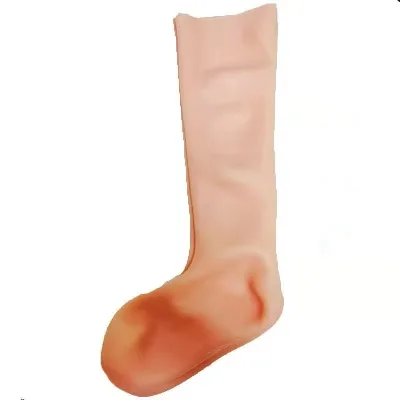
Common materials include polyester, silicone, and knitted fabrics designed for elasticity and moisture retention. Some products feature eco-friendly or breathable properties for enhanced comfort during spa treatments. Buyers should review product attributes to select the appropriate material combination that best suits their target market's preferences for durability and skin care benefits.