Excavator Fuel Return Piping Tube Suppliers and Manufacturers
Explore 21 verified suppliers offering Excavator Fuel Return Piping Tube parts with varying lead times, prices, and certifications. Compare response times, MOQs, and origin details to select the right partner for your engineering machinery needs today; review the available evidence before requesting comparable quotations from suitable candidates.
Suppliers List

Shandong Jade Engineering Machinery Co., Ltd.
- Verified by SGS
- Trading Company
- China Shandong
- Lead time15 days
- Avg. response≤ 2h
Main productsEngineering Machinery Parts, Excavator Part, Bulldozer Part, Crane Parts, Automobile Parts, Construction Machinery Part, Wheel Loader Part, Dump Truck Part, Hinged Vehicle Part
Main marketsDomestic


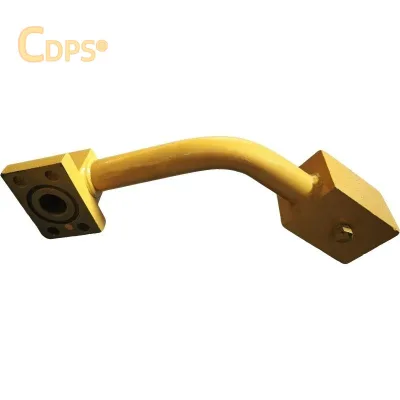
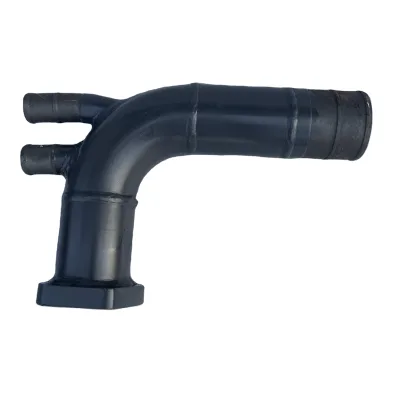
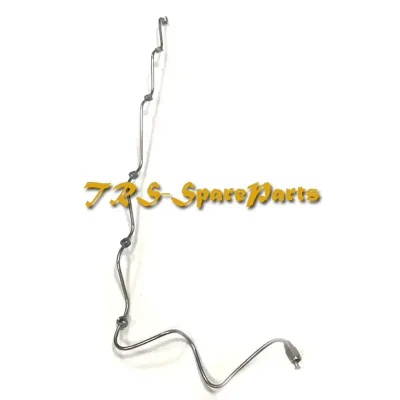
6218-71-5611 Fuel Tube for Komatsu PC400-7 Original High Quality Excavator Parts
$10.00 - $15.00
Moq: 1

Jining Gaoxin Machinery Co., Ltd.
- Verified by SGS
- Trading Company
- China Shandong
- Lead time30 days
- Avg. response≤ 4h
Main productsExcavator Spareparts, Loader Parts, Mining Dump Truck, Engine Parts, Komatsu Original Factory Accessories
Main marketsEurope

Jinan Changhao Machinery Equipment Co., Ltd.
- Verified by BV
- Combined
- China Shandong
- Lead time38 days
- Avg. response≤ 7h
Main productsHydraulic Rock Breaker, Hydraulic Breaker Spare Parts, Hydraulic Breaker Piping Kits, Hydraulic Breaker, Excavator Attachments, Jack Hammer
Main marketsSouth America,Africa,Southeast Asia/ Mideast,Europe,Australia,North America


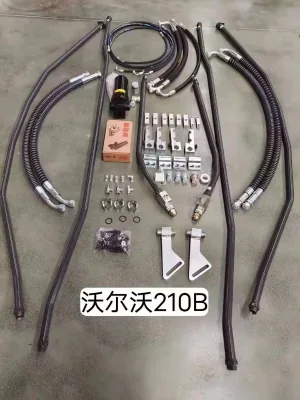
Excavator Hydraulic Hose Steel Oil Pipeline Hydraulic Piping Kits for Hydraulic Breaker
$200.00 - $500.00
Moq: 1


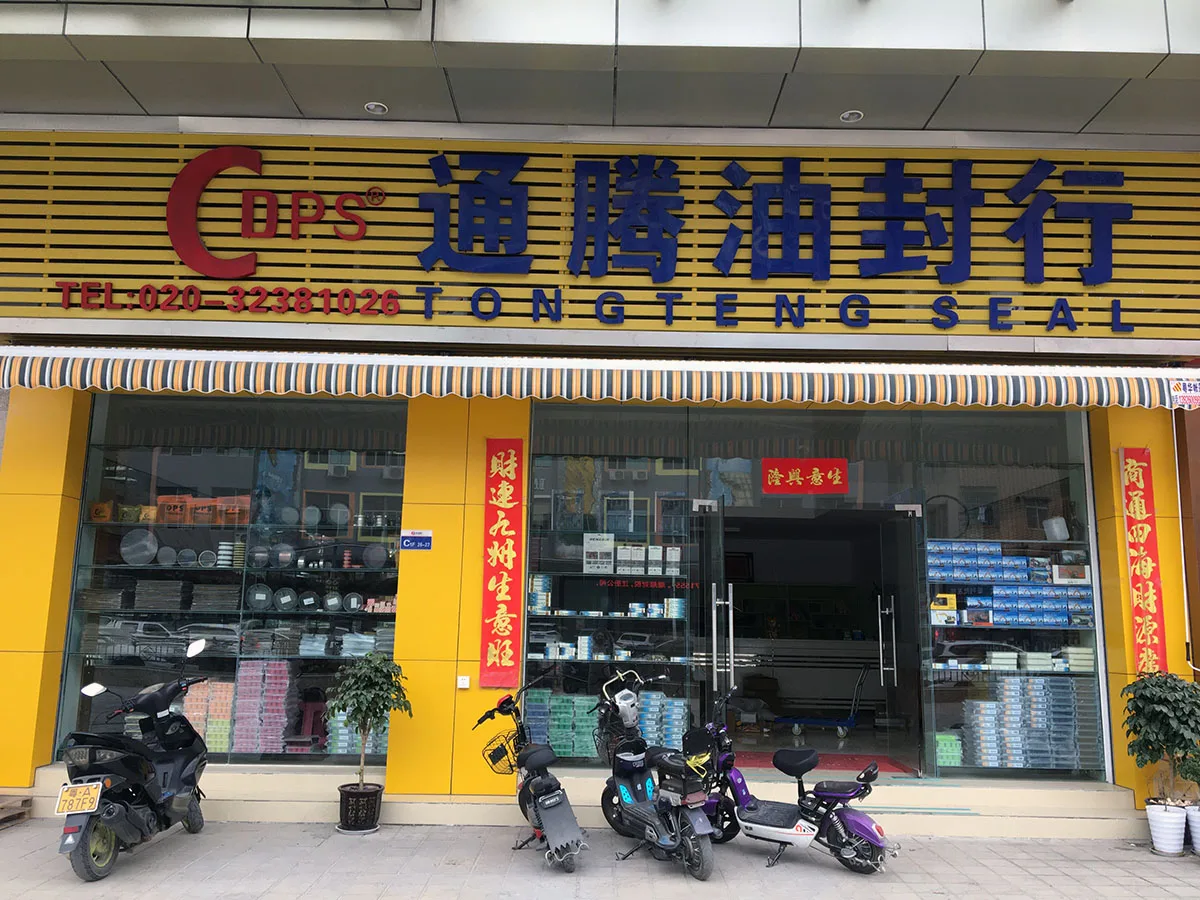
Guangzhou Tianhe District Tongteng Construction Machinery Parts Department
- Manufacturer, Trading Company
- Guangdong, China
- Lead time3 days
- Avg. response≤ 4h
Main productsExcavator Seal Kit,Hydraulic Seals,Oil Seal,O-ring kit,Pusher
Main marketsDomestic Market(30.0%), South Asia(20.0%), Southeast Asia(15.0%), Africa(10.0%), Mid East(10.0%), Eastern Asia(3.0%), North America(2.0%), South America(2.0%), Southern Europe(2.0%), Northern Europe(2.0%), Western Europe(2.0%), Eastern Europe(2.0%)

SHANDONG SEAWELL INDUSTRIAL ENGINEERING CO., LTD.
- Verified by TUVRHEINLAND
- Trading Company
- China Shandong
- Lead time15 days
- Avg. response≤ 6h
Main productsExcavator, Bulldozer, Forklift, Mini Crawler Crane, Aerial Working Platform, Marine Product, Spare Parts, Building Material
Main marketsOthers(foreignTradeCapacity.exportBusinessCapacityMarketOther),Southeast Asia/ Mideast

NINGBO YINZHOU GET MACHINERY LTD.
- Verified by CTI
- Trading Company,Manufacturer/Factory
- China Zhejiang
- Lead time15 days
- Avg. response≤ 12h
Main productsHydraulic Breaker Chisel, Hydraulic Breaker, Hydraulic Breaker Spare Parts, Hydraulic Breaker Pistons, Hydraulic Breaker Bushes, Hydraulic Breaker Pins, Hydraulic Breaker Front Heads and Back Heads, Hydraulic Breaker Seal Kits, Hydraulic Breaker Diaphragms, Hydraulic Breaker Bolts
Main marketsSouth America,Eastern Europe,Mid East,North America,Southeast Asia,Eastern Asia,Oceania,Western Europe,Africa

Yantai Zhuoxin Machinery Technology Co., Ltd.
- Verified by BV
- Combined
- China Shandong
- Lead time23 days
- Avg. response≤ 1h
Main productsHydraulic Breaker, Quick Hitch Coupler, Hydraulic Pile Hammer, Hydraulic Shear, Hydraulic Pulverizer, Hydraulic Compactor, Hydraulic Breaker Hammer, Excavator Hydraulic Bucket, Excavator Earth Augers, Hydraulic Breaker Parts
Main marketsEurope

Excavator Hydraulic Rock Hammer Piping Kits Hydraulic Breaker Pipe Hose Pipelines
$50.00 - $300.00
Moq: 1

Pipeline Hydraulic Hammer Piping Kits Hydraulic Breaker Pipes Hose for Excavators
$50.00 - $300.00
Moq: 1

Hydraulic Breaker Pipe Breaker Piping Kits for Excavator Excavator Hydraulic Hose
$50.00 - $300.00
Moq: 1

Pipeline Hydraulic Hammer Piping Kits Hydraulic Breaker Pipes for 200 Excavator
$50.00 - $300.00
Moq: 1

Hydraulic Hammer Breaker Pipeline Excavator Pipeline Hose for Pipeline Equipment
$50.00 - $300.00
Moq: 1


Shanbo Construction Machinery equipment (Shandong) Co., LTD
- Verified by TUVRHEINLAND
- Combined
- China Shandong
- Lead time15 days
- Avg. response≤ 6h
Main productsConstruction Machinery, Excavator, Excavator Parts, Bulldozer, Bulldozer Parts, Loader, Road Roller, Loader Parts
Main marketsDomestic

Guangzhou Xiebang Machinery Co., Limited
- Verified by CTI
- Trading Company
- China Guangdong
- Lead time15 days
- Avg. response≤ 6h
Main productsCoupling, Oil Seal, Excavator Parts, Fan Radiatior, Hydraulic Parts, Turbocharger, Excavator, Final Drive, Excavator Solenoid, Excavator Sensor
Main marketsSoutheast Asia/ Mideast,Europe,North America

Guangzhou Disong Machinery Equipment Co., Ltd.
- Trading Company,Manufacturer/Factory
- China Guangdong
- Lead time15 days
- Avg. response≤ 16h
Main productsExcavator Part, Machinery Engine Part, Wheel Loader Part, Bulldozer Parts, Dump Truck Parts, Generator Set Parts, Heavy Truck Parts, Hydraulic Parts, Electronic Parts, Seal and Gasket
Main marketsSouth America,Eastern Europe,Mid East,North America,Southeast Asia,Eastern Asia,Oceania,Western Europe,Africa

Hefei Zhuri Construction Machinery Co., Ltd
- Verified by CTI
- Trading Company,Manufacturer/Factory
- China Anhui
- Lead time15 days
- Avg. response≤ 3h
Main productsExcavator Parts, Hydraulic Pump, Hydraulic Motor, Control Valve, Engine Assy and Parts, Undercarriage Parts, Final Drive, Reducer, Travel Gearbox, Hydraulic Cylinder
Main marketsSouth America,Eastern Europe,Mid East,North America,Southeast Asia,Eastern Asia,Oceania,Western Europe,Africa

East Ai Machinery Co., Limited
- Verified by SGS
- Combined
- China Jiangsu
- Lead time15 days
- Avg. response≤ 5h
Main productsHoned Tube, Chrome Plated Bar, Chrome Bar, Aluminium Tube, Hydraulic Cylinder, Hydraulic Power Unit, Hydraulic Power Pack
Main marketsSoutheast Asia/ Mideast,Australia

Ck45 Heavy Duty Bored Tube for Mining Excavator Hydraulic Cylinder Equipment Manufacturing
$12.00 - $15.00
Moq: 1000

St52 Heavy Duty Bored Tube for Mining Excavator Hydraulic Cylinder Manufacturing Steel Pipe
$12.00 - $15.00
Moq: 1000

Xuzhou MMT Machinery Co., Ltd.
- Verified by TUVRHEINLAND
- Trading Company
- China Jiangsu
- Lead time23 days
- Avg. response≤ 3h
Main productsExcavator Cylinder
Main marketsSouth America,Southeast Asia/ Mideast,Australia,North America
Guangzhou Jiaying Weichuang Technology Co., Ltd.
- Trading Company
- Guangdong, China
- Lead time0 days
- Avg. response≤ 2h
Main productsSeal kits,hydraulic pump,swing motor,bullet,relief valve
Main marketsNorth America(50.0%), Southern Europe(10.0%), Northern Europe(10.0%), Western Europe(10.0%), Eastern Europe(10.0%), South America(10.0%)
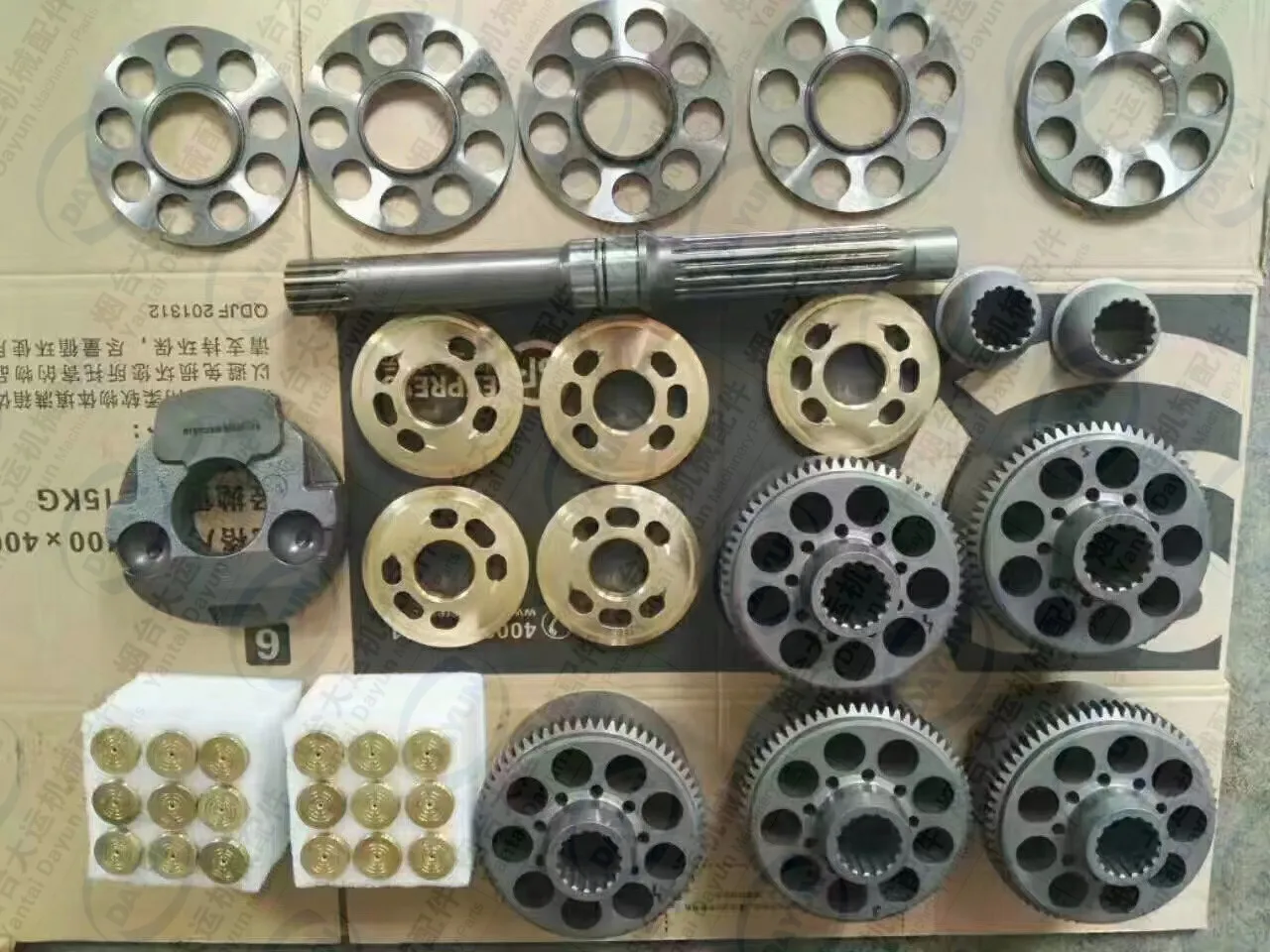
Yantai Dayun Machinery Part., Ltd.
- Trading Company
- Shandong, China
- Lead time7 days
- Avg. response≤ 4h
Main productsConstruction machinery accessories,Excavator accessories,Main Pump,Swing Motor,Final Traveling
Main marketsEastern Asia(100.0%)

GUANGZHOU KING LEBON MACHINERY PARTS LIMITED
- Verified by SGS
- Trading Company,Manufacturer/Factory,Group Corporation
- China Guangdong
- Lead time150 days
- Avg. response≤ 11h
Main productsExcavator Parts, Electric Parts, Pump Series, Alternator and Starter, Turbocharger, Controller and Monitor, Filter, Joystick, A/C Compressor
Main marketsEastern Europe,Mid East,North America,Southeast Asia,Eastern Asia,Africa
Guangzhou Honour Time Machinery Limited
- Verified by SGS Group
- Trading Company
- Lead time3 days
Main productsDiesel Engine Liner Kit, Machinery Engine Parts, Diesel Engine Assy, Diesel Engine Repair Kit, Excavator Parts
Main marketsSouth America(30%), Southeast Asia(30%), Africa(20%)
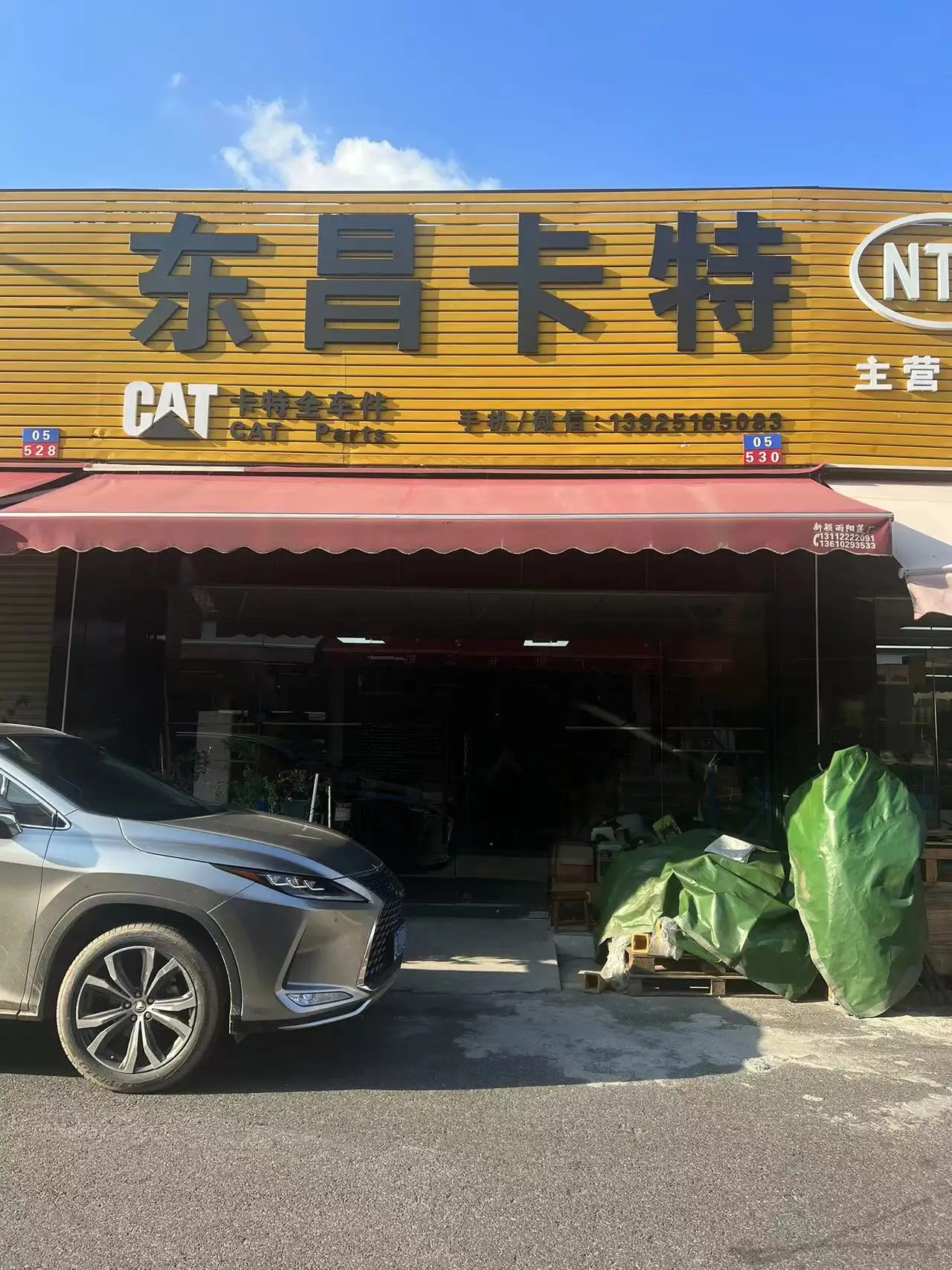
Guangzhou Anhuixin Machinery Co., Ltd.
- Trading Company, Distributor/Wholesaler, Business Service (Transportation, finance, travel, Ads, etc)
- Guangdong, China
- Lead time7 days
- Avg. response≤ 2h
Main productsCAT parts,CAT Engine,CAT Filtr,CAT Lbricating oil,CAT Disassemble machine parts
Main marketsDomestic Market(20.0%), Africa(15.0%), North America(5.0%), South Asia(5.0%), Mid East(5.0%), Oceania(5.0%)
Hangzhou Tuoyuansheng Trading Co., Ltd.
- Trading Company
- Zhejiang, China
- Lead time3 days
- Avg. response≤ 3h
Main productsDiesel Engine Parts,Excavator Parts,Tractor Parts,Forklift parts,Truck parts
Main marketsNorth America(90.0%), Northern Europe(10.0%)

Jining Lishun Hydraulic Accessories Co., Ltd.
- Verified by SGS
- Trading Company,Manufacturer/Factory,Group Corporation,Other
- China Shandong
- Lead time23 days
- Avg. response≤ 4h
Main productsConstruction Machinery Parts, Bulldozer Hose, Hydraulic Hose for Excavator, Bulldozer Water Pipe, Excavator Water Pipe, Hose, Intermediate Cooling Hose, High Pressure Hose
Main marketsSouth America,Eastern Europe,Mid East,North America,Southeast Asia,Eastern Asia,Oceania,Western Europe,Africa
Guangzhou Zhenghong Excavator Parts Co., Ltd.
- Trading Company, Buying Office, Agent
- Guangdong, China
- Lead time0 days
- Avg. response≤ 1h
Main productsdiesel engine,Hydraulic Pump,Hydraulic accessories,Gear parts,Electrical Devices
Main marketsAfrica(45.0%), Western Europe(30.0%), Eastern Europe(20.0%), North America(5.0%)








Comprehensive Sourcing Guide
Excavator Fuel Return Piping Tube Supplier Concentration and Factory Types
The available data indicates a concentration of suppliers located in China, specifically within the Shandong province, which serves as a primary manufacturing and trading hub for heavy machinery components. These entities are predominantly classified as trading companies rather than direct manufacturers, suggesting a supply chain structure where intermediaries source parts from various factories to fulfill orders. This trading company model is common in the region for engineering machinery parts, allowing buyers to access a consolidated inventory of diverse components like excavator parts, bulldozer parts, and crane parts from a single point of contact. The presence of these trading companies in Shandong implies a logistical advantage for sourcing, as the region is known for its established industrial clusters supporting construction and mining equipment.
When evaluating the factory types, buyers should note that while some suppliers list specific product origins such as Japan for certain original parts, the primary operational base for the listed entities remains in China. The distinction between a trading company and a factory is critical because trading companies may offer broader product ranges but might have less direct control over the manufacturing process compared to a dedicated factory. Buyers must verify if the supplier acts as a direct agent for the original equipment manufacturer or if they are sourcing from third-party workshops. The main products listed often include a wide array of construction machinery parts, indicating that these suppliers are generalists in the heavy equipment sector rather than specialists in fuel piping alone. This generalist approach can be beneficial for bundling orders but requires careful vetting to ensure quality consistency across different part categories.
How to Verify Excavator Fuel Return Piping Tube Suppliers
Verification of supplier credibility relies heavily on third-party audit results and specific platform verification badges rather than self-reported claims. In the current dataset, one supplier is explicitly marked as verified by SGS, which provides a tangible layer of trust regarding their business legitimacy and operational capacity. Buyers should prioritize suppliers with such external verification status, as it confirms that an independent agency has assessed their business practices. However, the absence of a specific verification badge does not automatically disqualify a supplier, but it necessitates a more rigorous due diligence process. Buyers must request proof of identity and business registration directly from the supplier to confirm their legal standing before engaging in significant transactions.
Beyond basic verification, assessing the supplier's response time and communication efficiency is a vital step in the vetting process. The observed data shows response times varying between 1.83 and 3.06, which serves as a metric for the supplier's operational responsiveness. A faster response time often correlates with better customer service and a more active sales team capable of addressing technical queries promptly. Buyers should test the supplier's responsiveness with specific technical questions regarding the fuel return piping tube to gauge their expertise. Additionally, checking for video outgoing inspection support is a crucial verification step, as it allows buyers to visually confirm the condition and quality of the product before shipment. This visual verification acts as a proxy for factory audits when physical visits are not feasible, ensuring that the product matches the described specifications.
What to Compare Across Excavator Fuel Return Piping Tube Suppliers
Comparing suppliers requires a systematic analysis of key operational metrics such as lead time, minimum order quantity, and pricing structures. The data reveals lead times ranging from 15 to 30 days, which is a significant variable that impacts project scheduling and inventory planning. Buyers must align their order timelines with these lead times to avoid production delays, especially for critical engine components like fuel tubes. Furthermore, the minimum order quantity (MOQ) is listed as 1 for several items, indicating flexibility for small-scale procurement, though bulk orders might yield different commercial terms. Comparing these logistical parameters across different suppliers helps buyers identify the most efficient partner for their specific volume requirements and delivery schedules.
Price comparison must be conducted with attention to the specific part numbers and quality grades to ensure an apples-to-apples evaluation. The observed price ranges vary significantly, from as low as 1.99 to over 100.00, depending on the part complexity and brand specifications. For instance, specific Komatsu original parts command higher prices compared to generic replacement tubes. Buyers should verify if the quoted price includes packaging and shipping costs, as some listings specify packing in wooden cases or carton boxes which may affect the final landed cost. Additionally, comparing the quality claims, such as "Original Factory" versus "New" condition, is essential to understand the value proposition. A lower price might indicate a non-original part, which could affect the longevity and performance of the excavator engine, making the total cost of ownership a more relevant metric than the initial unit price.
Common Excavator Fuel Return Piping Tube Sourcing Risks
One of the primary risks in sourcing these components is the potential discrepancy between the claimed origin and the actual manufacturing location. While some product attributes list the origin as Japan, indicating an original part, other listings specify the origin as China or Jining, Shandong. This inconsistency can lead to confusion regarding the authenticity and quality standards of the product. Buyers must carefully scrutinize the product attributes to distinguish between genuine original equipment manufacturer parts and aftermarket replacements. Relying solely on the brand name without verifying the specific origin and part number can result in receiving components that do not meet the strict engineering tolerances required for high-pressure fuel systems.
Another significant risk involves the lack of standardized certifications across the supplier base. The data shows that some products list certifications like CE and ISO9001, while others have no system certification listed or only mention the condition as new. The absence of a recognized quality management system certification increases the risk of receiving substandard parts that may fail under operational stress. Buyers should not assume that a "New" condition implies compliance with international safety or quality standards. It is imperative to request specific test reports or certification documents for each batch of fuel return piping tubes. Without these documents, the buyer assumes the risk of potential equipment failure, which could lead to costly downtime and safety hazards in the field.
Excavator Fuel Return Piping Tube Regional Sourcing and Logistics
The regional concentration of suppliers in Shandong, China, offers distinct logistical advantages for international buyers, particularly regarding shipping infrastructure and industrial support. This region is a well-established hub for engineering machinery parts, meaning that logistics providers are accustomed to handling heavy and specialized cargo like excavator components. The proximity of these suppliers to major ports facilitates efficient export processes, potentially reducing transit times and shipping costs. However, buyers must account for the specific packing requirements listed, such as wooden cases or plywood cases, which are necessary to protect the tubes during long-distance transit. Understanding the regional logistics capabilities helps in planning the supply chain more effectively and anticipating potential delays related to customs or port congestion.
When planning logistics, the specific packing standards mentioned in the product attributes play a crucial role in determining freight costs and handling requirements. Some listings specify packing in wooden cases, while others use carton boxes or plywood cases, each with different weight and volume implications. The weight of the products, ranging from 0.09kg to 1.2kg, combined with the packing material, influences the total shipping volume and cost. Buyers should calculate the landed cost by factoring in these packing dimensions and weights, as they can significantly impact the final price. Additionally, the origin location, whether Jining or general China, affects the specific export procedures and documentation required. Buyers must ensure that the supplier provides all necessary export documents to facilitate smooth customs clearance in the destination country.
Excavator Fuel Return Piping Tube Commercial Terms and Order Planning
Commercial terms for these components often include specific customization options and inspection protocols that must be agreed upon before order placement. The data indicates that customization is available for many products, allowing buyers to request specific modifications or branding. However, the availability of customization does not guarantee immediate fulfillment, as it may extend the lead time beyond the standard 15 to 30 days. Buyers should clarify the timeline for customized orders and confirm any additional costs associated with these modifications. Furthermore, the option for video outgoing inspection support is a valuable commercial term that allows buyers to verify the product quality before it leaves the factory. This term should be explicitly included in the purchase agreement to ensure that the inspection process is conducted and documented.
Order planning must also consider the specific part numbers and compatibility with existing machinery models to prevent procurement errors. The product attributes list specific models such as PC650-7, PC700-7, and PC1250-7, which are critical for ensuring the fuel return piping tube fits the intended excavator. Buyers must cross-reference these model numbers with their equipment inventory to avoid ordering incompatible parts. Additionally, the price ranges provided are indicative and may vary based on order volume and negotiation. Buyers should plan their orders to leverage the minimum order quantity of 1 for testing purposes while preparing for larger bulk orders to secure better pricing. Clear communication regarding the part number, model compatibility, and inspection requirements is essential to ensure a smooth transaction and successful delivery of the correct components.
FAQs
What is the price range for excavator fuel return piping tubes?
Prices for these tubes typically range from $1.99 to $120 per unit depending on the specific part number and model compatibility. For example, Komatsu return tubes like 6156-71-4113 are available starting at $1.99, while specialized engine metal oil tubes can cost up to $120. Buyers should verify exact pricing based on quantity and customization needs.
What is the minimum order quantity for these parts?
The minimum order quantity is generally one unit, allowing buyers to purchase single replacement parts without bulk commitments. This low MOQ supports maintenance and repair operations where only specific tubes are needed. Buyers can order individual items for immediate machinery repair or test quality before placing larger orders for fleet maintenance.
How long does delivery take for these fuel tubes?
Lead times for these engineering machinery parts typically range from 15 to 30 days. The specific duration depends on the supplier's current production schedule and the complexity of the requested part. Buyers should confirm the exact lead time with the supplier before placing orders to ensure timely delivery for their machinery maintenance schedules.
Are these fuel tubes compatible with Komatsu excavators?
Yes, many listed tubes are explicitly designed for Komatsu excavator models such as PC650-7, PC700-7, PC750-7, PC400-7, and PC1250-7. Specific part numbers like 6218-71-5621 and 6156-71-4113 are listed as original quality replacements. Buyers should verify the part number against their specific machine model to ensure proper fit and function.
What certifications do these suppliers hold?
Some suppliers offer products with CE and ISO9001 certifications, indicating adherence to specific quality and safety standards. Additionally, certain suppliers are verified by SGS, providing an extra layer of trust regarding their business operations. Buyers should request specific certification documents for the exact parts they intend to purchase to ensure compliance with their operational requirements.
Where are these excavator parts manufactured?
These parts are primarily manufactured in China, with specific origins noted in Jining, Shandong. Some products list Japan as the origin for certain components, while others are produced locally in China. Buyers should check the product origin details for each specific part number to understand the manufacturing source and potential shipping logistics.
Do suppliers provide video inspections for these tubes?
Yes, many suppliers support video outgoing inspections for their fuel tubes and related parts. This feature allows buyers to visually verify the condition and quality of the parts before shipment. Buyers can request these video inspections to ensure the parts meet their expectations and are free from defects prior to finalizing the purchase.