Fast Charging Laptop Adapter Suppliers and Manufacturers
Explore 30 verified options for Fast Charging Laptop Adapter suppliers and manufacturers in China. Compare response times, lead times, certifications, and pricing to find the right partner. Review product specifications and request samples to proceed; review the available evidence before requesting comparable quotations from suitable candidates.
Updated
Suppliers List

Dongguan Bibuke Electronic Technology CO.,LTD
- Verified by SGS
- Trading Company,Manufacturer/Factory,Group Corporation
- China Guangdong
- Lead time23 days
- Avg. response≤ 2h
Main productsLCD Display, TFT LCD Display, LCD Module Display, OLED Display, COB LCD Display, Cog LCD Display, Buzzer, Other Electronic Materials
Main marketsSouth America,Eastern Europe,Mid East,North America,Southeast Asia,Eastern Asia,Oceania,Western Europe,Africa
Shenzhen Lianxinyuan E-Commerce Co., Ltd.
- Manufacturer, Trading Company, Distributor/Wholesaler, Other
- Guangdong, China
- Lead time3 days
- Avg. response≤ 1h
Main productsTraffic tools,charger,Electronic products,integrated circuit,Solar products
Main marketsNorth America(30.00%), Northern Europe(15.00%), South America(15.00%), South Asia(10.00%), Southern Europe(10.00%), Eastern Europe(10.00%), Western Europe(10.00%)

Dongguan Win-Hsin Electronic Co., Ltd.
- Verified by CTI
- Combined
- China Guangdong
- Lead time15 days
- Avg. response≤ 3h
Main productsLaptop Battery, Laptop Keyboard, Laptop Adapter, CPU Fan, Laptop Screen, DC Jack, Laptop Casings, Laptop Accessories, Notebook Battery, Notebook Keyboard
Main marketsSouth America,Southeast Asia/ Mideast,Europe

Shenzhen Meind Technology Co., Ltd.
- Verified by SGS
- Combined
- China Guangdong
- Lead time15 days
- Avg. response≤ 6h
Main marketsSoutheast Asia/ Mideast,Europe,North America

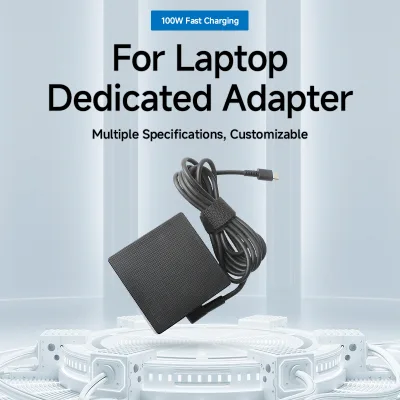
Portable 100W Travel Power Laptop Connector Adapters Charger Fast Charging Controller Adapter
$6.15 - $6.86
MOQ: 5 Pieces


Guangzhou LiSheng Electronics Co., Ltd.
- Verified by BV
- Combined
- China Guangdong
- Lead time30 days
- Avg. response≤ 2h
Main productsLithium Battery Pack, LiFePO4 Battery Cells, LiFePO4 Battery Pack, Battery Pack, Rechargeable Battery, Power Bank, LiFePO4 Storage Battery Packs, Lithium Ion Battery Cells, Alkaline Battery AA AAA 9V, Carbon Zinc Battery AA AAA
Main marketsSouth America,Southeast Asia/ Mideast,North America

Dongguan Tentop Electronics Co., Ltd.
- Verified by TUVRHEINLAND
- Combined
- China Guangdong
- Lead time15 days
- Avg. response≤ 4h
Main productsUSB Expansion USB Charger USB Hub, Industrial USB 3.0 Hub, USB 3.0 Hub with ESD Protection, USB Hub for Data and Charging, Customization for Industrial USB Hub, R&D for Industrial USB Hub, Pd Fast USB Charger with Low Temperature, High Wattage Pd USB Charger, Multi-Port Pd Industrial USB Charger, High Power Pd USB Charger with Full Protection
Main marketsSoutheast Asia/ Mideast,Domestic

Ninghai Yingjiao Electrical Co., Ltd.
- Verified by BV
- Combined
- China Zhejiang
- Lead time30 days
- Avg. response≤ 23h
Main productsAdapter, Power Adapter, AC/DC Adapter, Power Supply, Battery Charger, AC Adapter, CCTV Power Supply, Linear Power Adapter, LED Driver, Switching Power Adaptor
Main marketsEurope,North America
Ningbo Maxwin Hardware Co., Ltd.
- Trading Company
- Zhejiang, China
- Lead time35 days
- Avg. response≤ 6h
Main productssmart sockets,power strips,voltage regulators,adapter,Desktop sockets
Main marketsSouth America(70.00%), North America(20.00%), Eastern Europe(10.00%)
Jiangxi Skyvision Tech Development Co., Ltd.
- Manufacturer, Trading Company
- Jiangxi Province, China
- Lead time7 days
- Avg. response≤ 2h
Main productsSolar Power Station,Solar Lamp,Multiport Hub,Solar Light,Video Capture Card
Main marketsNorth America(40.00%), Western Europe(30.00%), Southeast Asia(20.00%), Domestic Market(10.00%)

Guangdong MYIXI Technology Co., Ltd.
- Verified by BV
- Combined
- China Guangdong
- Lead time30 days
- Avg. response≤ 1h
Main productsPower Adapter, AC Adapter, DC Adapter, Power Supply, Switching Power Supply, Charger, Power Adaptor, Travel Power Adapter, Server Power Adapter, Power Supply Company
Main marketsSouth America,Africa,Southeast Asia/ Mideast,East Asia(Japan/ South Korea),Domestic,Europe,Australia,North America

Power Adapter Fast Charging 19V 6.32A 20V 6A Monitor 120W Adapter Custom Universal Laptop Charger
$6.53 - $13.52
MOQ: 100 Pieces

Universal Power Adapter for Laptops and Notebooks - Versatile Charging Solution
$6.53 - $13.52
MOQ: 100 Pieces


Guangzhou zhanming Electronics Co.,Ltd.
- Verified by CTI
- Combined
- China Guangdong
- Lead time15 days
- Avg. response≤ 7h
Main productsLaptop Adapter, Laptop Charger, Power Supply, LED/LCD Adapter
Main marketsEurope


Customized High Quality Multi Universal Laptop Adapter Power Supply Quick Charger
$3.00 - $3.60
MOQ: 5 Pieces

Notebook Multi-Function Power Computer Adapter 12~24V Adjustable Universal Notebook Power Charger
$3.70 - $4.50
MOQ: 5 Pieces

120W Multipurpose Notebook Power Supply Universal Notebook Adapter Multipurpose Notebook Charger
$4.90 - $5.90
MOQ: 5 Pieces


Shenzhen Leading International Trading Co., Ltd.
- Verified by BV
- Trading Company,Group Corporation,Other
- China Guangdong
- Lead time38 days
- Avg. response≤ 4h
Main productsInstruments Oscilloscope Spectrum Analyzer, Haitian Injection Molding Machines & Parts, Keysight Tektronix Rohde-Schwarz R&S, Resin Plastic Raw Materials POF Shrinkage Film, Soldering Weld Material Assembly Line and Parts, Electronic Components, Industrial Control Parts, Atlas Copco Compressors and Parts, Electronic & Mechanical Mro Spare Parts, Megger Druck Yokogawa
Main marketsSouth America,Eastern Europe,Mid East,North America,Southeast Asia,Eastern Asia,Oceania,Western Europe,Africa

New Original Laptop Adapter Lithium Battery Charger (constant current and constant voltage)
$0.99 - $1.99
MOQ: 1 Sets


Shenzhen Borun Intelligence Integration Co., Ltd.
- Verified by SGS
- Trading Company
- China Guangdong
- Lead time15 days
- Avg. response≤ 6h
Main productsPower Bank, Portable Charger, Planar Transformer
Main marketsDomestic
Mildtrans Industrial Co., Limited
- Verified by SGS Group
- Trading Company
- Lead time2 days
- Avg. response≤ 9h
Main productsLaptop Screen, Laptop Keyboard, Laptop Battery, Laptop Adapter, Laptop Shell
Main marketsSouth America(25%), Southern Europe(20%), Southeast Asia(15%)
Shenzhen Bamtop Technology Limited
- Manufacturer
- Guangdong, China
- Lead time2 days
- Avg. response≤ 12h
Main productslaptop keyboard,Notebook PC Keyboard
Main marketsSouth America(40.00%), North America(20.00%), Central America(10.00%), Western Europe(10.00%), Eastern Europe(10.00%), Southern Europe(5.00%), Northern Europe(5.00%)

Jiangsu Shuangma Cable Technology Co., Ltd
- Verified by BV
- Combined
- China Jiangsu
- Lead time30 days
- Avg. response≤ 2h
Main productsCable
Main marketsDomestic
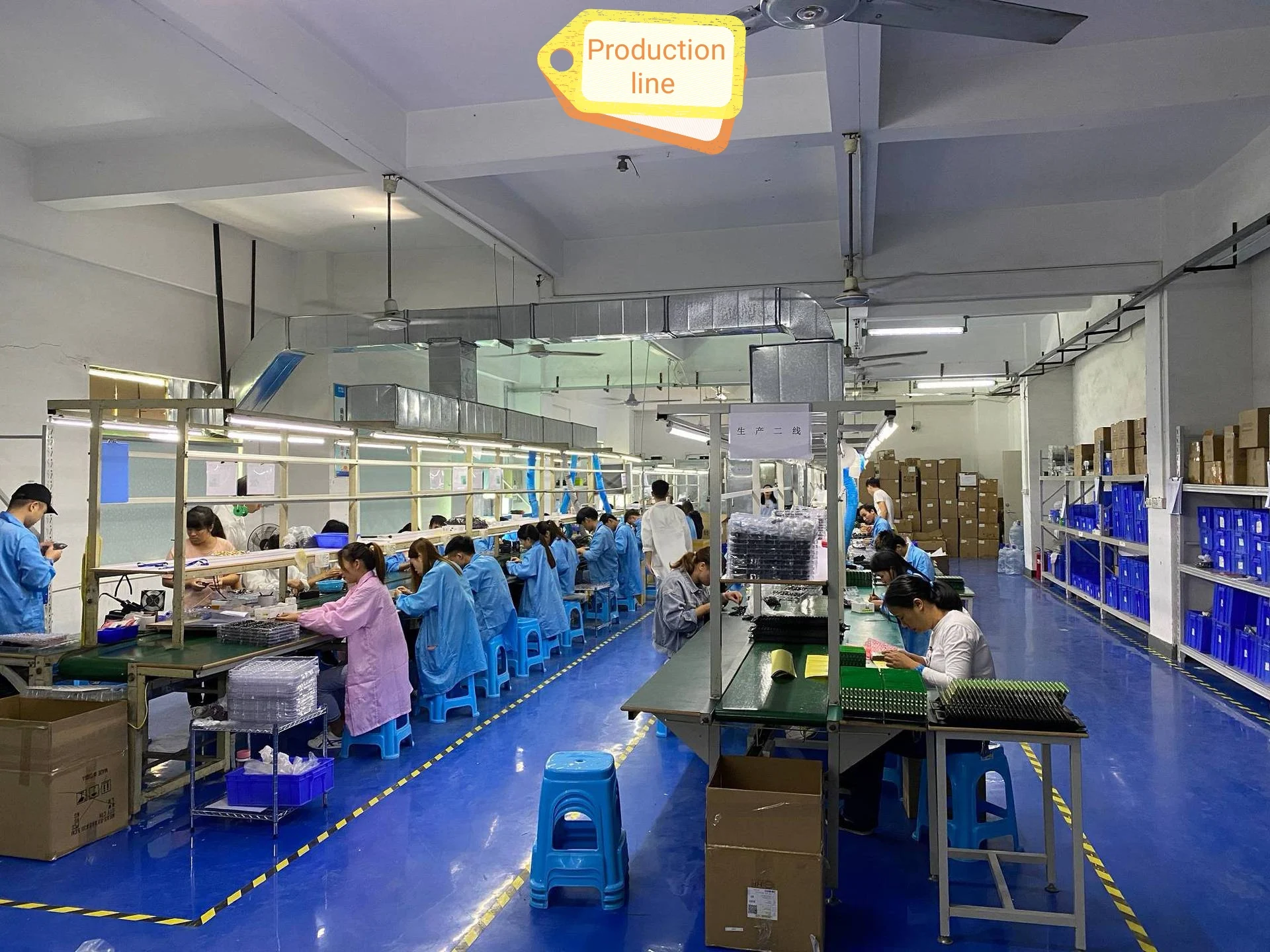
Shenzhen Zone Huanyu Industrial Co., Ltd.
- Manufacturer
- Guangdong, China
- Lead time0 days
- Avg. response≤ 6h
Main productsTool Battery Charger,Battery Adapter,Mobile Phone Accessories,Customer Electronics,Other Hot Sale Products
Main marketsNorth America(45.00%), Western Europe(34.00%), Southeast Asia(20.00%), Africa(1.00%)
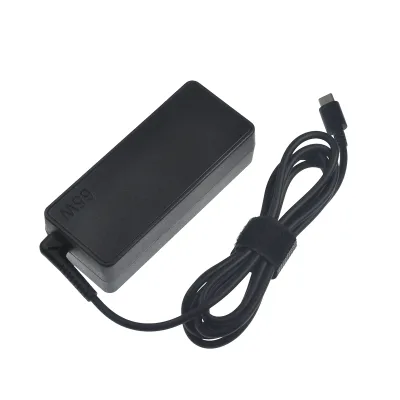
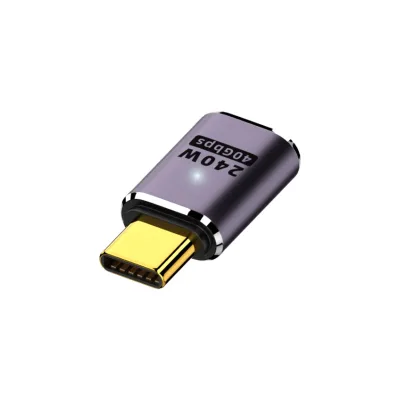
$0.7615 - $0.8034
MOQ: 5 pieces
Guangzhou Jiaguote Electronic Technology Co., Ltd.
- Manufacturer, Trading Company
- Guangdong, China
- Lead time0 days
- Avg. response≤ 10h
Main productsAdaptor for laptop,batteries for laptop,laptop accessories,Switching power supplies,Chargers & Adapters
Main marketsSouthern Europe(8.33%), Northern Europe(8.33%), Central America(8.33%), Western Europe(8.33%), Eastern Asia(8.33%), Mid East(8.33%), Oceania(8.33%), Africa(8.33%), Southeast Asia(8.33%), Eastern Europe(8.33%), South America(8.33%), North America(8.33%)

Shenzhen Xumeng Technology Co., Ltd.
- Verified by BV
- Trading Company,Manufacturer/Factory
- China Guangdong
- Lead time15 days
- Avg. response≤ 7h
Main productsEarphones, Phone Cases, Chargers, Data Cables, Memory Card, Smart Watch, Watch Straps, Speaker, Phone Battery
Main marketsSouth America,Eastern Europe,Mid East,North America,Southeast Asia,Eastern Asia,Oceania,Western Europe,Africa

Factory Fast Charging Adapter Laptop Charger 60W L Interface Magsafe Suitable for MacBook
$5.71 - $5.90
MOQ: 50 Pieces

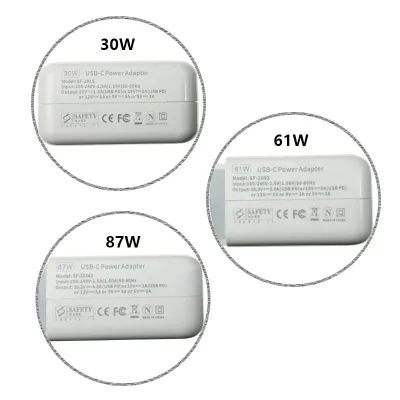
Fast Charger Power Adapter USB-C Pd Charger for MacBook Laptop 30W 61W 87W 96W 140W
$6.90 - $14.90
MOQ: 10 Pieces

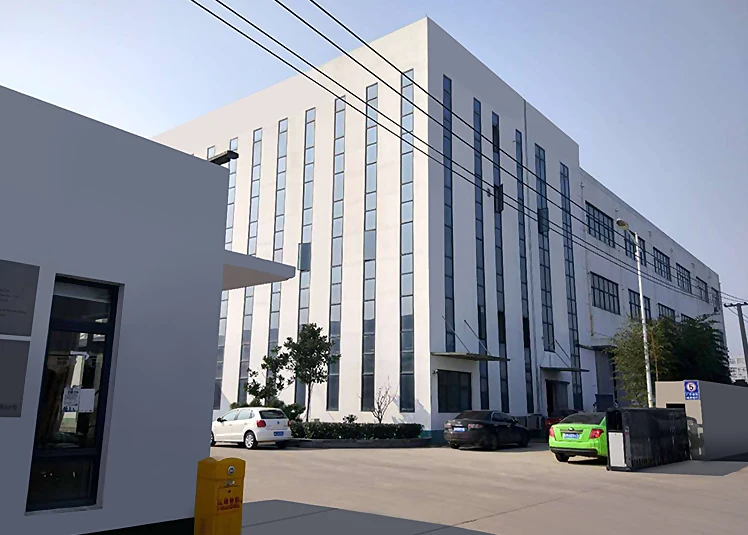
Guangzhou Jinyuanhua Trading Co., Ltd.
- Manufacturer, Buying Office, Distributor/Wholesaler
- Guangdong, China
- Lead time15 days
- Avg. response≤ 8h
Main productsAudio cable,wire rod,alligator clip,video line,Microphone
Main marketsAfrica(0.30%)
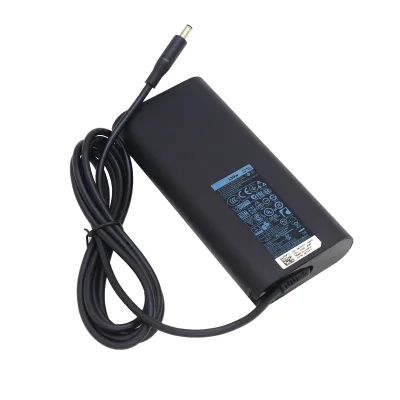
$13.2605 - $14.8179
MOQ: 50 pieces
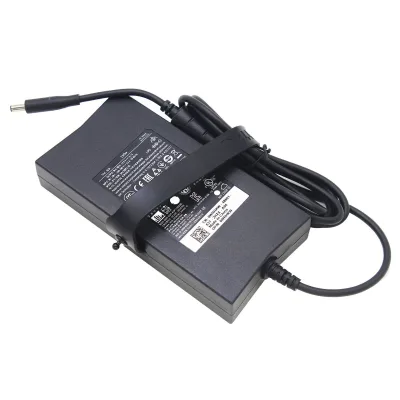
Wholesale 19.5V6.7A 130W AC Adapter Notebook New Condition Laptop Chargers with UK/US/AU Plugs
$9.6567 - $11.6838
MOQ: 50 pieces
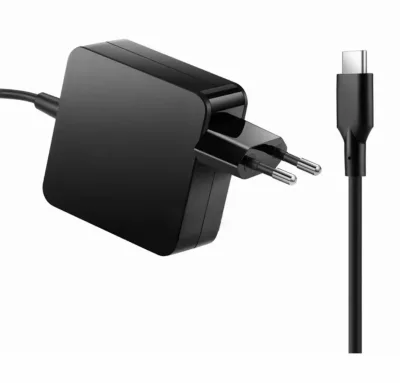
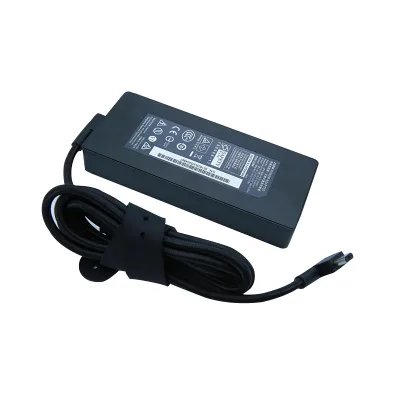
High Power 230W All-In-One Notebook Adapter QC3.0 Type-C Power Supply Charger for Notebook
$19.02 - $21.30
MOQ: 1 pieces
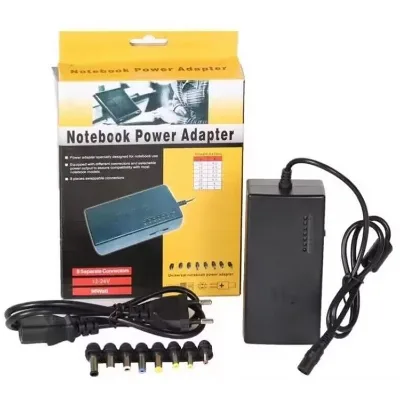
$1.60 - $2.20
MOQ: 100 cartons
Foshan Shunde Jingteda Trade Import And Export Firm
- Verified by Intertek
- Trading Company
- Lead time0 days
- Avg. response≤ 8h
Main productsLaptop Adapter, Laptop Charger, Power Adapter, Notebook Adapter Type-C
Main marketsNorth America(10%), South America(10%), Eastern Europe(10%)
Hangzhou Yamao Information Technology Co., Ltd.
- Trading Company
- Zhejiang, China
- Lead time15 days
- Avg. response≤ 3h
Main productsLaptop Adapter(Charger),Laptop Battery,Power Bank and Cable,AC/DC Power Adapter,Laptop Parts Accessories
Main marketsEastern Asia(86.00%), South Asia(14.00%)

Dongguan Simer Electronics Co., Ltd.
- Manufacturer, Trading Company
- Guangdong, China
- Lead time7 days
- Avg. response≤ 3h
Main productsPower adapter,Laptop battery,Power bank,GAN Fast Charger,Mobile phone charger
Main marketsNorth America(60.00%), Western Europe(25.00%), Eastern Europe(5.00%), Eastern Asia(5.00%), Oceania(5.00%)
Shenzhen Bejiate Industrial Development Co., Ltd.
- Manufacturer, Trading Company, Distributor/Wholesaler
- Guangdong, China
- Lead time3 days
- Avg. response≤ 5h
Main productslaptop battery,laptop adapter,laptop keyboard,laptop screen
Main marketsWestern Europe(25.00%), South America(25.00%), North America(25.00%), Domestic Market(5.00%), Eastern Asia(3.00%), Oceania(3.00%), Northern Europe(3.00%), South Asia(2.50%), Southeast Asia(2.00%), Mid East(2.00%), Southern Europe(1.50%), Central America(1.00%), Eastern Europe(1.00%), Africa(1.00%)

Dongguan Lewe Electronics Co., Ltd.
- Verified by BV
- Combined
- China Guangdong
- Lead time15 days
- Avg. response≤ 9h
Main productsLaptop Battery Packs, Power Tool Battery Packs, Power Bank, Mobile Battery Packs, AC Adapters, Storage Battery, Travel Battery, Backup Battery, Portable Power Bank, External Battery Pack
Main marketsAustralia,North America


$10.00 - $20.00
MOQ: 10 Pieces

Laptop Notebook Computer Adapter Charger Power Supply Connectors 19V/4.74A
$10.00 - $20.00
MOQ: 10 Pieces

Replacement Laptop Notebook Computer Adapter Charger Power Supply Connectors 19V/3.42A
$10.00 - $20.00
MOQ: 10 Pieces

Multifunction Adapter for Laptop with UK/Us/Au/EU Plug Power Cord Spare 90W Adapter
$10.00 - $20.00
MOQ: 10 Pieces

Rechargeable Laptop Notebook Computer Charger Adapter Power Supply Connectors 18.5V/3.5A
$10.00 - $20.00
MOQ: 10 Pieces

Shenzhen Merryking Electronics Co., Ltd.
- Verified by TUVRHEINLAND
- Manufacturer/Factory
- China Guangdong
- Lead time15 days
- Avg. response≤ 5h
Main productsPower Adapter, AC Adapter, AC DC Adapter, DC Adapter, Switch Power Supply, USB Charger, AC/DC Adapter, DC Adapter Manufacturer / Supplier in China, Pd Charger, Power Adapter Manufacturer
Main marketsSouth America,Eastern Europe,North America,Southeast Asia,Eastern Asia,Oceania,Western Europe

- Trading Company
- Hong Kong S.A.R.
- Lead time5 days
- Avg. response≤ 4h
Main productspower bank,camera,AI Smart Glasses
Main marketsSouth America(20.00%), Eastern Europe(15.00%), North America(10.00%), Domestic Market(5.00%), South Asia(5.00%), Southern Europe(5.00%), Northern Europe(5.00%), Central America(5.00%), Western Europe(5.00%), Eastern Asia(5.00%), Mid East(5.00%), Oceania(5.00%), Africa(5.00%), Southeast Asia(5.00%)
Guangzhou EBY Optoelectronic Technology Co., Ltd.
- Trading Company
- Guangdong, China
- Lead time10 days
- Avg. response≤ 10h
Main productsElectrical Wire,LED Connector,LED Connect Wire,LED Splitter Box,Power Supply
Main marketsWestern Europe(40.00%), North America(30.00%), Domestic Market(15.00%), Oceania(5.00%), Southeast Asia(5.00%), Mid East(5.00%)

Dongguan Hugotravel Electric Co., Ltd.
- Manufacturer, Trading Company
- Guangdong, China
- Lead time15 days
- Avg. response≤ 13h
Main productstravel adapter,adaptor,usb charger,promotional gifts,universal adaptor
Main marketsEastern Europe(16.00%), North America(16.00%), Southern Europe(15.00%), Western Europe(12.00%), Mid East(10.00%), South America(5.00%), Northern Europe(5.00%), South Asia(5.00%), Domestic Market(5.00%), Eastern Asia(5.00%), Central America(4.00%), Africa(2.00%)
Shenzhen Merryking Electronics Co., Ltd.
- Manufacturer, Trading Company
- Lead time旺季: "1 - 3":10,"4 - 1000":20,"> 1000":"To be negotiated", 淡季: "1 - 3":10,"4 - 1000":20,"> 1000":"To be negotiated"
- Avg. response≤ 2h
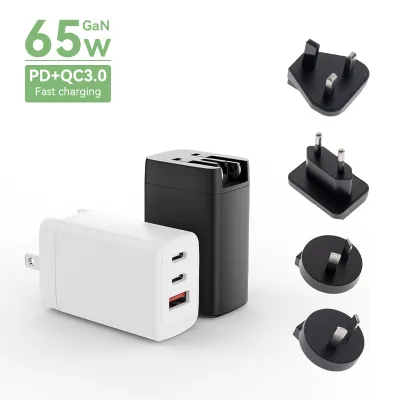
Main productsUSB Charger, PD Charger, GaN Charger, Wall Charger, Fast Charger










Comprehensive Sourcing Guide
Fast Charging Laptop Adapter Supplier Concentration and Factory Types
The available data indicates that a significant portion of suppliers for fast charging laptop adapters are located in Guangdong, China, specifically within the Guangdong province region. This concentration suggests a mature manufacturing ecosystem where raw materials, component supply chains, and specialized labor for electronics assembly are readily accessible. Buyers observing this geographic clustering should recognize that these facilities often handle high volumes of consumer electronics, including LCD displays, OLED modules, and various power adapters. The presence of multiple supplier types in this region, ranging from trading companies to manufacturers and group corporations, offers a diverse landscape for sourcing. However, the specific establishment years of these entities are not provided in the current results, so buyers cannot rely on historical longevity as a primary filter without further verification.
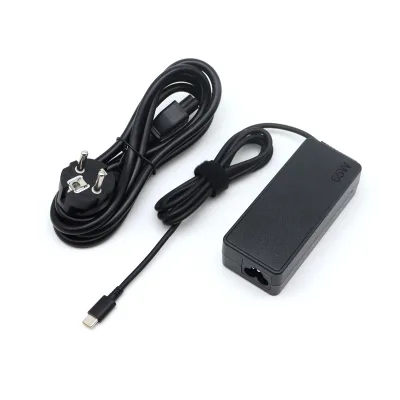
When evaluating the factory types, the results show a mix of manufacturers, trading companies, and distributors. Some suppliers list their company type as a combined entity, while others identify strictly as a manufacturer or a trading company. This distinction is critical because a manufacturer typically controls the production line and quality assurance processes directly, whereas a trading company may source from multiple factories. The data confirms that many of these entities offer both OEM and ODM capabilities, indicating flexibility in customizing products like the 200W laptop charger or the 65W notebook power adapter. Buyers must verify the actual production capacity of the specific entity they engage with, as the label "Manufacturer" does not guarantee in-house assembly for every product listed.
How to Verify Fast Charging Laptop Adapter Suppliers
Verification of supplier credibility relies heavily on third-party inspection reports and system certifications rather than self-declared claims. The current results indicate that some suppliers have undergone verification by SGS, while others hold CTI verification status. These external validations provide a layer of confidence regarding the supplier's operational integrity and compliance with international standards. Additionally, system certifications such as ISO 9001, ISO 14001, and OHSAS 18001 are present in the data, suggesting that these facilities adhere to specific quality and environmental management protocols. Buyers should treat these certifications as strong indicators but must confirm their validity and scope, as the presence of a certificate does not automatically extend to every product SKU offered by the supplier.
Beyond certifications, buyers should scrutinize the specific product attributes and compliance marks listed for individual items. For instance, product evidence shows certifications like CCC, RoHS, and TUV associated with specific adapters, which are essential for market entry in various regions. The data also highlights that some products carry specific brand associations, such as Siemens, though this requires careful validation to ensure it is a legitimate licensing agreement or a generic descriptor. Response times, such as the 1.15-hour or 1-hour averages noted in the results, serve as a proxy for operational responsiveness, but they should be tested directly through inquiry. Buyers must not assume that a verified supplier with a fast response time will maintain that level of service for large-scale orders without a formal agreement.
What to Compare Across Fast Charging Laptop Adapter Suppliers
Comparing suppliers requires a systematic analysis of lead times, minimum order quantities, and pricing structures to ensure alignment with project requirements. The observed data reveals a wide variance in lead times, ranging from as little as 3 days to as much as 23 days for certain orders. This discrepancy highlights the importance of clarifying production schedules before committing to a purchase, as a short lead time might apply only to stock items rather than custom OEM runs. Similarly, minimum order quantities (MOQ) vary significantly, with some listings showing an MOQ of 500 units while others may have different thresholds. Buyers must explicitly confirm the MOQ for their specific model, as the general category listing might not reflect the constraints for customized versions of the product.
Pricing and customization options are another critical dimension for comparison. The data indicates price ranges for specific adapters, such as a range between $0.18 and $0.20 for one model, and another range between $11.80 and $15.50 for a different high-power unit. These figures demonstrate that price is highly dependent on the product specifications, such as wattage and interface type. Furthermore, customization availability is explicitly marked as "Available" or "Welcomed" in several product attributes, allowing for logo printing and specific design modifications. However, buyers should verify if customization incurs additional costs or requires a higher MOQ, as these terms are not always detailed in the initial product summary. Comparing these factors side-by-side helps in identifying the most cost-effective and logistically feasible supplier for the specific order volume.
Common Fast Charging Laptop Adapter Sourcing Risks
One significant risk in sourcing fast charging laptop adapters involves the potential mismatch between advertised specifications and actual product performance. The product evidence includes attributes like "200W laptop charger" and "65W power charger," but buyers must ensure that the output power and voltage stability meet the specific needs of their target devices. Inconsistencies in product attributes, such as the mention of "Bluetooth Standard: 2.Brand:Siemens" for a power adapter, suggest that some listings may contain irrelevant or erroneous data. This highlights the risk of relying solely on automated product descriptions without rigorous technical validation. Buyers should request detailed datasheets and perform sample testing to confirm that the adapter delivers the promised power output and safety features like OVP and short circuit protection.
Another risk pertains to the reliability of the supply chain and the consistency of quality control across different batches. While some suppliers list certifications like ISO 9001:2015, the actual implementation of these standards can vary. The data shows that some suppliers are verified by SGS or CTI, but this verification status might not cover every production run or every product variant. Additionally, the use of materials like "PC Fireproof Material" and "ABS" is noted, but the quality of these materials can fluctuate based on the supplier's sourcing of raw components. Buyers must establish clear quality assurance protocols and consider using escrow services to protect payments until the goods pass inspection. Without these safeguards, there is a risk of receiving substandard products that fail to meet safety standards or performance expectations.
Fast Charging Laptop Adapter Regional Sourcing and Logistics
Sourcing from the identified region of Guangdong, China, offers logistical advantages due to the established infrastructure for exporting consumer electronics. The concentration of manufacturers and trading companies in this area facilitates efficient coordination between production and shipping. However, buyers must account for the specific lead times observed, which can range from 3 to 23 days depending on the supplier's current workload and the complexity of the order. Understanding these timelines is crucial for planning inventory levels and avoiding stockouts. The data also indicates that products are often packed in cartons or air packaging, which influences the shipping method and cost. Buyers should verify the packaging details to ensure that the goods are protected during transit, especially for high-value items like the 200W adapters.
Logistics planning also involves considering the origin of the products and the associated shipping costs. The product evidence confirms that the place of origin is consistently listed as Guangdong, China, or simply China. This consistency simplifies the logistics process but requires buyers to be aware of potential customs duties and import regulations in their destination country. The response times of suppliers, such as the 1-hour or 2.78-hour averages, can impact the speed of communication regarding shipping updates and potential delays. Buyers should establish clear communication channels to track the shipment status and ensure that the delivery timeline aligns with their business needs. Additionally, the use of specific packing methods like "Carton" or "Air" should be confirmed to optimize freight costs and minimize the risk of damage during international transit.
Fast Charging Laptop Adapter Commercial Terms and Order Planning
Commercial terms for fast charging laptop adapters often include specific conditions regarding payment, customization, and order volume. The data shows that customization is available for many products, allowing buyers to request specific logos or design modifications. However, the terms for these customizations, such as additional costs or minimum order requirements, must be explicitly negotiated. Buyers should also pay attention to the selling units, which are listed as "Single item" in some cases, indicating that the supplier may be willing to sell small quantities for testing purposes. This flexibility can be beneficial for initial market entry but may come with higher per-unit costs compared to bulk orders. Understanding these commercial nuances is essential for effective budget planning and cost management.
Order planning must also consider the product attributes and compatibility requirements to ensure the adapters meet the needs of the end-users. The product evidence lists various compatible models and interface types, such as Type-C and DC ports, which are critical for matching the adapter to the laptop or device. Buyers should verify the compatibility of the adapter with their specific target devices to avoid returns or customer dissatisfaction. Furthermore, the lead times and response times observed in the data should be factored into the production schedule to ensure timely delivery. By carefully analyzing these commercial terms and planning the order based on the specific product attributes, buyers can mitigate risks and ensure a smooth procurement process. Clear communication with the supplier regarding these details is key to a successful transaction.
FAQs
What certifications are available for laptop adapters?
Manufacturers typically offer CCC, RoHS, ISO9001, and TUV certifications for their laptop power adapters. These standards ensure safety and quality compliance for global markets. Buyers should verify specific certificates for their target region to ensure regulatory adherence and product reliability during procurement.
What is the typical minimum order quantity?
The minimum order quantity for laptop adapters is generally 500 units. This threshold applies to standard OEM and ODM customization options. Buyers seeking smaller batches should contact suppliers directly to negotiate flexible terms or explore ready-stock inventory options for immediate deployment.
How long does production take?
Production lead times vary between 3 and 23 days depending on order volume and customization requirements. Standard models may ship within three days, while complex OEM orders require up to three weeks. Buyers should confirm exact timelines with suppliers before finalizing purchase agreements.
What is the price range for adapters?
Prices for laptop adapters range from $0.18 to $15.50 per unit. Lower costs apply to basic AC adapters, while high-power PD chargers cost more. Buyers should request detailed quotes based on specific wattage and certification needs to determine accurate budgeting for their sourcing projects.
Where are these suppliers located?
Most suppliers are located in Guangdong, China, a major hub for electronics manufacturing. This region offers robust supply chains for components like LCD displays and power adapters. Buyers can leverage this geographic concentration for efficient logistics and streamlined communication during the sourcing process.
Do suppliers offer customization services?
Yes, most manufacturers support OEM and ODM customization for laptop adapters. Buyers can request custom logos, packaging, and specific connector types. Customization is widely available, allowing brands to tailor products to their specific market requirements and branding guidelines effectively.