Fashionable Lingerie Suppliers and Manufacturers
Source from 24 verified suppliers offering Fashionable Lingerie with ISO9001:2015 certification and TUVRHEINLAND verification. Compare response times, lead times, and MOQs to find the right partner. Contact suppliers directly to request samples and confirm pricing details; review the available evidence before requesting comparable quotations from suitable candidates.
Updated
Suppliers List

- Verified by TUVRHEINLAND
- Trading Company
- China Zhejiang
- Lead time15 days
- Avg. response≤ 12h
Main productsWooden Toy, Outdoor Product, Kitchen Item, Personal Care Tool, Painting Set, Disk Rack, Yoga, Garden
Main marketsSouth America,Europe,North America

Foshan Xiangyinren Clothing Co., Ltd.
- Verified by SGS
- Combined
- China Guangdong
- Lead time15 days
- Avg. response≤ 5h
Main productsCorset, Corset Top, Court Corsets, Sexy Bra Set, Women's Lingeries, Sexy Bodysuit, Fashion Body Chain
Main marketsEurope,North America


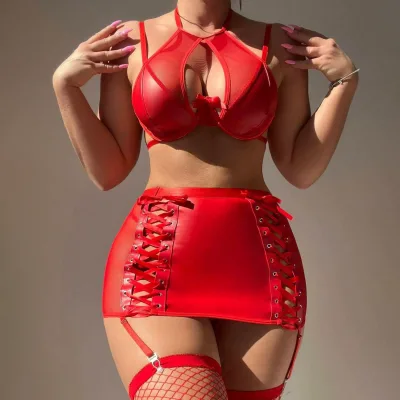
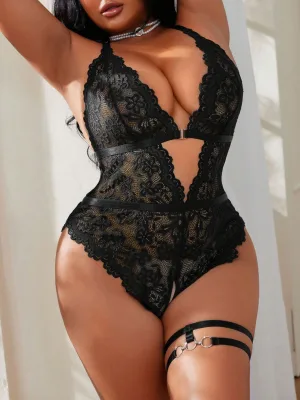
Sexy Lace Fashion Lingerie Women Sexy Fit Lace See Through Sexy Corset Lingerie Sexy
$3.93 - $4.21
MOQ: 2 piece

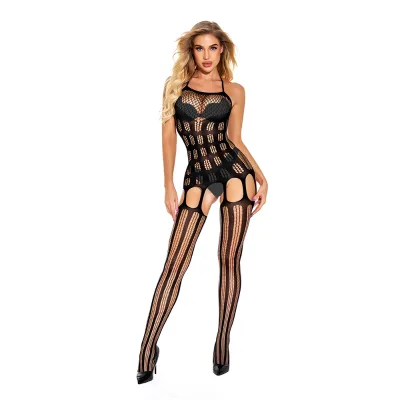
Leather Lingerie with Chains Sexy Black Dress Mature Lady Night Dress Lingerie
$6.04 - $6.32
MOQ: 2 Sets


- Verified by SGS
- Trading Company
- China Zhejiang
- Lead time15 days
- Avg. response≤ 15h
Main marketsEurope

Yiwu Early Garment Company Limited
- Trading Company
- Zhejiang, China
- Lead time30 days
- Avg. response≤ 6h
Main productswomen underwear,sexy lingerie,socks,body shaper,swim wear
Main marketsSouth Asia(12.30%), South America(10.90%), North America(10.00%), Eastern Europe(9.50%), Mid East(8.60%), Central America(8.20%), Africa(8.00%), Northern Europe(6.80%), Eastern Asia(6.40%), Southeast Asia(5.40%), Oceania(5.00%), Southern Europe(3.70%), Domestic Market(3.00%), Western Europe(2.20%)

Shantou Trendy Wind Garment Manufacture Co., Ltd.
- Combined
- China Guangdong
- Lead time60 days
- Avg. response≤ 1h
Main productsUnderwear, Bra, Shape Wear, Panties, Briefs, Nightwear, Babydoll, Pajamas, Swimwear, Camisole
Main marketsSouth America,Domestic,Europe,North America
Yiwu Dailiansha Clothing Co., Ltd.
- Manufacturer, Trading Company
- Zhejiang, China
- Lead time10 days
- Avg. response≤ 16h
Main productsSexy Lingerie & Plus Size Lingerie,Panties,Stocking & Body Stocking,Bra Sets,Body Chain
Main marketsSouth America(60.00%), Mid East(20.00%), Western Europe(15.00%), Africa(5.00%)


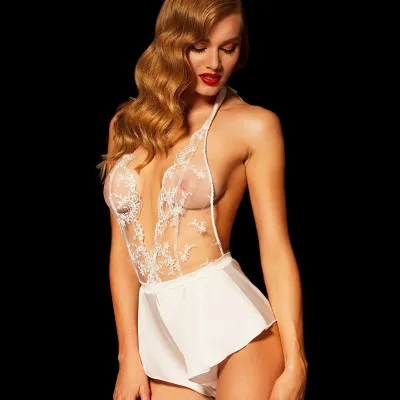
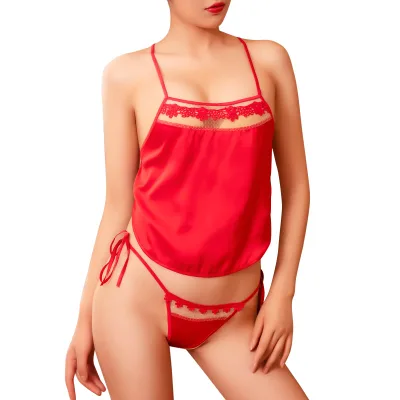
Chinese Sexy Asian Lingerie Bodysuit Loose Covering for the Breast Sexy Lingerie
$4.00 - $5.59
MOQ: 2 sets

Ohyeah Trade (Xiamen) Co., Ltd.
- Verified by TUVRHEINLAND
- Trading Company
- China Fujian
- Lead time15 days
- Avg. response≤ 4h
Main productsPlus Size Lingerie, Plus Size Panty, Bra Sets, Sexy Panties, Sexy Babydoll, Bra Sets&Teddys, Corset, Sexy Costume, Bodystocking, Fishnet Stockings
Main marketsEurope,Australia,North America


Irregular Design Elegant 3 Colors Open Lace Lingerie Nightdress Women Sexy
$3.98 - $5.69
MOQ: 2 Pieces

New Style See Through Rhinestone Fishnet Bodystocking Women Garter Sexy Lingerie
$4.82 - $6.88
MOQ: 2 Pieces


New Trend Fashion Black Nylon See Through MIDI Fishnet Bodystocking Sexy Lingerie for Women
$1.74 - $2.24
MOQ: 10 Pieces

Huixian Baishangji Clothing Co., Ltd.
- Trading Company
- Henan Province, China
- Lead time7 days
- Avg. response≤ 3h
Main productsWomen's clothing,men's clothing
Main marketsNorth America(60.00%), Africa(20.00%), Western Europe(10.00%), Northern Europe(5.00%), South America(5.00%)
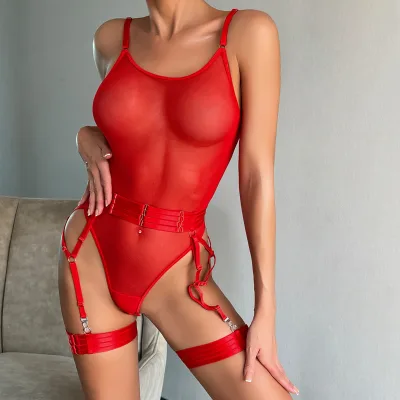
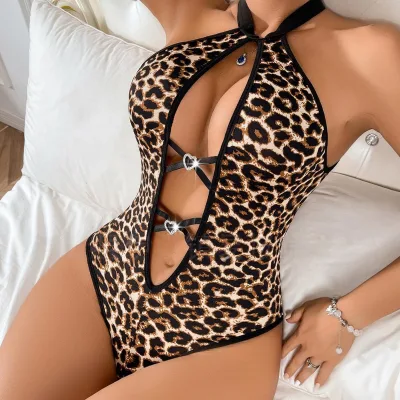
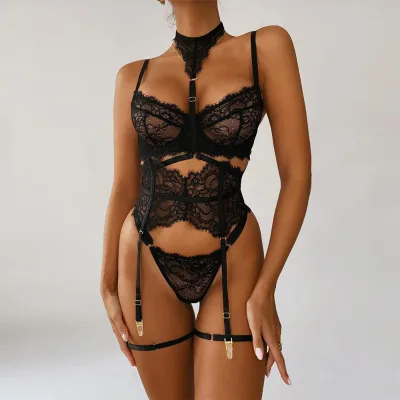
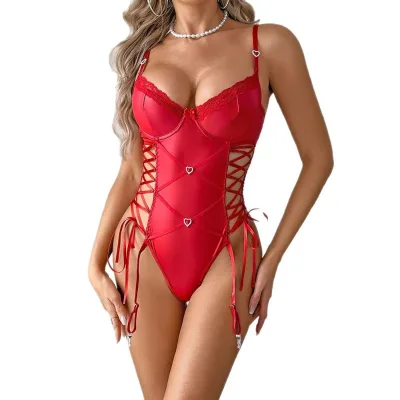
Summer Mesh See-through Sexy Women Lingerie
$6.06 - $6.63

Chongqing Sinanxin Trading Co., Ltd.
- Trading Company
- Chongqing, China
- Lead time0 days
- Avg. response≤ 2h
Main productssexy clothes,sexy underwear,adult costume,lingerie,Erotic Sleepwear
Main marketsNorth America(20.00%), Western Europe(10.00%), Eastern Asia(10.00%), Mid East(10.00%), Oceania(10.00%), Africa(10.00%), Southeast Asia(10.00%), Eastern Europe(10.00%), South America(10.00%)

Taizhou Glory Import & Export Co., Ltd.
- Trading Company
- Jiangsu, China
- Lead time10 days
- Avg. response≤ 11h
Main productslingeries,pajamas,corsets,beach wear,islamic clothes
Main marketsNorth America(30.00%), South America(15.00%), Southeast Asia(10.00%), Northern Europe(5.00%), Central America(5.00%), Western Europe(5.00%), Eastern Asia(5.00%), Southern Europe(5.00%), Oceania(5.00%), Africa(5.00%), Eastern Europe(5.00%), South Asia(3.00%), Mid East(2.00%)

SHANTOU HUICHEN FASHIONS CO.,LTD.
- Combined
- China Guangdong
- Lead time60 days
- Avg. response≤ 10h
Main productsUnderwear, Bra, Sexy Lingerie, Sexy Babydoll, Wireless Bra, Sport Bra, Bra & Panty Set, Underwear Set, Sexy Lingerie Set
Main marketsSouth America,Africa,Europe,North America

Zhongguan (Nanjing) International Trade Co., Ltd.
- Verified by SGS
- Trading Company
- China Jiangsu
- Lead time30 days
- Avg. response≤ 2h
Main productsSexy Lingerie, Erotic Uniform Set, Ladies Underwear, Sexyunderwear, Teddy Lingerie, Sheer Lingerie
Main marketsDomestic
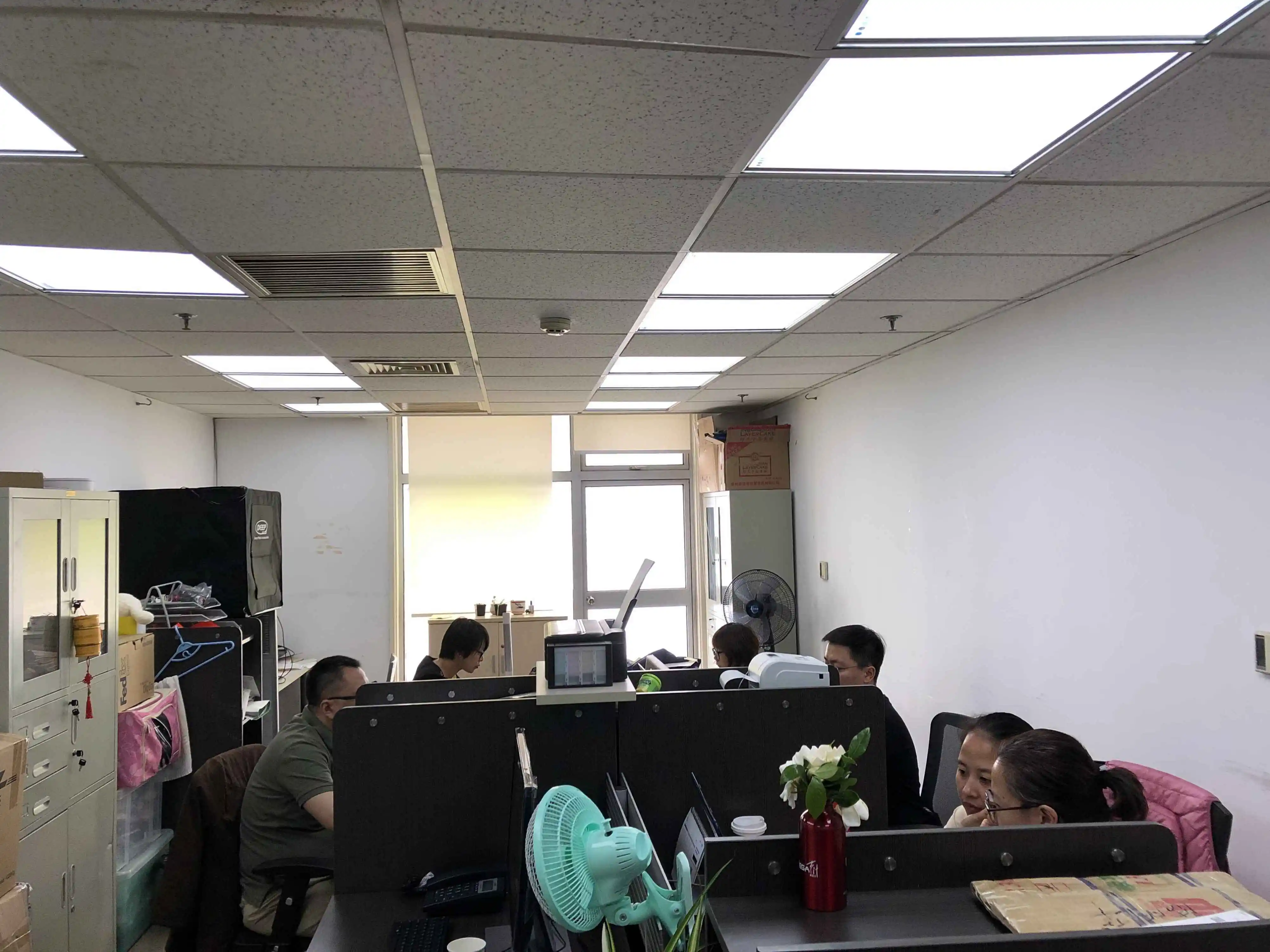
SHANGHAI COMMERCIAL GOOD TRADE
- Trading Company
- Shanghai, China
- Lead time45 days
- Avg. response≤ 5h
Main productsSexy Underwear,Bras,Swimwear & Beachwear,T-Shirts,Jackets
Main marketsNorth America(30.00%), Central America(15.00%), Mid East(12.00%), Western Europe(10.00%), Oceania(8.00%), South Asia(5.00%), Eastern Asia(5.00%), Southern Europe(5.00%), Northern Europe(5.00%), Eastern Europe(5.00%)
Jiangsu Huayi Knitting Co., Ltd.
- Verified by TüVRheinland
- Manufacturer, Trading Company
- Lead time15 days
- Avg. response≤ 5h
Main productsFishnet Stockings, Disposable Fishnet Pants, Fishnet Clothes, Fishnet Pants, Women's Skirts
Main marketsDomestic Market(60%), North America(8%), Africa(6%)
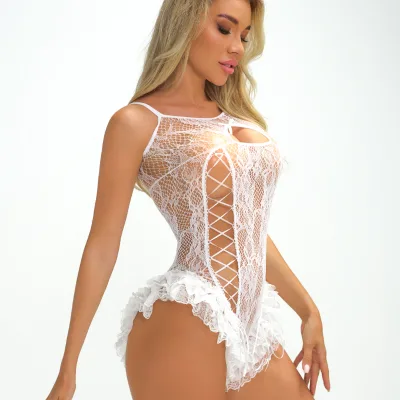
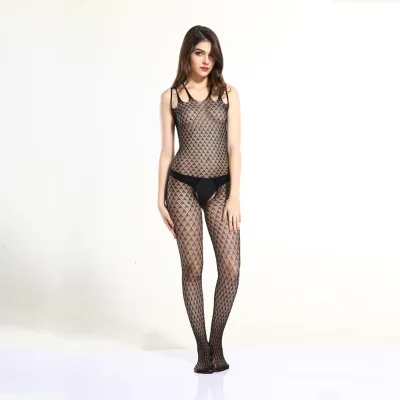
Modern Type Visible Chic Lingerie With Low Price
$1.25 - $2.99
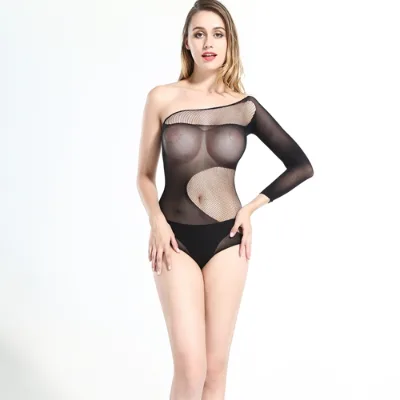
New Design Hot Erotic One - Shoulder Long - Sleeved Underwear Bodice Body Stocking Lingerie
$1.33 - $1.73
MOQ: 100 pieces
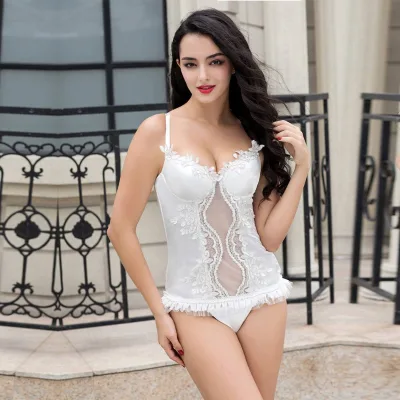
Sexy Beautiful White Cut-out Lace Straps and Lingerie With Bare Hips for Women
$8.4206 - $9.4476
MOQ: 24 pieces
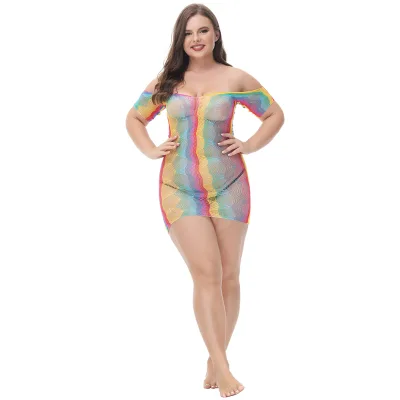
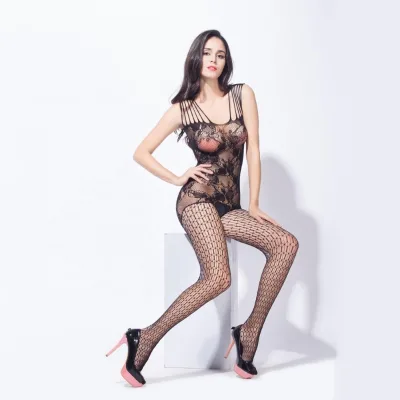

Dongguan Jianyang Garment Co., Ltd.
- Verified by TUVRHEINLAND
- Manufacturer
- China Guangdong
- Lead time15 days
- Avg. response≤ 10h
Main productsGarment, Underwear/Lingerine, Apparel, Thong, Boxer, Swimwear, Underwear, Lingerine, Short, Bra
Shenzhen Ace Clothing Co., Ltd.
- Manufacturer, Trading Company
- Guangdong, China
- Lead time0 days
- Avg. response≤ 1h
Main productsSexy lingerie,women Lingerie,Women's Clothing,women Pajamas,Women Panty
Main marketsNorth America(40.00%), Western Europe(20.00%), Eastern Europe(20.00%), Domestic Market(10.00%), Africa(10.00%)

- Verified by CTI
- Trading Company
- China Anhui
- Lead time23 days
- Avg. response≤ 1h
Main productsFurniture, Home Furniture
Main marketsSoutheast Asia/ Mideast

Jiangmen Ruixi Clothing Trading Co., Ltd.
- Verified by TUVRHEINLAND
- Trading Company
- China Guangdong
- Lead time15 days
- Avg. response≤ 17h
Main productsUnderpants, Cotton Underwear
Main marketsDomestic

Henan Songzhi Import And Export Co., Ltd.
- Trading Company
- Henan, China
- Lead time12 days
- Avg. response≤ 3h
Main productsSexy lingerie,sexy sleepwear,women underwear/panty,pajamas& Loungewear,Women Bra Set
Main marketsNorth America(23.00%), South America(21.00%), Eastern Europe(11.00%), Southeast Asia(10.00%), Africa(6.00%), Oceania(5.00%), Domestic Market(3.00%), South Asia(3.00%), Southern Europe(3.00%), Northern Europe(3.00%), Central America(3.00%), Western Europe(3.00%), Eastern Asia(3.00%), Mid East(3.00%)
Fuzhou Zhongtianyuan Trade Co., Ltd.
- Verified by TüVRheinland
- Trading Company
- Lead time7 days
- Avg. response≤ 5h
Main productsWomen's Lingerie
Main marketsNorth America(30%), Western Europe(30%), South America(20%)

Creative(Xiamen)Import and Export Co., Ltd.
- Manufacturer/Factory
- China Fujian
- Lead time23 days
- Avg. response≤ 2h
Main productsUnderwear, Sexy Lingerie, Baby Toy, Sport Product, Stuffed Toys, Art Crafts, Fashion Accessories, Soccer Jersey
Main marketsSouth America,Eastern Europe,Mid East,North America,Southeast Asia,Eastern Asia,Oceania,Western Europe,Africa

Shenzhen Weixi Chuang Industrial Co., Ltd.
- Verified by SGS
- Trading Company
- China Guangdong
- Lead time15 days
- Avg. response≤ 5h
Main productsDress, T-Shirt, Lingerie, Sport Wear, Sleepwear, Corset, Underwear, Pajamas, Bra, Bathrobe
Main marketsNorth America

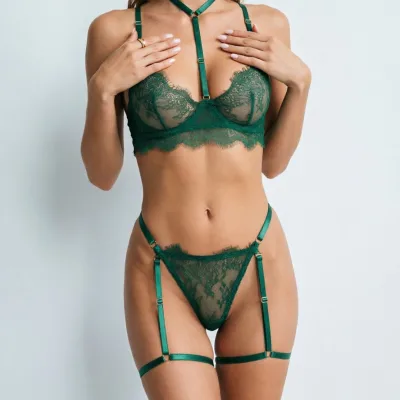
Women See-Through Lingerie Fashion Embroidered Seductive Girly Style Underwear Set
$6.99 - $7.79
MOQ: 10 Sets

Hot-Selling Romantic Flower-Embroidered See-Through Four-Piece Set Lingerie
$4.99 - $6.59
MOQ: 10 Sets

Guangzhou Mengma Technology Co., Ltd.
- Trading Company, Distributor/Wholesaler
- Guangdong, China
- Lead time5 days
- Avg. response≤ 4h
Main productssex toys for women,sex toys for men,clothing,Silicone products,electronic product
Main marketsSouth America(20.00%), Central America(15.00%), Western Europe(10.00%), Oceania(10.00%), Southern Europe(10.00%), Northern Europe(10.00%), Eastern Europe(10.00%), Mid East(5.00%), North America(3.00%), South Asia(3.00%), Eastern Asia(2.00%), Africa(2.00%), Southeast Asia(2.00%)
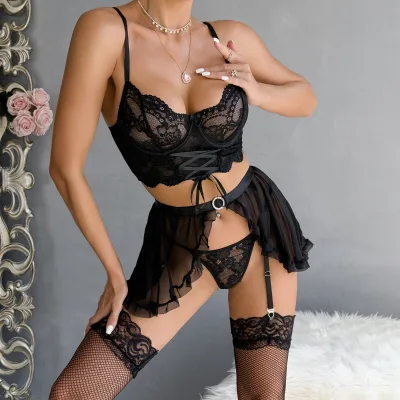
$7.0973 - $7.3069
MOQ: 10 pieces
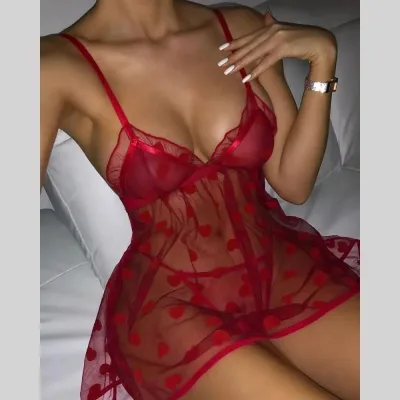
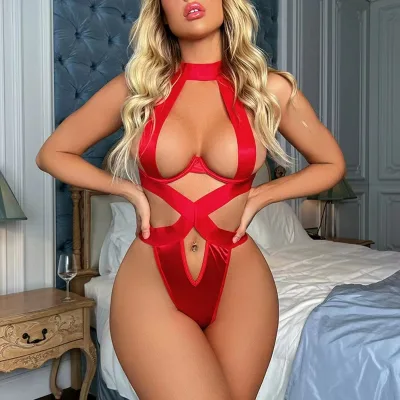
$4.8907 - $5.0988
MOQ: 10 pieces
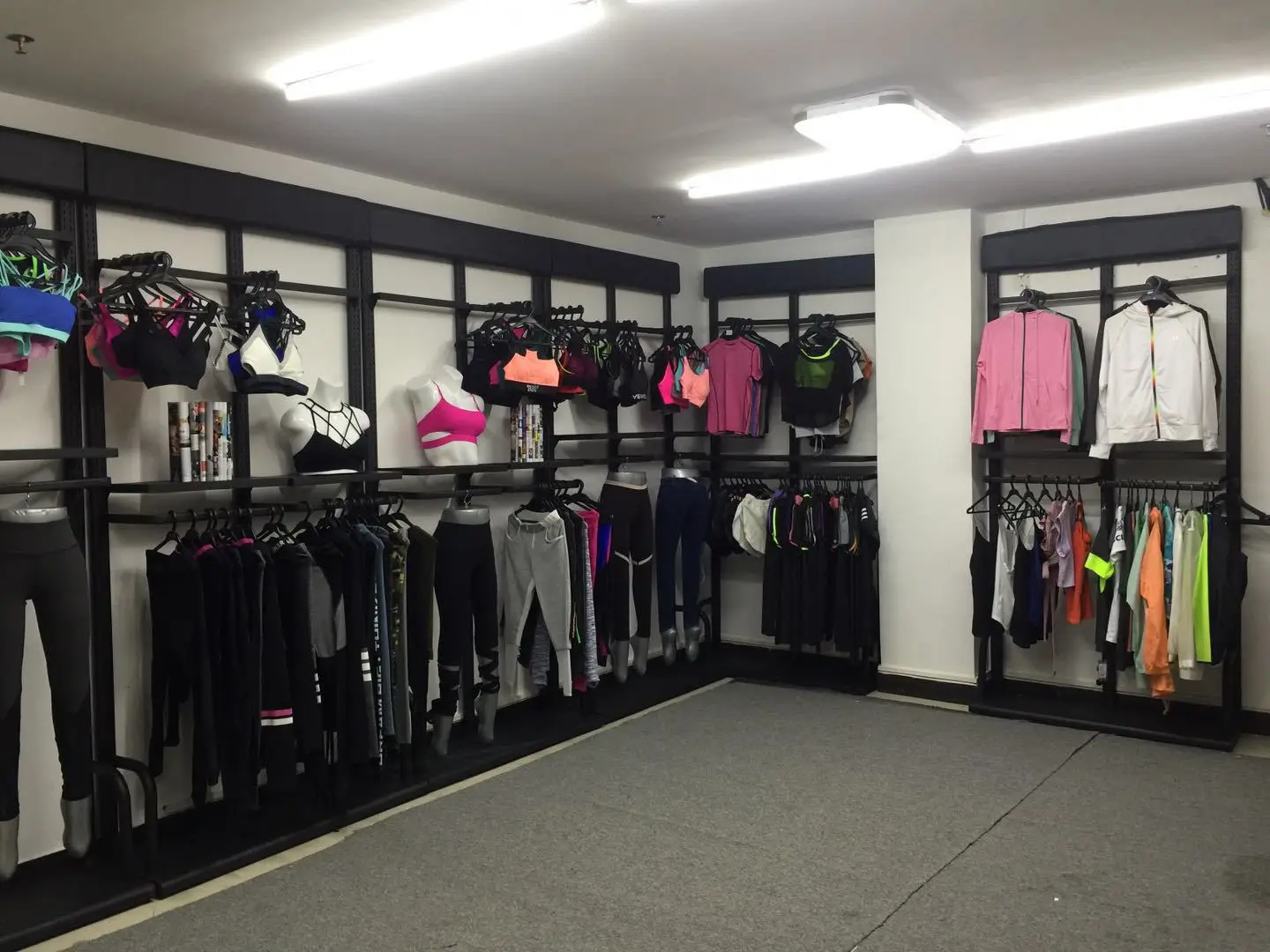
Shenzhen Chiangqin Technology Co., Ltd.
- Manufacturer, Trading Company
- Guangdong, China
- Lead time5 days
- Avg. response≤ 5h
Main productswomen outfits,men outfits,children outfits,Sports wear,bags
Main marketsNorth America(30.00%), Eastern Europe(19.00%), Western Europe(16.00%), South America(8.00%), Eastern Asia(8.00%), Domestic Market(8.00%), Oceania(5.00%), Northern Europe(3.00%), Southern Europe(3.00%)
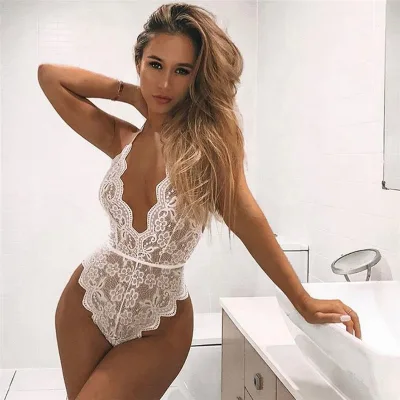
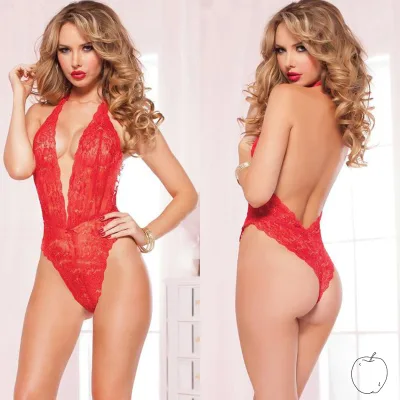
One Piece See Through Sexy Lace Mesh Deep-v Backless Lace Bodysuit Night Lingerie
$1.00 - $1.99
MOQ: 3 pieces





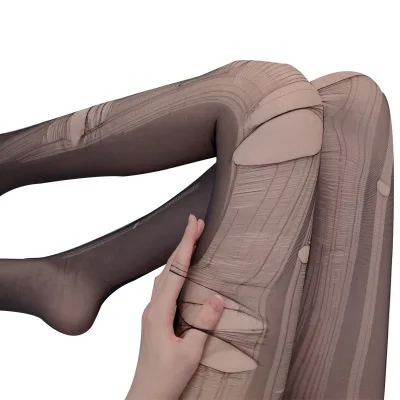
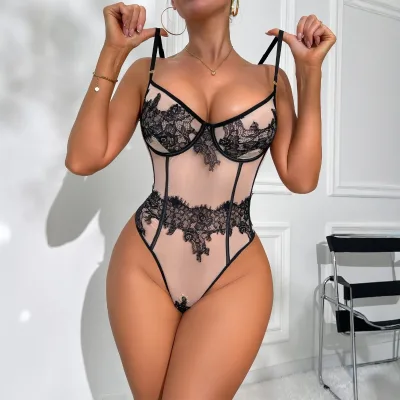
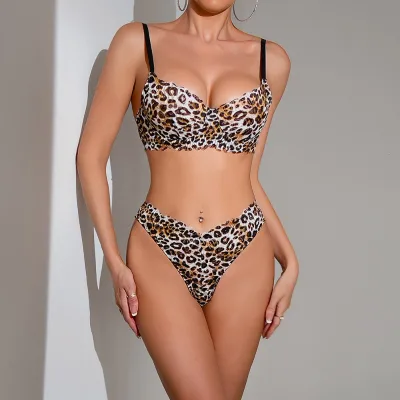
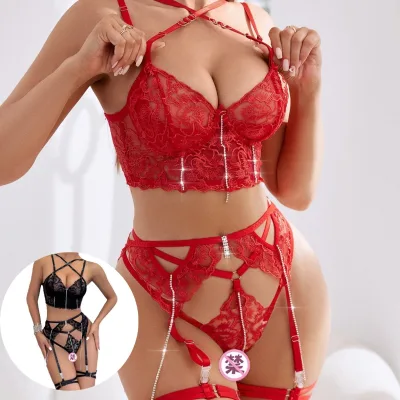


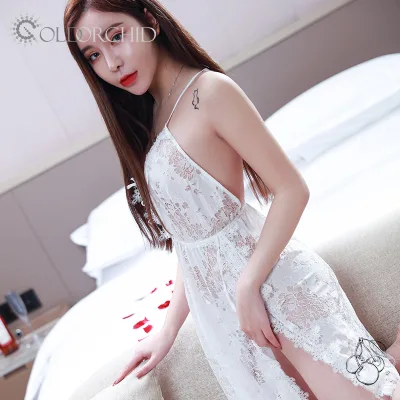
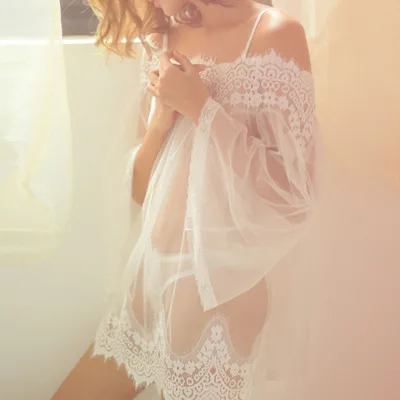
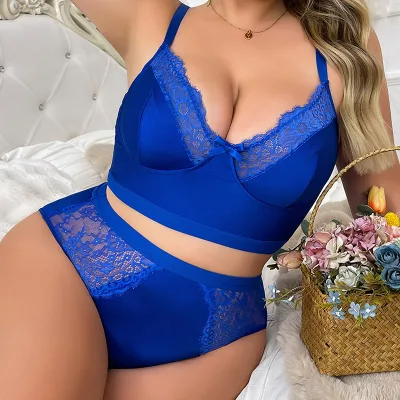


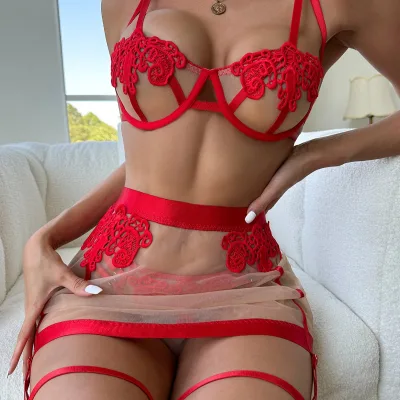
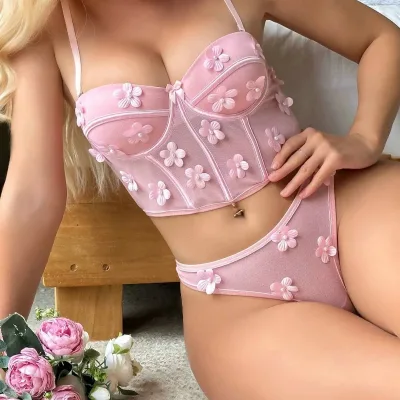
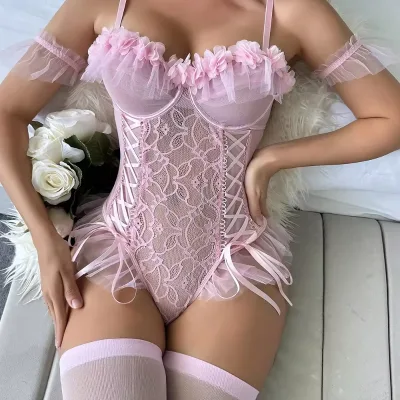
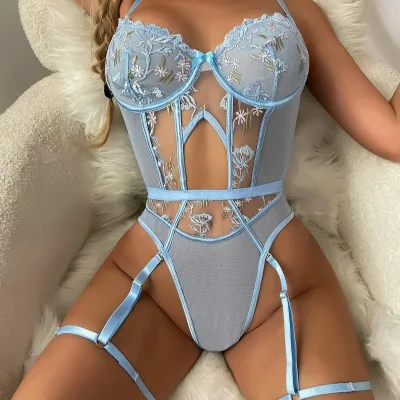
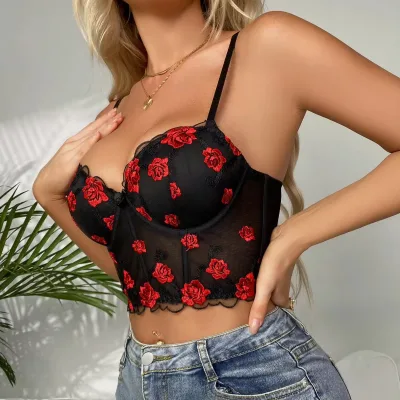


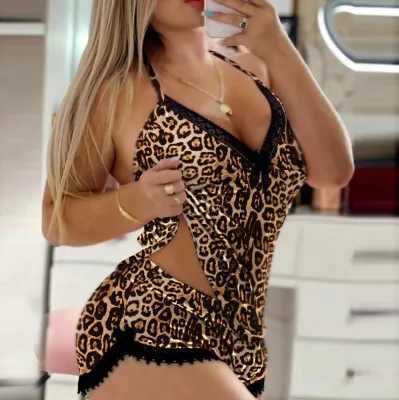
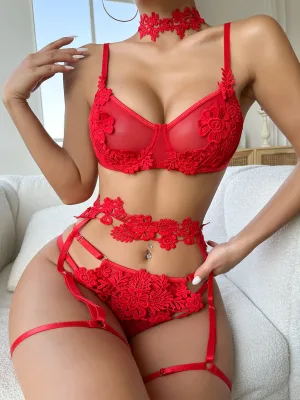
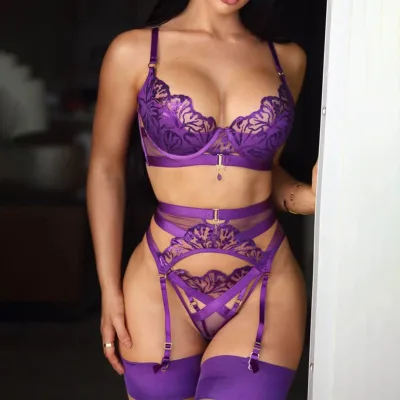
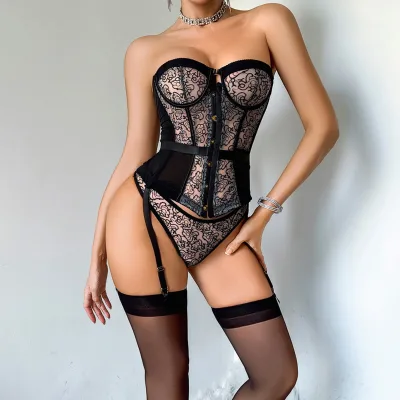


Comprehensive Sourcing Guide
Fashionable Lingerie Supplier Concentration and Factory Types
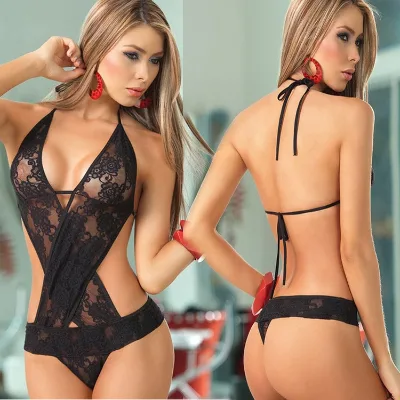
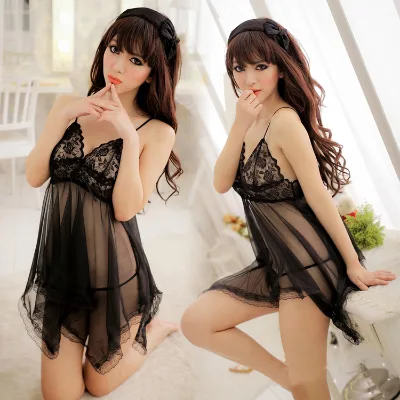
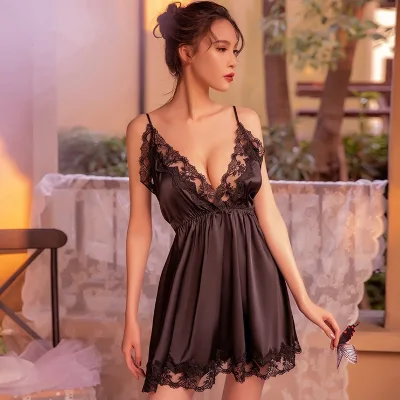
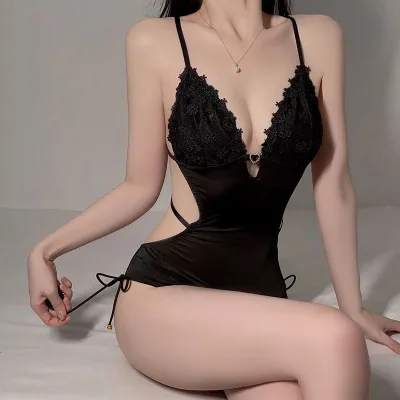
Current data indicates a concentration of suppliers in China, specifically within the Zhejiang and Guangdong provinces. These regions host a mix of trading companies and combined entities that specialize in apparel and accessories. The Zhejiang-based suppliers often list diverse main products including wooden toys, outdoor products, and kitchen items alongside personal care tools and painting sets. In contrast, the Guangdong cluster focuses heavily on corsets, corset tops, court corsets, sexy bra sets, and women's lingeries. This geographic split suggests distinct manufacturing ecosystems where Zhejiang may offer broader general merchandise capabilities while Guangdong specializes in intimate apparel and fashion body chains.
Buyers should verify the specific company type before engaging, as the results show both trading companies and combined entities operating in this space. A trading company typically sources from various factories, whereas a combined entity might possess its own brand or ODM capacity. The presence of ODM and own brand capabilities in some Guangdong listings indicates a higher level of manufacturing integration compared to pure trading firms. When evaluating potential partners, it is essential to confirm whether the supplier is a direct manufacturer or an intermediary, as this distinction impacts control over production quality and customization options. The available evidence does not confirm establishment years for these entities, so buyers must request this historical data directly to assess long-term stability and experience in the lingerie sector.
How to Verify Fashionable Lingerie Suppliers
Verification is a critical step when sourcing Fashionable Lingerie, as the current results show varying levels of third-party validation. Some suppliers in the dataset have been verified by recognized bodies such as TÜV Rheinland and SGS, which adds a layer of credibility to their operational claims. However, other entries in the search results display a certification status of NIL, indicating a lack of current third-party system certification. Buyers must not assume that all suppliers possess these credentials and should explicitly request proof of verification status before proceeding with any transaction. The absence of a specific certification like ISO9001 or ISO14001 in some profiles requires immediate clarification to ensure the supplier meets international quality and environmental standards.
Beyond external verification, buyers should scrutinize the product attributes and origin details provided in the supplier listings. Evidence shows that some products originate from Jiangsu, while others list China as the general origin, creating a need for precise location confirmation. Specific product attributes such as customization availability, logo options, and OEM acceptance are listed as available in several profiles, but these claims require direct confirmation with the supplier. Buyers should ask for samples to validate the "Plain Dyed" or "Knitted" techniques mentioned in the product evidence. Additionally, the response time data varies significantly, with some suppliers showing a response time of 11.65 hours while others respond in under five hours, which serves as a proxy for communication reliability and operational efficiency.
What to Compare Across Fashionable Lingerie Suppliers
When comparing suppliers, lead time and minimum order quantity (MOQ) are primary differentiators that affect inventory planning and cash flow. The data reveals a lead time of 15 days for some suppliers, while others specify a delivery window of 10 to 15 days. MOQs also vary widely, with some listings showing a minimum of 50 units, whereas others require a substantial 300 units. This disparity means buyers must align their order volume with the supplier's capacity; a small startup might struggle with a 300-unit MOQ, while a large retailer might find a 50-unit minimum inefficient. Buyers should calculate the total cost of ownership, including the impact of higher MOQs on storage and potential obsolescence, before selecting a partner.
Price and customization capabilities form another critical comparison axis. Product evidence indicates price ranges from approximately $0.99 to $7.02 per unit, depending on the specific item and its complexity. Suppliers offering customization, logo printing, and OEM services provide greater flexibility for branding, but these services often come with higher price points or stricter MOQs. For instance, one listing shows a price range of $1.45 to $2.36 for a specific model, while another with similar features lists prices between $6.74 and $7.02. Buyers must verify if the lower price points include all customization features or if they apply only to standard, non-branded items. Additionally, the response time of 4.95 hours versus 11.65 hours can influence the speed of negotiation and the ability to resolve production issues quickly.
Common Fashionable Lingerie Sourcing Risks
One significant risk in this category is the inconsistency in product standards and specifications across different suppliers. The evidence shows varying product standards, such as "Suitable for 40-60kg" or "Suitable for 40-65 kg," which indicates that sizing and fit may not be uniform across the market. Without a standardized sizing chart or rigorous quality control process, buyers risk receiving goods that do not match their target demographic's expectations. Furthermore, the origin of products is listed as Jiangsu for some items and generally as China for others, which can lead to confusion regarding material sourcing and labor standards. Buyers must demand detailed material specifications and size charts to mitigate the risk of receiving ill-fitting or substandard merchandise.
Another risk involves the reliability of delivery dates and stock availability. While some suppliers list an in-stock quantity of 1000 units, others do not provide stock information, relying instead on production lead times. The variation in delivery dates, ranging from 10 to 15 days, suggests that production capacity may fluctuate based on order volume or raw material availability. If a supplier fails to meet the promised delivery window, it can disrupt the buyer's sales cycle and damage customer relationships. Additionally, the lack of escrow information in the provided data means buyers must establish their own payment protection mechanisms. Relying solely on the supplier's stated delivery date without a contractual penalty clause exposes the buyer to significant logistical and financial risks.
Fashionable Lingerie Regional Sourcing and Logistics
Sourcing from China, specifically the Zhejiang and Guangdong provinces, offers access to established manufacturing clusters but requires careful logistics planning. The Zhejiang region appears to support a broader range of products, including outdoor and kitchen items, which might indicate a diversified supply chain that could be leveraged for mixed orders. Conversely, the Guangdong cluster is heavily specialized in lingerie, corsets, and body chains, suggesting a more focused and potentially efficient supply chain for intimate apparel. Buyers should consider the proximity of these regions to major ports, as this will impact shipping costs and transit times. The specific origin details, such as Jiangsu for certain products, further highlight the need to map the exact production location to optimize freight routes.
Logistics planning must also account for packaging standards, which vary by supplier. Evidence shows packaging options ranging from simple bags to casts and polybags with boxes. The dimensions of the packaging, such as 615141CM or 26201cm per piece, directly influence container loading efficiency and shipping costs. Buyers should request detailed packing lists and dimensions to calculate the optimal number of units per container. Additionally, the response time of suppliers can affect the speed of logistics coordination; a faster response time of 4.95 hours allows for quicker resolution of shipping discrepancies compared to slower responders. Understanding the regional strengths and logistical capabilities of each supplier is essential for minimizing delays and ensuring timely delivery to the final destination.
Fashionable Lingerie Commercial Terms and Order Planning
Commercial terms for Fashionable Lingerie often include specific customization requirements and payment structures that must be clearly defined. The product evidence indicates that customization is available for many items, including logo printing and OEM services, but these services may have distinct pricing tiers or minimum order thresholds. Buyers should negotiate clear terms regarding who bears the cost of mold fees or design changes, as these can significantly impact the final unit price. The availability of OEM services suggests that suppliers are willing to adapt products, but the specific conditions for these adaptations must be documented in the purchase agreement to avoid disputes later in the production process.
Order planning should be guided by the lead times and MOQs observed in the supplier data. With lead times ranging from 10 to 15 days and MOQs varying from 50 to 300 units, buyers need to forecast demand accurately to avoid overstocking or stockouts. For suppliers with a 300-unit MOQ, buyers might need to consolidate orders with other products or negotiate a lower threshold based on long-term partnership potential. The price ranges, which span from under $1 to over $7, require careful budgeting to ensure profitability. Buyers should also consider the response time of the supplier, as a slower response time of 11.65 hours might delay critical order confirmations. Establishing a clear timeline for order placement, production, and shipping is vital for maintaining a smooth supply chain in this fast-moving category.
FAQs
What is the price range for Fashionable Lingerie?
Prices for Fashionable Lingerie typically range from $0.99 to $7.02 per unit. The specific cost depends on the product model, material, and customization options. Buyers should check individual product listings for exact pricing tiers based on order quantity.
What is the minimum order quantity for these items?
Minimum order quantities vary by supplier and product type. Some items require a minimum of 50 units, while others may require 300 units. Buyers must verify the specific MOQ for each product listing before placing an order to ensure compliance.
How long does delivery take for these orders?
Standard lead times are approximately 15 days for general orders. Specific items may have a delivery window of 10-15 days. Buyers should confirm the exact production schedule with the supplier to align with their inventory needs and shipping deadlines.
Are customization and OEM services available?
Yes, customization and OEM services are widely available for Fashionable Lingerie. Suppliers offer options for custom logos, specific colors, and tailored sizes. Buyers can request samples to verify quality and ensure the final product meets their brand standards and requirements.
Where are these lingerie suppliers located?
Suppliers are primarily located in China, specifically in Zhejiang and Guangdong provinces. These regions are known for their manufacturing capabilities in apparel and accessories. Buyers can filter results by location to find suppliers closer to their preferred shipping routes.
What certifications do these suppliers hold?
Some suppliers hold ISO9001:2015 and ISO14001:2015 system certifications. Verification services like TÜV Rheinland and SGS are also used to ensure quality. Buyers should request valid certificates to confirm that suppliers meet international quality and environmental management standards.