Source DDR5 Memory for Desktop, Laptop, and Server Systems
Find 30 DDR5 Memory modules tailored for desktop, laptop, and server applications. Compare specifications including 32GB capacity and 6800MHz speeds to identify suitable options for your hardware requirements and ensure optimal performance for your specific computing needs; compare the available evidence and request quotations based on your requirements.
Updated
Key considerations
Products List

Desktop Memory RGB DDR5 32GB 6000MHz 5600MHz DIMM High Speed Memoria RAM
$399.00 - $450.00
MOQ: 10 Pieces

RAM DDR5 32GB (16GBX2) 6000MHz 6400MHz DDR5 6400MHz Desktop Computer Memoria RAM
$399.00 - $455.00
MOQ: 1 Pieces

Desktop Memory RGB DDR5 16gbx2 6000MHz 5600MHz DIMM High Speed Memoria RAM
$399.00 - $499.00
MOQ: 1 Pieces

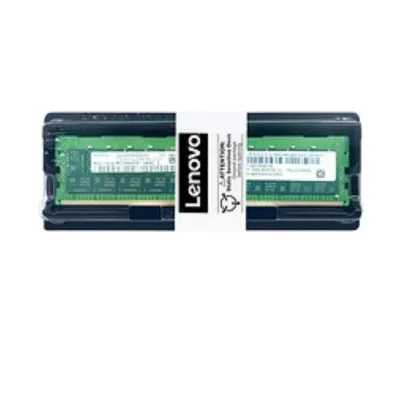
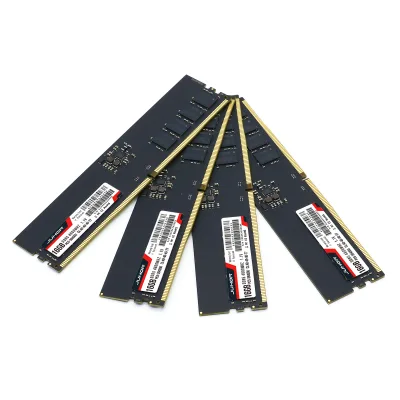
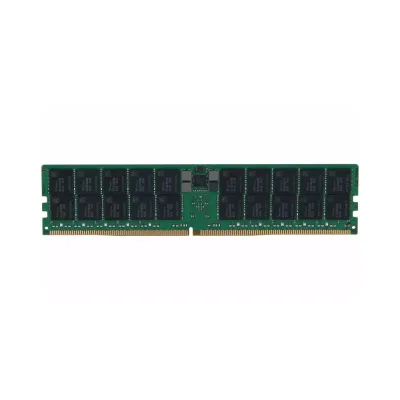

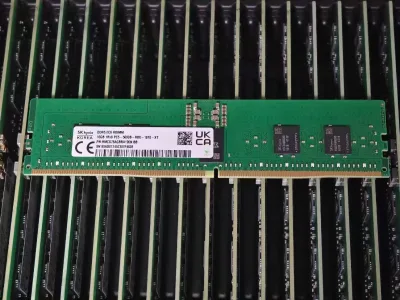
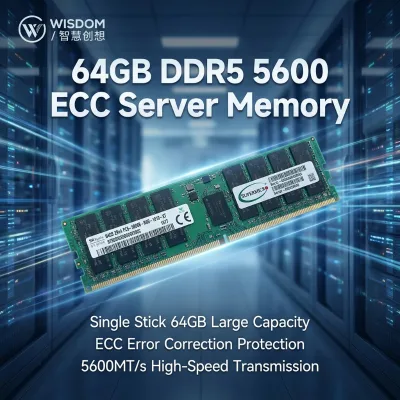
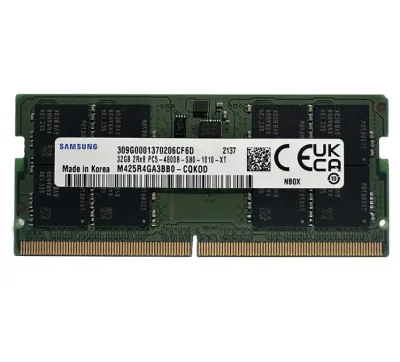
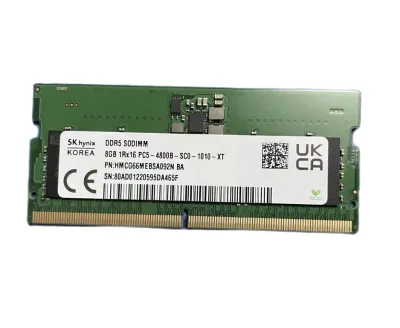

Gaming Notebook Memory 5600MHz Memoria SODIMM RAM Laptop 16GB 32GB DDR5 RAM
$50.00 - $66.00
MOQ: 100 Pieces

DDR5 Gaming Desktop Memory Module 8GB/16GB/32GB: 4800/5600MHz, Factory Wholesale OEM Available
$125.36 - $130.65
MOQ: 100 Pieces

DDR5 Memory RAM 8GB 16GB 32GB 4800MHz 5600MHz Gaming Desktop Memory RAM Moudle
$32.00 - $66.00
MOQ: 100 Pieces

DDR5 16GB/32GB/64GB 6000MHz PC5-48000 So-DIMM Memory RAM Compatible with Laptop
$128.00 - $137.00
MOQ: 100 Pieces
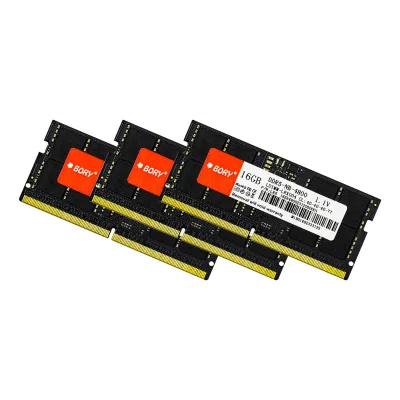
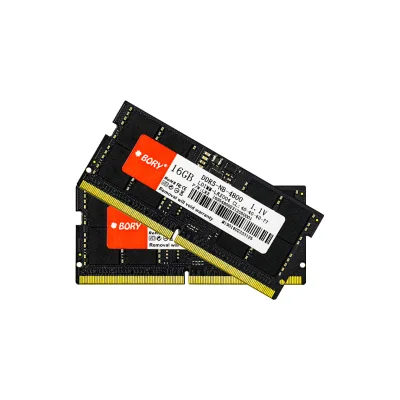
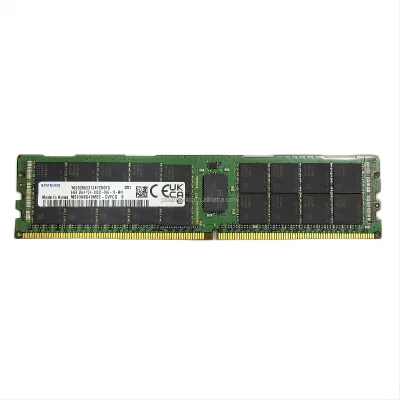
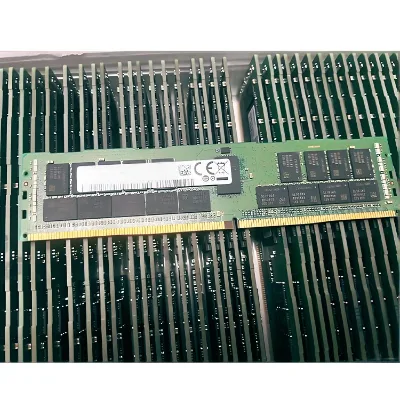
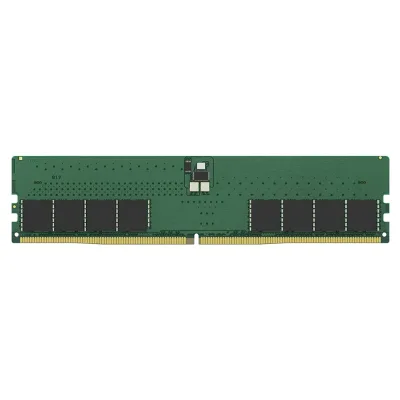


DDR5 16GB/32GB/64GB 6000MHz PC5-48000 So-DIMM Memory RAM Compatible with Laptop
$58.00 - $66.00
MOQ: 50 Pieces
Comprehensive Sourcing Guide
DDR5 Memory Sourcing Guide
Procuring DDR5 Memory modules requires a strategic approach that balances cutting-edge performance specifications with rigorous supply chain verification. Buyers must navigate a market where technological generations overlap, necessitating clear differentiation between legacy DDR3, DDR4, and the newer DDR5 standards. This guide provides evidence-based insights for sourcing DDR5 components, focusing on the specific attributes observed in current listings and the critical verification steps required to ensure compatibility and reliability.
The transition to DDR5 introduces new form factors and speed capabilities that demand precise alignment with end-user hardware requirements. While many suppliers offer a broad spectrum of memory types, including DDR3 and DDR4 variants, sourcing DDR5 specifically requires attention to distinct pin counts, voltage profiles, and frequency ratings. This guide outlines the essential technical and commercial considerations for buyers seeking to integrate DDR5 Memory into desktop, laptop, or server applications, ensuring that procurement decisions are grounded in verified product data rather than marketing assumptions.
Product Scope and Observed Listing Signals
Current market listings indicate a diverse range of memory products, with observed prices spanning from $11.96 to $5,050 USD, reflecting significant variation in capacity, speed, and intended application. The minimum order quantity (MOQ) ranges from 1 to 100 units, suggesting flexibility for both prototyping and bulk procurement. Buyers should note that while DDR5 is explicitly mentioned with specifications such as 32GB capacity and 6800MHz speed, many listings also bundle older standards like DDR3 and DDR4, requiring careful filtering to isolate true DDR5 offerings.
The observed product attributes reveal a mix of interface forms, including DIMM and SIMM, with pin counts of 204 and 240 respectively. Although DDR5 typically utilizes a 288-pin DIMM form factor, some listings cite 204 or 240 pins, which may indicate legacy DDR3 or DDR4 modules rather than genuine DDR5. Buyers must verify that the physical interface matches the motherboard slot requirements, as mixing incompatible form factors can lead to installation failures. The presence of cooling fins in some listings suggests high-performance variants, but buyers should confirm whether these are standard for the specific DDR5 models being considered.
Technical Specifications to Verify
When evaluating DDR5 Memory, buyers must prioritize the verification of speed ratings and capacity options. The supplied data highlights DDR5 specifications of 32GB capacity and 6800MHz frequency, which represent high-end performance tiers. However, other listings mention DDR4 speeds of 2666MHz and 3200MHz, as well as DDR3 speeds of 1333MHz and 1600MHz. It is crucial to distinguish between these generations, as DDR5 modules are not backward compatible with DDR3 or DDR4 slots. Buyers should request detailed datasheets that explicitly confirm the DDR5 standard and the specific speed grade to avoid purchasing incompatible components.
Capacity and configuration are equally critical, with observed options ranging from 4GB to 64GB. Some listings mention 64GB modules with REG ECC functionality, which are typically used in server environments rather than standard desktops or laptops. Buyers must determine whether their target application requires registered ECC memory or standard unbuffered DIMMs. Additionally, the interface form must be confirmed as DIMM, as SIMM interfaces are obsolete for modern DDR5 systems. Verifying the pin count and physical dimensions ensures that the memory will fit within the designated chassis and connect properly to the system board.
Compliance and Safety Documentation
Compliance with international safety and environmental standards is a non-negotiable aspect of memory procurement. The supplied context references certifications such as CE, FCC, and RoHS, which are commonly associated with electronic components sold in global markets. While these certifications are listed, buyers should treat them as observed attributes rather than guaranteed statuses for every unit. It is advisable to request valid certification documents from the supplier to verify that the specific DDR5 modules meet the regulatory requirements of the destination country, particularly regarding electromagnetic interference and hazardous substance restrictions.
Quality standards such as SGS are also mentioned in the context of product verification, indicating a potential focus on material integrity and manufacturing consistency. Buyers should inquire about the testing protocols employed by the supplier to ensure that the memory modules meet industry performance benchmarks. Although specific test results are not provided in the observed data, understanding the supplier’s quality assurance processes is essential for mitigating the risk of defective units. Confirming that the products adhere to recognized standards helps ensure long-term reliability and reduces the likelihood of field failures in deployed systems.
Cost Drivers and Commercial Terms
The cost of DDR5 Memory is influenced by several factors, including capacity, speed, and the inclusion of additional features such as heat spreaders or custom branding. The observed price range of $11.96 to $5,050 USD reflects the wide variance in product specifications, with higher-capacity and higher-speed modules commanding premium prices. Buyers should analyze the cost per gigabyte to compare value across different suppliers and configurations. It is important to note that prices may fluctuate based on market demand and supply chain conditions, so obtaining current quotes is essential for accurate budgeting.
Commercial terms such as MOQ and lead times also impact the total cost of ownership. The observed MOQ range of 1 to 100 units allows for flexible ordering, but buyers should confirm whether volume discounts are available for larger orders. Lead times are not explicitly stated in the provided data, but buyers should inquire about production schedules and shipping durations to plan inventory effectively. Additionally, warranty terms, which range from 1 to 3 years in the observed listings, should be clearly defined in the purchase agreement to protect against early failures. Understanding these commercial variables helps buyers negotiate favorable terms and manage cash flow efficiently.
Supplier Qualification and Quality Control
Supplier qualification is a critical step in ensuring the reliability of DDR5 Memory procurement. Buyers should verify the supplier’s manufacturing capabilities, including their ability to provide customization services, as indicated by the "Available" customization attribute. The presence of OEM/ODM trade marks suggests that suppliers can offer branded solutions, but buyers must ensure that the underlying components meet their technical requirements. It is advisable to conduct audits or request references to assess the supplier’s track record in producing high-quality memory modules.
Quality control measures should be explicitly discussed with the supplier to ensure consistent product performance. The observed data mentions original chipsets and various controller types, such as Smi, Yeestor, and Realtek, which can affect compatibility and stability. Buyers should request information on the sourcing of memory chips and the testing procedures used to validate performance. Additionally, the availability of stock and supply ability, noted as 100 boxes per month in some listings, should be confirmed to ensure that the supplier can meet ongoing demand without compromising quality or delivery schedules.
Long-Term Procurement Checks
Long-term procurement success depends on establishing robust relationships with suppliers who can provide consistent quality and support. Buyers should implement regular performance reviews to monitor the reliability of the DDR5 Memory modules in their applications. Tracking failure rates and customer feedback can help identify potential issues early and allow for corrective actions. It is also important to stay informed about technological advancements in DDR5 standards, as newer speeds and capacities may become available, offering improved performance and efficiency.
Supply chain resilience is another key consideration for long-term procurement. Buyers should diversify their supplier base to mitigate risks associated with production delays or quality issues. Maintaining open communication with suppliers regarding future product roadmaps and capacity planning can help ensure a steady supply of DDR5 Memory. Additionally, buyers should review warranty claims processes and return policies to ensure that any defective units can be replaced promptly. By focusing on these long-term checks, buyers can build a sustainable and reliable sourcing strategy for their DDR5 Memory needs.
FAQs
What DDR5 Memory specifications are available for desktop and laptop use?
DDR5 Memory is available with 32GB capacity and 6800MHz frequency. It supports customization and comes in black color with cooling fins. The interface form is DIMM with 204 pins. This configuration is suitable for both desktop and laptop applications, ensuring normal performance and reliable operation for modern computing needs.
Can I customize DDR5 Memory with my own logo and packaging?
Yes, customization is available for DDR5 Memory modules. You can support logo printing and request gift box packaging. The product packing can be adjusted to plastic boxes or cases. This service allows for private mold options and OEM/ODM trade marks, making it ideal for branded hardware solutions.
What is the minimum order quantity for DDR5 Memory purchases?
The minimum order quantity ranges from 1 to 100 units. Specific listings may require 50 pieces as a baseline. This flexibility allows buyers to test market demand with smaller orders. Bulk purchases are supported with supply abilities of 100 boxes per month, ensuring consistent availability for various procurement scales.
What certifications and warranties are provided with DDR5 Memory products?
Products typically include CE, FCC, and RoHS certifications. Warranties range from 1 to 3 years, with some specific items offering 3 years. These standards ensure quality and safety. The memory operates in DRAM mode with original chipsets, providing reliable performance and long-term support for enterprise and consumer applications.
Where are DDR5 Memory modules manufactured and what is the origin?
DDR5 Memory modules are manufactured in China, with specific origins noted in Beijing. The products are stocked and ready for shipment. This location supports efficient supply chains and rapid delivery. Buyers can source directly from these regions, ensuring access to high-quality memory solutions with established manufacturing capabilities and logistical support.
What types of memory capacities and frequencies are supported for DDR5?
DDR5 Memory supports 32GB capacity at 6800MHz frequency. Other options include DDR3 and DDR4 standards with various speeds. Capacities range from 4GB to 64GB across different types. This variety allows for tailored solutions, whether for high-performance computing or standard desktop applications, ensuring compatibility with diverse system requirements.