Source Portable 14 Inch Laptop for Office, Travel, and Education
Explore 30 options for a Portable 14 Inch Laptop featuring Intel Celeron processors, built-in WiFi, and Windows OS. Compare models like the Des-X13 and Bus-P14SJ, which offer 14-inch screens, integrated graphics, and various color choices including grey and silver for office and mobile use.
Updated
Key considerations
Products List


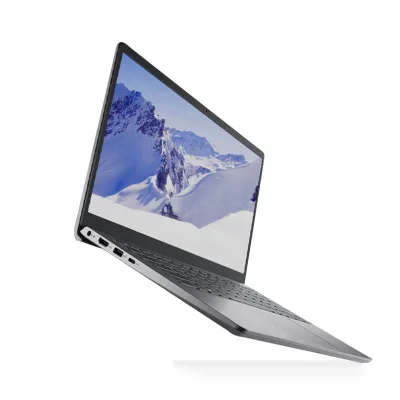
Quad Core Laptops 14 Inch Mini Notebook 1920X1080 Portable Laptop Computer
$101.00 - $107.00
MOQ: 1 Pieces



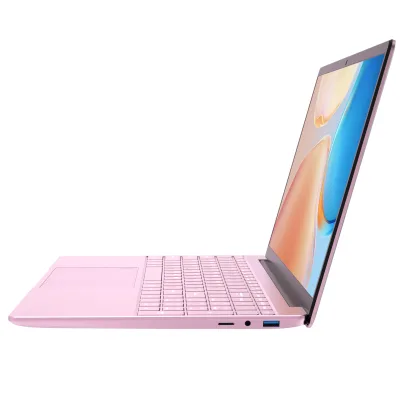
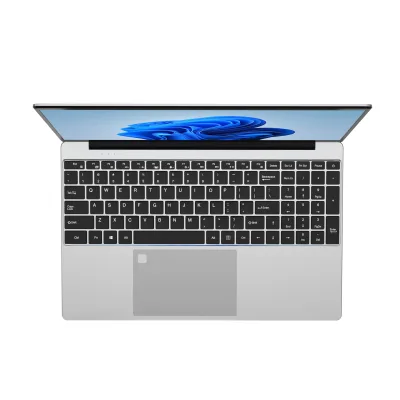


New Cheap Chinese Laptops 14inch OEM Laptop Notebook Ordinateur Portable
$260.00 - $280.00
MOQ: 1 Pieces

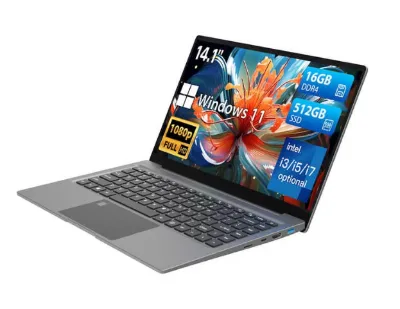
Mini Laptop Notebooks Netbook Laptop PC 14.1 Inch Customized Laptop Computer
$205.00 - $300.00
MOQ: 1 Pieces


Comprehensive Sourcing Guide
Portable 14 Inch Laptop Sourcing Guide
Procuring a portable 14-inch laptop requires balancing mobility with sufficient processing power for daily office tasks. The market offers various configurations, from integrated graphics models to those with specific connectivity modules. Buyers must carefully evaluate the trade-offs between screen size, weight, and internal components to ensure the selected device meets operational demands without compromising portability.
This guide focuses on verified product attributes observed in current listings, such as Intel Celeron processors, built-in Bluetooth, and varying screen resolutions. Understanding these specific technical details helps procurement teams avoid generic assumptions and select hardware that aligns with precise organizational needs, ensuring long-term reliability and user satisfaction in professional environments.
Product Scope and Observed Listing Signals
Current market listings reveal a diverse range of portable laptops, with screen sizes prominently featuring 14-inch and 15-inch models. The observed product count stands at thirty, indicating a robust supply base. Prices range from 101 to 471 USD, reflecting significant variation in component quality and brand positioning. Minimum order quantities vary widely from 1 to 1000 units, catering to both individual replacements and bulk corporate deployments.
Key attributes include integrated graphics cards, Windows operating systems, and widescreen displays, though some models lack widescreen features. Colors observed range from grey and silver to black and dark gray. Connectivity options often include built-in WiFi and Bluetooth, with some units featuring 3G modules. These signals help buyers quickly filter listings to match specific technical requirements and aesthetic preferences for their workforce.
Technical Specifications to Verify
Processor selection is critical for performance, with Intel Celeron and i5 variants appearing in the data. Buyers should verify the exact processor type and brand to ensure adequate speed for office applications. Memory capacity is another vital factor, with some listings specifying RAM of 4GB or more. Confirming these internal components prevents bottlenecks in multitasking and ensures the laptop can handle standard business software efficiently.
Display quality and physical dimensions also require close inspection. Screen resolutions like 1920*1080 IPS provide clear visuals, while panel technologies such as LCD with LED backlighting are common. Weight varies from 1.2 to over 2.0 kg, impacting true portability. Buyers must check if the device includes a fingerprint reader or relies on standard login methods, as this affects security protocols and user convenience in shared office settings.
Compliance and Safety Documentation
Safety certifications are essential for corporate procurement, with RoHS and FSC mentioned in background contexts. Buyers should request official certification documents from suppliers to verify that devices meet environmental and safety standards. These certifications ensure that materials used in manufacturing do not contain hazardous substances, protecting both the environment and employee health during the device's lifecycle.
Warranty terms and packaging standards also fall under compliance considerations. Listings indicate a 12-month warranty for each component, which is a standard baseline for risk mitigation. Packaging is typically described as box or carton, with specific dimensions noted for some models. Verifying these details ensures that devices arrive undamaged and that the organization has clear recourse for defective units within the first year of operation.
Cost Drivers and Commercial Terms
Price variations are driven by processor speed, screen resolution, and included accessories. Models with higher RAM, better displays, or additional features like 3G modules command higher prices within the observed range. Buyers should analyze the total cost of ownership, including potential upgrades or replacements, rather than focusing solely on the initial purchase price. Bulk orders may offer better per-unit costs, but MOQs must align with actual deployment schedules.
Commercial terms such as lead times and payment structures are not explicitly detailed in the provided facts but are critical for planning. Buyers must negotiate clear delivery windows to avoid operational disruptions. Additionally, verifying the inclusion of accessories like adapters, mice, and user manuals is important, as missing items can incur unexpected costs. Clear communication on these terms prevents disputes and ensures budget accuracy.
Supplier Qualification and Quality Control
Supplier reliability is paramount, especially when sourcing from regions like China, which is noted as a common origin. Buyers should conduct thorough due diligence, including verifying business licenses and past performance records. Customization availability is a key differentiator, allowing organizations to tailor devices to specific branding or software needs. Assessing a supplier’s ability to meet these custom requests is crucial for large-scale deployments.
Quality control processes should be explicitly defined in the purchase agreement. Buyers must request sample units for testing before committing to large orders. Inspecting build quality, screen uniformity, and keyboard responsiveness helps identify potential manufacturing defects early. Establishing a clear protocol for handling defective units, including return policies and replacement timelines, protects the buyer from financial loss and operational downtime.
Long-Term Procurement Checks
Long-term success depends on the availability of spare parts and software support. Buyers should confirm that suppliers can provide replacement components like batteries and adapters for the duration of the warranty and beyond. The lithium-ion polymer battery specifications, such as 5000mAh capacity, should be verified for longevity and safety. Ensuring a steady supply chain for these parts minimizes downtime and extends the useful life of the hardware.
Regular audits of supplier performance and product quality are necessary to maintain high standards. Buyers should track failure rates and user feedback to identify recurring issues. Staying informed about updates in processor technology and security standards helps in planning future upgrades. By maintaining a proactive approach to procurement, organizations can ensure their portable laptops remain reliable, secure, and efficient tools for their workforce.
FAQs
What processor options are available for Portable 14 Inch Laptop models?
Intel Celeron and Intel Core i5 processors are available for Portable 14 Inch Laptop models. These processors support Windows operating systems and integrated graphics cards. They are suitable for office applications and general computing tasks. The devices feature built-in Bluetooth and WiFi connectivity for seamless wireless communication.
Can I customize the specifications of a Portable 14 Inch Laptop?
Yes, customization is available for Portable 14 Inch Laptop orders. Buyers can request specific configurations to meet their requirements. The products come with various accessories including user manuals, adapters, mice, and warranty cards. This flexibility allows businesses to tailor the devices for specific office or mobile use cases.
What is the typical weight range for these portable laptops?
The weight ranges from 1.2 to 2.0 kg for Portable 14 Inch Laptop models. Some units weigh between 1.5 and 2.0 kg, while lighter options are around 1.2 to 1.4 kg. This weight range ensures portability for mobile professionals. The devices are designed to be lightweight yet durable for daily office and travel use.
Which screen sizes are offered for Portable 14 Inch Laptop devices?
Portable 14 Inch Laptop devices are offered in 14-inch and 15-inch screen sizes. Some models feature 11-inch screens for compact portability. The displays use LCD panel technology with LED backlighting. Screen resolutions include 1920x1080 IPS for clear visuals. These sizes cater to different mobility and performance needs.
What warranty and packaging details apply to these laptops?
Warranty covers 12 months for each component of the configuration. Packaging is provided in boxes or carton boxes for safe shipping. The devices include essential accessories like adapters and mice. This comprehensive warranty and secure packaging ensure product reliability and protection during transit for international buyers.
Are built-in 3G modules standard in these portable laptops?
Built-in 3G modules are available in some Portable 14 Inch Laptop models. Other models do not include 3G modules but feature integrated WiFi. The WiFi supports 802.11 B/G/N/AC standards. Buyers can choose models with or without 3G connectivity based on their specific network requirements and usage scenarios.