Fast Inflation Car Airbag Jack Suppliers and Manufacturers
Source 25 verified suppliers for Fast Inflation Car Airbag Jack products. Compare key dimensions including location, response time, lead time, and certifications to identify suitable partners. Review product specifications and pricing details to streamline your procurement process; review the available evidence before requesting comparable quotations from suitable candidates.
Suppliers List
Xi'an Abiram Import & Export Trading Co., Ltd.
- Trading Company
- Shaanxi, China
- Lead time25 days
- Avg. response≤ 3h
Main productsCar tools, Car accessories, Car cleaning products, Traffic safety product, Car light
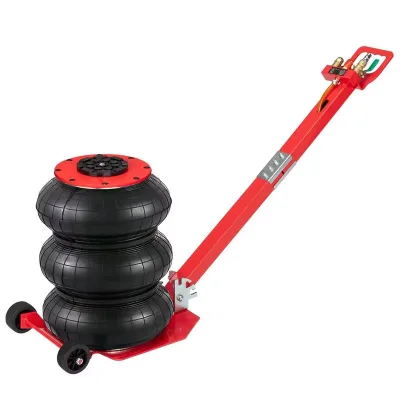
Quick Response Car Airbag Jack Fast Inflation Reliable for Emergency Vehicle Lifting Car airbag Jack
$47.30 - $48.00
MOQ: 100 pieces
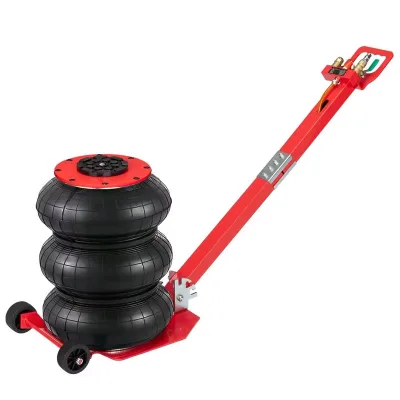
$48.21 - $48.92
MOQ: 100 pieces
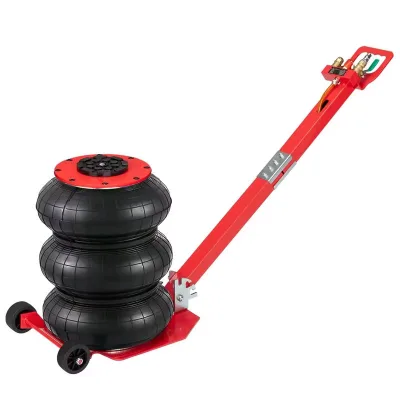
$48.11 - $48.82
MOQ: 100 pieces

Baoding Xinghang Heavy Industry Technology Co., LTD
- Verified by BV
- Manufacturer/Factory
- China Hebei
- Lead time23 days
- Avg. response≤ 4h
Main productsAir Jack, Tire Changer, Bottle Jack, Floor Jack, Hydraulic Jack, Pneumatic Hydraulic Jack, Car Lift, Wheel Alignment
Main marketsEastern Europe,North America

Yancheng Biaosin Import&Export Co., Ltd.
- Trading Company
- Jiangsu, China
- Lead time0 days
- Avg. response≤ 5h
Main productsPaint Spray Booth, Retractable Spray Paint Booth, Powder Coating Line, Car Washing Equipment, Car Lift Machine
Main marketsSoutheast Asia(55.00%), Eastern Europe(20.00%), Domestic Market(10.00%), Mid East(10.00%), Oceania(5.00%)
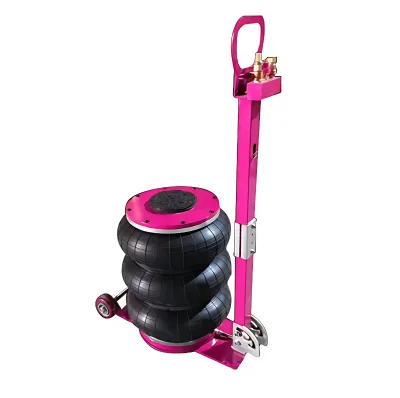
$41.83 - $50.19
MOQ: 1 pieces
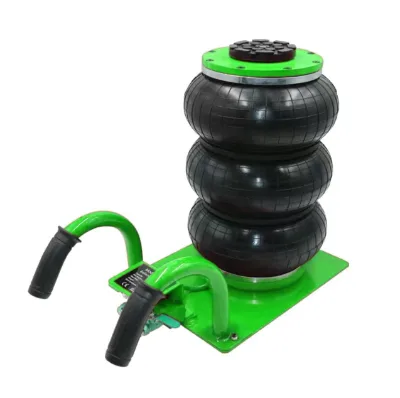
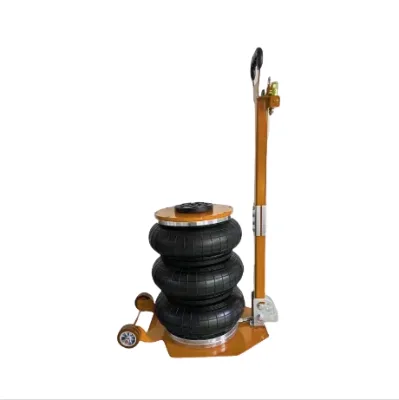
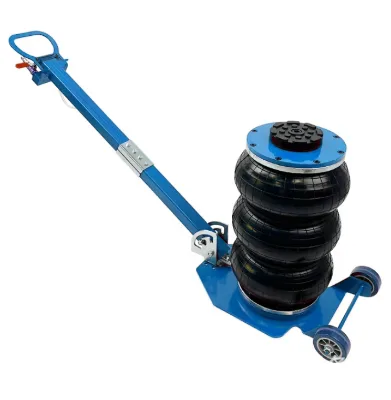
$46.37 - $49.46
MOQ: 1 pieces
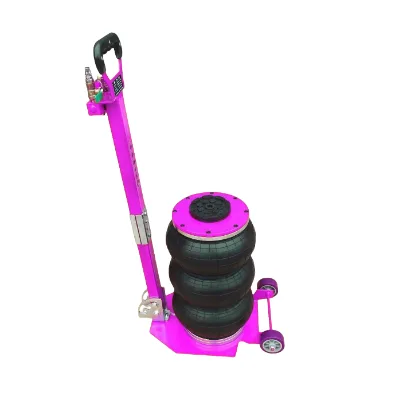
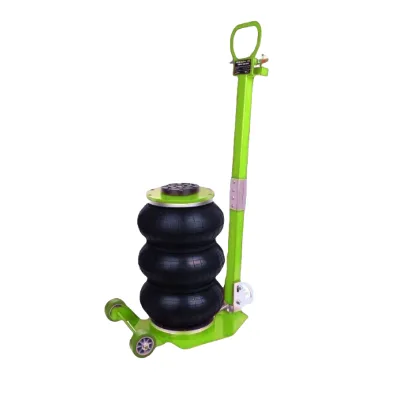

Ningbo Tower Machinery Co., Ltd
- Verified by TUVRHEINLAND
- Manufacturer/Factory
- China Zhejiang
- Lead time30 days
- Avg. response≤ 8h
Main productsSheet Metal Fabrication, CNC Machining Parts, Laser Cutting Parts, Tube Bending Parts, Welding Parts, Stamping Parts, Bus Seat, Trailer Jack, Electric Winch, Wheel Spacer
Main marketsSouth America,Eastern Europe,Mid East,North America,Southeast Asia,Eastern Asia,Oceania,Western Europe,Africa
Linyi Aoyuan Tool Manufacturing Co., Ltd.
- Verified by SGS Group
- Manufacturer, Trading Company
- Lead time30 days
- Avg. response≤ 2h
Main productsRatchet Tie Down, Cargo Lashing, Tow Rope, Scissor Jack, Auto Tools
Main marketsDomestic Market(70%), Southeast Asia(11%), North America(6%)

Cangzhou Bomai Automobile Accessories Co., Ltd.
- Manufacturer/Factory
- China Hebei
- Lead time23 days
- Avg. response≤ 4h
Main productsTire Seal Strip, Wheel Weigt, Tiye Repair Tools, Tire Valve
Main marketsSouth America,Eastern Europe,Mid East,Southeast Asia,Eastern Asia,Oceania,Western Europe,Africa


High-Quality Portable 3 Ton Air Powered Balloon Airbag Jack for Automobile
$90.00 - $100.00
MOQ: 1 Pieces

Guangzhou Karjoys Auto Equipment Co., Ltd.
- Verified by Intertek
- Manufacturer, Trading Company
- Lead time35 days
- Avg. response≤ 3h
Main productsSpray Paint Booth, Dust- free Sanding Machine, Shortwave Infrared Curing Lamp, Car Lift, Tire Changer
Main marketsDomestic Market(20%), North America(15%), Southeast Asia(15%)
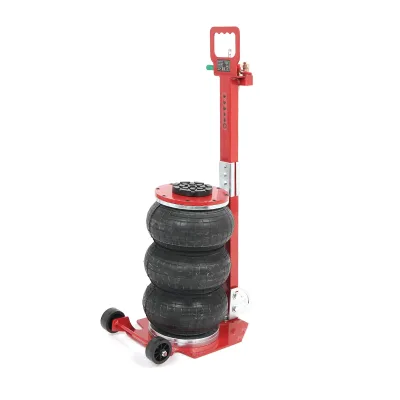
$58.00 - $68.00
MOQ: 2 pieces
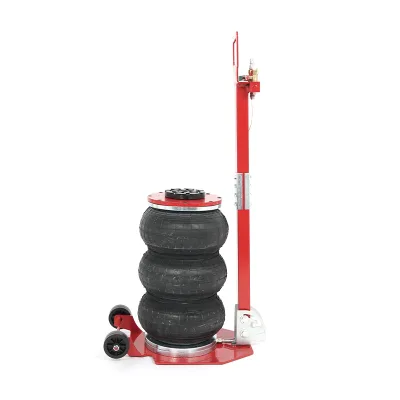
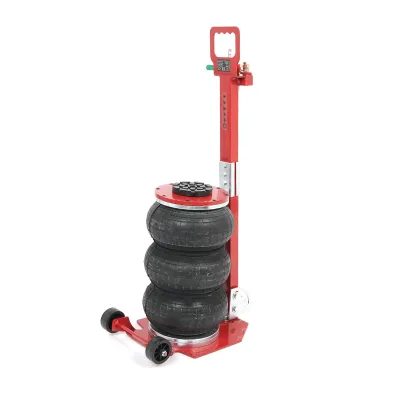
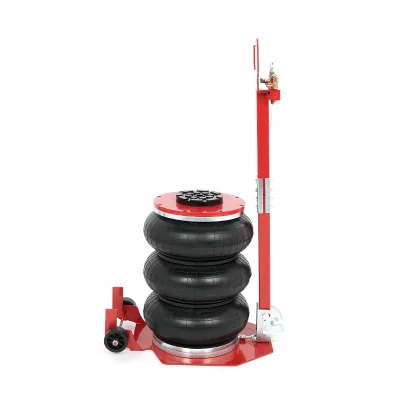
3T Airbag Jack Car Inflatable Pneumatic Jacks with Adjustable Long Handle Garage Fast Lifting
$59.81 - $70.12
MOQ: 2 pieces
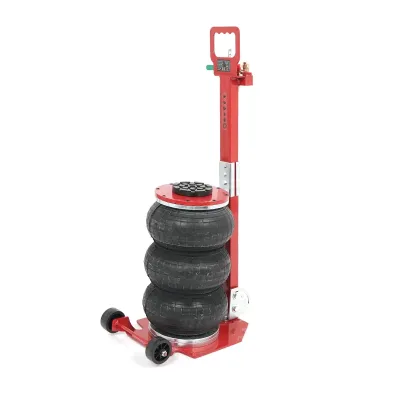
$58.00 - $68.00
MOQ: 2 pieces
$73.68 - $81.87
MOQ: 2 pieces

Qingdao Maxx Auto Parts Co., Ltd.
- Verified by SGS
- Manufacturer/Factory
- China Shandong
- Lead time23 days
- Avg. response≤ 11h
Main productsTire Valve, Wheel Weight, Bolts Nuts, Tire Repair Patch, Tire Repair Tool, Tire Equipment
Main marketsSouth America,Eastern Europe,Mid East,North America,Southeast Asia,Eastern Asia,Oceania,Western Europe,Africa

New Air Bag Car Jack 3 Tons Pneumatic Tyre Repair Lift Jack Cheap Inflatable Air Bag Jack
$59.00 - $99.00
MOQ: 50 Pieces


High Quality 3t 5t Air Bag Jack Lifting Car Repair Tools Air Balloon Jack 3 Ton Air Lift Jack
$40.00 - $99.00
MOQ: 50 Pieces
JIAXING INTOP IMPORT AND EXPORT CO.,LTD
- Verified by Intertek
- Trading Company
- Zhejiang, China
- Lead time20 days
- Avg. response≤ 4h
Main productsBottle Jack, Floor Jack, Scissor Jack, Screw Jack
Main marketsAfrica(50%), Mid East(20%), Domestic Market(10%)
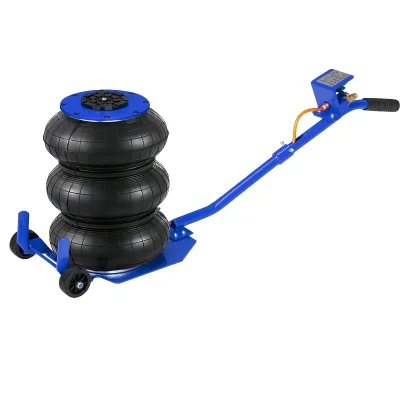
5Ton Triple Bag Air Jack Fast Lifting Air Bag Jack for Cars with Adjustable Long Handle
$66.00 - $68.90
MOQ: 100 pieces
Zhongshan Hairuida Auto Maintenance Equipment Technology Co., Ltd.
- Manufacturer, Trading Company
- Guangdong, China
- Lead time4 days
- Avg. response≤ 3h
Main products3d wheel alignment,wheel alignment,airbag jack,wheel balancer,tyre changer
Main marketsDomestic Market(45.00%), Africa(20.00%), Northern Europe(10.00%), Eastern Asia(8.00%), South Asia(3.00%), North America(3.00%), Oceania(2.00%), Western Europe(2.00%), South America(2.00%), Southern Europe(2.00%), Central America(1.00%), Mid East(1.00%), Eastern Europe(1.00%), Southeast Asia(0.50%)
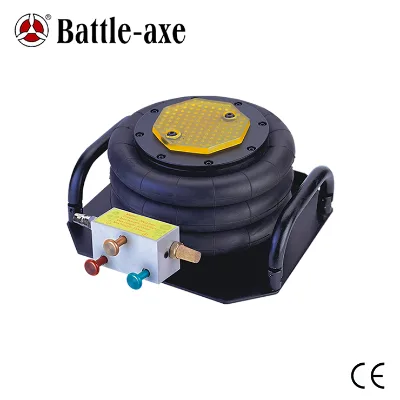
Portable Steel Inflatable Air Bag Car Jack BA-88-D with 2500kg Lift Capacity
$290.87 - $330.18
MOQ: 2 sets
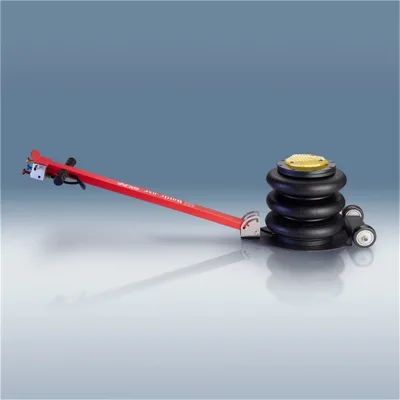
BA-99 Hydraulic/air Jack Inflatable Exhaust Car air Jack
$147.06 - $220.00
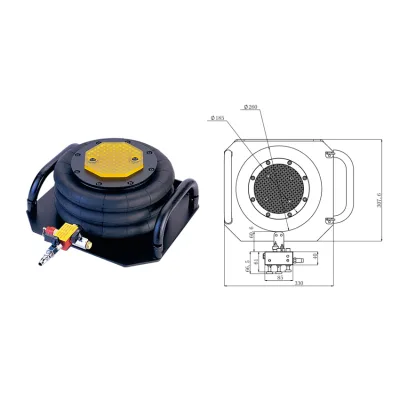
High Quality 3 Ton Pneumatic air Bag Portable Car Jack Lift
$128.57 - $142.86
Shijiazhuang Hengdeli Trading Co., Ltd.
- Trading Company
- Hebei, China
- Lead time10 days
- Avg. response≤ 4h
Main productsTire Changers,Air Bag Jacks,Pneumatic Jacks,Waste Oil Extractor,High Pressure Washing Machine
Main marketsEastern Asia(25.00%), South America(20.00%), South Asia(20.00%), Africa(10.00%), Eastern Europe(5.00%), Domestic Market(5.00%), Southern Europe(5.00%), North America(5.00%), Western Europe(5.00%)
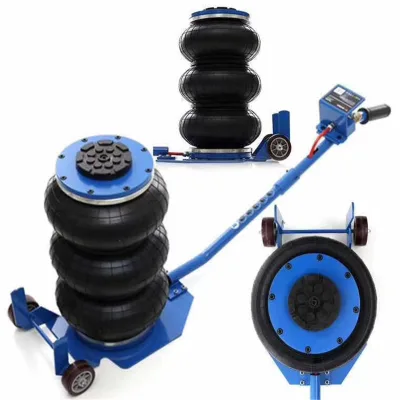
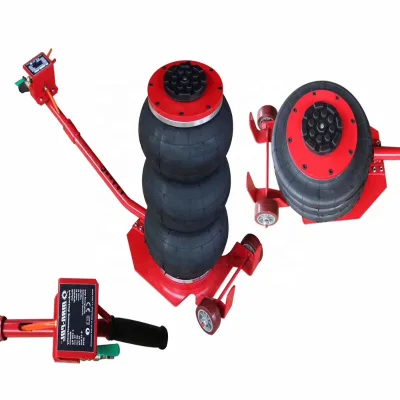
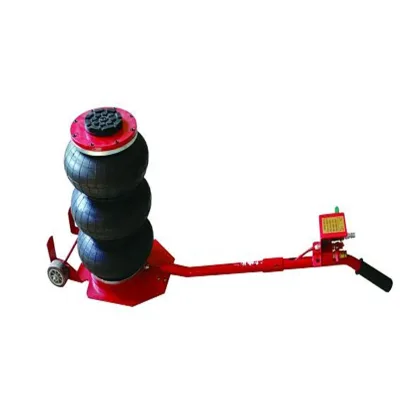
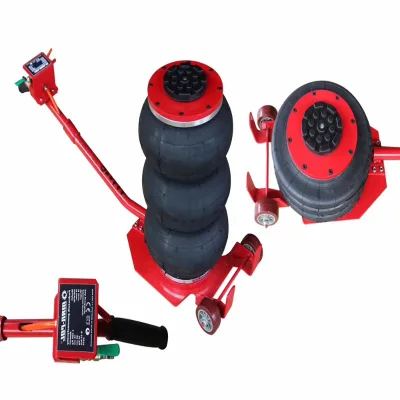
Pneumatic Jack Inflatable Jack Horizontal Hydraulic Jack for Vehicle Service Tool
$60.00 - $62.00
MOQ: 10
Hebei Cloud Import And Export Co., Ltd.
- Trading Company
- Hebei, China
- Lead time10 days
- Avg. response≤ 4h
Main productsAuto parts and maintenance equipment,construction machinery equipments,instrumetation,Ductile steel part,Manhole cover grating
Main marketsDomestic Market(30.00%), North America(15.00%), Northern Europe(10.00%), South America(10.00%), Southern Europe(5.00%), Western Europe(5.00%), Eastern Europe(5.00%), Mid East(5.00%), Africa(5.00%), South Asia(4.00%), Southeast Asia(3.00%), Central America(2.00%), Eastern Asia(1.00%)
Hefei Chegongshe Hardware Technology Co., Ltd.
- Verified by Intertek
- Manufacturer, Trading Company
- Lead time7 days
- Avg. response≤ 2h
Main productsJack, Grease Gun, Tool Sets, Dent Repairing Machine, Snow Chain
Main marketsNorth America(20%), South America(20%), Eastern Asia(20%)
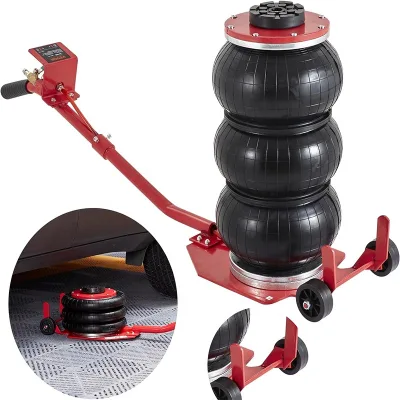
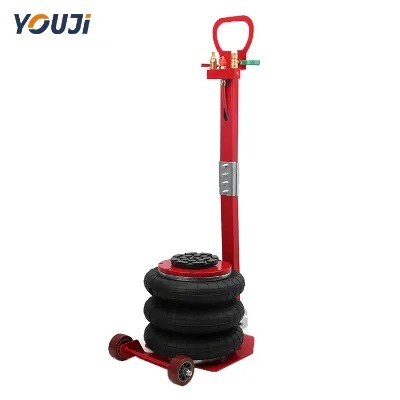
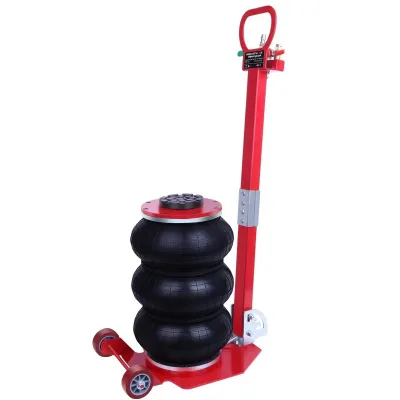
High Quality 3 Ton Triple Bag Air Pneumatic Jack Heavy Duty Jacking Compressed Air for Car Repairing
$45.60 - $58.80
MOQ: 100 pieces

Haining Lee-Ding Machinery Co., Ltd.
- Trading Company,Manufacturer/Factory
- China Zhejiang
- Lead time30 days
- Avg. response≤ 12h
Main productsJack, Auto Repairing Tools, Motorcycle Lift/Stand, Sandblast Cabint, Parts Washer, Engine Hoist / Stand, Car Lift, Service Carts, Construction Machinery, Auto Tools
Main marketsSouth America,Eastern Europe,Mid East,North America,Southeast Asia,Eastern Asia,Oceania,Western Europe,Africa

3t 3 Layers Car Air Bag Lifting Jack Portable Inflatable Hydraulic Steel Car Jack
$1.00 - $36.00
MOQ: 50 Pieces


PROSPER (HANGZHOU) TECHNOLOGY CO., LTD.
- Verified by TUVRHEINLAND
- Trading Company,Manufacturer/Factory
- China Zhejiang
- Lead time38 days
- Avg. response≤ 3h
Main productsConstruction Materials&Tools, Fire-Fighting &Rescue Products, Rebar Bender&Cutter, Laser Machine, Hydraulic Rescue Tool, Fire-Fighting Equipment, Vehicle Demolition, Welding Machine, CNC Steel Bar Bending&Cutting Integrated Machine, Hydraulic Demolition Tool
Main marketsSouth America,Eastern Europe,Mid East,North America,Southeast Asia,Eastern Asia,Oceania,Western Europe,Africa

Jiaxing Lifede Imp. & Exp. Co., Ltd.
- Verified by TUVRHEINLAND
- Trading Company
- China Zhejiang
- Lead time30 days
- Avg. response≤ 4h
Main productsHydraulic Jack, Car Jack, Motorcycle Lift Tools, Jack Stands, Floor Jacks, Shop Press, Engine Crane, Engine Stands, Hydraulic Vehicle Positioning Jack
Main marketsEurope,North America

$37.00 - $38.00
MOQ: 100 Pieces

Heavy Duty 50/25 Ton Pneumatic Car Jack Air Jack Quick Lift for Auto Repair
$151.00 - $153.00
MOQ: 50 Pieces

Heavy Duty 100/50ton Pneumatic Car Jack Air Jack Quick Lift for Auto Repair
$170.00 - $172.00
MOQ: 50 Pieces

3 Ton Pneumatic Car Jack Air Jack Air Balloon Jack Quick Lift Tools for Auto Repair with Long Handle
$37.00 - $38.00
MOQ: 100 Pieces

3 Ton Pneumatic Car Jack Air Jack Air Balloon Jack Quick Lift Tools for Auto Repair with Long Handle
$37.00 - $38.00
MOQ: 100 Pieces

$37.00 - $38.00
MOQ: 100 Pieces
Hebei Jingji Lifting Technology Co., Ltd.
- Verified by Intertek
- Manufacturer, Trading Company
- Lead time5 days
- Avg. response≤ 1h
Main productsPneumatic Hydraulic Jack, Air Bottle Jack, Floor Jack, Bottle Jack, Jack Accessories
Main marketsSoutheast Asia(60%), South America(18%), Eastern Europe(12%)

Hebei Baibang Hoisting Machinery Manufacturing Co., Ltd.
- Manufacturer, Trading Company
- Hebei Province, China
- Lead time7 days
- Avg. response≤ 1h
Main productsManufacturing of light and small lifting equipment.,Research and developmentof pneumatic jacks,Manufacturing and sales of lifting tackle,handling vehicleshoists,forklifts
Main marketsDomestic Market(50.00%), Eastern Asia(23.00%), Southeast Asia(16.00%), South Asia(3.00%), Africa(3.00%), North America(3.00%), Mid East(2.00%)
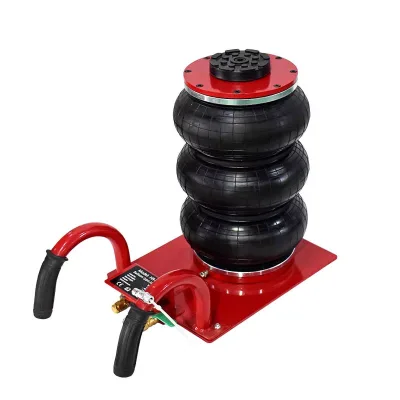
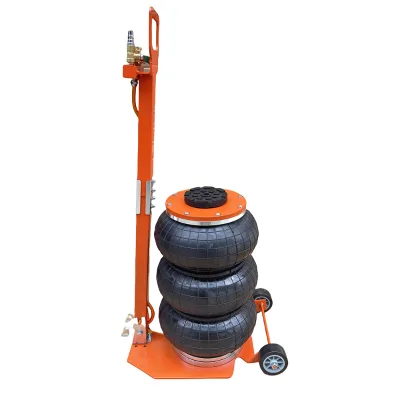
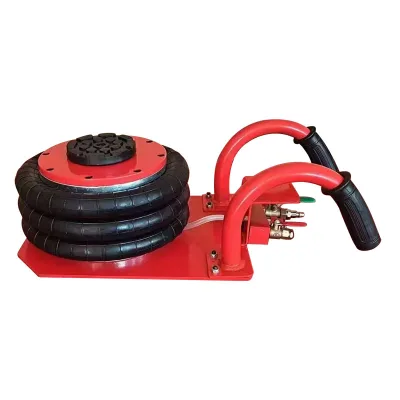
$61.00 - $66.00
MOQ: 20 pieces
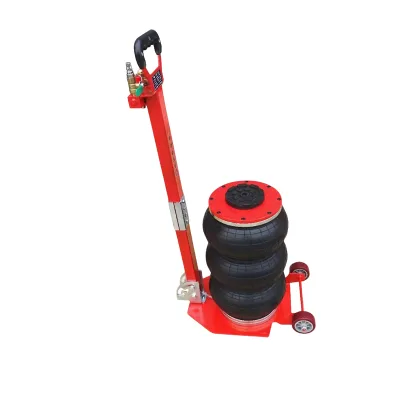
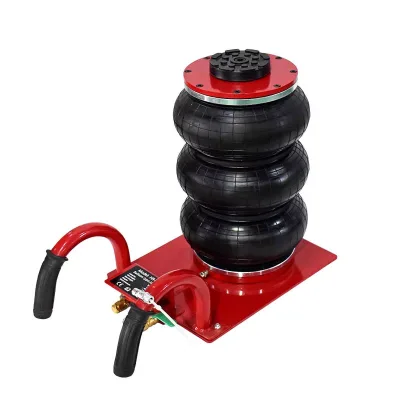
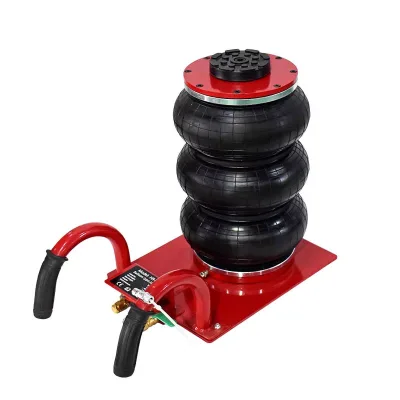
Hangzhou Spenic Trading Co., Ltd.
- Trading Company
- Lead time旺季: "1 - 1000":20,"1001 - 10000":30,"10001 - 100000":50,"> 100000":"To be negotiated", 淡季: "1 - 1000":20,"1001 - 10000":30,"10001 - 100000":50,"> 100000":"To be negotiated"
- Avg. response≤ 7h
Main productsHand Toos,Auto Tools,Electric Tools,Outdoor Tools,Garden Tools
Hebei Xiangma Technology Co., Ltd.
- Verified by Intertek
- Manufacturer, Trading Company
- Lead time15 days
- Avg. response≤ 2h
Main productsSuspended Platform, Electric Scaffolding, Container House
Main marketsSoutheast Asia(30%), North America(20%), South America(16%)
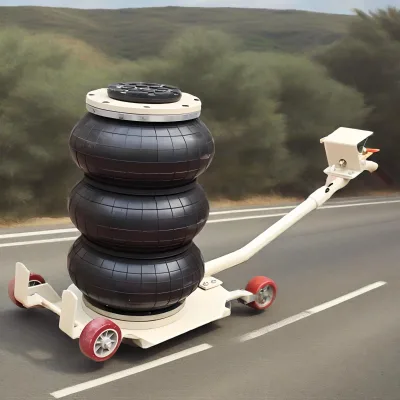
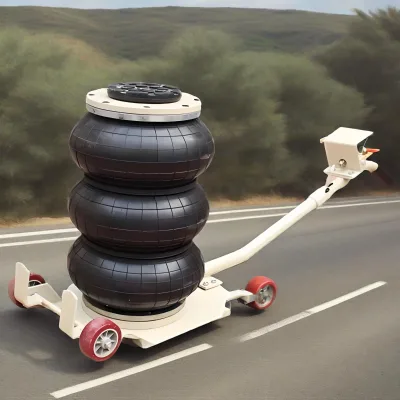
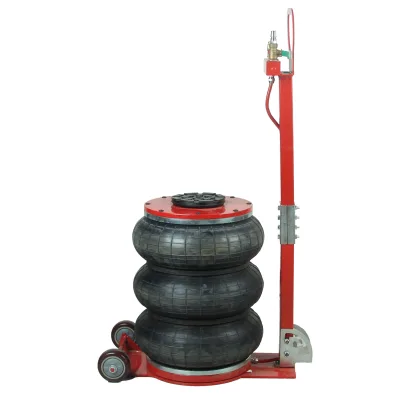
Specialized Car Lifter with Airbag Horizontal Steel Inflatable Car Repair Jacks
$55.00 - $66.00
MOQ: 50
Cangzhou Geerte Automobile Maintenance Tool Co., Ltd.
- Manufacturer, Trading Company
- Hebei, China
- Lead time30 days
- Avg. response≤ 4h
Main productsAuto oil changing tool.,jack,Car repair tools,Engine jack,Engine Rotating Stand
Main marketsDomestic Market(20.00%), Africa(15.00%), Mid East(12.00%), Oceania(10.00%), Eastern Europe(10.00%), Eastern Asia(9.00%), Central America(8.00%), Southeast Asia(6.00%), North America(5.00%), Northern Europe(5.00%)
Zhejiang Yipeng Machinery Co., Ltd.
- Verified by SGS Group
- Manufacturer, Trading Company
- Lead time35 days
- Avg. response≤ 3h
Main productsHydraulic Bottle Jack, Hydraulic Floor Jack, Engine Crane, Scissor Jacks, Shop Press
Main marketsSoutheast Asia(15%), Africa(15%), Mid East(10%)
- Trading Company
- Hebei, China
- Lead time20 days
- Avg. response≤ 2h
Main productsAir Hydraulic Jack,Air Bag Jack,Tire Changer,Tire Bead Breaker,Jack Stand
Main marketsSouth Asia(20.00%), Africa(17.00%), Mid East(15.00%), Western Europe(10.00%), Northern Europe(10.00%), Southern Europe(10.00%), North America(5.00%), South America(5.00%), Southeast Asia(3.00%), Eastern Europe(2.00%), Domestic Market(1.00%), Oceania(1.00%), Central America(1.00%)

- Verified by BV
- Manufacturer/Factory
- China Shanghai
- Lead time23 days
- Avg. response≤ 16h
Main productsGarage Equipment, Tire Changer, Wheel Balancer, Car Lift, Spraybooth, Nitrogen Inflator, Tire Vulcainzer, 4 Wheel Aligner, Car Turntable, Auto Collision Repair Bench
Main marketsSouth America,Eastern Europe,Mid East,North America,Southeast Asia,Eastern Asia,Oceania,Western Europe,Africa


Air Jack (with straight handle) 3 Layers Air Bag
MOQ: 5 Pieces

2t Air Jack (with straight handle) 2 Layers Air Bag
MOQ: 5 Pieces

2t Air Jack (with arch handle) 2 Layers Air Bag
MOQ: 5 Pieces
Hebei Chenghua Machinery Manufacturing Co., Ltd.
- Verified by TüVRheinland
- Manufacturer, Trading Company
- Lead time15 days
- Avg. response≤ 1h
Main productsElectric Chain Hoist, Manual Chain Hoist, Falling Protector, Handling Equipment, Rigging Products
Main marketsNorth America(15%), Domestic Market(15%), Southeast Asia(10%)
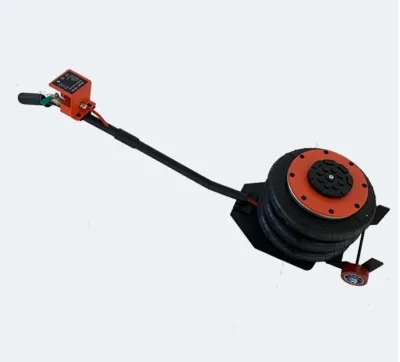
3T Three-layer airbag Jack Small Lifting Equipment Vehicle Maintenance Tools
$63.29 - $66.13
MOQ: 1 pieces
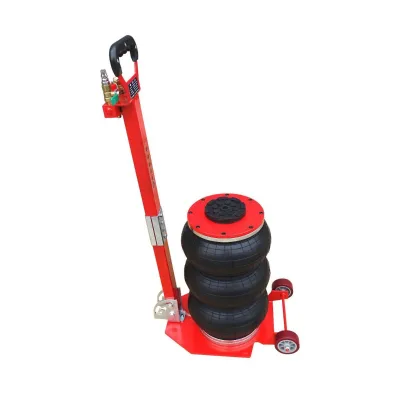


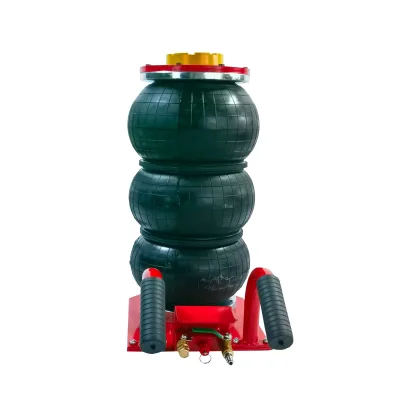
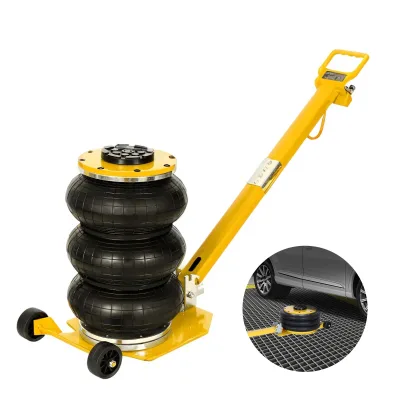
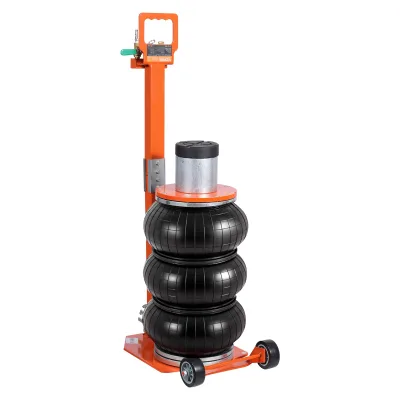


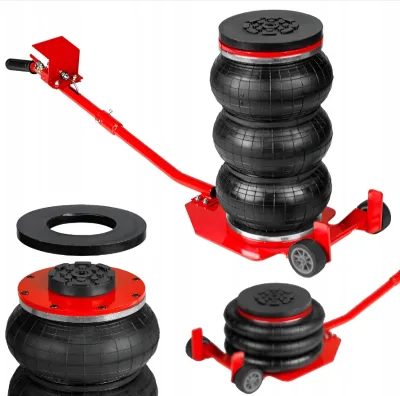
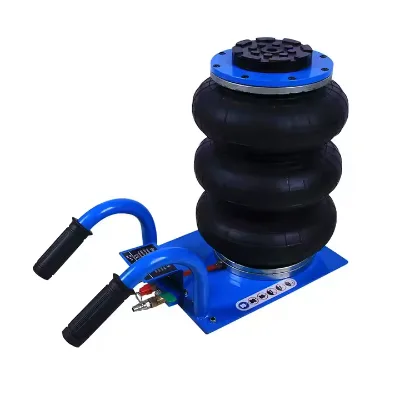
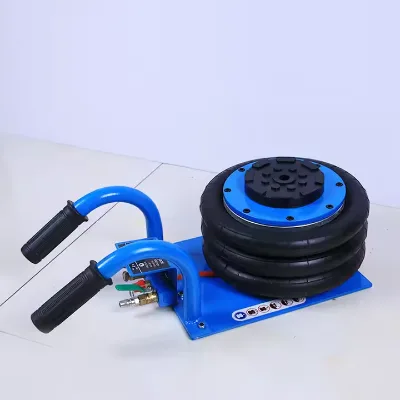
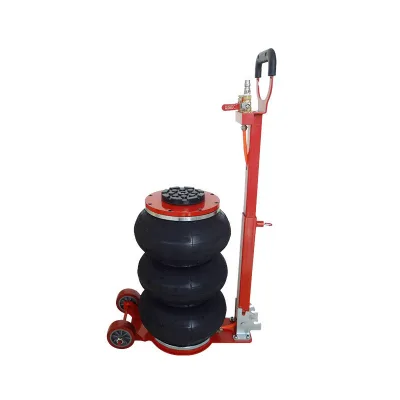
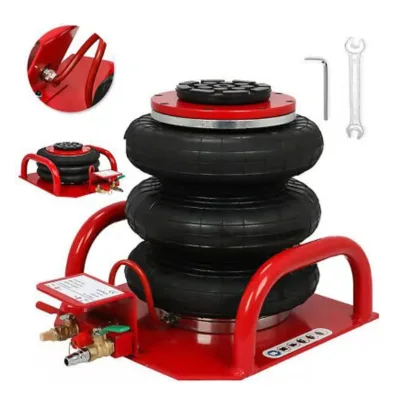
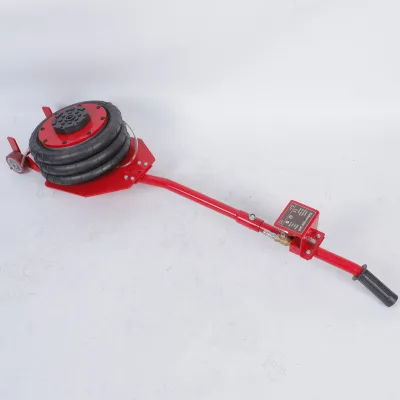
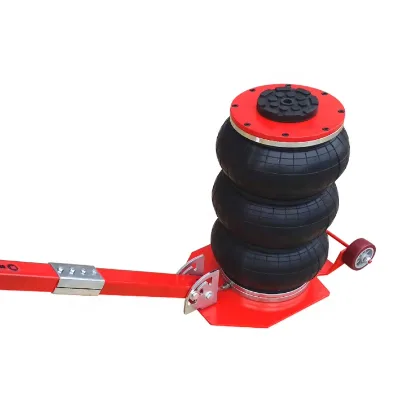
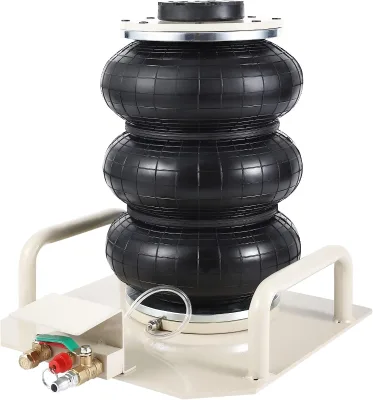
Comprehensive Sourcing Guide
Fast Inflation Car Airbag Jack Supplier Concentration and Factory Types
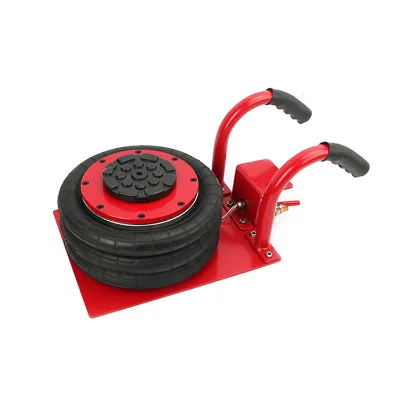
Suppliers of fast inflation car airbag jacks on this page cluster in a few Chinese provinces, and the visible results illustrate how the supply base splits between manufacturers and trading companies. One Hebei-based company is registered as a manufacturer/factory, carries ISO 9001 system certification, is verified by BV, and lists air jacks, tire changers, bottle jacks, floor jacks, hydraulic jacks, pneumatic hydraulic jacks, car lifts and wheel alignment among its main products — a portfolio that signals a lifting-equipment workshop rather than a generalist trader. By contrast, a Shaanxi-based supplier is labeled a trading company, offering car tools, car accessories, car cleaning products and traffic safety products alongside its airbag jack listings, and a Jiangsu supplier focuses on paint spray booths, powder coating lines and car washing equipment with jacks as adjacent items.
For buyers, this distinction matters. A factory listing suggests direct control over welding, rubber bladder assembly and pressure testing, while a trading company can aggregate models from several workshops and may simplify communication. Note that a trading-company listing can still carry product-level detail — one Shaanxi-sourced airbag jack lists Zhejiang as the place of origin on the product attribute sheet — so the product origin and the company registration location do not always match. Treat company type as a hypothesis to verify through a video audit or third-party inspection report, not as proof of capability on its own.
How to Verify Fast Inflation Car Airbag Jack Suppliers
Start with the verification signals that are actually displayed, then dig deeper. On this page, one Hebei supplier shows ISO 9001 system certification and BV verification; no other supplier displays a system certification, so do not assume certification across the board. Ask every shortlisted supplier for a valid, dated certificate and check the scope covers pneumatic lifting equipment. Where a product sheet lists a certification such as CE, as one Hebei-listed air jack does, request the certificate number and confirm it applies to that specific model, because product-level marks are sometimes copied across unrelated listings.
Second, verify the factory behind the listing. For the manufacturer-labeled supplier, confirm through a live video walk-through that airbag jack production — rubber bladder vulcanizing, alloy base welding and inflation-valve assembly — happens in-house, since a "factory" label does not guarantee the jack itself is made there. For trading companies, ask which workshops supply the airbag jacks and request the product's stated place of origin; the Shaanxi listing's own attribute sheet declares Zhejiang origin, which is exactly the kind of detail to reconcile with the company's registered location.
Third, test responsiveness and documentation quality. One supplier advertises a three-hour response time and another around four, while a Jiangsu supplier shows roughly five — use these as a baseline but measure actual reply speed and completeness yourself. Finally, demand sample units for burst-pressure and load-hold testing before committing, and confirm warranty terms in writing; one listing already states a one-year warranty, which gives you a benchmark to negotiate against.
What to Compare Across Fast Inflation Car Airbag Jack Suppliers
Build a comparison table using the dimensions suppliers actually display, and leave blanks where evidence is missing rather than guessing. Key rows should include: lead time (one Hebei supplier shows about 23 days, the Shaanxi trader about 25 days, and one product sheet separately states 30 days delivery); MOQ (the Hebei factory lists an MOQ of 2 on a flagship air jack while the Shaanxi trader lists 100 — a striking gap that changes pilot-order economics); response time; company type; location; and verification or certification status. Record main products too, because a supplier whose catalog is dominated by jacks and lifts is likelier to have stable spare-parts supply than one where jacks are a side listing.
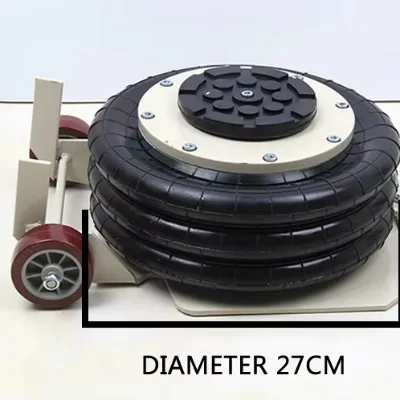
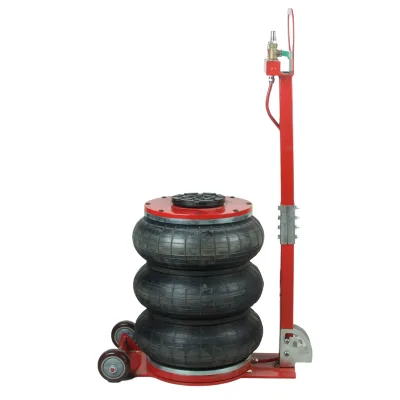
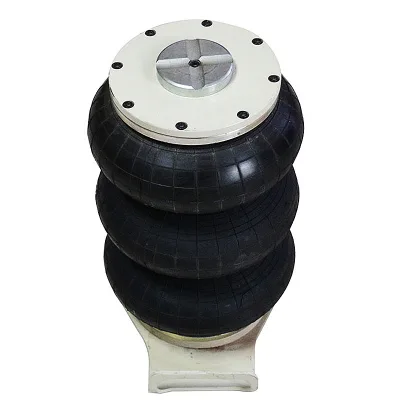
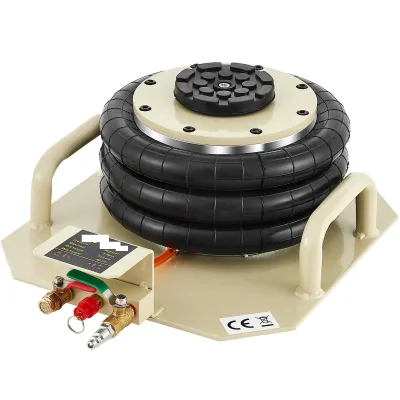
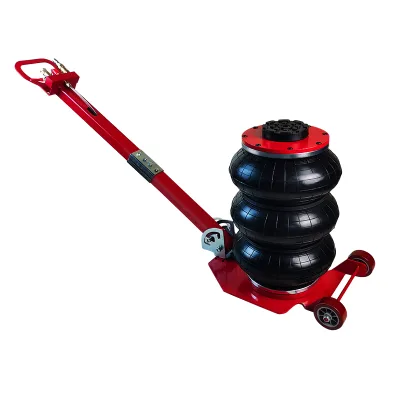
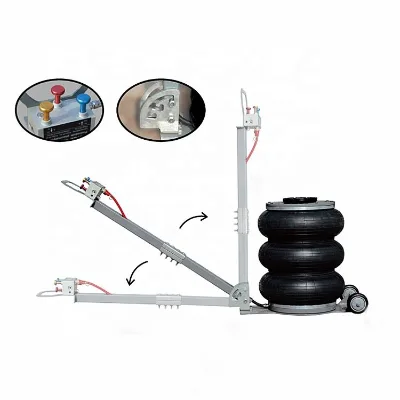
Then compare the product-level attributes, which reveal engineering differences faster than marketing copy. Across the listings you can compare load capacity (3T and 5T appear repeatedly, with one Hebei line offering 1–10T and hydraulic variants up to much higher ratings), lifting range (150–400mm on two models; 151–200mm maximum height on another), power source (pneumatic versus air-over-hydraulic), weight (around 19–20kg gross on one model versus 16.5kg gross on a Jiangsu 3T unit), handle design, gear adjustment, and customization options including logo and color. Price bands visible here run roughly from the high-$40s for basic 3T/5T airbag jacks to the mid-$70s for a 2T bag jack and $125–135 for air-over-hydraulic units, so normalize comparisons by capacity and structure before judging value.
Common Fast Inflation Car Airbag Jack Sourcing Risks
The most serious risk in this category is silent specification drift. Airbag jacks are pressure vessels with a fabric-reinforced rubber bladder, so a factory that swaps bladder material, wall thickness or the inflation valve between production batches can change safety performance without changing the listing. Counter this by locking a golden sample, recording the stated attributes (material, load capacity, min and max height, gross weight), and requiring each shipment to match measured weight and dimensions — the listings themselves give you checkable figures such as 19–20kg gross weight or 150–400mm lifting range that a substituted unit would fail.
The second risk cluster is documentation mismatch. As noted, one trading company's product sheet declares Zhejiang origin while the company registers in Shaanxi; product certifications may be model-specific or absent entirely; and delivery terms shown in a listing (for example, a 25-day lead time at company level versus a 30-day delivery statement on a product sheet) can conflict. Treat any internal inconsistency as a reason to slow down, not disqualify.
Third, watch for listing inflation: a low MOQ of 2 is attractive for trials, but confirm the quoted price actually holds at that quantity and that the price band (for instance $54–75 on one model) reflects your configuration. Finally, insurance and compliance: confirm who bears liability for pressure-related failures, ask about packaging suitability (one listing packs a jack in a carton, another in a wooden box), and verify warranty handling logistics — a one-year warranty is only as good as the replacement shipping arrangement behind it.
Fast Inflation Car Airbag Jack Regional Sourcing and Logistics
The visible supplier base sits in three distinct Chinese regions, each with logistics implications. The Hebei manufacturer is positioned in northern China's industrial corridor, convenient for consolidating jacks with related garage equipment such as tire changers and car lifts from the same supplier, which reduces shipment fragmentation. The Shaanxi trader operates from northwest China, while its product sheet points to Zhejiang manufacturing — a reminder that goods may ship from an eastern coastal province with better port access than the supplier's registered city suggests. The Jiangsu supplier is located in a major eastern coastal province near Shanghai-area ports, generally favorable for ocean freight consolidation.
Plan logistics around the physical profile of the product rather than its price. These jacks are heavy for their size — 16.5–20kg gross per single unit in the listings shown — and bulky packaging (cartons around 510×420×190mm in one case, or wooden boxes on the Hebei line) drives freight class. Calculate whether full-container loading or LCL suits your order volume, and remember that a 2-unit trial with MOQ flexibility may be cheapest by express air despite the weight.
When comparing suppliers by lead time — roughly 23, 25, and 30 days across the visible listings — ask whether quoted times include production only or production plus booking and port handling, and whether peak-season surcharges apply. Confirm Incoterms, the packing type's export-readiness, and whether customization of color or logo adds production days beyond the stated baseline.
Fast Inflation Car Airbag Jack Commercial Terms and Order Planning
Structure your first order as a staged commitment. Use the MOQ spread visible here — 2 units on one Hebei-listed air jack versus 100 units on the Shaanxi trader's airbag jack — to negotiate a small paid trial or sample batch, then scale. Because listed prices vary by capacity and structure (roughly $47–49 for 3T/5T pneumatic bag jacks, $54–75 for a 2T bag jack, $125–135 for air-over-hydraulic units), request quotations against a fixed specification sheet: capacity, lifting range, handle type, packing, logo, and certification requirements. Never compare a 3T pneumatic quote against a hydraulic one.
Negotiate payment terms that reflect the risk profile: a modest deposit with balance after pre-shipment inspection is standard practice, and if escrow or platform-protected payment is available, confirm explicitly whether a given supplier supports it — the presence or absence of escrow is a displayed attribute on some profiles, not a guarantee on all. Ask for a written warranty (one listing already states one year) covering bladder leakage and valve failure, with agreed replacement mechanics.
Plan timing around lead times of roughly 23–30 days plus transit, adding buffer for customization: one supplier lists OEM/ODM availability and customized color and logo options, which typically extends production. For repeat orders, set reorder points based on your sales velocity and the supplier's demonstrated actual lead time rather than the advertised figure. Finally, align inspection milestones — pre-production sample approval, during-production checks for bladder and weld quality, and final random inspection before balance payment — so commercial terms and quality control reinforce each other across the order cycle.
Word count: 1382
FAQs
What is the price range for car airbag jacks?
Prices for car airbag jacks typically range from approximately $47.30 to $135.00 per unit. The cost varies based on load capacity, with lighter 2-ton models starting lower and heavy-duty 30-ton air hydraulic jacks reaching higher price points. Buyers should check specific product listings for exact pricing tiers.
What is the minimum order quantity for these jacks?
Minimum order quantities vary significantly by supplier and product type. Some manufacturers accept orders as low as 2 units, while others require a minimum of 100 pieces. Buyers should verify the specific MOQ for their chosen model, as trading companies and factories often have different purchasing thresholds.
How long does delivery take for airbag jacks?
Standard lead times for manufacturing and shipping car airbag jacks generally range from 23 to 30 days. Some suppliers may list zero lead time for specific stock items, but buyers should confirm actual production schedules. Delivery times depend on the supplier's location and current order volume.
What certifications do these jacks have?
Many car airbag jacks come with CE certification to ensure safety standards. Suppliers also frequently hold ISO 9001 system certifications for quality management. Buyers should request specific certification documents for each product model to verify compliance with international safety and manufacturing standards before placing large orders.
What is the lifting range of these jacks?
Lifting ranges typically span from 150mm to 400mm, with some models offering adjustable heights between 151mm and 200mm. The minimum height is often around 15cm, allowing for low-clearance vehicle access. Buyers should check the specific max height specifications to ensure compatibility with their vehicle types.
What power sources are used for these jacks?
Car airbag jacks primarily use pneumatic or hydraulic power sources. Some models are electrically powered, while others rely on air pressure for inflation. Buyers should select the power source that matches their workshop equipment, ensuring compatibility with existing air compressors or hydraulic systems for efficient operation.