Flashing LED Eyewear Suppliers and Manufacturers in China
Explore 24 verified options for Flashing LED Eyewear from Guangdong, China. Compare response times, lead times, MOQs, and product specifications like LED colors and materials. Contact suppliers directly to request quotes and verify certifications; review the available evidence before requesting comparable quotations from suitable candidates.
Suppliers List
- Trading Company
- Guangdong, China
- Lead time15 days
- Avg. response≤ 3h
Main productsled Halloween mask,sound activated LED bracelet,LED glasses,LED necklace,LED headband
Main marketsNorth America(25.00%), Western Europe(24.00%), South America(18.00%), Eastern Europe(10.00%), Northern Europe(9.00%), Southern Europe(9.00%), Oceania(5.00%)

- Combined
- China Guangdong
- Lead time23 days
- Avg. response≤ 4h
Main productsPromotion Gift, Toy, Flashing Item, Free Gift, Business Gift, Novelty
Main marketsAfrica,Europe,North America
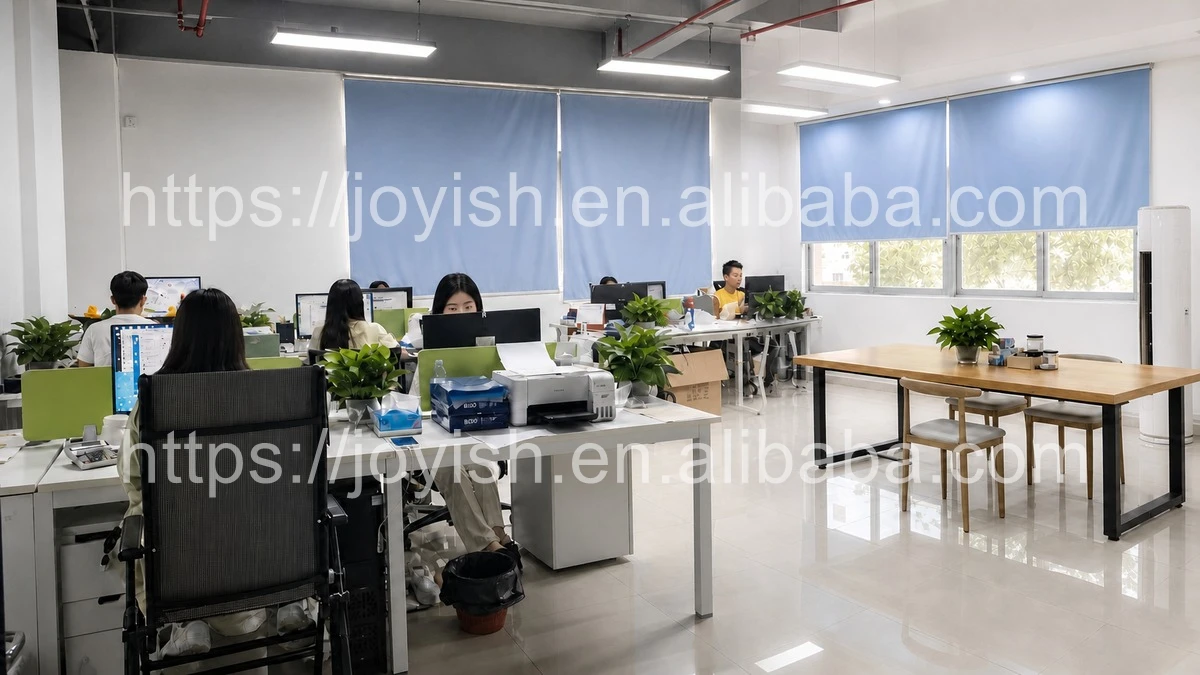
Shenzhen Joyish Technology Co., Ltd.
- Manufacturer, Trading Company
- Guangdong, China
- Lead time15 days
- Avg. response≤ 4h
Main productsLED Glow Sticks,LED Bottle Sticker,LED Cup,LED Bracelet,Party Supplies
Main marketsNorth America(25.00%), Southeast Asia(15.00%), Eastern Asia(12.00%), Western Europe(10.00%), Southern Europe(8.00%), South America(5.00%), Domestic Market(5.00%), Eastern Europe(5.00%), Northern Europe(5.00%), Mid East(3.00%), Africa(2.00%), Oceania(2.00%), Central America(2.00%), South Asia(1.00%)
Shenzhen Shenghuihuang Electronics Co., Ltd.
- Manufacturer, Trading Company
- Guangdong, China
- Lead time30 days
- Avg. response≤ 10h
Main productsFlashing Gift Series,Concert Series,Garland String Lights Series,Party Supplies,Holiday Supply
Main marketsEastern Asia(36.33%), North America(33.44%), Southeast Asia(10.00%), Oceania(9.00%), Africa(5.00%), Western Europe(2.43%), Mid East(2.00%), Central America(1.00%), Northern Europe(0.63%), Eastern Europe(0.17%)

Sainty International Group Jiangsu Yangzhou Sumex Imp. & Exp. Co., Ltd.
- Trading Company
- China Jiangsu
- Lead time30 days
- Avg. response≤ 12h
Main productsSyringe, Suction Catheter, Endotracheal Tube, Drainage Bag, Bandage, Dental Instrument, Surgical Gown, Vaginal Speculum, Vacutainer, Suture
Main marketsSouth America,Africa,Southeast Asia/ Mideast,East Asia(Japan/ South Korea),Europe,Australia,North America
- Verified by BV
- Manufacturer/Factory
- China Guangdong
- Lead time15 days
- Avg. response≤ 1h
Main productsLaser Safety Glasses, Laser Safety Window, Laser Welding Helmet, Patient Use Eyewear, IPL Safety Glasses, Laser Safety Curtains, Laser Safety Clothes, Laser Safety Gloves, Laser Safety Barrier, Laser Safety Enclosures
Main marketsSouth America,Eastern Europe,Mid East,North America,Southeast Asia,Oceania,Western Europe,Africa


755nm Alexandrite & 808nm Diodes Eye Protective Eyewear Woman Goggles Cool Laser Safety Eyewear
$1.00 - $47.20
MOQ: 1 Pieces

High Performance Patient Eyewear Protect Wavelength 200-2000nm for Patient Use
$1.00 - $4.50
MOQ: 1 Pieces

200-460nm & 630-670nm & 800-1090nm Safety Protective Goggles Eyewear Over Glasses
$1.00 - $40.80
MOQ: 1 Pieces

Shenzhen Reanson Products Co., Ltd.
- Manufacturer/Factory
- China Guangdong
- Lead time90 days
- Avg. response≤ 10h
Main productsSkiing Goggle, Swimming Goggle, Diving Mask, Diving Fins, Snorkel, Textile Swimming Cap, Silicone Swimming Cap, PU Coating Swimming Cap, Hand Paddle, Swimming Training Products
Main marketsNorth America,Eastern Asia,Oceania,Western Europe
- Verified by SGS
- Trading Company
- China Zhejiang
- Lead time15 days
- Avg. response≤ 14h
Main productsTents, BBQ Grill, Folding Table and Chair, Cooler Bag, Outdoor Lamp, Beach Mat, Picnic Blanket, Sleeping Bag, Water Bottle, Hammock
Main marketsEurope,Australia

Creative Light-up Change Accessory Wireless Eyeglasses Decoration Luminous LED Flashing Rave Glasses
$1.71 - $2.07
MOQ: 100 Pieces

Glowing Party Multiple Color Lighting Eyeglasses Flashing Light up Luminous LED Glasses
$1.35 - $1.71
MOQ: 100 Pieces

Luminous Lighting Eyeglasses Light-up Glowing Eyeglasses Creative Party Rave Festival LED Glasses
$1.80 - $2.34
MOQ: 100 Pieces

Cool Party Glowing Luminous Eyeglasses Creative Lighting Accessory LED Light-up Flashing Glasses
$1.35 - $1.71
MOQ: 100 Pieces

Designable Luminous Sunglasses Light-up Flashing Eyeglasses Party Rave Festival Creative LED Glasses
$1.71 - $2.07
MOQ: 100 Pieces

Xiamen Langxue Spectacles Co., Ltd.
- Combined
- China Fujian
- Lead time30 days
- Avg. response≤ 10h
Main productsSunglasses, Eyeglasses, Reading Glasses, Metal Sunglasses, Optical Frames, Safety Glasses, Eyewears, Optical Glass, Spectacles, Sports Sunglasses
Main marketsSouth America,Domestic,Europe,North America
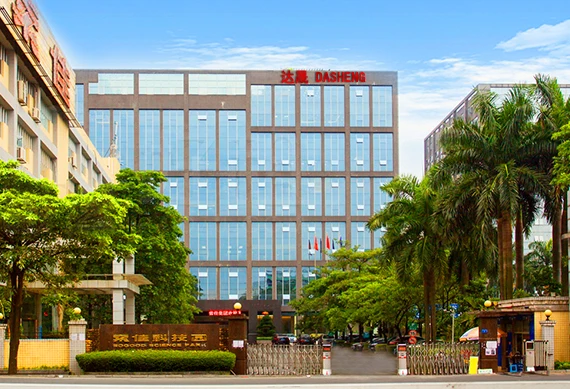
Shenzhen Dasheng Electronic Technology Co., Ltd.
- Manufacturer, Trading Company
- Guangdong, China
- Lead time15 days
- Avg. response≤ 2h
Main productsneon mask,LED glasses,party mask,LED hat,LED toys
Main marketsEastern Europe(31.00%), North America(20.00%), South America(20.00%), Southern Europe(10.00%), Western Europe(10.00%), Domestic Market(1.00%), South Asia(1.00%), Africa(1.00%), Northern Europe(1.00%), Central America(1.00%), Southeast Asia(1.00%), Eastern Asia(1.00%), Mid East(1.00%), Oceania(1.00%)

Jinjiang Jiayi Supply Chain Management Co., Ltd.
- Verified by BV
- Trading Company
- China Fujian
- Lead time30 days
- Avg. response≤ 1h
Main productsGift, Shoe, Garment, Machine
Main marketsDomestic

Ningbo Hongbo Optical Instrument Co., Ltd.
- Trading Company,Manufacturer/Factory
- China Zhejiang
- Lead time30 days
- Avg. response≤ 17h
Main productsMagnifier, Microscope, Magnifier Lamps, Binoculars, Reading Glass, Compass, Head Magnifier, Pocket Microscope, Jewellers Magnifier, Folding Magnifier
Main marketsSouth America,Eastern Europe,Mid East,North America,Southeast Asia,Eastern Asia,Oceania,Western Europe,Africa

New Headwear Glasses Multi Lens with LED Light Cold/Warm Light Maintenance Magnifier
$2.96 - $4.62
MOQ: 10 Pieces


LED Head-wearing Reading magnifier(9892E)
MOQ: 20 Pieces

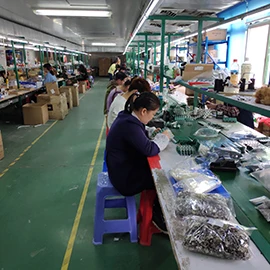
Dongguan City Ismart Gift Co., Ltd.
- Trading Company
- Guangdong, China
- Lead time15 days
- Avg. response≤ 3h
Main productsLED Bracelets, LED Cup, LED Pet's Collar, USB Lighters
Main marketsNorth America(25.00%), South America(15.00%), Oceania(10.00%), Southern Europe(10.00%), Eastern Asia(10.00%), Eastern Europe(10.00%), South Asia(5.00%), Western Europe(5.00%), Northern Europe(5.00%), Southeast Asia(5.00%)

- Verified by BV
- Trading Company
- China Zhejiang
- Lead time30 days
- Avg. response≤ 6h
Main productsSunglass, Optical Frame, Sports Sunglasses, Kid's Optical Frames, Reading Glasses, Polarized Sunglasses, Eyeglasses Frame, Sun Glasses, Eyewear Frame, Sunglasses Case
Main marketsEurope,North America

- Verified by TUVRHEINLAND
- Combined
- China Hebei
- Lead time15 days
- Avg. response≤ 6h
Main productsEndodontic Instruments, Orthodontic, Dental Photography, Denture Box, Dental Micro Applicator, Dental Instrument Container, Hygiene and Protection, Cheek Retractor Mouth Prop, Dental Impressions, Acrylic
Main marketsNorth America
Jinhua Toper Safety Equipment Co., Ltd.
- Combined
- China Zhejiang
- Lead time15 days
- Avg. response≤ 17h
Main productsSafey Helmet, Safety Glasses, Safety Goggle, Welding Helmet, Welding Goggle, Face Shield, Dust Mask, Half-Face Respirator, Earmuff, Earplugs
Main marketsDomestic
Jinjiang Zhenghao Trading Co., Ltd
- Verified by TUVRHEINLAND
- Trading Company
- China Fujian
- Lead time30 days
- Avg. response≤ 13h
Main productsShoes
Main marketsDomestic
Wenzhou Nighthawk Glasses Co., Ltd
- Verified by BV
- Trading Company
- China Zhejiang
- Lead time15 days
- Avg. response≤ 1h
Main productsSunglasses, Optical Frames, Reading Glasses, Eyewear Cases, Kids Frames
Main marketsNorth America

- Trading Company
- China Zhejiang
- Lead time0 days
- Avg. response≤ 12h
Main productsHousehold, Personal Care, Kitchenware, Fitness, Car Items, Tools, Health Care, Paint Brush, Magic Mesh, Beauty

LED Reading Glasses LED Presbyopic Glasses with Hang Neck
MOQ: 2000 Pieces

Night View Clip on Glasses, Glasses Reduce Glare
MOQ: 2000 Pieces

Ningbo Barride Optics Co., Ltd.
- Trading Company,Manufacturer/Factory
- China Zhejiang
- Lead time75 days
- Avg. response≤ 3h
Main productsMicroscope, Telescope, Binoculars, Riflescope, Magnifier, Spotting Scope, Range Finer, Astronomical Telescope, Night Vision, Biological Microscope
Main marketsSouth America,Eastern Europe,Mid East,North America,Southeast Asia,Eastern Asia,Oceania,Western Europe,Africa


Light Weight LED Lighted Magnifier Visor Eyeglasses 3 Lenses (BM-MG3003)
$1.39 - $1.53
MOQ: 160 Pieces
Shanghai Fantek Safety Products Co., Ltd.
- Verified by SGS
- Trading Company
- China Shanghai
- Lead time30 days
- Avg. response≤ 1h
Main productsSafety Vest, Safety Glove, Fan, Traffic Cone, Solar Light, Safety Lockout, Fire Blanket, Ear Plug, Spill Absorbent, Safety Goggles
Main marketsSoutheast Asia/ Mideast

Linyi Yonglei Labor Protection Supplies Co., Ltd.
- Verified by TUVRHEINLAND
- Combined
- China Shandong
- Lead time30 days
- Avg. response≤ 9h
Main productsWelding Helmets, Welding Mask, Plastic Welding Mask, Safety Glasses, Safety Helmets, Auto-Darkening Welding Helmet, Welding Filter
Main marketsSouth America,Southeast Asia/ Mideast


Standard Transparent Anti Fog Security Eyewear Fashionable Safety Glasses
$0.75 - $1.00
MOQ: 1000 Pieces


- Verified by CTI
- Trading Company
- China Zhejiang
- Lead time15 days
- Avg. response≤ 2h
Main productsWarning Vests, Safety Glasses, Welding Mask, Rain Coat, Work Wear, Gloves, Safety Shoes, Respirator
Main marketsSoutheast Asia/ Mideast,Europe,North America
Wenzhou Dilicn Optical Co., Ltd
- Verified by TUVRHEINLAND
- Trading Company
- China Zhejiang
- Lead time15 days
- Avg. response≤ 6h
Main productssports sunglasses, reading glasses, optical frames
Main marketsSouth America,Europe,North America


Metalbiground Acetate Oversized Round-Frame Clip-on Eyewear (Trendy Soft Dual Protection)
$8.22 - $8.91
MOQ: 12 Pieces


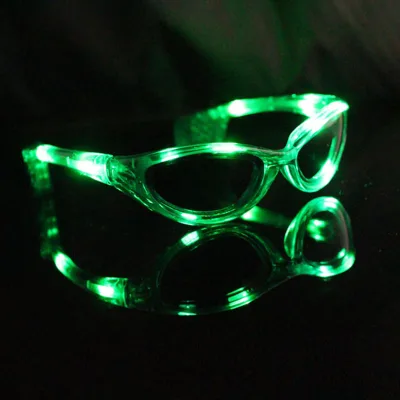


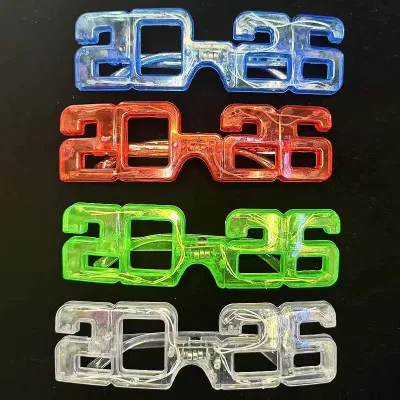


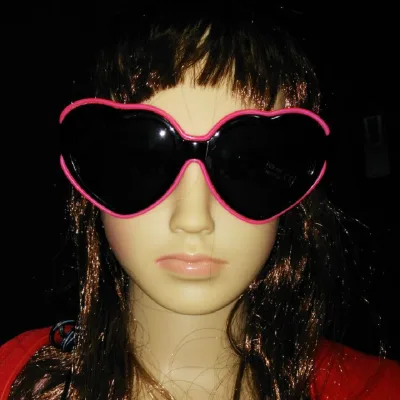
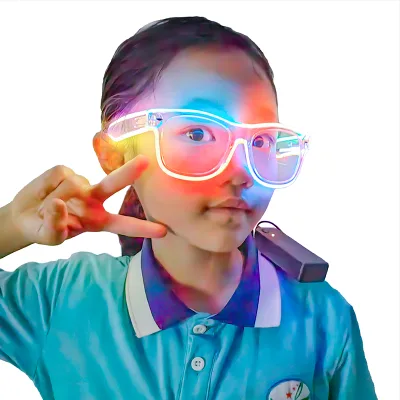


Comprehensive Sourcing Guide
Flashing LED Eyewear Supplier Concentration and Factory Types
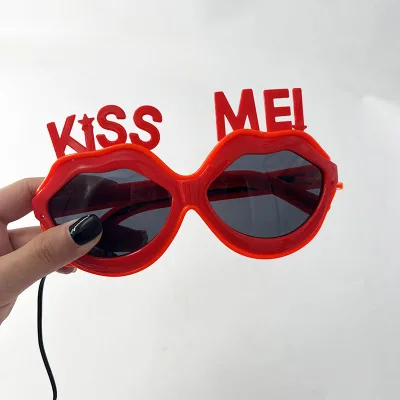
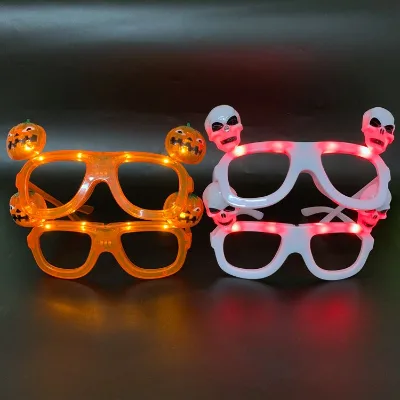
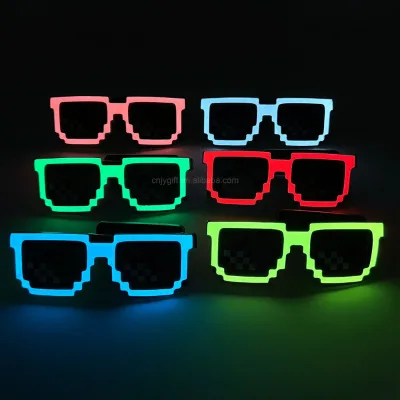
Flashing LED Eyewear suppliers in current sourcing results cluster heavily in Guangdong, China, which appears repeatedly as the listed place of origin for LED party eyewear products. One listing explicitly states Guangdong as the origin of a PC+EL wire flashing eyewear model, while another supplier profile lists China Guangdong as its registered location. This pattern is consistent with the broader electronics and festive-goods manufacturing base in that province, where LED novelty products, EL wire accessories, and party supplies are produced alongside each other. Buyers should treat Guangdong as a confirmed anchor region in this category, while still checking whether individual suppliers they shortlist actually operate there or merely source from nearby factories. Not every result supplies a location, so a supplier with no stated origin should not be assumed to sit inside the same cluster.
Supplier types vary meaningfully across the listings. One profile is identified as a Trading Company, another as a combined type, and a third as both Manufacturer and Trading Company. This mix matters because a manufacturer profile may offer more direct control over EL wire assembly and battery compartments, while trading companies often consolidate multiple eyewear styles and complementary party items. Several of these profiles list main products such as LED masks, sound-activated bracelets, LED glasses, glow sticks, and flashing gifts, indicating category breadth rather than eyewear specialization. Ask each candidate to clarify whether they manufacture the eyewear themselves or resell from partner factories, since this affects both pricing depth and responsibility for quality defects.
How to Verify Flashing LED Eyewear Suppliers
Verification should begin with the attributes actually displayed in supplier listings, followed by direct requests for anything missing. Several profiles in this category show company type, main products, response time, and lead time, but one explicitly lists system certification as NIL, and none of the visible results display an establishment year. That absence means buyers must request founding information directly rather than assuming a track record. For a Guangdong-based candidate, confirm the registered business license and cross-check the address against the listed origin. For the profile showing NIL certification, ask what factory-level audits or product tests they can provide, and do not treat the missing certification field as proof of non-compliance; treat it as an open question.
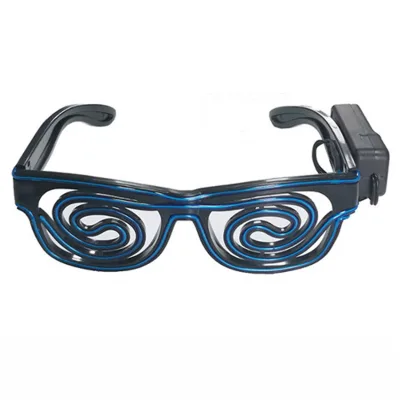
Product-level verification is equally important. One detailed listing states the eyewear uses PC plus EL wire, weighs about 100 grams gross, requires two AAA batteries with batteries not included in the price, and packs one piece per OPP bag. Verify these specifications against a physical sample: test the EL wire connection points, switch durability, and whether the stated LED colors actually match the sample. The same listing advertises customized logo printing in a single color, so request a printed pre-production sample if branding matters. Also confirm the model number in writing so the sample and bulk order reference the same item. For suppliers without such detailed attributes, ask them to complete an equivalent specification sheet before any payment, and keep the completed sheet as part of the order contract.
What to Compare Across Flashing LED Eyewear Suppliers
Build a comparison table using only dimensions the suppliers actually display, then fill gaps through inquiry. Visible comparators in this category include lead time, minimum order quantity, response speed, company type, and main products. Lead times vary sharply: one supplier lists 15 days, another 23 days, and a third 30 days, which is a two-week spread that directly affects whether a supplier can serve a Halloween or New Year order window. Response times also range widely, from roughly three hours for two suppliers and about 3.4 hours for another, up to 10 hours for one profile, which signals how quickly you can iterate on samples and resolve problems mid-production.
Minimum order quantities differ by an order of magnitude. One detailed eyewear listing shows an MOQ of 100 pieces, another supplier's items list MOQs of 500 and 1000 pieces, and a separate mask-style product shows 99 pieces. Price ranges also diverge, from under one dollar per piece on a basic luminous eyeglass listing, through roughly two to three and a half dollars on EL wire and mosaic sunglasses items, to above thirty dollars on a multicolor flashing mask product. Compare within like-for-like products only, since a mask and shutter glasses are not substitutes. Also weigh ODM and OEM capability, which one profile explicitly claims, against customization attributes such as logo acceptance shown elsewhere. Finally, note that not every supplier displays every attribute; absence of a lead time or MOQ figure is a reason to ask, not a value in itself.
Common Flashing LED Eyewear Sourcing Risks
The most common risk in this category is specification drift between sample and bulk production, especially around the battery compartment and EL wire. One listing already states that AAA batteries are not included, which means buyers must either ship without batteries or arrange compliant battery sourcing separately; failing to plan for this causes customs and retail readiness problems. Another risk is color inconsistency: one eyewear listing advertises eight LED colors, so an order assuming a single color mix without written confirmation can arrive in whatever proportions the factory chooses. Confirm color ratios, flashing modes, and switch types in writing before deposit.
Certification risk is also visible in the data. A supplier profile showing NIL for system certification, combined with no displayed product test reports across the results, means buyers must independently request documentation for battery and electrical safety in destination markets rather than assuming compliance. Packaging risk is concrete as well: the listed packing is one piece per OPP bag with a package size around 20 by 20 by 15 centimeters and a gross weight near one kilogram per unit for that model, which is bulky relative to the product and can inflate freight cost if you assumed a lighter configuration. Another listed item weighs about 0.3 kilograms. Finally, watch for trading-company layers: a combined or trading profile may not control the factory making the glasses, which slows defect resolution. Mitigate by identifying the actual production site and agreeing on defect liability terms before deposit.
Flashing LED Eyewear Regional Sourcing and Logistics
The confirmed regional picture points to Guangdong, China, as the practical sourcing base, since both product origin fields and a supplier location field reference the province. Guangdong's port access and dense supplier network generally simplify consolidation when you order eyewear alongside other LED party items such as bracelets, necklaces, and glow sticks, which several of these suppliers list as main products. Where a listing states only "China" without a province, as some product attributes do, request the exact factory address to confirm it sits in the same logistics corridor or whether separate shipment arrangements are needed.
Logistics planning should start from the displayed lead times and package dimensions. With lead times of 15, 23, and 30 days among the visible suppliers, buyers targeting seasonal peaks should work backward: a 30-day production window plus ocean transit plus inland delivery can consume most of a quarter, so earlier deposit dates or air freight for top-ups may be necessary. The bulkier packaging configuration noted above, roughly 20 by 20 by 15 centimeters per unit, should be entered into a freight calculator rather than estimated, because dimensional weight can dominate cost. For the item listing a 0.3-kilogram standard and carton packing, ask for the carton quantity and dimensions to calculate per-carton loads. Also confirm whether the supplier quotes ex-works, FOB, or another Incoterm, since none of the visible results specify shipping terms, and clarify who books freight.
Flashing LED Eyewear Commercial Terms and Order Planning
Commercial terms should be anchored to the concrete figures displayed, then negotiated where data is missing. Use the visible price bands as anchors: roughly 0.59 to 0.89 dollars on a basic luminous eyeglass item, about 1.65 to 2.10 dollars for mosaic flashing sunglasses, approximately 1.82 to 3.45 dollars for the PC+EL wire model with a 100-piece MOQ, about 1.95 to 2.70 dollars for a lip-style light-up design, and near 2.36 to 2.39 dollars at a 1000-piece MOQ. The mask-style product at roughly 31 to 34 dollars sits in a different tier and should be budgeted separately. Always confirm whether quoted prices include the customized logo printing offered on at least one listing, and whether AAA batteries are excluded as stated.
Order planning should combine MOQ, lead time, and payment protection. Where an MOQ of 99 or 100 pieces is displayed, a pilot order is feasible before scaling to 500 or 1000 pieces at other suppliers. For payment, use a protected method where available and ask each supplier what escrow-style arrangements they support, since none of the current results display escrow status; do not assume coverage. Sequence orders against the 15-to-30-day lead-time spread, tying deposits to sample approval and specifying packing, color ratios, and model numbers in the contract. Finally, establish a written rework and defect policy before deposit, especially when buying through trading or combined-type intermediaries rather than the manufacturer directly.
FAQs
What is the typical MOQ for Flashing LED Eyewear orders?
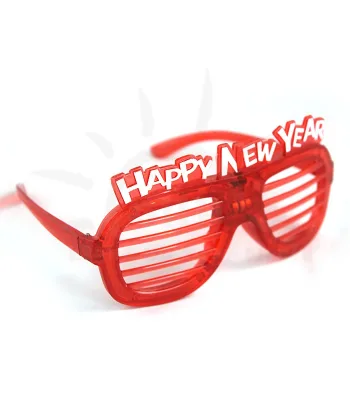
Minimum order quantities on this page range from 100 pieces for some LED eyewear models up to 1,000 pieces for certain EL wire glasses. Entry-level flashing shutter and party eyewear styles often sit at the lower end, while specialized designs require higher volumes. Always confirm the MOQ for the exact model before requesting a quote, since it can vary by customization level.
How much does bulk Flashing LED Eyewear cost per unit?
Listed unit prices on this page span roughly $0.59 to $3.45 depending on the model, materials, and order quantity. Basic plastic party eyewear sits at the lower end, while EL wire and multicolor designs cost more. Battery type, LED count, and printing requirements also affect the final price, so request itemized quotations for accurate comparison.
What lead times should I expect for LED eyewear production?
Suppliers on this page report lead times ranging from about 15 days to 30 days depending on the factory. Standard in-stock models ship faster, while custom colors, logos, or packaging add production time. Confirm the lead time in writing before placing an order, and factor in shipping transit time when planning for seasonal events like Halloween or New Year.
Where are the suppliers of Flashing LED Eyewear located?
The suppliers featured on this page are based in Guangdong, China, a region known for party supplies and LED novelty manufacturing. Guangdong's supply chain supports quick access to LEDs, plastic components, and EL wire materials. If proximity to a specific port or trade fair matters for your sourcing plan, confirm each supplier's exact city during initial contact.
Can Flashing LED Eyewear be customized with my logo?
Yes, customization is commonly available for this product category. Some listed models explicitly accept custom logos with one-color printing, and suppliers note ODM and OEM capabilities. Before ordering, ask which print methods are supported, whether the logo affects unit price, and request a pre-production sample so you can verify logo placement, size, and durability on the finished eyewear.
What battery and power details do these LED glasses use?
Some flashing eyewear models on this page use two AAA batteries, which are typically not included in the quoted price. EL wire designs may use different power arrangements, so review the specification sheet for each model. Ask suppliers about battery compartment quality, expected battery life, and whether replacement parts are available, since these factors affect the end-user experience.
What packaging can I expect when ordering LED party eyewear?
Packaging varies by model: some products ship in an individual OPP bag, while others are packed in cartons for bulk transport. Single package sizes for listed items range from compact retail-ready boxes around 20 by 20 by 15 centimeters to larger carton packing. Confirm whether custom packaging is offered, and request gross and net weights to estimate shipping costs accurately.
How quickly do these suppliers respond to inquiries?
Response times reported on this page range from roughly 3 hours to 10 hours. Faster responders are helpful when you need quick samples or urgent event orders. To test responsiveness, send a detailed inquiry including quantity, customization needs, and target delivery date, then compare how quickly and completely each supplier answers before committing to a first order.