Flat End Hex Key Suppliers and Manufacturers
Source 10 verified Flat End Hex Key suppliers from China, including Guangdong and Zhejiang manufacturers. Compare response times, lead times, certifications, and MOQs to find the right partner. Contact suppliers directly to request quotes and samples; review the available evidence before requesting comparable quotations from suitable candidates.
Suppliers List

Dongguan VG Fasteners Co., Ltd.
- Verified by SGS
- Trading Company
- China Guangdong
- Lead time15 days
- Avg. response≤ 2h
Main productsDrop in Anchor, DIN912 Hex Socket Head Cap Screw, Sleeve Anchor, Anchor Bolt, Fasteners, Wedge Anchor, Chemical Anchor, Nut, Thread Rod, Screw
Main marketsSoutheast Asia/ Mideast,Domestic


Alloy Steel Stainless Middle Long Flat Point Hex Key Wrench Set Hex Key with Flat
$0.01 - $0.10
MOQ: 10000 Pieces


Ningbo Shiji Bosi Tools Co., Ltd.
- Manufacturer
- Zhejiang, China
- Lead time10 days
- Avg. response≤ 8h
Main productsHand Tools,Power Tools
Main marketsDomestic Market(80.00%), Southeast Asia(10.00%), Mid East(10.00%)

Wuxi Ingks Metal Parts Co., Ltd.
- Verified by SGS
- Trading Company,Manufacturer/Factory
- China Jiangsu
- Lead time23 days
- Avg. response≤ 4h
Main productsFasteners, Springs, Indexing Plunger, Quick Release Pin, Screw Stainless Steel, Wood Insert Nut, Clevis Pin, Wood Screw, Torx Screw, Self Drilling Screw
Main marketsSouth America,Eastern Europe,North America,Oceania,Western Europe


Custom Size Flat Key Parallel Keys Customized Size Carbon Steel Parallel Keys
$0.08 - $0.20
MOQ: 1000 Pieces

Ningbo Great Wall Precision Industrial Co., Ltd.
- Verified by CTI
- Combined
- China Zhejiang
- Lead time60 days
- Avg. response≤ 9h
Main productsSteel Measuring Tape, Spirit Level, Adjustable Wrench, Fiberglass Tape Measure
Main marketsAfrica,East Asia(Japan/ South Korea),Europe,Australia,North America

Hebei Ouyang Safety Tools Co., Ltd.
- Verified by TUVRHEINLAND
- Manufacturer/Factory
- China Hebei
- Lead time15 days
- Avg. response≤ 24h
Main productsNon-Sparking Safety Tools, Non-Sparking Wrenches, Non-Sparking Chain Hoist Block, Steel Impact Socket, Hammer, Pliers, Stainless Steel Wrenches, Titanium Hand Tools, Insulated Hand Tools, 40 Cr-V Steel Hand Tools
Main marketsEastern Europe,Mid East,North America,Southeast Asia,Eastern Asia,Oceania,Western Europe

MOQ: 1 Pieces

MOQ: 1 Pieces

Yangzhou Shuojia Electromechanical Co., Ltd.
- Verified by SGS
- Trading Company
- China Jiangsu
- Lead time15 days
- Avg. response≤ 2h
Main productsHex Nut, Flat Washer, Screw
Main marketsOthers(foreignTradeCapacity.exportBusinessCapacityMarketOther),Southeast Asia/ Mideast,Domestic,Europe

Shanghai Eastern Waves Co., Ltd.
- Trading Company
- China Shanghai
- Lead time45 days
- Avg. response≤ 8h
Main productsRetaining Ring, Circlip, Washers, Internal Retaining Ring, External Circlip, Parallel Key, Nuts, Snap Ring, Pin, Bolts
Main marketsSouth America,Africa,Europe,Australia,North America

Parallel Key, DIN6885A, Size: 6X6X40
MOQ: 1000 Pieces

Parallel Key, DIN6885A, Size: 12X8X50
MOQ: 1000 Pieces

Parallel Key, DIN6885A, Size: 8X7X36
MOQ: 1000 Pieces

Parallel Key DIN6885A, Size: 8X7X32
MOQ: 1000 Pieces

Parallel Key, DIN6885A, Size: 8X7X30
MOQ: 1000 Pieces

Linyi Permarise Hardware Co., Ltd.
- Verified by TUVRHEINLAND
- Manufacturer/Factory
- China Shandong
- Lead time0 days
- Avg. response≤ 10h
Main productsFurniture Hardware, Security Hardware, Door Key Blank, Car Key Blank, Motorcycle Key Blank, Promotional Key, Key Accessories, Key Cutting Machines, Locksmith Tools, Locks

QINGDAO EVERISE INT'L CO., LTD.
- Verified by SGS
- Trading Company
- China Shandong
- Lead time15 days
- Avg. response≤ 9h
Main productsDoor Hardware, Furniture Hardware, MDF, Filmfaced Plywood
Main marketsSouth America,Others(foreignTradeCapacity.exportBusinessCapacityMarketOther),Europe,Australia,North America


Blank Key for Lock with a Wholesale Blank Keys with Patterns Customized
$0.24 - $0.43
MOQ: 20000 Pieces


- Manufacturer/Factory
- Taiwan_China Taiwan
- Lead time0 days
- Avg. response≤ 25h
Main productsKey Switch Lock, Furniture Locks, Notebook Security Lock, Padlock, Cam Locks

MOQ: 2000 Pieces

MOQ: 2000 Pieces

MOQ: 2000 Pieces

MOQ: 2000 Pieces
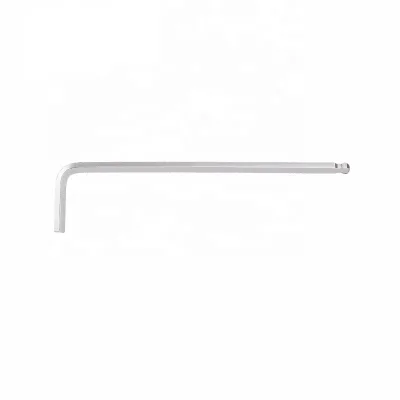
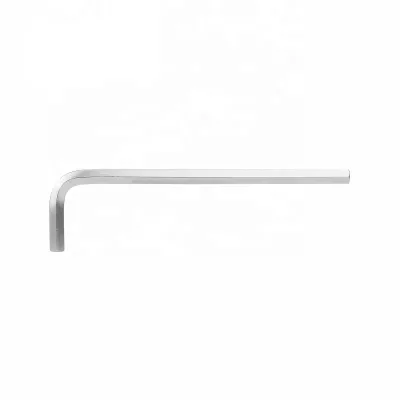
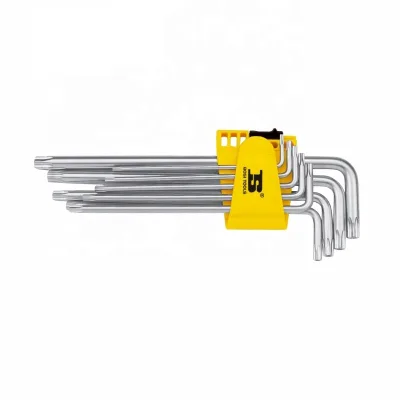


Comprehensive Sourcing Guide
Flat End Hex Key Supplier Concentration and Factory Types
Current data indicates a concentration of Flat End Hex Key manufacturers and trading companies within China, specifically in the Guangdong and Zhejiang provinces. Suppliers in Guangdong often operate as trading companies, while those in Zhejiang frequently present as manufacturers. This geographic split suggests distinct operational models where trading firms may aggregate products from various factories, whereas manufacturers in Zhejiang might control the production line directly. The presence of these specific locations allows buyers to anticipate regional specialization, though the exact distribution of factory types requires individual verification against current listings.
When assessing supplier types, buyers should distinguish between trading companies and manufacturers based on the provided company type data. A trading company may offer a broader range of fasteners and tools, such as anchor bolts or socket wrenches, alongside hex keys, while a manufacturer might focus more deeply on specific tooling capabilities. The distinction impacts lead times and customization options, as manufacturers often have more direct control over production schedules. Buyers must verify the actual company type listed for each supplier to understand whether they are dealing with a direct producer or an intermediary, as this influences the supply chain structure and potential for negotiation.
How to Verify Flat End Hex Key Suppliers
Verification of Flat End Hex Key suppliers relies heavily on checking for specific third-party certifications and verification badges provided in the supplier profile. Some suppliers display SGS verification status, which serves as a baseline indicator of operational legitimacy. Additionally, system certifications such as ISO 9001, ISO 20000, and TS 16949 may be listed, indicating adherence to quality management standards. Buyers should prioritize suppliers who explicitly list these certifications in their profile data, as these documents provide evidence of a structured quality control process rather than relying on unverified claims.
Beyond certifications, buyers must examine the response time and verification status to gauge supplier reliability. A response time of approximately 1.94 hours suggests a highly active supplier capable of quick communication, whereas a response time of 8 hours might indicate a larger volume of inquiries or different operational hours. It is crucial to confirm that the supplier is verified by a recognized body like SGS before proceeding. Buyers should also check for specific product attributes like customization availability and standard compliance, ensuring the supplier can meet the technical requirements of the Flat End Hex Key order before engaging in deeper discussions.
What to Compare Across Flat End Hex Key Suppliers
Comparing suppliers requires a detailed analysis of lead times, minimum order quantities, and pricing structures found in the product data. Lead times vary significantly, with some suppliers offering a 10-day turnaround while others require 15 days. Minimum order quantities also differ, ranging from 1,000 units to 10,000 units depending on the specific product model and supplier capacity. Buyers must align these constraints with their inventory needs, as a lower MOQ might be preferable for testing new markets, while a higher volume order could secure better unit pricing.
Pricing and product specifications are equally critical comparison points. Unit prices can range from as low as $0.012 to $10.00, depending on the material, such as alloy steel or stainless steel, and the specific finish like black oxide or chrome. Buyers should compare the standard specifications, such as DIN, ANSI, or JIS compliance, and the hardness ratings like 48-55 HRC. Additionally, the availability of customization options and the type of packaging, whether neutral or branded, should be evaluated. These factors collectively determine the total cost of ownership and the suitability of the product for the intended application.
Common Flat End Hex Key Sourcing Risks
One significant risk in sourcing flat end hex keys is the potential mismatch between advertised specifications and actual product quality. While some listings mention certifications like GS, CE, CCC, and RoHS, buyers must verify that these apply to the specific batch being ordered. There is a risk that a supplier might list broad certifications without ensuring every unit meets the required standards, particularly when dealing with trading companies that source from multiple factories. This discrepancy can lead to non-compliant products that fail in the field or do not meet regulatory requirements in the destination market.
Another risk involves the variability in lead times and response capabilities. A supplier with a 15-day lead time might struggle to meet urgent deadlines compared to one offering 10 days, potentially causing production delays. Furthermore, the response time of 8 hours versus 1.94 hours indicates a difference in operational efficiency that could affect issue resolution. Buyers should be wary of suppliers who do not clearly state their warranty terms or who lack detailed product attributes like material grade and torque capacity. These gaps in information can lead to misunderstandings and disputes regarding product performance and delivery schedules.
Flat End Hex Key Regional Sourcing and Logistics
Sourcing from China, specifically Guangdong and Zhejiang, offers distinct logistical advantages and challenges. Guangdong-based suppliers often have established export infrastructure, which can streamline shipping processes for international buyers. However, the distance from the factory to the port and the specific logistics partners used by the supplier can impact transit times. Buyers should verify the origin location listed in the product attributes, as this determines the starting point of the supply chain and influences the overall shipping cost and duration.
Logistics planning must also account for the specific packaging and handling requirements of the flat end hex keys. Some suppliers offer neutral packaging, while others provide white boxes, cartons, or pallets, which affects how the goods are loaded and shipped. The choice of packaging can influence the protection of the tools during transit and the efficiency of storage upon arrival. Buyers should confirm the packing details with the supplier to ensure that the goods will arrive in good condition and that the packaging meets any specific requirements of the destination country or retailer.
Flat End Hex Key Commercial Terms and Order Planning
Commercial terms for Flat End Hex Key orders often include specific customization options and standard compliance requirements. Many suppliers indicate that customization is available, allowing buyers to request specific models or finishes. However, buyers must confirm the exact standards, such as M1.5-19 or 1/16''-3/4'', and ensure these match the project specifications. The availability of OEM support and the ability to produce custom models like VG-019 are key factors in the commercial agreement, as they determine the flexibility of the supply chain to meet unique needs.
Order planning should consider the minimum order quantities and pricing tiers to optimize budget and inventory levels. With MOQs ranging from 1,000 to 10,000 units, buyers need to calculate the economic order quantity that balances storage costs with unit price benefits. The price range of $0.012 to $10.00 per unit suggests significant variation based on volume and material. Buyers should plan their orders to align with the supplier's production capacity and lead times, ensuring that the order volume justifies the investment while maintaining a steady supply of flat end hex keys for their operations.
FAQs
What is the typical lead time for flat end hex keys?
Manufacturers in China generally require 10 to 15 days to produce and ship flat end hex keys. This timeframe depends on order volume and customization needs. Buyers should confirm specific delivery schedules with suppliers before placing orders to ensure production aligns with project deadlines.
What is the minimum order quantity for these tools?
Minimum order quantities typically range from 1,000 to 10,000 pieces for flat end hex keys. Trading companies often accept lower MOQs around 1,000 units, while manufacturers may require higher volumes. Buyers should verify the specific MOQ with each supplier to match their procurement budget.
Are flat end hex keys available with custom branding?
Yes, customization is available for flat end hex keys, including OEM branding and specific packaging. Suppliers offer neutral packages or custom boxes. Buyers seeking branded tools should request samples to verify quality and confirm customization options like logo printing or specific handle materials before bulk ordering.
What certifications apply to these hex key wrenches?
Certifications such as GS, CE, CCC, and RoHS are available for flat end hex keys. These standards ensure safety and environmental compliance for international markets. Buyers should request valid certification documents from suppliers to verify that the products meet specific regional regulatory requirements for their target destinations.
How quickly do suppliers respond to inquiries?
Supplier response times vary, with some responding within 1.94 hours and others taking up to 8 hours. Faster response times indicate active sales teams ready to assist with quotes and technical details. Buyers should prioritize suppliers with quicker response rates to streamline the sourcing and negotiation process effectively.
What materials are used for flat end hex keys?
Flat end hex keys are commonly made from alloy steel, stainless steel, or carbon steel. Materials like S2 steel offer high durability for industrial use. Buyers should specify the desired material grade to ensure the tools meet the required hardness and corrosion resistance standards for their specific applications.