Folded Portable Heated Seat Cushion Suppliers and Manufacturers
Find 12 verified manufacturers offering Folded Portable Heated Seat Cushion options with varying lead times, MOQs, and certifications. Compare response times, prices, and product specifications to select the right supplier for your needs; review the available evidence before requesting comparable quotations from suitable candidates.
Updated
Suppliers List
Guangzhou Anjuny Vehicle Supplies Co., Ltd.
- Manufacturer
- Lead time旺季: "1 - 10":7,"11 - 100":10,"101 - 500":15,"> 500":"To be negotiated", 淡季: "1 - 10":7,"11 - 100":10,"101 - 500":15,"> 500":"To be negotiated"
- Avg. response≤ 3h
Main productsCar Seat Cover,Gel Seat Cushion,Folding Storage Box,Car Mat,Other Interior Accessories
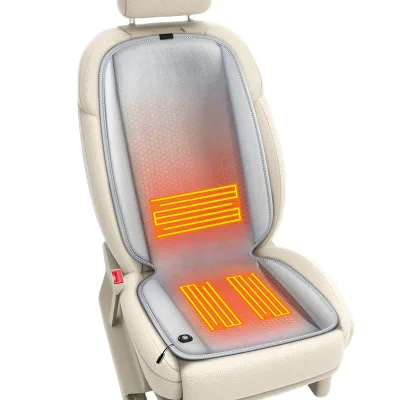
Car USB Heated Seat Cushion, 12V Portable Heated Travel Cushion Winter Heated Warm Seat Cushion
$18.00 - $18.90
MOQ: 10 pieces
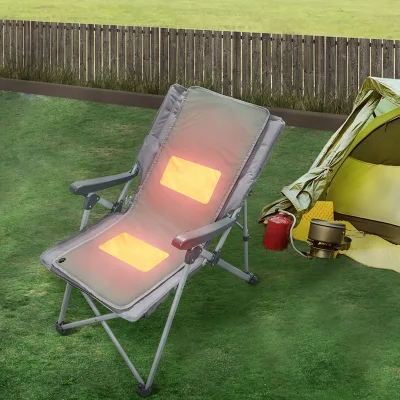
Anjuny Portable Lightweight Outdoor Camping Stadium USB Heated Cushion Seat Pad for Camping
$13.80 - $14.80
MOQ: 500 pieces
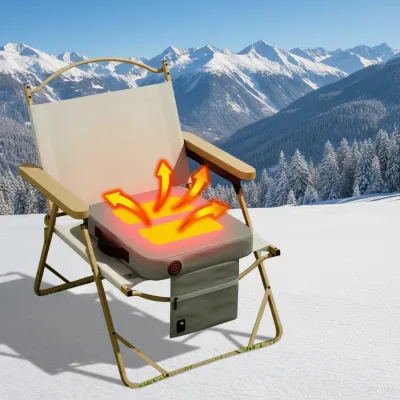
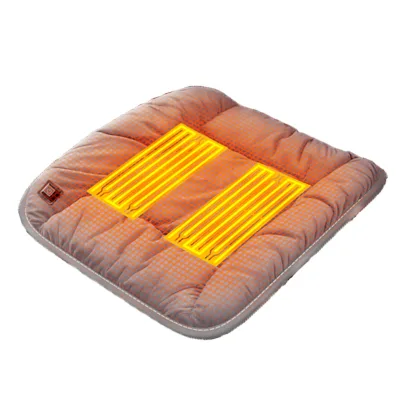
Shenzhen Eigday Heating Limited
- Manufacturer, Trading Company
- Lead time旺季: "1 - 500":35,"501 - 1000":45,"1001 - 3000":60,"> 3000":"To be negotiated", 淡季: "1 - 500":35,"501 - 1000":45,"1001 - 3000":60,"> 3000":"To be negotiated"
- Avg. response≤ 2h
Main productsHeated Gloves, Heated Socks, Heated Apparel, LED Flashlight Gloves, Heated Cushion
Shenzhen Hengzeng Technology Co., Ltd.
- Verified by TüVRheinland
- Manufacturer, Trading Company
- Lead time30 days
- Avg. response≤ 3h
Main productsElectric Heating Pad, Heated Mat, Heated Blanket, Heated Pillow, Other Small Household Appliance
Main marketsEastern Asia(33%), South America(16%), North America(15%)
Hangzhou Kuangs Textile Co., Ltd.
- Manufacturer, Trading Company
- Lead time旺季: "1 - 100":15,"101 - 500":20,"501 - 1000":30,"> 1000":"To be negotiated", 淡季: "1 - 100":15,"101 - 500":20,"501 - 1000":30,"> 1000":"To be negotiated"
- Avg. response≤ 4h
Main productsCamping Blanket, Puffy Blanket, Heated Blanket, Cooling Blanket, Picnic Mat&Beach Towel
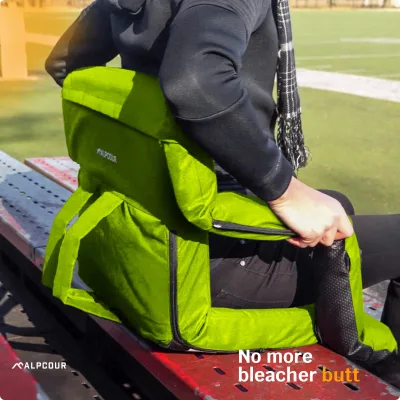
$9.40 - $11.40
MOQ: 300 pieces
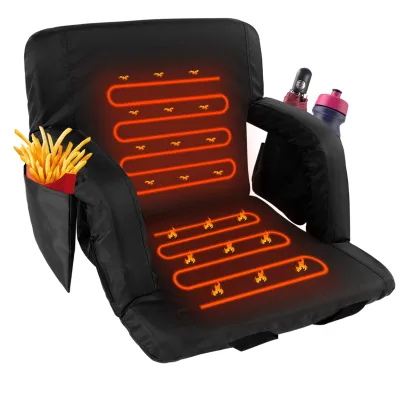
$22.0179 - $25.3068
MOQ: 500 pieces
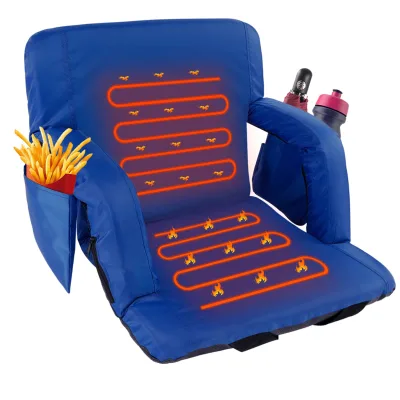
Overheat Protection Heating for Child Seat Usb Winter Heated Cordless Seat Cushion
$22.214 - $25.5328
MOQ: 500 pieces
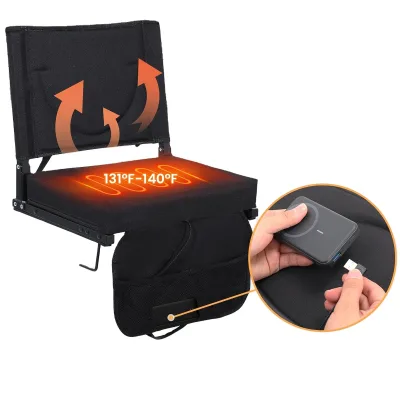
Fast Heating Rechargeable Heated Chair Cushion with Electric Heating Pad
$16.3981 - $18.4535
MOQ: 300 pieces
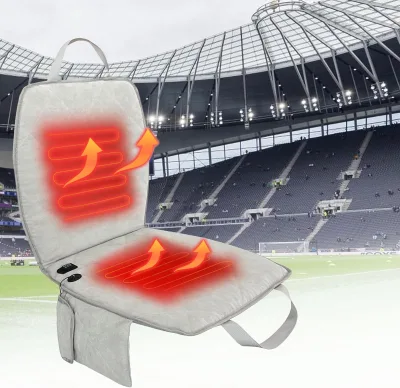
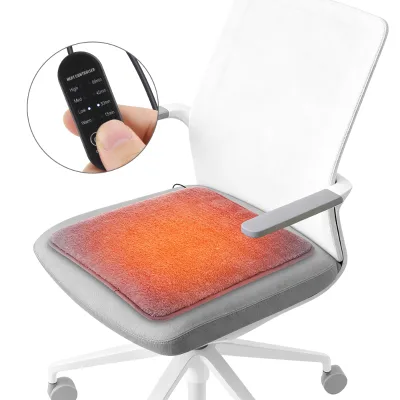
USB Heated Seat Cushion for Office Chair with 3 Heat Settings Washable Therapy Heating Pad for Back
$12.9041 - $14.9401
MOQ: 300 pieces

Ningde Crius Electronic Co., Ltd.
- Verified by TUVRHEINLAND
- Combined
- China Fujian
- Lead time30 days
- Avg. response≤ 5h
Main productsMassage Chair, Jade Massage Bed, Massage Pillow, Tourmaline Bracelet, Foot Massager, Jade Mattress, Massage Cushion, Massage Belt, Eye Massager, Neck and Shoulder Massager
Main marketsAustralia

Shanghai Anma Industry Co., Ltd.
- Trading Company
- China Shanghai
- Lead time30 days
- Avg. response≤ 6h
Main productsCar Accessories, Car Spare Parts, Car Tools, Car Interior Accessories, Car Exterior Accessories, Car Electrical Accessories, Car Lights, Car Mirror, Car Emergency Kits, Car Care Products
Main marketsSouth America,Others(foreignTradeCapacity.exportBusinessCapacityMarketOther),Southeast Asia/ Mideast,Europe,North America

Changzhou Mydays Energy Technology Co., Ltd.
- Verified by CTI
- Trading Company
- China Jiangsu
- Lead time30 days
- Avg. response≤ 5h
Main productsTransmission Shaft, Motor Housing, Motor Shaft, Van Seat, Car Seat, Auto Seat, Drone Accessories, Modified Auto Seat
Main marketsSoutheast Asia/ Mideast,Domestic,Europe,Australia,North America

Mydays Tech Portable Foldable Rechargeable Heated Seat Cushion Stadium Cushion Outing Travelling
$9.10 - $11.50
MOQ: 200 Pieces

Mydays Tech Dual Switch Portable Foldable Lightweight Carryable Versatile Heated Seat Cushion
$10.82 - $11.80
MOQ: 200 Pieces

Mydays Tech Portable Foldable Easy-Clean Convenient Storage Durable Soft Heated Seat Cushion
$6.70 - $7.80
MOQ: 200 Pieces

Outdoor Stadium Portable Foam Heated Seat Cushion Pad for Office Chair Home
$13.95 - $15.00
MOQ: 200 Pieces

Mydays Tech Travel Friendly Three Adjustable Heating Control Heated Cozy Seat Cushion
$9.10 - $11.50
MOQ: 200 Pieces

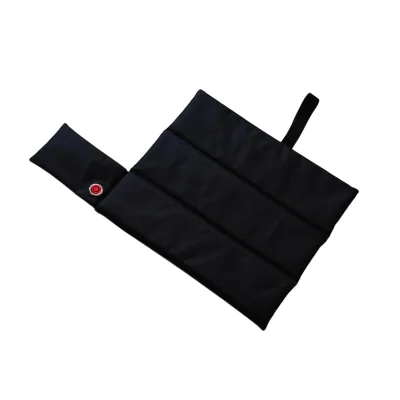
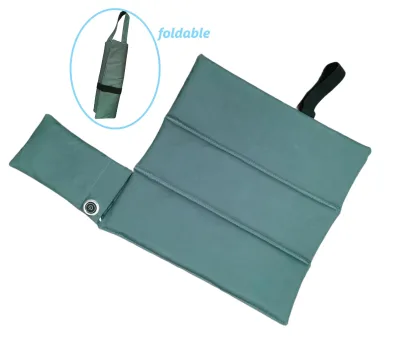
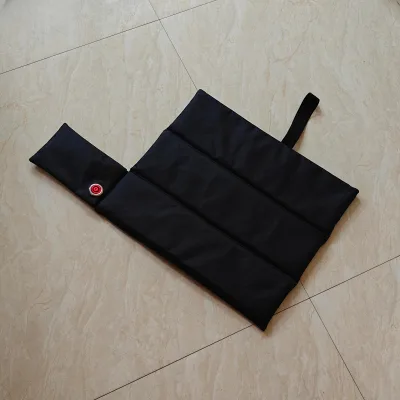
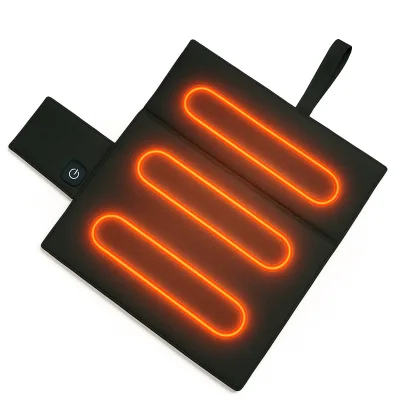
Mydays Tech Folding Portable Partition Adjustable Heating Seat Cushion for Winter Camping
$12.50 - $13.70
MOQ: 200 Pieces
Dongguan Sheerfond New Materials Co., Ltd.
- Verified by TüVRheinland
- Manufacturer, Trading Company
- Lead time20 days
- Avg. response≤ 1h
Main productsSmart Mattress Cover, Graphene Heating Element, Graphene Heating Pad, Smart Heating Cup, Golf Heating And Cooling Pads
Main marketsEastern Asia(35%), Mid East(20%), Domestic Market(20%)
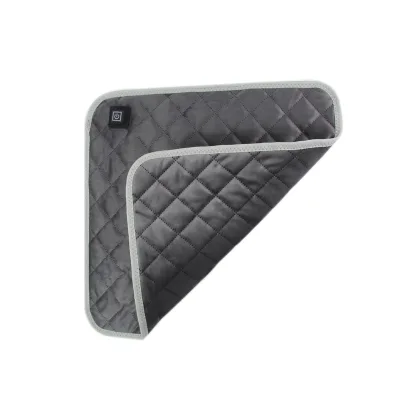
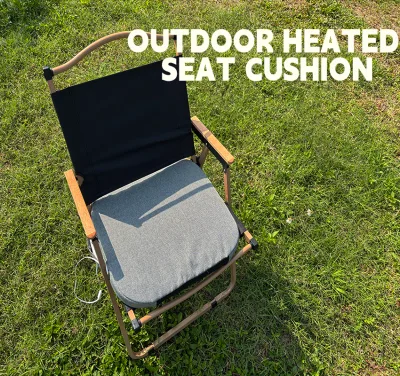
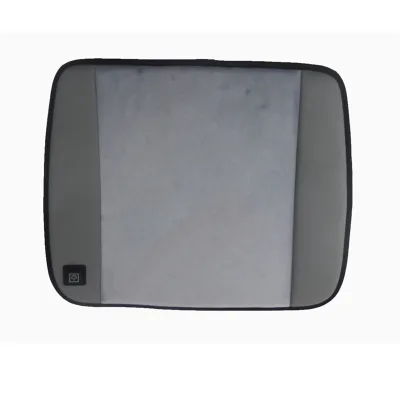
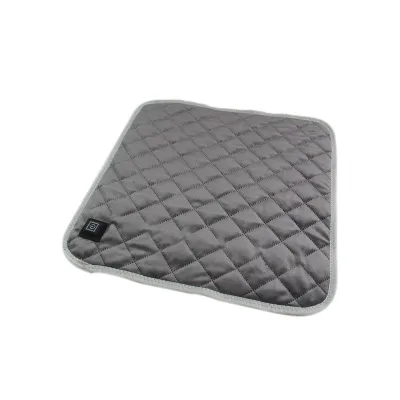
Factory Custom Cushion Eco-friendly 5V 2A Usb Heated Chair Cushion for Office Chair
$4.20 - $4.90
MOQ: 500 pieces
Guangzhou Anjuny Vehicle Supplies Co., Ltd.
- Verified by SGS Group
- Manufacturer, Trading Company
- Lead time20 days
- Avg. response≤ 5h
Main productsCooling Stroller Seat Liner, Heating Seat Cushion, Heating Product, Gel Seat Cushion, Folding Storage Box
Main marketsDomestic Market(50%), Eastern Asia(15%), Eastern Europe(7%)

Chongqing Tianlang Automobile Sales and Service Co., Ltd
- Verified by SGS
- Trading Company
- China Chongqing
- Lead time23 days
- Avg. response≤ 3h
Main productsHigh-Quality Used Cars, Original Quality Auto Parts, Automotive Supplies Car Washing, Car Pet Supplies, Car Interior Accessories, Custom Car Mattress, Used Gasoline Car, Car Accessories, Custom Forged Wheels, Used Car
Main marketsDomestic

Zhong Xing Da (Hangzhou) Import & Export Co., Ltd.
- Verified by SGS
- Manufacturer/Factory
- China Zhejiang
- Lead time45 days
- Avg. response≤ 5h
Main productsCooking, Cookware, Waterfun, Fishing, Camping, RV
Main marketsSouth America,Eastern Europe,North America,Western Europe

$11.34 - $12.45
MOQ: 500 Pieces

$14.23 - $16.15
MOQ: 500 Pieces


Waterproof Heated Seat Cushion Temperature Adjustable for Ice Fishing and Outdoor Adventures
$14.23 - $16.15
MOQ: 500 Pieces

$11.01 - $12.14
MOQ: 500 Pieces

Camouflage Thickened Heated Seat Cushion Waterproof, Temperature Adjustable for Outdoor Activities
$14.23 - $16.15
MOQ: 500 Pieces
Shenzhen Hai Li Xuan Technology Co., Ltd.
- Verified by SGS Group
- Manufacturer, Trading Company
- Lead time15 days
- Avg. response≤ 2h
Main productsFoot Massager, Shoulder Massager, Waist Massager, Red Light Therapy Belt, Heating Pad
Main marketsNorth America(31%), Eastern Europe(17%), Western Europe(12%)




Comprehensive Sourcing Guide
Folded Portable Heated Seat Cushion Supplier Concentration and Factory Types
The current supplier results indicate a concentration of manufacturers specializing in vehicle accessories and interior electronics, with a specific focus on heated seating solutions. These suppliers are identified as manufacturers rather than trading companies, suggesting direct control over the production process for items like graphene heating cushions and portable outdoor mats. The primary manufacturing hub for these goods is located in Guangdong, China, a region known for its robust electronics and textile supply chains. This location allows for the integration of complex components such as USB heating elements, nano-silver materials, and memory foam into a single finished product. Buyers should verify that the supplier's main product list explicitly includes car seat covers, gel cushions, and folding storage boxes to ensure they possess the necessary infrastructure for this specific category.
When evaluating factory types, it is crucial to distinguish between entities that merely assemble components and those that design the heating technology from the ground up. The observed data shows suppliers offering products with specific voltage requirements, such as DC 12V, 24V, and 5V USB, which implies a capability to handle electrical engineering within their manufacturing scope. Some suppliers also provide OEM and ODM services, indicating they can customize the design style, logo, and material composition, such as velvet or leather combinations. Buyers must confirm that the factory type matches their volume needs, as some manufacturers may have minimum order quantities that are too high for small-scale testing. The presence of specific certifications like ISO 9004 and ISO 14001 in the product attributes suggests that these factories adhere to quality and environmental management standards, though buyers should request current certificates for verification.
How to Verify Folded Portable Heated Seat Cushion Suppliers
Verification begins with a rigorous check of the supplier's response time and communication reliability, as the data indicates a standard response time of three days for inquiries. A supplier that consistently meets this window demonstrates operational efficiency, which is critical for resolving technical questions regarding voltage compatibility or heating levels. Buyers should also scrutinize the product evidence provided, ensuring that attributes like material composition, such as "Velvet+Graphene" or "Leather+ Foam+Nano sliver," match the physical samples requested. It is essential to confirm that the place of origin listed in the product details aligns with the factory's actual location to avoid discrepancies in shipping costs or regulatory compliance. The presence of specific model numbers, such as JRD028 or AJ-SC2001, allows buyers to trace the exact production line and verify the consistency of the manufacturing process.
Beyond communication and product details, buyers must validate the supplier's ability to handle customization and quality assurance. The data shows that many suppliers accept custom logos and offer OEM/ODM services, but this requires a clear agreement on design specifications and sample approval timelines. Buyers should verify the sample time, which is listed as 3-5 days for certain models, to ensure it fits within their project schedule. Additionally, checking for certifications like RoHS, CE, FCC, and IP55 is mandatory to ensure the electrical components meet international safety standards. Buyers should not assume these certifications are current without requesting valid documentation. Finally, confirming the warranty terms, such as the one-year warranty observed in some listings, provides a layer of protection against early product failure and indicates the supplier's confidence in their manufacturing quality.
What to Compare Across Folded Portable Heated Seat Cushion Suppliers
When comparing suppliers, the lead time is a primary differentiator, with data showing variations based on order volume and seasonality. During peak seasons, lead times range from seven to fifteen days for orders up to 500 units, while larger orders exceeding 500 units require negotiation. Buyers must compare these timelines against their own inventory requirements to avoid stockouts. The minimum order quantity (MOQ) also varies significantly, with some suppliers requiring as few as ten units while others demand 500 units. This disparity affects the initial investment and risk profile for buyers entering the market. Comparing the price range is equally important, as unit costs can fluctuate between $13.80 and $18.90 depending on the specific features, materials, and customization level requested.
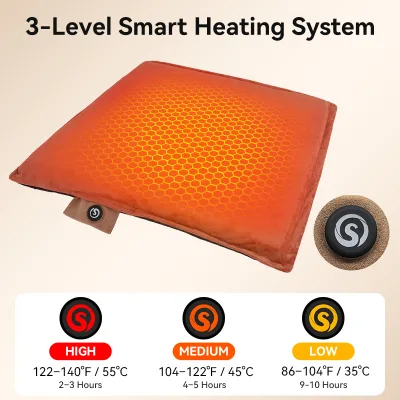
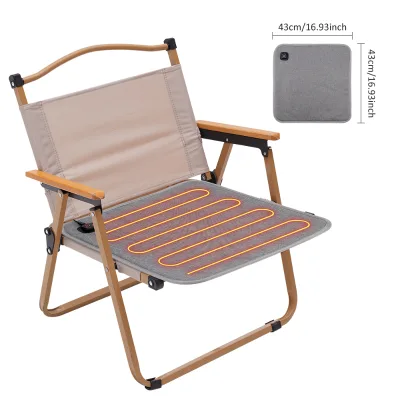
Buyers should also evaluate the product attributes and functional capabilities to ensure they meet specific market demands. Some suppliers offer 3-level heating controls and rechargeable battery options, while others focus on fixed voltage inputs like 5V USB. The material composition, such as the use of memory foam versus polyester filling, impacts the comfort and durability of the final product. Additionally, the single package size and gross weight are critical for calculating shipping costs, as dimensions can range from 43x43x5 cm to larger configurations. Buyers must compare the selling units and packing methods, such as color boxes, to ensure they align with their retail or distribution strategies. Finally, the availability of specific certifications and the scope of the warranty should be weighed against the price to determine the overall value proposition of each supplier.
Common Folded Portable Heated Seat Cushion Sourcing Risks
One significant risk involves the variability in product specifications and the potential for misalignment between the ordered item and the delivered sample. The data shows multiple product names and model numbers for similar items, such as "Graphene Heating Cushion" versus "Nano Sliver Heating Car Cushion," which can lead to confusion regarding material quality and heating efficiency. Buyers must ensure that the technical specifications, including voltage and heating function, are explicitly defined in the purchase order to prevent receiving a product that does not meet their safety or performance standards. Another risk is the inconsistency in lead times during peak seasons, where production delays can push delivery dates beyond the negotiated timeline. This is particularly critical for buyers with tight deadlines or seasonal sales cycles.
Supply chain transparency and certification validity present another layer of risk. While some product attributes list certifications like ISO 9004 or RoHS, buyers cannot assume these are valid without direct verification from the supplier. Relying on unverified claims can lead to regulatory issues in the destination market, especially for electrical products. Furthermore, the customization process carries the risk of design errors if the supplier's understanding of the buyer's requirements is unclear. The data indicates that custom logos and designs are accepted, but without a detailed approval process, the final product may not reflect the intended branding or functionality. Buyers should also be wary of suppliers who do not clearly state their return policies or warranty enforcement procedures, as this can leave them without recourse if the product fails prematurely.
Folded Portable Heated Seat Cushion Regional Sourcing and Logistics
The primary sourcing region for these products is Guangdong, China, a hub known for its electronics and textile manufacturing capabilities. This location offers logistical advantages due to its proximity to major ports, facilitating efficient export of goods to global markets. However, buyers must account for the specific shipping requirements of heated seat cushions, which often contain batteries and electronic components. These items may be subject to special handling regulations during air or sea freight, potentially increasing shipping costs or transit times. The single package size and gross weight, which vary from 1.5 kg to 4.0 kg depending on the model, directly influence the freight charges and the number of units that can be shipped per container. Buyers should calculate these logistics costs early in the sourcing process to ensure the final landed cost remains competitive.
Logistics planning also involves understanding the impact of seasonal demand on shipping availability. During peak seasons, the lead time for production increases, and shipping slots may become scarce, leading to potential delays. Buyers should coordinate with their freight forwarders to secure space in advance, especially if they are ordering large quantities that exceed the standard lead time of 15 days. The packaging, typically described as color boxes, must be robust enough to protect the electronic components during transit. Buyers should verify that the packaging meets the durability standards required for their specific shipping route. Additionally, the origin of the goods affects the customs clearance process, and buyers should ensure that all necessary documentation, including certificates of origin and compliance reports, is prepared to avoid delays at the destination port.
Folded Portable Heated Seat Cushion Commercial Terms and Order Planning
Commercial terms for these products often include specific payment structures and warranty conditions that buyers must carefully review. The data indicates a one-year warranty for certain models, which serves as a baseline for after-sales support. Buyers should negotiate terms that extend this coverage or clarify the conditions under which the warranty applies, such as normal usage versus misuse. The minimum order quantity, ranging from 10 to 500 units, dictates the initial capital outlay and inventory risk. Buyers planning to test the market should seek suppliers with lower MOQs, while those ready for mass production can leverage higher volumes for better pricing. The price range of $13.80 to $18.90 per unit suggests that volume discounts may be available, but these should be explicitly confirmed in the commercial agreement.
Order planning requires a strategic approach to managing lead times and production schedules. With lead times varying from seven to fifteen days depending on order size and season, buyers must align their production forecasts with the supplier's capacity. For orders exceeding 500 units, the lead time is "To be negotiated," requiring early communication to secure a production slot. Buyers should also consider the sample time, which is typically 3-5 days, to allow for quality checks before placing a full order. The customization options, including logo printing and material selection, add complexity to the timeline and should be factored into the overall project schedule. Finally, buyers should establish clear communication channels with the supplier to monitor production progress and address any issues promptly, ensuring that the order is completed and shipped according to the agreed-upon terms.
FAQs
What is the typical lead time for orders?
Lead times depend on order volume and season. For quantities between 1 and 10 units, production takes seven days. Orders of 11 to 100 units require ten days, while 101 to 500 units take fifteen days. Larger orders exceeding 500 units have lead times that must be negotiated directly with the supplier based on current capacity.
What is the minimum order quantity for these cushions?
Minimum order quantities vary by specific product model. Some graphene heating cushions require a minimum of ten units to place an order. Other portable outdoor heated cushions may have a higher threshold, requiring a minimum of five hundred units. Buyers should check the specific product listing to confirm the exact MOQ applicable to their desired item.
What voltage options are available for heated cushions?
Heated seat cushions support multiple voltage inputs to suit different power sources. Options include DC 12V, 24V, and 5V USB connections. Some models specifically utilize 5V USB for portable charging. This versatility allows the cushions to be used in various vehicles, including cars, trucks, and other electronic setups requiring standard USB power.
Are custom logos and branding accepted for these products?
Yes, custom branding is generally accepted for these heated seat cushions. Suppliers offer OEM and ODM services, allowing buyers to add their own logos. Custom logo acceptance enables businesses to create branded merchandise or private-label products. Buyers should confirm specific customization requirements and potential additional costs with the supplier before finalizing the order.
What certifications do these heated cushions hold?
Certifications vary by product type. Some graphene heating cushions hold ISO 9001 and ISO 14001 certifications. Other models, particularly those with electronic components, may carry RoHS, CE, FCC, and IP55 ratings. These certifications indicate compliance with quality management, environmental standards, and safety regulations. Buyers should verify the specific certificates for the product they intend to purchase.
What is the typical response time for supplier inquiries?
Suppliers typically respond to inquiries within three days. This response time allows buyers to receive initial information about product availability, pricing, and customization options. Prompt communication helps streamline the sourcing process. Buyers should expect a reply within this timeframe and can follow up if they require urgent clarification on specifications or order details.
What materials are used in these heated seat cushions?
Materials vary by model. Some cushions use a combination of velvet and graphene for heating. Others feature leather, foam, and nano silver layers. Filling materials may include 100% polyester fiber or cotton. Anti-skid bottom layers are common for stability. Buyers should review the specific product attributes to determine the exact material composition suitable for their needs.