Folding Eco-Friendly Cheese Knife Set Suppliers and Manufacturers
Source a Folding Eco-Friendly Cheese Knife Set from 29 verified suppliers. Compare key dimensions including response times, lead times, and certifications to find the right partner. Review product specifications and pricing details to streamline your procurement process; review the available evidence before requesting comparable quotations from suitable candidates.
Suppliers List
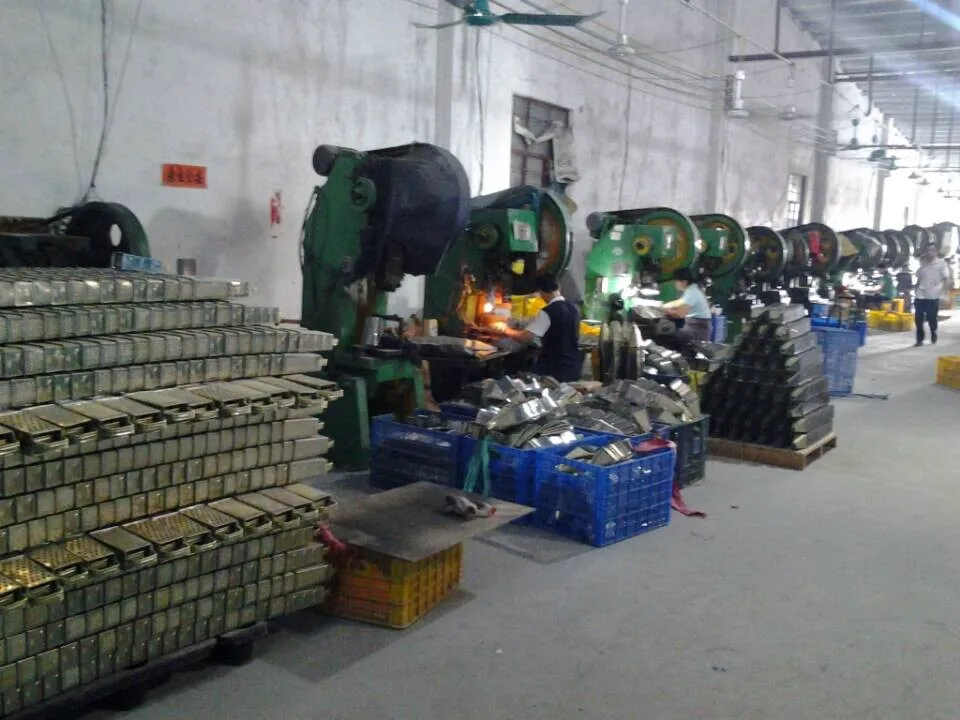
Huorun Import & Export Co., Ltd. (ASIA BEST BRANCH)
- Trading Company
- Guangdong, China
- Lead time30 days
- Avg. response≤ 6h
Main productsKitchen Knife & Scissor,Kitchen Tools,BBQ Tools,Wooden Cutting Boards,Manicure & Beauty Tools
Main marketsWestern Europe(45.00%), South America(20.00%), Eastern Asia(10.00%), Northern Europe(10.00%), Eastern Europe(5.00%), Central America(5.00%), North America(5.00%)
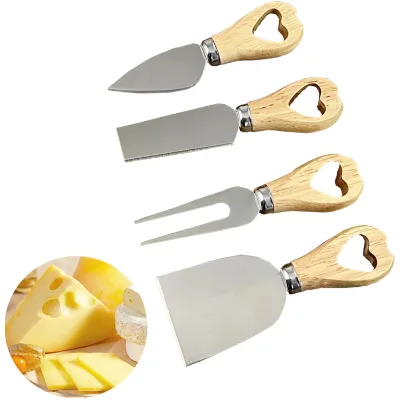
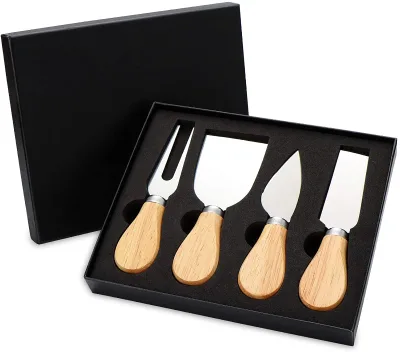
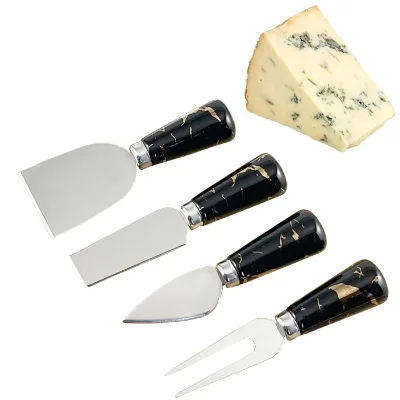
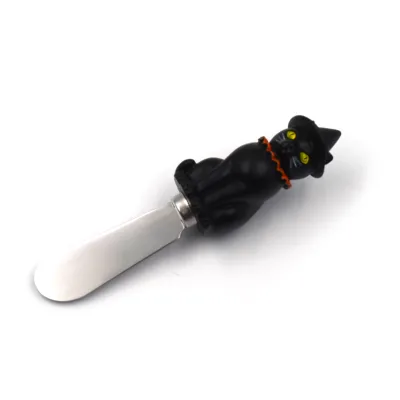
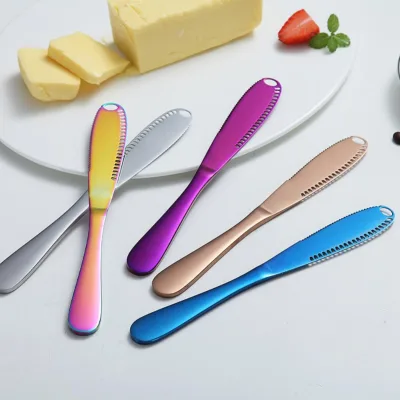
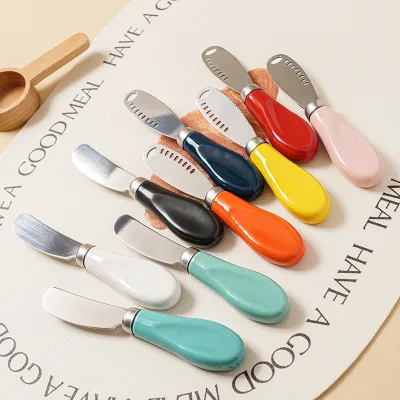
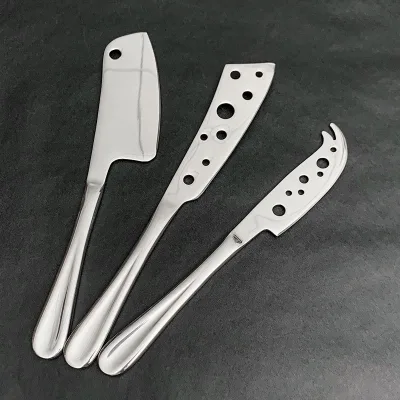
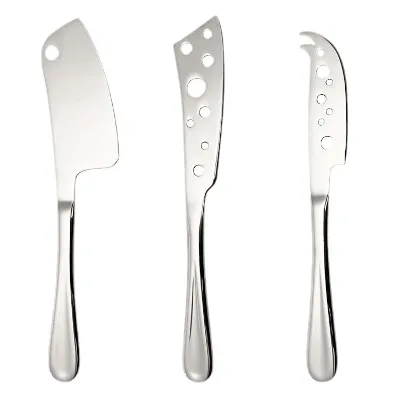
High Quality Ceramic Handle Cheese Knife Set
$3.16 - $3.19
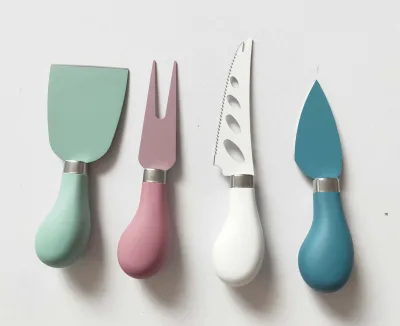
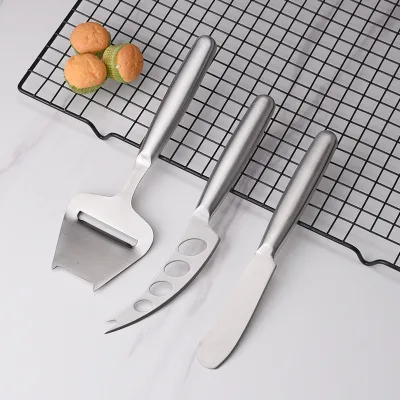
Soften TPR Handle Stainless Steel Cheese Knife Set
$0.90 - $0.96

Xiamen Ebei Import & Export Co., Ltd.
- Verified by CTI
- Trading Company,Manufacturer/Factory
- China Fujian
- Lead time45 days
- Avg. response≤ 2h
Main productsEco-Friendly Products, Bamboo Tableware, Bamboo Furniture, Bamboo Kitchenware, Bamboo Office Supply, Bamboo Fibre Products, Biodegradable Products, Bamboo Towel, Solar Energy Products, Bamboo Garden Products
Main marketsSouth America,Eastern Europe,Mid East,North America,Southeast Asia,Eastern Asia,Oceania,Western Europe,Africa


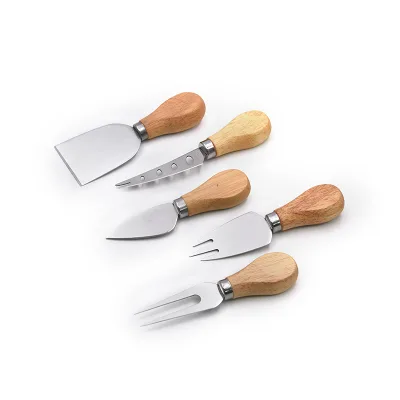
Stainless Steel Cheese Tools Wooden Cheese Knife Set
MOQ: 500 Pieces

3PCS Stainless Steel Cheese Knife and Fork Set
MOQ: 500 Sets


YANGJIANG GILLY METAL PLASTIC PRODUCTS LTD
- Trading Company
- GUANGDONG, China
- Lead time30 days
- Avg. response≤ 2h
Main productsknife sharpener,knife set,cookware,kitchen gadgets,kitchenware
Main marketsCentral America(15.00%), North America(15.00%), Mid East(10.00%), Northern Europe(10.00%), Africa(10.00%), South America(10.00%), Domestic Market(5.00%), South Asia(5.00%), Southern Europe(5.00%), Oceania(5.00%), Eastern Europe(5.00%), Western Europe(5.00%)
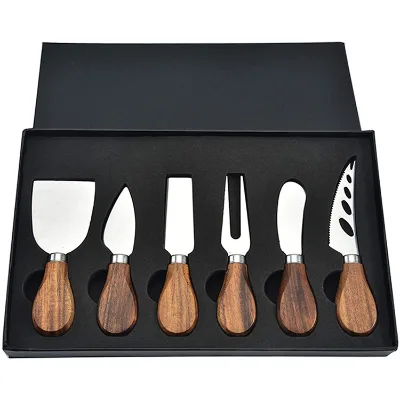
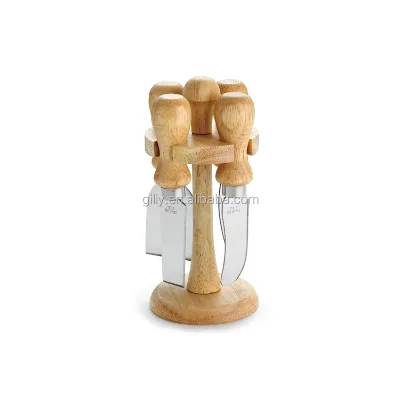
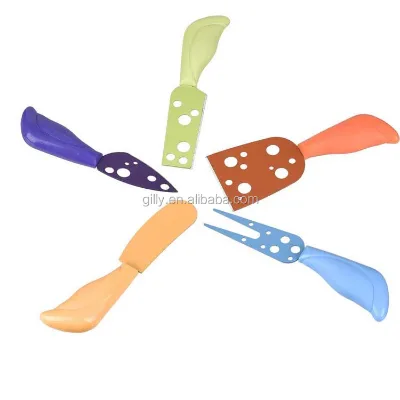
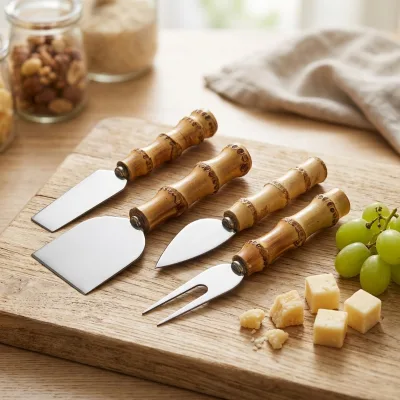
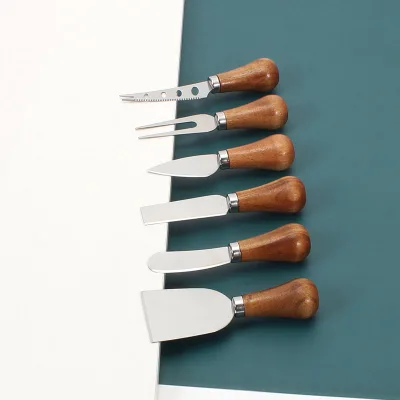
6-Piece Eco-Friendly Stainless Steel Cheese Knife Set with Bamboo Handles for Cheese Board
$3.73 - $5.11
MOQ: 500 sets

Shenzhen Baibanfengxing Technology Co., Ltd.
- Manufacturer, Trading Company
- Guangdong Province, China
- Lead time5 days
- Avg. response≤ 5h
Main productshousehold products,Kitchen supplies
Main marketsDomestic Market(20.00%), Eastern Europe(15.00%), North America(15.00%), Western Europe(10.00%), Southern Europe(10.00%), Northern Europe(10.00%), South America(5.00%), Mid East(5.00%), Southeast Asia(5.00%), Central America(5.00%)

Yangjiang Selectedhardware Enterprise Co., Ltd.
- Trading Company
- China Guangdong
- Lead time30 days
- Avg. response≤ 1h
Main productsCommercial Knives, Industrial Knives, Kitchen Knives, Scissors
Main marketsSouth America,Africa,Southeast Asia/ Mideast,Europe,North America


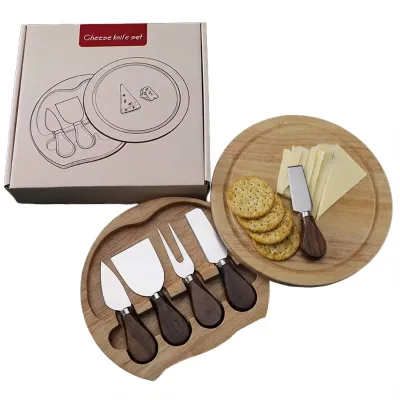
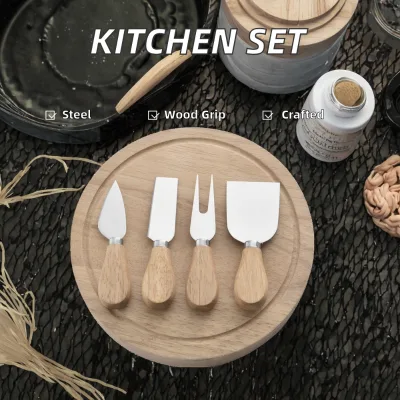
Cheese Knife Set 4-Piece Stainless Steel Cheese Knives Set with Gift Box
$1.20 - $1.50
MOQ: 2000 Pieces


Eagle Catering Equipment Co., Ltd.
- Manufacturer/Factory
- China Guangdong
- Lead time30 days
- Avg. response≤ 9h
Main productsTrolleys, Gastronorm Containers, Table, Shelves, Sink, Barrier Post, Cookware, Buffetware, Barware, Kitchen Utensils
Main marketsSouth America,Eastern Europe,Mid East,North America,Southeast Asia,Eastern Asia,Oceania,Western Europe,Africa

Yangjiang Yangdong Homsense Industrial Co., Ltd.
- Trading Company
- Guangdong, China
- Lead time45 days
- Avg. response≤ 6h
Main productsWooden Chopping Board/ Cheese Board and Knife/ Kitchen Utensils/ Kitchen Knife/ Kitchen Wood Accessories
Main marketsWestern Europe(42.00%), North America(23.00%), Eastern Europe(16.00%), Central America(11.00%), South America(4.00%), Northern Europe(2.00%), Domestic Market(2.00%)
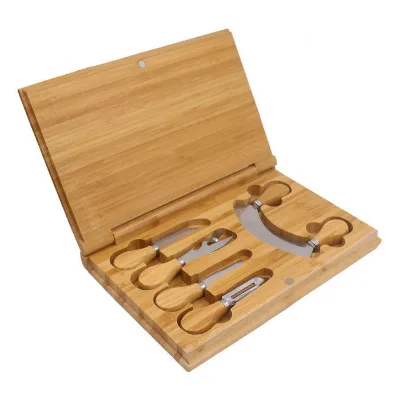
Factory Outlet Products Bamboo Cheese Knife Set With Serving Tray Cheese Knife Set
$6.90 - $7.50
MOQ: 1000
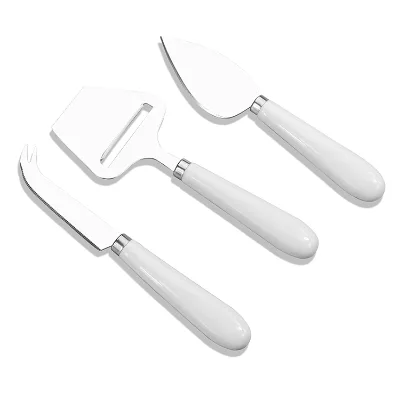
Multifunctional New Design Wooden Handle Cheese Knife Set With Cheese Slicer
$4.08 - $5.61
MOQ: 1500 pieces

Seer Hardware Industry&Trade Co., Ltd.
- Combined
- China Guangdong
- Lead time30 days
- Avg. response≤ 7h
Main productsKnife, Camping Knife, Folding Knife, Kitchen Knife, Hunting Knife, BBQ Tools, Laguiole Knife, Manicure Set, Knife Set, ODM OEM Knife
Main marketsSouth America,Southeast Asia/ Mideast,East Asia(Japan/ South Korea),Europe,North America


Good Quality Stainless Steel Blade with Olive Wood Handle 3 Pieces Cheese Knife Set (SE-4916)
$3.00 - $5.00
MOQ: 1000 Pieces

3PCS Cheese Knife Set Laguiole Knife with ABS Handle (SE-1618)
MOQ: 1000 Pieces

High Quality Cheese Knife with Wooden Box (SE-B010)
MOQ: 1000 Pieces
Yangjiang Justa Industry&trade Co., Ltd.
- Manufacturer, Trading Company
- Guangdong, China
- Lead time35 days
- Avg. response≤ 2h
Main productsKitchen Knife Set; Kitchen Scissors & Shears; Damascus Knife; Cutting Board; Kitchen Utensils Set,kitchen utensils,knife set,chef knife,kitchen scissors
Main marketsNorthern Europe(20.00%), Western Europe(20.00%), North America(12.00%), Eastern Europe(10.00%), Domestic Market(10.00%), Oceania(7.00%), Southeast Asia(6.00%), South America(5.00%), Southern Europe(5.00%), Eastern Asia(3.00%), Mid East(2.00%)
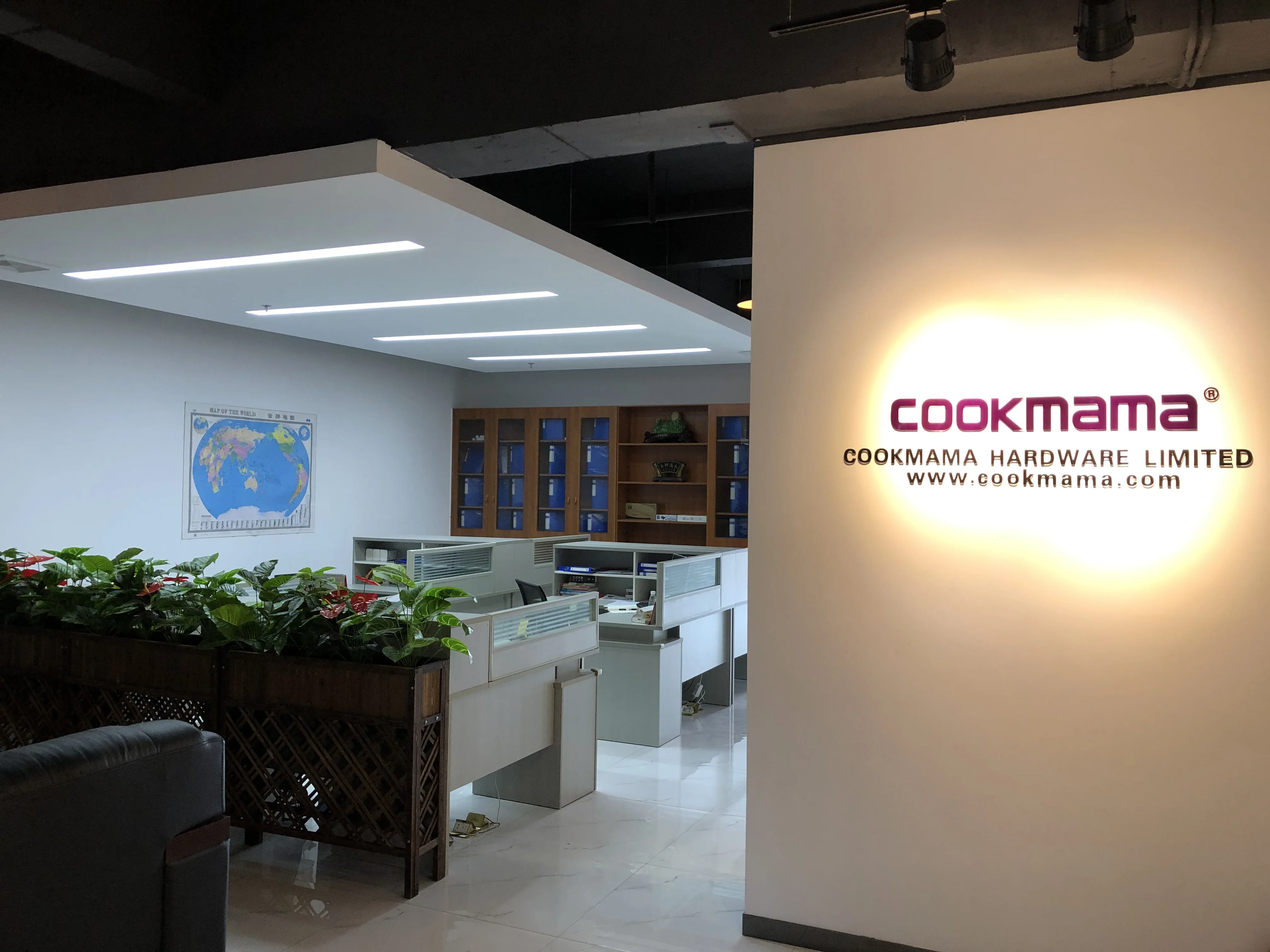
Yangjiang Cookmama Hardware Co., Limited.
- Manufacturer, Trading Company
- Guangdong, China
- Lead time40 days
- Avg. response≤ 7h
Main productsBBQ Tools,Knives,grill basket,kitchen tools,garden tools
Main marketsSouth America(40.00%), North America(20.00%), Southern Europe(10.00%), Northern Europe(10.00%), Western Europe(10.00%), Eastern Europe(10.00%)
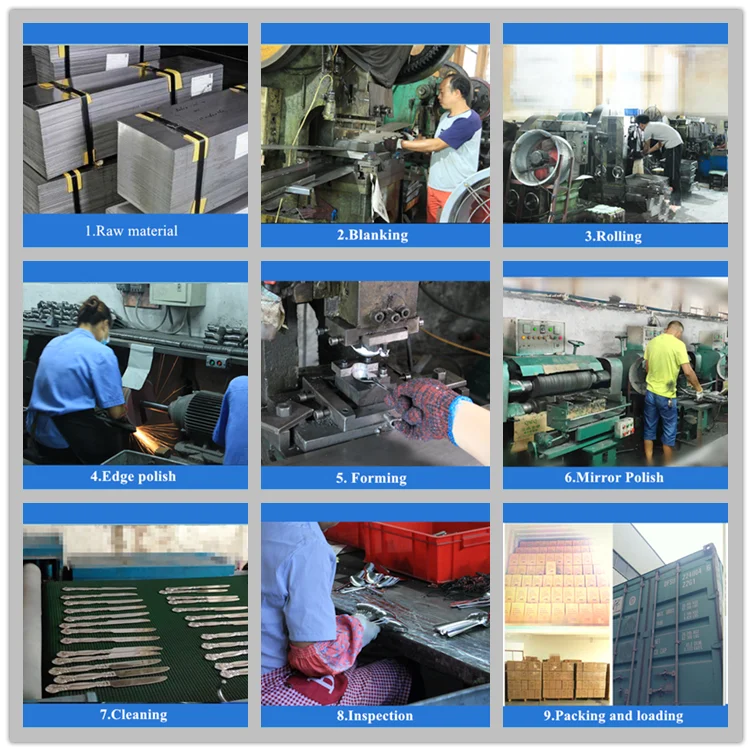
Jieyang Rongcheng Chimehome Stainless Steel Product Factory
- Manufacturer, Trading Company
- Guangdong, China
- Lead time20 days
- Avg. response≤ 2h
Main productsStainless steel flatware cutlery set,Metal straw,stainless steel chopsticks,kitchen utensils,stainless steel spoon and fork
Main marketsNorth America(25.10%), Africa(15.20%), Northern Europe(11.93%), Mid East(10.90%), Southeast Asia(9.91%), South America(8.63%), Western Europe(6.92%), Southern Europe(6.00%), Eastern Europe(5.41%)
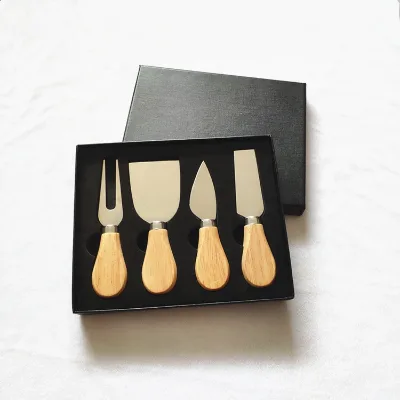
Stainless Steel Cheese Knife Set with Wood Bamboo Handle for Cheese Pizza
$3.17 - $6.64
MOQ: 50 Minimum
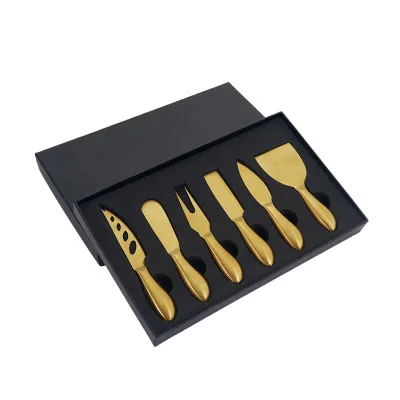

Guangdong Buyer Star Metals Industrial Co., Ltd.
- Manufacturer, Trading Company
- Guangdong, China
- Lead time7 days
- Avg. response≤ 4h
Main productsStainless Steel Cutlery,Stainless Steel Flatware,Stainless Steel Tableware,Stainless Steel Utensil,Stainless Steel Kitchenware
Main marketsDomestic Market(20.00%), Southeast Asia(10.00%), Eastern Asia(10.00%), Mid East(10.00%), North America(5.00%), South Asia(5.00%), Southern Europe(5.00%), Northern Europe(5.00%), Central America(5.00%), Western Europe(5.00%), Eastern Europe(5.00%), South America(5.00%), Oceania(5.00%), Africa(5.00%)

- Verified by TUVRHEINLAND
- Trading Company,Manufacturer/Factory
- China Jiangsu
- Lead time23 days
- Avg. response≤ 4h
Main productsMedal, Coin, Lapel Pin, PVC Patch, Embroidery Patch, Keychain, Button Badge, Silicone Wristband, Lanyards, Gift
Main marketsSouth America,Eastern Europe,Mid East,North America,Oceania,Western Europe

Alla-Home Housewares (shanghai) Co.,ltd.
- Trading Company
- Shanghai, China
- Lead time30 days
- Avg. response≤ 6h
Main productscutlery,flatware,food container,decanter,oil vinegar bottle
Main marketsWestern Europe(40.00%), North America(20.00%), Oceania(15.00%), South America(10.00%), Domestic Market(10.00%), Eastern Asia(5.00%)

Yangjiang Feehome Tech Co., LTD
- Verified by TUVRHEINLAND
- Trading Company,Manufacturer/Factory,Group Corporation,Other
- China Guangdong
- Lead time23 days
- Avg. response≤ 3h
Main productsKitchen Knives, Outdoor Knives, Nail Clippers, Kitchen Ware, Tea Infuser, BBQ Tools, Multi Function Tools, Kitchen Tools, Baking Tools, Coffee Tools
Main marketsSouth America,Eastern Europe,Mid East,North America,Southeast Asia,Eastern Asia,Oceania,Western Europe,Africa

Cheese Slicer Butter Spreader Forks Stainless Steel Acacia Wood Handle Cheese Knife Set
$0.77 - $0.99
MOQ: 1000



Henan Zlovy Enterprise Co., Ltd.
- Trading Company
- Henan, China
- Lead time1 days
- Avg. response≤ 8h
Main productsCoffee Pot,Coffee Tools,Water Bottle,Home Appliances,Baking Tools
Main marketsNorth America(35.00%), Western Europe(20.00%), Mid East(20.00%), Southeast Asia(15.00%), South America(10.00%)
Dongguan Huayue Business Co., Ltd.
- Verified by SGS Group
- Manufacturer, Trading Company
- Lead time15 days
- Avg. response≤ 4h
Main productsStainless Steel Baby Cutlery, BBQ Tools, Stainless Steel Cutlery Sets, Cookie Cutter, Cutlery With Polyresin Handles
Main marketsMid East(28%), North America(20%), Eastern Europe(19%)

Hai Yang International Limited
- Verified by SGS
- Trading Company,Manufacturer/Factory
- China Zhejiang
- Lead time60 days
- Avg. response≤ 5h
Main productsWooden Toy, Montessori Material, Wooden Educational Toys, Wooden Puzzle, Wooden Blocks, Wooden Train Set, Wooden Nutcrackers, Wooden Crafts, Wooden Dolls, Wooden Chess
Main marketsEastern Europe,Mid East,North America,Southeast Asia,Eastern Asia,Oceania

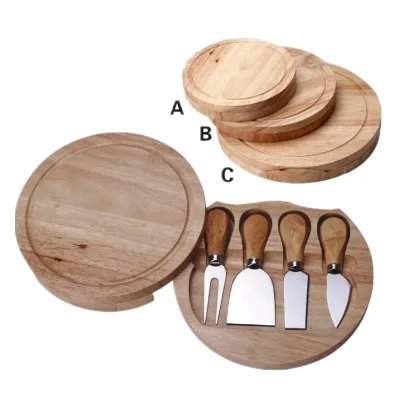
Cutlery Knife Set with Slide-out Drawer Bamboo Cheese Serving Tray Board Set
$28.00 - $34.98
MOQ: 5000 Pieces

Guangzhou Chenxuan Technology Co., Ltd.
- Trading Company, Distributor/Wholesaler, Other
- Guangdong, China
- Lead time10 days
- Avg. response≤ 2h
Main productssteel kitchenware,round dinner plate,retro cutlery set,gold dinner plate,korean gold dinner plate
Main marketsWestern Europe(30.00%), North America(30.00%), Mid East(15.00%), Oceania(15.00%), South America(10.00%)

- Verified by SGS
- Trading Company,Manufacturer/Factory,Other
- China Zhejiang
- Lead time38 days
- Avg. response≤ 18h
Main productsBath Mat, Cushion, Wooden Toys, Fitness Equipment, Cosmetic Bag, Luggage, Festival Products, Gym Items, Face Mask, Paracord Bracelet
Main marketsSouth America,Eastern Europe,Mid East,North America,Southeast Asia,Eastern Asia,Oceania,Western Europe,Africa
Yangjiang Toallwin Trading Co., Ltd.
- Verified by SGS Group
- Manufacturer, Trading Company
- Lead time30 days
- Avg. response≤ 3h
Main productsKitchen Utensils/Wooden Bowl/Wooden Plate, Cutting Board/Cheese Board
Main marketsNorth America(65%), Western Europe(20%), Eastern Asia(5%)
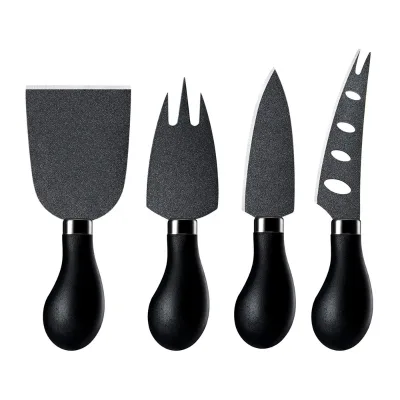
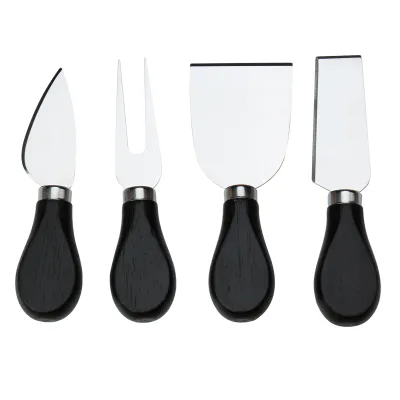
High Quality Nonstick Black Coated Stainless Steel Cheese Fork Cutter Cheese Knives Cheese Knife Set
$0.80 - $1.00
MOQ: 500 pieces
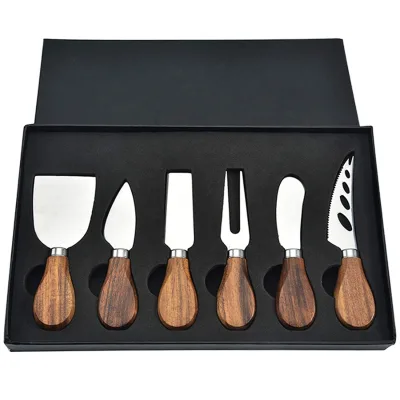
Nanning Holame Home Tech Co., Ltd.
- Manufacturer, Trading Company
- Guangxi, China
- Lead time30 days
- Avg. response≤ 2h
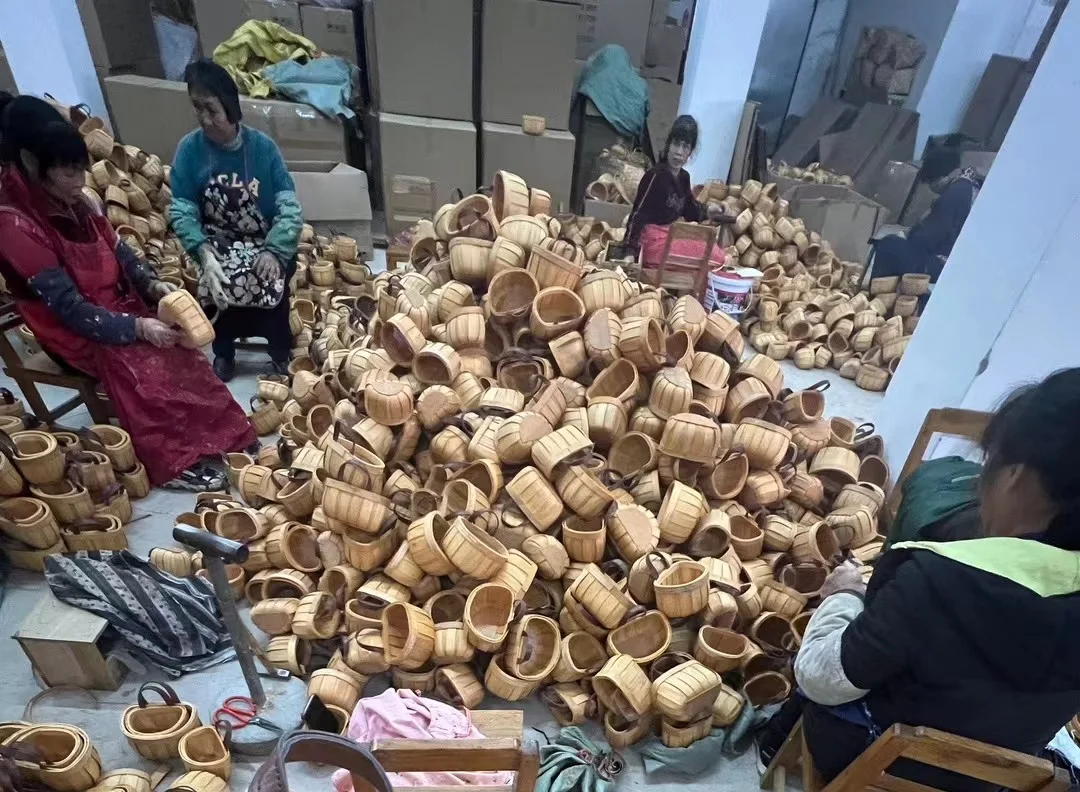
Main productsGift Baskets,Rattan Products,Bamboo Products,Wood Products,Kitchenware
Main marketsNorth America(50.00%), Western Europe(10.00%), Oceania(10.00%), Southern Europe(9.00%), Africa(8.00%), Mid East(6.00%), Northern Europe(5.00%), Eastern Europe(2.00%)
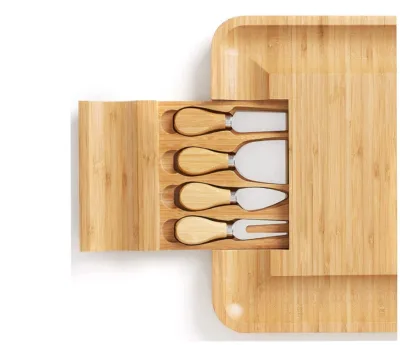
Hot Selling High Quality Eco-friendly Square Bamboo Wood Cheese Knife Set for Home Party
$8.80 - $11.90
MOQ: 10 sets

Yangjiang C&B Consumer Product Limited
- Verified by CTI
- Trading Company
- China Guangdong
- Lead time15 days
- Avg. response≤ 6h
Main productsBarbecue Tongs, Grilling Brushes, Outdoor Shovel, Grilling Tools, Kitchen Ware, Outdoor Products, Pizza Tools, Knife Set
Main marketsSouth America,Africa,Southeast Asia/ Mideast,Europe,Australia,North America

Kitchenware Set - Butter Spreader, Cheese Slicer, Jam Spatula & Serrated Cheese Knife
$0.61 - $0.83
MOQ: 1000 Pieces

Stainless Steel Cheese Tools Set - Slicer, Butter Spatula, Jam Spreader & Knife
$0.33 - $0.55
MOQ: 1000 Pieces

Butter & Cheese Kitchen Tools - Stainless Steel Slicer, Spreader & Knife Set
$0.33 - $0.55
MOQ: 1000 Pieces

Wood-Handled Cheese Knife Set - Stainless Steel Butter Spreader, Jam Spatula & Slicer
$0.33 - $0.55
MOQ: 1000 Pieces

Butter Spreader Knife, Cheese Dessert Slicer, Jam Spatula, Cheese Knife, Kitchen Tools
$0.61 - $0.83
MOQ: 1000 Pieces

Xiamen Boshun Cutlery Co., Ltd.
- Verified by TüVRheinland
- Manufacturer, Trading Company
- Lead time30 days
- Avg. response≤ 4h
Main productsStainless Steel Cutlery
Main marketsNorth America(40%), Western Europe(30%), South America(10%)
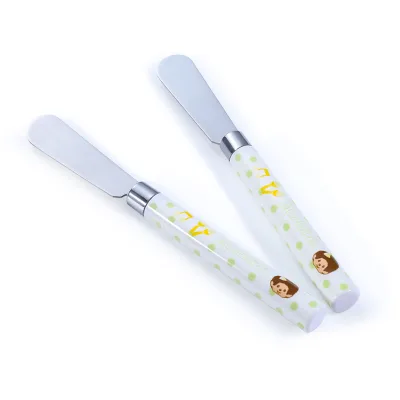
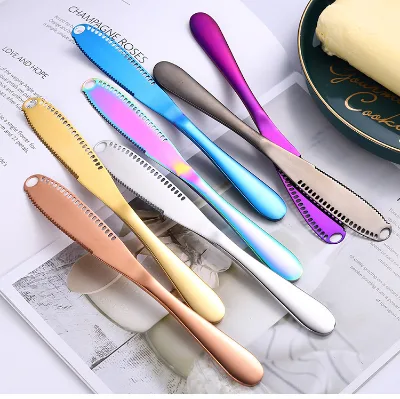
Reusable Stainless Steel Cylindrical Cheese Knife Metal C Holders for Kitchen Parties
$0.25 - $0.35
MOQ: 5000 pieces
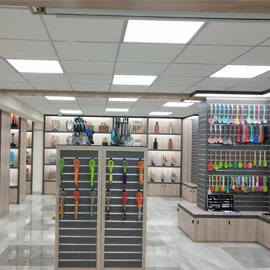
- Manufacturer, Trading Company
- Guangdong, China
- Lead time35 days
- Avg. response≤ 2h
Main productsKitchen Knives,Kitchen Utensils,Kitchen Gadgets,Scissors,Bakeware
Main marketsNorth America(30.00%), Western Europe(18.00%), South America(10.00%), Eastern Europe(10.00%), Oceania(9.00%), Southern Europe(4.00%), Eastern Asia(4.00%), Northern Europe(4.00%), Southeast Asia(4.00%), South Asia(3.00%), Africa(2.00%), Mid East(2.00%)

- Verified by SGS
- Trading Company
- China Zhejiang
- Lead time0 days
- Avg. response≤ 18h
Main productsTents, BBQ Grill, Luggage, Kids Toy, Fitness Equpments, Cookware, Kitchen Utensils and Gadgets, Yoga Mat, Bathroom Rugs, Pets Items
Main marketsSouth America,Eastern Europe,Mid East,North America,Southeast Asia,Eastern Asia,Oceania,Western Europe,Africa

Popular Creative Stainless Steel Cheese Knife Oak Butter Knife Baking Tool Set
$0.15 - $0.17
MOQ: 5900 Pieces

Hot Selling Butter Spoon Plastic Cheese Knife Set 3-in-1 Eighteen Piece Set
$0.85 - $0.95
MOQ: 1050 Pieces

Popular Stainless Steel Knife, Fork Spoon Set 4 Pieces High-Value Cheese Handle
$0.20 - $0.22
MOQ: 4550 Pieces
Jieyang City Daoqi Hardware Products Co., Ltd.
- Verified by TüVRheinland
- Manufacturer, Trading Company
- Lead time10 days
- Avg. response≤ 2h
Main productsStainless Steel Flatware, Kitchen Tools
Main marketsDomestic Market(40%), North America(20%), South America(15%)
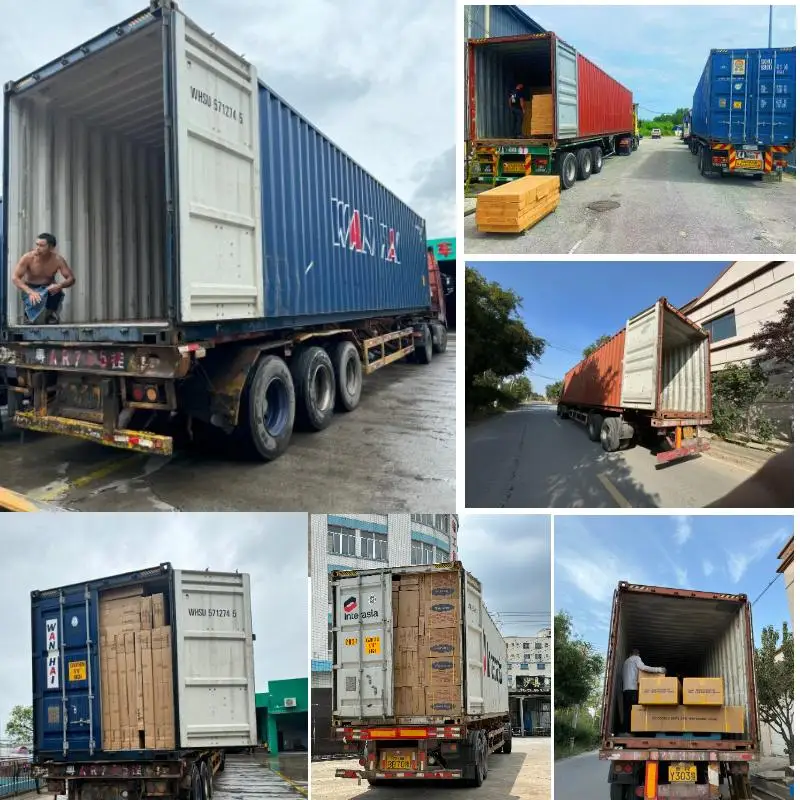
Foshan Sunmax Commercial Kitchenware Co., Ltd.
- Manufacturer
- Guangdong, China
- Lead time30 days
- Avg. response≤ 1h
Main productsWorktable,kitchen equipment,Buffet Series,Snack Machine,pots
Main marketsMid East(31.00%), Southeast Asia(29.30%), Eastern Europe(15.00%), Northern Europe(9.00%), Domestic Market(7.00%), Western Europe(3.00%), North America(2.00%), Central America(1.20%), South America(0.60%), Africa(0.60%), Eastern Asia(0.30%), Southern Europe(0.08%), South Asia(0.05%), Oceania(0.01%)

Yangjiang Bangchubao Industry and Trade Co.,Ltd
- Verified by BV
- Combined
- China Guangdong
- Lead time23 days
- Avg. response≤ 11h
Main productsKitchen Knife, Chef Knife, Fruit Knife, Carving Knife, Scissors, Utility Knife, Vegetable Knife, Vegetable Peeler, Meat Cleaver, Bread Knife
Main marketsDomestic
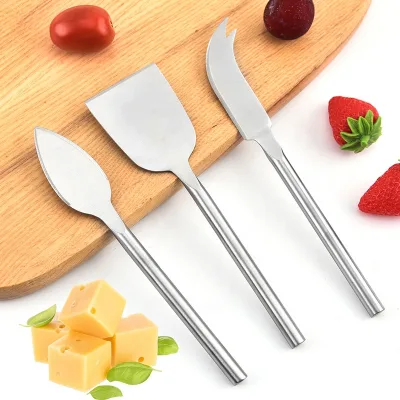
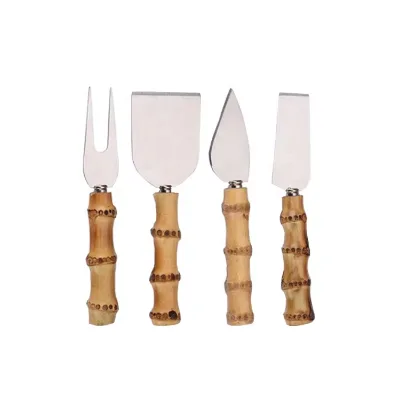








Comprehensive Sourcing Guide
Folding Eco-Friendly Cheese Knife Set Supplier Concentration and Factory Types
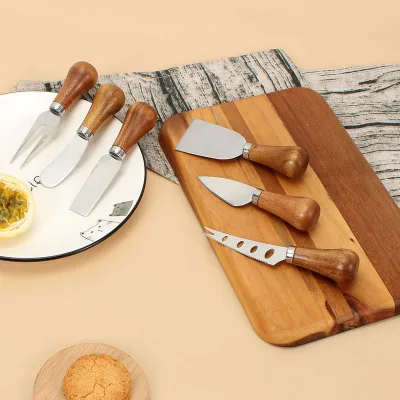
Current data indicates a concentration of suppliers in Guangdong, China, where trading companies dominate the supply chain for kitchen tools and gadgets. These entities often source from various manufacturers to aggregate products like cheese knives with rubber wood or stainless steel blades. Another cluster is identified in Fujian, China, where suppliers operate as both trading companies and manufacturers, frequently focusing on eco-friendly bamboo and wood-based kitchenware. This dual capability allows for a broader range of materials, including wooden handles and ceramic components, while maintaining a focus on sustainable production methods.
Buyers should verify the specific company type listed for each potential partner, as the distinction between a pure trading company and a manufacturer impacts quality control and customization flexibility. In regions like Guangdong, the prevalence of trading companies suggests a need for buyers to request factory audits or direct communication with production lines to ensure the "Eco-Friendly" claims are substantiated by actual manufacturing practices. Conversely, suppliers in Fujian offering both trading and manufacturing roles may provide more direct oversight of the production process, potentially reducing lead times for custom orders involving specific handle materials like TPR or rubber wood.
How to Verify Folding Eco-Friendly Cheese Knife Set Suppliers
Verification begins with checking for specific system certifications such as BSCI, which indicates adherence to social compliance standards, and third-party verification marks like CTI that confirm the supplier's operational legitimacy. When evaluating a supplier, buyers must look for explicit confirmation of these credentials rather than relying on general claims, as the presence of BSCI and CTI verification provides a baseline for trust regarding labor practices and product safety. Additionally, the response time metric serves as a practical indicator of supplier engagement; a response time of 1.87 hours suggests high availability, whereas a six-hour window may indicate a larger, less agile operation that could delay critical communications during the sourcing process.
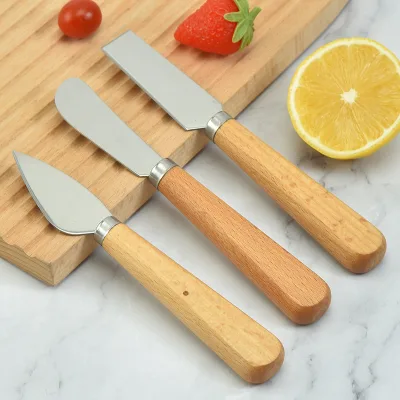
Buyers should also scrutinize the product attributes listed in the supplier's catalog to ensure they match the specific requirements for a folding eco-friendly design. For instance, confirming that the handle material is explicitly stated as rubber wood, ceramic, or TPR, and that the blade is stainless steel, helps validate the supplier's capability to produce the exact item needed. It is crucial to verify that the product is marked as suitable for food contact and to check if the supplier offers customization options like laser logos, which are often listed as available features. Without these specific data points, buyers cannot confirm that the supplier possesses the technical capacity to deliver the requested folding mechanism and eco-friendly material composition.
What to Compare Across Folding Eco-Friendly Cheese Knife Set Suppliers
When comparing suppliers, the primary focus should be on lead times and minimum order quantities (MOQ), as these factors directly influence inventory planning and cash flow. Current observations show lead times ranging from 30 days to 45 days, with some suppliers specifying delivery details of 45-60 days after order confirmation. Buyers must weigh these durations against their own timeline requirements, noting that a 30-day lead time might be preferable for urgent restocking, while a 45-day window could accommodate more complex customizations or larger production runs. Similarly, MOQs vary, with some suppliers requiring a minimum of three units per set, while others may have different thresholds that affect the economic viability of small-batch orders.
Price and product specifications are equally critical dimensions for comparison, as costs can fluctuate based on material choices and packaging requirements. The observed price range for cheese knife sets spans from approximately $0.90 to $3.19 per unit, depending on the handle material and set configuration. A set with a ceramic handle may command a higher price point compared to one with a TPR or rubber wood handle, reflecting the cost of materials and manufacturing complexity. Buyers should also compare packaging details, such as whether items are packed in a white box, gift box, or polybag, as these details impact the final retail presentation and shipping costs.
Common Folding Eco-Friendly Cheese Knife Set Sourcing Risks
One significant risk involves the discrepancy between marketing claims of "Eco-Friendly" and the actual material composition or manufacturing processes used. While many products are labeled as eco-friendly, buyers must verify if the wooden handles are sourced from sustainable forests and if the production process minimizes waste. The absence of specific environmental certifications beyond general claims can leave buyers vulnerable to greenwashing, where the product is marketed as sustainable without meeting rigorous environmental standards. This risk is particularly relevant when dealing with trading companies that may aggregate products from various sources without direct oversight of the raw material supply chain.
Another risk pertains to the reliability of delivery timelines and the consistency of product quality across different batches. Suppliers with longer lead times, such as those indicating 45-60 days for delivery, may face delays due to supply chain disruptions or production bottlenecks. Furthermore, the variation in product attributes, such as the difference between a dishwasher-safe item and one requiring hand wash only, highlights the need for precise specification alignment. If a buyer orders a set expecting dishwasher safety but receives a product with a ceramic handle that requires hand washing, it could lead to customer dissatisfaction and returns. Therefore, verifying the specific care instructions and material durability is essential to mitigate these quality and delivery risks.
Folding Eco-Friendly Cheese Knife Set Regional Sourcing and Logistics
Sourcing from Guangdong, China, offers access to a dense network of suppliers specializing in kitchen tools, but buyers must account for the logistics of shipping from this coastal region. The proximity to major ports can facilitate efficient export, yet the specific lead times of 30 to 45 days must be factored into the overall supply chain timeline. Buyers should consider how the location of the supplier impacts transit times to their destination, as well as the potential for customs delays or additional freight costs associated with heavier items like cheese knife sets with wooden or ceramic components.
In contrast, sourcing from Fujian, China, presents a different logistical profile, particularly for suppliers that combine trading and manufacturing capabilities. The region's focus on bamboo and wood products may offer unique advantages in terms of material availability and specialized production techniques. However, buyers need to verify the specific shipping terms and delivery details provided by these suppliers, as some may indicate delivery windows of 45-60 days after order confirmation. Understanding the regional logistics capabilities is crucial for planning inventory levels and ensuring that the supply chain remains resilient against potential disruptions in the specific manufacturing hubs.
Folding Eco-Friendly Cheese Knife Set Commercial Terms and Order Planning
Commercial terms regarding payment, customization, and sample availability are pivotal for successful order planning. Many suppliers offer customization options, such as laser logos, which require specific lead times for sample approval before mass production begins. Buyers should confirm the sample time, which can range from 10 to 15 days, and ensure that the sample process aligns with their product development schedule. Additionally, understanding the packing specifications, such as whether sets are packed in brown boxes or gift boxes, is essential for calculating shipping volumes and costs accurately.
Order planning must also account for the specific pricing structures and unit costs observed in the market. With price ranges varying from $0.90 to $3.19, buyers need to determine the optimal order quantity to balance cost efficiency with inventory holding costs. It is advisable to negotiate based on the observed MOQs and to clarify any additional costs associated with customization or expedited shipping. By carefully reviewing the commercial terms and aligning them with the supplier's lead times and production capacities, buyers can create a robust order plan that minimizes financial risk and ensures timely delivery of high-quality, eco-friendly cheese knife sets.
FAQs
What are the typical lead times for cheese knife sets?
Lead times vary by supplier and location. Some suppliers in Guangdong offer a 30-day lead time, while those in Fujian may require 45 days. Always confirm the specific delivery window before placing an order to ensure it meets your project schedule.
What is the minimum order quantity for these sets?
The minimum order quantity depends on the specific product listing. Some sets have an MOQ of 3 units, while others may require higher volumes. Check the product details page for the exact threshold required to initiate a purchase with the supplier.
Are these cheese knife sets dishwasher safe?
Dishwasher safety varies by handle material. Sets with rubber wood or ceramic handles often require hand washing only. Stainless steel blade sets with wooden handles may be dishwasher safe, but you must verify the specific product attributes before cleaning.
What materials are used for the handles?
Handle materials include rubber wood, ceramic, and TPR plastic. Some sets feature wooden handles combined with stainless steel blades. The specific material affects durability and food contact safety, so review the product attributes for the exact composition of each set.
Do suppliers offer customized logo services?
Yes, customization is available for many listings. Suppliers allow laser engraving of your own logo on the products. This service is typically offered alongside standard packaging options, allowing you to brand the cheese knife sets for your specific retail needs.
What certifications do the suppliers hold?
Some suppliers in the results hold BSCI certification and CTI verification. These credentials indicate adherence to specific social compliance and quality standards. Always request current certification documents from the supplier to ensure they meet your regulatory requirements for the target market.
How quickly do suppliers typically respond to inquiries?
Response times vary significantly among the listed suppliers. Some companies respond within 1.87 hours, while others may take up to 6 hours. Faster response times often indicate higher availability, so prioritize suppliers with quicker reply rates for urgent sourcing needs.
What is the price range for these sets?
Prices range from approximately 0.90 to 3.19 USD per unit depending on the model and handle material. Ceramic handle sets tend to be more expensive than those with TPR or wooden handles. The final price also depends on the quantity ordered and specific customization requests.