Folded Quilted Baby Cooling Mat Suppliers and Manufacturers
Explore 32 verified suppliers offering folded quilted baby cooling mats with customizable features and certifications like EN 71 and ASTM F963. Compare response times, lead times, and MOQs to find the right partner for your needs; review the available evidence before requesting comparable quotations from suitable candidates.
Suppliers List
Suzhou Mygreen Textiles Co., Ltd.
- Verified by Intertek
- Trading Company
- Lead time15 days
- Avg. response≤ 3h
Main productsBaby Blanket, Plush Toy, Baby Clothes, Baby Towel
Main marketsNorth America(35%), Eastern Europe(25%), South America(5%)
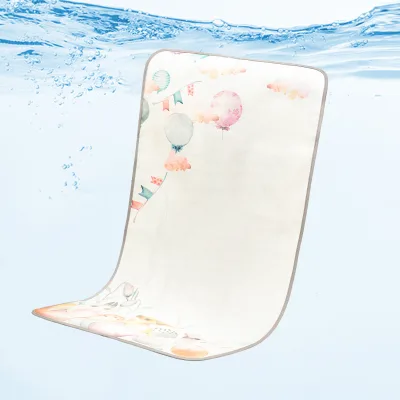
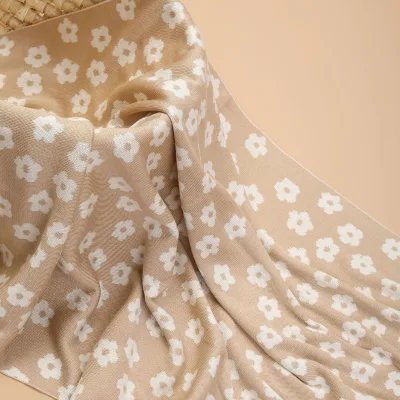
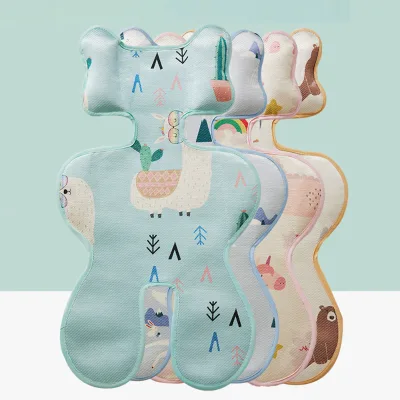
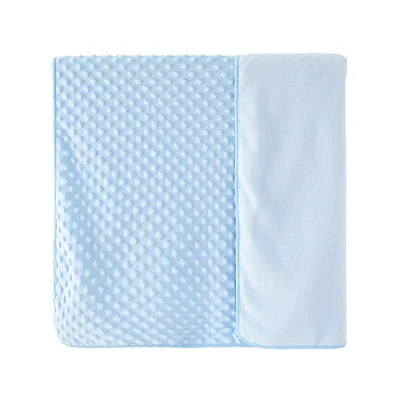
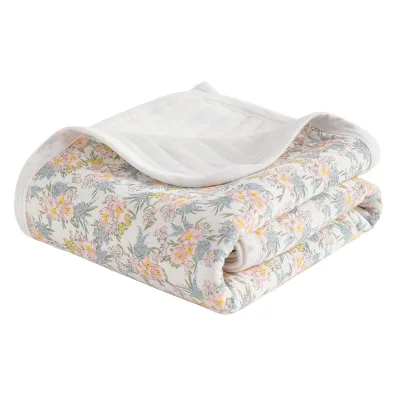
Soft Summer Ice Silk Knitted Baby Blanket Comfortable Cool Material Summer Baby Blanket
$5.13 - $5.64
MOQ: 20 pieces

HANGZHOU AIFU HOUSEHOLD CO., LTD.
- Verified by SGS
- Trading Company
- China Zhejiang
- Lead time30 days
- Avg. response≤ 7h
Main productsPolyester Fabric, Upholstery Fabric, Textile Fabric, Artificial Leather, Play Mats, Baby Beanbag, Baby Accessories, Other Leather Product, Sofa Fabric, Outdoor Fabric
Main marketsSoutheast Asia/ Mideast,Europe,Australia,North America
- Verified by TüVRheinland
- Trading Company
- Lead time10 days
- Avg. response≤ 3h
Main productsReceiving Blankets, Baby's Bedding, Baby Clothing, Baby Play Mat, Baby Beach Towel
Main marketsNorth America(48%), Southeast Asia(24%), Northern Europe(10%)
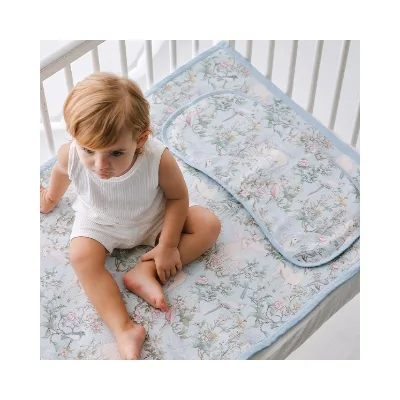
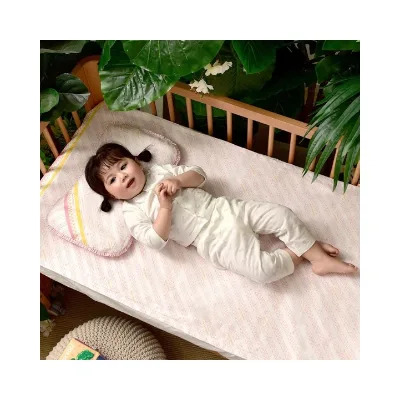
$8.84 - $9.84
MOQ: 50 pieces
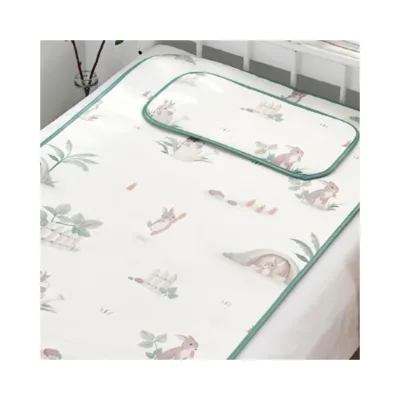
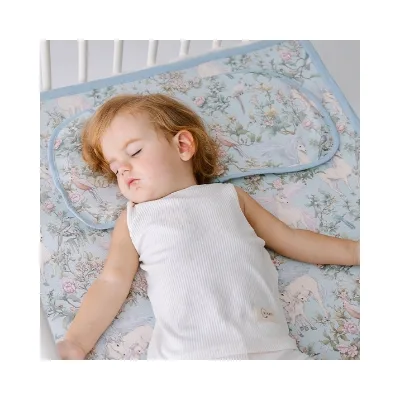
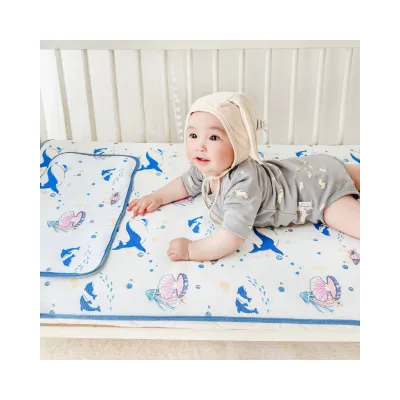
$6.32 - $7.03
MOQ: 50 pieces
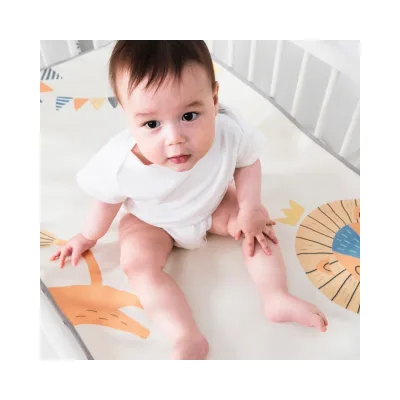
$6.32 - $7.03
MOQ: 50 pieces
- Verified by Intertek
- Manufacturer, Trading Company
- Lead time30 days
- Avg. response≤ 6h
Main productsBaby Products
Wenzhou Jiasheng Latex Products Co., Ltd
- Manufacturer/Factory
- China Zhejiang
- Lead time0 days
- Avg. response≤ 3h
Main productsLatex Pillows, Latex Mattresses, Latex Quilts, Latex Mats, Latex Towels, Latex Underwear, Latex Sheets, Latex Baby Pillows, Latex Baby Mats, Latex Cushions
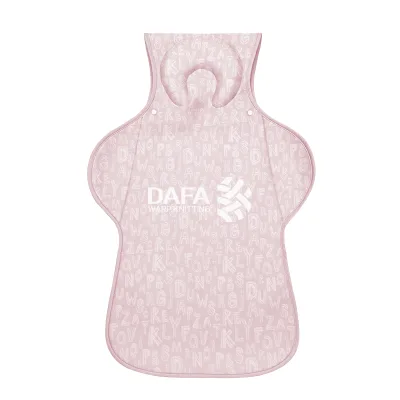
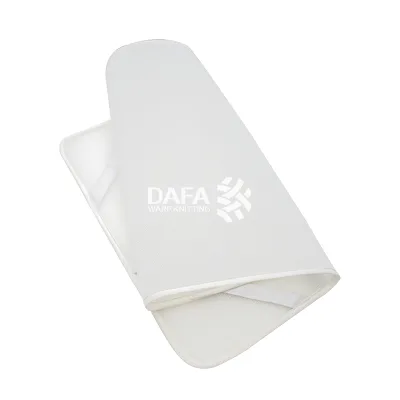
Changshu Dafa Warp Knitting Co., Ltd.
- Verified by TüVRheinland
- Manufacturer, Trading Company
- Lead time30 days
- Avg. response≤ 4h
Main products3D Spacer Fabric, Home Textile Product, Baby Product, Air Mesh Fabric, 3D Breathable Pillow
Main marketsDomestic Market(70%), Southeast Asia(8%), Western Europe(8%)
Ningbo DJK Household Co., Ltd.
- Verified by TüVRheinland
- Manufacturer, Trading Company
- Lead time45 days
- Avg. response≤ 2h
Main productsMaternal And Infant Textile Products, Baby Bedding, Baby Canopy, Baby & Toddler Toys, Baby Clothing
Main marketsWestern Europe(32%), North America(14%), South America(11%)

Juxian Hongfa Rubber And Plastic Co., Ltd.
- Verified by SGS
- Manufacturer/Factory
- China Shandong
- Lead time15 days
- Avg. response≤ 25h
Main productsEVA Mat, Gym Flooring, Gymnastic Mat, Baby Play Mat, 3D Wall Paper, Door Mat
Main marketsSouth America,Eastern Europe,Mid East,North America,Southeast Asia,Eastern Asia,Oceania,Western Europe,Africa

Fuzhou Haomin Imp. & Exp. Co., Ltd.
- Verified by SGS
- Manufacturer/Factory
- China Fujian
- Lead time23 days
- Avg. response≤ 4h
Main productsBackpacks, Beach Bags, School Bags, Shopping Bags, Canvas Bags, Sports Bags, Cosmetic Bags, Pet Bags, Cotton Bag, Travel Bag
Main marketsSouth America,Eastern Europe,Mid East,North America,Southeast Asia,Eastern Asia,Oceania,Western Europe,Africa
Ningbo Jiangbei Ringlong Import & Export Co., Ltd.
- Verified by BV
- Combined
- China Zhejiang
- Lead time23 days
- Avg. response≤ 3h
Main productsKitchenware, Textile, Memory Foam Series, Household Items, Outdoor Products, Packing Box, Air Conditioning System, TV Products, Fitness, Baby Products
Main marketsEurope
Qingdao Vantis New Material Co., Ltd
- Trading Company
- China Shandong
- Lead time0 days
- Avg. response≤ 2h
Main productsEVA Mat, Taekwondo Mats, Gym Rubber Flooring Mat, Judo Mats, EVA Puzzle Mat, Rubber Floor, Baby Play Mat, MMA Roll Mat
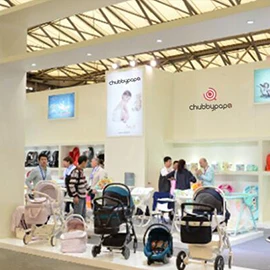
Guangzhou Lollipop Maternal & Baby Products Co., Ltd.
- Manufacturer
- Guangdong, China
- Lead time0 days
- Avg. response≤ 4h
Main productsBaby Stroller accessories,Plastic Item,Wooden Baby Items,Fishing Products,Baby bathroom Item
Main marketsDomestic Market(5.00%), South Asia(5.00%), Southern Europe(5.00%), Northern Europe(5.00%), Central America(5.00%), Western Europe(5.00%), Eastern Asia(5.00%), Mid East(5.00%), Oceania(5.00%), Africa(5.00%), Southeast Asia(5.00%), Eastern Europe(5.00%), South America(5.00%), North America(5.00%)
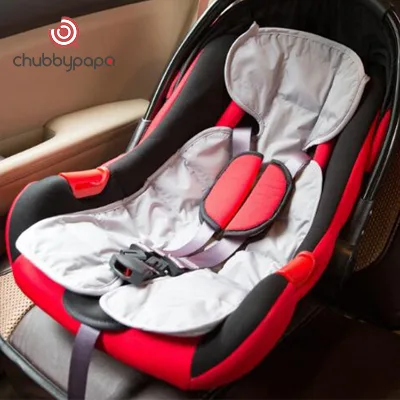
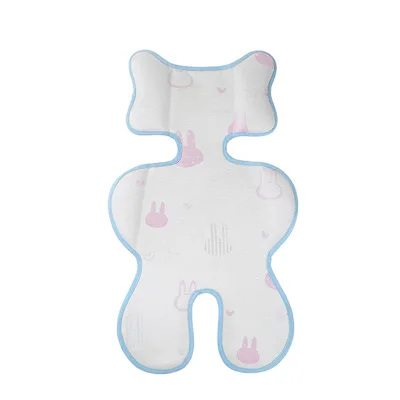
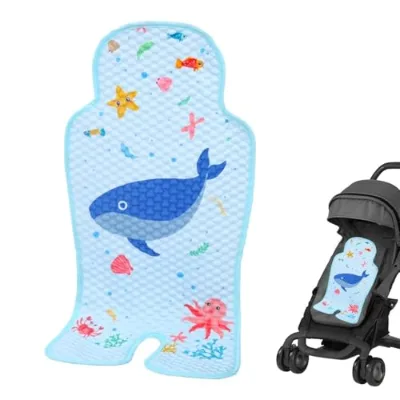
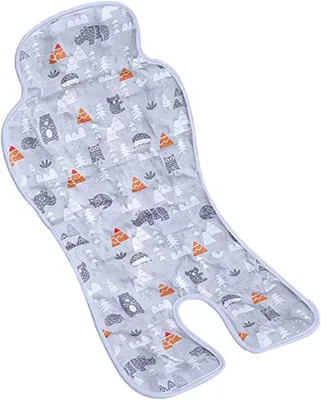
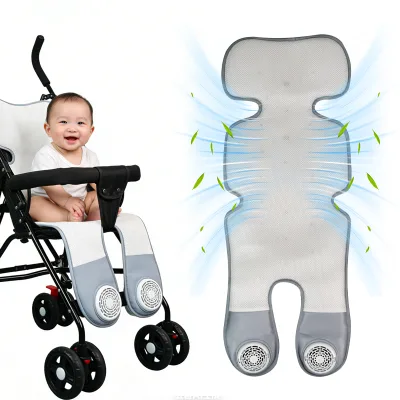
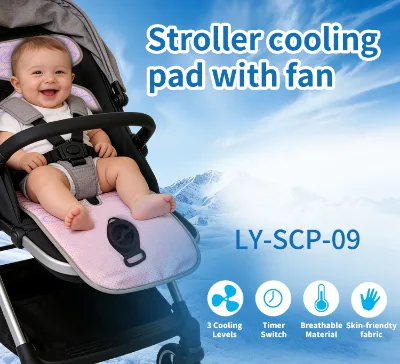
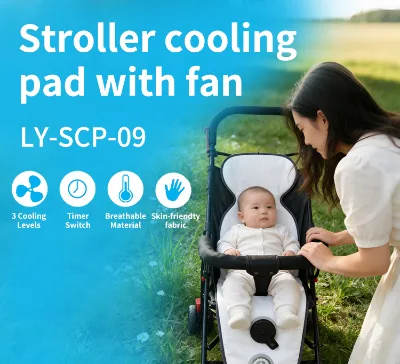
Soft Cooling Baby Stroller Mat
$1.80 - $2.10
Linyi Suzaku International Trade Co., Ltd.
- Verified by SGS
- Combined
- China Shandong
- Lead time23 days
- Avg. response≤ 12h
Main productsBaby Playpen, Children's Play Mat, Baby Play Fence, Baby Play Mat, Baby Cotton Play Mat, Playpen Accessories
Main marketsEurope


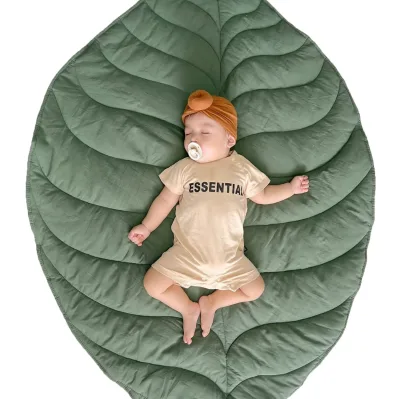
Durable Quilted Cotton Baby Mat Foldable Cushion for Outdoor Play and Educational Crawling
$4.50 - $5.00
MOQ: 50 Pieces


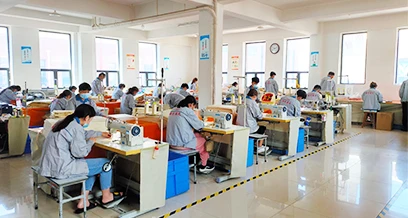
Qingdao Aibeiying Home Products Co., Ltd.
- Manufacturer, Trading Company
- Shandong, China
- Lead time20 days
- Avg. response≤ 5h
Main productstoy organizer,storage baskets,household items,stroller bag,Laundry Baskets
Main marketsDomestic Market(95.00%), Eastern Europe(1.00%)
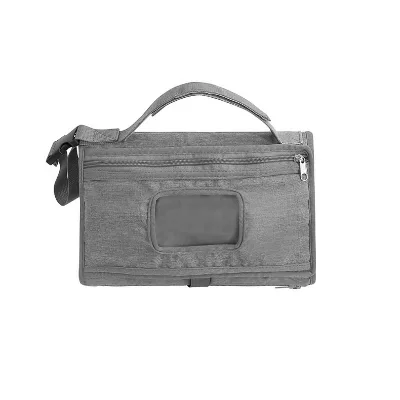
$5.30 - $5.50
MOQ: 200 pieces
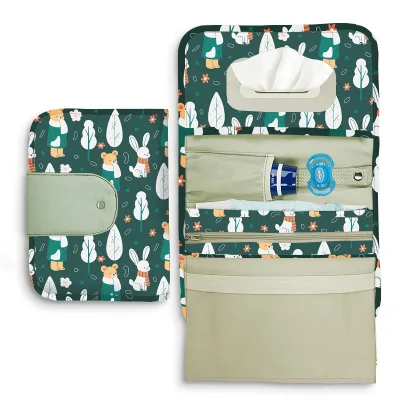
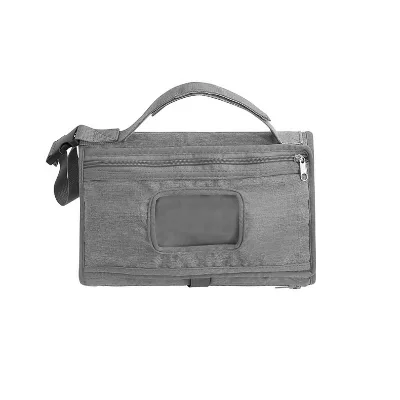
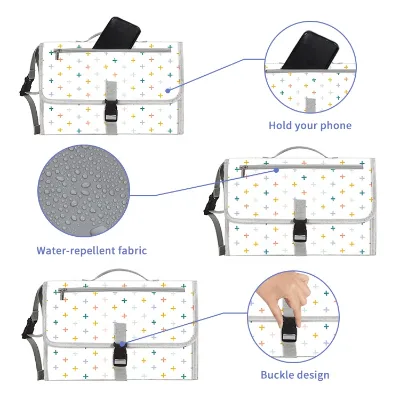

Jinjiang Jiaxing Import and Export Co., Ltd.
- Verified by CTI
- Manufacturer/Factory
- China Fujian
- Lead time120 days
- Avg. response≤ 1h
Main productsShoes, Slipper, Clothes, Promotion Gifts, Silicone Products, Outdoor Sports Products, Bags, Fashion Accessories, Consumer Electronics
Main marketsSouth America,Eastern Europe,Mid East,North America,Southeast Asia,Eastern Asia,Oceania,Western Europe,Africa
- Verified by SGS
- Trading Company
- China Zhejiang
- Lead time15 days
- Avg. response≤ 15h
Main productsFan, Heater Fan, Air Fryer, Toaster, Rice Cooker, Vacuum Cleaner, Coffee Machine, Hairdressing Appliance, Electric Toothbrush, Steam Iron
Main marketsEurope,Australia

New Arrival Baby Cooler Newborn Mother Child Diaper Mat Summer Breathable
$2.80 - $2.86
MOQ: 1100 Pieces

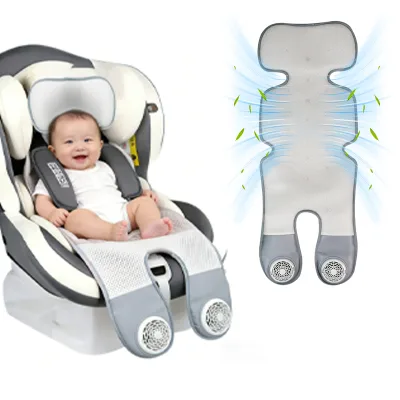
Top Rated Universal Breathable Sweat-Absorbent Children Stroller Cooler Mat
$2.33 - $2.38
MOQ: 1300 Pieces

Shandong Memizo New Material Technology Co.,Ltd.
- Verified by BV
- Trading Company
- China Shandong
- Lead time15 days
- Avg. response≤ 5h
Main productsPlay Mat, EVA Mat, Foam Mat
Main marketsSouth America,Southeast Asia/ Mideast,Europe


Eco Friendly Infants Portable Anti-Slip Folding Baby Play Mat Soft Activity Mat for Safe Home Use
$2.00 - $30.00
MOQ: 10 Pieces


Waterproof Anti-Slip Climbing Pad Folding Picnic Baby Play Mat for Home and Travel
$2.00 - $30.00
MOQ: 10 Pieces

Customized Non-Toxic Folding Baby Play Mat Portable Soft Floor Mat for Eco-Friendly Home Use
$2.00 - $30.00
MOQ: 10 Pieces
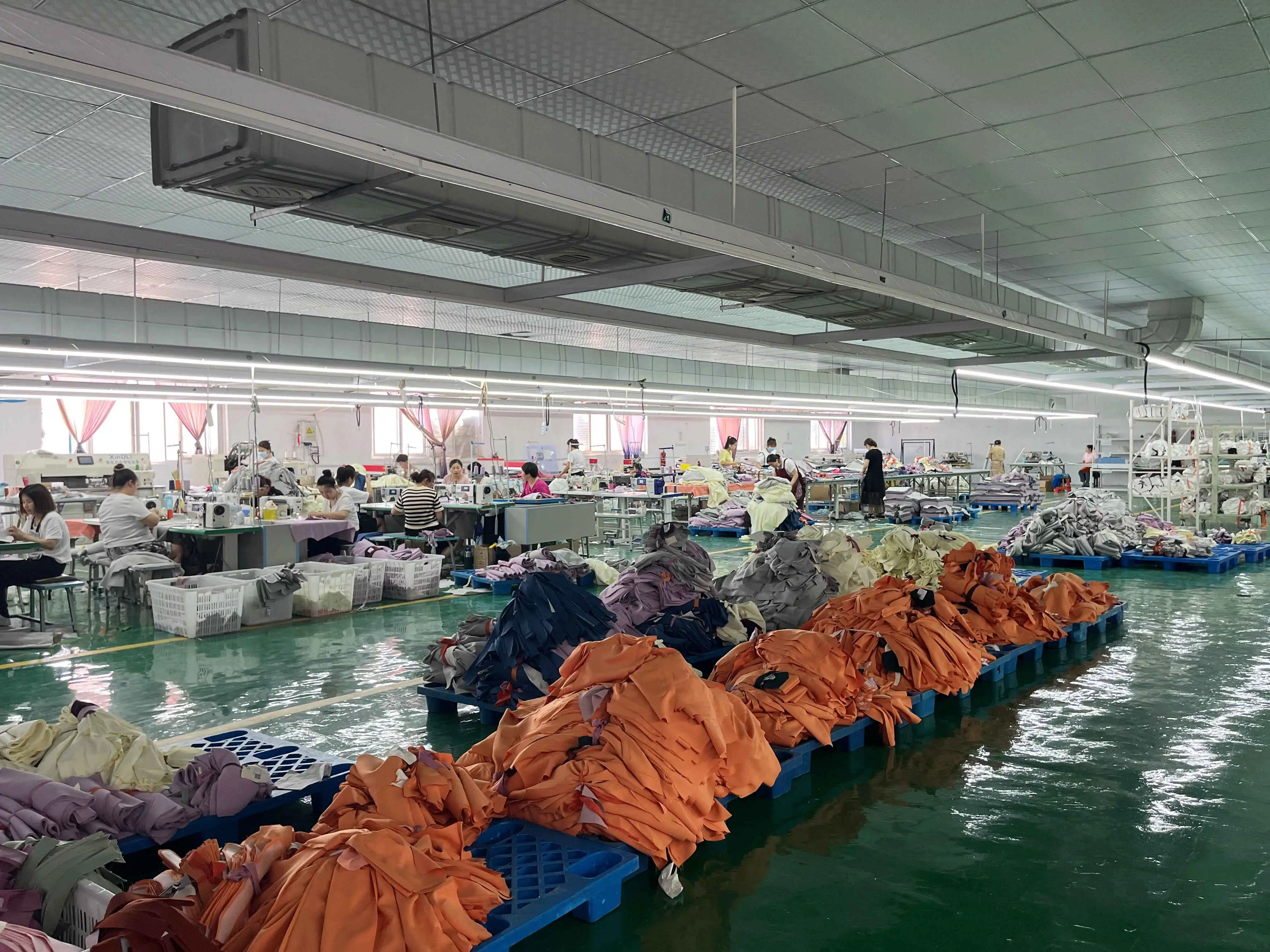
Yiwu Keqin Baby Products Factory
- Manufacturer, Trading Company
- Zhejiang, China
- Lead time0 days
- Avg. response≤ 2h
Main productsbaby carrier,baby walking assistant,Mommy bag,Children's anti-lost rope,Baby sleeping bag
Main marketsSoutheast Asia(10.00%), Domestic Market(5.00%), South Asia(5.00%), Southern Europe(5.00%), Northern Europe(5.00%), Central America(5.00%), Western Europe(5.00%), Eastern Asia(5.00%), Mid East(5.00%), Oceania(5.00%), Africa(5.00%), North America(5.00%), Eastern Europe(5.00%), South America(5.00%)

Xuzhou Homever Building Material Co., Ltd
- Verified by TUVRHEINLAND
- Trading Company
- China Jiangsu
- Lead time15 days
- Avg. response≤ 6h
Main productsWPC Wall Panel, Spc Wall Panel, UV Marble, Foam Wall Sticker
Main marketsSouth America

ANHUI KINGSON HOUSEHOLD PRODUCTS CO., LTD.
- Trading Company
- China Anhui
- Lead time30 days
- Avg. response≤ 11h
Main productsWeighted Blanket, Knit Weighted Blanket, Down Comforter, Camping Blanket, Pillows, Bedding Set, Camping Mat, Sandy Blanket
Main marketsSoutheast Asia/ Mideast,East Asia(Japan/ South Korea),Europe,Australia,North America


Bamboo Mattress Pad Cooling Mattress Protector Pillow Top Cover Pad Breathable
$9.90 - $12.90
MOQ: 100 Pieces

Jinjiang Jiaxing Supply Management Co., Ltd.
- Verified by TUVRHEINLAND
- Trading Company
- China Fujian
- Lead time30 days
- Avg. response≤ 1h
Main productsEVA Clogs, Flip Flop, Shoe Charms, Shopping Bags, Wristbands, Gifts, Promotional Gifts, Slipper, Sport Cap, Ball
Main marketsNorth America
Ningbo Yuxing Trading Co., Ltd.
- Trading Company
- Zhejiang, China
- Lead time0 days
- Avg. response≤ 2h
Main productsBaby Play Mat,Wooden Educational Toys,Baby Cushion Support,Shopping Cart Cover,Portable Diaper Bag
Main marketsNorth America(50.00%), Eastern Europe(20.00%), South America(20.00%), Domestic Market(10.00%), South Asia(10.00%), Southern Europe(10.00%), Northern Europe(10.00%), Central America(10.00%), Western Europe(10.00%), Eastern Asia(10.00%), Mid East(10.00%), Oceania(10.00%), Africa(10.00%), Southeast Asia(10.00%)
Hangzhou Yiying Trade Co., Ltd.
- Verified by CTI
- Trading Company,Manufacturer/Factory
- China Zhejiang
- Lead time23 days
- Avg. response≤ 18h
Main productsComforter, Bed Lines, Pillow, Mattress Topper, Mattress Protector, Blankets, Raw Material of Polyester Down Feather, Pet Bed, Down Products, Fabric
Main marketsSouth America,Eastern Europe,Mid East,North America,Southeast Asia,Eastern Asia,Oceania,Western Europe,Africa


Cooling Fiber Summer Blanket Breathable Cooling Blanket for Hot Sleepers
$10.60 - $11.50
MOQ: 200 Pieces

Skin Friendly Cooling Blanket Lightweight Cold Breathable Summer Bed Blanket
$10.60 - $11.50
MOQ: 200 Pieces

Soft Breathable Cooling Blanket Natural Cool Comforter for Hot Sleeper
$17.00 - $18.00
MOQ: 200 Pieces

Multipurpose Cooling Comforter Lightweight Cooling Blanket for Kids' Daily Use
$18.00 - $18.50
MOQ: 200 Pieces
- Verified by CTI
- Trading Company
- China Zhejiang
- Lead time23 days
- Avg. response≤ 13h
Main productsEarring, Vase, Scented Candles, Hair Ties, Bags
Main marketsSouth America,Europe,North America

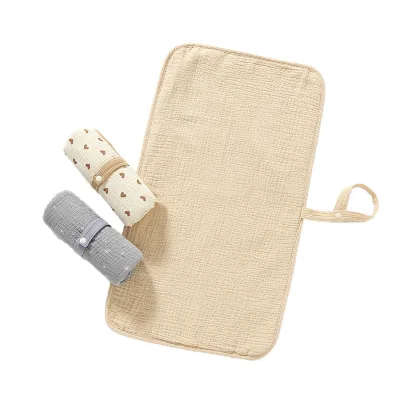
New Home & Traveling Portable Baby Diaper Changing Pad Waterproof Foldable Changing Mat for Baby
$1.79 - $5.19
MOQ: 500 Pieces

Hot Sale Colorful 3 Layers Water Proof Changing Mat Portable Foldable Travel Baby Pad
$2.74 - $3.19
MOQ: 50 Pieces


Bei Mei Ti Home Supplies (Shenzhen) Co., Ltd
- Verified by BV
- Manufacturer/Factory
- China Guangdong
- Lead time38 days
- Avg. response≤ 6h
Main productsLeather Mat, Baby Play Mats, Dogs Mats, Home Mats, Placemats, Mouse Pads, Kitchen Mats
Main marketsSouth America,Eastern Europe,Mid East,North America,Southeast Asia,Eastern Asia,Oceania,Western Europe,Africa


Foldable Print Safe Non-Toxic Lead Free Kids Floor Mats Baby Play Carpet
$9.28 - $12.98
MOQ: 10 Pieces


Shanghai Easun Group Imp & Exp Co., Ltd.
- Verified by TUVRHEINLAND
- Trading Company
- China Shanghai
- Lead time15 days
- Avg. response≤ 21h
Main productsBlankets, Home Slippers, Bedding Sets, Towel, Amenity Kits, Airline Supply, Hospital Supply, Hotel Supply, Railway Supply, Pillow&Case
Main marketsAfrica,Southeast Asia/ Mideast,Europe


Quilted Baby Blanket Wholesale Blankets Security Blanket Baby Acrylic Blanket
$3.00 - $6.00
MOQ: 1000 Pieces


Qingdao Grach Industry Co., Ltd
- Verified by CTI
- Trading Company,Manufacturer/Factory
- China Shandong
- Lead time23 days
- Avg. response≤ 9h
Main productsPE Film, XPE Foldable Mat, XPE Roll Mat, 3D Wall Sticker, EVA Mat, Playpen, Sport Mat, Puzzle Mat, EPE Mat, Heat Transfer Film
Main marketsSouth America,Eastern Europe,Mid East,North America,Southeast Asia,Eastern Asia,Oceania,Western Europe,Africa
Shenzhen Babai Leather Co., Ltd.
- Verified by SGS Group
- Manufacturer, Trading Company
- Lead time30 days
- Avg. response≤ 2h
Main productsCooler Bag, Sports Bag, Travel Bag, Pet Bag, Diaper Backpacks
Main marketsNorth America(40%), Western Europe(20%), Oceania(11%)
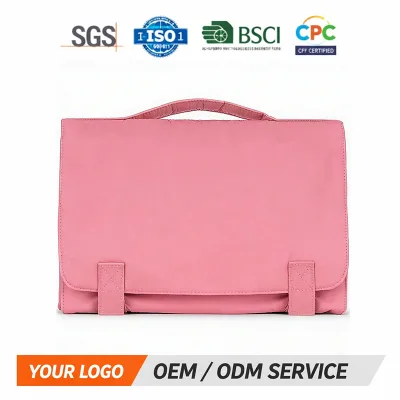
Lightweight Waterproof Foldable Baby Travel Changing Mat with Storage Pockets & Wipes Bag
$4.41 - $5.50
MOQ: 500 units
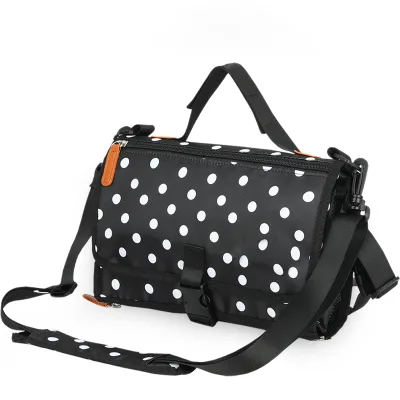
Premium Foldable Waterproof Newborn Nappy Diaper Changing Mat Detachable Design with Wipe Pocket
$5.35 - $6.02
MOQ: 500 pieces
Qinhuangdao Yangguang Electric Co., Ltd
- Verified by TUVRHEINLAND
- Trading Company
- China Hebei
- Lead time23 days
- Avg. response≤ 1h
Main productsWater Circulation Electric Blanket, Air Source Heat Pumps, Wall-Mounted Infrared Heating Panels, Electric Boiler, Heater Mural, Electric Heater, Cable Protection Speed Bump, Electrically Heated Carpet
Main marketsDomestic

Customized for Bed Waterproof Heating Pad Timer Thermal Baby Electric Heated Blanket
$22.00 - $24.00
MOQ: 1 Pieces

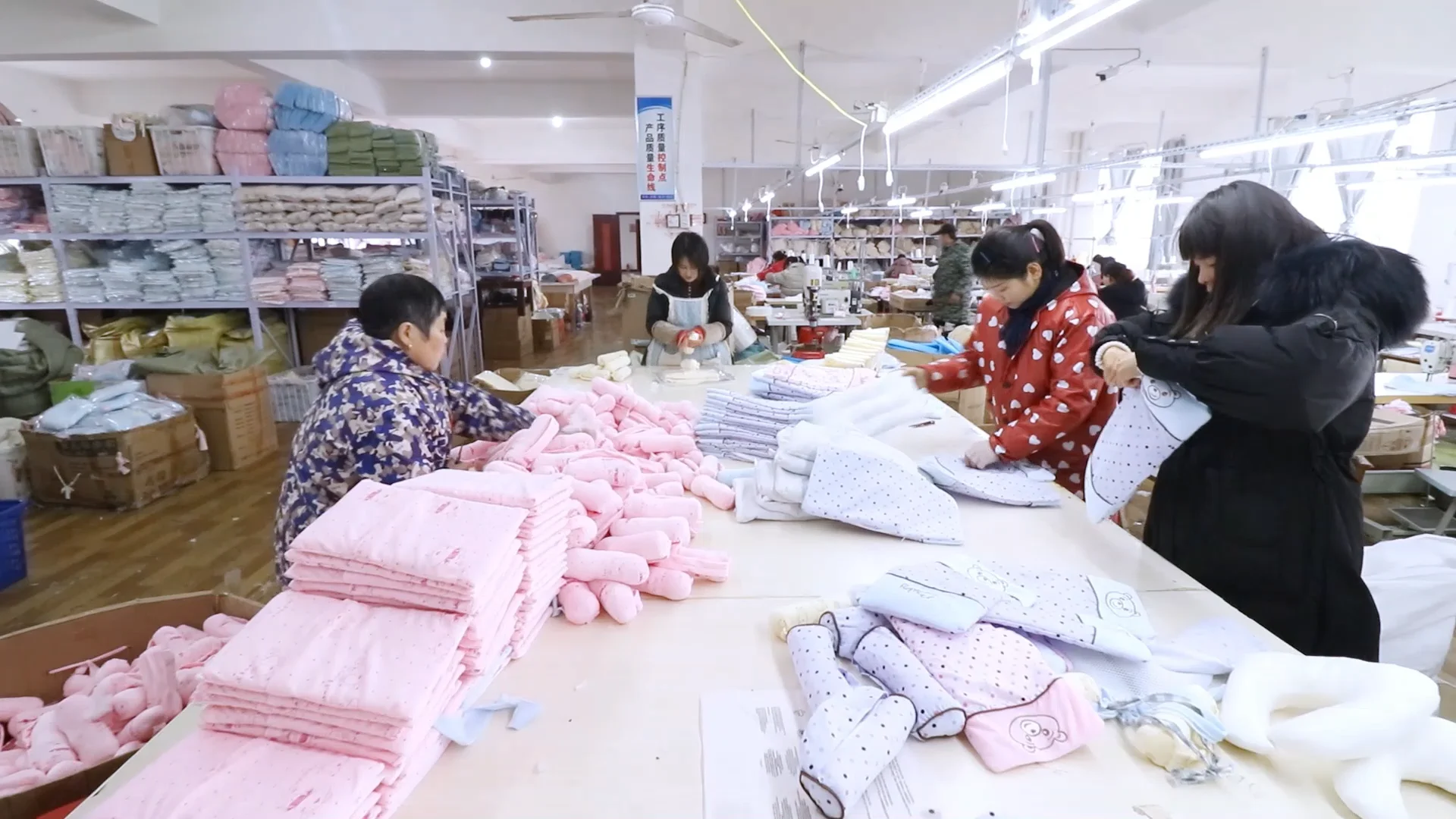
Shucheng Yulan childrens products Co., Ltd
- Manufacturer, Trading Company
- Anhui, China
- Lead time15 days
- Avg. response≤ 2h
Main productsNap Mat,Baby Nest,Baby Pillow,Footmuff,Baby Nest
Main marketsSoutheast Asia(50.00%), Western Europe(10.00%), Oceania(10.00%), North America(10.00%), Eastern Europe(10.00%), South America(10.00%)
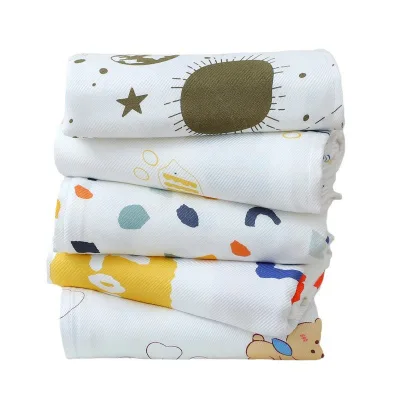
$5.15 - $7.72
MOQ: 500 pieces
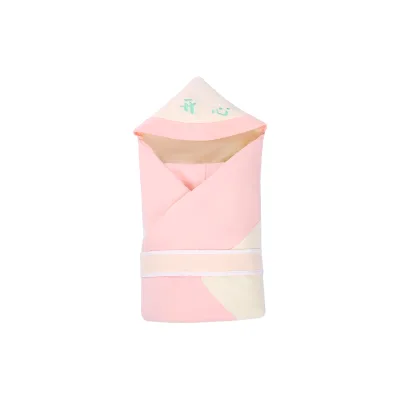
Guaranteed Quality Multiple Colors 90*90 cm Super Soft Removable Soft Baby Comforter
$6.00 - $12.04
MOQ: 1 pieces
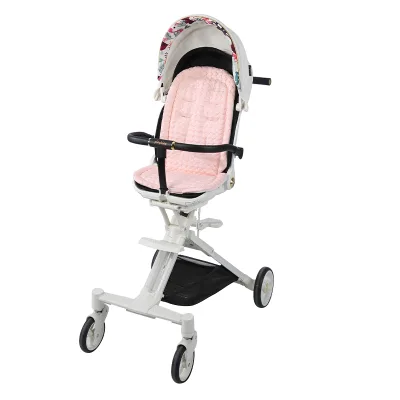

- Verified by SGS
- Combined
- China Shandong
- Lead time30 days
- Avg. response≤ 25h
Main productsBlanket, Towel, Robe, Sleepbag, Pajama, Babysuit, Bedding, Garments
Main marketsAfrica
Shenzhen Leadfar Industry Co., Ltd.
- Manufacturer, Trading Company
- Guangdong Province, China
- Lead time30 days
- Avg. response≤ 2h
Main productsElectrical Heating Items,Cooling Items,Laptop Table,Monitor Stands,PU Foam And Gel Products
Main marketsEastern Asia(26.00%), Domestic Market(20.00%), North America(20.00%), Western Europe(18.00%), Northern Europe(5.00%), Southern Europe(5.00%), South America(2.00%), Oceania(2.00%), Southeast Asia(1.00%), Mid East(1.00%)










Comprehensive Sourcing Guide
Folded Quilted Baby Cooling Mat Supplier Concentration and Factory Types
Folded Quilted Baby Cooling Mat listings on B2B platforms cluster around a small number of product categories, and the supplier results for this keyword are dominated by textile-focused sellers whose main products include baby blankets, plush toys, baby clothes, baby towels, play mats, and fabric-based baby accessories. This tells you the category sits at the intersection of home textiles and baby products rather than hard-goods manufacturing, so the suppliers you encounter will mostly be sewn-product specialists rather than plastics or foam factories. Some suppliers present themselves as trading companies rather than manufacturers, which matters because a trading company may aggregate output from multiple sewing workshops, giving you wider style selection but less direct control over production conditions.
Geographically, the location data attached to these listings points to eastern China, with one supplier based in Zhejiang and product-level origin information showing Jiangsu, China. Both provinces sit inside the Yangtze River Delta textile corridor, which is consistent with the cotton, bamboo fiber, and knitted acrylic materials listed for these products. When a supplier does not display a location, do not assume it is in a cluster; instead ask directly for the factory address, confirm whether production is in-house or subcontracted, and request the business license so the registered address can be matched against the shipping origin before you commit to samples.
How to Verify Folded Quilted Baby Cooling Mat Suppliers
Verification should start with the platform's own signals. Some suppliers on these results carry third-party verification from recognized inspection firms such as Intertek or SGS, which typically means an on-site audit of the registered business was performed. Treat verified status as a screening filter, not proof of product quality; it confirms the company exists and roughly matches its profile, but it does not certify the cooling mat itself. Ask any candidate supplier for the audit scope so you know whether the verification covered the factory floor, the trading office, or only the legal registration.
Next, verify the compliance paperwork against the certification list the supplier displays. Listings in this result set show claims including EN 71, ASTM F963, CPSIA, REACH, CE, CPC, and a Declaration of Conformity, and one product cites OEKO certification. These cover toy safety and chemical restrictions relevant to baby textiles, but you should never accept a logo or a text claim at face value. Request the actual certificates with report numbers, check that the certificate holder matches the entity you are contracting with, confirm the tested model corresponds to the mat you intend to order, and check the report date. Also verify sample consistency: order a production-intent sample, cut it open if necessary, and confirm the quilted fill, cooling fabric face, and waterproof backing match the specification sheet before mass production is scheduled.
What to Compare Across Folded Quilted Baby Cooling Mat Suppliers
Build a side-by-side comparison sheet using the attributes suppliers actually display. In this result set, one supplier advertises a lead time of 15 days with a response time around 3 hours, while another shows a 30-day lead time with responses averaging about 6 hours. Those gaps compound quickly: across sampling, production, and rework cycles, a supplier that answers in hours and ships in two weeks can compress your launch calendar substantially compared with one that takes a month to deliver and most of a day to reply. Record these numbers as displayed, then test them in practice with a live inquiry and a timed sample order before trusting them.
Also compare main product lines, customization capability, and order economics. One textile supplier here lists baby blankets, plush toys, baby clothes, and towels as main products, signaling depth in sewn baby goods; another lists polyester fabric, upholstery, play mats, and baby beanbags, suggesting broader material expertise. Customization depth varies too: one result set mentions light customization, sample processing, graphic processing, and made-to-order work, with product pages offering custom logos, multiple sizes from roughly 100×56 cm up to 200×80 cm, and thirteen color options. MOQs differ sharply between listings, from 20 pieces on one mat to 100 pieces on another, so match MOQ to your sell-through before ranking suppliers on price alone.
Common Folded Quilted Baby Cooling Mat Sourcing Risks
The most common risk in this category is the gap between listed specifications and delivered goods. Product pages here show a color fastness grade of 3-4, thread counts between 200TC and 300TC, and specific fabric densities, but none of those claims protect you if the mass-production run uses different yarn or dye lots than your approved sample. Mitigate this with a golden sample sealed by both parties, a pre-shipment inspection tied to that sample, and a contractual tolerance for color, weight, and dimensions. A second risk is certification mismatch: a supplier may hold a certificate for one product family while your cooling mat variant was never tested, so always confirm the certificate covers your exact model number.
Trading-company structure creates a third risk: if a middleman sources from multiple workshops without disclosure, quality can vary between batches and traceability for compliance claims weakens. Ask directly whether production is in-house. Finally, watch lead-time optimism. A displayed 7-10 day or 5-7 day product-level delivery window often refers only to dispatch after payment, excluding sampling, customization setup, and inland transit. For folded and quilted goods, compressed schedules sometimes mean skipped intermediate checks, so build your own inspection milestone into the timeline rather than relying on the supplier's shipping promise alone.
Folded Quilted Baby Cooling Mat Regional Sourcing and Logistics
The evidence in these results anchors supply in eastern China: a Zhejiang-based supplier with SGS verification sits alongside product-origin data pointing to Jiangsu. The Yangtze River Delta region offers dense upstream access to woven and knitted fabrics, cooling-touch yarns, waterproof laminates, and embroidery services, which shortens the chain for the multifunction designs and 3D-embroidery logos some listings advertise. When evaluating a supplier from this region, ask which sub-cluster the sewing facility is in and how far it is from the fabric mills, because long fabric hauls add cost and can introduce lot mismatches between dye batches.
Logistically, folded and quilted mats ship efficiently because they compress to thin cartons; one listing shows single packages around 35×30×2 cm with gross weights near half a kilogram, which keeps freight density favorable. Still, plan volume carefully: ask each supplier for carton dimensions, units per carton, and gross weight so you can compare sea-freight cost per mat across suppliers rather than comparing unit prices in isolation. Confirm the incoterm quoted, whether the supplier can export directly under its own license or needs an agent, and how the 7-10 day or 30-day lead times align with vessel schedules. For seasonal summer products, backward-plan from your retail window so a delayed container does not strand inventory past peak demand.
Folded Quilted Baby Cooling Mat Commercial Terms and Order Planning
Order planning should reconcile three numbers from the listings: MOQ, lead time, and sample turnaround. The products here show MOQs of 20 pieces and 100 pieces depending on the model, sample times of 2-3 days on one listing and 7 working days on another, and supplier-level lead times of 15 and 30 days. Price bands on the listed mats run roughly from the low five-dollar range to nearly fourteen dollars per piece, but treat these as reference points only; real quotes depend on size, fill weight, cooling fabric grade, and customization depth. Request itemized quotations separating base product, logo application, packaging, and export documentation.
On terms, use staged payments tied to milestones: a deposit to start production, a balance after inspection passes, and consider platform escrow or a letter of credit for larger first orders so funds are released against evidence of shipment. Confirm what the quoted price includes regarding OPP-bag packaging, carton marking, and whether custom logos or 3D embroidery carry a plate or setup fee. Write rework and remedy terms into the contract, covering color fastness below the specified 3-4 grade, fill inconsistencies, and waterproofing failures. Finally, plan reorder economics early: a 20-piece MOQ suits market testing, but negotiate graduated pricing so your second order captures savings without forcing an oversized first commitment.
(Word count check: approximately 1,390 words)
FAQs
What certifications do the baby cooling mats have?
The products hold EN 71, ASTM F963, CPSIA, REACH, CE, and CPC certifications. Some items also carry OEKO certification. These standards ensure safety for infants and compliance with international regulations for children's products.
What is the minimum order quantity for these mats?
The minimum order quantity is 20 pieces for the cooling mat models. Some fabric play mats require a higher minimum of 100 pieces. Buyers should verify specific product requirements before placing an order to ensure compliance.
How long does it take to receive a sample?
Sample times vary between 2 to 3 days for cooling mats and up to 7 work days for fabric play mats. This allows buyers to check quality and design before committing to a larger bulk order for their business needs.
What materials are used in the baby summer mats?
Materials include cotton, bamboo fiber, and 100% acrylic. Some mats feature waterproof fabric or ice silk knitted textures. These materials provide cooling effects and comfort suitable for summer use by infants and toddlers.
Are custom logos and designs available for these mats?
Yes, custom logos and graphic designs are accepted. Options include 3D embroidery and various print patterns. Suppliers offer light customization and on-demand processing to meet specific branding requirements for bulk orders.
What is the typical delivery time for bulk orders?
Delivery times range from 5 to 10 days depending on the product type. Some items have a lead time of 15 days while others take up to 30 days. Buyers should confirm specific timelines based on their selected model.
Where are these baby products manufactured?
Products originate from Jiangsu, China, and Zhejiang, China. These locations are known for textile manufacturing. Buyers can verify the specific place of origin listed on the product details page for accurate shipping estimates.
What is the price range for the cooling mats?
Prices range from approximately 5.13 to 13.77 USD per piece. The cost depends on the material, size, and customization options selected. Buyers should check current listings for the most accurate pricing information.