Food Electromagnetic Induction Sealing Machine Suppliers and Manufacturers
Explore 33 verified options for Food Electromagnetic Induction Sealing Machine suppliers and manufacturers. Compare locations in Guangdong, Henan, and Liaoning, response times, lead times, certifications, and product specifications like sealing width and voltage. Contact suppliers directly to request machinery test reports and warranty details.
Suppliers List
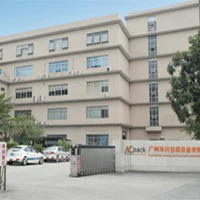
Guangdong Huachuan Packaging Equipment Co., Ltd.
- Manufacturer, Trading Company
- Guangdong, China
- Lead time30 days
- Avg. response≤ 11h
Main productsWashing Machines,Filling Machines,Capping Machines,Sealing Machines,Labeling Machine
Main marketsDomestic Market(60.00%), Southeast Asia(10.00%), Western Europe(7.00%), South Asia(5.00%), Northern Europe(5.00%), South America(3.00%), Africa(3.00%), Eastern Asia(3.00%), Mid East(2.00%), North America(2.00%)

Henan Xuanhua Machinery Co., Ltd.
- Trading Company,Manufacturer/Factory
- China Henan
- Lead time23 days
- Avg. response≤ 6h
Main productsWater Well Drilling Rig, Drilling Rig, Automatic Filling Machine, Shotcrete Machine, Rebar Bender, Rebar Cutter, Tamping Rammer, Compactor Plate, Road Cutter, Food Processing Machine
Main marketsSouth America,Eastern Europe,Mid East,North America,Southeast Asia,Eastern Asia,Oceania,Western Europe,Africa


$125.00 - $1000.00
MOQ: 1 Pieces


Liaoyang Yishan Machinery Imp. & Exp. Co., Ltd
- Verified by SGS
- Trading Company
- China Liaoning
- Lead time23 days
- Avg. response≤ 4h
Main productsPacking Machine, Labeling Machine, Liquid Filling Machine, Capsule Filling Machine, Pharmaceutical Machine, Tablet Press, Drying Machine, Mixing Machine, Granulating Machine, Grinding Machine
Main marketsSouth America,Africa,Southeast Asia/ Mideast,Europe,Australia,North America

Zhengzhou Bogen Machinery Equipment Co., Ltd.
- Verified by CTI
- Trading Company
- China Henan
- Lead time30 days
- Avg. response≤ 4h
Main productsPeanut Butter Machine, Spice Grinder, Meat Grinder, Meat Slicer, Meat Chopper, Potato Washing and Peeling Machine, Vegetables and Fruits Cutting Machine, Sausage Stuffer, Sausage Filler, Sausage Making Machine
Main marketsAfrica,Europe,North America
Anchor Automation Equipment (Shanghai) Co., Ltd
- Verified by SGS
- Combined
- China Shanghai
- Lead time60 days
- Avg. response≤ 5h
Main productsLabeling Machine, Sleeve Labeling Machine, Filling Machine, Heat Shrink Packaging Machine, Carton Packing Machine, Capping Machine, Automatic Bottles Unscrambler Machine
Main marketsSoutheast Asia/ Mideast


Non-Contact Induction Sealing Machine High-Speed Servo Sealing Machine
$12000.00 - $16800.00
MOQ: 1 Pieces

Zhangjiagang City Tango Machinery Co., Ltd.
- Trading Company
- China Jiangsu
- Lead time60 days
- Avg. response≤ 6h
Main productsWater Bottle Filling Produdction Line, 3in1 Bottle Filling Machine, Bottlig Machine, Wrapping Machine, Labeling Machine, Carton Package Machine, Beverage Filling Machine, Juice Production Line, Carbonated Beverage Production Line, 5gallon Production Line
Main marketsSouth America,Eastern Europe,Mid East,North America,Southeast Asia,Eastern Asia,Oceania,Western Europe,Africa

- Verified by BV
- Trading Company,Manufacturer/Factory
- China Zhejiang
- Lead time30 days
- Avg. response≤ 17h
Main productsPacking Machine, Sealing Machine, Food Machinery, Plastic Packing Bags, Slicing Machine, Meat Grinder, Vacuum Packing Machine, Packaging Bag, Packing Bag, Food Bag
Main marketsSouth America,Eastern Europe,Mid East,North America,Southeast Asia,Eastern Asia,Oceania,Western Europe,Africa

Guangzhou Guanhe Light Industry Machinery Co., Ltd.
- Verified by SGS
- Trading Company,Manufacturer/Factory
- China Guangdong
- Lead time38 days
- Avg. response≤ 6h
Main productsFilling Machines, Packing Machine, Capping Machine, Sealing Machine, Labeling Machine, Bottle Washing Drying Machine, Bottle Unscrambling Machine, Conveying Machine, Filling Capping Machines, Mixing/Storage Tanks
Main marketsSouth America,Eastern Europe,Mid East,North America,Southeast Asia,Eastern Asia,Oceania,Western Europe,Africa


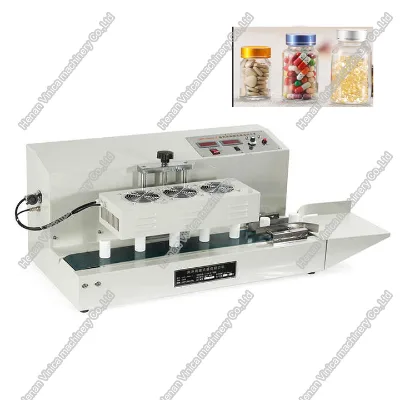
High-Speed Water-Cooled Electromagnetic Induction Aluminium Foil Sealing Machine
$3300.00 - $5800.00
MOQ: 1 Pieces


Shanghai Lao Le Machinery Equipment Co., Ltd.
- Verified by BV
- Combined
- China Shanghai
- Lead time15 days
- Avg. response≤ 3h
Main productsTablet Press Single Punch Die, Rotary Tablet Press Machine, Counting Machine, Capsule Filling Machine, Mixer Machine, Flat Packaging Machine, Labeling Machine, Blister Machine, Sealing Machine
Main marketsSouth America,Africa,Southeast Asia/ Mideast,East Asia(Japan/ South Korea),Domestic,Europe,North America

Llsf-150W Horizontal Automatic Electromagnetic Induction Food Plastic Sealing Machine
$256.00 - $276.00
MOQ: 1 Pieces


Llfrd-1000W Taiwan Type Plastic Food Simple Electromagnetic Induction Sealing Machine
$406.00 - $426.00
MOQ: 1 Pieces

Llsf-150W Horizontal Automatic Electromagnetic Induction Sealing Machine
$256.00 - $276.00
MOQ: 1 Pieces

Llfr-900 Full Automatic Universal Electromagnetic Induction Sealing Machine
$168.00 - $188.00
MOQ: 1 Pieces
Zhejiang Lianteng Intelligent Equipment Co., Ltd.
- Manufacturer
- Lead time旺季: "1 - 1":5,"2 - 5":7,"6 - 10":9,"> 10":"To be negotiated", 淡季: "1 - 1":5,"2 - 5":7,"6 - 10":9,"> 10":"To be negotiated"
- Avg. response≤ 6h
Main productsMachinery,Packaging machinery,Capping machine,Filling machine,Labeling machine

Jiangxi Lianteng Intelligent Equipment Co., Ltd.
- Verified by CTI
- Combined
- China Jiangxi
- Lead time15 days
- Avg. response≤ 8h
Main productsFilling Machine, Capping Machine, Labeling Machine, Bag Packing Machine, Sealing Machine, Coding Machine, Vacuum Packing Machine, Shrinking Machine, Wrapping Machine, Packaging Production Line
Main marketsSouth America,Domestic


Vertical Electromagnetic Induction Sealing Machine for All Kinds of Plastic Bottles
$1300.00 - $1400.00
MOQ: 1 Pieces

Shanghai Colmachine Tech Co Ltd
- Trading Company
- China Shanghai
- Lead time0 days
- Avg. response≤ 1h
Main productsLiquid Filling Line, Granule Filling Line, Powder Filling Line, Liquid Filling Machine, Tablet Counter, Capping Machine, Sealing Machine, Labeling Machine, Bottle Unscrambler, Powder Filling Machine

Hangzhou Shengde Machinery Co., Ltd.
- Verified by CTI
- Trading Company
- China Zhejiang
- Lead time30 days
- Avg. response≤ 8h
Main productsCapsule Machine, Tablet Pressing Machine, Capsule Counting Machine, Feeze Drying Machine, Tube Filling and Sealing Machine, Blister Packing Machine, Automatic Labeling Machine, Liquid Filling Machine, Vacuum Emulsifying Machine, Capsule Filling Machine
Main marketsSouth America,North America
Zhengzhou JYD Machine Co., Ltd.
- Verified by TüVRheinland
- Manufacturer, Trading Company
- Lead time45 days
- Avg. response≤ 2h
Main productsPaper Machine Mold Shaft, Paper Tube Machine, Paper Tube Cutting Machine, Paper Corner Protector Machine, Paper Tube Curling Machine
Main marketsSouth America(29%), North America(10%), Africa(10%)
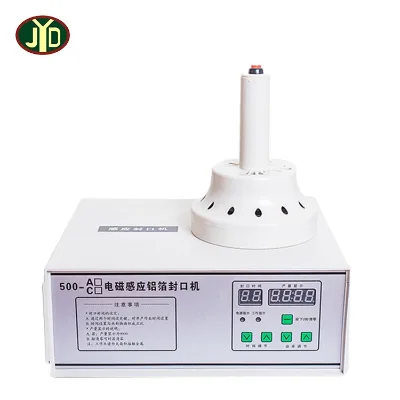
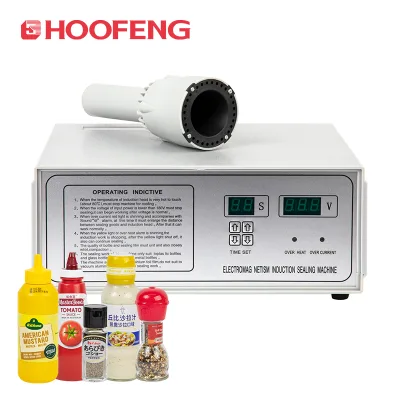
Hand Held Portable Milk Bottle Sealing Machine Electromagnetic Induction Sealing Machine
$120.00 - $140.00
MOQ: 1 sets
Henan Fengchi Machinery Co., Ltd.
- Trading Company
- Henan Province, China
- Lead time10 days
- Avg. response≤ 3h
Main productsMicro tiller,seeder,Grain screening machine,Industrial machinery,Agricultural machinery
Main marketsAfrica(20.00%), Southeast Asia(20.00%), South Asia(20.00%), Mid East(18.00%), Northern Europe(15.00%), North America(5.00%)
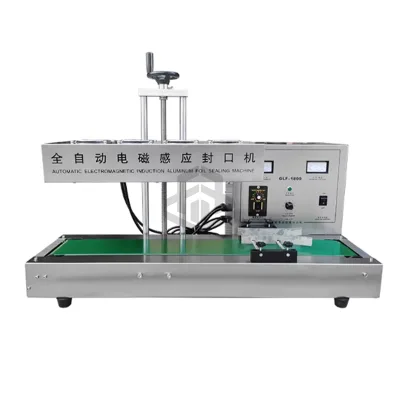
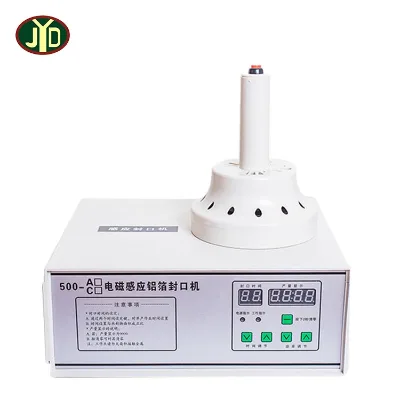
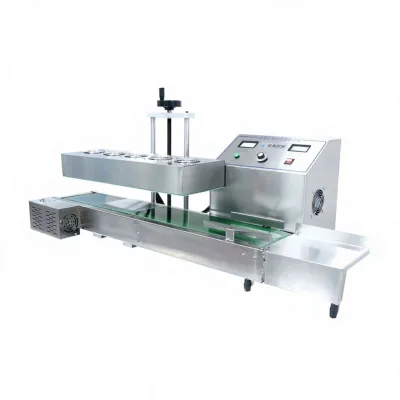
Automatic Electromagnetic Induction Sealing Machine for Continuous Commercial Use
$260.79 - $304.76
MOQ: 1 sets
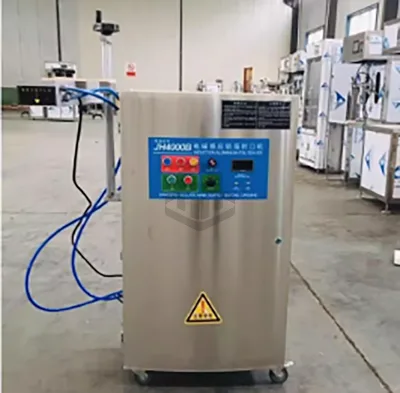
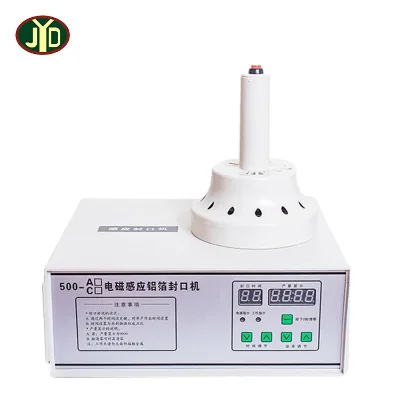
YD Electromagnetic Induction Sealing Machine High Quality Aluminum Automatic 220V 60kg
$2615.58
MOQ: 1 Minimum

Qingdao Zhongkang Printing and Packaging Machinery Co., Ltd.
- Verified by TUVRHEINLAND
- Trading Company
- China Shandong
- Lead time30 days
- Avg. response≤ 2h
Main productsPacking Machine, Non-Woven Bags, Filling Machine, Capping Machine, Vacuum Packing Machine, Labeling Machine, Strapping Machine, Sealing Machine, Printer Coding Machine, Packaging Bag
Main marketsSouth America,Domestic,Europe


Electromagnetic Induction Aluminum Foil Gasket Sealing Machine, Bottle Sealing Machine
$469.00 - $845.00
MOQ: 1 SET

Hot Sale Low Price Continuous Electromagnetic Induction Sealing Machine/Sealer
$450.00 - $950.00
MOQ: 1 SET

$469.00 - $845.00
MOQ: 1 SET

Hot Sale Electromagnetic Induction Self Sealing Machine with Coding Expiry Date
$469.00 - $845.00
MOQ: 1 SET

Hot Selling Automatic Continuous Electromagnetic Induction Sealer Aluminum Foil Sealing Machine
$469.00 - $845.00
MOQ: 1 SET

Guangdong Feibin Machinery Group Co., Ltd.
- Verified by TUVRHEINLAND
- Combined
- China Guangdong
- Lead time15 days
- Avg. response≤ 1h
Main productsLabeling Machine, Filling Machine, Packing Machine, Capping Machine, Sealing and Cutting Shrink Machine, Automatic Bagger
Main marketsSoutheast Asia/ Mideast,Domestic,Australia,North America


Automatic Electromagnetic Induction Sealer Aluminum Foil Sealing Machine
$999.00 - $1300.00
MOQ: 1 Pieces
- Trading Company
- Zhejiang, China
- Lead time0 days
- Avg. response≤ 1h
Main productsCoating machine,Grinder Machine,Filling Machine,Oil Press Machine,Label Machine
Main marketsSouthern Europe(10.00%), Western Europe(10.00%), Eastern Asia(10.00%), Mid East(10.00%), Africa(10.00%), Southeast Asia(10.00%), Eastern Europe(10.00%), South America(10.00%), North America(10.00%), South Asia(5.00%), Northern Europe(5.00%)

Shanghai Mooha Import & Export Co., Ltd.
- Verified by TUVRHEINLAND
- Trading Company,Manufacturer/Factory
- China Shanghai
- Lead time23 days
- Avg. response≤ 4h
Main productsAuger Filler, Powder Filler, Screw Feeder, Bucket Feeder, Net Weight Filling Machine, Liquid Filling Machine, Vffs Machine, Powder Filling Machine, Bakery Equipment, Liquid Filler
Main marketsSouth America,Eastern Europe,Mid East,North America,Southeast Asia,Eastern Asia,Oceania,Western Europe,Africa

$1900.00 - $2200.00
MOQ: 1 Pieces


Wenzhou Kingsun Machinery Industrial Co., Ltd.
- Trading Company,Manufacturer/Factory
- China Zhejiang
- Lead time38 days
- Avg. response≤ 23h
Main productsPrinting Machinery, Slitting Machine, Paper Sheeter Machine, Folder Gluer Machine, Rotoravure Printing Machine, Automatic Case Maker, Thermal Laminating Machine, Automatic Die Cutter, Label Die Cutting Machine, Packing Machine
Main marketsSouth America,Eastern Europe,Mid East,North America,Southeast Asia,Eastern Asia,Oceania,Western Europe,Africa
Hefei Lianlian Dingye Machinery Equipment Co., Ltd.
- Verified by SGS Group
- Manufacturer, Trading Company
- Lead time7 days
- Avg. response≤ 2h
Main productsInkjet Printer, Strapping Tool, Vacuum Packaging Machine, Sealing Machine
Main marketsDomestic Market(80%), Southeast Asia(20%)
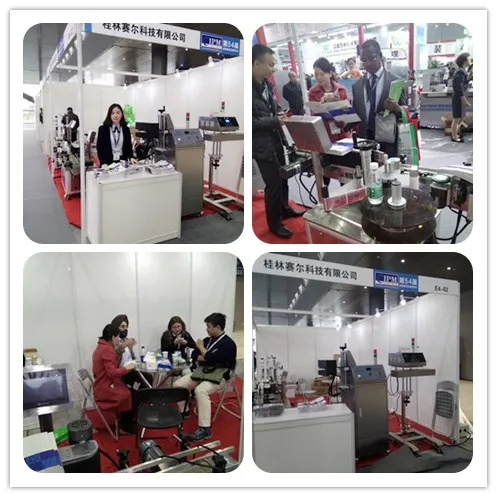
Guilin Seal Technology Co., Ltd.
- Manufacturer, Trading Company
- Guangxi, China
- Lead time5 days
- Avg. response≤ 2h
Main productsAluminum Foil Induction Sealing Machine,Aluminum Foil Liner,cap with vent plug,Palletize robot
Main marketsDomestic Market(70.00%), North America(10.00%), Mid East(8.00%), South America(3.00%), Oceania(3.00%), Southern Europe(1.00%), Central America(1.00%), Western Europe(1.00%), Eastern Europe(1.00%), Southeast Asia(1.00%), South Asia(0.50%), Africa(0.50%)
Guangzhou Scmixer Machinery Technology Co.,Ltd.
- Verified by TUVRHEINLAND
- Manufacturer/Factory
- China Guangdong
- Lead time15 days
- Avg. response≤ 8h
Main productsVacuum Emulsifying Machine, RO Water Treatment, Filling Machine, Capping Machine, Labeling Machine, Mixing Tank, Inkjet Printer, Carton Sealing Machine, Liquid Wash Production Line, Bar Soap Production Line
Main marketsSouth America,Eastern Europe,Mid East,North America,Southeast Asia,Eastern Asia,Oceania,Western Europe,Africa

Induction Sealing Machine, Induction Sealer Aluminum Foil Sealing Machine
$1780.00 - $2490.00
MOQ: 1 Sets

$1780.00 - $2490.00
MOQ: 1 Sets

$1380.00 - $2690.00
MOQ: 1 Sets

Linhai Geyin Import & Export Co., Ltd.
- Verified by SGS
- Trading Company
- China Zhejiang
- Lead time30 days
- Avg. response≤ 4h
Main productsPlastic Machine, CNC Machine, Mould, Glasses, Plastic Goods, Food Machine, Aerator, Sawing Machine, Compressor, Filling Machiine
Main marketsSouth America,Africa,Others(foreignTradeCapacity.exportBusinessCapacityMarketOther)

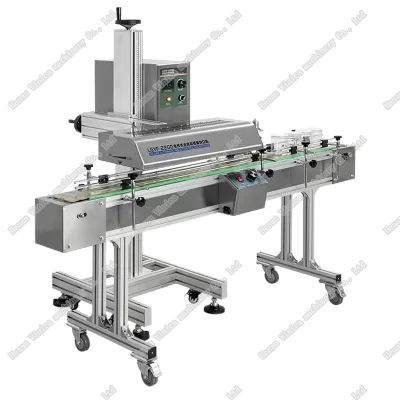
Continuous Air-Cooled Induction Sealing Machine /Foil Sealing Machine
$4800.00 - $5800.00
MOQ: 1 Pieces

Zhejiang Hoofeng Intelligent Technology Co., Ltd.
- Verified by SGS Group
- Manufacturer, Trading Company
- Zhejiang, China
- Lead time0 days
- Avg. response≤ 2h
Main productsWater-Cooled Aluminum Foil Sealer, Automatic Electromagnetic Induction Sealing Machine, Automatic Capping Machine
Main marketsDomestic Market(100%)
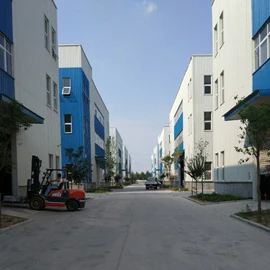
Henan Vinica Machinery Co., Ltd.
- Trading Company
- Henan, China
- Lead time0 days
- Avg. response≤ 4h
Main productshandheld inkjet printer,digital foil printer,package machine,sealing machine,Laminating machine
Main marketsWestern Europe(18.00%), Eastern Europe(15.00%), Africa(15.00%), Northern Europe(10.00%), North America(10.00%), Mid East(10.00%), South America(10.00%), South Asia(5.00%), Southern Europe(5.00%)

Wenzhou Rayen Machinery Co., Ltd.
- Verified by TUVRHEINLAND
- Trading Company
- China Zhejiang
- Lead time30 days
- Avg. response≤ 9h
Main productsStainless Steel Tank, Stainless Steel Filter Housing
Main marketsNorth America

Automatic Electromagnetic Induction Foil Sealing Machine Aluminum Foil Induction Seal Liners
$6800.00 - $7000.00
MOQ: 1 Pieces

Automatic Electromagnetic Induction Liner Sealing Machine for Pipeline Production
$6800.00 - $7000.00
MOQ: 1 Pieces

Automatic Aluminium Foil Plastic Cup Sealer Machine/Induction Sealing Machine
$6800.00 - $7000.00
MOQ: 1 Pieces

Liaoyang Shenzhou Machinery Equipment Co., Ltd.
- Verified by TUVRHEINLAND
- Trading Company
- China Liaoning
- Lead time30 days
- Avg. response≤ 3h
Main productsCentrifuge, Separator, Decanter Centrifuge, Coconut Oil Machine, Packing Machine, Drying Machine, Filling and Sealing Machine, Tubular Centrifuge, Disc Centrifuge, Pusher Centrifuge
Main marketsSouth America,Africa,Southeast Asia/ Mideast,East Asia(Japan/ South Korea),Domestic,Europe,Australia,North America

Shanghai Tianhe Machinery Equipment Co., Ltd.
- Manufacturer
- China Shanghai
- Lead time15 days
- Avg. response≤ 3h
Main productsTablet Press Machine, Capsule Filling Machine, Packing Machine, Pill Making Machine, Bottle Filling and Capping Machine, Granulating Machine, Mixing Machine, Vacuum Feeding Machine, Counting Machine, Tablet Coating Machine
Main marketsSoutheast Asia/ Mideast,East Asia(Japan/ South Korea),Europe,North America


Advanced Assembly Line Sealer Machine Electromagnetic Foil Indunction Sealer Machine
$5500.00
MOQ: 1 Pieces

Hangzhou LOM technology co., LTD
- Verified by BV
- Trading Company
- China Zhejiang
- Lead time30 days
- Avg. response≤ 5h
Main productsFilling Machine, Packing Machine, Labeling Machine, Eliquid Machine, Cartoning Machine, Pre Roll Machine, Preroll Machine, Plastic Bottle, Gummy Machine
Main marketsEurope


Plastic Bag Neck Sealer Plastic Snack Bag Sealing Machine Food Bag Sealer with Coder
$800.00 - $1000.00
MOQ: 1 Pieces

Automatic Sealing Machine Continous Band Sealer Automatic Continuous Plastic Film Sealing Machine
$800.00 - $1000.00
MOQ: 1 Pieces

Automatic Continuous Plastic Bag Heat Sealer Sealing Machine for Aluminum Foil Plastic Bag
$800.00 - $1000.00
MOQ: 1 Pieces

Automatic Horizontal Plastic Film Bags Heat Sealing Machine Continuous Band Sealer Machine
$800.00 - $1000.00
MOQ: 1 Pieces
Dongguan City Strong Machinery Co., Ltd.
- Trading Company
- Lead time旺季: "1 - 10":15,"> 10":"To be negotiated", 淡季: "1 - 10":15,"> 10":"To be negotiated"
- Avg. response≤ 3h
Main productsSupermarket Cling Film Sealing Machine,Cosmetics and Paste Filling Machine,Fully Automatic Capping Machine,Packaging Machine,Labeling Machine
Henan Jinfuda Trading Co., Ltd.
- Trading Company
- Lead time旺季: "1 - 10":7,"11 - 100":15,"> 100":"To be negotiated", 淡季: "1 - 10":7,"11 - 100":15,"> 100":"To be negotiated"
- Avg. response≤ 2h
Main productsFruit Vegetables Processing Machines, Meat Processing Machines, Bakery Pastry Processing Machines, Snack Processing Machines, Packaging Machines
Henan Cyril Machinery Equipment Co., Ltd
- Trading Company
- He'nan, China
- Lead time10 days
- Avg. response≤ 5h
Main productsFilling Machine, Labeling Machine, Capping Machine, Packaging Machine, Coding Machine
Main marketsDomestic Market(40.00%), South America(15.00%), Mid East(10.00%), North America(5.00%), Western Europe(5.00%), Central America(5.00%), Southeast Asia(5.00%), South Asia(3.00%), Eastern Asia(2.00%), Oceania(2.00%), Southern Europe(2.00%), Northern Europe(2.00%), Africa(2.00%), Eastern Europe(2.00%)
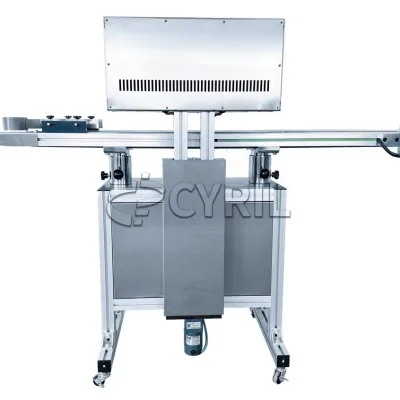
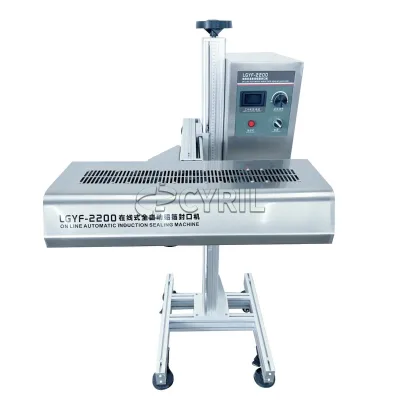
Cost-Effective Vertical Sealer with Easy Operation for Production Line Fit
$1635.16 - $2554.93
MOQ: 1 sets
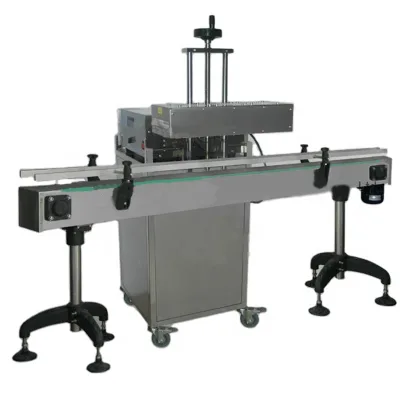


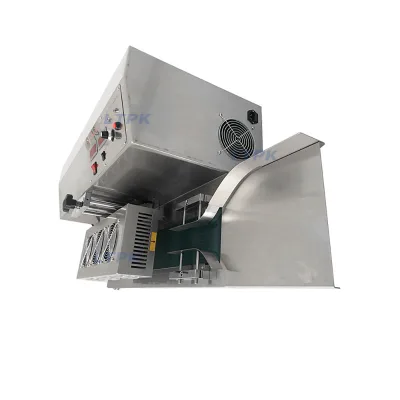






Comprehensive Sourcing Guide
Food Electromagnetic Induction Sealing Machine Supplier Concentration and Factory Types
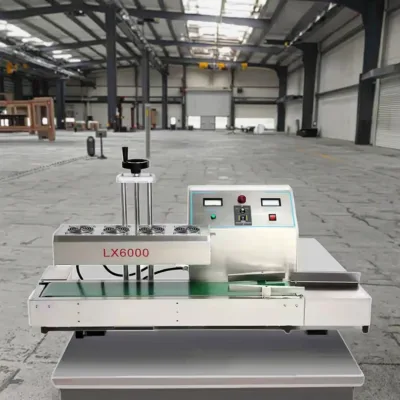
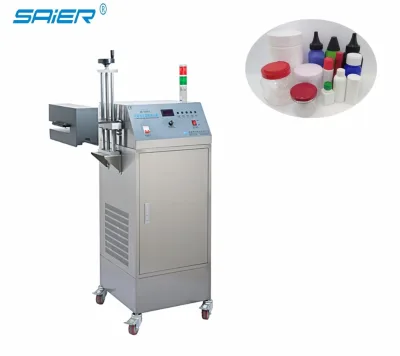
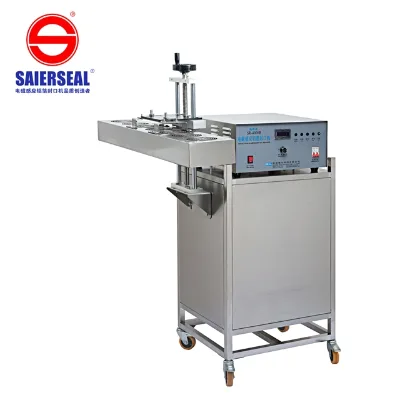
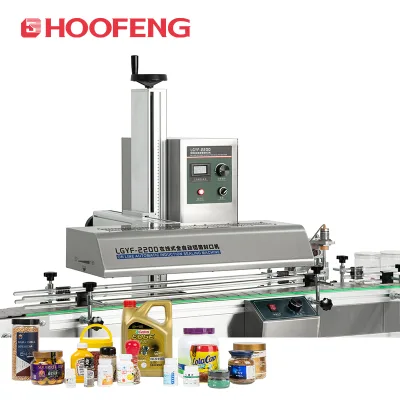
Suppliers of food electromagnetic induction sealing machines in current results cluster geographically in a few Chinese provinces, with listed sellers based in Guangdong, Henan, and Liaoning. Guangdong listings emphasize continuous electromagnetic induction sealing equipment for bottles, with some sellers operating as combined manufacturer and trading companies. Henan-based suppliers present broader machinery portfolios that include filling machines alongside sealing equipment, and identify themselves as trading companies working with factories or as manufacturer/factory operations. Liaoning results lean toward packaging and pharmaceutical machinery traders. Understanding this mix matters because a sealing machine is a capital purchase where the seller's role affects after-sales service, spare parts, and technical support.
Three factory types dominate. First, dedicated packaging machinery manufacturers typically list one or two induction sealing models with detailed specifications such as sealing range, speed, power, and cooling system, and may support overseas engineer service. Second, diversified machinery traders carry sealing machines among many unrelated products, which can mean less specialized product knowledge but wider sourcing options and customization offers. Third, hybrid manufacturer-traders combine their own production with sourced lines. When reviewing listings, check whether the seller discloses its company type, whether products carry a stated brand, and whether the main products list aligns with packaging machinery or spans unrelated categories. Sellers whose catalogs center on filling, capping, sealing, and labeling equipment generally have deeper category engagement than those listing a sealing machine as a minor line item.
How to Verify Food Electromagnetic Induction Sealing Machine Suppliers
Verification begins with the credentials a supplier chooses to display. Some results show system certifications such as ISO 9001, occupational health and safety management standards, or machinery directives; others show third-party verification labels from inspection bodies, or none at all. Treat a displayed certification as a claim to check, not proof: ask the supplier for the certificate number and scope, and confirm it covers the sealing machine you intend to buy rather than a different product line. A verified-seller badge indicates the platform screened the company, but it does not certify product quality, so combine it with your own checks.
Next, verify product-level evidence. Strong listings state measurable attributes: voltage, power, sealing diameter or width range, capacity in pieces per minute, applicable bottle heights, core components, machinery test report availability, video outgoing-inspection, and warranty length. Listings that provide a machinery test report, a video inspection, and a stated brand name give you documentation trails that anonymous listings do not. Ask each shortlisted supplier for a live demonstration video sealing your actual container and foil material, a copy of the test report, and references from food or beverage buyers. Also confirm the entity behind the listing: a trading company should name the producing factory and allow factory audit or third-party inspection before shipment. Finally, measure responsiveness during verification itself—suppliers who answer specification questions slowly before an order rarely improve afterward, so use reply speed as a practical signal of how disputes will be handled later.
What to Compare Across Food Electromagnetic Induction Sealing Machine Suppliers
Build a comparison sheet using the attributes suppliers actually disclose, without assuming every seller displays every field. Core comparison dimensions include: lead time, which in current results ranges from roughly three weeks to about a month; minimum order quantity, where some listings allow a single-unit purchase while others set higher thresholds; average response time, which varies from under four hours to around eleven; company type, distinguishing manufacturers from trading companies; location; and main product lines. Establish the supplier's track record where a founding year is shown, since older companies may indicate stability, and note whether the listing mentions escrow or platform-protected payment when you move to ordering.
On the product side, compare the specifications that determine fit for your line: sealing diameter or width range, throughput speed, power draw, voltage compatibility with your facility, cooling type, container materials supported, and automatic grade. Check after-sales terms—warranty duration, whether free spare parts are included, and whether field installation, commissioning, or overseas engineer service is offered. Price alone is a weak comparator: two machines with similar stated prices can differ in core components, test reporting, and service commitments. Weight the comparison toward suppliers whose disclosures are complete and specific, because willingness to state parameters precisely usually reflects manufacturing confidence. Where a supplier offers customization, confirm in writing which parameters can be changed and at what cost and lead-time impact before ranking it above a standard-model competitor.
Common Food Electromagnetic Induction Sealing Machine Sourcing Risks
The most frequent risk is specification mismatch. Listings may state a sealing range, capacity, or applicable bottle height that does not match your containers, foil liners, or line speed, and a machine sized for small-mouth bottles will underperform on wide jars. Related to this is the risk of relying on keyword-stuffed listings: some results pile dozens of sealing-machine keywords into one listing while providing few real parameters, which suggests a reseller aggregating products rather than a specialist. Insist on a dimensional drawing, a sealing demo on your container, and confirmation of the exact model number before paying.
Second, service and compliance risk. A sealing machine is installed equipment; if the supplier offers no spare parts policy, no commissioning support, and no overseas service option, downtime becomes your cost. Verify warranty scope in writing, including which components are covered, because core-component warranty terms are sometimes stated separately from the general warranty. Third, verification risk: a certification badge or test-report claim that you cannot trace offers little protection, and some suppliers list multiple certifications covering only part of their range. Fourth, logistics risk—these machines are heavy, shipped in wooden cases, and underspecified packing can cause transit damage, so confirm packaging construction and insurance. Finally, avoid fixed assumptions about any single supplier's terms, since displayed lead times and response figures are snapshots; reconfirm all commitments in the proforma invoice, and never release final payment against promises rather than inspection results.
Food Electromagnetic Induction Sealing Machine Regional Sourcing and Logistics
The supplied results place suppliers in Guangdong, Henan, and Liaoning, three provinces with distinct profiles. Guangdong is represented by combined manufacturer-trading companies focused on packaging machinery such as washing, filling, capping, sealing, and labeling equipment, which suits buyers wanting an integrated bottling-line source. Henan suppliers list sealing machines within much broader industrial and food-processing catalogs, and advertise OEM and ODM capability under own brands—an option if you need custom branding or modified specifications. Liaoning entries are trading companies oriented toward packaging and pharmaceutical machinery, relevant if your application borders on pharmaceutical-grade sealing. Because these are the locations disclosed here, use them as starting filters, not as a complete map of the category.
For logistics, confirm each quoted lead time in writing—displayed figures in these results ranged from roughly three to four weeks—and ask whether it starts from deposit or from artwork and specification approval. Machines of this type ship in wooden cases; a listed example describes packing of roughly 600 by 500 by 1200 millimeters with well-supported internal materials, which is the level of packing detail you should require from any supplier. Clarify Incoterms, whether sea freight suits your machine weight and urgency, and who arranges export documentation. If you source sealing machines alongside filling or capping equipment from different suppliers, coordinate consolidation to reduce freight cost, and schedule commissioning support only after the machine clears customs and is positioned on your production floor.
Food Electromagnetic Induction Sealing Machine Commercial Terms and Order Planning
Order planning should start from your volume reality. Induction sealing machines in current listings are sold as single items with a minimum order of one unit in several cases, so pilot-line buyers can test a machine before committing to multiple units; confirm whether the displayed MOQ applies per model or across a product family. Price ranges in the results vary widely—from a few hundred dollars for compact handheld or desktop units to around a thousand for continuous models—so anchor negotiations to the specification sheet, not the listed figure, and request an itemized quotation covering the machine, spare foil-sealing parts, packing, and freight.
On payment and terms, prefer protected arrangements such as escrow or platform trade assurance where offered, and stage payments so a meaningful balance is due only after inspection. Require a pre-shipment checklist in the contract: machinery test report, video inspection of your model running, packing photos, and serial-number records. Document warranty terms—including duration, core-component coverage, free spare parts, and whether field installation, commissioning, or training is included—and confirm response-time commitments for after-sales queries, since displayed pre-sale response speeds will not necessarily persist post-sale. Plan your timeline backward from your production start date: add specification confirmation, production lead time of roughly three to four weeks, transit, and commissioning, then hold a buffer for customization requests, which some suppliers flag as available but rarely price upfront. Reconfirm every displayed figure in the signed proforma invoice.
FAQs
What is a Food Electromagnetic Induction Sealing Machine used for?
It seals foil liners onto bottle and jar caps using electromagnetic induction, creating an airtight, tamper-evident closure. In food production it is applied to beverages, condiments, dairy, and other packaged goods to extend shelf life and prevent leakage. Machines typically accept plastic and glass containers and can run continuously on a packing line.
What sealing widths and container sizes can these machines handle?
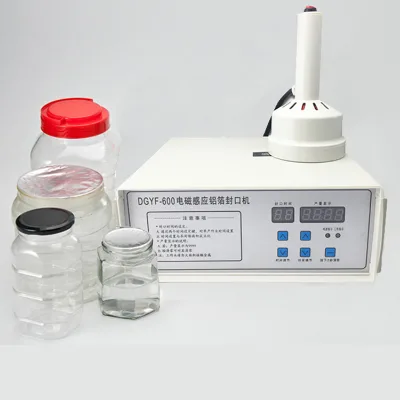
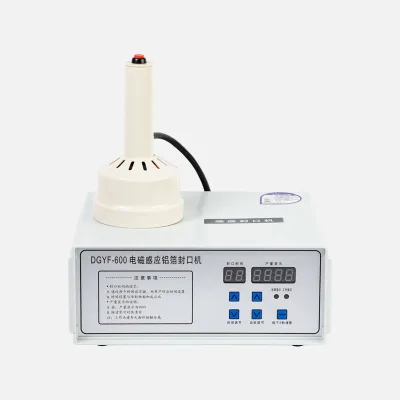
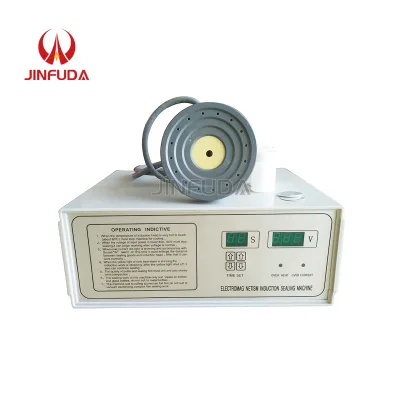
Induction sealers commonly cover sealing ranges from 15 mm up to 120 mm, with models offering ranges such as 15-40 mm, 20-80 mm, and 50-120 mm. Handheld and desktop units often seal diameters of 20-100 mm on bottles with heights of 40-200 mm. Always match the sealing range to your cap diameters before ordering.
What throughput can I expect from an induction sealing machine?
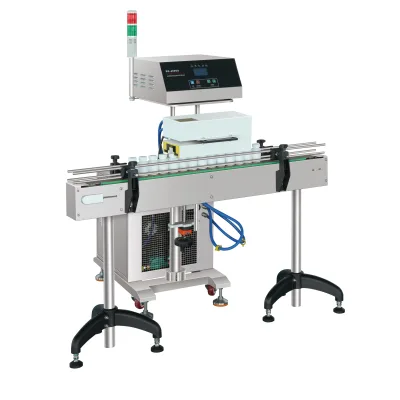
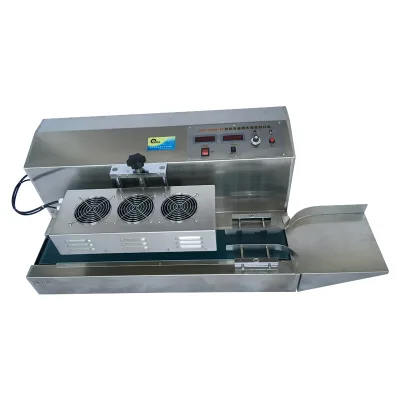
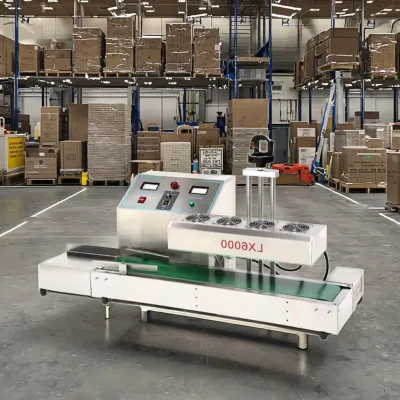
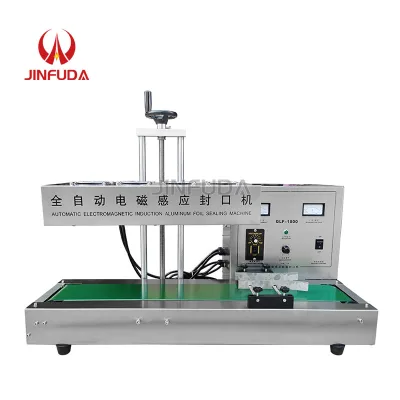
Throughput varies by machine type. Continuous models list sealing speeds around 40-200 bottles per minute, while smaller automatic units run at roughly 0-50 pieces per minute. Handheld sealers work at operator pace for low volumes. Confirm speed ratings against your container size and foil liner type, since real output depends on both.
What is the typical price range for these machines?
Listed prices in current results span from about 125 USD to 999 USD for a single unit, depending on capacity and features. Entry-level handheld or desktop sealers sit at the lower end, while continuous automatic machines with PLC controls list near the higher end. Request a quotation because final pricing depends on configuration and shipping.
What is the minimum order quantity for a sealing machine?
Many suppliers list a minimum order quantity of just one set, which suits buyers testing a machine before scaling up. Single-unit ordering is common for industrial equipment at this price level. Confirm the MOQ in writing with each supplier, along with spare parts availability and warranty terms, before placing your first order.
How long does production and delivery usually take?
Observed lead times in current supplier results range from roughly 23 to 30 days after order confirmation. Lead time can extend if customization, special voltages, or high order volumes are involved. Ask each supplier to confirm the production schedule, and factor in additional transit time to your destination port or warehouse.
What warranty and after-sales support should I check?
Typical offers include a one-year warranty with free spare parts, and some suppliers provide field installation, commissioning, and operator training. Engineers may be available to service machinery overseas. Machinery test reports and video outgoing inspections are often provided. Verify which support services are included in the price and which incur extra charges.
Which regions do suppliers of these machines come from?
Current supplier results list companies based in Guangdong, Henan, and Liaoning provinces in China, with manufacturer, factory, and trading company profiles represented. Several also supply related packaging equipment such as filling, capping, and labeling machines, which helps buyers source a complete line from fewer vendors. Verify each supplier's certification status directly.