Food Grade Cocoa Bean Roaster Suppliers and Manufacturers
Compare 24 suppliers of Food Grade Cocoa Bean Roaster equipment across batch capacity, drum heating, electric or gas power, CE certification, lead time, and verified status. Review specifications and request quotes to confirm MOQ and customization before committing; review the available evidence before requesting comparable quotations from suitable candidates.
Suppliers List

Zhengzhou Auris Machinery Co., Ltd.
- Verified by TUVRHEINLAND
- Trading Company
- China Henan
- Lead time30 days
- Avg. response≤ 4h
Main productsNut Process Machinery, Fruit &Vegetable Machinery, Meat Process Machinery, Snacks Process Machinery, Printing Machinery, Quilting Machinery, Chocolate Machine, Packing Machine, Paper Pencil Making Machine, Bubble Tea Shop Machine
Main marketsSouth America,Southeast Asia/ Mideast,East Asia(Japan/ South Korea),Europe,Australia,North America


Industrial Commercial Peanut Coffee Nut Cocoa Beans Roasting Roaster
$2200.00 - $2250.00
MOQ: 1 Pieces
NJ International Trading Taizhou Co., Ltd.
- Verified by BV
- Trading Company
- China Jiangsu
- Lead time60 days
- Avg. response≤ 2h
Main productsChocolate Machine, Chocolate Making Machine, Chocolate Depositing Machine, Rotary Chocolate Chips Depositor, Chocolate Ball Mill, Chocolate Tank, Chocolate Conche, Chocolate Tempering Machine, Chocolate Enrober, Cold Press Chocolate Moulding Machine
Main marketsSoutheast Asia/ Mideast,Europe,North America


High Quality Grain/Cocoa Bean/Almond Commmerical Nut Roaster/Peanut Roasting Machine
$5000.00
MOQ: 1 Pieces

Zhengzhou Hento Machinery Co., Ltd.
- Verified by SGS
- Trading Company,Manufacturer/Factory,Group Corporation
- China Henan
- Lead time15 days
- Avg. response≤ 6h
Main productsMeat Processing Machinery, Egg Processing Machinery, Dairy Processing Machinery, Fruit & Vegetable Processing Machinery, Grain Product Making Machines, Snack Machines, Nuts Processing Machinery, Packing Machines, Drying Machines, Commodity Making Machines
Main marketsSouth America,Eastern Europe,Mid East,North America,Southeast Asia,Eastern Asia,Oceania,Western Europe,Africa


High Performance Coffee Roasting Machine / Cocoa Bean Roasting Machine
$2779.00 - $3610.00
MOQ: 1 Sets

Zheng Zhou Taizy Trading Co., LTD
- Verified by BV
- Trading Company
- China Henan
- Lead time15 days
- Avg. response≤ 5h
Main productsWood Processing Machine, Plastic Processing Machine, Charcoal Processing Machine, Food Processing Machine, Waste Recycling Machine, Packing Machine, Agricultural Machine, Egg Tray Machine, Metal Processing Machine
Main marketsSouth America,Others(foreignTradeCapacity.exportBusinessCapacityMarketOther),Southeast Asia/ Mideast,Europe


High Capacity Chickpea Roasting Machine Stainless Automatic Cocoa Bean Roasting Machine
$5000.00 - $9000.00
MOQ: 1 set


Zhengzhou Jawo Machinery Co., Ltd.
- Verified by TUVRHEINLAND
- Manufacturer/Factory
- China Henan
- Lead time15 days
- Avg. response≤ 5h
Main productsSausage Making Machine, Dumpling Machine, Frozen Meat Cutter, French Fries Production Line, Garlic Separator, Egg Grading Machine, Sand Blasting Machine, Metal Detector, Embroidery Machine, Spray Dryer
Main marketsSouth America,Eastern Europe,Mid East,North America,Southeast Asia,Eastern Asia,Oceania,Western Europe,Africa


Coffee Roasting Machine Electric Coffee Roaster Cocoa Bean Roasting Machine
$800.00 - $1900.00
MOQ: 1 Sets

Coffee Production Line Coffee Bean Roaster Machine Cocoa Bean Roaster Machine
$1800.00 - $2900.00
MOQ: 1 Sets


Coffee Bean Roaster Coffee Roaster Machine Roasting Machine With Lowest Price
$1999.00 - $2699.00
MOQ: 1 Sets

Zhengzhou Honest Machinery Co., Ltd.
- Trading Company,Manufacturer/Factory
- China Henan
- Lead time15 days
- Avg. response≤ 6h
Main productsFood Machinery, Packing Machines, Microwave Equipment, Drying Machines, Grain Product Making Machines, Commodity Making Machines, Texitle Machines, Construction Machinery
Main marketsSouth America,Eastern Europe,Mid East,North America,Southeast Asia,Eastern Asia,Oceania,Western Europe,Africa

Cocoa Bean Roaster / Coffee Bean Roasting Machine / Cocoa Roaster / Coffee-Roasters Price
$1489.00 - $2089.00
MOQ: 1 Set

Industrial Electric Cocoa Bean Roaster Machine / Coffee Bean Roaster / Coffee Roasting Machine
$1489.00 - $2089.00
MOQ: 1 set

Electric Automatic Coffee Roaster / Cocoa Bean Roaster / Coffee Bean Roasting Machine Price
$1489.00 - $2089.00
MOQ: 1 Set

Automatic Peanut Roaster / Chestnut Roasting Machine / Cocoa Bean Roasting Machine / Nut Roaster
$989.00 - $1589.00
MOQ: 1 SET

Roasted Peanut / Corn Roasting Machine / Cocoa Bean Roaster / Peanut Roaster Machine Price
$1089.00 - $1489.00
MOQ: 1 set

Industrial Peanut Roaster / Cocoa Bean Roaster / Roasting Machine / Cashew Nut Roasting Machine
$989.00 - $1589.00
MOQ: 1 SET

Zhengzhou Xifu Machinery Equipment Co., Ltd.
- Verified by CTI
- Manufacturer/Factory
- China Henan
- Lead time15 days
- Avg. response≤ 7h
Main productsHarvester Machine, Animal Feed Pellet Machine, Grinding Milling Machine, Chopper Machine, Baler Corn Silage Wrapping Machine, Chaff Cutter Machine, Oil Press Machine, Threser Machine, Cursher Machine, Milking Machine
Main marketsMid East,Southeast Asia,Africa

Cacao Bean Sesame Cocoa Cashew Peanut Nut Roster Roaster Roast Machine
$3300.00 - $9000.00
MOQ: 1 Pieces


Chengdu LST Science and Technology Co., Ltd.
- Verified by TUVRHEINLAND
- Manufacturer/Factory
- China Sichuan
- Lead time90 days
- Avg. response≤ 5h
Main productsChocolate Machine, Chocolate Making Machine, Chocolate Equipment, Chocolate Production Line, Silicone Mold, Chocolate Mold, Chocolate Tempering Machine, Gummy Candy Making Machine, Silicone Mould, Jelly Candy Making Machine
Main marketsSouth America,Eastern Europe,Mid East,North America,Southeast Asia,Eastern Asia,Oceania,Western Europe,Africa

Cocoa Roaster Machine Automatic Cashew Nut Roaster Peanut Cocoa Bean Roasting Machine
$4095.00 - $4200.00
MOQ: 1 set

Hot Sale Electric Cocoa Bean Roasting Machine Roaster with CE Certified
$4095.00 - $4200.00
MOQ: 1 set
Zhengzhou Auris Machinery Co., Ltd.
- Verified by TüVRheinland
- Trading Company
- Lead time15 days
- Avg. response≤ 2h
Main productsFood Machinery, Chocolate Processing Machinery, Quilting Machine, Meat Processing Machinery, Soap Bar Making Machine
Main marketsSouth America(23%), Southeast Asia(14%), Eastern Europe(10%)
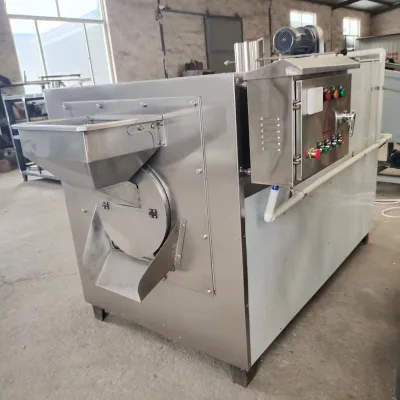
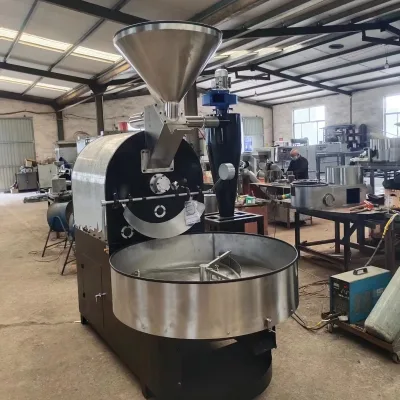
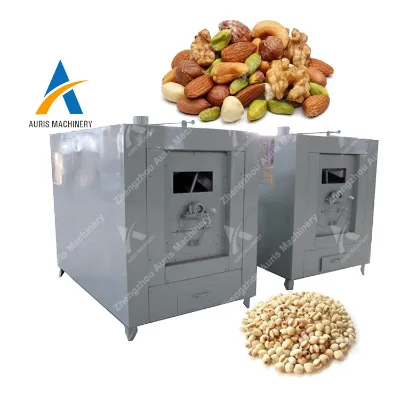
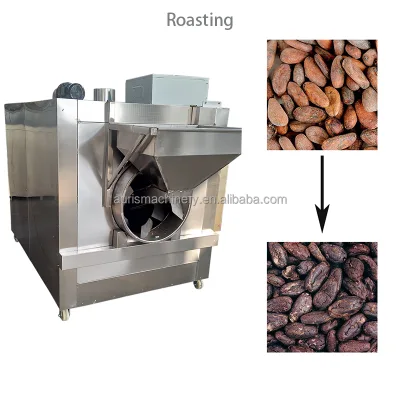
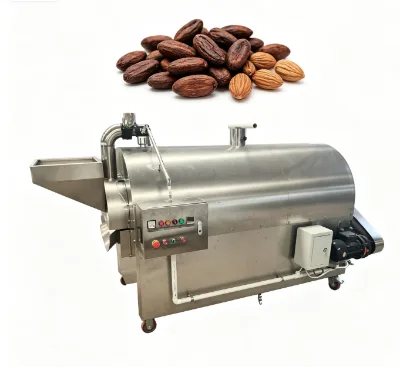
Gas or Electric Pine Nut Cocoa Bean Roaster Small 50kg Sunflower Seed Peanut Roasting Machine
$1700.00 - $2100.00
MOQ: 1
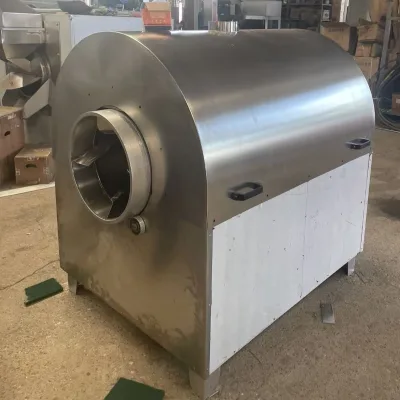
Stainless Steel Drum Roaster Oven Price
$1890.00 - $2650.00

Zhengzhou Shuliy Machinery Co., Ltd.
- Verified by SGS
- Trading Company,Manufacturer/Factory
- China Henan
- Lead time0 days
- Avg. response≤ 5h
Main productsPacking Machinery, Food Processing Machinery, Agriculture Processing Machinery, Wood Processing Machinery, Plastic Processing Machinery, Charcoal Processing Machinery, Baler Machinery, Recycling Machinery, Metal Processing Machinery


Industial Drum Type Peanut Roasting Machine Nuts Roaster Cocoa Beans Roasting Machine
$3000.00 - $20000.00
MOQ: 1 Sets


Best Sale Cocoa Bean Chickpea Macadamia Nut Roasting Machine Cashew Nuts Roaster Machine
$3000.00 - $20000.00
MOQ: 1 Sets

Drum Type Soybean Baking Machine Cocoa Beans Peanut Roaster Almond Nut Roasting Machine
$3200.00 - $20000.00
MOQ: 1 Sets
Zhengzhou Hongle Machinery Equipment Co., Ltd.
- Verified by SGS Group
- Manufacturer, Trading Company
- Lead time15 days
- Avg. response≤ 7h
Main productsFruit and Vegetables Production Line, Chicken Feet Production Line, Packing Machine Production Line, Nut Processing Line, Frying Production Line
Main marketsCentral America(20%), Africa(15%), Southern Europe(10%)

HENAN SHULIY MACHINERY CO., LTD.
- Verified by TUVRHEINLAND
- Trading Company
- China Henan
- Lead time30 days
- Avg. response≤ 5h
Main productsPacking Machinery, Food Processing Machinery, Agriculture Processing Machinery, Wood Processing Machinery, Charcoal Processing Machinery, Plastic Processing Machinery, Waste Recycling Machinery, Metal Processing Machinery, Paper Processing Machinery
Main marketsAfrica,Southeast Asia/ Mideast,Europe,North America


Hot Sale Cocoa Bean Peanut Seeds Sesame Nut Roasting Machine Roaster Machine Price
$1000.00
MOQ: 1 Pieces

Cocoa Bean Chickpea Macadamia Nut Roasting Machine Peanut Almond Cashew Nuts Roaster Machine
$800.00 - $2000.00
MOQ: 1 Pieces

High Quality Cocoa Bean Grinding Roasting Machine Cocoa Powder Production Line
$3000.00 - $15000.00
MOQ: 1 set

Henan Banglan Machinery Co., Ltd.
- Verified by TüVRheinland
- Trading Company
- Lead time15 days
- Avg. response≤ 1h
Main productsIndustrial Machinery, Meat Processing Machinery, Food Processing Machinery, Packaging Machinery, Paper Product Making Machinery
Main marketsAfrica(25%), Southeast Asia(17%), South America(16%)
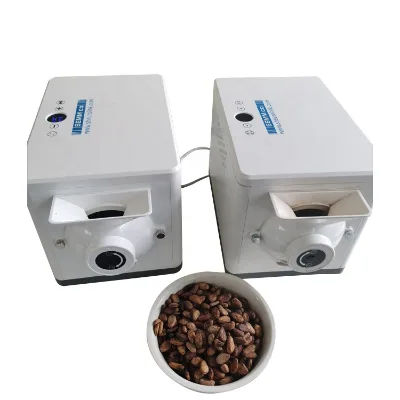
Small Capacity Rotary Cocoa Bean Nut Grain peanuts Coffee Beans Roasting Machine
$328.40 - $379.71
MOQ: 1 sets
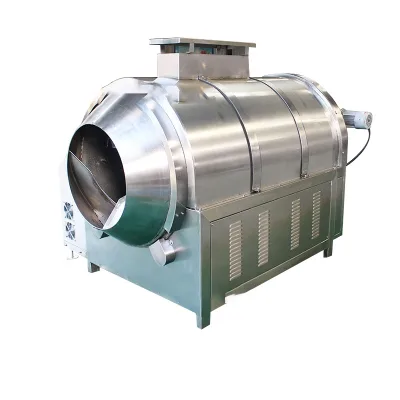
$4628.00 - $4828.00
MOQ: 1 sets

Nanyang Dongyi Machinery Equipment Co., Ltd.
- Verified by BV
- Manufacturer/Factory
- China Henan
- Lead time23 days
- Avg. response≤ 5h
Main productsCoffee Roaster, Electric Roasting Machine, Peanut Roasting Machine, Gas Roasting Machine, Coffee Grinder, Grain Drying Machine, Coffee Roasting Machine, Roasting Machine, Small Coffee Roaster, Coffee Roasting Processing Line
Main marketsSouth America,Eastern Europe,Mid East,North America,Southeast Asia,Eastern Asia,Oceania,Western Europe,Africa


CE Dongyi 1kg Small Commercial Coffee Bean Roaster Electric/Gas Cocoa Bean Roasting
$2599.00 - $2699.00
MOQ: 1 Pieces


100kg Nut Roasting Machine / Nut Roaster / Grain Roaster for Peanut, Soybean Seed, Barley
$3450.00 - $4050.00
MOQ: 1 Sets

- Verified by BV
- Trading Company,Manufacturer/Factory
- China Henan
- Lead time15 days
- Avg. response≤ 4h
Main productsOil Expeller, Oil Press Machine, Oil Refinery, Pellet Machine, Food Processing Machine, Animal Feed Machine, Packing Machine, Filling Machine, Briquette Machine, Brick Machine
Main marketsSouth America,Eastern Europe,Mid East,North America,Southeast Asia,Eastern Asia,Oceania,Western Europe,Africa
Henan Baixin Machinery Equipment Co., Ltd.
- Verified by SGS
- Combined
- China Henan
- Lead time15 days
- Avg. response≤ 3h
Main productsMesh Belt Continuous Dryer, Heat Pump Dryer, Microwave Dryer, French Fries Production Line
Main marketsSouth America,Africa,Southeast Asia/ Mideast,Europe

Popular 40kg/Batch Nuts Roasting Machine Roaster Peanut Cacao Bean Roaster Machine
$2000.00 - $2200.00
MOQ: 1 Pieces

Coffee Bean Roasting Machine Chickpea Roasting Machine Cashew Nut Roasting Machines Roaster
$2000.00 - $2200.00
MOQ: 1 Pieces

Pine Shea Nut Cocoa Coffee Bean Roaster Sunflower Sesame Seed Peanut Roasting Machine
$2000.00 - $2200.00
MOQ: 1 Pieces

Zhengzhou Sinoder Indutech Machinery Co., Ltd.
- Verified by BV
- Trading Company
- China Henan
- Lead time60 days
- Avg. response≤ 14h
Main productsOil Press Machine, Oil Refining Machine, Oil Solvent Extraction Plant, Oil Extraction Machine, Fertilizer Machine, Egg Tray Machine, Pellet Mill, Animal Feed Plant, Load Cell, Sensor Meter
Main marketsAfrica,Southeast Asia/ Mideast

- Manufacturer/Factory,Group Corporation
- China Hubei
- Lead time23 days
- Avg. response≤ 6h
Main productsAgro Machine, Food Machine, Milking Machine, Tractor, Parboiled Rice Milling Machine, Thresher, Harvester, Solar Dryer, Seeder, Biogas Products
Main marketsSouth America,Eastern Europe,Mid East,North America,Southeast Asia,Eastern Asia,Oceania,Western Europe,Africa

Qingdao Glad Engineering Technology Co., Ltd.
- Verified by BV
- Manufacturer/Factory
- China Shandong
- Lead time23 days
- Avg. response≤ 2h
Main productsDrying Machine, Food Processing Machine, Packing Machine, Dryer, Nuts Processing Machine, Fruit and Vegetable Processing Machine, FM PIR Panel, Food Machine, Milling Machine
Main marketsSouth America,Eastern Europe,Mid East,North America,Southeast Asia,Eastern Asia,Oceania,Western Europe,Africa

Hot Sale Cocoa Bean Peanut Seeds Sesame Nut Roasting Machine Roaster Machine Price Good Sale
$42000.00 - $800000.00
MOQ: 1 Pieces

Almond Soybean Peanut Nut Cashew Cocoa Sunflower Seed Roasting Drying Machine Roaster
$1000.00 - $6000.00
MOQ: 1 Pieces


Henan Lanphan Industry Co., Ltd.
- Verified by TUVRHEINLAND
- Trading Company
- China Henan
- Lead time15 days
- Avg. response≤ 4h
Main productsFreeze Dryer, Autoclave/Sterilizer, Spray Dryer, Solvent Recovery Machine, Rotary Evaporator, Centrifuge, Trichome Separator, Muffle Furnace, Short-Path Distillation/Closed Loop, Color Sorter
Main marketsSoutheast Asia/ Mideast

Home Coffee Bean Drum Roaster Small Coffee Roaster Coffee Bean Roaster Machine
$1986.00 - $2500.00
MOQ: 1 Pieces

6kg Stainless Steel Coffee Roaster Coffee Bean Roaster Coffee Roaster Machine for Sale
$5699.00 - $5999.00
MOQ: 1 Pieces
Zhengzhou Labsnova Technology Co., Ltd.
- Verified by SGS
- Trading Company,Manufacturer/Factory
- China Henan
- Lead time0 days
- Avg. response≤ 4h
Main productsAutomatic Car Wash Machine, Automotive Maintenance Equipment, Golf Cart, Tablet Press Machine, Hyperbaric Oxygen Chamber, Freeze Dryer Lyophilizer, Coffee Roaster
Main marketsSouth America,Eastern Europe,Mid East,North America,Southeast Asia,Eastern Asia,Oceania,Western Europe,Africa

Electric Coffee Roaster Black Pepper Roaster for Coffee Bean Oats Roasting Machine
$2380.00 - $2960.00
MOQ: 1 Pieces

$6200.00 - $11500.00
MOQ: 1 Pieces

Electric Coffee Roaster for Home Use Peanut Roaster Machine Coffee Roaster Machine for Sale
$2380.00 - $2960.00
MOQ: 1 Pieces


Zhengzhou Jiewei Machinery Equipment Co., Ltd.
- Verified by SGS
- Trading Company,Manufacturer/Factory
- China Henan
- Lead time15 days
- Avg. response≤ 5h
Main productsAnimal Feed Grinding Machine, Oil Press Machine, Wood Rod Making Machine, Colliod Mill
Main marketsEastern Europe,Mid East,North America,Western Europe,Africa

Nuts Chestnut Roaster Roasting Machine Roasting Wheat Machine Coffee Roaster Peanut Roasting Machine
$1800.00 - $3000.00
MOQ: 1 Pieces


Zhengzhou Gashili Machinery Co., Ltd.
- Manufacturer/Factory
- China Henan
- Lead time23 days
- Avg. response≤ 4h
Main productsInstant Noodle Making Line, Oil Pressing Machine, Peanut Butter Making Line, Candle Making Machine, Paper Cone Making Machine for Textile, Nut Processing Equipment, Vegetable and Fruit Processing Equipment, Wood Pallet Making Machine, Waste Recycling Equipment, Fertilizer Production Line
Main marketsSouth America,Eastern Europe,Mid East,North America,Southeast Asia,Eastern Asia,Oceania,Western Europe,Africa

Jinan Tindo International Co., Ltd.
- Trading Company
- China Shandong
- Lead time15 days
- Avg. response≤ 8h
Main productsCooking Kettle, Popcorn Machine, Roasting Machine, Frying Machine, Vacuum Fryer, Chicken Nuggets Machine, Microwave Drying Machine
Main marketsSoutheast Asia/ Mideast,Europe,North America

Factory Direct Sale Peanut Soybean Chickpea Drum Roaster Grain Automatic Nuts Roasting Machine Price
$1500.00 - $35000.00
MOQ: 1 Pieces

Drum Type Almond Roasting Machine Cashew Roaster Production Line Price
$1500.00 - $35000.00
MOQ: 1 Pieces


Comprehensive Sourcing Guide
Food Grade Cocoa Bean Roaster Supplier Concentration and Factory Types
The supplier results on this page point to two Chinese provinces as active sourcing bases for cocoa bean roasting equipment: Henan and Jiangsu. Henan-based companies in these results list main product ranges spanning nut processing machinery, fruit and vegetable machinery, meat processing machinery, snack machinery, chocolate machines, packing machines and even niche equipment such as paper pencil making machines, which signals broad generalist machinery portfolios. Jiangsu entries are more specialized, with main products concentrated on chocolate machines, chocolate depositing machines, ball mills, conches, tempering machines and enrobers, suggesting a tighter focus on the chocolate production chain that a cocoa roaster feeds into.
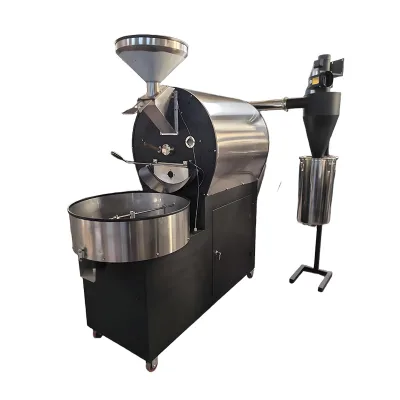
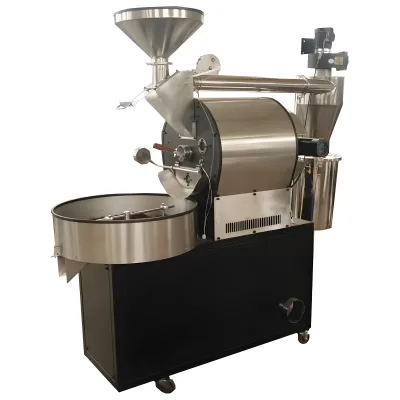
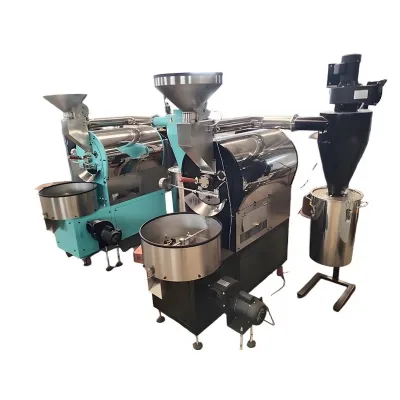
Company type varies meaningfully across the page. Some entries identify themselves as trading companies, others as manufacturer or factory operations, group corporations, or a combination of trading and manufacturing roles. Trading companies can consolidate multiple machinery lines into one shipment, while factories may offer more direct engineering input on drum heating, rotating principles and batch volume configurations. The products themselves show batch-style drum roasters in 50L and 100L volumes with larger 200L and 400L standards, gas-fired hot air roasters around 3kg capacity, and electric 50kg-per-batch machines, so the factory type you need depends on whether you want a small-batch unit or equipment that scales into a production line.
How to Verify Food Grade Cocoa Bean Roaster Suppliers
Verification should start with the credentials displayed in supplier results, then move to checks you request directly. On this page, several suppliers carry third-party verification badges, including TUV Rheinland, BV (Bureau Veritas) and SGS, which indicate the platform or an auditing body has confirmed basic company identity. One supplier shows ISO 9001 as a system certification, and another references an ISO9001:2015 certificate, both relevant because a documented quality management system matters for food-contact equipment. At the product level, CE certification appears on multiple roaster listings, covering electrical safety conformity for machines sold into markets that recognize it.
What the results do not show is equally important. Several entries list no system certification at all, meaning you cannot assume a documented QMS exists without asking. Because cocoa roasters touch edible product, you should request material declarations confirming which parts contacting beans are stainless steel — listings on this page cite SUS304, SUS201, carbon steel and stainless steel 304 in different combinations — and clarify where carbon steel is used. Ask for the scope of the CE certificate, not just the mark, and confirm whether food-grade compliance for your destination market is covered. Finally, verify whether the entity you are contracting with is the actual manufacturer or a trading intermediary, since company type labels can be mixed and warranty responsibility follows the contract party.
What to Compare Across Food Grade Cocoa Bean Roaster Suppliers
Build a comparison sheet around the attributes suppliers actually display, without assuming every entry has the same data. On this page, response times range from roughly 1.98 to 5.83 hours, which is a practical proxy for how quickly technical questions will be answered during a project. Quoted lead times differ substantially: one supplier lists 15 days, another 30, and a third 60. For a roaster destined for an existing production schedule, that spread alone can disqualify a technically attractive option. Main product focus is another dimension — a supplier whose catalog is entirely chocolate machinery will likely integrate better with downstream conching and tempering equipment than a generalist food machinery trader.
Technical comparison should use the product-level attributes shown. Heating source varies across listings between electric and gas, with one gas model specifying 0.7kg/h gas consumption per batch and another listing 12–13.5kw heating power at 380V. Batch capacity ranges from 3kg hot-air units to 50kg-per-batch machines and 50L/100L drum volumes up to 400L standards. Baking time is quoted at 15–30 minutes on drum models. Also compare material specifications (SUS304 versus SUS201 versus carbon steel), customization availability, automatic grade, packing (wooden case appears on several listings), and whether a timing device is included. Note that price bands on the page vary widely by model, so compare like-for-like capacities rather than headline figures.
Common Food Grade Cocoa Bean Roaster Sourcing Risks
The most common risk in this category is conflating general machinery competence with food-safety competence. Several suppliers on this page sell equipment for nuts, meat, snacks, charcoal, wood, plastic and waste recycling alongside food machinery, and one even shows a paper pencil making machine. A broad catalog is not inherently bad, but it means the roaster may be one line among many, so depth of cocoa-specific engineering — drum heating uniformity, bean temperature control, ease of cleaning between batches — should be confirmed rather than assumed. Material substitution is a related risk: listings show SUS304, SUS201 and carbon steel in the same product lines, and SUS201 offers lower corrosion resistance than 304 for food contact.
Secondary risks center on logistics and documentation. Lead times of 15, 30 and 60 days coexist on this page, so a short quoted lead time on a customized machine deserves scrutiny — confirm what "customized" means when a listing marks customization as available and customized simultaneously. Wooden case export packing is common, but verify fumigation requirements for your destination. Certification risk is real where system certification is listed as absent; do not extend a supplier's product CE mark to assume factory-level quality systems. Finally, response times under six hours are encouraging for pre-sales, but test post-sale responsiveness by asking a technical question before ordering.
Food Grade Cocoa Bean Roaster Regional Sourcing and Logistics
The regional picture from these results is concentrated in two provinces. Henan suppliers here present wide machinery portfolios — nut processing, snack processing, printing, quilting and bubble tea shop equipment — and quote a 30-day lead time on a drum roaster line, with product origins listed as Henan. Jiangsu suppliers are anchored in chocolate-specific machinery, including depositing machines, conches, tempering machines and enrobers, with one quoting a 60-day lead time and product origin listed simply as China. A third Henan-origin entry quotes 15 days. These locations matter less as a quality signal than as a logistics input: both provinces have established machinery export channels, but your freight planning should account for the machine's size and weight.
Logistics specifics from the listings help estimate shipping requirements. A 50kg/batch electric roaster is listed at 2300×1000×1350mm, a 3kg gas hot-air unit at 1420×610×1410mm weighing 160kg, and another gas model at 1000×450×1150mm. Larger 200L and 400L drum standards will exceed these footprints considerably. All listed packing is wooden case, with one specifying fumigation-free wooden case. Request dimensional drawings for your selected batch size, confirm whether the machine ships fully assembled or disassembled, and check whether gas-fired models need local gas supply adaptation at your site voltage and pressure before the 30- to 60-day lead time window starts.
Food Grade Cocoa Bean Roaster Commercial Terms and Order Planning
Commercial terms on this page give you realistic anchors for negotiation. Listed prices for batch roasters span from roughly 2,200–2,250 for 50L/100L drum units up to 5,000 for a 50kg-per-batch electric machine, and 2,779–3,610 for a 3kg gas hot-air model, so budget scales with capacity and heating type. Minimum order quantities are quoted as low as one unit on roaster listings, which is typical for capital equipment and lets you trial a supplier with a single machine before scaling. Customization is marked available on multiple listings, so quote configuration changes — heating source, drum volume, material grade — as priced line items rather than assuming they are bundled.
Order planning should sequence around the lead times shown: 15, 30 and 60 days from different suppliers, likely measured from deposit to shipment. Add time for pre-shipment inspection, where you should verify CE documentation, material certificates for stainless contact parts, and a live or video roasting test with your own cocoa beans before balance payment. Confirm packing type in the contract (wooden case, and whether fumigation-free treatment is needed for your port), and clarify warranty terms and spare parts availability — drum seals and heating elements wear first. Where a supplier shows OEM, ODM or own-brand capability, request branding and manual terms in writing early, since these affect both delivery time and your resale or private-label plans.
FAQs
What capacity options are common for a Food Grade Cocoa Bean Roaster?
Batch capacities commonly range from small 3kg units to 50kg, 100L, and 200L or 400L batch sizes. Small hot-air gas roasters suit sampling and craft production, while larger electric or gas drum roasters handle continuous commercial output. Confirm the rated capacity per batch in writing before ordering, and match it to your daily production plan.
Which heating sources are available for cocoa bean roasters?
Most listings offer electric heating or natural gas heating, and some drum roasters accept either. Electric models often specify heating power around 12-13.5kw at 380V, while gas models may list consumption figures such as 0.7kg per hour per batch. Choose based on your facility's utilities, since gas units need ventilation and safe gas supply infrastructure.
What materials should a Food Grade Cocoa Bean Roaster use?
Food-contact surfaces should be stainless steel, typically SUS304, with some models also using SUS201 or carbon steel on non-contact parts. Ask the supplier to confirm exactly which parts touch the beans and request material certificates. Drum heating with rotation is the common principle, and baking times generally run 15 to 30 minutes per batch.
What certifications should I verify before ordering a roaster?
Look for CE certification on the machine itself and ISO 9001 quality management certification at the factory level. Some suppliers also carry third-party verification from bodies like TUV Rheinland, BV, or SGS. Ask for copies of certificates and confirm they cover the specific model you are buying, since system certifications do not always cover every listed machine.
What is the typical minimum order quantity and price range?
Many suppliers list a minimum order quantity of just one unit, which suits buyers testing the equipment first. Listed prices for batch roasters commonly fall between roughly 2,200 and 5,000 US dollars depending on capacity, heating source, and features. Prices vary with customization, so request a formal quotation based on your required batch size.
How long is the usual lead time and how fast do suppliers respond?
Lead times in current listings range from about 15 days to 60 days, depending on the supplier type and order complexity. Average response times vary from under 2 hours to nearly 6 hours among listed suppliers. Confirm both figures in writing before paying a deposit, and ask whether the quoted lead time covers customization, testing, and packing in wooden cases.
Can cocoa bean roasters be customized for my production needs?
Yes, customization is listed as available on most roaster models, including choices of heating source, batch volume, and automation grade. Suppliers may offer OEM and ODM services alongside their own brands. Provide your capacity target, voltage, and available fuel type early, and ask for drawings and a test video before confirming the final specification.
Where are the suppliers of these roasters mainly located?
Listed suppliers are mainly located in China, including Henan and Jiangsu provinces. Henan suppliers list nut, cocoa, and coffee roasting machines among nut processing machinery categories, while Jiangsu suppliers focus on chocolate making equipment. Factor in shipping distance to your port, since machine weight can reach 160kg or more for smaller units.