Food Grade Iridescent Cellophane Wrap Suppliers and Manufacturers
Source 16 verified suppliers for Food Grade Iridescent Cellophane Wrap. Compare locations in China, lead times, MOQs, and certifications. Request quotes to secure competitive pricing and reliable supply chains; review the available evidence before requesting comparable quotations from suitable candidates.
Suppliers List

Qingdao Newxinker International Trade Co., Ltd.
- Trading Company
- China Shandong
- Lead time30 days
- Avg. response≤ 4h
Main productsColor Cellophane Paper, Color Glassine Paper, Artificial Flower Crepe Paper, Silk Paper, Flower Tape for Artificial DIY Flower, Origami Paper, Glazed Paper, Fluorescent Paper, Tissue Pompom, Metallic Card Paper
Main marketsSouth America,Southeast Asia/ Mideast,Europe,Australia
ZHEJIANG YAOPAPER PACKAGING TECHNOLOGY CO., LTD.
- Manufacturer
- Zhejiang, China
- Lead time15 days
- Avg. response≤ 13h
Main productsCellophane,Al Foil Paper,Metalized Paper,PE Coated Paper,Metalized Film
Main marketsWestern Europe(11.11%), Eastern Asia(11.11%), Mid East(11.11%), Oceania(11.11%), Africa(11.11%), Southeast Asia(11.11%), Eastern Europe(11.11%), South America(11.11%), North America(11.11%)

Jieshou Tianhong New Material Co., Ltd.
- Verified by BV
- Combined
- China Anhui
- Lead time15 days
- Avg. response≤ 3h
Main productsPlastic Film, Food Packaging Material, Li-ion Battery Separator
Main marketsSouth America,Africa,Southeast Asia/ Mideast,East Asia(Japan/ South Korea),Domestic,Europe,Australia,North America
Shenzhen Cheerful Packaging Co., Ltd.
- Manufacturer, Trading Company
- Guangdong, China
- Lead time10 days
- Avg. response≤ 2h
Main productsPackaging Bags,Paper box,Label&Stickers,Paper Package,Printing Film
Main marketsNorth America(45.00%), Western Europe(10.00%), Northern Europe(10.00%), Central America(10.00%), South Asia(5.00%), Southern Europe(5.00%), Eastern Europe(5.00%), Africa(3.00%), South America(3.00%), Southeast Asia(2.00%), Eastern Asia(2.00%)

Anhui Jumei Biological Technology Co., Ltd.
- Verified by SGS
- Combined
- China Anhui
- Lead time15 days
- Avg. response≤ 12h
Main productsCompostable Cling Film, PLA Straw, Cpla Lid, Compostable Bags, Compostable Raw Material, Paper Cutlery, PLA Gloves
Main marketsSouth America,Africa,Southeast Asia/ Mideast,East Asia(Japan/ South Korea),Europe,Australia,North America


Compostable 100% Biodegradable Food Grade Cling Wrap Film Fibers Cellophane
$0.84 - $0.87
MOQ: 5000 Rolls


Biodegradable Cling Wrap, 100% Compostable Cling Wrap, , Food Grade Cling Wrap
$0.84 - $0.87
MOQ: 5000 Rolls

Ruida Industrial (Hangzhou) Co., Ltd.
- Verified by BV
- Trading Company
- China Zhejiang
- Lead time30 days
- Avg. response≤ 18h
Main productsPet Film, Polyester Film, BOPA Film, CPP Film, BOPP Film, PVC Film, Vacuum Metalized Film, BOPE Film, Vmbopp Film, VMCPP Film
Main marketsSouth America,Southeast Asia/ Mideast,Europe

Haiyang Huike Packing Co., Ltd.
- Verified by SGS
- Combined
- China Shandong
- Lead time23 days
- Avg. response≤ 5h
Main productsGrow Bag
Main marketsAfrica,North America

Custom Printing Food Grade Film Colored Cellophane Paper Wrapping Film Rolls
$0.30 - $0.60
MOQ: 1000 Square Meters

Custom Printing Food Grade Film Colored Cellophane Paper Wrapping Film Rolls
$0.30 - $0.60
MOQ: 1000 Square Meters
Changsha Running Import & Export Co., Ltd.
- Verified by SGS Group
- Trading Company
- Lead time30 days
- Avg. response≤ 4h
Main productsEVA Foam, Craft Paper, Book Cover, Self Adhesive Film, DIY Items
Main marketsSouth America(24%), Eastern Europe(16%), Eastern Asia(16%)

Linyi Shoujia Packaging Materials Co., Ltd.
- Verified by SGS
- Manufacturer
- China Shandong
- Lead time15 days
- Avg. response≤ 22h
Main marketsDomestic

Food Cellophane Roll for Automatic Packaging; Colored Stretch Film\Wrapping Film
$1.50 - $1.55
MOQ: 1 kg


Wholesale Transparent Roll Film Soft Hardness Hand Stretch Wrap Food Grade Grade
$1.15 - $2.20
MOQ: 1 kg

Tianjin Glory Tang Plastic Industry Co., Ltd.
- Verified by SGS
- Trading Company,Manufacturer/Factory
- China Tianjin
- Lead time120 days
- Avg. response≤ 8h
Main productsFilm, BOPP Film, BOPP Thermal Lamination Film, BOPE Film, BOPA Film, BOPET Film, Foil, PVC Sheet, Coated Paper, PE battery Separator
Main marketsSouth America,Eastern Europe,Mid East,North America,Southeast Asia,Eastern Asia,Oceania,Western Europe,Africa

QINGDAO LONGYOURU PACKING CO., LTD.
- Verified by TUVRHEINLAND
- Trading Company,Manufacturer/Factory
- China Shandong
- Lead time23 days
- Avg. response≤ 5h
Main productsHand Used LLDPE Stretch Film, BOPP Tape, Cling Film, Silage Film, Mini Stretch Film, Machine Used LLDPE Stretch Film, Jumbo Roll Stretch Film, Aluminium Foil
Main marketsSouth America,Eastern Europe,Mid East,North America,Southeast Asia,Eastern Asia,Oceania,Western Europe,Africa

Jining Mingchuang International Co., Ltd.
- Manufacturer/Factory,Group Corporation
- China Shandong
- Lead time15 days
- Avg. response≤ 21h
Main productsPVC Film, Transparent Film, LLDPE Stretch Film, PVC Tarpaulin and Canvas, PE Shrink Film, PVC Sheet, HDPE Liner, PVC Tapes, Packaging Film, PVC Products
Main marketsSouth America,Eastern Europe,Mid East,North America,Southeast Asia,Eastern Asia,Oceania,Western Europe

Shandong Ruixiang Packing Products Co., Ltd.
- Verified by BV
- Combined
- China Shandong
- Lead time15 days
- Avg. response≤ 19h
Main productsPlastic Bag
Main marketsAfrica,Southeast Asia/ Mideast,Domestic,Europe,North America

Food Grade Stretch Packaging Food Wrap Preservative Film PE Cling Film Wrap Roll
$1.30 - $1.80
MOQ: 1 Tons

Food Grade Stretch Packaging Food Wrap Preservative Film PE Cling Film Wrap Roll
$1.30 - $1.80
MOQ: 1 Tons


Nanjing Jinhuigu Industrial Trade Co., Ltd.
- Verified by SGS
- Trading Company,Manufacturer/Factory
- China Jiangsu
- Lead time23 days
- Avg. response≤ 6h
Main productsShrink Packing Machine, Stretch Film, Shrink Film, Cling Film, Barrier Shrink Film, POF Shrink Film, Film Blowing Machine, Bag Making Machine, Wrapping Machine, Packing Machine
Main marketsSouth America,Eastern Europe,Mid East,North America,Southeast Asia,Eastern Asia,Oceania,Western Europe,Africa


Food Packaging Stretch Film Food Grade Clear Cling Wrap Wholesale Manufacturer
$1.60 - $1.70
MOQ: 1000 kg

Yuanxian High Tech Materials Trading (Tianjin) Co., Ltd.
- Verified by BV
- Trading Company,Manufacturer/Factory
- China Tianjin
- Lead time15 days
- Avg. response≤ 4h
Main productsUltrafiltration Membrane, RO Membrane, Water Treatment Equipment, PC Strand, PC Wire, Anchorages
Main marketsSouth America,Eastern Europe,Mid East,North America,Southeast Asia,Eastern Asia,Oceania,Western Europe,Africa

Zhongshan Ally Import and Export Company Limited
- Verified by BV
- Trading Company
- China Guangdong
- Lead time30 days
- Avg. response≤ 9h
Main productsSoy Sauce, Oyster Sauce, Egg Noodle, Noodles, Sweet Chilli Sauce, Sesame Oil, Canned Food, Peanut Butter, Chicken Powder, Vinegar
Main marketsSouth America,Africa,Europe,Australia


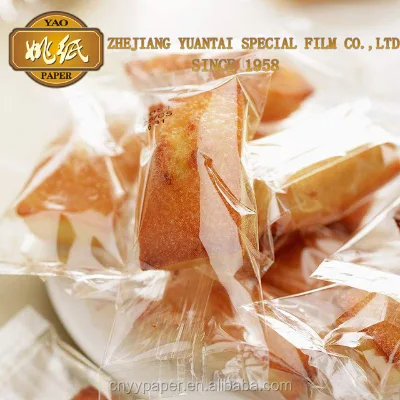
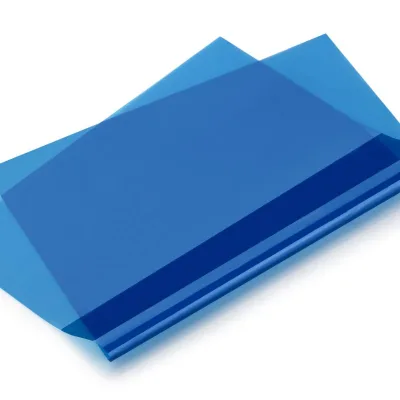



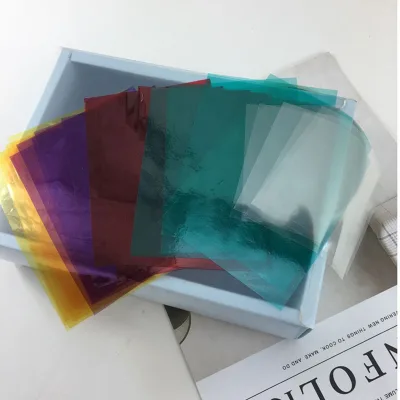
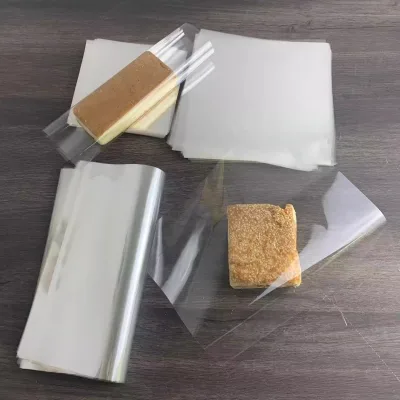


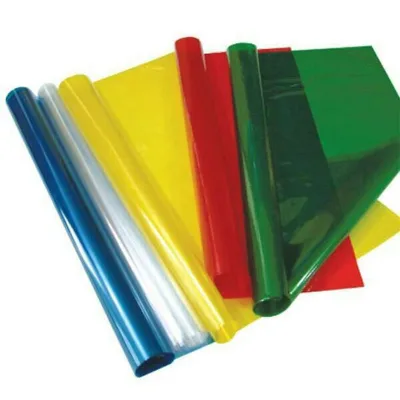
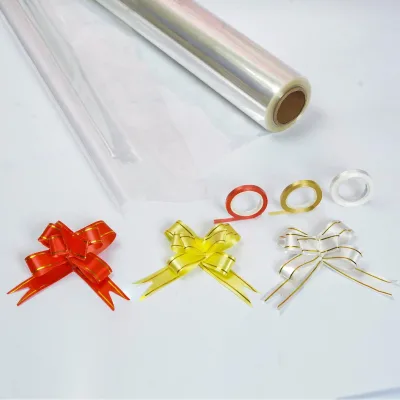


Comprehensive Sourcing Guide
Food Grade Iridescent Cellophane Wrap Supplier Concentration and Factory Types
Current data indicates a concentration of suppliers in China, specifically within the Shandong and Zhejiang provinces, with additional presence noted in Anhui. These regions host a mix of company types, including trading companies, manufacturers, and combined entities. Suppliers in Shandong are identified as trading companies offering a broad range of paper products, while those in Zhejiang operate as manufacturers specializing in cellophane, aluminum foil paper, and metalized films. The Anhui-based supplier is classified as a combined entity with specific capabilities in plastic films and battery separators. This geographic distribution suggests that buyers can find diverse sourcing options within these specific Chinese provinces, though the exact number of active suppliers fluctuates based on current market listings.
When evaluating factory types, buyers should distinguish between trading companies that aggregate products and manufacturers who control the production process. The observed data shows trading companies in Shandong focusing on paper packaging and gift wrapping, whereas Zhejiang manufacturers emphasize food-grade biodegradable films and virgin pulp materials. Combined entities in Anhui offer ODM and OEM services alongside their own branding capabilities. It is critical to verify if a supplier claims to be a manufacturer by checking their main product list against their stated capabilities. Buyers must confirm whether the entity handles the entire production cycle or acts as an intermediary, as this distinction impacts quality control and customization flexibility for food-grade cellophane wrap orders.
How to Verify Food Grade Iridescent Cellophane Wrap Suppliers
Verification begins with examining specific product attributes and certifications provided in the supplier listings. Some suppliers list ISO9001:2015 and ISO14001:2015 certificates, which are essential for ensuring consistent quality and environmental compliance in food packaging. Buyers should look for explicit mentions of food-grade status, such as "Food Grade Cellulose Paper" or "Biodegradable Regenerated Cellulose," to confirm suitability for direct food contact. The presence of verification badges like BV (Bureau Veritas) adds a layer of credibility regarding the supplier's business legitimacy. However, buyers must not assume all suppliers possess these credentials; if a listing lacks specific certification details, the buyer should request proof directly before proceeding with any transaction.
Beyond certifications, buyers must scrutinize the technical specifications provided for the cellophane wrap. Key attributes to verify include the pulp style, which should be virgin pulp for food safety, and features like moisture proofing, anti-blocking properties, and biodegradability. The data shows specific tensile strength requirements, such as more than 25 N/15mm, and elongation rates exceeding 10%, which are critical for performance. Buyers should also check the material composition, ensuring it is transparent regenerated cellulose film rather than synthetic plastics if biodegradability is a requirement. If the product description mentions "Cotton" as a material for cellophane, this requires immediate clarification as it contradicts standard cellulose definitions. Always request third-party test reports to validate claims about food safety and material integrity.
What to Compare Across Food Grade Iridescent Cellophane Wrap Suppliers
When comparing suppliers, lead time and response time are primary operational metrics that influence supply chain reliability. The observed data reveals a response time variance, with some suppliers responding in under three hours while others take up to thirteen hours. Lead times also differ significantly, ranging from fifteen days to thirty days depending on the supplier's location and production capacity. Buyers should prioritize suppliers with faster response times to ensure quick communication during order customization and issue resolution. A shorter lead time, such as fifteen days, allows for more agile inventory management, whereas a thirty-day lead time requires earlier planning and larger safety stock levels to prevent stockouts.
Minimum Order Quantity (MOQ) and pricing structures are equally critical factors in the comparison process. Listings show MOQs varying from one unit to ten units, offering flexibility for small-scale buyers while larger orders may require higher volume commitments. Price ranges observed span from approximately 3.07 to 4900.00, indicating a wide spectrum of product grades and packaging sizes. Buyers must analyze whether the price reflects the specific features required, such as iridescence, thickness variations under two microns, or custom printing capabilities. It is essential to compare the total cost of ownership, including packaging details like cartons or wooden cases, rather than just the unit price. Suppliers offering customization availability should be evaluated on their ability to meet specific size and color requirements without inflating the MOQ excessively.
Common Food Grade Iridescent Cellophane Wrap Sourcing Risks
One significant risk involves the discrepancy between product descriptions and actual material composition. Some listings mention materials like "Cotton" for cellophane products, which is technically inconsistent with standard regenerated cellulose film definitions. This inconsistency suggests a potential error in the product listing or a misunderstanding of the material by the supplier. Buyers face the risk of receiving non-compliant materials that do not meet food safety standards if they do not verify the pulp style and material origin. Additionally, claims of biodegradability must be backed by specific test results, as not all cellulose films are biodegradable under all conditions. Relying solely on marketing terms without verifying the "Virgin Pulp" status or specific industrial use classifications can lead to regulatory non-compliance in the destination market.
Another risk pertains to the reliability of shipping and logistics, particularly regarding the port of dispatch and packaging integrity. While some suppliers specify ports like Ningbo or Shanghai, others do not provide clear dispatch information, which can complicate freight forwarding and customs clearance. The packaging details, such as "Careton or Wood Carton & Pallet," vary between suppliers, affecting the protection of the cellophane rolls during transit. If the packaging is insufficient, the product may suffer from moisture damage or physical deformation, especially given the moisture-sensitive nature of paper-based films. Buyers should also be wary of suppliers with vague supply ability statements, such as "5 kilograms per Week," which may indicate limited production capacity unable to meet large order demands. Verifying the actual production capacity and logistics partners is essential to mitigate these risks.
Food Grade Iridescent Cellophane Wrap Regional Sourcing and Logistics
Sourcing from China offers distinct logistical advantages due to the established manufacturing clusters in Shandong, Zhejiang, and Anhui. Suppliers in these regions benefit from mature supply chains for paper and plastic packaging materials, which can streamline the production of food-grade cellophane wrap. The proximity of raw material sources, such as wood pulp and cellulose, to these manufacturing hubs often results in more competitive pricing and faster production cycles. Buyers should consider the specific location of the supplier when calculating freight costs, as shipping from inland provinces like Anhui may differ in cost and transit time compared to coastal hubs in Zhejiang or Shandong. Understanding the regional strengths helps in selecting a supplier that aligns with specific logistical requirements and delivery timelines.
Logistics planning must account for the specific packaging and shipping units provided by the supplier. Data indicates that products are often shipped in reams of 500 sheets or large rolls with single package sizes reaching 110x100x100 cm. These dimensions impact container loading efficiency and freight costs, requiring buyers to optimize their order quantities to maximize space utilization. The port of dispatch, whether Ningbo or Shanghai, influences the speed of export clearance and the availability of direct shipping lines to the buyer's destination. Buyers should verify the supplier's experience with international shipping to ensure that the fragile cellophane rolls are packed securely to prevent damage during long-haul transit. Coordinating with a freight forwarder who understands the specific handling requirements of paper-based films is crucial for a smooth delivery process.
Food Grade Iridescent Cellophane Wrap Commercial Terms and Order Planning
Commercial terms regarding customization and payment are vital for successful order execution. Many suppliers indicate that customization is available, allowing buyers to specify colors, sizes, and printing requirements. However, the extent of customization varies, with some suppliers offering up to ten colors for printing while others may have more limited options. Buyers must clearly define their customization needs early in the negotiation process to avoid misunderstandings regarding the final product specifications. Additionally, the selling units, often listed as single items or specific ream counts, should be aligned with the buyer's inventory needs. Understanding the supplier's ability to handle custom orders is essential for ensuring the final product meets the specific branding and functional requirements of the food packaging application.
Order planning should incorporate the supplier's stated supply ability and production capacity to ensure timely delivery. While some suppliers claim a supply ability of 5 kilograms per week, others may have higher capacities suitable for larger orders. Buyers must assess whether the supplier's capacity can scale to meet peak demand periods without compromising quality or lead times. The price range observed, from low-cost single items to bulk pricing, suggests that volume discounts may be available for larger orders. Buyers should plan their orders to leverage these pricing tiers while maintaining a buffer for potential delays. Establishing a clear communication channel for order updates and quality checks is necessary to manage the entire procurement lifecycle effectively and ensure the food-grade cellophane wrap arrives on schedule.
FAQs
What is the price range for food grade cellophane wrap?
Prices for food grade cellophane wrap typically range from $3.07 to $4,900 per unit depending on specifications. The lower end reflects basic wrapping films, while higher tiers cover bulk orders or specialized biodegradable options. Buyers should verify exact pricing based on quantity and customization needs.
What are the lead times for cellophane paper orders?
Lead times for cellophane paper orders generally range from 15 to 30 days. Manufacturers in Zhejiang often offer faster turnaround times around 15 days, while suppliers in Shandong may require up to 30 days. These timelines depend on order volume and production scheduling.
What is the minimum order quantity for cellophane wrap?
Minimum order quantities for cellophane wrap vary by supplier, with some accepting orders as low as one unit. Other manufacturers may require a minimum of ten units. Buyers should check specific supplier listings to confirm the exact MOQ applicable to their desired product specifications.
What certifications do cellophane suppliers hold?
Some cellophane suppliers hold ISO9001:2015 and ISO14001:2015 certifications. These standards ensure quality management and environmental compliance. Buyers should verify specific certification documents directly with suppliers to confirm compliance with international food packaging regulations and safety standards.
What materials are used in food grade cellophane?
Food grade cellophane is primarily made from virgin wood pulp or cotton. These materials ensure the film is biodegradable and safe for direct food contact. The pulp style is typically virgin, providing high tensile strength and moisture resistance for effective packaging applications.
Where are cellophane wrap manufacturers located?
Cellophane wrap manufacturers are primarily located in China, specifically in Shandong and Zhejiang provinces. Shandong suppliers often focus on trading and diverse paper products, while Zhejiang manufacturers specialize in production and export. Buyers can filter results by these specific geographic regions.
What features do food grade cellophane films offer?
Food grade cellophane films offer moisture proof, anti-curl, and waterproof features. They are also biodegradable and eco-friendly. These characteristics make them suitable for wrapping candies, flowers, and other food items while maintaining product freshness and aesthetic appeal during transport and display.