food grade metal twist-off cap Suppliers and Manufacturers
Compare 18 verified suppliers offering food grade metal twist-off caps from Fujian, Guangdong, and Anhui. Review lead times, minimum order quantities, certifications, and prices before contacting factories for custom orders; review the available evidence before requesting comparable quotations from suitable candidates.
Updated
Suppliers List

Xiamen SIkun International Trading Co., Ltd.
- Verified by BV
- Trading Company,Manufacturer/Factory
- China Fujian
- Lead time0 days
- Avg. response≤ 6h
Main productsAluminum Can, Metal Tin Can, Twist-off Cap, Aluminum Cap, Aluminum Foil Peel-off Lid, Metal Can Lid

Customized 43# Metal Twist off Cap for Food Grade Glass Jar Packaging
$0.017 - $0.021
MOQ: 100000 Pieces


30# Metal Lug Caps Twist off Cap for Glass Jar Food Grade Packaging Customized Standard Model
$0.015 - $0.02
MOQ: 100000 Pieces


Foshan Yuelida Metal Cap Co., Ltd.
- Manufacturer
- Guangdong, China
- Lead time30 days
- Avg. response≤ 24h
Main productsMetal cap,metal can,aluminum cap,bottle cap,metal tin
Main marketsDomestic Market(50.00%), North America(20.00%), Southeast Asia(10.00%), Western Europe(6.00%), Mid East(5.00%), Eastern Asia(5.00%), Eastern Europe(1.00%), South Asia(1.00%), Africa(1.00%), Oceania(1.00%)

ANHUI IDEA TECHNOLOGY IMP AND EXP CO., LTD
- Verified by TUVRHEINLAND
- Trading Company
- China Anhui
- Lead time23 days
- Avg. response≤ 4h
Main productsGlass Jar, Glass Bottle, Pet Preform, Aluminum Cans, Glass Cup, Bottle Caps Jar Lids, Candle Jars, Perfume Bottle, Cosmetic Bottle
Main marketsSouth America,Africa,Southeast Asia/ Mideast,East Asia(Japan/ South Korea),Europe,Australia,North America
Anhui Idea Technology Imp & Exp Co., Ltd.
- Manufacturer, Trading Company
- Lead time旺季: "1 - 10000":3,"> 10000":"To be negotiated", 淡季: "1 - 10000":3,"> 10000":"To be negotiated"
- Avg. response≤ 5h
Main productsGlass Jar, Glass Bottle, Glass Container, PET Preform, Aluminum Cans
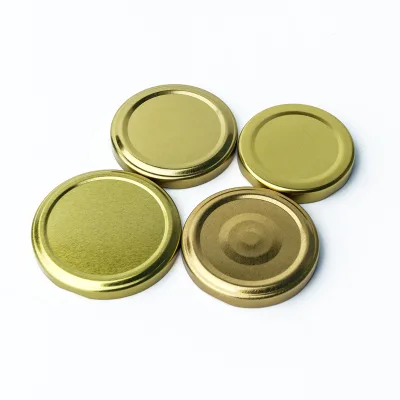
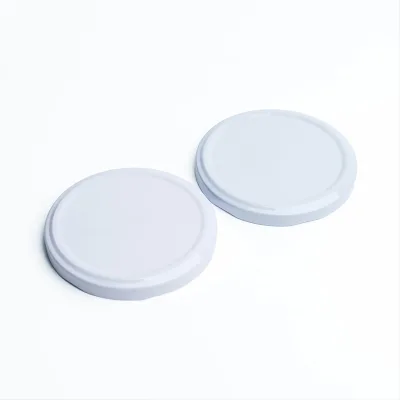
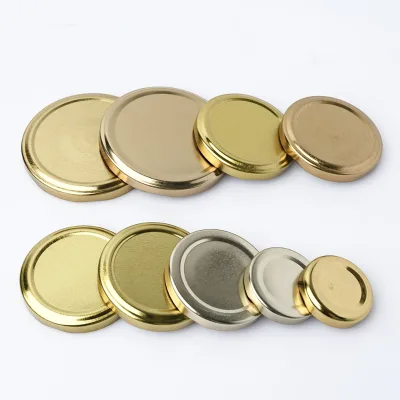
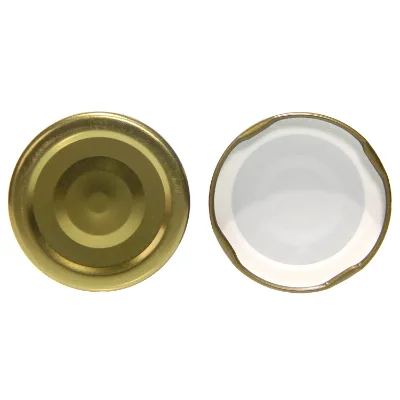
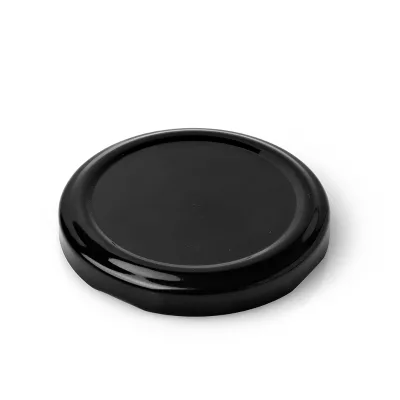
Food Grade Standard High Quality Twist off Cap Lug Cap with Customized Logo
$0.021 - $0.063
MOQ: 10000 Minimum
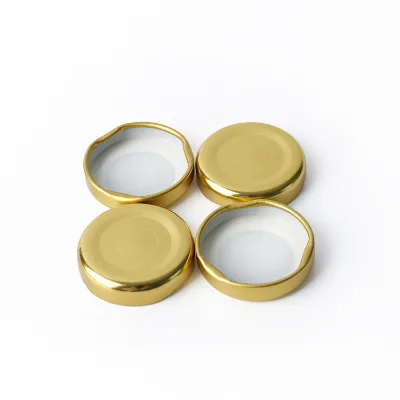
Low Moq New Metal Lug Caps Twist Off Design Bottle Lids & Closures for Beverages & Liquids
$0.03 - $0.04
MOQ: 50000 pieces

TIANJIN JINYANG PACKING MATERIALS CO., LTD
- Verified by TUVRHEINLAND
- Trading Company
- China Tianjin
- Lead time15 days
- Avg. response≤ 17h
Main productsTinplate Aerosol Can Cone and Dome
Main marketsOthers(foreignTradeCapacity.exportBusinessCapacityMarketOther),Europe

Anhui Creative Packaging Technology Co., Ltd.
- Verified by BV
- Trading Company,Manufacturer/Factory
- China Anhui
- Lead time23 days
- Avg. response≤ 5h
Main productsGlass Jars, Glass Bottles, Glass Liquor/Beer/Oil Bottles, Glass Cosmetic/Perfume Bottles, Glass Cup, Candle Jar, Preform, Lids/Cap, Aluminum Cans, Wine Glass
Main marketsSouth America,Eastern Europe,Mid East,North America,Southeast Asia,Eastern Asia,Oceania,Western Europe,Africa
- Trading Company
- Jiangsu, China
- Lead time30 days
- Avg. response≤ 9h
Main productsmason jar,dropper bottle,hot sauce bottle,Beverage Glass Bottles,Perfume Glass Bottles
Main marketsDomestic Market(40.00%), North America(15.80%), Eastern Asia(11.50%), Southern Europe(10.00%), Oceania(10.00%), South America(5.60%), Africa(1.50%)
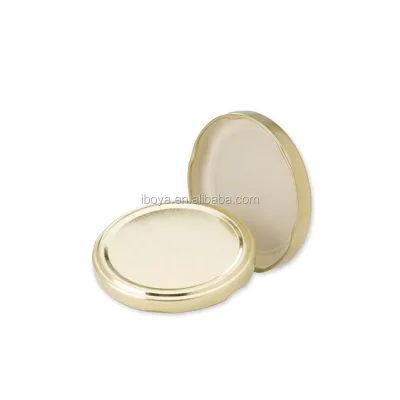
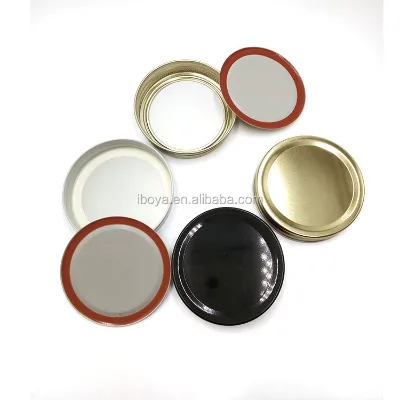
38mm 43mm 53ml 63mm 70mm 82mm Metal Twist Off Lids Lug Cap for Canning Jar
$0.01 - $0.30
MOQ: 5000 Minimum
Anhui Creative Packaging Technology Co., Ltd.
- Verified by SGS Group
- Manufacturer, Trading Company
- Lead time15 days
- Avg. response≤ 5h
Main productsGlass Jar, Aluminum Can, Plastic Preform, Tinplate Lid, Glass Bottle
Main marketsSouth America(30%), Southern Europe(20%), Northern Europe(10%)
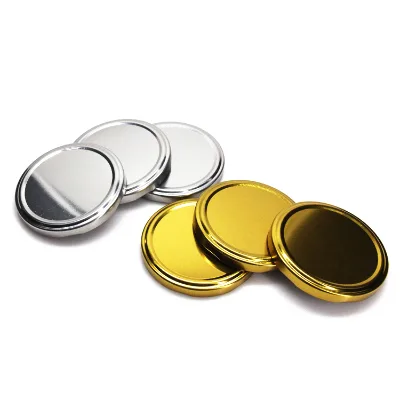
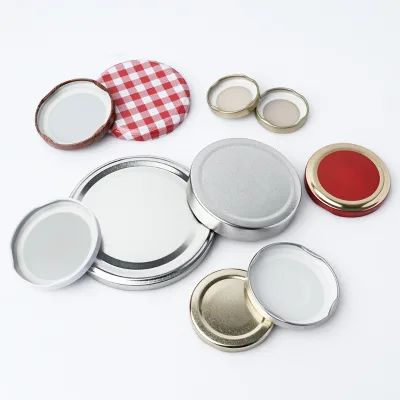
38# 43# 48# 53# 58# 63# 70# 82# Twist Off Metal Lug Caps Bottle Cap Ketchup Pickle Jars
$0.0103 - $0.031
MOQ: 50000 pieces
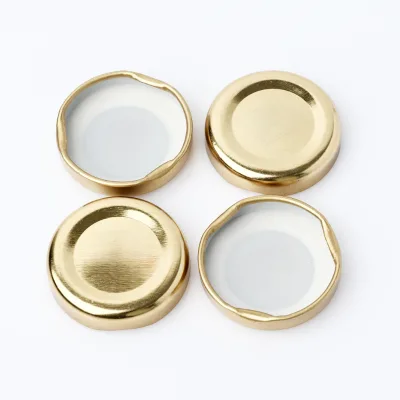
Factory Direct Supply Gold Series 43mm-82mm Twist Off Cap for Beverage Glass Bottles
$0.0103 - $0.031
MOQ: 50000 pieces
Personalized Custom Non-Spill 38Mm 43Mm 48Mm 53Mm 63Mm 70Mm 82Mm Twist Off Lug Cap for Glass
$0.01 - $0.02
MOQ: 10000
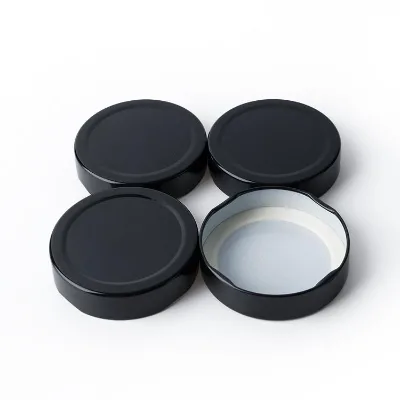
New Design 38Mm 43Mm 53Mm 58Mm 63Mm 72Mm 82Mm Red White Black Metal Lug Cap for Jar
$0.02 - $0.04
MOQ: 10000 Minimum
TAIWAN HON CHUAN ENTERPRISE CO., LTD.
- Verified by SGS Group
- Manufacturer, Trading Company
- Lead time21 days
- Avg. response≤ 4h
Main productsPlastic Cap, PET Bottle, PET Preform, Metal Lug Cap, Aluminum Cap, Label, Beverage OEM/ODM
Main marketsDomestic Market(74%), Eastern Asia(18%), Southeast Asia(3%)
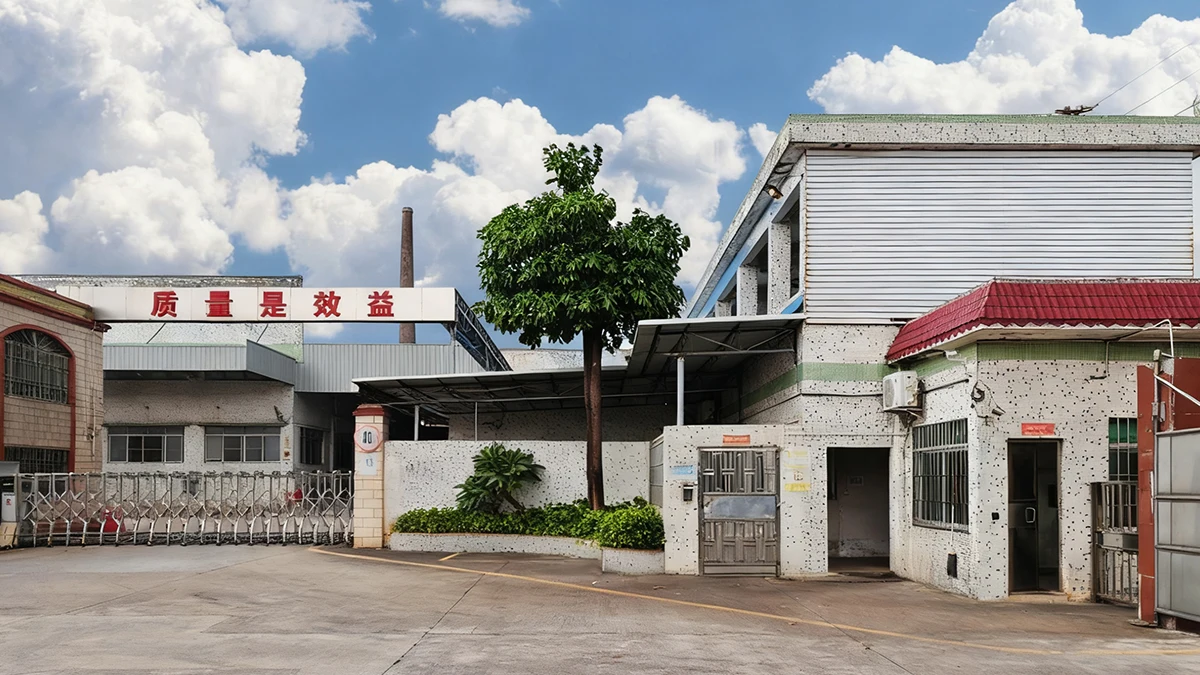
Foshan Chuangjia Trade Co., Ltd.
- Manufacturer, Trading Company, Distributor/Wholesaler
- Guangdong, China
- Lead time20 days
- Avg. response≤ 5h
Main productsglass bottle,glass jar,glass container,cosmetic bottle,beverage bottles
Main marketsSoutheast Asia(50.00%), Domestic Market(30.00%), Eastern Europe(5.00%), Central America(5.00%), Oceania(5.00%), South America(5.00%)
Suzhou Glass Point Packaging Co., Ltd.
- Trading Company
- Jiangsu, China
- Lead time0 days
- Avg. response≤ 4h
Main productsGlass bottle, Lids, Bottle caps, Closures
Main marketsNorth America(48.00%), South America(10.00%), Eastern Europe(8.00%), Western Europe(7.00%), Southern Europe(5.00%), Eastern Asia(5.00%), Northern Europe(5.00%), Domestic Market(5.00%), Southeast Asia(4.00%), Mid East(3.00%)
Hubei Deleno Technology Co., Ltd.
- Trading Company
- Hubei, China
- Lead time35 days
- Avg. response≤ 3h
Main productsaluminium lids,plastic caps,metal lids,mist spray,glass bottles
Main marketsSouth America(15.00%), Oceania(14.00%), Mid East(10.00%), Africa(10.00%), Western Europe(10.00%), Domestic Market(10.00%), Southeast Asia(10.00%), Central America(8.00%), North America(5.00%), Eastern Asia(5.00%), Northern Europe(3.00%)
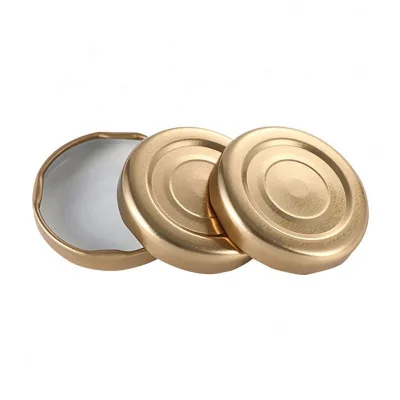
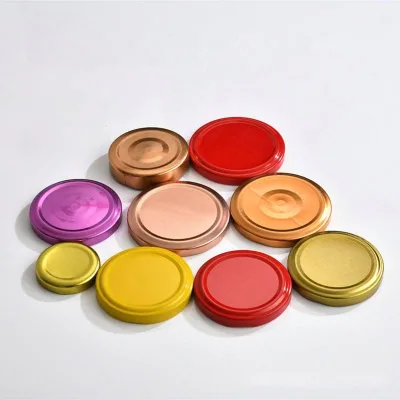
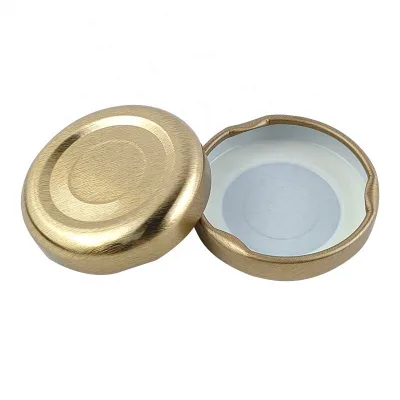
Metal Lids Twist off Lug Caps for Glass Jar 30# 38# 43# 48# 53# 58# 63# 66# 70# 77# 82#
$0.03 - $0.05
MOQ: 1000
Xuzhou Troy Import&Export Trade Co., Ltd.
- Manufacturer, Trading Company
- Jiangsu, China
- Lead time20 days
- Avg. response≤ 5h
Main productsBottles, Jars, Lids
Main marketsNorth America(70.00%), Western Europe(20.00%), Mid East(5.00%), Southeast Asia(3.00%), Africa(2.00%)
- Trading Company
- Sichuan, China
- Lead time12 days
- Avg. response≤ 2h
Main productsLiquor Glass Bottles, Juice Beverage Bottles, Lids Bottle Caps, Glass Jars, Wine Boxes
Main marketsNorth America(20.00%), Southeast Asia(15.00%), South America(10.00%), Central America(10.00%), Mid East(10.00%), Oceania(7.00%), Eastern Europe(7.00%), Eastern Asia(5.00%), Western Europe(5.00%), Africa(5.00%), South Asia(2.00%), Southern Europe(2.00%), Northern Europe(2.00%)

Jiangxi Blue Eagle Technology Co., Ltd.
- Trading Company
- China Jiangxi
- Lead time23 days
- Avg. response≤ 25h
Main productsTin Can Making Machine, Tin Can Components, Finished Tin Cans, Seam Welding Machine, Spot Welding Machine, Gift Tin Can Production Lines, Tin Can Seamers, Food Can Sealing Machine, Easy Open Lids, Tinplate Slitter
Main marketsSouth America,Africa,Southeast Asia/ Mideast,East Asia(Japan/ South Korea),Domestic,Europe,Australia,North America
Shenyang Huicheng Packing Co., Ltd.
- Trading Company
- Liaoning, China
- Lead time0 days
- Avg. response≤ 3h
Main productsTinplate,ETP,TFS,Coated tinplate,Printed tinplate
Main marketsSoutheast Asia(20.00%), Southern Europe(10.00%), Western Europe(10.00%), Eastern Asia(10.00%), Domestic Market(10.00%), South Asia(10.00%), North America(10.00%), South America(10.00%), Mid East(5.00%), Africa(5.00%)

Xinxiang Hongfu Bottle Cap Making Co., Ltd.
- Manufacturer, Trading Company
- Henan, China
- Lead time15 days
- Avg. response≤ 2h
Main productsAluminum plastic combination caps,Antibiotic bottles cap,Twisted anti-counterfeiting bottle caps,Antibiotic bottle cap,Rubber stoppers
Main marketsDomestic Market(50.00%), Western Europe(20.00%), Southeast Asia(10.00%), Northern Europe(10.00%), North America(10.00%)
Jiangyin Beauty Packaging Material Co., Ltd.
- Verified by SGS Group
- Trading Company
- Lead time20 days
- Avg. response≤ 5h
Main productsPlastic Bottles, Glass Bottles, Aluminum Bottle, Sprayer, Cap
Main marketsNorth America(30%), Eastern Europe(10%), Southeast Asia(10%)


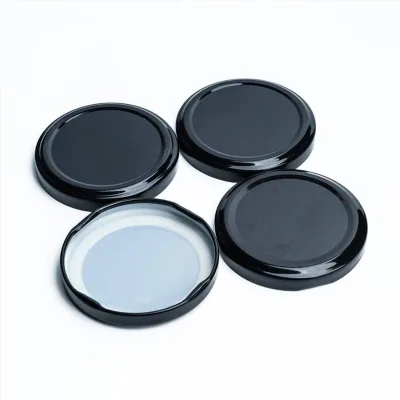
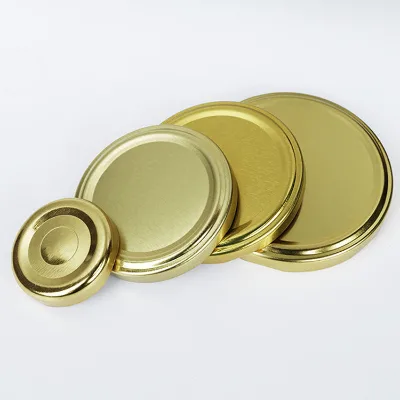
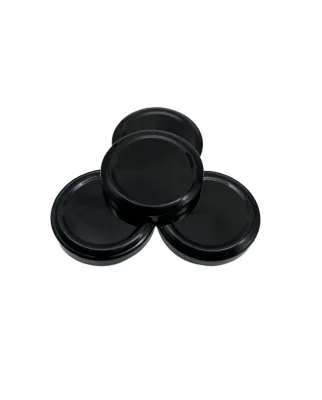
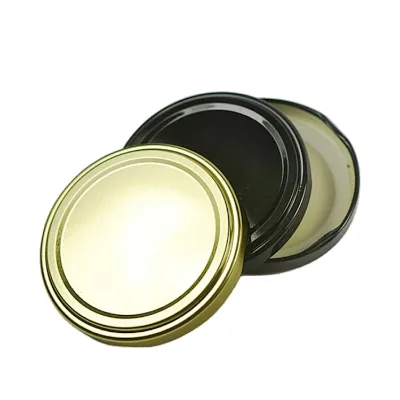
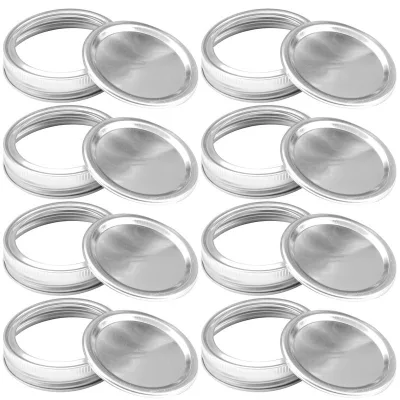


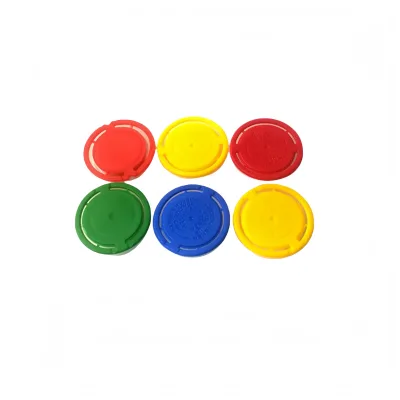
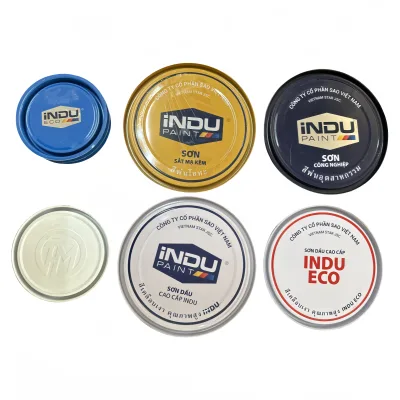
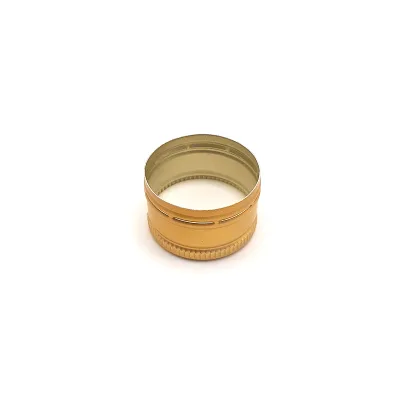
Comprehensive Sourcing Guide
Food Grade Metal Twist-Off Cap Supplier Concentration and Factory Types
The current supplier landscape for food grade metal twist-off caps reveals a distinct concentration of manufacturing activity within specific Chinese provinces. Verified data indicates that a significant portion of these suppliers operates out of Fujian and Guangdong, with additional presence noted in Anhui. These regions serve as primary hubs where factories and trading companies converge to produce aluminum cans, metal tin cans, and various closure types like twist-off caps and aluminum foil peel-off lids. The presence of these clusters suggests established supply chains for raw materials such as aluminum and tinplate, which are essential for producing high-quality metal caps used in glass jar packaging for spreads, jams, and pickles.
Supplier types in this sector vary between pure manufacturers and trading companies, a distinction that impacts production control and flexibility. Some entities are identified as manufacturers with multiple production lines, capable of handling large volumes with specific supply abilities like five million pieces per month. Others function as trading companies that may source from various factories while offering consolidated logistics. The verification status of these suppliers often includes third-party audits like BV, providing a baseline for trust. Buyers should note that while some suppliers list specific locations like Guangdong or Fujian, the exact factory address may require direct confirmation to ensure the facility matches the claimed production capabilities and material sourcing strategies.
How to Verify Food Grade Metal Twist-Off Cap Suppliers
Verification of suppliers in the metal cap sector requires a rigorous check of their stated credentials against independent audit reports. Many suppliers in the current results display BV verification status, which serves as a critical indicator of operational legitimacy. Buyers must cross-reference these claims with specific product certifications listed in the supplier profiles, such as BRC, ISO9001, and SGS. These certifications are particularly relevant for food grade applications, ensuring that the metal caps meet international safety standards for direct contact with food products like mayonnaise and pickles. The absence of these specific certifications in a supplier's profile should trigger a request for documentation before proceeding with any order.
Beyond certifications, the verification process involves scrutinizing the supplier's response time and the depth of their product evidence. A response time metric, such as the 5.19 hours observed in some profiles, can indicate the efficiency of their communication channels, whereas a 24-hour response might suggest a different operational scale or time zone alignment. Buyers should also examine the detailed product attributes provided, such as material composition, diameter specifications, and lug counts, to ensure they match the technical requirements of the intended packaging. If a supplier claims to be a manufacturer, verifying their production line count and supply ability figures, such as 500,000 boxes per month, adds another layer of confidence to their operational capacity claims.
What to Compare Across Food Grade Metal Twist-Off Cap Suppliers
When evaluating multiple suppliers, the primary comparison points should focus on lead times, minimum order quantities, and pricing structures. The data shows a wide variance in lead times, with some suppliers indicating zero days while others specify a standard thirty-day production window. This discrepancy is critical for inventory planning, as a thirty-day lead time significantly impacts the ability to restock for seasonal demand peaks. Similarly, minimum order quantities (MOQ) are a major differentiator, with some listings requiring 100,000 pieces while others may have different thresholds. Buyers must align these MOQs with their actual volume needs to avoid excessive inventory costs or production delays.
Pricing and customization options form the second pillar of comparison across the supplier base. Unit prices for metal twist-off caps can range from approximately $0.015 to $0.10 per piece, depending on the specific model number, such as the 30#, 43#, or 63# variants. These price points are often tied to the complexity of the customization, including printing requirements and color specifications. Suppliers offering common colors may provide lower unit costs compared to those offering fully customized printing or unique shapes. Additionally, the availability of design and OEM services varies, with some suppliers explicitly stating they accept custom orders for size and color, while others may be limited to standard models. Buyers should request detailed quotes that break down these variables to make an accurate cost-benefit analysis.
Common Food Grade Metal Twist-Off Cap Sourcing Risks
One of the most significant risks in sourcing metal twist-off caps involves the discrepancy between claimed lead times and actual delivery schedules. While some suppliers list a lead time of zero days, this often represents a theoretical minimum rather than a guaranteed delivery window for custom orders. In contrast, other suppliers explicitly state a thirty-day lead time, which is more realistic for production runs involving offset printing or specific color matching. Relying on the lowest quoted lead time without verifying the production schedule can lead to stockouts, especially when dealing with complex specifications like specific lug counts or diameters that require tooling adjustments.
Another critical risk pertains to the verification of material quality and food safety compliance. Although many suppliers list certifications like BRC and ISO9001, the actual material composition, such as the use of aluminum or tinplate, must be confirmed against the specific food grade requirements of the buyer's market. There is a risk that a supplier might claim food grade status without providing the necessary test results for heavy metals or coating integrity. Furthermore, the supply ability figures, such as five million pieces per month, must be validated to ensure the supplier can scale up during peak demand without compromising quality. Buyers should insist on sample testing and third-party inspection reports to mitigate these risks before committing to large-scale orders.
Food Grade Metal Twist-Off Cap Regional Sourcing and Logistics
Regional sourcing strategies for metal twist-off caps are heavily influenced by the geographic location of the manufacturing hubs. The current data highlights Fujian, Guangdong, and Anhui as key production centers in China. Suppliers located in Guangdong, for instance, often list Guangzhou as their port of dispatch, which offers robust logistics infrastructure for international shipping. This proximity to major ports can reduce transit times and shipping costs for buyers importing from this region. Conversely, suppliers in Fujian or Anhui may have different logistical advantages depending on the specific shipping routes and the buyer's destination port. Understanding these regional nuances is essential for optimizing the total landed cost of the product.
Logistics planning must also account for the specific packaging details provided by the suppliers, such as plastic bags and cartons. The packaging method directly impacts the efficiency of container loading and the protection of the caps during transit. Some suppliers specify a supply ability of 500,000 boxes per month, which implies a standardized packaging format that facilitates bulk shipping. Buyers should verify the port of dispatch and the packaging details to ensure compatibility with their freight forwarders. Additionally, the payment terms, such as thirty-day credit or upfront deposits, can vary by region and supplier type, influencing the cash flow and risk management strategy for the entire supply chain.
Food Grade Metal Twist-Off Cap Commercial Terms and Order Planning
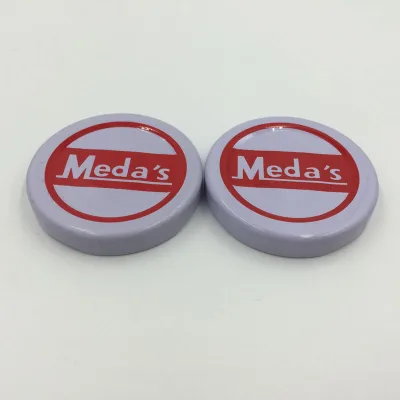
Commercial terms for food grade metal twist-off caps vary significantly regarding payment structures and order flexibility. Some suppliers offer standard payment terms like thirty days, while others may require different arrangements based on the order size and customization level. The minimum order quantity is a pivotal factor in order planning, with many suppliers setting a baseline of 100,000 pieces. This high MOQ can be a barrier for smaller buyers, necessitating careful calculation of inventory turnover and storage costs. Buyers must also consider the customization options available, such as offset printing and custom colors, as these often require higher MOQs or longer lead times to set up the necessary production lines.
Order planning should also integrate the specific product attributes and model numbers to ensure compatibility with existing packaging lines. The market offers a wide range of models, from 30# to 82#, each with distinct diameters and lug counts, such as 29.1mm or 69.45mm. Selecting the wrong model can result in production stoppages or product rejection. Buyers should verify the exact specifications, including the number of lugs and the material type, against their jar dimensions before placing an order. Furthermore, the supply ability of the supplier, whether it is 500,000 boxes or 5,000,000 pieces per month, must align with the buyer's projected demand to prevent supply chain disruptions. Careful alignment of these commercial and technical details ensures a smooth procurement process.
FAQs
What certifications do these metal caps hold?
Available certifications include BRC, ISO9001, and SGS for food-grade safety. These standards ensure the metal caps meet international quality requirements for packaging spreads, jams, and pickles. Buyers should verify specific product listings for current certification status before ordering.
What is the minimum order quantity for these caps?
The minimum order quantity is typically 100,000 pieces for most metal twist-off caps. This high volume requirement applies to standard models like the 30#, 43#, and 63# sizes. Buyers needing smaller quantities should contact suppliers directly to discuss potential exceptions or alternative options.
How long does production take for custom orders?
Production lead time is generally 30 days for custom orders from manufacturers in Guangdong. Some suppliers may offer faster turnaround times depending on stock availability. Buyers should confirm specific delivery schedules with the supplier before finalizing the purchase agreement for their project.
Are these caps suitable for glass jar packaging?
Yes, these metal caps are specifically designed for glass jar packing applications. They are suitable for sealing jars containing spreads, jams, pickles, and mayonnaise. The round shape and lug design ensure a secure fit for various glass jar diameters ranging from 29mm to 69mm.
What is the price range for these metal caps?
Prices range from approximately 0.015 to 0.100 per piece depending on the model and customization. Smaller caps like the 30# model start at the lower end, while larger sizes cost more. Bulk orders typically yield better pricing within this specified range for food-grade metal caps.
Can I get custom printing on these caps?
Custom printing is available for common colors or specific brand designs on these metal caps. Suppliers offer offset printing services to match your branding needs. Buyers should provide design files and confirm color requirements with the manufacturer to ensure accurate reproduction on the final product.
Where are these metal caps manufactured?
Manufacturing locations include Fujian, Guangdong, and Anhui provinces in China. Suppliers in these regions specialize in metal can lids and bottle caps. Buyers can filter search results by specific province to find manufacturers closest to their logistical preferences or supply chain requirements.