Food Grade Juicer Blade Suppliers and Manufacturers
Compare 18 suppliers of Food Grade Juicer Blade components side by side, filtering by location such as Guangdong and Zhejiang, certification, lead time, response speed, and OEM or ODM support. Shortlist candidates, then request quotes with your blade drawings and material specifications.
Suppliers List

Zhongshan Yuekon Electrical Appliances Co., Ltd.
- Manufacturer/Factory
- China Guangdong
- Lead time45 days
- Avg. response≤ 12h
Main productsTea Maker, Coffee Kettle, Juicer Blender, Samavar, Fruit Juice Extractor, Cool Mist Ultrasonic Humidifier, Soya Milk Maker
Main marketsSouth America,Eastern Europe,Mid East,North America,Southeast Asia,Eastern Asia,Oceania,Western Europe

Ningbo Nathan Machinery Co., Ltd.
- Trading Company,Manufacturer/Factory
- China Zhejiang
- Lead time45 days
- Avg. response≤ 14h
Main productsAluminum Casting, Investment Casting, Die Casting, Sand Casting, Iron Casting, Stainless Steel Casting
Main marketsEastern Europe,North America,Oceania,Western Europe
Shenzhen Combine Electrical Co., Limited
- Verified by SGS Group
- Trading Company
- Lead time20 days
- Avg. response≤ 1h
Main productsCommercial Blender, Heavy Duty Blender, Food Processor, Power Blender, Blender Parts
Main marketsNorth America(28%), Southeast Asia(15%), South America(12%)
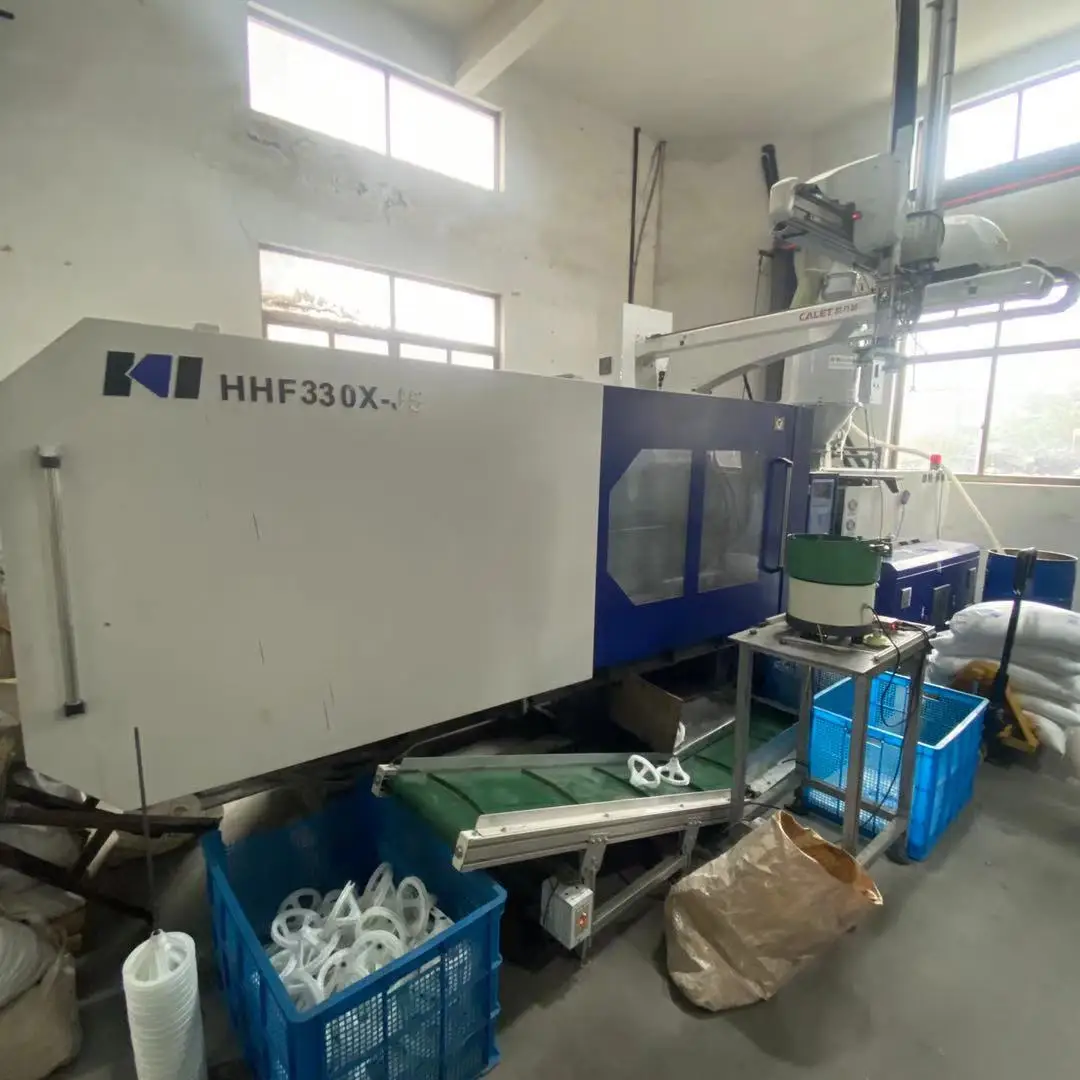
Cixi Xingda Electric Appliance Co.,ltd.
- Manufacturer, Trading Company
- Zhejiang, China
- Lead time20 days
- Avg. response≤ 4h
Main productsWashing Machine Parts,Refrigerator Parts,Air conditioner parts,Kitchen appliance Parts,Dryer Parts
Main marketsSouth America(40.0%), Mid East(40.0%), Southeast Asia(10.0%), South Asia(5.0%), North America(5.0%)
Foshan Greafor Import and Export Co., Ltd.
- Verified by BV
- Trading Company
- China Guangdong
- Lead time30 days
- Avg. response≤ 5h
Main productsBlender Glass Jar, Blender Blade, Glass Lampshade, Blender Lid and Base, Blender Spare Parts, Plastic Jar, Stainless Steel Blade, Blender Lip, Blender Machine, Blender Motor
Main marketsSouth America,Africa,Australia,North America
Guangzhou Loda Electric Appliance Co., Ltd.
- Manufacturer, Trading Company
- Guangdong, China
- Lead time30 days
- Avg. response≤ 6h
Main productsblender,juicer,blender parts(motors),all blender parts,electeic kettle
Main marketsAfrica(40.0%), Mid East(40.0%), Southeast Asia(15.0%), South America(5.0%)
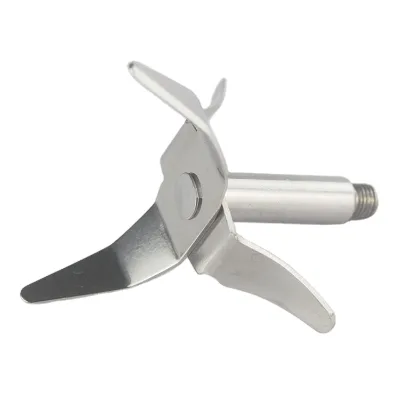
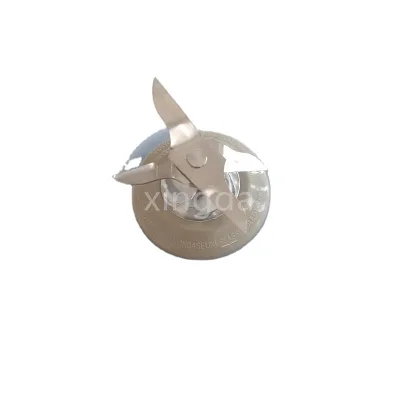
High quality juicer blender blade automatic four blades electric type fruit blender
$0.13 - $0.19
Moq: 2000
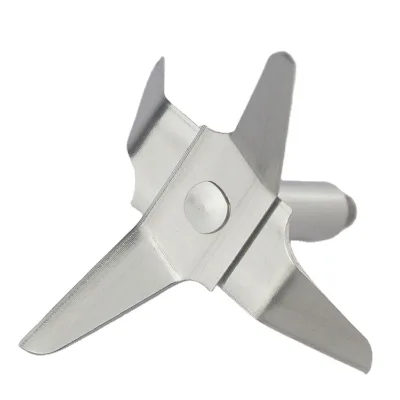
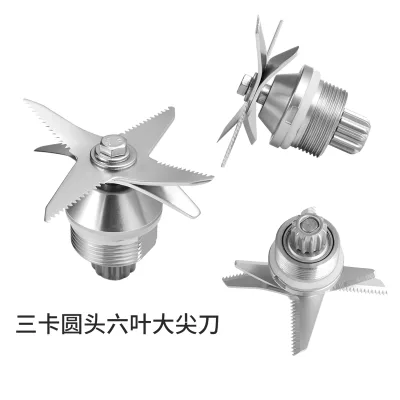
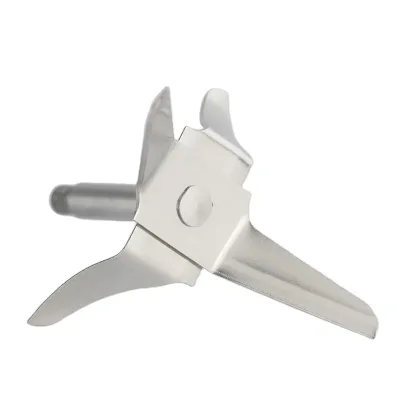
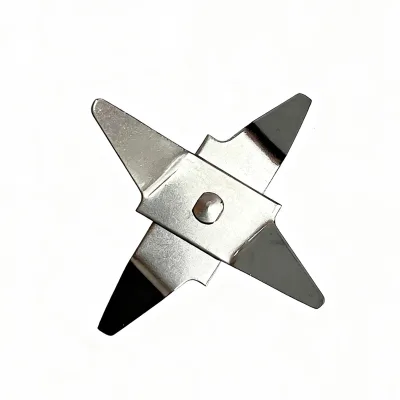
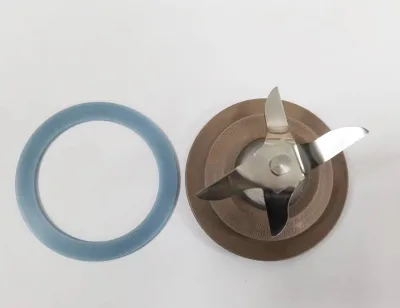
1003Cheap price fruit juicer ice smoothie blade mini home home appliance portable blender
Contact supplier
Moq: 2000
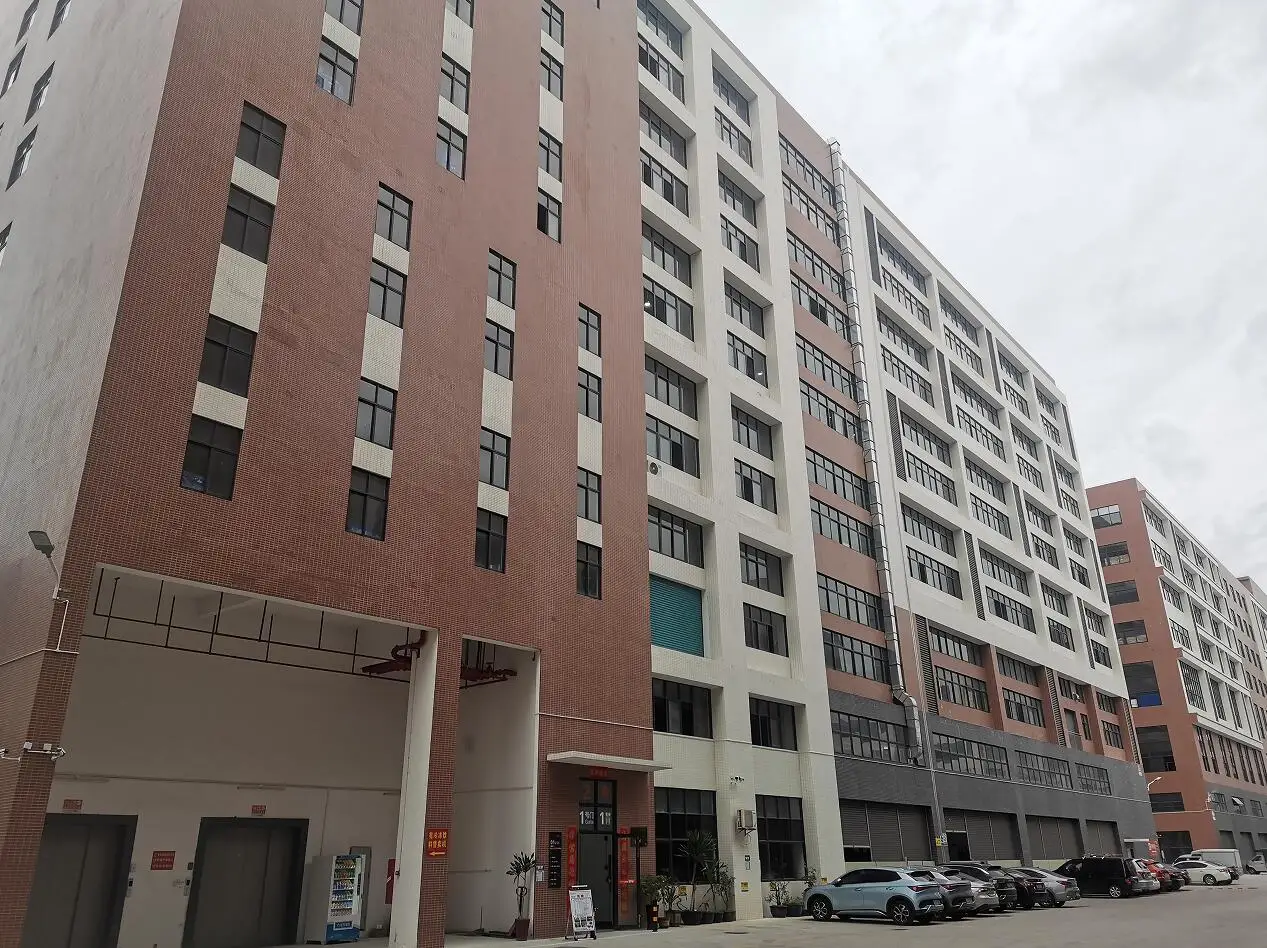
Foshan Shunde Beishun Hardware & Electrical Appliances Industrial Co., Ltd.
- Manufacturer
- Guangdong, China
- Lead time20 days
- Avg. response≤ 1h
Main productsHardware,Home Appliance Part,Home Appliance,Plastic Product,Blender Blade
Main marketsDomestic Market(50.0%), Western Europe(10.0%), South America(10.0%), Northern Europe(5.0%), Central America(5.0%), Eastern Europe(5.0%), South Asia(5.0%), North America(5.0%), Eastern Asia(3.0%), Africa(2.0%)

Taizhou Shangyi Plastic Co., Ltd.
- Verified by TUVRHEINLAND
- Trading Company
- China Zhejiang
- Lead time23 days
- Avg. response≤ 21h
Main productsFood Container, Storage Container, Lunch Box, Bento Box, Plastic Laundry Basket, Plastic Storage Container, Plastic Cutting Board
Main marketsSouth America,Southeast Asia/ Mideast
Shanghai Yifeng Machinery Mold Co., Ltd.
- Verified by TUVRHEINLAND
- Trading Company,Manufacturer/Factory
- China Shanghai
- Lead time23 days
- Avg. response≤ 3h
Main productsStamping Press, Bending Machine, Shearing Machine, Press Brake Tool, Slitting Blade, Plastic Crusher Blade, Wood Chipper Blades, Round Blade, Shearing Machine Blades, Food Processing Blades
Main marketsSouth America,Eastern Europe,Mid East,North America,Southeast Asia,Eastern Asia,Oceania,Western Europe,Africa

Nantong Perfect Trade Company Limited
- Verified by SGS
- Trading Company,Manufacturer/Factory
- China Jiangsu
- Lead time23 days
- Avg. response≤ 6h
Main productsLaser Level, Laser Distance Meter, Airless Paint Sprayer, Power Tools, Power Tools and Spare Parts, Cordless Chainsaw, Cordless Wrench, Cordless Rotary Hammer, Cordless Drill
Main marketsSouth America,Eastern Europe,Mid East,North America,Southeast Asia,Eastern Asia,Oceania,Western Europe,Africa

Taizhou City Huangyan Beiwei Mould Industry Co., Ltd.
- Verified by SGS
- Combined
- China Zhejiang
- Lead time30 days
- Avg. response≤ 4h
Main productsPlastic Mold, Plastic Mould, BMC/SMC/DMC/Gmt Compression Mould, Glass Fiber Mould, Automotive Mould, Motorcycle Mould, Household Plastic Mould, Home Appliance Mould, Injection Mould, Injection Molding
Main marketsAfrica,Others(foreignTradeCapacity.exportBusinessCapacityMarketOther),Southeast Asia/ Mideast,East Asia(Japan/ South Korea),Europe,Australia,North America

Shanghai Jump Machinery & Technology Co., Ltd.
- Verified by BV
- Combined
- China Shanghai
- Lead time60 days
- Avg. response≤ 12h
Main productsTomato Paste Processing Line, Fruits Processing Line, Fruit Jam Processing Equipment, Fruit Beverage Production Line, Fruits &Vegetables Processing Plant, Fruit Paste Processing Machinery, Fruit Juice Making Machine, Mango Puree Processing Plant, Tomato Sauce Processing Line, Hot Chili Sauce Processing Line
Main marketsDomestic

Nanjing Hangjin Machinery Equipment Co., Ltd.
- Verified by CTI
- Trading Company
- China Jiangsu
- Lead time30 days
- Avg. response≤ 5h
Main productsBlade, Knife, Machine Cutter, Rubber Blade, Machine Knife, Circle Blade, Cutting Tools Knife, Cutting Tools Blade, Processing Knives, Cutting Blade
Main marketsSouth America,Southeast Asia/ Mideast,Europe
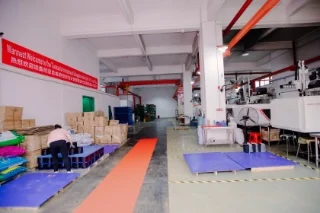
Zhongshan Outai Electrical Appliance Factory
- Manufacturer
- Guangdong, China
- Lead time30 days
- Avg. response≤ 12h
Main productsJuicer extractor,meat grinder,Electric Blender,coffee grinder,electric kettle
Main marketsMid East(30.0%), Southeast Asia(30.0%), Eastern Europe(30.0%), Africa(10.0%)

Wenzhou Chuangzuo Electrical Co., Ltd
- Verified by BV
- Combined
- China Zhejiang
- Lead time30 days
- Avg. response≤ 8h
Main productsThermostat, Dehumidifier, Blender Parts, Blender Blade, Electric Stove Thermostat, Electric Pizza Pan Thermostat
Main marketsDomestic,North America

Ningbo Sinolink Appliance Co., Ltd.
- Trading Company
- China Zhejiang
- Lead time0 days
- Avg. response≤ 15h
Main productsBlender, Juicer, Food Processor, Chopper

- Verified by SGS
- Trading Company
- China Zhejiang
- Lead time15 days
- Avg. response≤ 13h
Main productsFan, Heater Fan, Air Fryer, Toaster, Rice Cooker, Vacuum Cleaner, Coffee Machine, Hairdressing Appliance, Electric Toothbrush, Steam Iron
Main marketsEurope,Australia

Cixi Lotek Electrical Appliance Co., Ltd.
- Verified by SGS
- Manufacturer/Factory
- China Zhejiang
- Lead time30 days
- Avg. response≤ 9h
Main productsBlender, Hand Blender, Smoothie Blender, Hand Mixer, Food Processor, Portable Blender, Mini Chopper, Immersion Blender, Food Chopper, Coffee Grinder
Main marketsSouth America,Eastern Europe,Mid East,North America,Southeast Asia,Oceania,Western Europe,Africa

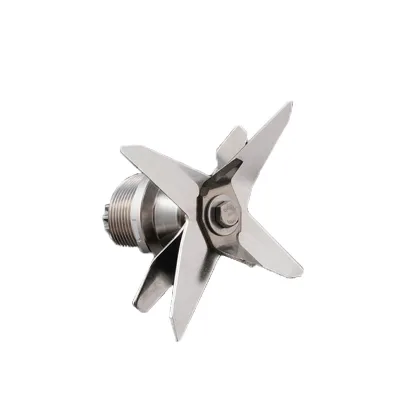
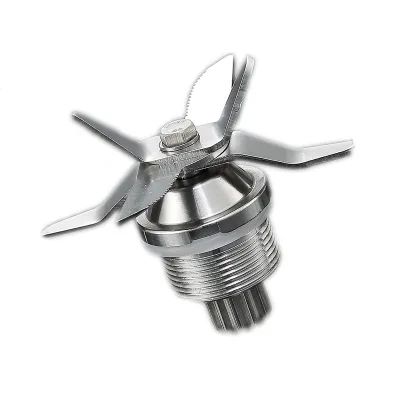
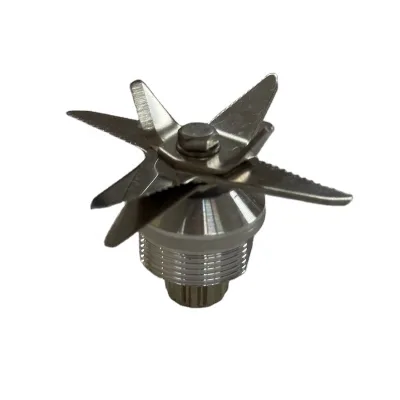
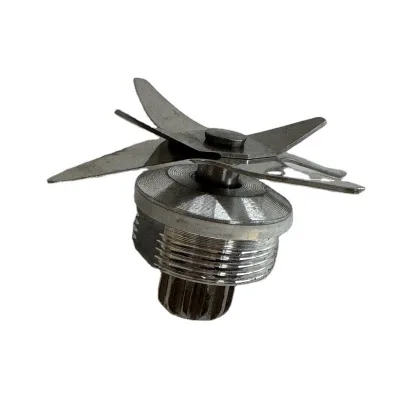
Stainless Steel Blade Multi Function Mixer Juicer Blender Food Processor Grinder
$7.60 - $8.00
Moq: 2000




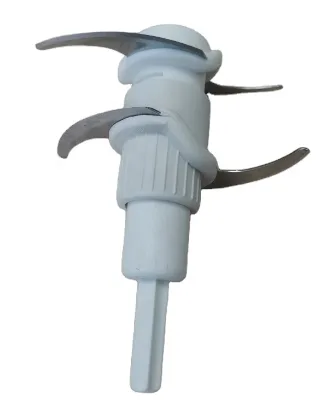
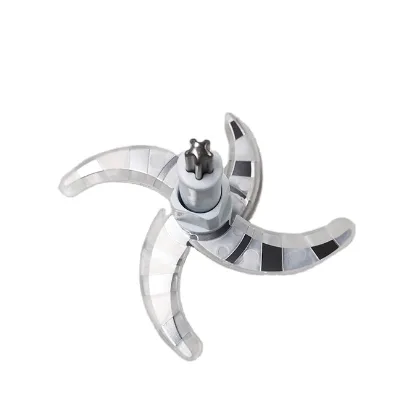
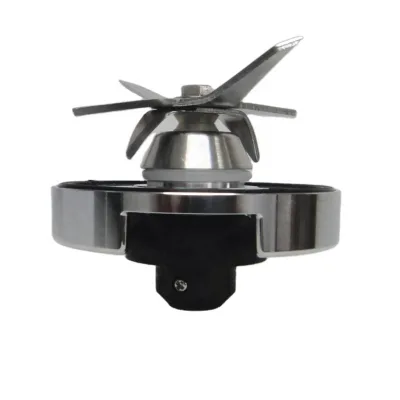
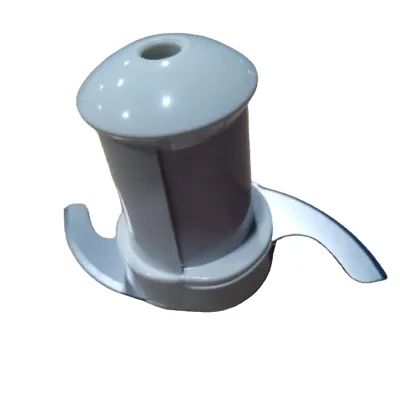




Comprehensive Sourcing Guide
Food Grade Juicer Blade Supplier Concentration and Factory Types
Blade suppliers for juicers and blenders cluster in a small number of Chinese manufacturing regions, and the listings you are reviewing reflect two of them: Guangdong and Zhejiang. Guangdong suppliers in this category tend to pair blade production with finished small kitchen appliances such as juicer blenders, food processors, and coffee kettles, while Zhejiang suppliers often emphasize casting and metalworking processes, including investment casting, die casting, and stainless steel casting. When your results show only partial location data, you can still infer cluster strength from product keywords, port of dispatch fields, and factory descriptors, then confirm the address directly before planning any visit.
Factory types matter as much as geography. The suppliers represented here include pure manufacturers, hybrid manufacturer/trading companies, and trading companies that broker blades from partner workshops. Manufacturer types usually advertise OEM or ODM capability, which matters if you need a proprietary shaft length, cutting angle, or stamped part number rather than a catalog blade. Trading companies can be faster intermediaries for mixed orders and spare-parts replacement programs, but you should ask which factory actually performs cutting, stamping, and finishing so you can audit the real production site. Note that blades in this category may be listed under kitchen appliance parts or small kitchen appliances, so filter by both categories to avoid missing relevant factories.
How to Verify Food Grade Juicer Blade Suppliers
Start with system certifications shown on the profile, then verify them independently. The suppliers represented here display credentials such as ISO 9001, BRC, RoHS, CE, and CB, and at least one listing carries third-party verification from SGS Group. Treat these as a screening layer, not proof: request the certificate number and scope, check that the scope covers metal stamping or casting rather than only assembly, and confirm the certifying body is legitimate. For a food-contact blade, material documentation matters more than the logo, so ask for the stainless steel grade and a material safety or food-contact declaration for the exact alloy used.
Next, verify production capability against what the listings claim. One Guangdong-type listing declares tolerances of 0.02mm, cold stamping, shaping-metal processing, and simple single-process dies; another offers casting-based customized blades with a case-packing option. Ask each supplier to explain how their declared process achieves your required hardness, edge profile, and shaft fit, and request samples cut on the actual production line. Confirm the factory's own attributes, not just product-page claims: company type, whether OEM or ODM is offered, and whether customization is genuinely available. Finally, run a small proof-of-concept order before committing, checking edge consistency, weld or rivet quality, and whether the delivered blades match the declared model number and packing specification.
What to Compare Across Food Grade Juicer Blade Suppliers
Build a comparison table using the attributes suppliers actually display, and leave blanks where a listing shows nothing rather than guessing. Useful columns include location, company type, main products, system certifications, third-party verification, response time, lead time, MOQ, OEM/ODM capability, and product evidence such as price ranges. The current results illustrate the spread: response times range from about one hour to nearly fourteen hours, quoted lead times include 20 days and 45 days, MOQs run from 100 pieces to 1,000 pieces, and unit prices span roughly from under 0.20 to several dollars depending on construction. Treat all of these as negotiation baselines, not fixed terms.
Beyond the headline numbers, compare evidence of specialization. A supplier whose main products are blenders, food processors, and blender parts is a different profile from one whose core business is aluminum casting with blades as an application line. Check whether the same factory shows multiple blade models, such as matching blade sets for different jar diameters, which signals repeat production rather than a one-off listing. Compare declared customization depth: some suppliers list graphic processing and sample processing, others list full OEM/ODM. Also weigh after-sales terms, warranty statements, and weekly supply capacity where displayed, since spare-parts buyers need predictable replenishment while product developers need engineering responsiveness more than volume guarantees.
Common Food Grade Juicer Blade Sourcing Risks
The most common risk in this category is material substitution. A blade described as stainless steel with food-grade properties can arrive as a lower-grade alloy that rusts, dulls quickly, or fails migration testing in your destination market. Because one listing in these results declares iron as the material while others declare stainless steel, clarify the exact alloy for every model you quote, and specify hardness and surface treatment requirements in the purchase contract. Surface processing declarations such as oxidation should be matched against your corrosion-resistance needs, especially for juicer applications with acidic fruit exposure.
A second risk is paying factory prices for trading-company margins, or conversely assuming a listing is a factory when it is a broker. Company-type fields here show manufacturers, manufacturer/trading hybrids, and pure trading companies, so match your audit depth accordingly. Third risks include tolerance drift on stamped parts, inconsistent packing (foam packing versus case packing appears across listings), and minimum-order structures that look affordable at 100 pieces but exclude tooling or setup fees for customized variants. Watch also for keyword-stuffed listings that bundle unrelated product categories, which can indicate a generalist seller with limited blade expertise. Mitigate by locking drawings, model numbers, packing specs, and inspection criteria into a written specification before any deposit changes hands.
Food Grade Juicer Blade Regional Sourcing and Logistics
Both regions represented in these results offer mature export logistics, but they suit different sourcing styles. Guangdong suppliers sit near major ports, and at least one listing names Shenzhen as its port of dispatch, which is convenient for consolidated container shipments of blades plus finished appliances. Zhejiang suppliers, particularly around casting centers, suit buyers who need cast, machined, or heavily customized blades where the metalworking base matters more than appliance co-sourcing. If your results lack a regional clue, identify clusters indirectly by checking prod_origin fields, port-of-dispatch declarations, and whether main products align with known appliance or metalworking specializations.
Plan logistics around the declared lead times rather than optimism. Quoted lead times in these results include 20 days and 45 days, and one product page specifies a delivery window of 10 to 20 days with a weekly supply capacity of 100,000 pieces, so reconcile the product-level promise with the company-level quote before you commit to a launch date. Ask each supplier whether the lead time covers customized tooling or only repeat orders, since first-article production for stamped or cast blades usually takes longer than the catalog cycle. Confirm packing methods protect cutting edges in transit, clarify Incoterms and container-loading quantities, and check whether the supplier supports direct dispatch to your freight forwarder, which simplifies consolidation when sourcing blades alongside other appliance components.
Food Grade Juicer Blade Commercial Terms and Order Planning
Anchor negotiations in the visible commercial data, then push for clarity on what is excluded. Listed price ranges here run from roughly 0.10 to 0.80 dollars for stamped blade accessories and up to 1 to 3 dollars for hardened cast replacement blades, with MOQs of 100 and 1,000 pieces shown. Quoted prices for food-grade blades frequently exclude tooling, surface treatment upgrades, certification testing, and packaging customization, so obtain a written price breakdown for your exact model, material grade, and finish before comparing suppliers on cost. Confirm whether the quoted MOQ applies per model or per order, since multi-model assortment orders change the economics.
For order planning, structure the first purchase as a staged commitment: samples for material and edge validation, a pilot lot against your specification, then volume releases tied to inspection results. Align payment terms with verified credentials rather than profile claims, and confirm whether any platform escrow or trade-assurance mechanism applies to your transaction, since not every listing displays one. Set replenishment cycles from the supplier's stated lead time and supply capacity, adding buffer for peak season capacity constraints common in small-appliance hubs. Finally, agree in advance on spare-parts availability, warranty handling, and response-time expectations, because the spread in displayed response speeds suggests after-sales communication quality varies significantly between suppliers in this category.
(Word count: approximately 1,400)
FAQs
What certifications do suppliers for food grade juicer blades hold?
Suppliers in this category hold BRC and ISO 9001 certifications for quality management. Some also provide RoHS, EN IEC 55014, CB, and CE certifications for electrical safety. These standards ensure the metal parts meet international safety and hygiene requirements for kitchen appliances.
What is the typical lead time for ordering juicer blades?
Lead times vary between 20 and 45 days depending on the supplier and order volume. Some manufacturers offer faster delivery within 10 to 20 days for specific models. Buyers should confirm the exact timeline with the factory before placing a bulk order for custom parts.
What are the minimum order quantities for juicer blades?
Minimum order quantities range from 100 pieces to 1000 pieces per model. Some suppliers require 1000 units for standard stainless steel blades, while others accept orders as low as 100 units for customized iron or steel parts. Check specific product listings for exact MOQ requirements.
Which materials are used to manufacture food grade juicer blades?
Manufacturers primarily use stainless steel and iron for these blades to ensure durability and food safety. Some products specify food grade stainless steel with oxidation surface processing. The material choice depends on the specific application, such as household blenders or heavy-duty commercial mixers.
Do suppliers offer customization services for juicer blade designs?
Yes, most suppliers provide OEM and ODM customization services for blade shapes and specifications. Customization options include specific tolerances like 0.02mm and tailored thickness ranges from 0.1mm to 6.0mm. Buyers can request unique molds or processing types to match their existing appliance models.
Where are the main manufacturing locations for these blades?
Major manufacturing hubs are located in Guangdong and Zhejiang provinces in China. Specific origins include Ningbo and Shenzhen for dispatch. These regions host factories specializing in metal stamping, casting, and small kitchen appliance parts with established supply chains for export.
What is the price range for wholesale juicer blades?
Wholesale prices typically range from 0.10 to 5.00 USD per unit depending on the model and material. Basic blades start around 0.10 USD, while specialized stainless steel parts can cost up to 5.00 USD. Bulk orders often secure lower unit prices within this specified range.