Food Grade Magnolia Bark Extract Suppliers and Manufacturers
Source Food Grade Magnolia Bark Extract from 24 verified suppliers in China. Compare certifications like HACCP and ISO, response times, and MOQs to find the right partner. Contact suppliers directly to request samples and pricing details; review the available evidence before requesting comparable quotations from suitable candidates.
Suppliers List

- Trading Company
- China Hunan
- Lead time15 days
- Avg. response≤ 8h
Main productsPlant Extract
Main marketsEast Asia(Japan/ South Korea),Europe,North America

Xi'an Sheerherb Biological Technology Co., Ltd.
- Verified by BV
- Manufacturer/Factory
- China Shaanxi
- Lead time15 days
- Avg. response≤ 13h
Main productsNmn, Collagen, Nicotinamide Ribose, Liposomes, Plant Extract, Chemicals Product, Pharmaceutical Intermediates
Main marketsSouth America,Eastern Europe,Mid East,North America,Southeast Asia,Eastern Asia,Oceania,Western Europe,Africa


MOQ: 1 kg

- Verified by TUVRHEINLAND
- Trading Company
- China Hunan
- Lead time15 days
- Avg. response≤ 9h
Main productsBotanical Extract Herbal Extract, Herbal Ingredients Artemisia, Elderberry Extract Cranberry Extract, Resveratrol Polydatin Polygonum Extract, Myricetin Dihydromyricetin Phloridzin, Neohesperidin Dihydrochalcone Carnosic Acid, Sea Buckthorn Seed Oil Reishi Spore Oil, Echinacea Purpurea Extract Isatis Extract, Zerumbone Mangiferin Rosmarinic Acid, Olive Leaf Extract Oleuropein Maslinic Acid
Main marketsEurope

- Manufacturer
- China Shaanxi
- Lead time15 days
- Avg. response≤ 3h
Main productsReishi Extract, Ginseng Extract, Lutein Powder, Chlorophyll, Quercetin, Phycocyanin, Astaxanthin, Kojic Acid, Beetroot Powder, Cherry Powder
Main marketsSouth America,Africa,Southeast Asia/ Mideast,East Asia(Japan/ South Korea),Domestic,Europe,Australia,North America
Shandong Runhan Biotechnology Co., Ltd.
- Verified by SGS
- Combined
- China Shandong
- Lead time15 days
- Avg. response≤ 7h
Main productsFood Additive, Food Ingredient, Cosmetic Ingredient, Dietary Supplement, Functional Food, Pet Food
Main marketsDomestic
Shaanxi Kaishi Biotechnology Co., Ltd.
- Trading Company
- Shaanxi, China
- Lead time2 days
- Avg. response≤ 2h
Main productsS-Acetyl-L-Glutathione,gotu kola extract,Polygonum cuspidatum extract,curcumin,Tongkat Ali
Main marketsWestern Europe(15.00%), North America(10.00%), Southern Europe(10.00%), Northern Europe(10.00%), Oceania(10.00%), Central America(10.00%), Eastern Europe(10.00%), South America(10.00%), Eastern Asia(5.00%), Mid East(5.00%), Africa(5.00%)
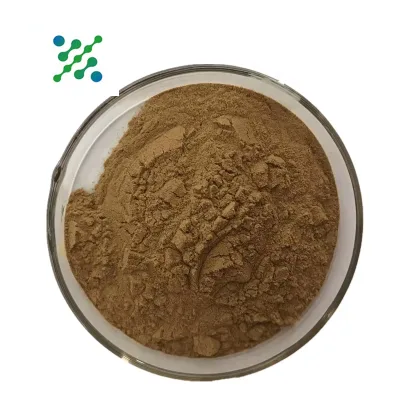
High Quality Magnolia Officinalis Magnolia Bark Extract Magnolia Bark Extract 10:1
$8.17 - $11.23
MOQ: 1 Minimum
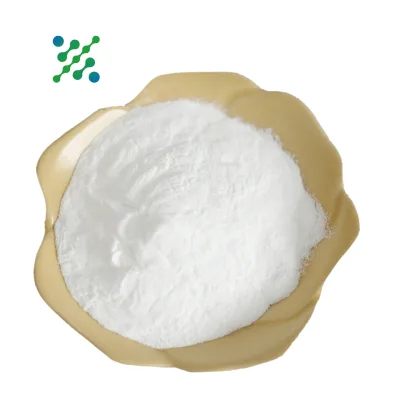
Pure Natural 98% Magnolol Magnolia Bark Extract Honokiol Magnolol
$208.26 - $239.50

Suzhou Greenway Biotech Co., Ltd.
- Verified by BV
- Trading Company,Manufacturer/Factory
- China Jiangsu
- Lead time15 days
- Avg. response≤ 8h
Main productsGlutathione, Nmn, Pharmaceutical Intermediates, Cosmetic Materials, Nutritional Supplements
Main marketsSouth America,Eastern Europe,Mid East,North America,Southeast Asia,Eastern Asia,Oceania,Western Europe,Africa


Protecting Liver Natural L Magnolol Magnolia Bark Extract/Mangnolia Officinalis Extract Powder
$18.00 - $20.00
MOQ: 1 kg

Xi'an Tongze Biotech Co., Ltd.
- Verified by BV
- Manufacturer/Factory
- China Shaanxi
- Lead time15 days
- Avg. response≤ 1h
Main productsPlant Extract, Nutritional Supplements, Ivermectin, Weight Loss, Peptide, Glutathione, Nmn, Chemical Product, Veterinary Medicine, Pharmaceutical
Main marketsSouth America,Eastern Europe,Mid East,North America,Southeast Asia,Eastern Asia,Oceania,Western Europe,Africa

98% Pure Herbal Cure Virus Magnolia Officinalis Extract Magnolia Bark Extract
$10.00 - $150.00
MOQ: 1 kg


High Quality Magnolia Bark Extract Magnolol Powder CAS 528-43-8 Anti-Inflammatory
$20.00 - $80.00
MOQ: 1 kg


Hunan New Mstar Biotechnology Co., Ltd.
- Trading Company,Manufacturer/Factory
- China Hunan
- Lead time15 days
- Avg. response≤ 16h
Main productsGreen Tea Extract L-Theanine, Soapberry/Soapnut/Sapindus Extract, Cranberry Extract, Lemon Balm Extract, Saw Palmetto Extract, Balck Garlic Extract, Milk Thistle Extract, Grape Seed Extract, Hibiscus Extract, Stevia Extract
Main marketsSouth America,Eastern Europe,Mid East,North America,Southeast Asia,Eastern Asia,Oceania,Western Europe

Fufeng Sinuote Biotechnology Co., Ltd
- Verified by BV
- Combined
- China Shaanxi
- Lead time15 days
- Avg. response≤ 4h
Main productsPlant Extract, Sea Buckthorn Powder, Echinacea Purpurea Extract, Soybean Peptide Powder, Valerian Extract, Chaga Mushroom Extract, Elderberry Extract, Kiwi Fruit Powder, Honey Powder, Sambucus Williamsii Hance Extract Powder
Main marketsOthers(foreignTradeCapacity.exportBusinessCapacityMarketOther)

Shaanxi Hongkang Biological Technology Co., Ltd.
- Verified by TUVRHEINLAND
- Trading Company,Manufacturer/Factory
- China Shaanxi
- Lead time15 days
- Avg. response≤ 3h
Main productsCosmetic Raw Materials, High Concentrate Liquid Flavor, Food Additive Matcha Powder, Food Grade Matcha Powder, Shilajit Extract, Menthol Crystals, Flavor for Heating, Moringa Powder, Mushroom Extract, Essential Oil
Main marketsSouth America,Eastern Europe,Mid East,North America,Southeast Asia,Eastern Asia,Oceania,Western Europe,Africa


Plant Extract Magnolia Bark Extract Anti-Inflammatory Ingredients 98% Honokiol
$325.20 - $341.46
MOQ: 1 kg


Herbal Extract Antibacterial Magnolia Officinalis Bark Extract 98% Magnolol Honokiol
$325.20 - $341.46
MOQ: 1 kg


Xian Dichuang Biotechnology Co., Ltd.
- Trading Company
- Shaanxi, China
- Lead time7 days
- Avg. response≤ 7h
Main productsherbal extract,medicine & cosmetic ingredient,fruits & vegetables powder,antioxidants products,pet products
Main marketsNorth America(60.00%), Northern Europe(20.00%), Eastern Asia(20.00%)

- Verified by SGS
- Trading Company,Manufacturer/Factory
- China Anhui
- Lead time15 days
- Avg. response≤ 14h
Main productsNootropics, Vitmians, Herbal Extract, Amino Acids
Main marketsSouth America,Eastern Europe,Mid East,North America,Southeast Asia,Eastern Asia,Oceania,Western Europe,Africa

Nanjing NutriHerb BioTech Co., Ltd.
- Verified by TUVRHEINLAND
- Manufacturer/Factory
- China Jiangsu
- Lead time15 days
- Avg. response≤ 2h
Main productsBotanical Extracts, Functional Ingredients, Natural Colors, Fruit & Vegetable Powders, Liposomal Ingredients, Mushroom Extracts, Tea Extracts, Cosmetics Ingredients
Main marketsNorth America,Eastern Asia,Western Europe


Nutritional Supplement Anti-Inflammatory Magnolia Bark 98% Extract Magnolol
$60.00 - $500.00
MOQ: 1 kg


Shanxi Hill Chemical Technology Co., Ltd.
- Verified by Intertek
- Manufacturer, Trading Company
- Lead time7 days
- Avg. response≤ 1h
Main productsGinger Root Powder, Inonotus Obliquus Extract, Creatine Supplement, Electrolyte Powder, Adaptogen Powder
Main marketsNorth America(30%), Eastern Europe(20%), South America(10%)
Xi'an Sentian Biotechnology Co., Ltd.
- Verified by SGS
- Manufacturer/Factory
- China Shaanxi
- Lead time0 days
- Avg. response≤ 8h
Main productsBenfotiamine, Rennet, Chymosin, Alpha Lipoic Acid, Olmesartana Medoxomil, Rosuvastatin Calcium
Main marketsSouth America,Eastern Europe,North America,Western Europe


Manufacturer Supply Honokiol Magnolia Bark Extract Powder 98% Magnolol Honokiol
$100.00 - $160.00
MOQ: 1 kg

High Quality Magnolol Magnolia Officinalis Bark Extract 98% CAS 528-43-8 Magnolol
$100.00 - $150.00
MOQ: 1 kg

Shaanxi Shineherb Biotech Co., Ltd.
- Verified by TUVRHEINLAND
- Trading Company,Manufacturer/Factory
- China Shaanxi
- Lead time15 days
- Avg. response≤ 13h
Main productsPlant Extract, Food/Feed/Cosmetics Raw Material, Supplements Material, Amino Acids, Vitamin Raw Material, Plant Essential Oil, Peptide Products, Pharmaceutical Intermediates, Organic Extract, API
Main marketsSouth America,Eastern Europe,Mid East,North America,Southeast Asia,Eastern Asia,Oceania,Western Europe,Africa

2%-90% Honokiol 2%-90% Magnolol Magnolia Officinali Bark Extract Powder Extract
$10.00 - $430.00
MOQ: 1 kg

Wholesale Price Supply 50% 98% Magnolia Officinalis Bark Extract Magnolol Honokiol
$10.00 - $430.00
MOQ: 1 kg

Hunan World Well-Being Bio-Tech Co., Ltd.
- Verified by CTI
- Combined
- China Hunan
- Lead time15 days
- Avg. response≤ 6h
Main productsEucommia Ulmoides Extract, Green Tea Extract, Magnolia Bark Extract, Centella Asiatica Extract, Rosemary Extract, Polygonum Cuspidatum Extract, Horny Goat Weed Extract, Tongkat Ali Extract, Notoginseng Extract, Ginkgo Biloba Extract
Main marketsSouth America,Southeast Asia/ Mideast,East Asia(Japan/ South Korea),Domestic,Europe,North America

- Verified by BV
- Combined
- China Shaanxi
- Lead time15 days
- Avg. response≤ 6h
Main productsBroccli Extract, Yucca Extract, Plant Extract
Main marketsEurope


Natural Plant Extract Bulk Sale Pine Bark Extract Powder Manufacturers
$10.00 - $20.00
MOQ: 1 kilograms

- Trading Company,Manufacturer/Factory
- China Zhejiang
- Lead time60 days
- Avg. response≤ 8h
Main productsPigment, Dye, Cellulose Ether, Ultramarine Blue, Titanium Dioxide, Iron Oxide, Plant Extract, Ingredient, Life Science Ingredient, Food Additive
Main marketsSouth America,Eastern Europe,Mid East,North America,Southeast Asia,Eastern Asia,Oceania,Western Europe,Africa

- Verified by SGS
- Manufacturer/Factory
- China Shaanxi
- Lead time120 days
- Avg. response≤ 7h
Main productsNatural Plant Extracts, Nutritional Supplements, Natural Fruit Powder, Viatmin Powder, Amino Acid, Active Pharmaceutical Ingredients, PQQ, Nmn, Hyaluronic Acid, Resveratrol
Main marketsSouth America,Eastern Europe,Mid East,North America,Southeast Asia,Eastern Asia,Oceania,Western Europe,Africa

Top Quality Magnolia Bark Extract 98% Magnolol Honokiol Magnolia Officinalis Extract Powder
$220.00 - $250.00
MOQ: 1 kg

- Verified by TüVRheinland
- Trading Company
- Lead time3 days
- Avg. response≤ 7h
Main productsSpirulina Extract Phycocyanin Powder, Sea Moss Extract Powder, Shilajit Extract, Organic Mushroom Extract Powder, Alpha Arbutin
Main marketsNorth America(40%), Western Europe(15%), Oceania(10%)

Shaanxi Jina New Biotechnology Co., Ltd.
- Verified by SGS
- Trading Company
- China Shaanxi
- Lead time15 days
- Avg. response≤ 19h
Main productsPlant Extract, Food Additive, Organic Intermediate, Pharmaceutical Chemical, Cosmetics Raw Material, Animal Feed, Vitamin, Fruit Extract, Amino Acid, Enzyme
Main marketsAustralia,North America


Natural Honokiol Magnolia Bark Extract 98% Magnolol Honokiol CAS 35354-74-6
$50.00 - $100.00
MOQ: 1 kg

Xi'an Prius Biological Engineering Co., Ltd.
- Trading Company
- China Shaanxi
- Lead time15 days
- Avg. response≤ 6h
Main productsPlant Extract, Cosmetic Raw Material, Healthcare Raw Material, Food Additives, Nutrition Ingredient
Main marketsSouth America,East Asia(Japan/ South Korea),Domestic,Europe,Australia,North America


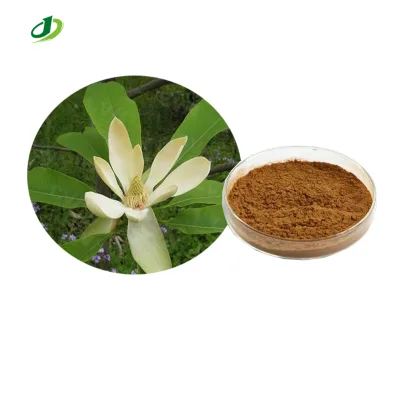


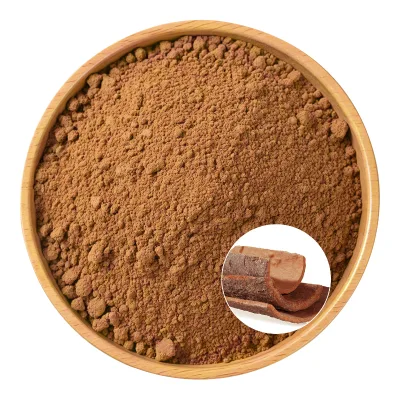
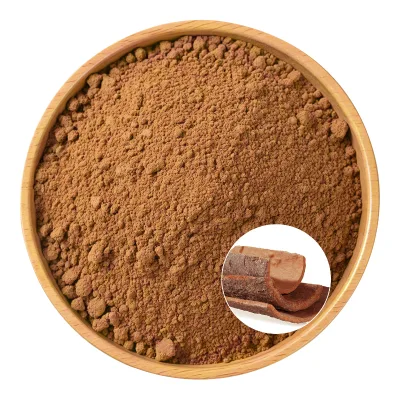
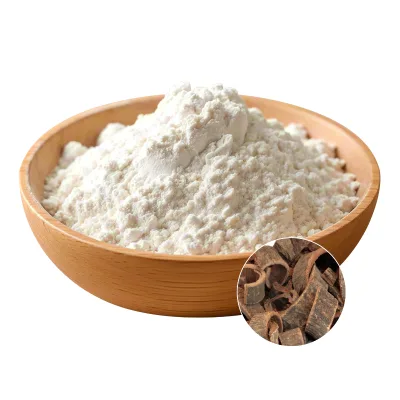




Comprehensive Sourcing Guide
Food Grade Magnolia Bark Extract Supplier Concentration and Factory Types
Current data indicates that suppliers offering Food Grade Magnolia Bark Extract are concentrated in specific Chinese provinces, with Hunan and Shaanxi appearing as documented locations for active vendors. These regions host a mix of trading companies and manufacturers, where trading entities often aggregate products from various factories while manufacturers may offer direct production capabilities. The distinction is critical because trading companies might provide broader product ranges including plant extracts like pine bark or anthocyanin, whereas manufacturers often focus on specific botanical sources such as Magnolia Officinalis. Buyers should verify the company type listed in supplier profiles to understand the supply chain structure, as this influences pricing models and direct communication channels with production teams.
When evaluating the factory types, it is essential to note that some suppliers list diverse main products ranging from NMN and collagen to chemical intermediates, suggesting a broad sourcing capability rather than a specialized focus on magnolia bark. Others may specialize strictly in herbal extracts, offering a more targeted inventory. The presence of certifications like ISO 9001, GMP, or HACCP often correlates with manufacturer status, though trading companies may also hold these credentials through their partner factories. Buyers must look for explicit statements regarding the company type and main product focus to ensure the supplier aligns with their specific needs for food grade ingredients. This verification helps distinguish between a general trading house and a dedicated production facility capable of handling large-scale orders with consistent quality control.
How to Verify Food Grade Magnolia Bark Extract Suppliers
Verification of suppliers requires a careful examination of system certifications and third-party audit results provided in the supplier profile. Available data shows certifications such as HACCP, FDA, ISO, and ISO 9001, which are vital for food grade compliance. Some suppliers display verification badges from organizations like BV or TÜV Rheinland, indicating an external audit of their business operations. Buyers should prioritize suppliers who explicitly list these certifications in their product attributes or company profile, as these documents confirm adherence to safety and quality management standards. It is important to request copies of these certificates directly from the supplier to ensure they are current and cover the specific facility producing the magnolia bark extract.
Beyond certifications, response time and verification status serve as practical indicators of supplier reliability. Data suggests response times can vary significantly, with some suppliers responding within hours while others take longer, potentially affecting the speed of negotiation and order processing. A verified status, such as BV or TÜV Rheinland, adds a layer of trust regarding the supplier's business legitimacy. Buyers should also check for specific product attributes like assay methods (HPLC, UV) and active ingredient markers (Honokiol, Magnolol) to ensure the supplier can provide the precise quality specifications required. If a supplier lacks clear verification or certification details, buyers should treat this as a risk factor and request additional documentation before proceeding with any transaction.
What to Compare Across Food Grade Magnolia Bark Extract Suppliers
Comparing suppliers involves analyzing key operational metrics such as lead time, minimum order quantity (MOQ), and pricing structures. Available facts show lead times ranging from 3 to 5 days for some products, while others may have different delivery windows. MOQs vary widely, with some suppliers requiring orders as low as 1 unit or 25 units, while others set thresholds at 1000 units. Buyers must align these figures with their inventory needs and budget constraints. Pricing data indicates significant variation, with some listings showing prices around $10 to $85 per unit, depending on purity levels and packaging. Understanding these variables helps buyers identify suppliers that match their specific volume requirements and financial planning.
Another critical comparison point is the customization options and application forms offered by different suppliers. Some vendors provide customization for various forms such as capsules, tablets, powders, or lotions, while others may limit options to specific formats. The application of the extract, whether for medicine, health care products, or food, also dictates the necessary purity and certification levels. Buyers should compare the stated application forms and customization availability to ensure the supplier can meet their product development goals. Additionally, the assay methods used, such as HPLC or UV, should be consistent with the buyer's quality assurance protocols. By systematically comparing these attributes, buyers can select a supplier that offers the flexibility and quality standards required for their specific Food Grade Magnolia Bark Extract needs.
Common Food Grade Magnolia Bark Extract Sourcing Risks
One significant risk in sourcing Food Grade Magnolia Bark Extract is the potential mismatch between claimed certifications and actual product quality. While suppliers may list certifications like HACCP or ISO, the absence of specific test results for active ingredients like Honokiol and Magnolol can lead to inconsistencies in potency. Buyers must verify that the product attributes, such as particle size and total plate count, align with food safety standards. Without concrete evidence of these test results, there is a risk of receiving products that do not meet regulatory requirements for food applications. This discrepancy can result in rejected shipments or compliance issues in the buyer's target market.
Another risk involves the variability in lead times and delivery capabilities, which can disrupt supply chain planning. Some suppliers indicate delivery times of 3 to 5 days, while others may have longer or undefined lead times. If a supplier fails to meet these timelines, it can cause production delays for the buyer. Additionally, the use of different packaging methods, such as drums or bags, may affect the product's stability during transit. Buyers should assess the supplier's capacity to handle their specific order volume and ensure that the packaging meets the necessary preservation standards. Failure to address these logistical risks can lead to increased costs and operational inefficiencies, making it crucial to thoroughly evaluate the supplier's track record and operational capabilities before committing to an order.
Food Grade Magnolia Bark Extract Regional Sourcing and Logistics
Regional sourcing plays a pivotal role in determining the efficiency and cost-effectiveness of obtaining Food Grade Magnolia Bark Extract. Current data highlights China as the primary origin for these products, with specific provinces like Hunan and Shaanxi emerging as key sourcing hubs. These regions offer a concentration of suppliers, which can facilitate easier logistics and potentially lower shipping costs due to established supply chains. Buyers should consider the proximity of the supplier to major ports or logistics hubs to minimize transit times and reduce the risk of damage during shipping. Understanding the regional distribution of suppliers helps in planning the logistics strategy and selecting a supplier that offers the best balance of cost and delivery speed.
Logistics considerations also extend to the packaging and shipping methods employed by suppliers. Available information indicates that products are often packed in drums or bags, with options for air, sea, or courier delivery. The choice of shipping method depends on the urgency of the order and the volume of the shipment. For smaller orders, courier services may be more appropriate, while larger volumes might benefit from sea freight. Buyers should verify the supplier's experience with international shipping and their ability to handle customs documentation. Ensuring that the packaging is robust enough to protect the product during transit is essential to maintain quality. By carefully evaluating regional logistics capabilities, buyers can optimize their supply chain and ensure timely delivery of high-quality Food Grade Magnolia Bark Extract.
Food Grade Magnolia Bark Extract Commercial Terms and Order Planning
Commercial terms and order planning are critical components of a successful sourcing strategy for Food Grade Magnolia Bark Extract. Buyers must carefully review the pricing structures, which can vary based on purity levels, packaging, and order volume. Some suppliers offer competitive pricing for larger orders, while others may have fixed rates regardless of quantity. Understanding these pricing dynamics helps buyers negotiate better terms and manage their budget effectively. Additionally, the minimum order quantity (MOQ) set by suppliers can impact the feasibility of the order, especially for smaller buyers. Buyers should aim to find suppliers with flexible MOQs that align with their production needs and inventory capacity.
Payment terms and sample availability are also essential factors in order planning. Many suppliers offer free samples, allowing buyers to test the product quality before committing to a larger order. This practice helps mitigate the risk of receiving substandard products and ensures that the supplier can meet the buyer's specifications. Buyers should also clarify the payment terms, such as escrow options or advance payment requirements, to protect their financial interests. Establishing clear communication channels and response times with the supplier is vital for resolving any issues that may arise during the order process. By meticulously planning the commercial terms and order details, buyers can streamline the procurement process and build a reliable supply chain for their Food Grade Magnolia Bark Extract needs.
FAQs
What certifications are available for Magnolia Bark Extract?
Available certifications include HACCP, FDA, and ISO depending on the specific product listing. Some suppliers also hold ISO 9001, ISO 14000, and GMP certifications. Buyers should verify the exact certification status for each item before placing an order to ensure compliance with their specific market requirements.
What is the minimum order quantity for this extract?
Minimum order quantities vary significantly by supplier and product specification. Some listings require a minimum of 1000 units, while others accept orders as low as 25 units. A few suppliers may even allow a minimum order of just one unit for sample purposes. Always check the specific MOQ listed for the product you intend to purchase.
How long does delivery take for Magnolia Bark Extract?
Delivery times range from 3 to 5 days for specific product listings. Other suppliers may have a standard lead time of 15 days. Response times for inquiries can also vary, with some suppliers replying within 8 hours and others taking up to 12 hours. Confirm the exact delivery schedule with the seller before finalizing the transaction.
Where are the suppliers of Magnolia Bark Extract located?
Suppliers are primarily located in China, specifically in regions like Hunan and Shaanxi. The product origin is consistently listed as China for the available listings. Buyers should verify the specific location of the supplier to understand shipping logistics and potential import regulations relevant to their destination country.
What is the price range for Food Grade Magnolia Bark Extract?
Prices for Magnolia Bark Extract vary based on purity and supplier. Listings show prices ranging from 10 to 85 units of currency per unit. Specific products may be priced at 15 or 25 units. The final cost depends on the quantity ordered and the specific purity level, such as 98% Honokiol or Magnolol content.
What forms can Magnolia Bark Extract be supplied in?
The extract is typically supplied in powder form. Application forms include capsules, tablets, pastes, suppositories, lotions, and injections. Some suppliers offer customization to meet specific formulation needs. Buyers should confirm the physical state and application form compatibility with their manufacturing process before placing an order.
What active ingredients are found in Magnolia Bark Extract?
The primary active ingredients are Honokiol and Magnolol. Products may contain 98% Honokiol, 98% Magnolol, or varying percentages of total magnolols. Some listings specify standards like 90%, 95%, or 98% purity. Buyers should verify the assay method, such as HPLC or UV, to ensure accurate measurement of these active compounds.