Food Grade Wild Lettuce Extract Suppliers and Manufacturers
Source Food Grade Wild Lettuce Extract from 24 verified suppliers. Compare lead times, MOQs, certifications, and response rates to find the right partner. Review product specs and request samples today; review the available evidence before requesting comparable quotations from suitable candidates.
Suppliers List
Shaanxi Bieyouth Biotech Co., Ltd.
- Verified by SGS Group
- Trading Company
- Lead time15 days
- Avg. response≤ 2h
Main productsFood Additives, Health Care Products Raw Materials, Cosmetic Raw Material
Main marketsMid East(25%), Eastern Europe(20%), Africa(10%)
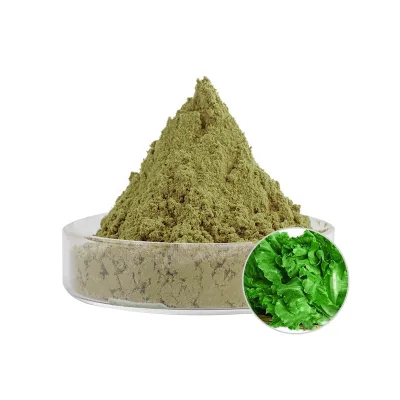
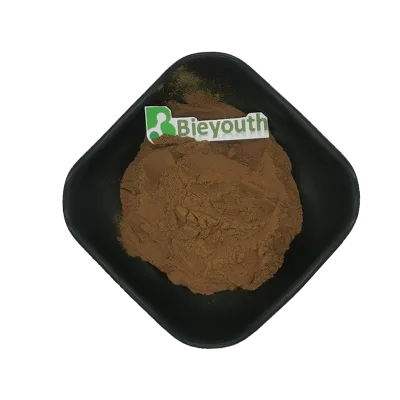
Wholesale Lettuce Extract Bulk Wild Lettuce Leaf Extract
$12.00 - $13.00
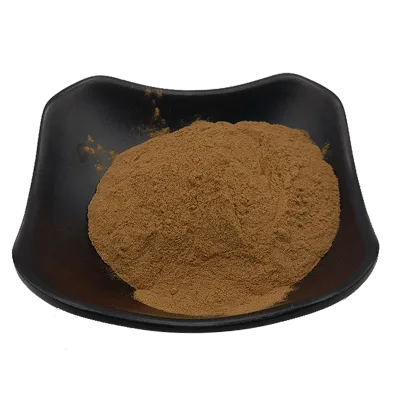
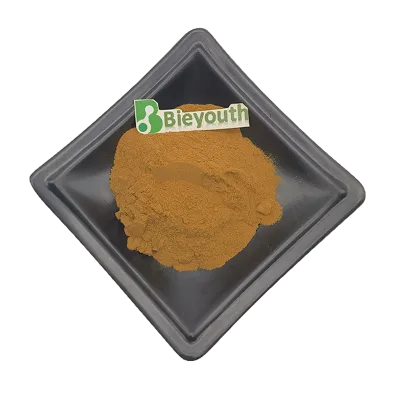

Fufeng Sinuote Biotechnology Co., Ltd
- Verified by BV
- Combined
- China Shaanxi
- Lead time15 days
- Avg. response≤ 4h
Main productsPlant Extract, Sea Buckthorn Powder, Echinacea Purpurea Extract, Soybean Peptide Powder, Valerian Extract, Chaga Mushroom Extract, Elderberry Extract, Kiwi Fruit Powder, Honey Powder, Sambucus Williamsii Hance Extract Powder
Main marketsOthers(foreignTradeCapacity.exportBusinessCapacityMarketOther)
Shaanxi Haibo Biological Technology Co., Ltd
- Verified by CTI
- Trading Company
- China Shaanxi
- Lead time15 days
- Avg. response≤ 6h
Main productsPharmaceutical, Dietarysupplement, Food
Main marketsSouth America,Africa,Others(foreignTradeCapacity.exportBusinessCapacityMarketOther),Southeast Asia/ Mideast,East Asia(Japan/ South Korea),Domestic,Europe,Australia,North America
Xi'an Sentian Biotechnology Co., Ltd.
- Verified by SGS
- Manufacturer/Factory
- China Shaanxi
- Lead time0 days
- Avg. response≤ 9h
Main productsBenfotiamine, Rennet, Chymosin, Alpha Lipoic Acid, Olmesartana Medoxomil, Rosuvastatin Calcium
Main marketsSouth America,Eastern Europe,North America,Western Europe

- Verified by BV
- Combined
- China Hunan
- Lead time15 days
- Avg. response≤ 13h
Main productsMonk Fruit Extract, Stevia Leaf Extract, Sweet Tea Extract, Natural Sweeteners Formulation, Resveratrol, Coenzyme Q10, Ginseng Extract, Ginkgo Biloba Extract, Milk Thistle Extract, Lutein Zeaxanthin
Main marketsSoutheast Asia/ Mideast,Europe,North America

- Verified by BV
- Combined
- China Shaanxi
- Lead time15 days
- Avg. response≤ 7h
Main productsBroccli Extract, Yucca Extract, Plant Extract
Main marketsEurope


Natural Plant Extract Health Food Supplement Additive Elderberry Extract
$25.00 - $28.00
MOQ: 1 kilograms

Suzhou Greenway Biotech Co., Ltd.
- Verified by BV
- Trading Company,Manufacturer/Factory
- China Jiangsu
- Lead time15 days
- Avg. response≤ 7h
Main productsGlutathione, Nmn, Pharmaceutical Intermediates, Cosmetic Materials, Nutritional Supplements
Main marketsSouth America,Eastern Europe,Mid East,North America,Southeast Asia,Eastern Asia,Oceania,Western Europe,Africa

Food Grade Water Soluble Plant Extract 100% Natural Cucumber Extract Cucumber Powder
$18.00 - $20.00
MOQ: 1 kg

Baoding Faithful Industry Co., Ltd.
- Verified by TUVRHEINLAND
- Trading Company
- China Hebei
- Lead time15 days
- Avg. response≤ 3h
Main productsCollagen Powder, Pullulan Powder, Hyaluronic Acid Powder, Erythritol, Pepsin, Olive Leaf Extract, Plant Extract, Food Additives
Main marketsSoutheast Asia/ Mideast,East Asia(Japan/ South Korea),Europe,North America

Xi'an Sheerherb Biological Technology Co., Ltd.
- Verified by BV
- Manufacturer/Factory
- China Shaanxi
- Lead time15 days
- Avg. response≤ 10h
Main productsNmn, Collagen, Nicotinamide Ribose, Liposomes, Plant Extract, Chemicals Product, Pharmaceutical Intermediates
Main marketsSouth America,Eastern Europe,Mid East,North America,Southeast Asia,Eastern Asia,Oceania,Western Europe,Africa
Hangzhou Golden Flavors Co., Ltd
- Verified by SGS
- Combined
- China Zhejiang
- Lead time23 days
- Avg. response≤ 6h
Main productsFood Flavor, Food Preservative, Food Thickerning, Food Sweetener
Main marketsDomestic
- Trading Company,Manufacturer/Factory
- China Zhejiang
- Lead time60 days
- Avg. response≤ 8h
Main productsPigment, Dye, Cellulose Ether, Ultramarine Blue, Titanium Dioxide, Iron Oxide, Plant Extract, Ingredient, Life Science Ingredient, Food Additive
Main marketsSouth America,Eastern Europe,Mid East,North America,Southeast Asia,Eastern Asia,Oceania,Western Europe,Africa

- Trading Company,Manufacturer/Factory,Other
- China Jiangsu
- Lead time23 days
- Avg. response≤ 10h
Main productsFine Chemical, Nutraceutical, Animal Nutrition, Crop Science, API, Intermediate, Nutrition Supplement, Food Additive, Feed Additive, Reagents
Main marketsSouth America,Eastern Europe,Mid East,North America,Southeast Asia,Eastern Asia,Oceania,Western Europe,Africa

Xuancheng Quality Herb Co., Ltd.
- Verified by TUVRHEINLAND
- Manufacturer/Factory
- China Anhui
- Lead time23 days
- Avg. response≤ 2h
Main productsPlant Extract, White Willow Bark Extract, Milk Thistle Extract, Hyaluronic Acid, Red Yeast Rice Powder, Horny Goat Weed Extract, Bilberry Extract, Green Tea Extract, Marigold Extract Lutein, Panax Ginseng Extract
Main marketsSouth America,Eastern Europe,Mid East,North America,Southeast Asia,Eastern Asia,Oceania,Western Europe,Africa
Shaanxi Bai Cao Cui Bio-Technology Co., Ltd.
- Manufacturer, Trading Company
- Shaanxi, China
- Lead time7 days
- Avg. response≤ 1h
Main productsCosmetic Peptide Raw Materials,Botanical Extract Raw Materials,Lyophilized Powder Raw Materials,Cosmetic Peptide Raw Materials,OEM and Custom Packaging Service
Main marketsDomestic Market(26.00%), Eastern Asia(25.00%), North America(24.50%), Oceania(20.00%), Western Europe(4.50%)
Xi'an Heiner Supplement Co., Ltd.
- Verified by Intertek
- Manufacturer, Trading Company
- Lead time10 days
- Avg. response≤ 1h
Main productsCompound Whitening Powder, Compound Anti-wrinkle Powder, Healthcare Products, Herbal Extract, Solid Drink
Main marketsNorth America(30%), Southeast Asia(20%), South America(10%)
Anhui Chenlixin Health Industry Development Co., Ltd
- Verified by BV
- Combined
- China Anhui
- Lead time15 days
- Avg. response≤ 4h
Main productsHerbal Medicine, Herbal Tea, Traditional Chinese Medicine, Flower and Fruit Tea
Main marketsDomestic
Tianjin Zhuofeng Biotechnology Co., Ltd.
- Verified by BV
- Trading Company
- China Tianjin
- Lead time15 days
- Avg. response≤ 12h
Main productsFood Additives, Plant Extract, Amino Acid, Nutrient Supplements, Feed Additives, Vitamin, Water Treatment, Coffee Bean/Cacao Beans, Cocoa Butter Cocoa Powder, Plastic Particle
Main marketsSoutheast Asia/ Mideast
Tianjin Chuangjiaguan Biotechnology Co., Ltd.
- Trading Company
- China Tianjin
- Lead time0 days
- Avg. response≤ 7h
Main productsWhey Protein Powder Monohydrate Creatine, Cocoa Butter, Cocoa Powder, Xanthan Gum, Milk Protein, Hydrolyzed Beef Protein, Creatine Anhydrous, Guar Gum, Limonene, Matcha Powder
Fuzhou Yankang Industrial Co., Ltd.
- Verified by SGS
- Trading Company
- China Fujian
- Lead time15 days
- Avg. response≤ 4h
Main productsSparassis Crispa Beta-Glucan, Tremella Polysaccharide
Main marketsDomestic

High Quality and High-Purity Polysaccharides, Natural Plant Extracts, Food Grade
$73.31 - $82.58
MOQ: 10 Sets

Natural Plant Extracts Are Preferred for Food Grade/Skincare Ingredients with Large Quantities
$289.52 - $344.66
MOQ: 1 kg
Qingdao Songwal Biotech Co., Ltd.
- Manufacturer/Factory
- China Shandong
- Lead time23 days
- Avg. response≤ 5h
Main productsAmino Acid, Food Additives, Feed Additives, Chemicals, Pharmaceutical Intermediates, Vitamin, Water Reducing Agent, Pharm Raw Materials
Main marketsSouth America,Eastern Europe,Mid East,North America,Southeast Asia,Eastern Asia,Oceania,Western Europe,Africa
- Trading Company,Manufacturer/Factory
- China Liaoning
- Lead time15 days
- Avg. response≤ 1h
Main productsSoya Lecithin, Calcium Propionate, Propylene Glycol, Propylene Carbonate, Maltitol, Citric Acid, Gel Wax, Sapp/SHMP/Tspp/STPP/Tkpp, Vitamins
Main marketsSouth America,Eastern Europe,Mid East,North America,Southeast Asia,Eastern Asia,Oceania,Western Europe,Africa

- Verified by CTI
- Trading Company,Manufacturer/Factory,Group Corporation
- China Hunan
- Lead time15 days
- Avg. response≤ 13h
Main productsPlastic Raw Materials, PVC Resin, PVC Paste Resin, HDPE, LDPE, LLDPE, PP, Food Additives, Monosodium Glutamate, Sodium Benzoate
Main marketsEastern Europe,North America,Africa
Xi'an HerbSpirit Technology Co., Ltd.
- Verified by SGS Group
- Manufacturer, Trading Company
- Lead time10 days
- Avg. response≤ 3h
Main productsPlant Extract
Main marketsNorth America(30%), Domestic Market(30%), Northern Europe(6%)
Changsha Rokey Biotechnology Co., Ltd.
- Verified by SGS
- Manufacturer/Factory
- China Hunan
- Lead time23 days
- Avg. response≤ 4h
Main productsPlant Extract, Fruit Powder, Vegetable Powder, Chemicals, Food Additives, Herb Extract
Main marketsSouth America,Eastern Europe,North America,Southeast Asia,Eastern Asia,Western Europe






Comprehensive Sourcing Guide
Food Grade Wild Lettuce Extract Supplier Concentration and Factory Types
The current market data indicates a concentration of suppliers operating from Shaanxi, China, specifically within the Xi'an region, which serves as a primary hub for plant extract manufacturing. These facilities often list their main products to include a broad range of herbal extracts alongside food additives and health care raw materials. The supplier types observed in this sector vary between trading companies and combined entities that may offer both direct manufacturing and trading services. Some suppliers explicitly state capabilities for light customization, sample processing, and graphic processing, suggesting a flexible approach to production that accommodates specific buyer requirements for wild lettuce extract.
When evaluating the factory types, buyers should note that some entities are verified by third-party agencies like SGS Group or BV, which adds a layer of credibility to their operational claims. The presence of certifications such as IATA DGR, IMDG CODE, and HALAL indicates that these suppliers are equipped to handle international logistics and specific dietary compliance standards. However, not all suppliers in the cluster will possess the same combination of certifications or verification status. Buyers must distinguish between pure trading firms and those with actual extraction capabilities, as the latter often provide more direct control over the extraction process, whether it involves solvent extraction or physical methods, ensuring the final product meets the specific grade required for food applications.
How to Verify Food Grade Wild Lettuce Extract Suppliers
Verification of suppliers for Food Grade Wild Lettuce Extract requires a rigorous check of their system certifications and third-party audit results. The available data shows that credible suppliers often hold ISO9001:2015 certificates, along with specific food safety standards like HACCP, FDA, and BRC. Some listings also mention RoHS compliance, which is relevant for ensuring the absence of certain heavy metals in the final powder. Buyers should prioritize suppliers who display these certifications clearly in their product attributes, as these documents serve as proof that the manufacturing facility adheres to international quality management systems. It is essential to confirm that the certification is current and covers the specific facility where the wild lettuce extract is produced, rather than just a general corporate statement.
Beyond certifications, the verification status provided by independent agencies is a critical metric for assessing supplier reliability. The observed results include verification by SGS Group and BV, which are recognized global inspection and certification bodies. A supplier marked as verified by these agencies has undergone a physical audit of their premises and business operations. Buyers should look for this specific badge or statement on the supplier profile to ensure that the company is not merely a virtual entity. Additionally, checking the response time, which can range from 2 to 3.14 hours in the current dataset, offers insight into the supplier's operational readiness. A faster response time often correlates with a more active and responsive sales team, which is vital for resolving queries regarding product specifications, sample availability, and production timelines before placing a large order.
What to Compare Across Food Grade Wild Lettuce Extract Suppliers
When comparing suppliers, the minimum order quantity (MOQ) is a primary differentiator that significantly impacts procurement strategy. The data reveals a wide variance in MOQs, with some suppliers offering a minimum of 1 kilogram, while others require a bulk purchase of 25 kilograms per drum. This difference dictates whether a buyer can start with a small trial order or must commit to larger inventory volumes. Alongside MOQ, the price range per unit varies considerably, with observed figures ranging from approximately $6.50 to $40.00 depending on the specific product grade, extraction ratio, and packaging requirements. Buyers must align these cost structures with their budget and sales volume projections to determine the most economically viable supplier.
Lead times and response speeds are equally critical factors in the comparison matrix. The current results indicate lead times of around 15 days for production and delivery, though this can fluctuate based on order volume and customization needs. Response times, measured in hours, provide a snapshot of communication efficiency, with some suppliers responding within 2 hours and others taking slightly longer. Buyers should also evaluate the customization capabilities, such as ODM, OEM, and own brand options, which are available from certain combined suppliers. The ability to customize the application form, such as capsules, tablets, or lotions, and the availability of free samples can further distinguish a supplier's flexibility. A comprehensive comparison must weigh these logistical and commercial variables against the specific quality requirements of the wild lettuce extract.
Common Food Grade Wild Lettuce Extract Sourcing Risks
One significant risk in sourcing wild lettuce extract involves the inconsistency of product specifications and the potential for mislabeling regarding the part used or the extraction method. While some listings specify the use of wild lettuce leaves and solvent extraction, others may list physical extraction processes or different parts of the plant. This variation can lead to discrepancies in the final product's potency and chemical profile, particularly if the buyer requires a specific assay method like HPLC or UV testing. Without clear, verified documentation confirming the exact part used and the extraction type, there is a risk of receiving a product that does not meet the intended application standards for food or health care products.
Another critical risk is the reliability of the supply chain regarding storage and shelf life. The product attributes indicate a shelf life of 24 months when stored in a cool, dry place, but this is contingent on proper logistics and packaging integrity. If the supplier fails to maintain the required storage conditions during transit, the quality of the powder could degrade, affecting its solubility and color. Furthermore, the reliance on third-party verification is a double-edged sword; while a BV or SGS verification adds trust, it does not guarantee that every single batch produced will meet the same standards. Buyers must mitigate this by requesting batch-specific test reports and ensuring that the packaging, often drums, is sealed and labeled correctly to prevent contamination or moisture ingress during shipping.
Food Grade Wild Lettuce Extract Regional Sourcing and Logistics
The primary sourcing region identified for Food Grade Wild Lettuce Extract is Shaanxi, China, with specific mentions of Xi'an as a manufacturing hub. This concentration of suppliers in the region suggests a mature ecosystem for plant extraction, offering logistical advantages such as established shipping routes and local expertise in handling herbal products. The location data confirms that the place of origin is consistently listed as Shaanxi or Xi'an, which simplifies the verification of the supply chain's geographic origin. Buyers sourcing from this region can expect a high density of suppliers offering similar raw materials, which fosters competition and potentially better pricing, provided that the logistics are managed correctly.
Logistics planning must account for the specific packaging and weight requirements observed in the market. Products are typically shipped in drums with a single gross weight of 1.5 kg or 25 kg per drum, depending on the supplier's standard. The single package size is often listed as 30x10x20 cm, which influences freight calculations and container loading efficiency. For international buyers, understanding the export markets and the supplier's experience with global shipping is crucial. Some suppliers explicitly state their export markets as global, indicating familiarity with international trade compliance. However, buyers should verify the specific Incoterms and shipping responsibilities, as the lead time of 15 days may vary based on the destination port and the efficiency of the local freight forwarders in the Shaanxi region.
Food Grade Wild Lettuce Extract Commercial Terms and Order Planning
Commercial terms for Food Grade Wild Lettuce Extract often include specific details on payment, customization, and sample availability that must be clarified before order placement. The data shows that some suppliers offer free samples, which is a valuable tool for quality verification, while others may charge for samples or require a minimum order to cover costs. Customization is frequently available, allowing buyers to request specific extraction ratios like 10:1 or 20:1, or to tailor the product for specific application forms such as capsules, tablets, or lotions. Understanding these terms is essential for planning the order, as customization can extend lead times and affect the final unit price. Buyers should explicitly confirm the cost and timeline associated with any custom requests to avoid unexpected delays or budget overruns.
Order planning must also consider the selling units and packaging details to ensure alignment with inventory management systems. The observed selling units are often listed as single items, but the actual packaging is typically in drums, which may require specific handling equipment upon arrival. The price ranges observed, from $6.50 to $40.00, suggest that the final cost is highly dependent on the quantity ordered and the specific grade of the extract. Buyers should plan their orders to maximize volume discounts while maintaining a manageable inventory level to prevent spoilage, given the 24-month shelf life. Additionally, verifying the export markets and the supplier's ability to handle global logistics ensures that the order can be delivered on time and in compliance with local regulations, securing a smooth transaction from order placement to final receipt.
FAQs
What is the minimum order quantity for wild lettuce extract?
The minimum order quantity is 1 kg for standard samples and small batches. Bulk wholesale orders typically require a minimum of 25 kg per drum. Buyers should confirm specific MOQs with suppliers before placing large orders to ensure availability.
What certifications are available for Food Grade Wild Lettuce Extract?
Suppliers offer HACCP, FDA, ISO, BRC, and RoHS certifications for their products. Some also hold IATA DGR and IMDG CODE credentials for safe transport. Verify specific certificates with the supplier to ensure compliance with your regional food safety regulations.
What is the typical lead time for manufacturing wild lettuce extract?
The standard lead time for production is approximately 15 days after order confirmation. This duration may vary based on order volume and customization requirements. Always request a confirmed production schedule from the supplier to align with your supply chain needs.
Where is wild lettuce extract typically sourced from?
Most wild lettuce extract is sourced from Shaanxi, China, utilizing wild cultivation methods. The raw materials are processed into powder form for global export. Buyers can verify the place of origin and cultivation details directly with the supplier for quality assurance.
What is the price range for wholesale wild lettuce extract?
Prices generally range from $6.50 to $16.00 per kilogram depending on the grade and quantity. Specific products like Lentinan extract may cost between $30.00 and $40.00. Contact suppliers for exact quotes based on your required volume and specifications.
How quickly do suppliers respond to inquiries about wild lettuce extract?
Suppliers typically respond within 2 to 3.14 hours to sourcing inquiries. Fast response times help streamline the negotiation and sampling process. Buyers should expect prompt communication when contacting verified trading companies or combined suppliers for bulk orders.