Food Grade Soybean Peptide Powder Suppliers and Manufacturers
Explore 20 verified options for Food Grade Soybean Peptide Powder from factories in China. Compare dimensions including location, response time, lead time, certifications, and pricing to find the right partner. Contact suppliers directly to request samples or custom quotes; review the available evidence before requesting comparable quotations from suitable candidates.
Suppliers List

Shandong Shoucheng Biotechnology Co., Ltd
- Verified by TUVRHEINLAND
- Manufacturer/Factory
- China Shandong
- Lead time15 days
- Avg. response≤ 2h
Main productsChondroitin Sulfate, Glucosamine, Msm, Hyaluronic Acid, Dietary Supplement Tablets OEM, Dietary Supplement Capsule OEM, Dietary Supplement Softgel OEM, Dietary Supplement Gummies OEM
Main marketsSouth America,Eastern Europe,Mid East,North America,Southeast Asia,Eastern Asia,Oceania,Western Europe,Africa
Shaanxi Haibo Biological Technology Co., Ltd
- Verified by CTI
- Trading Company
- China Shaanxi
- Lead time15 days
- Avg. response≤ 6h
Main productsPharmaceutical, Dietarysupplement, Food
Main marketsSouth America,Africa,Others(foreignTradeCapacity.exportBusinessCapacityMarketOther),Southeast Asia/ Mideast,East Asia(Japan/ South Korea),Domestic,Europe,Australia,North America

Food Grade Water Soluble Low Molecular Weight Hydrolyzed Soybean Peptide Powder
$15.00 - $25.00
MOQ: 1 kg


Natural Additives Food Soybean Peptide Powder Soy Peptides Soy Oligopeptides Powder
$20.00 - $29.00
MOQ: 1 kg

Hydrolyzed Soybean Peptide Powder 99% Purity Small Molecule for Food Additive
$6.00 - $18.00
MOQ: 1 kg


Xi'an Herbking Biotechnology Co., Ltd.
- Verified by TüVRheinland
- Trading Company
- Lead time3 days
- Avg. response≤ 5h
Main productsAstragalus Root Extract, Lycium Barbarum Extract, Ginseng Extract, Jujube Extract, Yam Extract

- Verified by CTI
- Combined
- China Zhejiang
- Lead time15 days
- Avg. response≤ 7h
Main productsChondroitin Sulfate Sodium, Glucosamine
Main marketsDomestic,Europe,North America
Weinan Kerrypros Biotech Co., Ltd.
- Verified by CTI
- Trading Company
- China Shaanxi
- Lead time15 days
- Avg. response≤ 2h
Main productsSupplements, Herbal Extract, Veterinary Drug, Food Additive, Sweetener, Cosmetics, Vitamins, Intermediate
Main marketsSouth America,Europe,Australia,North America


Health Food Supplement Soybean Protein Peptides Powder 98% Soy Peptide Powder
$2.50 - $30.00
MOQ: 1 kg

Food Grade Soy Peptide Powder for Nutritional Fortification & Functional Food Ingredients
$2.00 - $40.00
MOQ: 1 kg

Xi'an Sentian Biotechnology Co., Ltd.
- Verified by SGS
- Manufacturer/Factory
- China Shaanxi
- Lead time0 days
- Avg. response≤ 7h
Main productsBenfotiamine, Rennet, Chymosin, Alpha Lipoic Acid, Olmesartana Medoxomil, Rosuvastatin Calcium
Main marketsSouth America,Eastern Europe,North America,Western Europe

High Quality Peptides Food Grade Soybean Peptide Nutrition Supplements Soybean Peptide
$10.00 - $25.00
MOQ: 1 kg


Factory Supply Wheat Peptide Natural Wheat Extract Food Additive Hydrolyzed Wheat Peptide
$30.00 - $60.00
MOQ: 1 kg
Baoding Faithful Industry Co., Ltd.
- Verified by TUVRHEINLAND
- Trading Company
- China Hebei
- Lead time15 days
- Avg. response≤ 4h
Main productsCollagen Powder, Pullulan Powder, Hyaluronic Acid Powder, Erythritol, Pepsin, Olive Leaf Extract, Plant Extract, Food Additives
Main marketsSoutheast Asia/ Mideast,East Asia(Japan/ South Korea),Europe,North America
- Verified by SGS
- Trading Company
- China Shanghai
- Lead time30 days
- Avg. response≤ 5h
Main productsTitanium Dioxide, Zinc Oxide, Iron Oxide, Antimony Trioxide, Stearic Acid, PC/ABS
Main marketsDomestic

- Verified by BV
- Trading Company
- China Liaoning
- Lead time30 days
- Avg. response≤ 3h
Main productsCitric Acid, Xanthan Gum, Vitamin C Ascorbic Acid, Aspartame, Phosphoric Acid, Sodium Benzoate, Msg/Monosodium Glutamate, TCCA, Ringtab Bottle Cap, Beverage Production Line
Main marketsAfrica,Southeast Asia/ Mideast

Manufacture Price Soybean Peptide Extract Soy Protein Isolate 95% Soy Polypeptides Powder
$1.50 - $2.00
MOQ: 1000 kg

Health Supplement Organic Soy Peptide Soybean Extract Powder Soybean Peptide
$1.50 - $2.00
MOQ: 1000 kg

- Manufacturer
- China Shaanxi
- Lead time15 days
- Avg. response≤ 4h
Main productsReishi Extract, Ginseng Extract, Lutein Powder, Chlorophyll, Quercetin, Phycocyanin, Astaxanthin, Kojic Acid, Beetroot Powder, Cherry Powder
Main marketsSouth America,Africa,Southeast Asia/ Mideast,East Asia(Japan/ South Korea),Domestic,Europe,Australia,North America

Shaanxi Qingya Biotechnology Co., LTD
- Verified by BV
- Trading Company
- China Shaanxi
- Lead time15 days
- Avg. response≤ 1h
Main productsPlant Extract, Food Additive, Sweetener, Herbal Powder, Fruit and Vegetable Powder, Freeze Dried Fruit and Vegetable Powder
Main marketsSouth America,Eastern Europe,Mid East,North America,Southeast Asia,Eastern Asia,Oceania,Western Europe,Africa

Anhui Keynovo Biotech Co., Ltd.
- Verified by SGS
- Trading Company
- China Anhui
- Lead time15 days
- Avg. response≤ 5h
Main productsFood Additive, Plant Extract, Peptide, Food Supplement, Hyaluronic Acid Powder, Health Food, Nutritional Products, Pharmaceutical Intermediates
Main marketsSouth America,East Asia(Japan/ South Korea),Europe,Australia,North America
Beijing Lingyan Biotechnology Co., Ltd.
- Verified by SGS
- Trading Company
- China Beijing
- Lead time15 days
- Avg. response≤ 6h
Main productsRaw Peptides, Cosmetic Peptides, Bioregulator Peptides
Main marketsNorth America

Shandong Bigtree Dreyfus Special Meals Food Co., Ltd.
- Verified by BV
- Combined
- China Shandong
- Lead time23 days
- Avg. response≤ 7h
Main productsNon Dairy Creamer, Maltodextrin, Modified Milk Powder, Peptide, Enzymolysis Oat Powder, Seasoning
Main marketsSouth America,Africa,Southeast Asia/ Mideast,Europe
Superior Source (Suzhou) Health Technology Limited Company
- Verified by TUVRHEINLAND
- Trading Company,Manufacturer/Factory
- China Jiangsu
- Lead time23 days
- Avg. response≤ 1h
Main productsNon Dairy Creamer, Small Molecule Protein Peptide, Sauce, Chili Products, Condiment, Functional Oil Powder, Whipping Cream Powder, Modified Milk Powder, Marinades, Coating Powder
Main marketsEastern Europe,Mid East,Eastern Asia,Africa


Factory Price Peptide with High Quality
MOQ: 1000 Pieces

- Manufacturer, Trading Company
- Hainan, China
- Lead time7 days
- Avg. response≤ 2h
Main productsFish Collagen Peptide/Marine Fish Low Peptide/Oyster Peptide/Soy Peptide/Earthworm Peptide,collagen tripeptide,bovine bone collagen,sea cucumber collagen,oyster collagen
Main marketsSoutheast Asia(37.00%), Domestic Market(20.00%), Eastern Asia(10.00%), South Asia(8.00%), Northern Europe(5.00%), North America(5.00%), Western Europe(3.00%), Southern Europe(2.00%), South America(2.00%), Mid East(2.00%), Central America(2.00%), Africa(2.00%), Oceania(1.00%), Eastern Europe(1.00%)
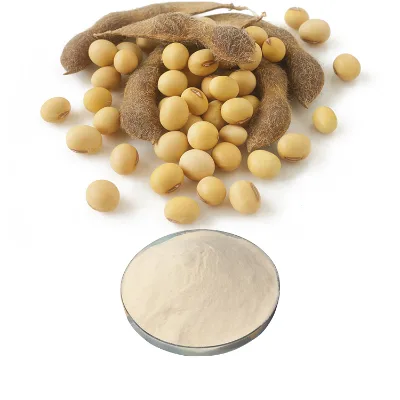
Low Molecular Weight Hydrolyzed Soybean Peptide Powder Food Grade Additive for Sport Drinks
$17.38 - $19.75
MOQ: 1 kilograms
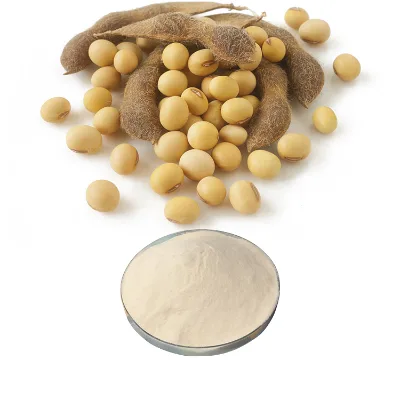
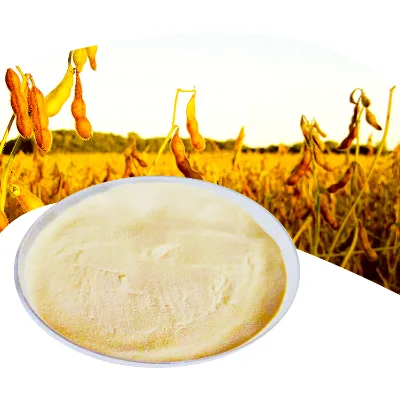
Plant-Based Soybean Peptide Powder, Rich in Bioactive Peptides for Sports and Active Nutrition
$17.44 - $19.82
MOQ: 1 kilograms
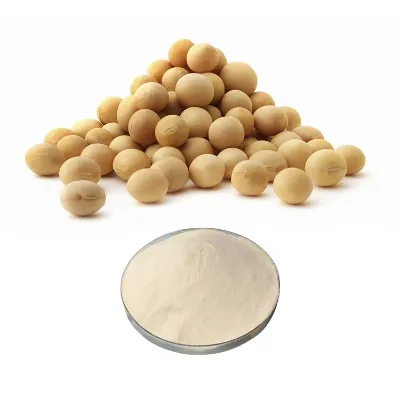
Food Grade Soy Peptide Hydrolysate, Highly Soluble for Easier Digestion and Nutrient Delivery
$17.44 - $19.82
MOQ: 1 kilograms
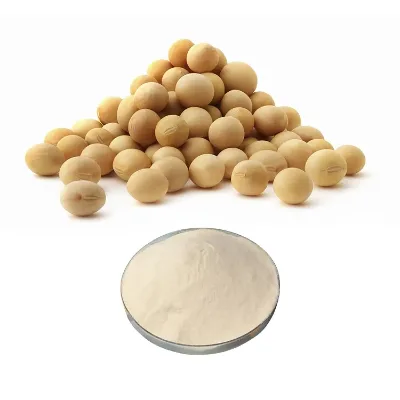
Food Grade Soy Peptide Hydrolysate, Supports Healthy Blood Pressure Regulation
$17.41 - $19.79
MOQ: 1 kilograms

Tianjin Zhuofeng Biotechnology Co., Ltd.
- Verified by BV
- Trading Company
- China Tianjin
- Lead time15 days
- Avg. response≤ 13h
Main productsFood Additives, Plant Extract, Amino Acid, Nutrient Supplements, Feed Additives, Vitamin, Water Treatment, Coffee Bean/Cacao Beans, Cocoa Butter Cocoa Powder, Plastic Particle
Main marketsSoutheast Asia/ Mideast


Food Grade Soy Protein Concentrate Powder Low Price Soy Protein Powder
$1550.00 - $1750.00
MOQ: 1 Tons


Tianjin Dongfang Import and Export Co., Ltd.
- Trading Company
- China Tianjin
- Lead time15 days
- Avg. response≤ 6h
Main productsFood Additive, Medical Intermediate, Nutritional Supplement, Vitamin, Natural Plant Extracts, Amino Acid
Main marketsSoutheast Asia/ Mideast,Europe
Qingdao Klyomo Chemical Company Limited
- Verified by TUVRHEINLAND
- Trading Company
- China Shandong
- Lead time15 days
- Avg. response≤ 8h
Main marketsSoutheast Asia/ Mideast,Domestic
Guangzhou Zio Chemical Co., Ltd.
- Verified by BV
- Trading Company
- China Guangdong
- Lead time0 days
- Avg. response≤ 6h
Main productsAcid Citric, Vitamin C, Xanthan Gum, Aspartame, Erythritol, Propylene Glycol, Menthol Crystal, Modified Starch, Sorbitol, Potassium Sorbate




Comprehensive Sourcing Guide
Food Grade Soybean Peptide Powder Supplier Concentration and Factory Types
Current data indicates a concentration of manufacturing facilities in the Shandong province of China, where specific suppliers operate as manufacturers and factories. These entities typically list core capabilities in dietary supplement tablets, capsules, softgels, and gummies alongside their primary extraction products. The presence of ISO 9001 and GMP system certifications among these Shandong-based manufacturers suggests a structured approach to quality management within their production lines. Buyers seeking direct factory engagement should prioritize entities explicitly labeled as manufacturers rather than trading companies, as this distinction often correlates with direct control over the extraction and hydrolysis processes required for high-quality soybean peptides.
In contrast, other regions such as Shaanxi host trading companies that facilitate the movement of pharmaceuticals, dietary supplements, and food ingredients. These trading entities often verify their operations through third-party agencies like CTI, offering a different layer of assurance compared to factory-direct verification. While trading companies may not own the production lines, they can aggregate products from various sources, including those offering food-grade water-soluble low molecular weight hydrolyzed soybean peptide powders. Buyers must carefully distinguish between the factory type and the trading company type to understand the supply chain structure, as the factory type implies direct production capacity while the trading company type implies a distribution and aggregation role.
How to Verify Food Grade Soybean Peptide Powder Suppliers
Verification of supplier credibility relies heavily on third-party audit results and specific certification badges displayed in the supplier profile. For instance, some suppliers in the dataset have achieved verification status through TÜV Rheinland, a globally recognized testing and certification body. This verification acts as a critical checkpoint, confirming that the supplier's business operations and product claims have been independently assessed. Buyers should look for these specific verification tags rather than relying on self-declared claims, as the presence of a TÜV Rheinland badge or similar third-party validation provides a higher degree of confidence regarding the supplier's legitimacy and operational stability.
Beyond general verification, specific product certifications and test results offer concrete evidence of quality compliance. Several product listings in the current results explicitly mention certifications such as ISO, RoHS, and COA, alongside purity standards reaching 99% or higher. Some suppliers also indicate the use of HPLC testing methods to validate the composition of their soybean peptide powders. When evaluating a potential partner, buyers must request and review these specific test reports to ensure the product meets the required food-grade standards. The absence of such documented evidence should prompt a direct inquiry to the supplier, as the lack of verifiable test data or certification details represents a significant gap in the due diligence process.
What to Compare Across Food Grade Soybean Peptide Powder Suppliers
Comparing suppliers requires a systematic evaluation of key operational metrics such as lead time, minimum order quantity, and response speed. The data shows a wide variance in lead times, with some suppliers indicating a 15-day production window while others report a significantly faster 3-day turnaround. Similarly, minimum order quantities range from a single unit to specific weight thresholds like 1kg, depending on the supplier's capacity and product configuration. Buyers should create a comparison matrix that highlights these differences to determine which supplier aligns best with their inventory planning and cash flow requirements, ensuring that the selected partner can meet their specific volume needs without unnecessary delays.
Response time and customization capabilities are equally critical dimensions for comparison. Response times in the observed data vary from approximately 1.13 hours to over 5 hours, indicating differences in customer service responsiveness and operational efficiency. Furthermore, the availability of customization services, such as ODM and OEM capabilities, varies significantly between manufacturers and trading companies. Some suppliers explicitly state that customization is available for packaging and nutrient composition, while others may offer more limited options. Buyers must assess these factors to ensure the supplier can adapt to their specific branding and formulation requirements, as the ability to customize is often a decisive factor in long-term partnership success.
Common Food Grade Soybean Peptide Powder Sourcing Risks
One primary risk involves the discrepancy between claimed product attributes and actual specifications, particularly regarding purity and active substance content. While some product listings claim an active substance content of over 90% or a purity of 99%, these figures must be rigorously validated against independent test reports. Relying solely on the supplier's stated specifications without third-party verification can lead to receiving products that do not meet the required quality standards for food-grade applications. Buyers should treat all purity claims as provisional until confirmed by a certified laboratory analysis, ensuring that the final product matches the intended functional requirements for their specific use case.
Another significant risk relates to storage and shelf-life consistency, which can be affected by packaging materials and logistics conditions. Product attributes indicate that some soybean peptide powders have a shelf life of over 12 months when stored in a normal environment, while others require cool, dry places to maintain stability. The packaging materials, ranging from paper bags to aluminum foil bags, play a crucial role in protecting the product from moisture and oxidation. If the packaging is not robust enough or if the storage conditions during transit are not controlled, the quality of the peptide powder may degrade before it reaches the buyer. Buyers must verify that the supplier's packaging and logistics protocols are sufficient to maintain product integrity throughout the supply chain.
Food Grade Soybean Peptide Powder Regional Sourcing and Logistics
Geographic location plays a pivotal role in determining logistics costs and lead times for sourcing food-grade soybean peptide powder. The current data highlights specific manufacturing clusters in Shandong and Shaanxi provinces, both located in China. Sourcing from these regions may involve different shipping routes and customs procedures depending on the buyer's location. Buyers should consider the proximity of the supplier to major ports and the efficiency of local logistics networks when evaluating potential partners. Understanding the regional distribution of suppliers allows buyers to optimize their supply chain by selecting partners that minimize transit times and reduce overall shipping expenses.
Logistics planning must also account for the specific packaging requirements and handling instructions associated with the product. Product attributes indicate that some soybean peptide powders are packaged in 110kg bags or 25kg cartons, while others come in smaller 1kg foil bags. These variations in packaging size and material affect how the product is loaded, shipped, and stored. Buyers need to ensure that their logistics partners are equipped to handle these specific packaging formats and that the transportation conditions align with the storage requirements, such as maintaining a cool, dry environment. Failure to coordinate these logistics details can result in product damage or quality degradation during transit.
Food Grade Soybean Peptide Powder Commercial Terms and Order Planning
Commercial terms, including pricing and payment structures, vary widely across different suppliers and product configurations. The observed price ranges for soybean peptide powder span from as low as 2.00 to as high as 42.00 per unit, reflecting differences in purity, packaging, and supplier positioning. Buyers must carefully analyze these price points in the context of their budget and quality requirements, ensuring that the selected price aligns with the expected product specifications. It is essential to clarify whether the quoted price includes shipping, taxes, and other duties to avoid unexpected costs that could impact the overall profitability of the sourcing project.
Order planning should be guided by the supplier's minimum order quantity and production lead time to ensure a smooth procurement process. With MOQs ranging from 1kg to larger bulk quantities and lead times varying from 3 to 15 days, buyers must align their order schedules with their production needs. Early planning is crucial to accommodate potential delays and to secure the necessary inventory levels. Additionally, buyers should confirm the availability of samples and the process for sample approval before placing a bulk order. This approach helps mitigate risks associated with product quality and ensures that the final order meets all functional and regulatory requirements before full-scale production begins.
FAQs
What is the price range for Food Grade Soybean Peptide Powder?
Prices typically range from $2.00 to $42.00 per kilogram depending on purity and packaging. Specific listings show costs between $3.00 and $39.00 for standard grades. Higher purity options or specialized extracts may reach up to $42.00. Buyers should verify exact pricing based on order volume and customization requirements.
What is the minimum order quantity for soybean peptide powder?
The minimum order quantity is generally 1 kilogram for many suppliers. Some manufacturers offer an MOQ of just 1 unit for trial orders. This low threshold allows buyers to test product quality before committing to larger bulk purchases. Always confirm the specific MOQ with the supplier to ensure it meets your project needs.
Where are these soybean peptide suppliers located?
Suppliers are primarily located in China, specifically in the Shandong and Shaanxi provinces. These regions are known for manufacturing dietary supplements and food ingredients. Buyers can source from both manufacturers and trading companies based in these areas. Location impacts shipping logistics and lead times for international orders.
What certifications do these suppliers hold?
Many suppliers hold ISO 9001 and GMP certifications for quality management. Some also provide RoHS and COA certifications for specific products. Verification services like TÜV Rheinland and CTI are used to validate supplier credentials. Buyers should request current certificates to ensure compliance with international food safety standards.
How long does it take to receive an order?
Lead times vary, with some suppliers offering production within 3 to 15 days. Response times for inquiries range from 1.13 to 5.73 hours. Faster lead times are often available for in-stock items or smaller orders. Buyers should confirm production schedules with the supplier to align with their supply chain requirements.
Is customization available for soybean peptide powder?
Customization is available for packaging, branding, and specific product specifications. Suppliers offer OEM and ODM services for dietary supplements and food ingredients. Buyers can request custom packaging sizes or specific purity levels. This flexibility allows for tailored solutions that meet unique market demands and regulatory requirements.