Footswitch Suppliers and Manufacturers from China Factories
Explore 28 verified Footswitch suppliers offering products with ISO 9001 and CE certifications. Compare response times, lead times, and MOQs to find the right partner. Contact suppliers directly to request quotes; review the available evidence before requesting comparable quotations from suitable candidates.
Suppliers List

Jiangxi Nanma Electrical Co., Ltd.
- Verified by BV
- Trading Company,Manufacturer/Factory,Other
- China Jiangxi
- Lead time15 days
- Avg. response≤ 3h
Main productsMicro Switch, Limit Switch, Toggle Switch, Waterproof Switch, Foot Switch, Switch, Electrical Switch, Tact Switch, Time Relay, Rocker Switch
Main marketsSouth America,Eastern Europe,Mid East,North America,Southeast Asia,Eastern Asia,Oceania,Western Europe,Africa
Turtech Intelligent Technology (Zhejiang) Co., Ltd
- Verified by BV
- Combined
- China Zhejiang
- Lead time15 days
- Avg. response≤ 4h
Main productsAutomatic Door, Automatic Gate, Automatic Window, Automatic Door Accessories, Automatic Gate Accessories, Industrial Door Accessories
Main marketsSouth America,Africa,Southeast Asia/ Mideast,Europe,North America

Yueqing Tianyi Electric Co., Ltd.
- Combined
- China Zhejiang
- Lead time30 days
- Avg. response≤ 25h
Main productsPush Button Switch, Indicator, Circuit Breaker, Cable Gland, Pendant Station, RCCB, MCB, Contactor, Relay, Overload Relay
Main marketsDomestic,Europe,North America
Qinghe County Hongli Rubber and Plastic Co., Ltd.
- Combined
- China Hebei
- Lead time30 days
- Avg. response≤ 6h
Main productsMat Switch, Rubber Strip, Safety Edge Switch, Inflatable Rubber Strips, Safety Step Mat, Bumper for Agv, Sealing Strip, Self-Adhesive Rubber Strips
Main marketsDomestic

Yueqing Vebo International Co., Ltd.
- Verified by TUVRHEINLAND
- Manufacturer/Factory
- China Zhejiang
- Lead time23 days
- Avg. response≤ 23h
Main productsRCCB, MCB, Circuit Breaker, Heavy Duty Connector, Button Switch, Power Supply, RCD, RCBO, Float Switch, LED Indicator
Main marketsSouth America,Eastern Europe,Mid East,North America,Southeast Asia,Eastern Asia,Oceania,Western Europe,Africa
Aomeng Electric Group Co., Ltd.
- Verified by TüVRheinland
- Manufacturer, Trading Company
- Lead time10 days
- Avg. response≤ 2h
Main productsButton Switch, Limit Switch, Indicator Lamp, Foot Pedal Switch, Micro Switches
Main marketsDomestic Market(50%), Southeast Asia(15%), South Asia(15%)
Wenzhou Zhongzhe Electric Co., Ltd.
- Verified by Intertek
- Manufacturer, Trading Company
- Lead time15 days
- Avg. response≤ 2h
Main productsVoltage Protector, Air Conditioner Protector, Digital Temperature Controller, Cabinet Temperature Controller, Time Relay
Main marketsMid East(30%), South America(30%), Africa(20%)
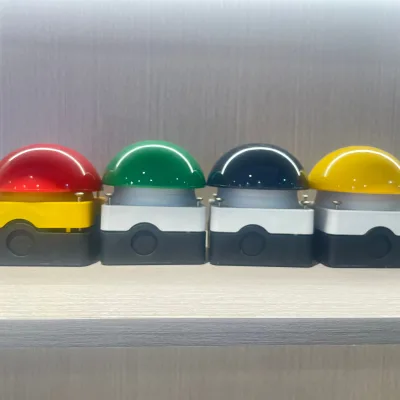
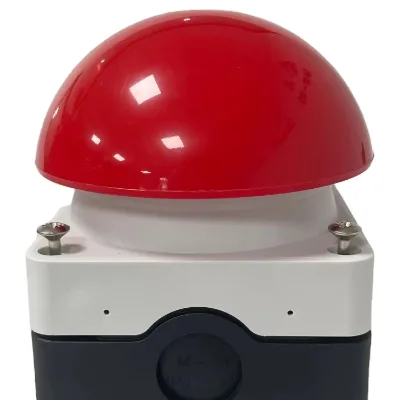
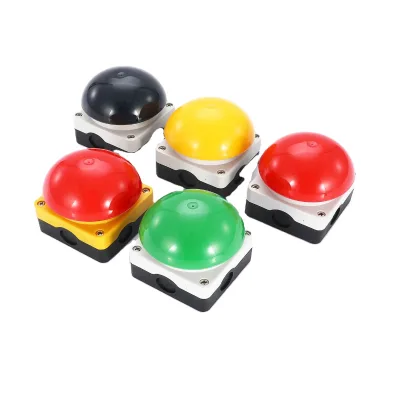
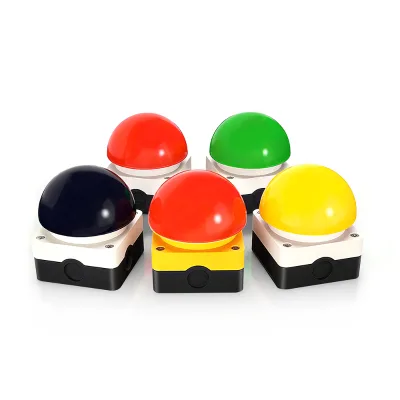
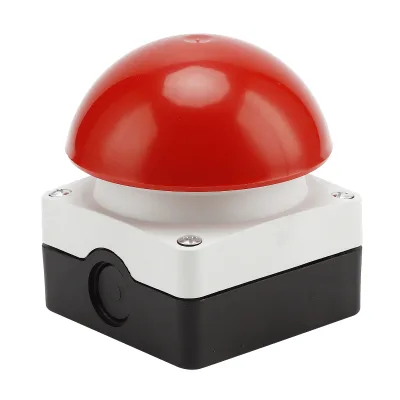
Foot Switch with Large Mushroom Head Button, Freeing Hands for Easy Control
$12.77 - $14.42
MOQ: 10 pieces
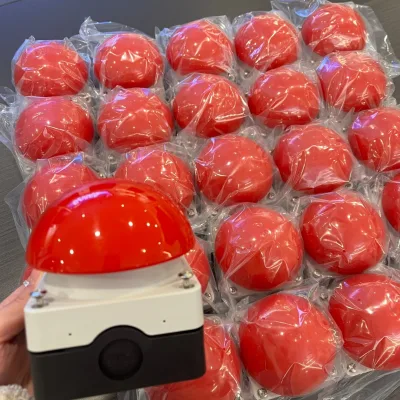
$12.82 - $14.48
MOQ: 10 pieces
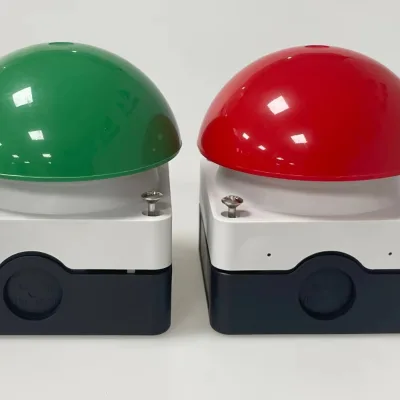
$12.50 - $14.12
MOQ: 10 pieces
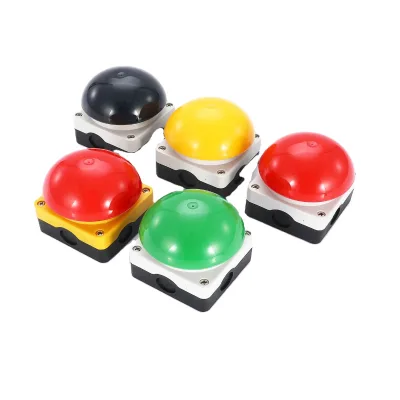
$12.50 - $14.12
MOQ: 10 pieces

Yueqing Greenwich Imp & Exp Co., Ltd.
- Manufacturer/Factory
- China Zhejiang
- Lead time45 days
- Avg. response≤ 10h
Main productsMCCB, Contactor, Starter, Connector, Relay, Magnetic Starter, MCB, Circuit Breaker, DC Contactor, Vacuum Breaker
Main marketsSouth America,Eastern Europe,Mid East,North America,Southeast Asia,Eastern Asia,Oceania,Western Europe,Africa
Zhejiang Xurui Electronic Co., Ltd.
- Manufacturer, Trading Company
- Lead time旺季: , 淡季:
- Avg. response≤ 4h
Main productsLimit Switch, Solid State Relay, Foot Switch, Micro Switch, Toggle Switch
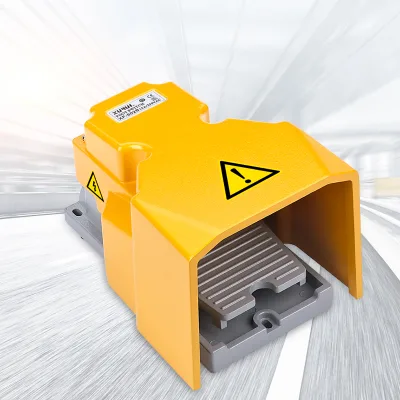
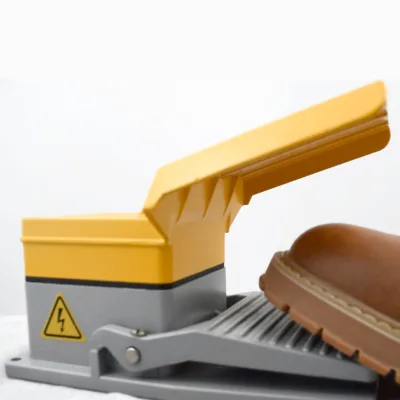
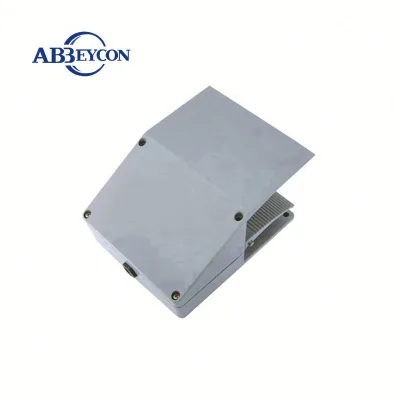
15a 250v Foot Switch for Press Brake / Heavy Duty Foot Switch / IP65 Drill Machine Foot Switch
$10.73 - $14.82
MOQ: 100 Minimum

Zuden Technology (HK) Co., Limited
- Verified by CTI
- Combined
- China Guangdong
- Lead time15 days
- Avg. response≤ 8h
Main productsAlarm System, Access Control, Electromagnetic Lock, Home Security System, Alarm Strobe Siren, Magnetic Contact, WiFi Home Security Wireless Burglar GSM Alarm, Home Security Wireless Burglar GSM Alarm System, Metal Standalone RFID Door Access Control, Smart Home
Main marketsSouth America,Southeast Asia/ Mideast,Europe,Australia

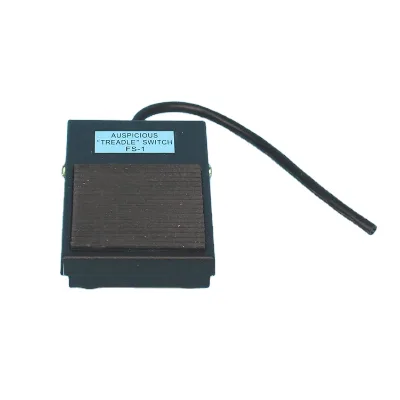
10A 110V/220V Electric Foot Pedal Switch Foot Control Switch Treadle Switch
$1.98 - $2.48
MOQ: 100 Pieces


Yueqing Aibeiken Electric Co., Ltd.
- Verified by SGS Group
- Manufacturer, Trading Company
- Lead time5 days
- Avg. response≤ 2h
Main productsPush Button Switch; Micro Switch; Rocker Switch, Car Charger, Indicator Light
Main marketsNorth America(25%), Domestic Market(20%), South America(5%)

- Manufacturer/Factory
- China Zhejiang
- Lead time23 days
- Avg. response≤ 25h
Main productsBreakers, Contactors, Relays, Push Button, Current Transformer, Transformer, Electrical Accessories, Meter, Solar Light, Voltage Stabilizer
Main marketsSouth America,Eastern Europe,Mid East,North America,Southeast Asia,Eastern Asia,Oceania,Western Europe,Africa

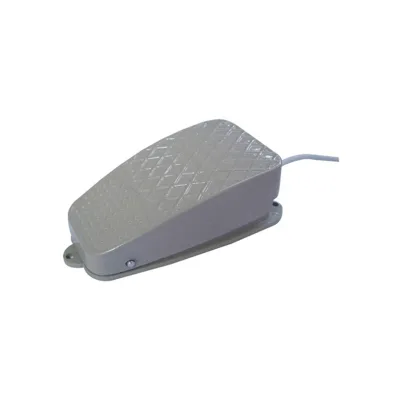
Electric Foot Pedal Switch (FS)
MOQ: 1 Pieces

3PDT Electric Foot Pedal Switch (FS)
MOQ: 1 Pieces

Yueqing Zhicheng Electrical Equipment Co., Ltd.
- Manufacturer
- China Zhejiang
- Lead time30 days
- Avg. response≤ 10h
Main productsIndustrial Plug, Industrial Socket, Industrial Plug and Socket, Anchoring Clamp, Suspension Clamp, Insulated Piercing Clamp, PC Plug, Fuse Switch Disconnector, ABC Cable Work, Fuse Holder
Main marketsSouth America,Africa,Southeast Asia/ Mideast
Yueqing Chenf Electric Co., Ltd.
- Verified by SGS
- Combined
- China Zhejiang
- Lead time23 days
- Avg. response≤ 10h
Main productsConnector, Wire Harness, AMP Connector, Anderson Connector, Deutsch Connector, Automotive Connectors, Auto Connectors, Distribution Box, Industrial Plug & Socket, Battery Terminal
Main marketsSoutheast Asia/ Mideast,Europe,Australia,North America
Shenzhen Forever Electronic Technology Co., Ltd.
- Trading Company, Buying Office, Agent, Distributor/Wholesaler
- Guangdong, China
- Lead time3 days
- Avg. response≤ 5h
Main productsConnector,Switch,Integrated Circuit,relay,diode
Main marketsWestern Europe(30.00%), North America(20.00%), Eastern Europe(10.00%), South America(10.00%), South Asia(5.00%), Southern Europe(5.00%), Southeast Asia(5.00%), Northern Europe(5.00%), Mid East(5.00%), Africa(5.00%)

Hangzhou Safedoor Automation & Hardware Co., Ltd.
- Verified by TUVRHEINLAND
- Trading Company
- China Zhejiang
- Lead time15 days
- Avg. response≤ 15h
Main productsAutomatic Door, Door Opener, Automatic Door Operator, Sliding Door Operator, Swing Door Operator, Microwave Sensor and Photocell, Access Control Reader, Electric Locks, Automatic Door Battery, Glass Door
Main marketsOthers(foreignTradeCapacity.exportBusinessCapacityMarketOther),Southeast Asia/ Mideast


MOQ: 1 Pieces
Wenzhou Zhongzhe Electric Co., Ltd.
- Verified by SGS
- Combined
- China Zhejiang
- Lead time30 days
- Avg. response≤ 4h
Main marketsSouth America,Africa,Others(foreignTradeCapacity.exportBusinessCapacityMarketOther)


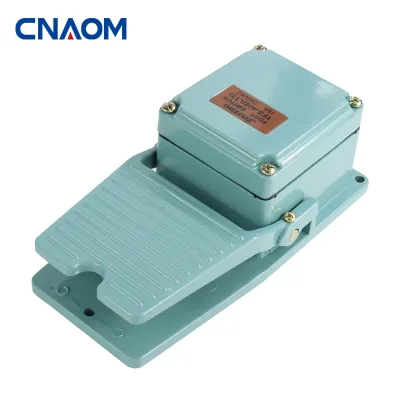
The 10 Years Source Factory Provides High-Quality Foot and Palm Switches 24 Year Best-Selling Styles
$12.50 - $14.12
MOQ: 50 pieces


Wholesale Foot Switches CE/RoHS Certified Customised From Factory Source
$12.50 - $14.12
MOQ: 10 pieces

ZHEJIANG XINYI INTELLIGENT DRIVE TECHNOLOGY CO., LTD.
- Verified by BV
- Combined
- China Zhejiang
- Lead time30 days
- Avg. response≤ 4h
Main productsLinear Actuator, Standing Desk, DC Motor, Control System, Controlor, Height Adjustable Desk, Electric Linear Actuator, Motor, Transformer, Control Panel
Main marketsSouth America,Africa,Southeast Asia/ Mideast,East Asia(Japan/ South Korea),Europe,Australia,North America

Custom Durable White Foot Switch for Nursing Bed and Linear Actuator System
$18.00 - $20.00
MOQ: 200 Pieces

Competitive Price Compact Stable 1 Pedal Medical Foot Switch for Healthcare Equipment
$8.00 - $10.00
MOQ: 200 Pieces

OEM Non-Slip Stable Durable White Grey Foot Pedal Switch for Treatment Table
$8.00 - $10.00
MOQ: 200 Pieces

OEM Grey White Stable 3 Pedal Wired Foot Switch for Adjustable Furniture
$18.00 - $20.00
MOQ: 200 Pieces
Shenzhen Junxin Industrial Control Technology Co., Ltd.
- Manufacturer, Trading Company, Buying Office
- Guangdong, China
- Lead time3 days
- Avg. response≤ 5h
Main productsindustrial control,PLC / PAC,VFD & inverter servo,Sensor,Power Supply
Main marketsNorth America(50.00%), Western Europe(30.00%), South America(10.00%), Africa(5.00%), Mid East(5.00%)
NEW HVACR TECHNOLOGY (NINGBO) CO., LTD
- Verified by TUVRHEINLAND
- Manufacturer/Factory
- China Zhejiang
- Lead time23 days
- Avg. response≤ 3h
Main productsRefrigeration Chemicals, Copper Tube, ACR Compressor, Heat Exchanger, Condensing Unit, Evaporator, Fan and Motor, Air Curtain, Air Conditioner, Cold Storage
Main marketsSouth America,Eastern Europe,North America,Southeast Asia,Eastern Asia,Western Europe
Shenzhen Jiaxinjie Technology Co., Ltd.
- Trading Company, Agent, Distributor/Wholesaler
- Guang Dong, China
- Lead time3 days
- Avg. response≤ 6h
Main productsElectronic products,Electronic module,IC Chip,Capacitance & Resistance,Medical equipment
Main marketsDomestic Market(10.00%), South Asia(10.00%), Southern Europe(10.00%), Eastern Europe(10.00%), South America(10.00%), North America(10.00%), Oceania(5.00%), Africa(5.00%), Southeast Asia(5.00%), Northern Europe(5.00%), Central America(5.00%), Western Europe(5.00%), Eastern Asia(5.00%), Mid East(5.00%)

Wenzhou Gaoxinte Electric Co., Ltd.
- Trading Company,Manufacturer/Factory
- China Zhejiang
- Lead time38 days
- Avg. response≤ 20h
Main productsSwitch, Socket, Plug, Outlet, Lampholder, Switch Socket, Switched Socket with USB Outlet, Socket with Switch, GFCI, Type C
Main marketsSouth America,North America,Eastern Asia

NINGBO FBELE ELECTRONICS CO., LTD.
- Trading Company
- China Zhejiang
- Lead time15 days
- Avg. response≤ 13h
Main productsSolar Cell, Buzzer, Fuse and Fuse Holder, Terminal Block, Switch, Speaker, Telephone Receiver, Siren, Rj, USB Connector
Main marketsSouth America,Southeast Asia/ Mideast,Europe
Qinghe County Kaitian Safety Protection Technology Co., Ltd.
- Combined
- China Hebei
- Lead time15 days
- Avg. response≤ 8h
Main productsSafety Switch, Safety Sensor, Pressure Sensitive Switch, Safety Mat Switch, Edge Switch, Edge Sensor, Tape Switch, Bumper Switch
Main marketsSoutheast Asia/ Mideast,East Asia(Japan/ South Korea),Europe


Sports Jumping Platform Foot Floor Mat Switch Pressure Carpet Sensor
$240.00 - $280.00
MOQ: 100 Square Meters

Yueqing Aibeiken Electric Co., Ltd.
- Manufacturer, Trading Company
- Lead time旺季: "1 - 500":15,"> 500":"To be negotiated", 淡季: "1 - 500":15,"> 500":"To be negotiated"
- Avg. response≤ 2h
Main productsPush Button Switch, Micro Switch, Rocker Switch, Car Charger, Indicator Light

- Manufacturer/Factory
- China Jiangsu
- Lead time68 days
- Avg. response≤ 20h
Main productsSwitches, Stamping Part, CNC Part, Sheet Metal Part, Die Casting Part, Metal Nut, CNC Machining Part, Metal Stamping Part, Sheet Metal Stamping, Metal Extrusion Part
Main marketsSouth America,Eastern Europe,Mid East,North America,Southeast Asia,Eastern Asia,Oceania,Western Europe,Africa

Radin Electric Technology Co., Ltd.
- Verified by TUVRHEINLAND
- Trading Company,Manufacturer/Factory
- China Zhejiang
- Lead time23 days
- Avg. response≤ 1h
Main productsAutomatic Transfer Switches, Changeover Switches, Load Break Switches, Control & Protective Switches, Varied Frequency Switchwes, Circuit Breakers, Transfer Switches, Timers and Control Relays, Power Meters, LED Indicators
Main marketsSouth America,Eastern Europe,Mid East,North America,Southeast Asia,Eastern Asia,Oceania,Western Europe,Africa
Wuxi Datang Welding & Cutting Mechanical Equipment Co., Ltd.
- Verified by TUVRHEINLAND
- Combined
- China Jiangsu
- Lead time30 days
- Avg. response≤ 9h
Main productsWelding Rotator, Welding Positioner, Turning Rolls, Cutting Machine, H-Beam Producing Line, H Beam Gantry Welding Machine, Welding Manipulator, Beveling Machine, H Beam Straightening Machine, H Beam Assembling Machine
Main marketsSouth America,Africa,Southeast Asia/ Mideast,East Asia(Japan/ South Korea),Domestic,Europe,Australia,North America




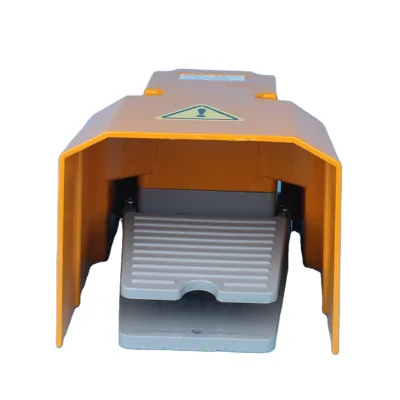
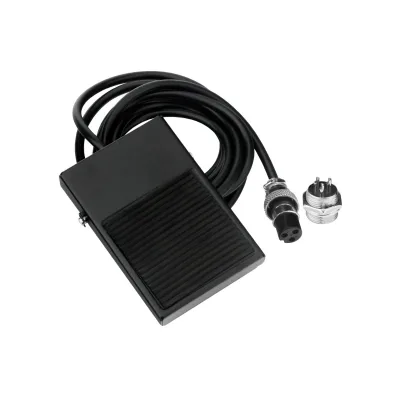
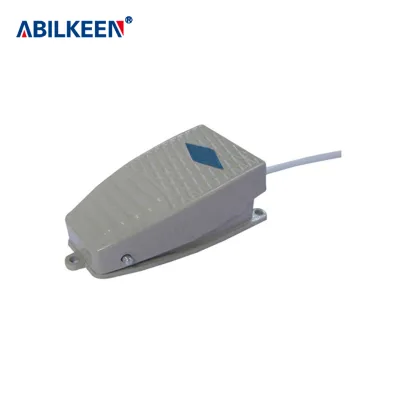


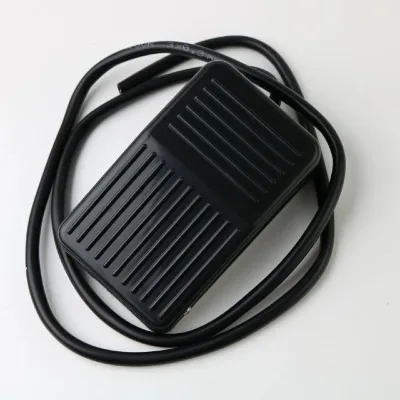
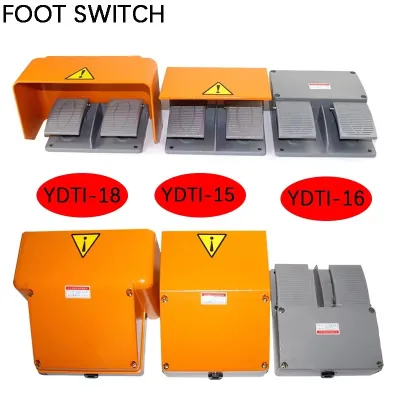
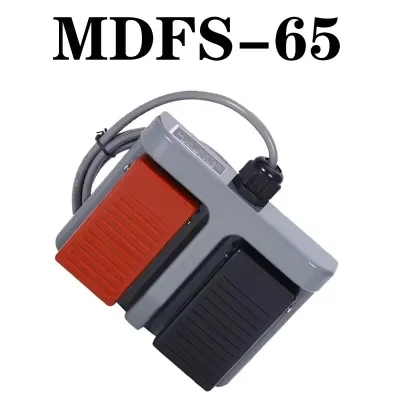
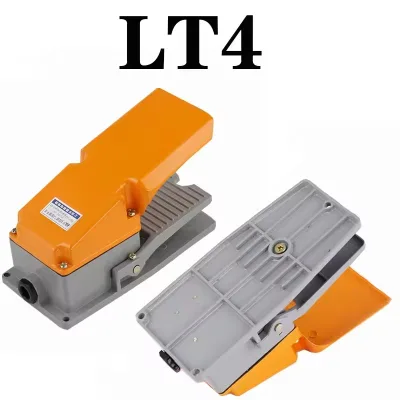
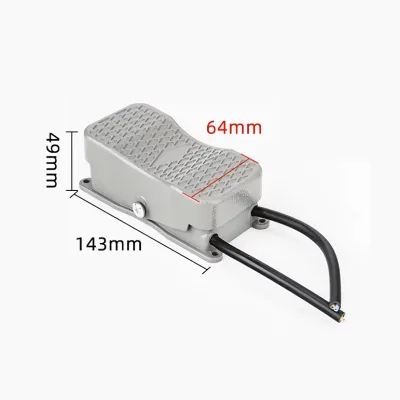
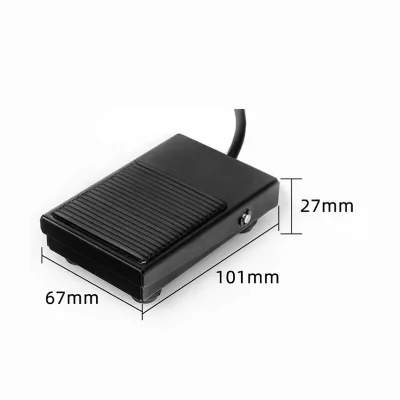


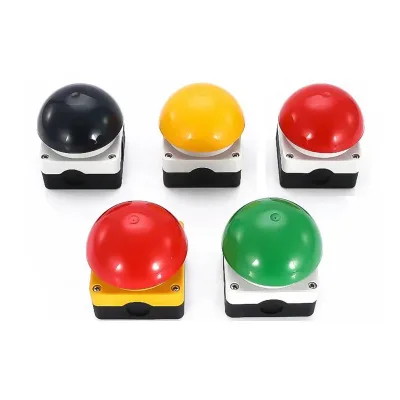
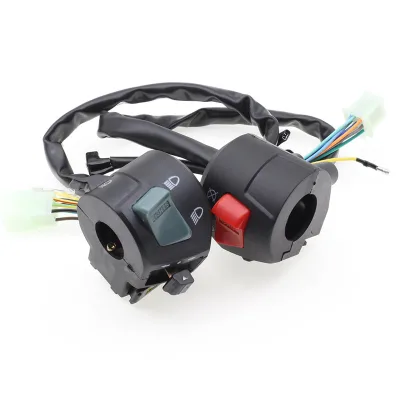


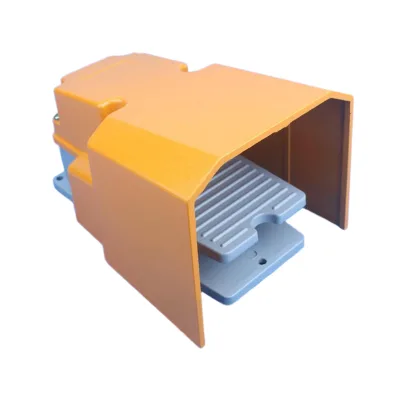


Comprehensive Sourcing Guide
Footswitch Supplier Concentration and Factory Types
The available data indicates that suppliers for footswitches are concentrated in specific Chinese provinces, with Jiangxi and Zhejiang appearing as key manufacturing hubs. Fact sheets show origins in Yueqing, Zhejiang, and general references to Jiangxi, suggesting these regions host the primary industrial clusters for electrical components. Buyers should prioritize verifying the specific factory address within these provinces, as the concentration of specialized switch manufacturers often correlates with local supply chains for materials like metal and plastic. The presence of both trading companies and manufacturers in the results suggests a mixed market where some entities source from local factories while others manage direct production lines.
Company types vary significantly among the results, ranging from pure manufacturers to trading companies and combined entities. Some suppliers list capabilities for both OEM and ODM services, indicating they can customize designs or produce under their own brands like ChnanMa. Others focus on trading, acting as intermediaries between the buyer and the factory floor. When evaluating concentration, buyers must distinguish between a factory with its own production line and a trading company that aggregates products from multiple sources. This distinction is critical for understanding lead times and quality control capabilities, as direct manufacturers often have more control over the production process than trading entities.
How to Verify Footswitch Suppliers
Verification of supplier credibility relies heavily on third-party audit reports and system certifications found in the data. Several suppliers display BV verification status, which serves as a concrete indicator of a verified business entity. Additionally, system certifications such as ISO 9000 and ISO 9001 are explicitly listed, providing evidence of quality management systems in place. Buyers should request current copies of these certificates to ensure they are valid and not expired, as the presence of a certificate in a listing does not guarantee ongoing compliance. The specific mention of ISO 14001:2015 for some suppliers further indicates environmental management standards, which may be relevant for buyers with sustainability requirements.
Response time and product attributes also serve as verification metrics for supplier reliability. The data shows response times ranging from approximately 2.58 to 25 hours, which can indicate the efficiency of the sales team and the operational status of the company. A faster response time often correlates with a more active and responsive supply chain. Furthermore, detailed product attributes like protection levels (IP54, IP66) and voltage ratings (250VAC) provide tangible evidence of product specifications. Buyers should cross-reference these technical details with the supplier's claimed capabilities to ensure the product evidence matches the actual inventory. Discrepancies between listed attributes and actual samples can signal a lack of verification or potential misrepresentation.
What to Compare Across Footswitch Suppliers
Comparing suppliers requires a systematic analysis of lead times, minimum order quantities, and pricing structures found in the results. Lead times vary, with some suppliers indicating 15 days while others suggest 30 days, directly impacting project scheduling and inventory planning. Minimum order quantities (MOQ) also differ significantly, ranging from as low as 1 unit to 100 units, which affects the feasibility of small-batch testing versus large-scale production runs. Buyers must align these constraints with their specific volume needs, as a supplier with a low MOQ might have higher per-unit costs or longer lead times compared to a high-volume manufacturer.
Pricing and customization options are equally critical dimensions for comparison. The data reveals price ranges from $1.00 to $30.00 depending on the specific model and material, such as metal versus plastic construction. Some suppliers offer customization services, allowing for tailored designs, while others provide standard products with fixed specifications. Buyers should compare the cost implications of customization against the benefits of standardization. Additionally, the availability of certifications like CE, CCC, and VDE varies by product, influencing the suitability of the switch for different markets. A comprehensive comparison must weigh the total cost of ownership, including shipping and potential rework costs, against the initial unit price and the flexibility of the supplier to meet changing requirements.
Common Footswitch Sourcing Risks
One significant risk in sourcing footswitches involves the discrepancy between listed product origins and actual manufacturing locations. While some data points to Zhejiang as the origin, other entries mention Jiangxi or general China origins, creating potential confusion about the true source of the goods. This ambiguity can lead to issues with supply chain transparency and quality consistency. Buyers must verify the exact factory location to ensure that the product matches the claimed origin, as different regions may have varying standards for electrical safety and material quality. Relying solely on the listing without physical verification can result in receiving products that do not meet the expected specifications or regulatory requirements.
Another risk pertains to the reliability of product certifications and technical specifications. Although certifications like CE and ISO are listed, the specific standards applied to each product model may vary. For instance, some products list CE and VDE standards, while others mention CCC or ISO9001. Inconsistent certification coverage across different models from the same supplier can indicate a lack of rigorous quality control. Additionally, the mechanical life and electrical ratings, such as 1,000,000 cycles or 15A current capacity, must be validated through independent testing. Without third-party verification of these critical performance metrics, buyers risk purchasing components that may fail prematurely or fail to meet safety standards in their target markets.
Footswitch Regional Sourcing and Logistics
Regional sourcing strategies should focus on the identified manufacturing clusters in Jiangxi and Zhejiang, where the data confirms a high density of Footswitch producers. These regions offer established supply chains for electrical components, which can facilitate faster production and lower logistics costs. However, buyers must confirm the specific port of shipment and the logistics capabilities of the supplier, as the distance from the factory to the port can impact transit times. The data indicates that packing specifications vary, with some products packed in cartons of specific dimensions, which affects container loading efficiency and overall shipping costs. Understanding the regional logistics network is essential for optimizing the supply chain and minimizing delays.
Logistics planning must also account for the variability in lead times and response speeds observed across different suppliers. With response times ranging from under 3 hours to over 24 hours, the speed of communication can significantly influence the efficiency of the ordering process. Suppliers with faster response times may be better equipped to handle urgent orders or resolve logistical issues quickly. Buyers should factor in the time required for documentation, customs clearance, and transportation when planning their inventory levels. The combination of regional proximity and supplier responsiveness creates a complex logistics environment that requires careful coordination to ensure timely delivery of footswitches to the final destination.
Footswitch Commercial Terms and Order Planning
Commercial terms for Footswitch orders are heavily influenced by the minimum order quantities and pricing tiers identified in the supplier data. With MOQs ranging from 1 to 100 units, buyers must carefully plan their order volumes to balance cost efficiency with inventory management. Suppliers offering lower MOQs may charge higher unit prices, while those requiring larger orders often provide more competitive pricing. Buyers should negotiate based on their projected demand, considering the potential for volume discounts and the flexibility of the supplier to adjust production schedules. Understanding these commercial terms is crucial for developing a sustainable procurement strategy that aligns with financial constraints and operational needs.
Order planning must also consider the customization options and production lead times available from each supplier. The data shows that customization is available for many models, but this often extends the lead time beyond the standard 15 to 30 days. Buyers should factor in the additional time required for design approval, prototyping, and production when planning their order cycles. Additionally, the availability of specific certifications and standards may require extra time for verification and documentation. By aligning order planning with the supplier's capacity and lead time capabilities, buyers can avoid delays and ensure a smooth transition from order placement to product delivery. Effective planning involves a clear understanding of the supplier's capabilities and a realistic assessment of the time required to fulfill the order.
FAQs
What is the typical lead time for foot switches?
Manufacturers in China generally require 15 to 30 days for production and delivery. This timeframe depends on order volume and customization needs. Buyers should confirm specific schedules with suppliers before placing orders to ensure timely receipt of goods.
What certifications are available for industrial foot switches?
Common certifications include CE, VDE, CCC, and ISO 9001 standards. These ensure compliance with international safety and quality requirements. Buyers should verify specific certificates for their target markets to guarantee regulatory compliance and product reliability.
What is the minimum order quantity for foot switches?
MOQs vary significantly, ranging from 1 unit for samples to 100 units for bulk orders. Some suppliers offer low MOQs for testing, while others require higher volumes for pricing. Buyers should check specific product listings for exact quantity requirements.
What is the price range for standard foot switches?
Prices typically range from $1.00 to $30.00 per unit depending on specifications. Basic plastic models start around $1.00, while specialized sensor or waterproof units cost more. Buyers should compare quotes based on material, voltage, and certification needs.
What response times can buyers expect from suppliers?
Supplier response times generally range from 2.58 to 25 hours. Faster responses indicate active sales teams ready to assist with inquiries. Buyers should prioritize suppliers with quicker response times for efficient communication and faster order processing.
What materials are used in foot switch construction?
Common materials include metal, plastic, and ABS steel combinations. Metal offers durability for industrial use, while plastic provides cost-effective solutions. Buyers should select materials based on environmental conditions, load requirements, and expected mechanical life for optimal performance.