For Ford ABS Sensor Suppliers and Manufacturers
Find 18 verified suppliers offering For Ford ABS Sensor with options from manufacturers and trading companies. Compare response times, lead times, certifications like ISO 9001, and locations in Zhejiang and Guangdong. Contact suppliers directly to request samples or custom orders.
Updated
Suppliers List
Ruian Changsheng Electric Appliance Co., Ltd.
- Verified by Intertek
- Manufacturer, Trading Company
- Lead time30 days
- Avg. response≤ 9h
Main productsStator, Starter Motor, Rectifier
Main marketsNorth America(60%), Western Europe(20%), Southeast Asia(20%)

Guangzhou Xin Sande Auto Parts Co., Ltd.
- Verified by TUVRHEINLAND
- Trading Company
- China Guangdong
- Lead time30 days
- Avg. response≤ 4h
Main productsCar Part
Main marketsSouth America,Southeast Asia/ Mideast,North America

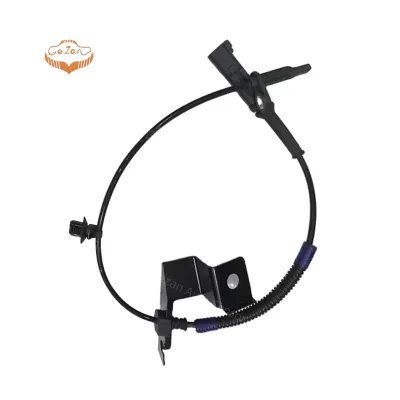
ABS Sensor for Ford Ecosport Fiesta ABS Wheel Speed Sensor OE 8V512b372AC
$4.54 - $6.33
MOQ: 20 Pieces


Ruian Ouri I/E Trade Co., Ltd.
- Verified by TUVRHEINLAND
- Trading Company,Manufacturer/Factory
- China Zhejiang
- Lead time45 days
- Avg. response≤ 5h
Main productsHeavy Duty Truck Tensioner & Pulley, Truck Sensor, Truck Combination Power Window Switch, Truck Coolant Expansion Tank, Heavy Duty Truck Gas Spring, Truck Cabin Door Handle, Heavy Duty Trucks Accessories, Truck Gear Shift Lever Cable, Truck Cable Wiring Harness, Truck Air Brake Valve
Main marketsSouth America,Eastern Europe,Mid East,North America,Southeast Asia,Eastern Asia,Oceania,Western Europe,Africa
Guangzhou Gezan Sensor Co., Ltd.
- Verified by SGS Group
- Trading Company
- Lead time5 days
- Avg. response≤ 2h
Main productsFuel Injectors, Engine Part , Auto Sensor, Starter Motor and Alternator, Air Conditioner Compressor
Main marketsSouth America(30%), Domestic Market(20%), Central America(10%)
Guangzhou Xin sande Auto Parts Co., Ltd.
- Verified by SGS Group
- Trading Company
- Lead time15 days
- Avg. response≤ 2h
Main productsIgnition Coil, Fuel Injector, Car Sensor, Fuel Pump Assembly, Fuel Pump
Main marketsSouth America(35%), Southeast Asia(30%), Africa(21%)

Nanpi County Bo Hao Hardware Manufacturing Co., Ltd.
- Verified by BV
- Combined
- China Hebei
- Lead time23 days
- Avg. response≤ 24h
Main productsbrake pad clip
Main marketsDomestic,North America


Original ABS Wheel Speed Sensor Brake Pad Wear Indicator Sensor FM Truck
$0.10 - $10.00
MOQ: 100 Pieces

Wenzhou Esaever Auto Parts Co., Ltd
- Trading Company
- China Zhejiang
- Lead time30 days
- Avg. response≤ 4h
Main productsJeep Auto Parts, Ford Auto Parts, Chevrolet Auto Parts, Dodge Auto Parts, Full Range Auto Parts for American, Water Pump, Oil Pump, Control Arm, All Auto Parts, Engine Mount
Main marketsSouth America,Africa,East Asia(Japan/ South Korea),Europe
Hunan Hifuly Technology Co., Ltd.
- Verified by Intertek
- Manufacturer, Trading Company
- Lead time20 days
- Avg. response≤ 6h
Main productsIgnition Coil, Spark Plug, Spark Plug Wire, ABS Sensor, TPMS Sensor
Main marketsDomestic Market(45%), North America(12%), Eastern Europe(9%)
Hangzhou Aelwen Auto Parts Co., Ltd.
- Trading Company
- Lead time旺季: "1 - 10000":40,"> 10000":"To be negotiated", 淡季: "1 - 10000":40,"> 10000":"To be negotiated"
- Avg. response≤ 4h
Main productsCar Door Lock,Auto Switch,Car Door Handle
Guangzhou Jieling Automobile Sales Co., Ltd.
- Verified by TüVRheinland
- Trading Company
- Lead time10 days
- Avg. response≤ 13h
Main productsSUV, Car, MPV, Sensor, Car Window
Main marketsAfrica(70%), Southeast Asia(14%), Eastern Asia(6%)
Guangzhou Xinsande Auto Parts Co., Ltd.
- Verified by SGS Group
- Trading Company
- Lead time15 days
- Avg. response≤ 2h
Main productsFuel Pump Assembly, Ignition Coil, Fuel Pump, Engine Mount, Auto Sensor
Main marketsSouth America(35%), Southeast Asia(30%), Africa(20%)

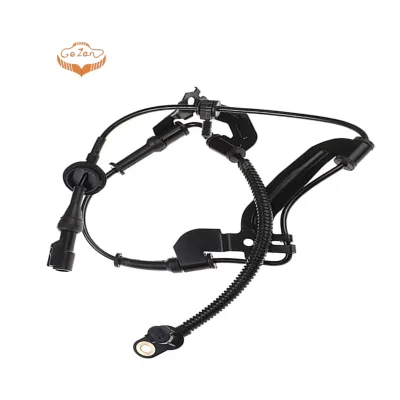
ABS Anti-lock Brakes-Front Speed Sensor for FORD 2011-2012 Explorer CB5Z2C204A
$5.3727 - $6.1991
MOQ: 20 pieces

Guangzhou Chikun Trading Co., Ltd.
- Trading Company
- Guangdong, China
- Lead time15 days
- Avg. response≤ 4h
Main productsControl Arms,Engine Mounts,Shock Absorbers,Thermostat,Fuel Pump & Parts
Main marketsMid East(40.00%), North America(20.00%), South America(15.00%), Southeast Asia(10.00%), Oceania(5.00%), South Asia(5.00%), Eastern Asia(5.00%)

Guangzhou Jinshengxi Auto Parts Co., Ltd.
- Trading Company, Distributor/Wholesaler
- Guangdong, China
- Lead time3 days
- Avg. response≤ 3h
Main productsIgnition Coil,Car window lift switch,Fuel Pump,Crankshaft Sensor,Oxygen Sensor
Main marketsSouth America(35.00%), Eastern Europe(20.00%), North America(12.00%), Mid East(10.00%), Oceania(5.00%), Southeast Asia(4.00%), South Asia(2.00%), Southern Europe(2.00%), Northern Europe(2.00%), Central America(2.00%), Western Europe(2.00%), Eastern Asia(2.00%), Africa(2.00%)
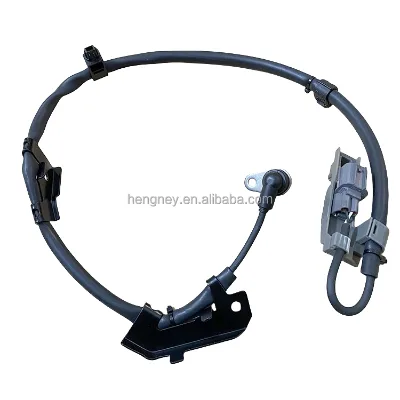
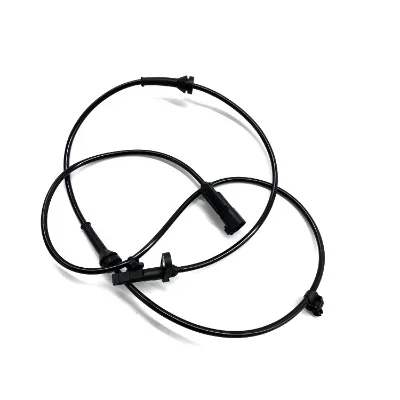
OE# 8972361062 89546-08010 High Quality Wheel Speed Sensor Front Left ABS Sensor for Toyota SIENNA
$7.3832 - $8.0913
MOQ: 10 pieces
Guangzhou Follett Electronics Co., Ltd.
- Manufacturer, Distributor/Wholesaler
- Guangdong, China
- Lead time7 days
- Avg. response≤ 4h
Main productsCar/motorcycle LED headlight,UTV/ATV LED Light &parts,fuel injector,Tail light,Auto Sensor
Main marketsNorth America(40.00%), South America(15.00%), Central America(10.00%), Mid East(10.00%), South Asia(5.00%), Northern Europe(5.00%), Africa(5.00%), Western Europe(5.00%), Eastern Europe(5.00%)
Guangzhou Zhenhua Auto Part Trading Co., Ltd.
- Verified by TüVRheinland
- Trading Company
- Lead time3 days
- Avg. response≤ 3h
Main productsFuel Injector, Ignition Coil, Oxygen Sensor, Crankshaft Potion Sensor, Fuel Pump
Main marketsSouth America(35%), North America(20%), Southeast Asia(20%)
- Manufacturer
- Zhejiang, China
- Lead time15 days
- Avg. response≤ 6h
Main productsNox Sensor, Oxygen Sensor, Alternator Regulator, Solenoid Valve, Turn Signal Switch
Main marketsSouth America(30.00%), Western Europe(30.00%), North America(20.00%), Eastern Europe(20.00%)

Wuhan Yuanyumu Automobile Industry Import and Export Co., Ltd
- Verified by BV
- Trading Company
- China Hubei
- Lead time15 days
- Avg. response≤ 2h
Main productsWheels, Brake
Main marketsSoutheast Asia/ Mideast,Europe,North America


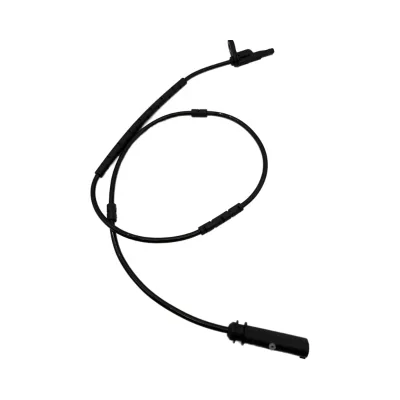
Truck Parts ABS Sensor Wheel Speed Sensor 02.331.70.70.0 4410329632 4410329050 4410324430
$3.00 - $5.00
MOQ: 50 Pieces

Changsha Eucrown Automobile Parts Co., Ltd.
- Verified by CTI
- Combined
- China Hunan
- Lead time30 days
- Avg. response≤ 3h
Main productsAuto Parts, Truck Parts, Bus Parts
Main marketsDomestic,Europe





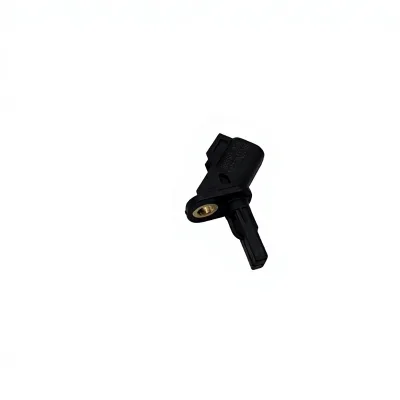


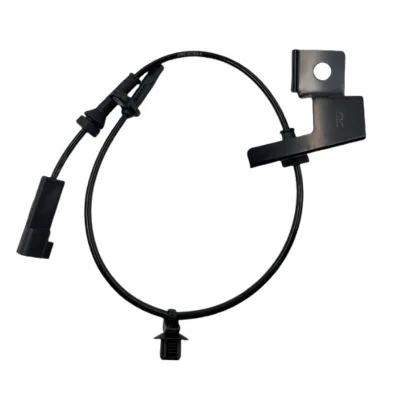
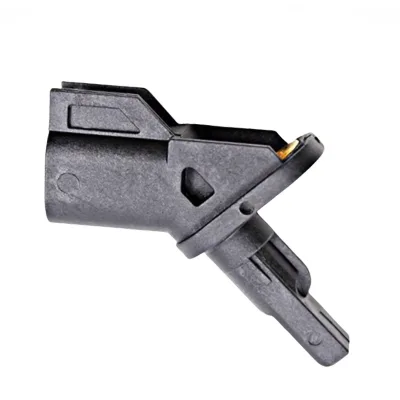





Comprehensive Sourcing Guide
For Ford ABS Sensor Supplier Concentration and Factory Types
The current supplier landscape for Ford ABS sensors reveals a mix of manufacturing and trading entities, with specific facility locations identified in Zhejiang and Guangdong provinces. Some suppliers list Zhejiang, China, as their place of origin, while others specify Guangdong, China, indicating distinct regional clusters for automotive electrical components. These locations often correlate with specialized supply chains for auto sensors and vehicle parts. Buyers should verify if a supplier's claimed factory location matches their actual production capabilities, as trading companies may operate from these hubs without owning the manufacturing lines. The presence of both manufacturers and trading companies suggests a tiered market where direct factory access varies by vendor.
When evaluating supplier types, it is critical to distinguish between those offering direct production and those acting as intermediaries. Some entities list company types as Manufacturer, Trading Company, or Manufacturer/Factory, which impacts their ability to customize products like the RCSABS007 model or handle large OEM orders. Manufacturers typically provide greater control over quality assurance processes, such as the 100% testing mentioned for specific wheel speed sensors. Trading companies often aggregate products from multiple factories, offering a broader range of OE numbers like 1785282 or 8V512B372AC. Buyers must confirm whether the supplier's stated type aligns with their specific needs for customization, such as ODM or OEM services, to ensure the supply chain structure supports their procurement goals.
How to Verify For Ford ABS Sensor Suppliers
Verification of suppliers for Ford ABS sensors relies heavily on third-party audit reports and specific certification standards found in the product data. Several suppliers display verification badges from Intertek or TÜV Rheinland, which serve as external validations of their business legitimacy and operational standards. Additionally, system certifications like ISO 9001 and TS 16949 are explicitly listed for certain manufacturers, indicating adherence to international quality management systems required for automotive components. Buyers should request current certificates to confirm that the supplier maintains these standards, as these documents are essential for ensuring the reliability of sensors used in critical vehicle safety systems.
Beyond certifications, buyers must scrutinize response times and product testing claims to gauge supplier reliability. Response times vary significantly, with some suppliers indicating a 3.76-hour response window while others show a 9-hour average, which can impact project timelines. Product attributes often include claims of "100% tested" quality, which should be cross-referenced with the supplier's actual testing protocols. For instance, specific listings mention detailed quality attributes and OE numbers, but buyers should verify if these tests are conducted in-house or by external labs. Confirming the authenticity of these claims through direct inquiry or requesting test reports is a necessary step before committing to an order, ensuring that the supplier's verification status is current and accurate.
What to Compare Across For Ford ABS Sensor Suppliers
Comparing suppliers requires a detailed analysis of key operational metrics such as lead times, minimum order quantities, and pricing structures. Lead times for ABS sensors can range from 7 to 15 days for specific models to 30 days for truck applications, with some suppliers offering a general 30-day window. Minimum order quantities (MOQ) also vary, with some listings requiring 20 pieces while others set the bar at 50 or even 100 units. Buyers must align these constraints with their inventory needs, as a lower MOQ might suit small batch testing, whereas higher volumes may be necessary to secure better pricing tiers.
Pricing and customization capabilities are equally critical factors in the comparison process. Unit prices for Ford ABS sensors can range from approximately $4.54 to $20.00 depending on the specific model and OE number, such as the 1L2Z9E731AA or 8V512C204BB. Some suppliers offer customization options, allowing for tailored packaging or branding, while others provide standard "Al Lamp Package" solutions. Buyers should evaluate whether the supplier supports ODM or OEM requests, as this flexibility can be vital for private label strategies. Additionally, comparing warranty terms, such as the 12-month warranty offered on certain sensors, helps assess the long-term value and risk profile of each supplier option.
Common For Ford ABS Sensor Sourcing Risks
One significant risk in sourcing Ford ABS sensors involves the discrepancy between claimed product attributes and actual delivery performance. While some listings promise delivery times of 7 to 15 days, others indicate a standard 30-day lead time, creating potential confusion for buyers planning their inventory cycles. Inconsistent delivery windows can lead to production delays, especially if the supplier fails to meet the stated timeline. Buyers should treat all delivery estimates as preliminary and seek written confirmation of the actual lead time before finalizing orders to mitigate the risk of supply chain disruptions.
Another critical risk is the variation in product quality and certification validity across different suppliers. Although some products are marked as "100% tested" and carry ISO 9001 certifications, others may lack detailed quality assurance documentation. The presence of multiple OE numbers for similar sensors, such as those for Ford, Lincoln, and Mercury, increases the complexity of verifying part compatibility. If a supplier provides a sensor with an incorrect OE number or fails to meet the specific quality standards required for Ford vehicles, it could result in vehicle malfunction or safety issues. Buyers must rigorously validate the technical specifications and ensure that the sensor matches the exact requirements of their target vehicle models.
For Ford ABS Sensor Regional Sourcing and Logistics
Regional sourcing for Ford ABS sensors is heavily influenced by the geographic concentration of suppliers in China, particularly in Zhejiang and Guangdong provinces. These regions host a significant number of manufacturers and trading companies specializing in automotive electrical systems and sensors. The location data indicates that many products originate from Wenzhou, Zhejiang, or other parts of the province, which are known hubs for automotive component manufacturing. Buyers should consider the logistical advantages of sourcing from these clusters, as proximity to ports and established supply chains can facilitate smoother shipping processes.
However, logistics planning must account for the specific shipping requirements and packaging standards of each supplier. Some listings specify packaging details like "Al Lamp Package" or "Natural or According to Your Requirement," which can affect shipping costs and handling procedures. Buyers need to verify if the supplier offers consolidated shipping options or if they require individual packaging for each unit. Additionally, the distance between the supplier's location and the buyer's destination will impact transit times and freight costs. Understanding these regional logistics nuances is essential for optimizing the total cost of ownership and ensuring timely delivery of critical automotive parts.
For Ford ABS Sensor Commercial Terms and Order Planning
Commercial terms for Ford ABS sensors include specific pricing structures, payment conditions, and warranty provisions that must be carefully reviewed. Prices for these components vary widely, with some models listed between $4.54 and $20.00, while others fall in the $6.00 to $9.00 range. Buyers should negotiate based on volume, as higher quantities often unlock better pricing tiers. Warranty terms, such as the 12-month coverage mentioned for certain sensors, provide a safety net against defects, but buyers must clarify the claims process and any exclusions before placing an order.
Order planning also requires attention to minimum order quantities and customization capabilities. Some suppliers set MOQs at 20 or 50 pieces, while others require 100 units, which can influence the initial investment required. Customization options, including branding and packaging, are available from certain manufacturers but may incur additional costs or longer lead times. Buyers should align their order quantities with their sales forecasts to avoid overstocking or stockouts. Furthermore, understanding the supplier's capacity for sample processing and graphic customization is vital for those looking to develop private label products or test new designs before full-scale production.
FAQs
What is the minimum order quantity for Ford ABS sensors?
The minimum order quantity varies by supplier and specific part number. Some listings require a minimum of 20 pieces, while others set the threshold at 50 pieces or 100 pieces for heavy-duty truck applications. Buyers should check the specific product page to confirm the exact MOQ before placing an order.
How long does delivery take for these sensors?
Delivery times depend on the supplier and product type. Standard automotive sensors may ship within 7 to 15 days, while other suppliers list a general lead time of 30 days. Heavy-duty truck sensors often have a delivery time of 30 days. Always verify the specific delivery window with the seller.
What is the price range for Ford ABS sensors?
Prices vary significantly based on the model and supplier. Costs range from approximately $4.54 to $6.33 for some Ford models, while other listings show prices between $6.28 and $9.76. Higher-end or specialized sensors may cost between $15.00 and $20.00. Prices are subject to change based on order volume.
Are these sensors tested for quality assurance?
Yes, many suppliers ensure quality through testing. Specific product listings indicate that items are 100% tested before shipment. Additionally, some manufacturers hold ISO 9001 or TS 16949 certifications, which provide further assurance of manufacturing standards and quality control processes for the automotive parts they supply.
What warranty is provided for these ABS sensors?
Warranty terms vary by supplier. Some listings explicitly offer a 12-month warranty for their ABS sensors. Buyers should review the specific product details to confirm the warranty period. It is advisable to discuss warranty terms directly with the supplier to ensure coverage for potential defects or issues.
Where are these sensors manufactured?
Most suppliers are located in China, specifically in regions like Zhejiang and Guangdong. Some products originate from Wenzhou, Zhejiang. Buyers can filter results by location to find suppliers in specific provinces. The place of origin is usually listed in the product attributes for each item.