Football Trophy Suppliers and Manufacturers
Source 18 verified Football Trophy suppliers in Zhejiang, China. Compare options based on material, MOQ, lead time, and response speed. Contact suppliers directly to request quotes and verify production details; review the available evidence before requesting comparable quotations from suitable candidates.
Updated
Suppliers List
Pujiang Chufa E-Commerce Co., Ltd.
- Trading Company
- Zhejiang, China
- Lead time15 days
- Avg. response≤ 2h
Main productscrystal candle holder,crystal trophy,crystal gifts,crystal cube,crystal ball
Main marketsWestern Europe(50.00%), Africa(20.00%), Mid East(20.00%), Southern Europe(3.00%), Eastern Europe(3.00%), South Asia(2.00%), South America(2.00%)

NINGBO RICH PLASTIC INDUSTRY CO., LTD.
- Verified by TUVRHEINLAND
- Combined
- China Zhejiang
- Lead time45 days
- Avg. response≤ 12h
Main productsTrophy, Plastic & Resin Crafts, Plastic Trophy, Crystal Trophy, Metal Trophy, Medal, Souvenir, Plastic Awarding Cup, Electric Car Cup, Sports Souvenir
Main marketsSouth America,Africa,Others(foreignTradeCapacity.exportBusinessCapacityMarketOther),Southeast Asia/ Mideast,East Asia(Japan/ South Korea),Europe,North America

Yueqing Hongda Process Trophy Co., Ltd.
- Manufacturer, Trading Company
- Zhejiang, China
- Lead time15 days
- Avg. response≤ 4h
Main productstrophy,trophy cup,trophy parts,metal trophy,plastic trophy
Main marketsEastern Asia(30.00%), Mid East(30.00%), Southeast Asia(20.00%), South America(10.00%), North America(10.00%)
- Verified by TüVRheinland
- Manufacturer, Trading Company
- Lead time15 days
- Avg. response≤ 3h
Main productsMedals
Main marketsSouth America(15%), Southeast Asia(15%), Africa(10%)

Quanzhou Wutongcrafts Co., Ltd.
- Verified by CTI
- Manufacturer/Factory
- China Fujian
- Lead time30 days
- Avg. response≤ 5h
Main productsResin Figurine, Snow Globe, Fridge Magnets, Tourist Souvenirs, Garden Ornaments, Holiday Decorations, Madonna Statue, Bobble Head, Polyresin Statue, Polyresin Flower Pot
Main marketsSouth America,Eastern Europe,North America,Oceania,Western Europe,Africa


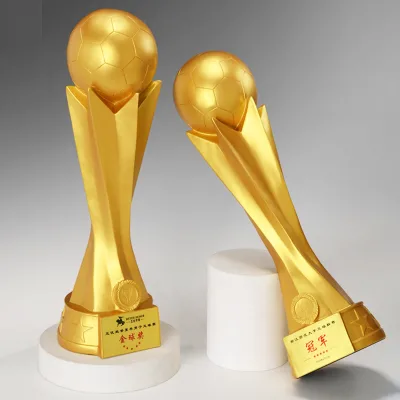
Custom Competition Collection Resin Souvenirs Golden Football Trophy for Champion Awards
$2.50 - $5.50
MOQ: 500 Pieces


Custom Resin Football Trophy Winner′ S Trophy Gold Trophy and Silver Trophy
$0.10 - $5.00
MOQ: 500 Pieces

Yiwu Justsy Imp & Exp Co., Ltd.
- Verified by BV
- Combined
- China Zhejiang
- Lead time30 days
- Avg. response≤ 2h
Main productsCrystal Award, Crystal Trophy, China Crystal, Crystal Animal Figurines, Crystal Gift, Crystal Craft, 3D Laser Crystal, Crystal Keychain, Crystal Jewelry, Crystal Wine Stopper
Main marketsAfrica,Southeast Asia/ Mideast,East Asia(Japan/ South Korea),Europe,Australia,North America
Shenzhen De Yuan Zheng Trade Co., Ltd.
- Manufacturer, Trading Company, Distributor/Wholesaler
- Guangdong, China
- Lead time15 days
- Avg. response≤ 6h
Main productsKeychain,Bottle Opener,Fridge magnet,Wine Stopper,Coin Capsule
Main marketsNorth America(60.00%), Northern Europe(15.00%), Southern Europe(15.00%), Western Europe(10.00%)
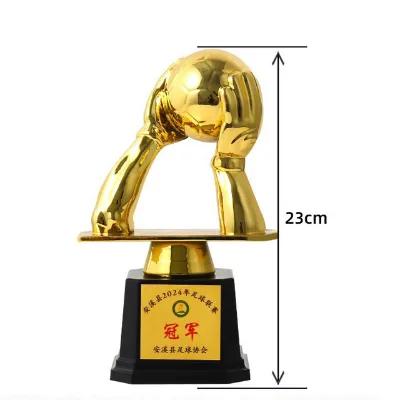
$3.26 - $4.18
MOQ: 20 pieces
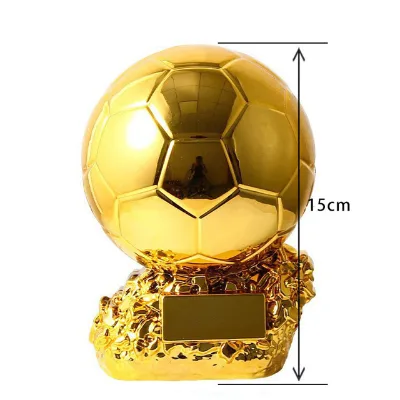
Custom Gold Plastic Football Trophy Soccer Awards Trophies Office Desktop Decor
$4.9431 - $5.979
MOQ: 20 pieces
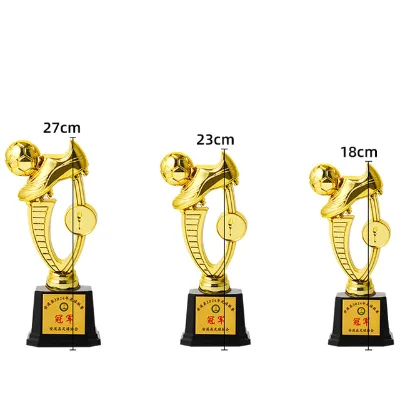

- Trading Company
- Hong Kong S.A.R.
- Lead time20 days
- Avg. response≤ 5h
Main productsPromotional Gifts,Party Supplies,Luggage & Bags,Medals & Trophies,Apparel & Caps
Main marketsNorth America(21.00%), Oceania(13.00%), Southeast Asia(12.00%), Western Europe(10.00%), Mid East(9.00%), Eastern Europe(8.00%), Southern Europe(7.00%), Africa(5.00%), Northern Europe(5.00%), Eastern Asia(5.00%), Central America(2.00%), South America(2.00%), South Asia(1.00%)

Cangnan Achieve Arts And Crafts Co., Ltd.
- Trading Company
- Zhejiang, China
- Lead time7 days
- Avg. response≤ 5h
Main productsGold Banknote,Gold Flower,Paper Crafts,Gold Playing cards,Metal Coins
Main marketsNorth America(20.00%), South Asia(10.00%), Central America(10.00%), South America(10.00%), Domestic Market(5.00%), Southeast Asia(5.00%), Southern Europe(5.00%), Northern Europe(5.00%), Eastern Europe(5.00%), Western Europe(5.00%), Eastern Asia(5.00%), Mid East(5.00%), Oceania(5.00%), Africa(5.00%)

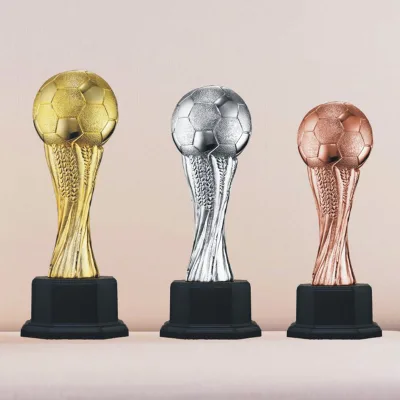
Custom Souvenir Football Championship Gold Silver Bronze Player Award Football Golden Ball Trophy
$4.6242 - $19.0089
MOQ: 50 Minimum
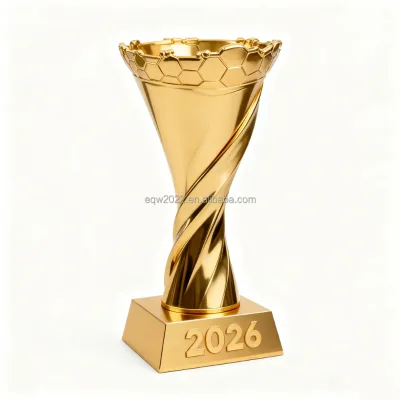
$4.6153 - $18.97
MOQ: 50 Minimum
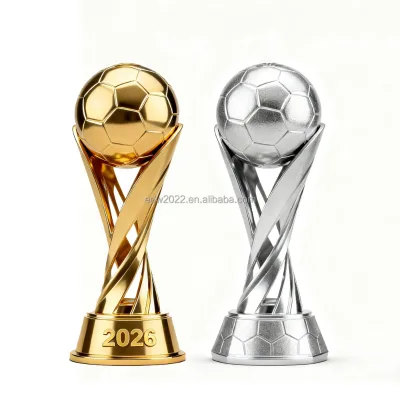
$23.3233 - $25.1736
MOQ: 100 pieces

- Verified by SGS
- Trading Company
- China Fujian
- Lead time15 days
- Avg. response≤ 5h
Main productsPromotion Gift, Keychain, Timing Belt, Sport Gift, Worm, Reducer, Pulley, Tennis Gift, Pickleball Gift
Main marketsEast Asia(Japan/ South Korea),Europe,Australia,North America

- Trading Company
- China Fujian
- Lead time30 days
- Avg. response≤ 25h
Main productsSouvenirs, Sport Trophy Gargden Decor, Home Decor
Main marketsSouth America,Eastern Europe,Mid East,North America,Southeast Asia,Eastern Asia,Oceania,Western Europe,Africa


Resin Trophy Various Football Award of Sports Souvenir Promotion Decoration
$0.50 - $1.50
MOQ: 300 Pieces


- Verified by SGS
- Trading Company
- China Zhejiang
- Lead time45 days
- Avg. response≤ 13h
Main productsResin Crafts, FRP Sculpture, Trophy & Awards & Plaques, Metal Casting Sculptures, Plastic Products
Main marketsEurope,North America

Golden Resin Football Awards Trophies for Soccer Players Sports Meeting Recognition
$5.00 - $30.00
MOQ: 20 Pieces

Soccer Game Resin Awards Cup Golden Football League for Sports Tournaments
$5.00 - $30.00
MOQ: 20 Pieces

Jinjiang Naike Eco Technology Co., Ltd.
- Verified by SGS
- Trading Company
- China Fujian
- Lead time30 days
- Avg. response≤ 2h
Main productsKeychain, Promotional Gifts, Shoes Charm, Straw Toppers, Pencil Toppers, Christmas Decoration, Party Decoration, Toy, Metal Craft, Silicone Products
Main marketsEurope,North America

Factory Price Soccer Sport Competitions Winner Cup Souvenir Gift Football Game Trophy
$6.38 - $6.69
MOQ: 100 Pieces


Customize Resin Winner Cup Awards Football Game Souvenir Golden Soccer Trophy
$6.38 - $6.69
MOQ: 100 Pieces
Cangnan Kelin Arts And Crafts Co., Ltd.
- Verified by SGS Group
- Manufacturer, Trading Company
- Lead time10 days
- Avg. response≤ 5h
Main productsGold Banknote, Anime Coin, Gold Rose
Main marketsNorth America(26%), Eastern Europe(15%), Domestic Market(13%)
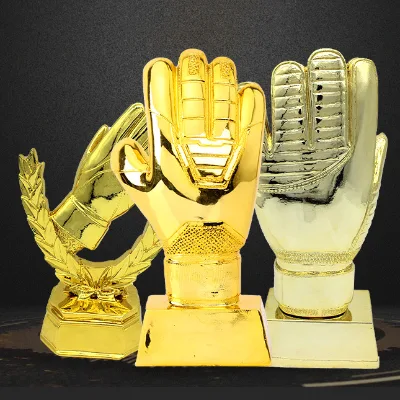
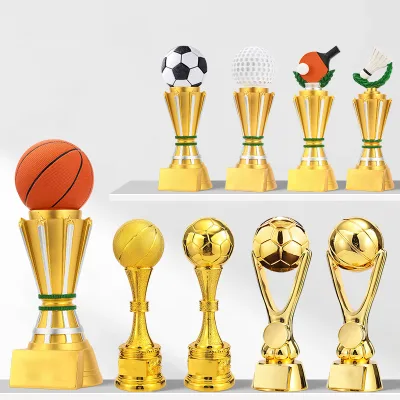
High Quality Design Metal Trophy Custom Sports Game Football Basketball Championship Prize Trophy
$5.1138 - $16.3607
MOQ: 200 Minimum
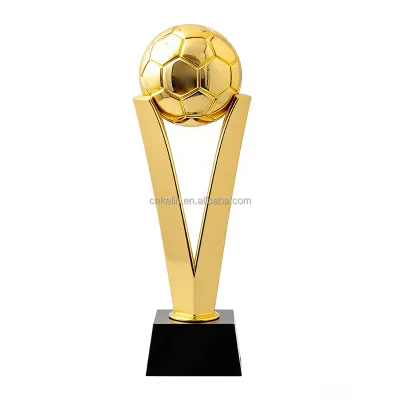
Wholesale Custom Logo Creative Football Gold Silver Plated Award Trophy With Black Base
$25.687 - $61.648
MOQ: 1 pieces

Manufacturer Custom Plated Trophies Cups Award Prize Football Sports Souvenir Award
$2.9656 - $10.1242
MOQ: 100 Minimum
Zhongshan Wanjun Crafts Manufactuer Co., Ltd.
- Manufacturer, Trading Company
- Lead time旺季: "1 - 100":15,"101 - 1000":20,"> 1000":"To be negotiated", 淡季: "1 - 100":15,"101 - 1000":20,"> 1000":"To be negotiated"
- Avg. response≤ 3h
Main productsMedal, Lapel Pin, Keychain, Bottle Opener, Coin

- Combined
- China Guangdong
- Lead time45 days
- Avg. response≤ 1h
Main productsResin Craft, Baby Doll, Christmas Tree, Christmas Wreath, Christmas Garland, Christmas Decoration, Artificial Flower, Artificial Plant, Artificial Tree, Christmas Ornaments
Main marketsSouth America,Europe,North America
Pujiang Jingni E-Commerce Co., Ltd.
- Trading Company
- Lead time旺季: "1 - 10000":30,"> 10000":"To be negotiated", 淡季: "1 - 10000":30,"> 10000":"To be negotiated"
- Avg. response≤ 6h
Main productsCrystal crafts,crystal trophy,Blank Crystal,Crystal Crafts

Guangzhou Ersan Craft Gift Co., Ltd.
- Verified by CTI
- Trading Company,Manufacturer/Factory
- China Guangdong
- Lead time15 days
- Avg. response≤ 7h
Main productsMedals, Badges, Keychains, Lapel Pins, Challenge Coins, Fridge Magnets, Bottle Openers, Embroidered Patches, Wristbands, Cufflinks
Main marketsSouth America,Eastern Europe,Mid East,North America,Southeast Asia,Eastern Asia,Oceania,Western Europe,Africa


Hot Sale High Quality Custom Metal Big Trophy Champion Cup Award Large Sport Gold Soccer Trophy
$3.00 - $5.00
MOQ: 1 Pieces

Professional Soccer Crown Trophy Metal Award Various Size Wood Gold Big Trophy
$3.00 - $5.00
MOQ: 1 Pieces
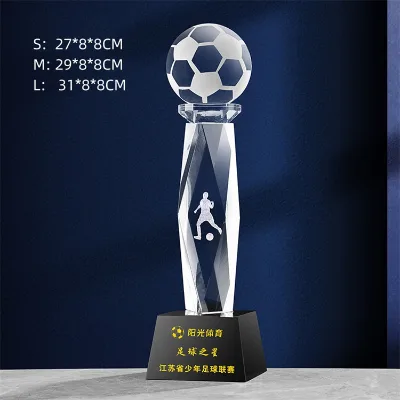




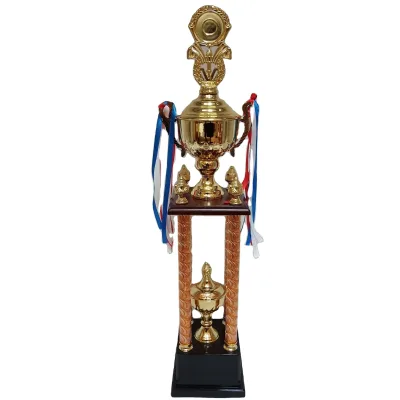
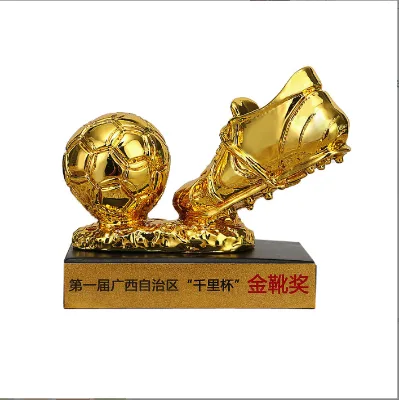
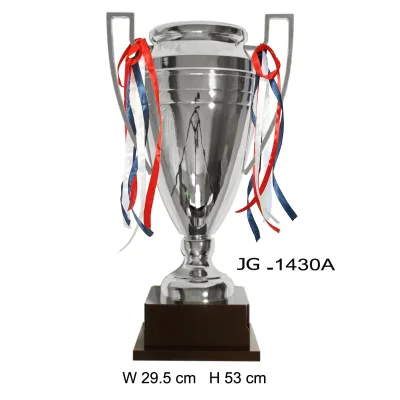
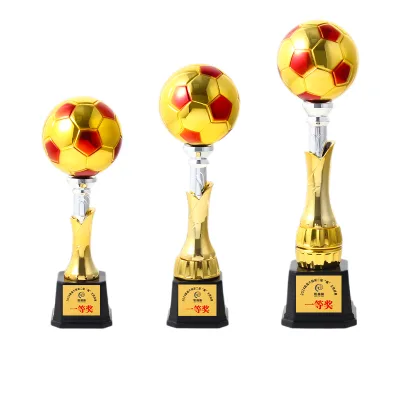
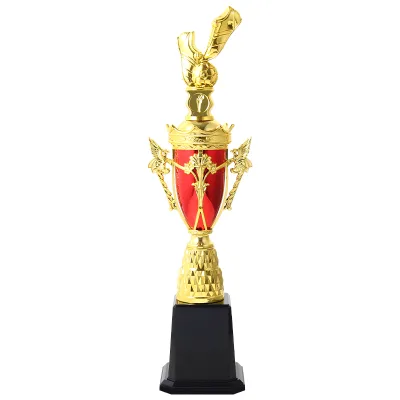
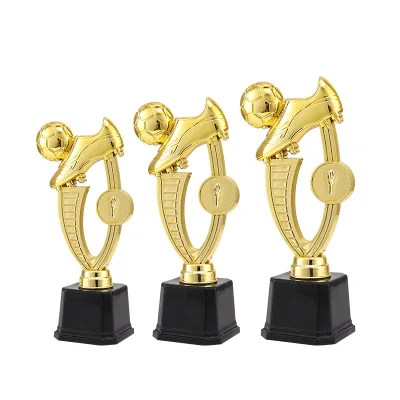
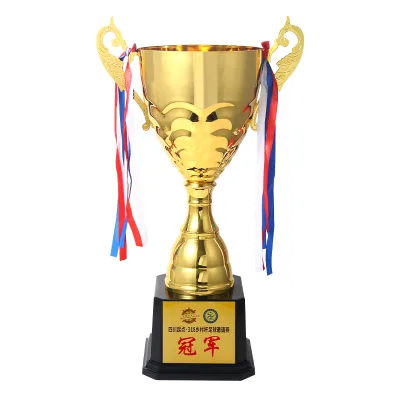


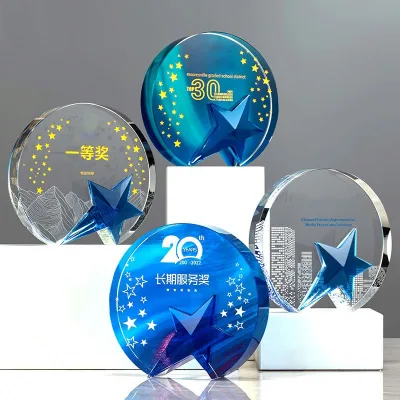





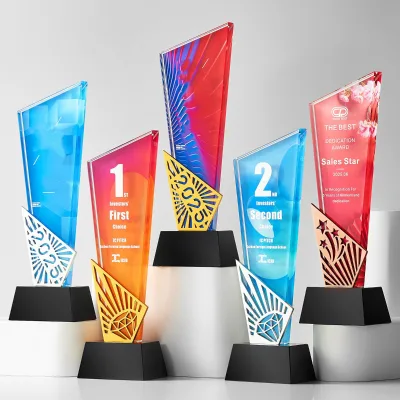
Comprehensive Sourcing Guide
Football Trophy Supplier Concentration and Factory Types
The current supplier landscape for football trophies reveals a distinct concentration of manufacturing and trading entities within Zhejiang, China. This geographic clustering is significant for buyers because it indicates a mature industrial ecosystem specialized in crafts and promotional items. When evaluating potential partners, it is crucial to distinguish between pure trading companies and actual factories, as this distinction directly impacts pricing flexibility, communication efficiency, and quality control capabilities. The observed data shows that many listed entities identify as Trading Companies, which often serve as intermediaries connecting buyers with various workshops or smaller factories. While trading companies can offer convenience by aggregating products from multiple sources, they may add a margin to the final cost and potentially dilute direct communication regarding technical specifications. Buyers must therefore scrutinize the company type declaration carefully. If a supplier claims to be a trading company, they should be able to provide clear evidence of their supply chain relationships or factory audits. Conversely, if a factory is identified, buyers can expect more direct oversight of the production process, including material sourcing and assembly techniques. Understanding this structural dynamic helps in negotiating better terms and ensuring that the specific requirements for custom football trophies, such as intricate crystal cutting or metal plating, are handled with the appropriate level of expertise. The concentration in Zhejiang suggests that logistics infrastructure and raw material availability are optimized for this region, which can streamline the initial stages of sourcing but requires diligent verification of the actual production site.
Furthermore, the variety of main products offered by these suppliers provides insight into their operational focus and capacity. Many suppliers in this cluster specialize in a broad range of crystal and metal crafts, including crystal candle holders, trophies, gifts, cubes, and balls. This diversification suggests that these businesses have established production lines capable of handling different materials and design complexities. For a buyer seeking football trophies, this versatility can be advantageous, as it may allow for consolidated shipping if other promotional items are also needed. However, it also necessitates a careful review of the supplier’s specific expertise in football-themed designs. A supplier that primarily produces generic crystal gifts may not have the specialized molds or design templates for detailed football trophies compared to a niche manufacturer. Buyers should look for evidence of previous Football Trophy orders, such as specific model numbers or product names like "Customized Football Trophy Cup" or "Unique Football Trophy Design." This evidence confirms that the supplier has the requisite experience to handle the unique aesthetic and structural demands of sports awards. By analyzing the main product lists alongside the company type, buyers can better assess whether a supplier is a generalist trading house or a specialized manufacturer with deep roots in the sports award sector. This assessment is vital for ensuring that the final product meets the high standards expected for championship events and team celebrations.
How to Verify Football Trophy Suppliers
Verifying the legitimacy and capability of Football Trophy suppliers requires a multi-layered approach that goes beyond simple profile reviews. One of the most critical steps is to confirm the supplier’s response time and communication reliability, as these factors are indicative of their operational efficiency and customer service quality. In the current market, a response time of two days or less is often observed, which serves as a baseline for acceptable engagement. However, buyers should not rely solely on this metric; they must actively test the supplier’s responsiveness by sending detailed inquiries about custom designs, material specifications, and production timelines. A genuine supplier will provide prompt, detailed, and technically accurate responses, whereas a less reliable entity may offer vague or delayed replies. Additionally, verifying the supplier’s establishment year is essential for assessing their stability and experience in the industry. Older companies often have more refined processes and a track record of handling complex orders, although newer firms may offer more competitive pricing or innovative designs. Buyers should request business licenses and check for any certifications that validate their manufacturing capabilities, such as ISO standards or quality management system certifications. These documents provide objective evidence of the supplier’s adherence to international quality and safety standards. If such documentation is not readily available, buyers should explicitly request it during the initial communication phase. This proactive verification helps mitigate the risk of engaging with shell companies or unverified intermediaries who may not have the capacity to deliver on large orders.
Another crucial aspect of verification is the assessment of payment security and transaction history. Buyers should prioritize suppliers who offer secure payment methods, such as Ali Trade Assurance or other escrow services, which protect the buyer’s funds until the goods are received and approved. This feature is particularly important for custom orders, where there is a higher risk of discrepancies between the sample and the final production. Buyers should also inquire about the supplier’s return policy and warranty terms for defective products. While many suppliers may not explicitly state these terms in their initial profiles, a professional supplier will be transparent about their after-sales support. Furthermore, verifying the supplier’s physical address and conducting a site visit, if possible, can provide invaluable insights into their actual production capabilities. If a site visit is not feasible, requesting a live video tour of the factory floor can help confirm the existence of necessary machinery, such as laser engravers, polishing equipment, and molding tools. Buyers should also check for any negative reviews or complaints from previous customers, which can be found on independent review platforms or through industry forums. By combining these verification methods, buyers can build a comprehensive profile of each potential supplier, ensuring that they partner with entities that are not only capable of producing high-quality football trophies but also reliable and trustworthy throughout the entire procurement process. This thorough due diligence is essential for minimizing risks and ensuring a smooth sourcing experience.
What to Compare Across Football Trophy Suppliers
When evaluating multiple suppliers for football trophies, buyers must systematically compare key operational metrics to identify the most suitable partner for their specific needs. One of the primary dimensions for comparison is the Minimum Order Quantity (MOQ), which varies significantly across different suppliers and product types. For instance, some crystal trophy suppliers may require an MOQ of 30 pieces, while metal trophy manufacturers might accept orders as low as 10 pieces. Understanding these MOQ thresholds is crucial for budget planning and inventory management, especially for small to medium-sized events. Buyers should also compare the lead times, which indicate how quickly a supplier can fulfill an order. A lead time of 15 days is commonly observed, but this can vary based on the complexity of the design, the material used, and the current order volume. Buyers with tight deadlines need to prioritize suppliers with shorter lead times or those who offer expedited production services. Additionally, comparing the response speed is vital for ensuring smooth communication throughout the project. Suppliers with faster response times are generally more responsive to changes and inquiries, which can prevent delays and misunderstandings. Buyers should also evaluate the range of main products offered by each supplier to determine if they can meet all their current and future needs. A supplier that offers a diverse range of crystal and metal crafts may provide better value through consolidated shipping and simplified logistics.
Furthermore, buyers should compare the technical specifications and customization options available for football trophies. This includes examining the printing techniques, such as UV printing, laser engraving, or digital printing, and the materials used, such as crystal, metal, or resin. Each material and technique has its own advantages and disadvantages in terms of durability, aesthetic appeal, and cost. For example, crystal trophies offer a premium look but may be more fragile, while metal trophies are durable and suitable for outdoor events. Buyers should also compare the packaging options and shipping costs, as these factors can significantly impact the total cost of ownership. Some suppliers may offer safe packing solutions to prevent damage during transit, which is essential for fragile items like crystal trophies. Additionally, buyers should compare the payment terms and financial flexibility offered by each supplier. While many suppliers accept standard payment methods, some may offer more favorable terms for repeat customers or large orders. By systematically comparing these dimensions, buyers can make informed decisions that align with their budget, timeline, and quality requirements. It is also important to consider the supplier’s ability to provide samples before placing a bulk order. Samples allow buyers to verify the quality of materials, craftsmanship, and customization options firsthand. Buyers should inquire about sample costs and lead times, as these can vary among suppliers. Ultimately, a comprehensive comparison of these factors will help buyers select a supplier that offers the best balance of quality, cost, and service for their Football Trophy sourcing needs.
Common Football Trophy Sourcing Risks
Sourcing football trophies involves several inherent risks that buyers must proactively manage to ensure a successful procurement outcome. One of the most significant risks is the discrepancy between the sample and the final production batch. This issue is particularly prevalent in custom orders where design nuances, such as the precision of laser engraving or the consistency of metal plating, can vary between samples and mass production. Buyers often invest time and resources in approving a sample, only to receive a final product that does not meet the expected standards. To mitigate this risk, buyers should establish clear quality control checkpoints and request detailed production updates throughout the manufacturing process. It is also advisable to include specific quality criteria in the contract, allowing for penalties or refunds if the final product fails to meet these standards. Another common risk is the delay in lead times, which can disrupt event schedules and cause significant logistical challenges. Suppliers may underestimate the complexity of custom designs or face raw material shortages, leading to production delays. Buyers should maintain open communication with their suppliers and request regular progress reports to identify potential delays early. Additionally, buyers should have contingency plans in place, such as identifying alternative suppliers or adjusting event timelines, to handle unexpected delays.
A third risk is the potential for hidden costs, which can inflate the total procurement budget beyond initial estimates. These costs may include shipping fees, customs duties, packaging upgrades, or additional charges for rush orders. Buyers should request a detailed quotation that breaks down all costs, including unit price, packaging, shipping, and any applicable taxes or duties. It is also important to clarify the payment terms and ensure that there are no hidden fees for services such as design modifications or sample production. Furthermore, buyers should be aware of the risk of intellectual property infringement, especially when ordering custom designs featuring team logos or copyrighted images. Suppliers may not always verify the legality of the designs, leading to potential legal issues for the buyer. Buyers should ensure that they have the necessary rights to use any copyrighted materials and that the supplier agrees to indemnify them against any infringement claims. Finally, the risk of poor after-sales support can leave buyers without recourse if defects are discovered after the order is completed. Buyers should prioritize suppliers who offer robust warranty and return policies, and they should document all communications and agreements to protect their interests. By identifying and addressing these common risks, buyers can navigate the Football Trophy sourcing process more effectively and ensure a positive outcome for their procurement projects.
Football Trophy Regional Sourcing and Logistics
The geographic concentration of Football Trophy suppliers in Zhejiang, China, presents both opportunities and challenges for international buyers regarding logistics and supply chain management. This region is known for its robust manufacturing infrastructure and efficient logistics networks, which can facilitate faster production and shipping times. However, buyers must carefully consider the implications of sourcing from this specific location, including shipping costs, transit times, and customs procedures. Shipping from Zhejiang typically involves sea freight for large orders, which is cost-effective but time-consuming, or air freight for urgent shipments, which is faster but more expensive. Buyers should calculate the total landed cost, including freight, insurance, and customs duties, to determine the true cost of sourcing from this region. Additionally, buyers should be aware of potential seasonal fluctuations in shipping capacity and costs, which can impact delivery schedules. For instance, peak seasons such as holidays or major sporting events may lead to increased demand for shipping services, resulting in longer transit times and higher freight rates. Buyers should plan their orders well in advance to avoid these bottlenecks and ensure timely delivery. Furthermore, buyers should consider the environmental impact of their sourcing decisions, as long
FAQs
What is the typical lead time for custom football trophies?
The standard production lead time is 15 days for most suppliers. This duration allows for material preparation, manufacturing, and quality checks. Buyers should confirm specific timelines with the supplier before placing orders to ensure timely delivery for upcoming events or competitions.
What are the common materials used for football trophies?
Suppliers offer trophies made from crystal, metal, and resin. Crystal options include carved designs with UV printing or laser engraving. Metal trophies often feature gold plating and polished finishes. Resin awards provide eco-friendly alternatives with digital printing capabilities for detailed customization.
What is the minimum order quantity for custom trophies?
Minimum order quantities vary by material and design complexity. Crystal trophies typically require a minimum of 30 pieces. Metal awards may start at 10 pieces. Resin options often have flexible MOQs. Buyers should verify specific requirements with the supplier to align with budget and volume needs.
Where are these football trophies manufactured?
The majority of these trophies are manufactured in Zhejiang, China. This region is known for its robust manufacturing infrastructure for crafts and gifts. Buyers can expect consistent quality and competitive pricing from suppliers located in this area, with many offering trade assurance for secure transactions.
What customization options are available for trophy designs?
Customization includes laser engraving, UV printing, and digital printing. Buyers can choose from various shapes, colors, and sizes. Options range from standard crystal balls to irregular metal designs. Suppliers support custom logos and text, ensuring each trophy meets specific event or team branding requirements.
What payment methods are accepted for trophy orders?
Most suppliers accept Ali Trade Assurance for secure payments. This method protects buyers by holding funds until order confirmation. It ensures that products meet agreed specifications before release. Buyers should verify payment terms with the supplier to ensure a smooth and secure transaction process.