Foot Bath Soak Suppliers and Manufacturers in China
Compare 13 verified Foot Bath Soak suppliers in Guangdong, China, evaluating response times, lead times, and certifications like BSCI and ISO 22716. Review product details such as MOQ and shelf life to select the right partner for your needs; review the available evidence before requesting comparable quotations from suitable candidates.
Updated
Suppliers List

Shenzhen Twosuccess Electronic Co., Ltd. (Plus)
- Manufacturer
- Guangdong, China
- Lead time3 days
- Avg. response≤ 14h
Main productshealth care,Make up tools,Body shaper,baby and mother,outdoor and sport
Main marketsWestern Europe(20.00%), North America(20.00%), South America(15.00%), Northern Europe(10.00%), Southeast Asia(6.00%), South Asia(5.00%), Southern Europe(5.00%), Eastern Europe(5.00%), Mid East(4.00%), Oceania(3.00%), Central America(3.00%), Eastern Asia(2.00%), Africa(2.00%)
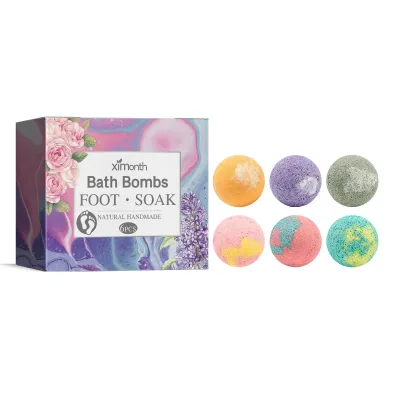
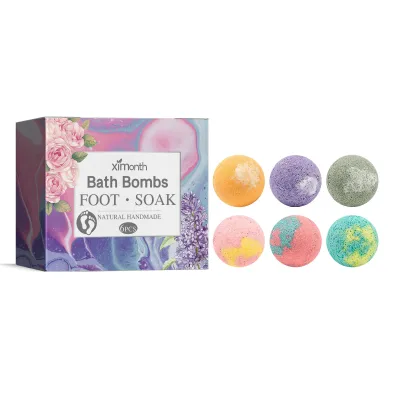
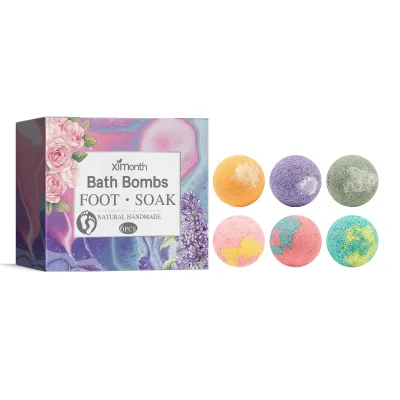
Private Label Natural Handmade Tiring Sore Feet Soothing and Smoothing Portable Bath Bombs Foot Soak
$1.10 - $1.86
MOQ: 3 pieces
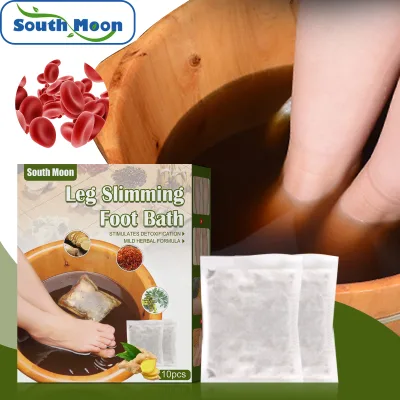
$0.4626 - $0.6677
MOQ: 3 boxes
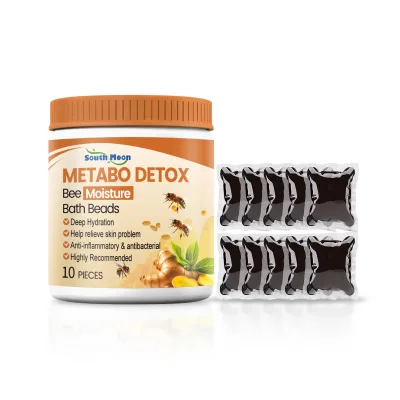
Heshan Bliss Naturals Bath & Beauty Co., Ltd.
- Verified by SGS Group
- Manufacturer, Trading Company
- Lead time35 days
- Avg. response≤ 3h
Main productsHand & Foot Care Product, Bath Salt, Bath Fizzer, Lotion
Main marketsNorth America(45%), Western Europe(20%), Mid East(10%)
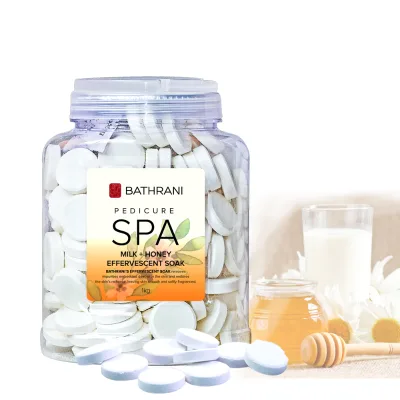
$9.00 - $14.00
MOQ: 2 boxes
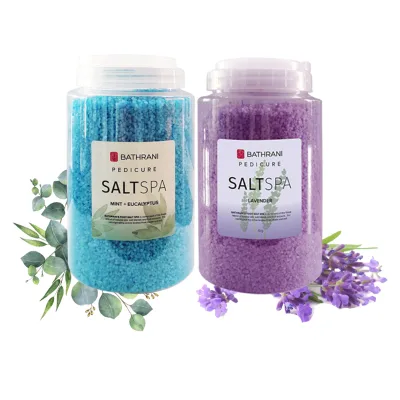
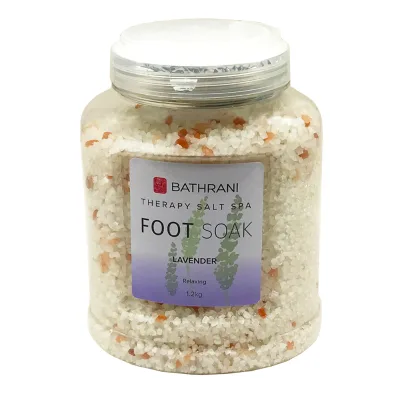
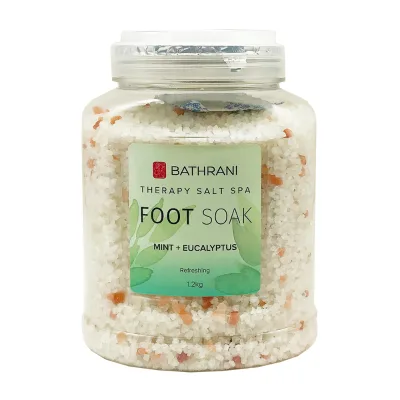

Guangzhou Shiruoni Cosmetics Co., Ltd.
- Trading Company,Manufacturer/Factory,Group Corporation
- China Guangdong
- Lead time15 days
- Avg. response≤ 6h
Main productsSkin Care, Jelly Mask, Face Serum, Face Toner, Face Cream, Facial Mask, Sunscreen, Face Cleanser, Soap, Skin Care Set
Main marketsSouth America,Eastern Europe,Mid East,North America,Southeast Asia,Eastern Asia,Oceania,Western Europe,Africa

OEM Hot Selling Salt Foot Soak with Petals Epsom Salt Bath Salt Foot Care
$1.59 - $1.99
MOQ: 1000 Pieces

Hot Selling Herbal Salt Foot Soak with Petals Epsom Salt Bath Salt Foot Skin Care
$1.59 - $1.99
MOQ: 1000 Pieces

Custom Logo Peeling Salt Foot Soak with Petals Epsom Salt Bath Salt Foot Care
$1.59 - $1.99
MOQ: 1000 Pieces

OEM/ODM Vegan Salt Foot Soak with Petals Epsom Salt Vegan Relaxing Bath Salt Fot Foot Skin Care
$1.59 - $1.99
MOQ: 1000 Pieces

Custom Natural Salt Foot Soak with Petals Epsom Salt Vegan Relaxing Bath Salt Fot Foot Skin Care
$1.59 - $1.99
MOQ: 1000 Pieces

Private Label Exfoliate Peeling Salt Foot Soak with Petals Epsom Salt Bath Salt Foot Care
$1.59 - $1.99
MOQ: 1000 Pieces
Guangzhou Chuyu Cosmetics Co., Ltd.
- Manufacturer, Trading Company
- Lead time旺季: "1 - 100":7,"101 - 1000":35,"1001 - 10000":50,"> 10000":"To be negotiated", 淡季: "1 - 100":7,"101 - 1000":35,"1001 - 10000":50,"> 10000":"To be negotiated"
- Avg. response≤ 2h
Main productsFacial Mask, Foot Mask, Facial Serum, Hair Care/Skin Care, Makeup/Bath Salt
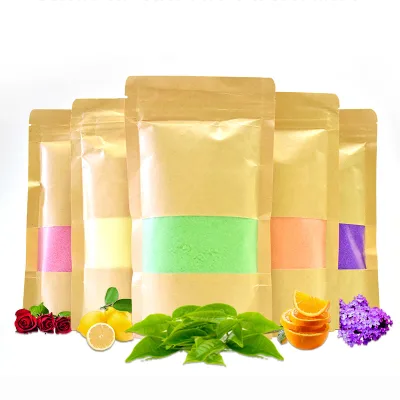
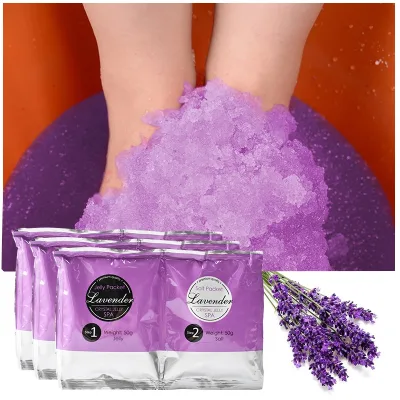
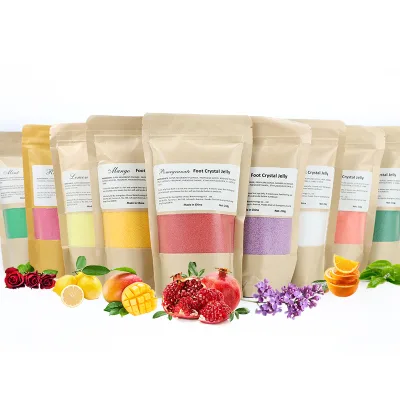
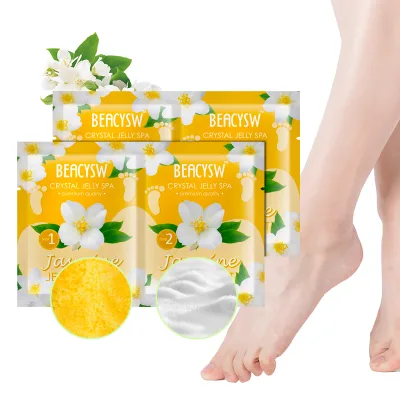
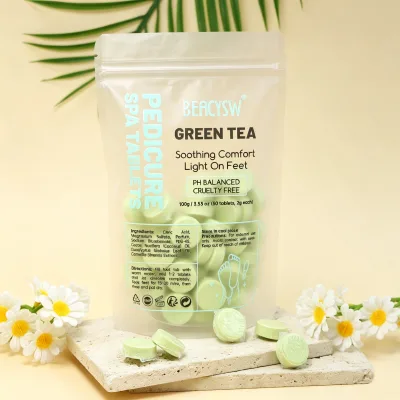
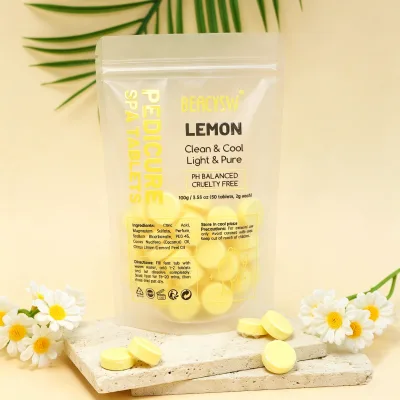
Bulk Deodorant Foot Wash Jelly Foot Bath Lavender Rose Fragrance Crystal Jelly Soak
$2.1826 - $2.6033
MOQ: 1000 bags
Hebei Enyu Imp. & Exp. Trade Company Limited
- Verified by SGS Group
- Trading Company
- Lead time15 days
- Avg. response≤ 5h
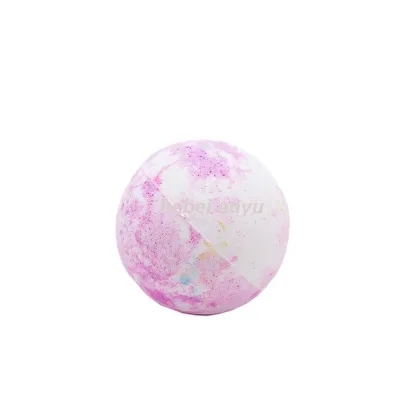
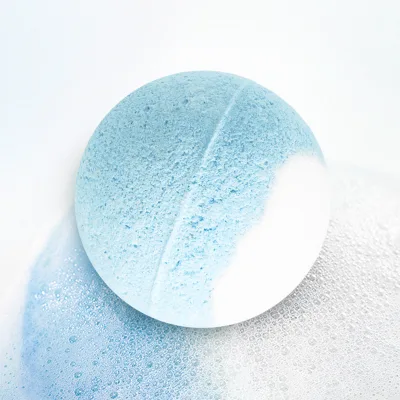
Main productsBath Bomb, Soap, Spa Foot Jelly, Shower Steamer, Shampoo Bar
Main marketsNorth America(40%), South America(16%), Eastern Europe(16%)
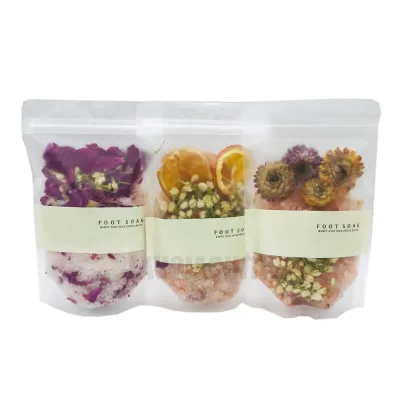
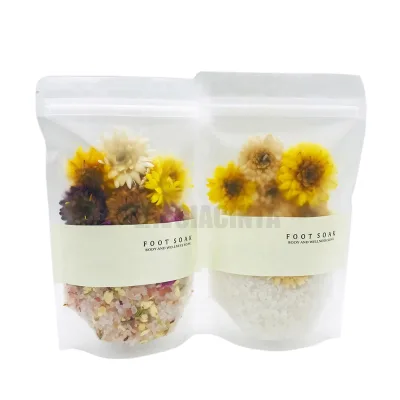
$1.6617 - $2.0314
MOQ: 50 pieces
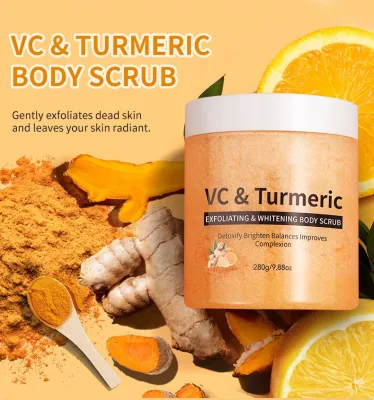
100% Nature Minerals Magnesium Muscle Recovery Bath Soak for Dead Sea Bath Salts
$0.7186 - $1.0254
MOQ: 100 pieces

Dongguan Myway Beauty Technology Co., Ltd.
- Manufacturer, Trading Company
- Guangdong, China
- Lead time15 days
- Avg. response≤ 4h
Main productsFoot Skin Care,Feet Callus Remover,Hand Skin Care,Body Care,Eyes Care
Main marketsDomestic Market(40.00%), North America(28.00%), Eastern Europe(15.00%), Eastern Asia(3.00%), Western Europe(3.00%), Southern Europe(3.00%), Northern Europe(3.00%), South America(2.00%), Mid East(1.00%), Africa(1.00%), Southeast Asia(1.00%)

Yangzhou Holly International Co., Ltd.
- Verified by BV
- Combined
- China Jiangsu
- Lead time15 days
- Avg. response≤ 10h
Main marketsSoutheast Asia/ Mideast,East Asia(Japan/ South Korea),Domestic,Europe

50g Slimming Detox Foot Soak Salts Deep Cleansing Body Sewage Foot Care Slimming Foot Bath Salt
$0.95 - $1.12
MOQ: 1000 piece

Hot Sale Body Leg Slimming Natural Wormwood Saffron Ginger Detox Foot Soak Bath Package
$0.58 - $0.65
MOQ: 1000 piece

Guangzhou Mebamy Cosmetics Co., Ltd.
- Verified by TUVRHEINLAND
- Manufacturer/Factory
- China Guangdong
- Lead time15 days
- Avg. response≤ 2h
Main productsFace Serum, Soap, Face Cream, Sunscreen, Eyelash Growth Serum, Teeth Whitening, Face Mask, Facial Cleanser, Essential Oil, Hair Care Series
Main marketsNorth America,Western Europe


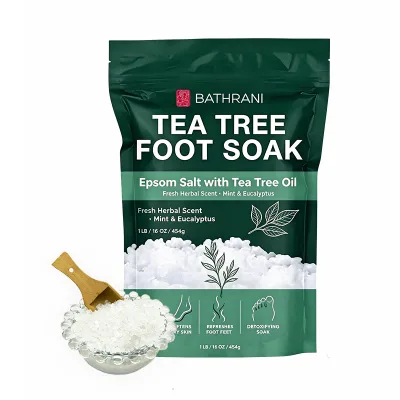
Natural Ingredients Advanced Tea Tree Oil Foot Soak with Soothes Aches & Pains
$0.50 - $5.00
MOQ: 3000 Pieces

Hunan Huamuyang Biotechnology Co., Ltd.
- Trading Company
- Hunan, China
- Lead time7 days
- Avg. response≤ 6h
Main productsbubble bath,cuticle oil,massage oil,bath salt,pedicure kit
Main marketsDomestic Market(45.00%), Southeast Asia(25.00%), Mid East(10.00%), South America(5.00%), Eastern Asia(5.00%), Eastern Europe(5.00%), Africa(5.00%)

Guangzhou Kanglixin Medical Biotechnology Co, Ltd.
- Verified by BV
- Combined
- China Guangdong
- Lead time30 days
- Avg. response≤ 10h
Main productsSkin Care Products, Body Care, Hair Care Products, Makeup, Men's Care Products, Ferminine Care Products, Serum, Facial Mask, Face Cream, Scrub
Main marketsSouth America,Africa,Southeast Asia/ Mideast,East Asia(Japan/ South Korea),Domestic,Europe,North America

Moisturizing Exfoliating Rose Pedicure Peeling off Foot Soak Salt Feet Scrub
$0.50 - $0.80
MOQ: 1000 Pieces

Hot Selling Peeling off Foot Soak Pedicure Salt 4 in 1 Lavender Moisturizing Exfoliating Feet Scrub
$0.50 - $0.80
MOQ: 1000 Pieces

Peeling off Foot Soak Custom Logo Rose Pedicure Salt Moisturizing Exfoliating Feet Scrub
$0.50 - $0.80
MOQ: 1000 Pieces

4 in 1 Peeling off Foot Soak Pedicure Salt Lavender Moisturizing Exfoliating Feet Scrub
$0.50 - $0.80
MOQ: 1000 Pieces

Wholesale Factory Price Rose Pedicure Peeling off Foot Soak Salt Moisturizing Exfoliating Feet Scrub
$0.50 - $0.80
MOQ: 1000 Pieces

Factory Price Feet Scrub Peeling off Lemon Moisturizing Exfoliating Foot Soak Pedicure Salt
$0.50 - $0.80
MOQ: 1000 Pieces
Shenzhen Ausmin Technology Co., Ltd.
- Manufacturer, Distributor/Wholesaler
- Guangdong, China
- Lead time3 days
- Avg. response≤ 2h
Main productsCosmetics,Personal care product,Health care product,Adult products,Household daily necessities
Main marketsNorth America(50.00%), Western Europe(15.00%), Africa(15.00%), Southeast Asia(10.00%), South America(10.00%)

Henan Jinliang Health Consulting Co., Ltd.
- Trading Company
- Henan, China
- Lead time3 days
- Avg. response≤ 2h
Main productsHuman wigs,Hair extension,Hair follicle,Lace front closure,perfume
Main marketsNorthern Europe(15.00%), North America(15.00%), Eastern Europe(13.00%), Eastern Asia(12.00%), Western Europe(10.00%), Domestic Market(10.00%), Oceania(10.00%), Central America(8.00%), Southern Europe(5.00%), Southeast Asia(1.00%), South America(1.00%)

Jining Congyang Biotechnology Co., Ltd.
- Trading Company
- Shandong, China
- Lead time10 days
- Avg. response≤ 2h
Main productsBeauty&Personal care,Health care Supplements,Beauty tools and instruments
Main marketsNorth America(45.00%), Western Europe(40.00%), Northern Europe(20.00%), Central America(20.00%), South America(10.00%), South Asia(5.00%), Mid East(5.00%), Oceania(5.00%)
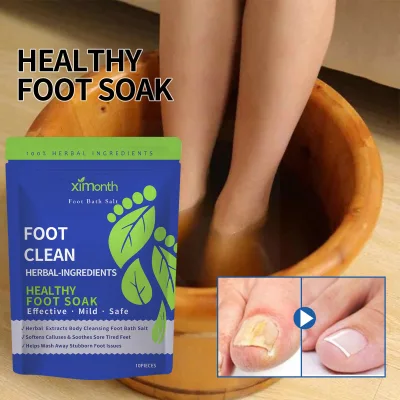
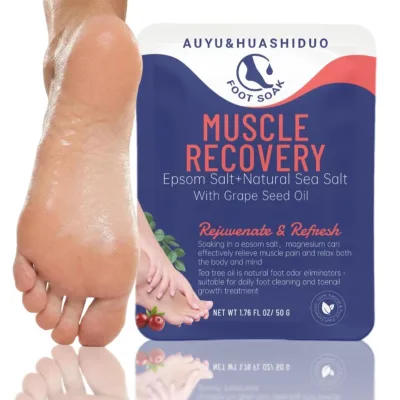
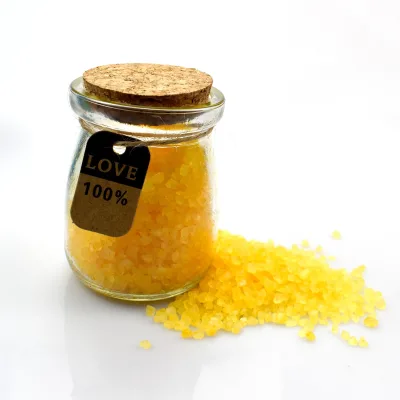
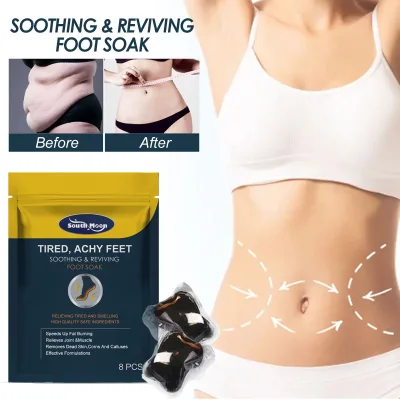
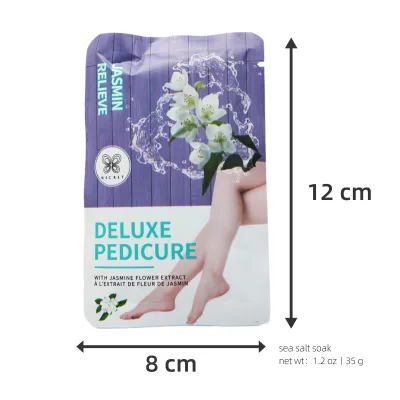
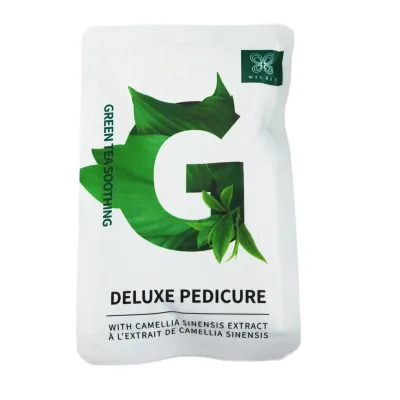
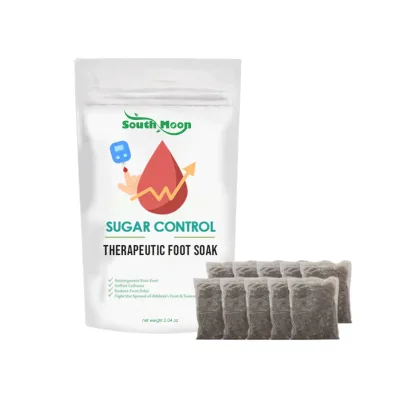
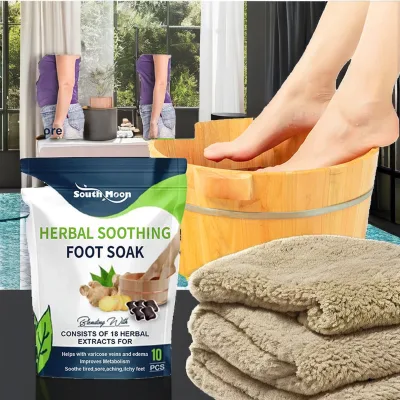
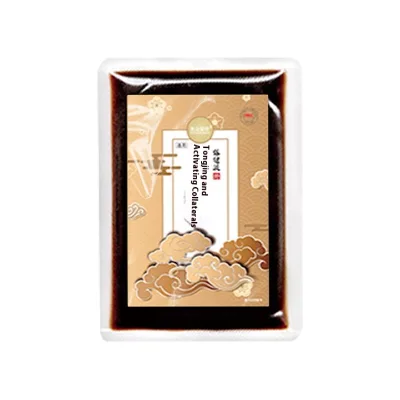
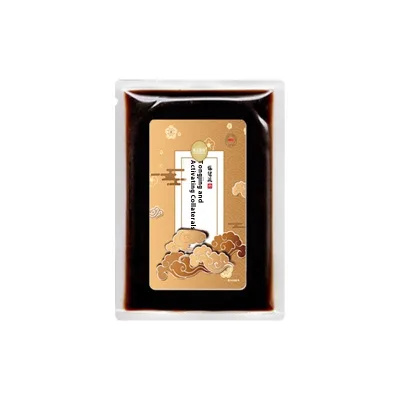
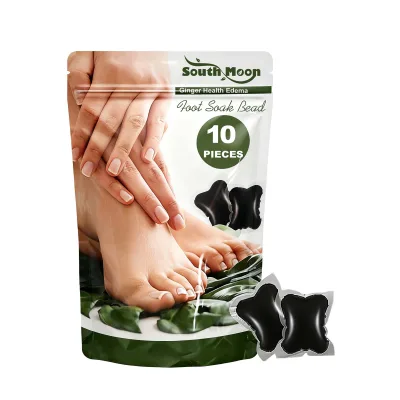
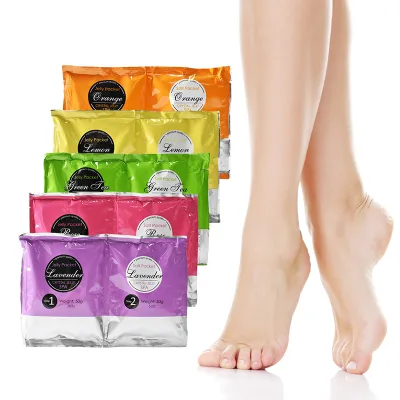
Comprehensive Sourcing Guide
Foot Bath Soak Supplier Concentration and Factory Types
The current supplier landscape for Foot Bath Soak products reveals a distinct concentration of manufacturing capabilities within Guangdong, China. This region serves as a primary hub for producers offering a diverse array of items, ranging from traditional herbal soaks to modern, chemically formulated bath bombs. The presence of manufacturers in this specific geographic area suggests a mature supply chain infrastructure that supports both raw material sourcing and finished goods distribution. Buyers evaluating potential partners should recognize that this concentration often correlates with competitive pricing and established logistical networks, which can significantly impact overall procurement efficiency. However, it is crucial to verify that the supplier’s stated location matches their actual operational base, as some entities may list a regional office while manufacturing elsewhere.
Beyond geographic clustering, the types of entities offering these products vary significantly in their operational models. The available data indicates a mix of pure manufacturers and trading companies, each presenting different advantages for different buyer profiles. Manufacturers typically provide greater control over production processes, allowing for deeper customization of ingredients and packaging formats. In contrast, trading companies may offer a broader catalog of existing stock items, reducing lead times for standard orders. Some suppliers identify as both, which can complicate the assessment of true production capacity. Buyers must carefully distinguish between these models to ensure they are engaging with the right partner for their specific needs, whether that involves high-volume OEM production or rapid procurement of private-label goods.
How to Verify Foot Bath Soak Suppliers
Verification of Foot Bath Soak suppliers requires a multi-layered approach that goes beyond simple profile reviews. One critical step is to examine the supplier’s certification portfolio, which serves as a tangible indicator of their compliance with international quality and safety standards. For instance, some suppliers in this category hold BSCI, ISO 22716, and MSDS certifications, which are particularly relevant for personal care and cosmetic products. These certifications demonstrate that the supplier adheres to specific manufacturing practices and safety data protocols. Buyers should request copies of these documents and verify their validity through the issuing bodies. Additionally, third-party verification badges, such as those from SGS Group, provide an extra layer of confidence regarding the supplier’s business legitimacy and operational integrity.
Another essential verification tactic involves assessing the supplier’s responsiveness and transparency in communication. The speed at which a supplier responds to inquiries can be a strong proxy for their operational efficiency and customer service quality. Data shows that response times can vary, with some suppliers responding within hours while others may take significantly longer. A quick response often indicates a well-stocked team and streamlined internal processes. Buyers should also scrutinize the supplier’s product listings for detailed attribute completeness, including material composition, shelf life, and specific functions. Suppliers that provide comprehensive technical data, such as ingredient lists and packaging dimensions, are generally more transparent and reliable. This level of detail helps buyers assess product suitability without needing to request excessive additional information, thereby streamlining the initial vetting phase.
What to Compare Across Foot Bath Soak Suppliers
When comparing Foot Bath Soak suppliers, buyers should prioritize key operational metrics such as minimum order quantities, lead times, and pricing structures. These factors directly influence inventory management and cash flow. For example, some suppliers offer extremely low minimum order quantities, such as three pieces, which is ideal for testing new markets or launching small private-label lines. Others may require bulk purchases, such as ten pieces or more, which suits established retailers with consistent demand. Lead times also vary, with some suppliers indicating rapid production cycles of just three days, while others may have longer processing periods of up to thirty-five days. Understanding these variations allows buyers to align their supplier choices with their sales velocity and storage capabilities.
In addition to operational metrics, buyers should compare the specific product attributes and customization options available. The Foot Bath Soak market offers a wide range of forms, including balls, beads, and salts, each with distinct functional benefits. Suppliers may specialize in different formulations, such as herbal extracts for relaxation or citric acid-based bombs for effervescence. It is also important to evaluate the supply type, with many suppliers offering OEM/ODM services to create unique brand identities. Buyers should compare the extent of customization allowed, including private labeling, custom packaging, and specific ingredient modifications. By systematically comparing these product-specific details alongside operational terms, buyers can identify suppliers that best match their brand positioning and logistical requirements.
Common Foot Bath Soak Sourcing Risks
One significant risk in sourcing Foot Bath Soak products is the potential mismatch between claimed capabilities and actual production capacity. Suppliers may advertise extensive customization options or rapid lead times that are not sustainable during peak seasons or high-demand periods. This discrepancy can lead to delayed shipments and disrupted supply chains, particularly for buyers relying on just-in-time inventory models. To mitigate this risk, buyers should request recent production records or references from other clients to validate the supplier’s claims. Additionally, verifying the supplier’s physical presence through video calls or third-party audits can provide assurance that the claimed manufacturing facilities are real and operational. This due diligence helps prevent engagements with shell companies or trading entities that lack direct control over production.
Another common risk involves product quality consistency and regulatory compliance, especially for products intended for international markets. Foot bath soaks often contain active ingredients such as herbal extracts, essential oils, or chemical compounds like citric acid and sodium bicarbonate. Variations in ingredient sourcing or manufacturing processes can lead to inconsistencies in product performance, such as varying effervescence or scent strength. Furthermore, different regions have strict regulations regarding cosmetic and personal care products, requiring specific labeling and safety data. Buyers must ensure that suppliers are aware of and compliant with the regulations in their target markets. Failure to do so can result in product seizures, legal liabilities, and brand damage. Therefore, verifying compliance documentation and conducting pre-shipment quality checks are essential steps to manage these risks effectively.
Foot Bath Soak Regional Sourcing and Logistics
Sourcing Foot Bath Soak products from Guangdong, China, offers distinct logistical advantages due to the region’s advanced infrastructure and proximity to major shipping ports. This concentration of manufacturers facilitates efficient consolidation of goods, allowing buyers to combine multiple product types into single shipments, which can reduce overall freight costs. The region’s established supply chain networks also mean that raw materials, such as herbs, salts, and packaging components, are readily available, reducing production delays. Buyers should leverage this geographic advantage by coordinating with suppliers who have experience in exporting to their specific destination markets. Understanding the typical transit times and customs procedures for shipments from this region can help buyers plan their inventory replenishment cycles more accurately.
However, buyers must also consider the complexities of international logistics, including customs clearance and import duties. Different countries have varying regulations for personal care products, which can impact the speed and cost of delivery. Buyers should work with suppliers who are familiar with export documentation requirements, such as commercial invoices, packing lists, and certificates of origin. Additionally, the physical characteristics of Foot Bath Soak products, such as their weight and packaging dimensions, can influence shipping costs. For example, products packaged in jars or boxes may have different volumetric weight calculations compared to loose items. Buyers should request detailed shipping quotes that include all associated fees to avoid unexpected costs. Collaborating with suppliers who offer flexible packaging options can also help optimize space utilization and reduce freight expenses.
Foot Bath Soak Commercial Terms and Order Planning
Effective order planning for Foot Bath Soak products requires a clear understanding of commercial terms, including pricing tiers, payment methods, and sample policies. Many suppliers offer tiered pricing based on order volume, with lower unit costs for larger quantities. Buyers should analyze these pricing structures to determine the most cost-effective order size for their business model. Additionally, some suppliers provide sample availability, allowing buyers to test product quality before committing to large orders. This is particularly important for private-label products, where brand reputation depends on consistent quality. Buyers should inquire about sample costs and whether they are refundable upon placing a bulk order, as this can impact the initial investment required for product validation.
Beyond pricing and samples, buyers should negotiate clear terms for production lead times and quality assurance. Establishing a written agreement that specifies the expected production timeline helps manage expectations and allows for better planning of marketing and sales activities. Buyers should also clarify the supplier’s policy for handling defects or non-conforming products, including procedures for returns or replacements. Furthermore, understanding the supplier’s capacity for handling rush orders can be crucial for responding to sudden market demands or promotional events. By carefully structuring commercial terms and maintaining open communication regarding order planning, buyers can build a resilient and efficient supply chain for Foot Bath Soak products. This proactive approach minimizes disruptions and ensures that inventory levels align with market demand.
FAQs
What is the minimum order quantity for foot bath soaks?
The minimum order quantity varies by product type. Some items require as few as 3 pieces, while others need 10 pieces or 3 boxes. Buyers should check the specific product listing for the exact MOQ to ensure it aligns with their initial procurement needs.
How long does production take for these products?
Lead times differ among suppliers. Some manufacturers offer a quick turnaround of 3 days, while others may require up to 35 days. It is essential to confirm the specific production schedule with the supplier before placing an order to manage inventory planning effectively.
Are these foot soaks suitable for private labeling?
Yes, many suppliers offer OEM and ODM services for private labeling. Products are available with custom branding, allowing buyers to create unique offerings. This flexibility supports businesses looking to establish their own brand identity in the personal care market with customized packaging and labels.
What certifications do the manufacturers hold?
Verified suppliers hold certifications such as BSCI, ISO 22716, and MSDS. These credentials indicate adherence to quality and safety standards. Buyers should verify specific certification documents with the supplier to ensure compliance with their regional regulatory requirements and quality expectations.
Where are these Foot Bath Soak products manufactured?
The products are manufactured in Guangdong, China. This region is known for its robust manufacturing capabilities in beauty and personal care items. Buyers can expect a wide variety of options from suppliers located in this area, offering diverse materials and formulations.
What is the shelf life of foot bath soaks?
Most Foot Bath Soak products have a shelf life of 3 years. This duration ensures product stability and efficacy over time. Buyers should store the products in appropriate conditions to maintain quality and maximize the usable life of the inventory upon receipt.