For Ford Escape TPMS Sensor Suppliers and Manufacturers
Source For Ford Escape TPMS Sensor from 29 verified suppliers in China. Compare response times, lead times, certifications, and pricing to find the right partner. Review product specifications and request quotes today; review the available evidence before requesting comparable quotations from suitable candidates.
Suppliers List

Shenzhen June Electronics Co., Ltd.
- Verified by SGS
- Trading Company
- China Guangdong
- Lead time15 days
- Avg. response≤ 3h
Main productsParking Sensor, TPMS, OE Parking Sensor, Front Parking Sensor, LED Headlight, Truck and Trailder Park Sensor, Car Parking Sensor, TPMS TPMS Diagnostic Tool, TPMS Sensor
Main marketsAustralia
Guangzhou Juyi Auto Parts Co., Ltd.
- Verified by TüVRheinland
- Trading Company
- Lead time30 days
- Avg. response≤ 4h
Main productsElectric Tailgate Lift, Free-wheeling Hub Lock, Turbocharger Electronic Actuator, Electronic Water Pump
Main marketsSouth America(70%), North America(10%), Eastern Europe(10%)

Ruian Botten Auto Parts Co., Ltd.
- Verified by TUVRHEINLAND
- Trading Company
- China Zhejiang
- Lead time15 days
- Avg. response≤ 9h
Main productsTire Pressure Sensor, Throttle Body Sensor, Nox Sensor, Parking Sensor, Ignition Coil, Mass Air Flow, Oxygen Sensor, PCD Rear Car Parking, Cranshaft Sensor, Knock Sensor
Main marketsNorth America


Tire Pressure Sensor for Ford Cars Ml3t1a180da Bb5z1a189A OEM TPMS Sensor
$5.90 - $6.00
MOQ: 50 Pieces

New Condition TPMS Tire Pressure Monitoring Sensorfor Mazda GS1d-37-140 TPMS Sensor
$5.80 - $6.00
MOQ: 50 Pieces

OEM TPMS Sensor for Ford Vehicle Tire Pressue Sensor F2gt1a180ab F2gt1a150ab
$5.90 - $6.00
MOQ: 50 Pieces


OE TPMS Sensoroe Number: 42607-02090; Original Equipment TPMS Sensor Tire Pressure Sensor
$5.80 - $6.00
MOQ: 50 Pieces
Guangzhou Jieling Automobile Sales Co., Ltd.
- Verified by TüVRheinland
- Trading Company
- Lead time10 days
- Avg. response≤ 10h
Main productsSUV, Car, MPV, Sensor, Car Window
Main marketsAfrica(70%), Southeast Asia(14%), Eastern Asia(6%)
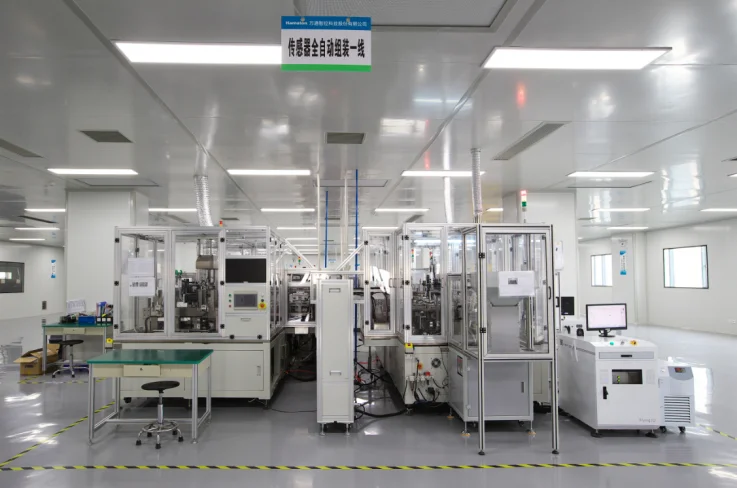
Wenzhou Chedunwang Electronic Technology Co., Ltd.
- Manufacturer, Trading Company
- Zhejiang, China
- Lead time20 days
- Avg. response≤ 2h
Main productsProgrammable Universal TPMS Sensor, OE Replacement TPMS Sensor
Main marketsDomestic Market(40.00%), North America(20.00%), Western Europe(10.00%), Northern Europe(10.00%), Mid East(10.00%), Southern Europe(5.00%), Eastern Europe(5.00%)
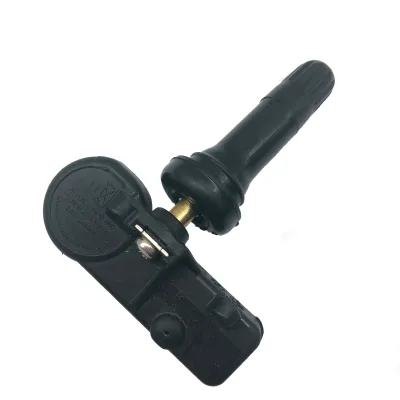
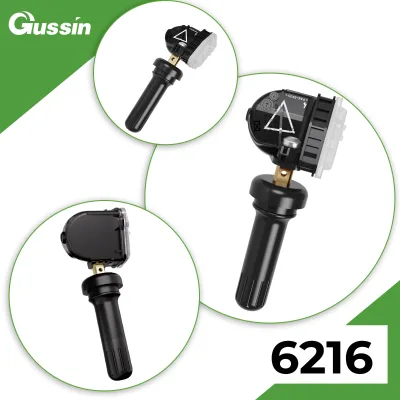
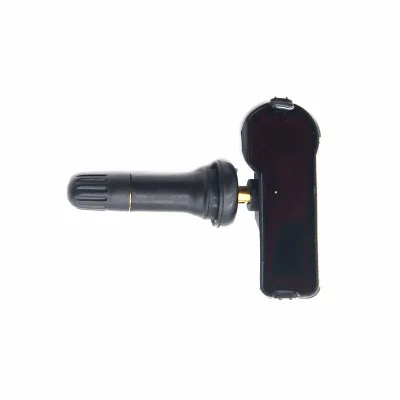
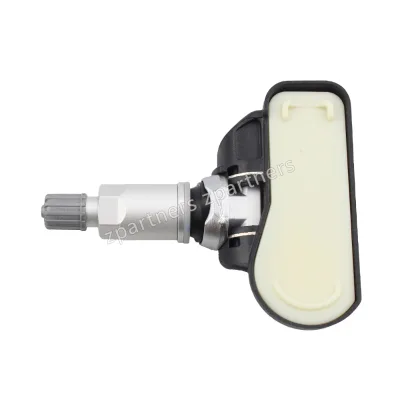
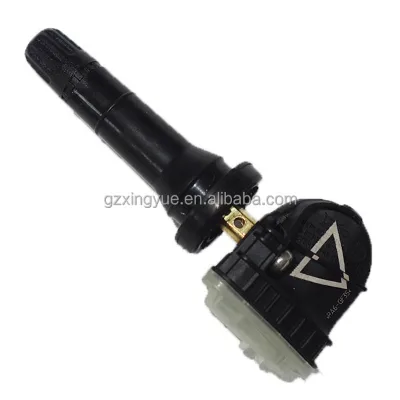
New 315MHz Tire Pressure Sensor for Ford Escape TPMS Car Sensor with 12V Voltage and 1 Year Warranty
$2.30 - $4.50
MOQ: 4 pieces
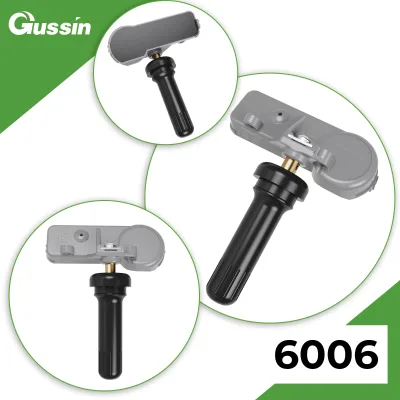
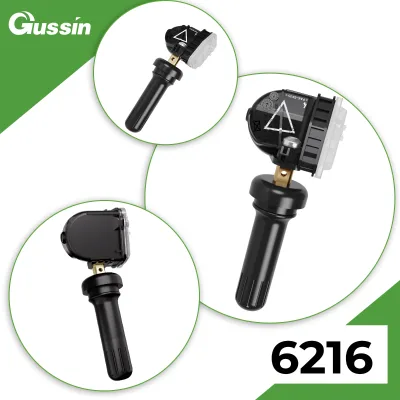

Shanghai Zhichen Technology Co., Ltd
- Verified by SGS
- Trading Company
- China Shanghai
- Lead time15 days
- Avg. response≤ 9h
Main productsIgnition Coil, Auto Sensors, Hub Unit, Power Steering Pump, Fuel Injector Nozzle, Control Valve, Ignition Wire, Paper Sauce Cups
Main marketsSouth America,Africa,Europe

Qingdao Maxx Auto Parts Co., Ltd.
- Verified by SGS
- Manufacturer/Factory
- China Shandong
- Lead time23 days
- Avg. response≤ 12h
Main productsTire Valve, Wheel Weight, Bolts Nuts, Tire Repair Patch, Tire Repair Tool, Tire Equipment
Main marketsSouth America,Eastern Europe,Mid East,North America,Southeast Asia,Eastern Asia,Oceania,Western Europe,Africa

Sensor TPMS Auto Temperature Proximity Pressure Sensors for Automotive Diagnostic Equipment
$4.00 - $9.00
MOQ: 60000 Pieces


Shenzhen KangTong Technology Co., Ltd.
- Verified by TUVRHEINLAND
- Combined
- China Guangdong
- Lead time30 days
- Avg. response≤ 3h
Main productsTPMS, Ultrasonic Distance Measurement Module, Car Reversing Radar, Ultrasonic Sensor, Parking Sensor, Reverse Sensor, Uav Detection, Signal Jammer, Drone Defense System, Sensor
Main marketsDomestic

New Tire Pressure Sensor TPMS for Audi Digital Wholesale Brand TPMS Sensor
$7.00 - $8.00
MOQ: 4 Pieces


28103FL00b 433MHz OE Parts Auto Parts Car Parts TPMS Pressure Sensor for Subaru
$3.50 - $4.50
MOQ: 4 Pieces


EV6t1a180dB EV6t1a180CB OE Parts Auto Parts Car Parts TPMS Sensor for Ford
$4.50 - $6.00
MOQ: 4 Pieces
Guangzhou Honchang Auto Parts Co., Ltd.
- Trading Company
- Guangdong, China
- Lead time5 days
- Avg. response≤ 4h
Main productsAuto PDC Sensor,Power Window Switch,TPMS Sensor,Clock Spring,Other Electronics
Main marketsSouth America(20.00%), North America(20.00%), Northern Europe(10.00%), Western Europe(10.00%), Eastern Europe(10.00%), Southern Europe(5.00%), Africa(5.00%), Central America(5.00%), Southeast Asia(5.00%), Eastern Asia(5.00%), Mid East(5.00%)
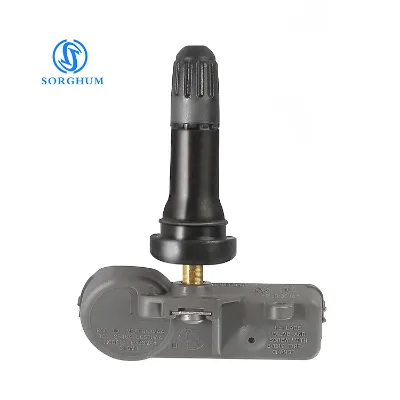
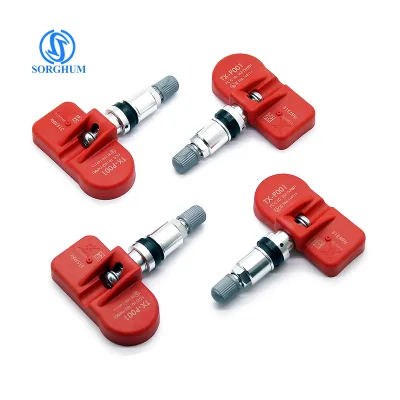
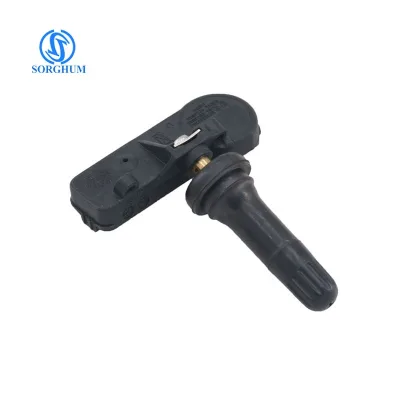
$1.54 - $9.23
MOQ: 10 Minimum
Guangzhou Kaimin Trading Co., Ltd.
- Verified by TüVRheinland
- Trading Company
- Lead time5 days
- Avg. response≤ 3h
Main productsCar Sensors, Ignition Coil, Fuel Injector, Car Door Lock, Control Valve
Main marketsNorth America(28%), South America(28%), Eastern Europe(8%)
- Manufacturer
- Zhejiang, China
- Lead time15 days
- Avg. response≤ 6h
Main productsNox Sensor, Oxygen Sensor, Alternator Regulator, Solenoid Valve, Turn Signal Switch
Main marketsSouth America(30.00%), Western Europe(30.00%), North America(20.00%), Eastern Europe(20.00%)

Shenzhen Arvov Technology Co., Ltd
- Verified by CTI
- Trading Company
- China Guangdong
- Lead time15 days
- Avg. response≤ 3h
Main productsMotorcycle Dash Cam, Car Dash Cam, Portable Tire Inflator, TPMS Sensor, Carplay, Tire Valve, Car DVD, Car Phone Charger
Main marketsAfrica,Southeast Asia/ Mideast,East Asia(Japan/ South Korea),Europe,North America


External Sensors TPMS for Toyota and Honda Cars Tire Pressure Monitoring System
$30.50 - $35.00
MOQ: 20 Pieces
Zhejiang Ironstamp Auto Parts Co., Ltd.
- Manufacturer, Trading Company
- Zhejiang, China
- Lead time30 days
- Avg. response≤ 18h
Main productsAir Condition Compressor,Air Suspension Compressor,Gas Spring,Power Liftgate,Valve Block
Main marketsDomestic Market(30.00%), Eastern Europe(20.00%), North America(10.00%), Western Europe(10.00%), Southeast Asia(5.00%), Southern Europe(5.00%), Northern Europe(5.00%), Central America(5.00%), South America(5.00%), Mid East(5.00%)

Wenzhou Woma Auto Parts Co., Ltd.
- Verified by SGS
- Combined
- China Zhejiang
- Lead time15 days
- Avg. response≤ 2h
Main productsSensor
Main marketsDomestic,Europe


TPMS Sensor for Ford DV6t-1A180-AA DV6t-1A150-AA Bb5t-1A180-AA Bb5t-1A150-AA
$4.50 - $6.50
MOQ: 50 Pieces


Guangzhou Didi Auto Parts Co., Ltd.
- Manufacturer, Trading Company, Distributor/Wholesaler
- Guangdong, China
- Lead time5 days
- Avg. response≤ 3h
Main productsPDC Sensor,Tpms Sensor,Power Window Switch,Reversing Camera,Oxygen Sensor
Main marketsMid East(15.00%), Southern Europe(10.00%), Northern Europe(10.00%), Domestic Market(10.00%), South Asia(10.00%), South America(10.00%), Oceania(5.00%), Africa(5.00%), Southeast Asia(5.00%), Western Europe(5.00%), Eastern Europe(5.00%), North America(5.00%), Eastern Asia(3.00%), Central America(2.00%)
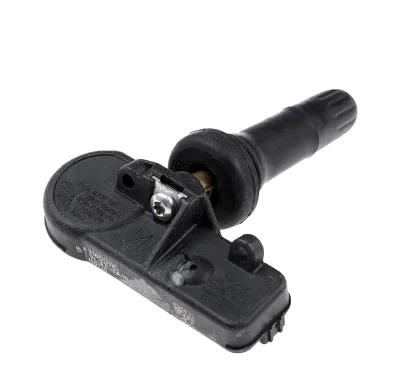
TPMS Tire Pressure Monitoring Sensor 9L3T-1A180-CA 9L3T1A180CA for Ford Flex Escape Taurus
$8.25 - $10.25
MOQ: 10 pieces
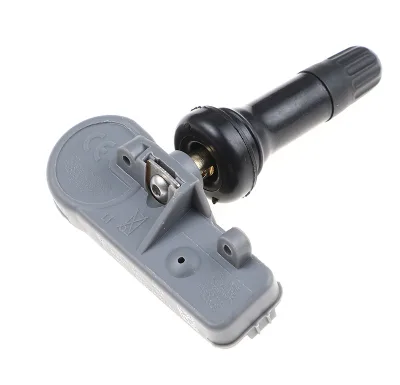
Tire Pressure Sensor TPMS BB5T-1A180-AA for Ford Escape Expedition Explorer
$2.66 - $6.66
MOQ: 10 pieces

Guangzhou Yaopei Auto Parts Co., Ltd .
- Trading Company, Distributor/Wholesaler
- Guangdong, China
- Lead time5 days
- Avg. response≤ 4h
Main productsParking Sensor,Tpms Sensor,Fuel Rail Pressure Sensor,Power Window Switch,MAP Sensor
Main marketsNorthern Europe(15.00%), Central America(15.00%), Western Europe(10.00%), Southern Europe(10.00%), South America(10.00%), North America(10.00%), Eastern Europe(10.00%), Mid East(5.00%), South Asia(5.00%), Domestic Market(2.00%), Eastern Asia(2.00%), Oceania(2.00%), Africa(2.00%), Southeast Asia(2.00%)
Shenzhen Dajin Technology Co., Ltd.
- Verified by SGS Group
- Manufacturer, Trading Company
- Lead time25 days
- Avg. response≤ 3h
Main productsTire Pressure Monitor System Sensor, EV Charger, Auto Diagnostic Tool/, Truck & Bus TPMS Diagnostic Tool And Sensor, Auto Parts
Main marketsNorth America(30%), Eastern Europe(15%), Western Europe(15%)

Shanghai Spb Industry Co., Ltd.
- Verified by SGS
- Trading Company
- China Shanghai
- Lead time30 days
- Avg. response≤ 6h
Main productsShock Absorber, Ball Joint, C. V Joint, Car Filters, Clutch Disc, Radiator, Brake Pad, Ignition Coil, Cylinder Head, Water Pump
Main marketsSouth America,Africa,Southeast Asia/ Mideast,Europe,North America

Car Engine Parts Tire Pressure Monitoring Sensor EV6t1a180CB 433MHz TPMS for Ford
$5.00 - $15.00
MOQ: 50 Pieces


Auto Tire Sensor Pressure Replacement 5q0907275b 5q0907275 TPMS for Volkswagen
$5.00 - $15.00
MOQ: 50 Pieces

Auto TPMS Tire Sensor Tire Pressure 36106798872 36106874830 for BMW Rolls Royce
$5.00 - $15.00
MOQ: 50 Pieces

Shenzhen Foxwell Technology Co., Ltd.
- Manufacturer
- Guangdong, China
- Lead time5 days
- Avg. response≤ 13h
Main productsTPMS Programmable Sensor,TPMS Programming Tools,Bluetooth Sensor,Universal TPMS Sensor,TPMS Sensor with 433Mhz & 315Mhz Frequency
Main marketsNorth America(17.00%), Northern Europe(12.00%), South America(12.00%), Western Europe(11.00%), Domestic Market(10.00%), Oceania(7.00%), Eastern Europe(5.00%), Southern Europe(5.00%), Southeast Asia(5.00%), Mid East(5.00%), Central America(3.00%), Eastern Asia(3.00%), Africa(3.00%), South Asia(2.00%)
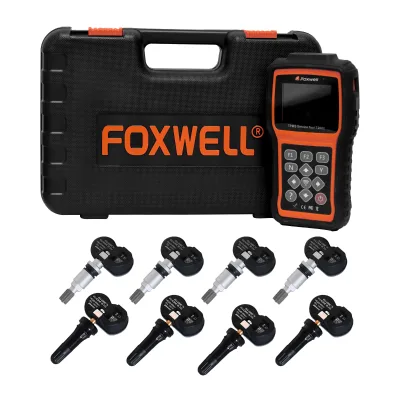
$0.10 - $0.50
MOQ: 1000 pieces
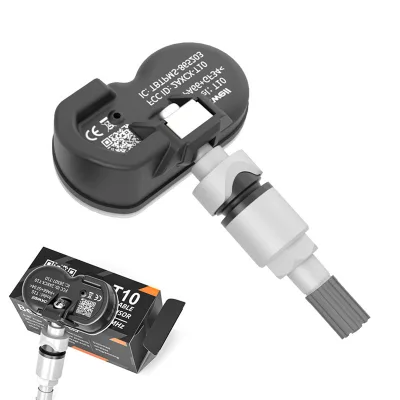
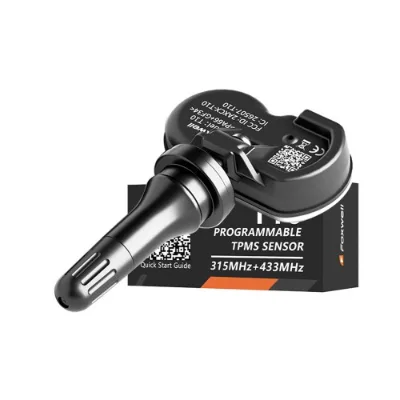
- Trading Company
- Hong Kong S.A.R.
- Lead time0 days
- Avg. response≤ 10h
Main productsTPMS,Tire Pressure Monitoring System,Tire Pressure sensor,Tire pressure monitor,TPMS sensor
Main marketsNorth America(30.00%), Eastern Europe(25.00%), Domestic Market(25.00%), South America(10.00%), Africa(5.00%), Western Europe(5.00%)
Guangzhou Gezan Sensor Co., Ltd.
- Verified by SGS Group
- Trading Company
- Lead time5 days
- Avg. response≤ 2h
Main productsFuel Injectors, Engine Part , Auto Sensor, Starter Motor and Alternator, Air Conditioner Compressor
Main marketsSouth America(30%), Domestic Market(20%), Central America(10%)
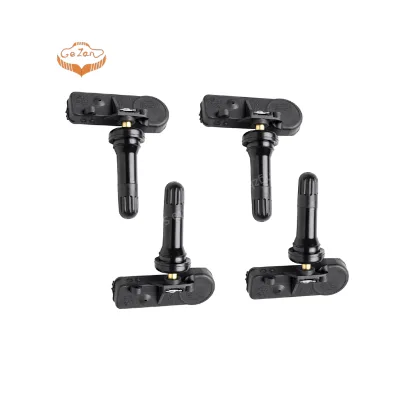
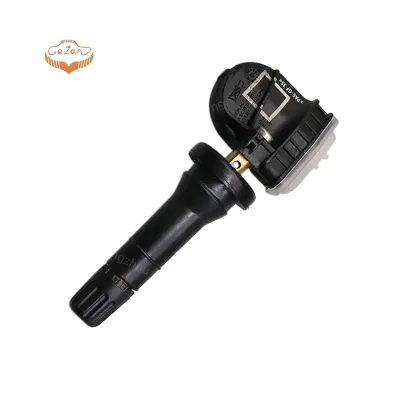
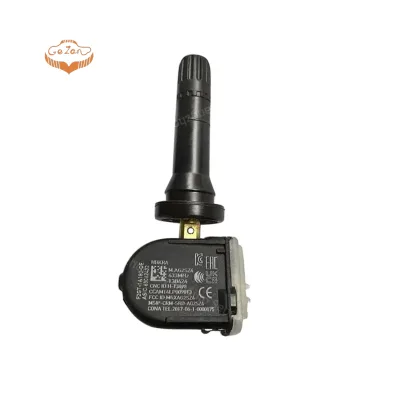
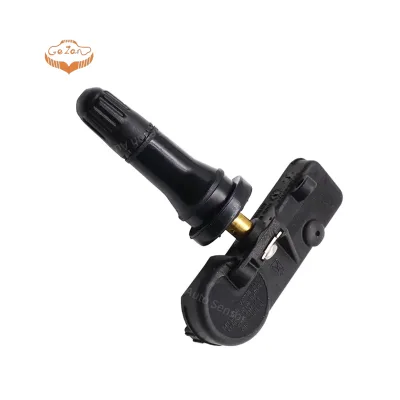
$3.40 - $4.00
MOQ: 20 pieces

Ningbo Magma Tooling Co., Ltd.
- Trading Company,Manufacturer/Factory,Other
- China Zhejiang
- Lead time45 days
- Avg. response≤ 15h
Main productsAutomotive Tools, Socket Sets, Auto Repair Tools, Ratchet Handle, Garage Equipment, Car Repair Tools, Car Tools Set, Car Maintenance, Injection Moulding, Plastic Injection Mould
Main marketsSouth America,Eastern Europe,North America,Western Europe

Wenzhou Ao-Jun Auto Parts Co., Ltd.
- Verified by BV
- Trading Company
- China Zhejiang
- Lead time30 days
- Avg. response≤ 13h
Main productsSpark Plug, Ignition Coil, Fuel Pump, Tire Pressure Sensor, Window Power Switch, Sensor, Water Pump
Main marketsDomestic
Guangzhou Bineng Business Co., Ltd.
- Verified by Intertek
- Trading Company
- Lead time7 days
- Avg. response≤ 2h
Main productsAuto Sensors, Air Flow Meters, Ignition Coils, Spark Plugs , Car Switch
Main marketsSouth America(45%), North America(35%), Domestic Market(20%)
Foshan Gaia Auto Parts Co., Ltd.
- Manufacturer, Trading Company, Buying Office
- Guangdong, China
- Lead time0 days
- Avg. response≤ 4h
Main productsTire pressure sensor,Parking Sensor,Oxygen sensor,Spark plugs,Power Window switch
Main marketsSoutheast Asia(20.00%), Africa(13.00%), Eastern Europe(13.00%), North America(11.00%), Oceania(11.00%), Domestic Market(10.00%), South America(9.00%), Eastern Asia(8.00%), Mid East(5.00%)
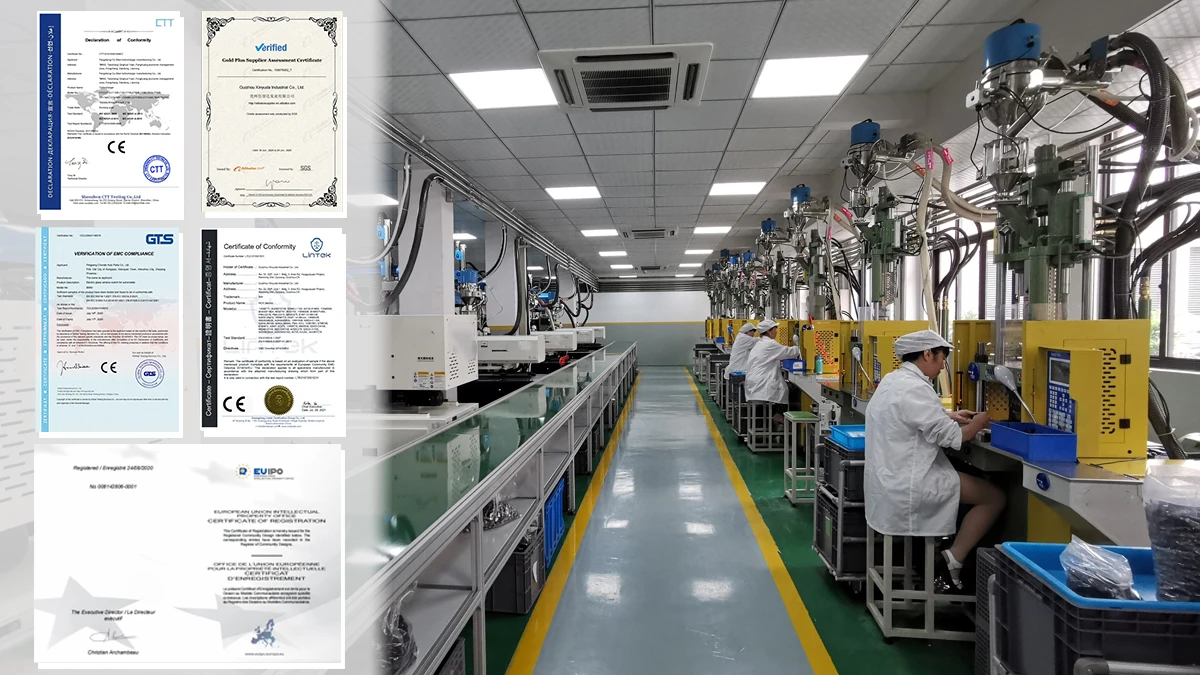
Guizhou Xinyuda Industrial Co., Ltd.
- Trading Company
- Guizhou, China
- Lead time3 days
- Avg. response≤ 3h
Main productsPower Steering Pump,Gear Knob,Switch,Intake Pipe
Main marketsSouthern Europe(15.00%), Central America(15.00%), Eastern Europe(15.00%), Domestic Market(5.00%), South Asia(5.00%), Northern Europe(5.00%), Western Europe(5.00%), South America(5.00%), Eastern Asia(5.00%), Mid East(5.00%), North America(5.00%), Oceania(5.00%), Africa(5.00%), Southeast Asia(5.00%)
Guangzhou Xingyue Auto Parts Distributor
- Trading Company
- Guangdong, China
- Lead time10 days
- Avg. response≤ 7h
Main productsChassis Parts:,Ball Joint,Tie Rod End,Rack End,Control Arm
Main marketsSoutheast Asia(20.00%), Africa(15.00%), Mid East(15.00%), Oceania(10.00%), South Asia(10.00%), Eastern Asia(10.00%), Western Europe(5.00%), Eastern Europe(5.00%), North America(5.00%), South America(5.00%)
Guangzhou Best Auto Parts Co., Ltd.
- Trading Company, Buying Office, Distributor/Wholesaler
- Lead time旺季: "1 - 10":7,"11 - 50":15,"> 50":"To be negotiated", 淡季: "1 - 10":7,"11 - 50":15,"> 50":"To be negotiated"
- Avg. response≤ 4h
Main productscar headlight,car brake disc,automobile gearbox,automobile wheel hub,Automotive lighting
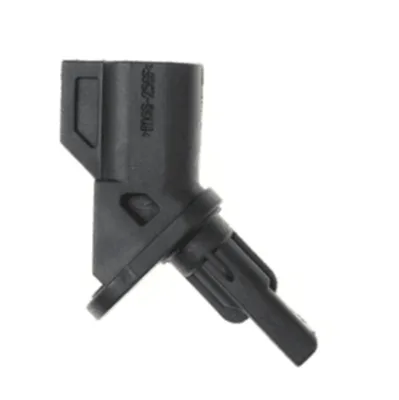
$1.03 - $5.15
MOQ: 1 Minimum

Wuxi Ruixinsheng Technology Co., Ltd
- Verified by SGS
- Combined
- China Jiangsu
- Lead time30 days
- Avg. response≤ 5h
Main productsPedal Accelerator, Electronic Accelerator Pedal, Throttle Position Sensor, Vapor Canister Vent Valve, Canister Vent Solenoid, Auto Leak Detection Pump, Evaporative Emissions System, High-Voltage Coil for Burners, Heavy Duty Accelerator Pedal, Height Sensor
Main marketsOthers(foreignTradeCapacity.exportBusinessCapacityMarketOther),East Asia(Japan/ South Korea),Europe,North America

Fo-Rd OEM Throttle Position Sensor TPS 4897247AA for Fo-Rd Crown Victoria/Expedition Vehicles
$6.00 - $6.50
MOQ: 120 pieces

F6TF9b989AA Throttle Position Sensor for Ford Focus Fiesta Escape OEM Replacement
$8.00 - $8.40
MOQ: 60 pieces


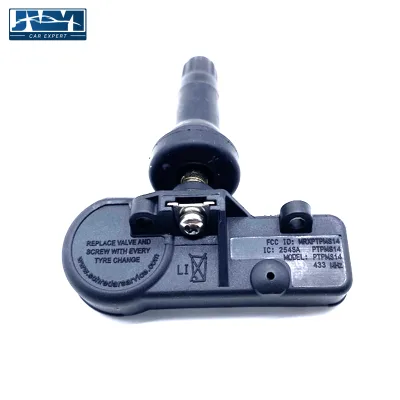
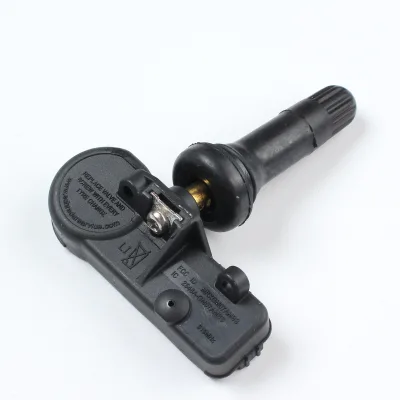
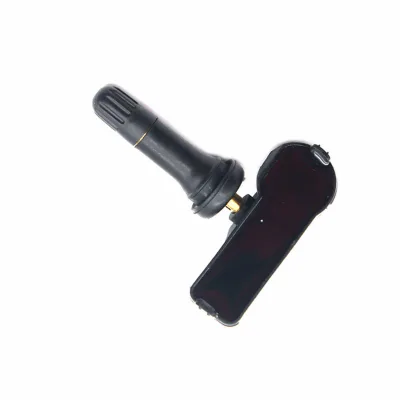
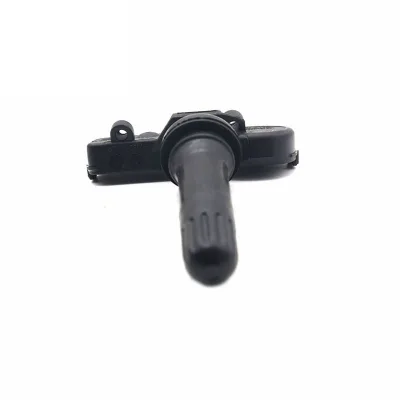


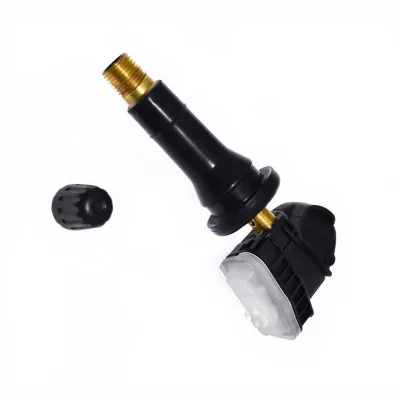
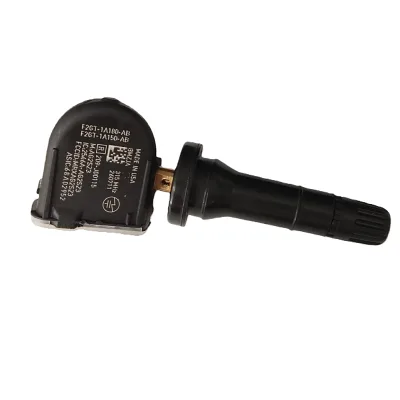
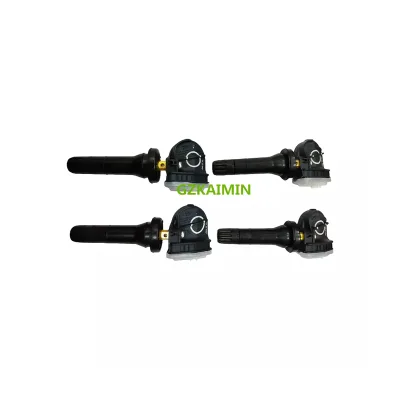
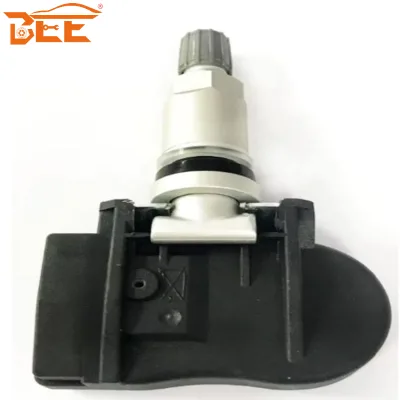

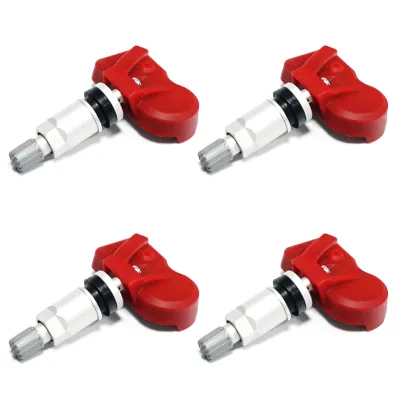
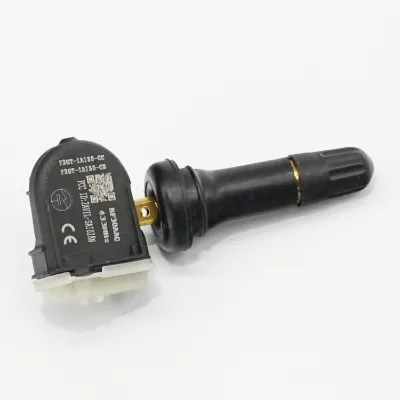
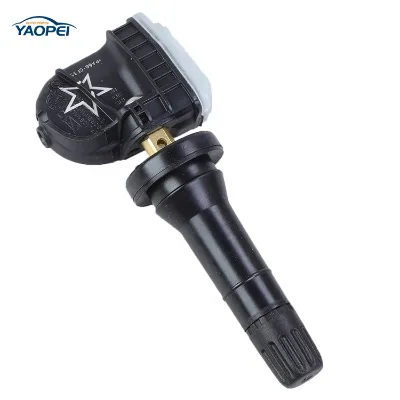
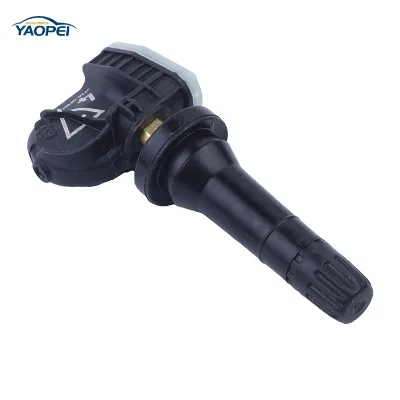
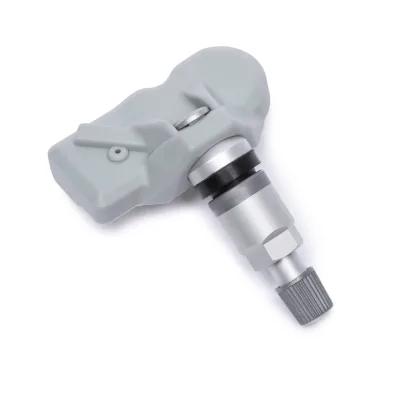


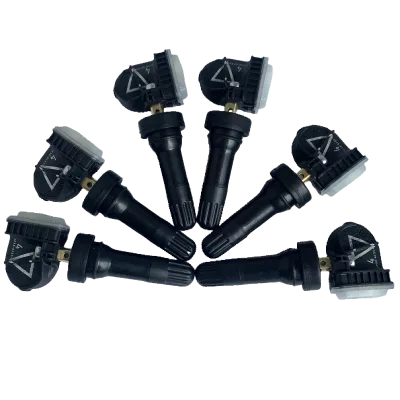
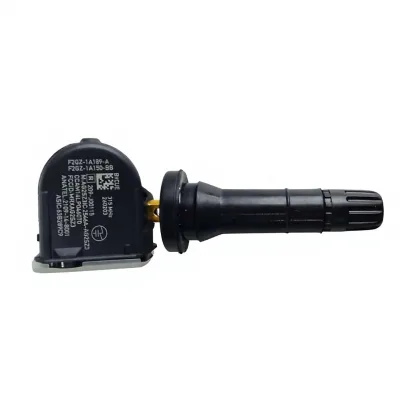
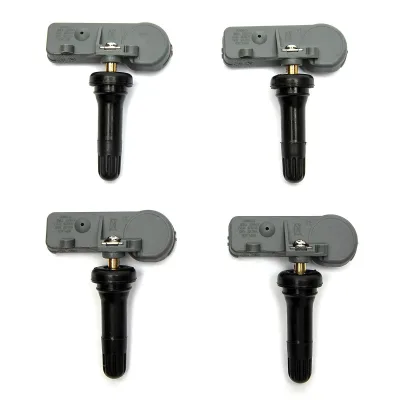
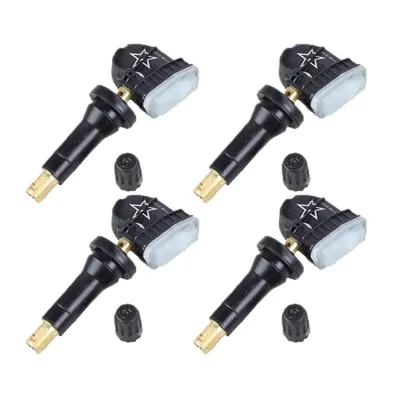
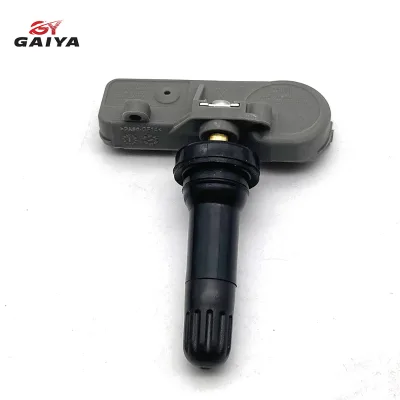
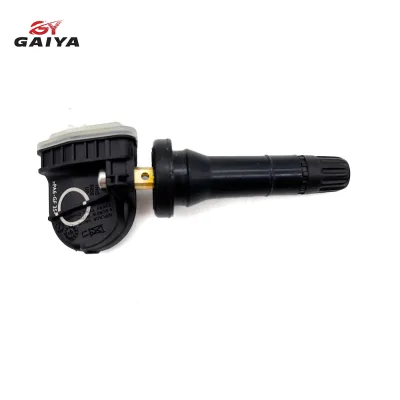
Comprehensive Sourcing Guide
For Ford Escape TPMS Sensor Supplier Concentration and Factory Types
The available data indicates a concentration of suppliers in China Guangdong, specifically noting Shenzhen as a production origin for specific sensor models. This region serves as a primary manufacturing cluster for automotive electrical components, including TPMS sensors and related diagnostic tools. Buyers should verify if the specific factory they engage with is located within this Guangdong cluster, as proximity often correlates with established supply chains for automotive parts. The presence of Shenzhen as a documented origin point suggests a mature ecosystem for electronic components, though buyers must confirm the exact facility location rather than assuming all suppliers operate from this single hub.
Regarding company structures, the observed results include Trading Companies alongside entities capable of ODM services and customized on-demand processing. Some suppliers list main products ranging from parking sensors to electronic water pumps, indicating a broader scope in automotive electrical systems. Buyers should distinguish between pure trading entities and those with direct manufacturing or R&D capabilities, as the latter may offer better customization for specific Ford Escape requirements. The presence of ODM capacity suggests that some suppliers can adapt existing sensor designs, but this must be confirmed through direct inquiry rather than assumed from general product listings.
How to Verify For Ford Escape TPMS Sensor Suppliers
Verification processes should prioritize checking for recognized third-party certifications and audit statuses. The current data shows some suppliers holding SGS verification status, while others display TüVRheinland credentials. These are critical indicators of a supplier's commitment to quality management and operational transparency. Buyers must explicitly request proof of these specific certifications for the TPMS sensors intended for the Ford Escape, as the presence of a general company verification does not guarantee that every product line meets the same rigorous standards. The absence of a specific system certification in some records requires immediate clarification from the supplier to ensure compliance with automotive safety norms.
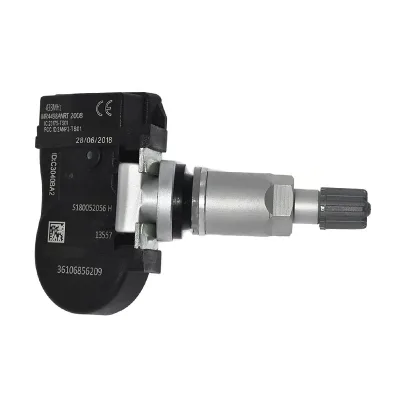
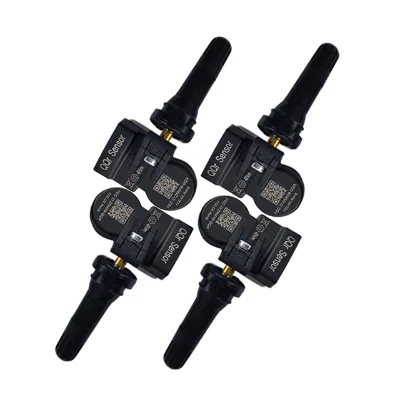
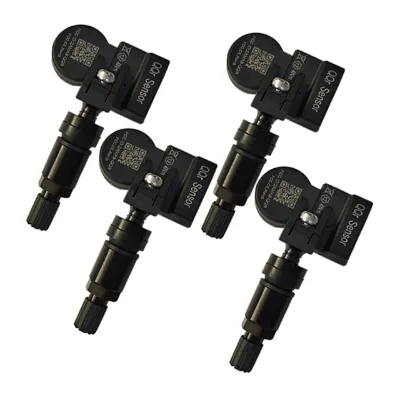
Beyond external audits, buyers should scrutinize the technical specifications provided in product evidence to validate supplier competence. Specific attributes such as the use of NXP Freescale microchips versus domestic ICs, or the inclusion of specialized programming tools like the Matetpms A8, serve as tangible proof of technical capability. A supplier claiming to offer OE replacement sensors must demonstrate compatibility with the specific OE numbers associated with the Ford Escape, such as FR3Z1A189A or F2GZ1A189B. Buyers should request detailed test reports or compatibility matrices that explicitly link the sensor's frequency (433MHz+315MHz) and pressure range (0-800kpa or 0-900kpa) to the vehicle's requirements, ensuring the supplier's claims are backed by verifiable data rather than generic marketing.
What to Compare Across For Ford Escape TPMS Sensor Suppliers
When evaluating potential partners, lead time and response speed are critical operational metrics that vary significantly across the supplier base. Current observations show response times ranging from 2.60 hours to 4 hours, with lead times extending from 15 days to 30 days depending on the order volume and customization level. Buyers should compare these figures to determine which supplier can meet their specific production or replacement schedules. A shorter lead time of 15 days may be preferable for urgent restocking, while a 30-day window might be acceptable for large, planned inventory builds. The variation in response times also indicates differences in customer service capacity, which can impact the speed of resolving technical queries regarding sensor programming or compatibility.
Minimum Order Quantity (MOQ) and pricing structures provide another essential layer of comparison for budget planning. The data reveals MOQs starting at 50 pieces for certain programmable sensors, while others require a minimum of 100 pieces. Price points fluctuate between approximately $4.50 and $8.50 per unit, influenced by factors such as the microchip type, valve material, and included accessories like programming tools. Buyers must calculate the total cost of ownership, including the impact of higher MOQs on cash flow and the potential savings from bulk purchasing. It is vital to verify if the quoted price includes the specialized TPMS tools mentioned in the product attributes, as this can significantly alter the effective cost per sensor for the buyer.
Common For Ford Escape TPMS Sensor Sourcing Risks
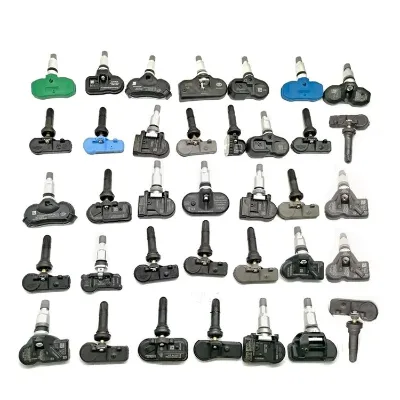
One significant risk involves the variability in microchip sourcing and its impact on sensor reliability. Product evidence indicates a mix of domestic ICs and NXP Freescale chips across different listings. The choice of microchip directly affects the sensor's longevity, signal stability, and compatibility with the vehicle's onboard computer. Buyers face the risk of receiving sensors with inferior chips that may fail prematurely or cause communication errors with the Ford Escape's TPMS module. It is essential to explicitly specify the required microchip brand in purchase orders and verify the component source before production begins to avoid receiving substandard replacements that could lead to safety issues or warranty claims.
Another critical risk relates to the accuracy of OE number matching and the availability of specialized programming tools. While some listings claim compatibility with specific Ford OE numbers like 13598773 or 529332V100, others may offer universal sensors that require complex reprogramming. The risk lies in purchasing a sensor that cannot be easily programmed with the available tools, such as the Matetpms A8 or other specialized devices. If the supplier does not guarantee the inclusion of a compatible programming tool or provide clear instructions for the specific Ford Escape model, the buyer may face delays and additional costs to source the necessary equipment separately. This mismatch can render the sensors unusable without significant technical intervention.
For Ford Escape TPMS Sensor Regional Sourcing and Logistics
The primary sourcing region identified is China Guangdong, with Shenzhen specifically noted as the origin for several sensor models. This geographic concentration offers logistical advantages in terms of established shipping routes and familiarity with automotive export procedures. However, buyers must verify the specific shipping methods offered, as product attributes list options like DHL, TNT, UPS, and FedEx. The choice of carrier impacts both the speed of delivery and the cost structure, particularly for smaller orders where air freight is the default. Buyers should confirm if the supplier offers consolidated shipping for mixed orders to optimize freight costs, especially when sourcing from a single regional hub.
Packaging and weight specifications also play a role in logistics planning and cost estimation. Product data indicates individual package sizes around 7.5x7.5x2.5 cm and weights ranging from 0.035 kg to 0.050 kg per unit. These dimensions suggest that sensors are typically packed in paper boxes, which are suitable for standard air freight but may require additional protection for sea freight to prevent damage. Buyers should calculate the total volumetric weight based on the chosen MOQ to estimate shipping costs accurately. Furthermore, verifying the origin point as Shenzhen ensures that the supplier is familiar with the specific export documentation required for automotive parts entering the American, European, or Asian markets, reducing the risk of customs delays.
For Ford Escape TPMS Sensor Commercial Terms and Order Planning
Payment terms and warranty provisions are fundamental components of the commercial agreement that buyers must negotiate carefully. The observed data lists payment methods including PayPal, TT, and Western Union, offering flexibility but requiring verification of the supplier's financial stability. Buyers should prioritize secure payment channels that offer buyer protection, especially for first-time transactions. Additionally, warranty terms vary, with some suppliers offering a 12-month warranty on their sensors. It is crucial to confirm the specific warranty duration and the process for handling defective units, as this directly impacts the risk profile of the purchase. A clear warranty policy ensures that the buyer is protected against manufacturing defects that could arise after the initial installation.
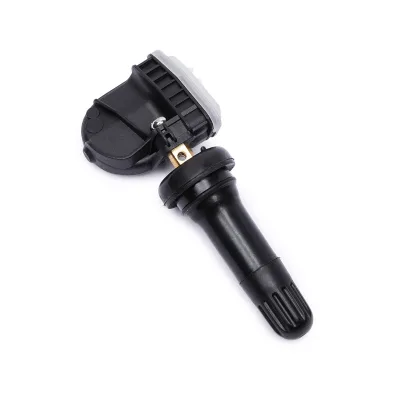
Order planning must account for the customization options and update methods available from the supplier. Some sensors support internet-based updates, while others rely on physical programming tools. Buyers should assess whether their internal team has the capability to manage these updates or if they require the supplier to provide ongoing support. The availability of customization, such as specific valve types (metallic or rubber) or frequency bands (433MHz+315MHz), allows for tailored solutions but requires precise specification in the order. Buyers should plan their inventory levels based on the MOQ constraints and the lead times observed, ensuring they have sufficient stock to cover the 98% car protocol coverage required for the Ford Escape without overstocking items that may become obsolete.
FAQs
What is the price range for Ford Escape TPMS sensors?
Prices for programmable and OE replacement sensors typically range from $4.50 to $8.50 per unit. Costs vary based on specific model compatibility, such as FR3Z1A189A or F2GZ1A189B, and included accessories like programming tools or valve stems.
What is the minimum order quantity for these sensors?
Minimum order quantities generally start at 50 pieces for specific OE replacements and 100 pieces for universal programmable sensors. Buyers should verify the exact MOQ with the supplier, as requirements depend on the specific sensor model and customization needs.
How long does production and shipping take?
Standard lead times are approximately 15 days for programmable sensors and up to 30 days for other automotive parts. Shipping methods include DHL, TNT, UPS, and FedEx, with delivery times varying based on the destination region and selected logistics provider.
Are these sensors certified for international markets?
Yes, most sensors hold CE and RoHS certifications, ensuring compliance with European and Asian standards. They support multiple languages and frequencies like 433MHz and 315MHz, covering 98% of car protocols for American, European, and Asian vehicle models.
What is the supplier verification status?
Suppliers are verified by SGS and TüV Rheinland, indicating adherence to quality and safety standards. These verifications help ensure the reliability of the trading company and the authenticity of the automotive parts provided for Ford Escape and other vehicles.
Can I customize the TPMS sensors?
Customization is available for specific requirements, including branding and packaging. Suppliers offer ODM capabilities and support graphic processing, allowing buyers to tailor products to their market needs while maintaining standard quality and performance specifications for tire pressure monitoring.