Freestanding 3D Holographic Display Suppliers and Manufacturers
Explore 18 verified options for Freestanding 3D Holographic Display units from Guangdong factories. Compare lead times, certifications, and pricing to source the right equipment. Contact suppliers directly to request quotes; review the available evidence before requesting comparable quotations from suitable candidates.
Suppliers List

Nanjing Windon Projection Screen Co., Ltd.
- Verified by TUVRHEINLAND
- Manufacturer/Factory
- China Guangdong
- Lead time23 days
- Avg. response≤ 2h
Main productsProjector, 4K Laser Projector, 3D Mapping, Immersive Projection, Projection Screen, Curved Frame Projection Screen, Fast Fold Projection Screen, 3D Hologram Projector, Rear Projection Film, 3D Holographic Displays
Main marketsSouth America,Eastern Europe,Mid East,North America,Southeast Asia,Eastern Asia,Oceania,Western Europe,Africa


3D Hologram Display / Holographic Display / 360 Degree Hologram Showcase
$1300.00 - $1400.00
MOQ: 1 Pieces


Shenzhen Smx Display Technology Co., Ltd.
- Verified by SGS Group
- Trading Company
- Lead time15 days
Main products3LCD Projector, Laser Projector, Projector Screen, Holographic Screen, 3D Holographic Display
Main marketsNorth America(31%), Southeast Asia(20%), Eastern Europe(10%)

Holographic Cylindrical Tube Holographic Display Cabinet Naked Eye 3D Digital Display
$366.89 - $602.96
MOQ: 1 boxes


Large Holocube 70 Inch ,Hologram 3D Display Box,Holographic Advertising Display
$1529.79 - $2039.72
MOQ: 5 Minimum


22 Inch 3D Holographic Display,Hologram Cube for 3D Hologram Advertising/exhibition
$1299.00
MOQ: 1 Minimum

Holographic Display 3D Pyramid/270 Degree 3D Hologram Advertising /Plug and Play
$1426.79 - $1528.77
MOQ: 1 pieces

Shenzhen Starview Tech Co., Ltd.
- Verified by BV
- Manufacturer/Factory
- China Guangdong
- Lead time15 days
- Avg. response≤ 8h
Main productsSelf Ordering Kiosk, Smart Touch Table, Digital Signage, Outdoor Display, Window Shop Display, LED Screens
Main marketsSouth America,Eastern Europe,Mid East,North America,Southeast Asia,Eastern Asia,Oceania,Western Europe,Africa

Full HD 3D Holographic Showcase Portable Advertising 3D Hologram Transparent Display
$299.00 - $599.00
MOQ: 1 Pieces

$299.00 - $599.00
MOQ: 1 Pieces

$399.00 - $1599.00
MOQ: 1 Pieces

Shenzhen Layson Optoelectronics Co., Ltd.
- Verified by TUVRHEINLAND
- Trading Company,Manufacturer/Factory
- China Guangdong
- Lead time0 days
- Avg. response≤ 3h
Main productsTouch Screen Kiosk, Advertising Player, Digital Signage, Outdoor Advertising Player, Magic Mirror Glass Display, Transparent LCD, Touch Table, Monitor
Main marketsSouth America,Eastern Europe,Mid East,North America,Southeast Asia,Eastern Asia,Oceania,Western Europe,Africa

$100.00 - $1000.00
MOQ: 1 Pieces


21.5/32/43/49/55/65/75/86 Inch 3D Hologram Box Holographic Display Hologram Showcase
$399.00 - $999.00
MOQ: 1 Pieces
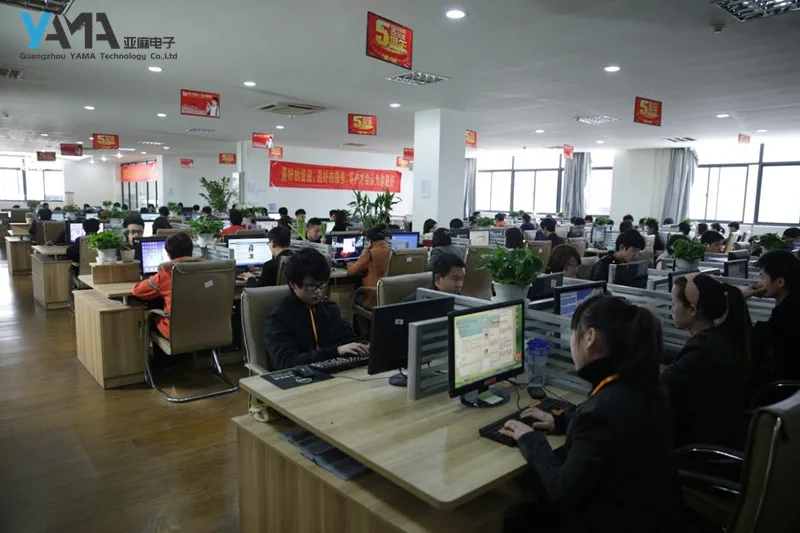
Shenzhen Yama Technology Co., Ltd.
- Trading Company
- guangdong, China
- Lead time7 days
- Avg. response≤ 3h
Main productsAdvertising LCD Kiosk,Transparent LCD Display,3D Hologram Fan,Holographic Screen,Touch Screen
Main marketsEastern Asia(30.00%), Mid East(30.00%), North America(30.00%), Domestic Market(10.00%)


Holographic Display 32Inch Transparent 3D Holographic Cabinet Holo Tube
$999.00 - $1017.00

Nanjing Chechi Technology Co., Ltd.
- Verified by SGS
- Trading Company,Manufacturer/Factory
- China Jiangsu
- Lead time38 days
- Avg. response≤ 2h
Main productsLED Display, Outdoor LED Display, Indoor LED Display, Rental LED Display, Flexble LED Display, Transparent LED Display, LCD Display
Main marketsSouth America,Eastern Europe,Mid East,North America,Southeast Asia,Eastern Asia,Oceania,Western Europe,Africa

High Definition Holographic Advertising Transparent Flexible LED Display
$200.00 - $900.00
MOQ: 1 Pieces

High Stability Fixed Digital 3840Hz 3D Holographic P1.5 LED Screen Display
$1096.00 - $1190.00
MOQ: 1 Square Meters

3840Hz 600*337.5mm Museum 3D Holographic Advertising High Contrast P1.2 LED Screen Display
$1510.00 - $1600.00
MOQ: 1 Square Meters

P1.5 High Definition LED Advertising 3D Holographic Display for Enhanced Visuals
$32.00 - $35.00
MOQ: 40 Pieces


3D Holographic Flexible Transparent Advertising LED Video Wall Indoor Screen Display
$200.00 - $900.00
MOQ: 1 Pieces
Shenzhen Ao-Mihoo Electronics Co., Ltd.
- Manufacturer
- Guangdong, China
- Lead time3 days
- Avg. response≤ 1h
Main productsIndoor Digital Signages,Outdoor Digital Signages,Interactive Flat Panel,LCD video wall,Touch Screens
Main marketsNorthern Europe(10.00%), Central America(10.00%), Eastern Asia(10.00%), Eastern Europe(10.00%), South America(10.00%), North America(10.00%), Domestic Market(5.00%), South Asia(5.00%), Southern Europe(5.00%), Oceania(5.00%), Africa(5.00%), Western Europe(5.00%), Southeast Asia(5.00%), Mid East(5.00%)

- Verified by TUVRHEINLAND
- Combined
- China Guangdong
- Lead time30 days
- Avg. response≤ 4h
Main productsOutdoor LED Display, Indoor LED Display, Outdoor Rental LED Display, Indoor Rental LED Display, Perimeter LED Display, Super HD LED Display, LED Modules, Curtain LED Display, Outdoor Front Access LED Display, Creative LED Display
Main marketsEurope

China P6.67 Digital Advertising Billboard 3D Fan Holographic Display
$160.00 - $576.00
MOQ: 1 Square Meters

P6.67 Outdoor 3D Hologram Fan Advertising Interactive Floor Display
$400.00 - $600.00
MOQ: 1 Square Meters

Guangzhou Zongheng Technology Co., Ltd.
- Trading Company,Manufacturer/Factory
- China Guangdong
- Lead time15 days
- Avg. response≤ 5h
Main productsDigital Singage, LCD Video Wall, Touch Screen Kiosk, Touch Screen Monitor, Interactive Whiteboard, LCD Advertising Player, Multimedia Player, Indoor Digital Singage, Outdoor Digital Singage
Main marketsSouth America,Eastern Europe,Mid East,North America,Southeast Asia,Eastern Asia,Oceania,Western Europe,Africa


3D Hologram Display LED Fan 3D Holographic Display 3D Holographic Advertising Player
$49.00 - $139.00
MOQ: 1 Pieces

$49.00 - $139.00
MOQ: 1 Pieces

Shenzhen Avlink Technology Co., Ltd.
- Verified by SGS
- Trading Company
- China Guangdong
- Lead time15 days
- Avg. response≤ 6h
Main productsDigital Signage, Stretch Screen, 23.6inch Round Display, Display Stretch Screen, Touch Screen, LCD Android Monitor, TV Screen, Holographic Display
Main marketsOthers(foreignTradeCapacity.exportBusinessCapacityMarketOther)

$200.00 - $6000.00
MOQ: 1 Pieces

Holographic Display 3D Hologram 75inch 22inch Cylinder with Ai Software
$200.00 - $6000.00
MOQ: 1 Pieces


Shenzhen Opulux Interactive Technology Co. Ltd
- Verified by SGS
- Trading Company,Manufacturer/Factory
- China Guangdong
- Lead time23 days
- Avg. response≤ 6h
Main productsInteractive Flat Panels, Digital Signage Displays, Touch Screen Kiosk, Self-Service Ordering Kiosks, High-Brightness Displays, Outdoor Displays, 3D Holographic Cabinet
Main marketsSouth America,Eastern Europe,Mid East,North America,Southeast Asia,Eastern Asia,Oceania,Western Europe,Africa

Whynot Information Technology Co. Ltd
- Manufacturer/Factory
- China Guangdong
- Lead time15 days
- Avg. response≤ 10h
Main productsDSLR Photo Booth, 360 Photo Booth, 360 Video Booth, 3D Hologram Fan, iPad Photo Booth, 3D Holographic Display, LCD/OLED Digital Signage, Interactive Whiteboard, Interactive Touch Kiosk, LCD Video Wall Display
Main marketsSouth America,Eastern Europe,Mid East,North America,Southeast Asia,Eastern Asia,Oceania,Western Europe,Africa

360 Degree Transparent 3D Pyramid Hologram Display Showcase Large Holographic Display
$1790.00 - $1990.00
MOQ: 1 Pieces


$179.00 - $215.00
MOQ: 1 Pieces

Shenzhen Optim Technology Co., Ltd.
- Manufacturer/Factory
- China Guangdong
- Lead time23 days
- Avg. response≤ 2h
Main productsDigital Signage, Interactive Flat Panel, Kiosk, Monitor, Touch Screen, All in One PC, Industrial PC, LED Screen, 3D Holographic Display, Android Tablet
Main marketsSouth America,Eastern Europe,Mid East,North America,Southeast Asia,Eastern Asia,Oceania,Western Europe,Africa

High Definition 65cm LED Fan 3D Holographic Display with APP for Promotions
$100.00 - $102.70
MOQ: 1 Pieces


Shenzhen HDFocus Technology Co., Ltd.
- Verified by TüVRheinland
- Manufacturer, Trading Company
- Lead time0 days
Main products3D Hologram Fan, Interactive Whiteboard, Digital Signage Display, LCD Video Wall, Payment Kiosk
Main marketsNorth America(30%), Western Europe(18%), Southeast Asia(15%)

Shenzhen TouchCloud Video Technology Co., Ltd.
- Verified by CTI
- Combined
- China Guangdong
- Lead time15 days
- Avg. response≤ 2h
Main productsLCD, Digital Signage, Strip Screen, Square Picture Frame Screen, "Screen Your Best Friend's Phone as You Wish., Conference All-in-One Machine, Liquid Crystal Transparent Display Cabinet, Transparent OLED, LED, Circular Digital Signage Screen


Interactive 3D Holographic Display Showcase Box for Unique Advertising
$180.00 - $200.00
MOQ: 1 Pieces


Shenzhen Yiruochu Technology Co., Ltd.
- Verified by SGS
- Trading Company,Manufacturer/Factory
- China Guangdong
- Lead time0 days
- Avg. response≤ 2h
Main productsDigital Signage, Floor Stand Kiosk/Wall Mounting, LCD Display, Smart Whiteboard, LED Screen, Self-Service Kiosk, Ad Player, Bar Screen, LED Display, OLED Display


$1888.00 - $1999.00
MOQ: 1 Pieces

Hefei Ark Universe International Trade Co., Ltd.
- Verified by SGS
- Trading Company
- China Anhui
- Lead time15 days
- Avg. response≤ 3h
Main productsLED Display, LED Screen, Sports Wear, Soccer Jersey, LED String Light, Flexible LED Display, Outdoor LED Display, Indoor LED Display, Football Jersey, Christmas Decoration
Main marketsNorth America


3D LED Phantom Vision Display for Customizable Holographic Presentations
$199.00 - $299.00
MOQ: 1 Pieces


Shenzhen Eaglash Tech Co., Ltd.
- Verified by BV
- Combined
- China Guangdong
- Lead time23 days
- Avg. response≤ 2h
Main productsSelf Service Kiosk
Main marketsDomestic


Comprehensive Sourcing Guide
Freestanding 3D Holographic Display Supplier Concentration and Factory Types
The current supplier landscape for freestanding 3D holographic displays shows a distinct concentration of manufacturing activity within China Guangdong. This region serves as a primary hub where factories and trading companies cluster to support the production of complex optical and electronic display units. Buyers observing this data should recognize that the majority of verified entities operating in this space are located in this specific province, which often correlates with established supply chains for glass, metal frames, and electronic components required for holographic technology. The presence of multiple manufacturers in this area suggests a mature ecosystem capable of handling both standard and customized orders for 3D hologram showcases and projection systems.
When evaluating the types of entities available, buyers will encounter a mix of Manufacturer/Factory and Trading Company profiles. The Manufacturer/Factory entities typically offer direct production capabilities, often listing OEM, ODM, and own-brand services under their capacity. These suppliers frequently specialize in specific product lines such as 3D Holographic Displays, Holo Boxes, and 3D Mapping systems. In contrast, Trading Companies may focus on aggregating products from various sources, offering services like sample processing and graphic customization. Understanding this distinction is critical, as the factory type influences the depth of technical support, the flexibility of customization, and the directness of the communication channel regarding the physical construction of the freestanding units.
How to Verify Freestanding 3D Holographic Display Suppliers
Verification of suppliers in this category relies heavily on third-party audit reports and specific certification markers rather than general reputation. Current data indicates that some suppliers hold TUVRHEINLAND verification status, while others are verified by SGS Group. These external validations provide a baseline of trust regarding the company's operational legitimacy and compliance with international standards. Buyers should prioritize suppliers who display these specific verification badges, as they confirm that an independent body has assessed the business. It is essential to check the specific scope of these verifications to ensure they cover the manufacturing processes relevant to holographic display assembly and quality control.
Beyond external verification, buyers must scrutinize system certifications and product-specific compliance documents. The available facts show that certain suppliers maintain ISO 9001 system certification, which indicates a standardized approach to quality management. Furthermore, product evidence reveals that items often carry CE and RoHS certifications, ensuring they meet safety and environmental standards for electronic equipment. Buyers should request copies of these certificates to confirm they are current and applicable to the specific freestanding models being considered. Relying solely on the supplier's self-declaration without cross-referencing these documented credentials can lead to significant risks regarding product safety and regulatory compliance in the buyer's target market.
What to Compare Across Freestanding 3D Holographic Display Suppliers
Comparing suppliers requires a detailed analysis of operational metrics such as lead times, response speeds, and minimum order quantities. The data reveals a range of lead times, with some suppliers indicating a 23-day production window while others offer a faster 15-day turnaround. Response times also vary, with specific metrics showing a 1.26-hour average response for certain entities. Buyers should create a comparison matrix that weighs these speed factors against their project deadlines. A supplier with a shorter lead time might be preferable for urgent orders, but this must be balanced against their capacity to handle customizations without compromising quality or delivery schedules.
Product specifications and pricing structures form another critical comparison dimension. Available product evidence lists various models with different display sizes, ranging from 19-inch units to larger 32-inch and 360-degree showcases. Prices fluctuate based on these specifications, with some units listed around 1600.00 USD and others reaching up to 3799.00 USD. Buyers must compare the resolution, input ports, and material composition, such as tempered hologram glass or metal frames, across different price points. Additionally, the Minimum Order Quantity (MOQ) is a key factor, as some suppliers offer an MOQ of 1 unit, facilitating smaller trial orders, while others may have higher thresholds. Evaluating these variables ensures the selected supplier aligns with both budget constraints and technical requirements.
Common Freestanding 3D Holographic Display Sourcing Risks
One significant risk in sourcing freestanding 3D holographic displays involves the discrepancy between advertised specifications and actual product performance. While product attributes list features like 1920x1080 resolution or specific voltage ranges, buyers must verify that these claims hold true for the specific batch ordered. The variation in product attributes, such as different pyramid shapes or showcase sizes, can lead to confusion if the supplier does not provide clear, standardized documentation. Without rigorous pre-shipment testing or third-party inspection, there is a risk of receiving units that do not match the detailed prop descriptions provided in the initial listing, potentially causing delays in installation or marketing campaigns.
Another risk pertains to the reliability of after-sales support and warranty terms. The data indicates that some products come with a one-year warranty and repair services, but the extent of these services can vary significantly between suppliers. Buyers must clarify whether the warranty covers the entire freestanding unit or only specific components like the holographic glass or the internal display panel. In cases where the supplier is a trading company rather than a direct manufacturer, the chain of communication for repairs can become elongated, increasing downtime. Ensuring that the supplier has a clear, documented process for handling defects and providing replacement parts is essential to mitigate the risk of long-term operational failures.
Freestanding 3D Holographic Display Regional Sourcing and Logistics
Sourcing from the identified region of China Guangdong offers logistical advantages due to the concentration of manufacturing facilities and established export infrastructure. The proximity of suppliers to major shipping ports in this province often facilitates faster and more cost-effective freight arrangements for international buyers. However, buyers must account for the specific packaging requirements listed in the product evidence, such as the use of flight cases for protection during transit. These specialized packaging solutions add weight and volume to the shipment, which can impact freight costs and handling procedures. Understanding the packaging dimensions, such as the 112x112x64.5cm size for certain models, is crucial for accurate logistics planning and warehouse space allocation.
Customs and import regulations also play a vital role in the regional sourcing strategy. Since the products originate from China, buyers need to be aware of any specific tariffs or import duties applicable to electronic display equipment in their destination country. The presence of CE and RoHS certifications can simplify the customs clearance process in many regions, as these marks indicate compliance with common safety and environmental standards. However, buyers should verify that the certification documents provided by the supplier are valid and recognized by their local authorities. Failure to ensure proper documentation can result in goods being held at customs, leading to unexpected delays and additional storage fees that disrupt the project timeline.
Freestanding 3D Holographic Display Commercial Terms and Order Planning
Commercial terms for freestanding 3D holographic displays often include specific conditions regarding customization and payment structures. The product evidence highlights that customization is available for many models, allowing buyers to tailor the display size, frame material, or branding. However, buyers must confirm the lead time implications of these customizations, as they may extend the standard production window beyond the base 15 or 23 days. Additionally, the availability of OEM and ODM services suggests that suppliers can produce units under the buyer's brand, but this requires clear communication of design specifications and branding assets to avoid production errors.
Order planning must also consider the pricing tiers and volume discounts that may be available. While some listings show fixed prices for specific models, the actual cost may vary based on the final order quantity and the complexity of the customization. Buyers should negotiate terms that reflect the total cost of ownership, including shipping, insurance, and potential duties. It is also important to establish a clear timeline for the production and delivery phases, ensuring that the supplier can meet the required delivery date. By carefully aligning the commercial terms with the project schedule, buyers can secure a reliable supply chain that minimizes financial risk and ensures the timely deployment of the freestanding holographic displays.
FAQs
Where are these holographic displays manufactured?
The suppliers listed are located in Guangdong, China. This region is a known hub for manufacturing advanced projection and holographic equipment. Buyers should verify specific factory addresses during the inquiry process to ensure logistics compatibility.
What is the typical lead time for these units?
Lead times observed in the current results range from 15 to 23 days. This duration depends on the specific model and customization requirements. Buyers must confirm the exact delivery schedule with the supplier before placing an order.
Are these displays available with custom branding options?
Yes, customization is available for many models including OEM and ODM services. Some suppliers offer own branding capabilities like Windonscreen. Buyers should specify their branding needs clearly to ensure the manufacturer can accommodate the request.
What certifications do these holographic displays hold?
Products often carry CE and RoHS certifications for safety and environmental compliance. The manufacturing facilities may also hold ISO 9001 system certification. Verification of specific product certificates is recommended before finalizing any purchase agreement.
What is the minimum order quantity for these units?
The minimum order quantity can be as low as one unit for certain models. This allows buyers to test the product quality before committing to larger volumes. Always check the specific MOQ listed for the desired product model.
How quickly do suppliers typically respond to inquiries?
Response times observed in the data average around 1.26 hours. This indicates a high level of responsiveness from the listed suppliers. Buyers can expect relatively fast communication when initiating contact regarding product specifications or pricing.
What is the price range for a 3D holographic showcase?
Prices for these displays range from approximately 1200 to 3799 USD depending on size and features. Specific models like the 19-inch unit start lower while larger 32-inch or cube units cost more. Exact pricing requires checking the current product listing.
Are these displays suitable for commercial advertising use?
Yes, these units are categorized under commercial advertising equipment and are designed for retail or exhibition use. They support various video formats and offer high-resolution displays. The metal frames and tempered glass ensure durability for public environments.