fragrance-free hyaluronic acid body scrub Suppliers and Manufacturers
Find 31 verified suppliers offering fragrance-free hyaluronic acid body scrub with options for customization and OEM services. Compare response times, lead times, certifications, and pricing to source effectively. Contact suppliers directly to request samples; review the available evidence before requesting comparable quotations from suitable candidates.
Updated
Suppliers List

- Verified by BV
- Trading Company
- China Guangdong
- Lead time15 days
- Avg. response≤ 10h
Main productsShampoo, Hair Care, Hair Styling, Hair Dry Product, Conditioner, Body Product, Skin Product
Main marketsDomestic,North America
Guangzhou Fantesy Biotechnology Co., Ltd.
- Verified by TüVRheinland
- Manufacturer, Trading Company
- Lead time0 days
- Avg. response≤ 4h
Main productsFace Cream, Tanning Care, Eye Mask, Soap, Sunscreen Care
Main marketsNorth America(27%), Northern Europe(15%), Eastern Europe(12%)

Guangzhou Aifujia Biotechnology Co., Ltd.
- Trading Company
- China Guangdong
- Lead time15 days
- Avg. response≤ 6h
Main productsFace Cream, Face Serum, 24K Serum, Rose Spray, Vitamin C Serum, Skin Care Set, Essential Oil, Facial Mask, Face Lotion, Anti Aging Whitening Face Cream
Main marketsSoutheast Asia/ Mideast,Europe,North America


Body Scrub Cruelty-Free Exfoliator Smoothing and Shea Butter & Coconut Body Scrub
$1.77 - $2.50
MOQ: 2 Pieces

Private Label 100% Natural Organic Exfoliating Anti Cellulite Coffee Body Scrub
$1.29 - $1.89
MOQ: 100 Pieces

Private Label Wholesale Skin Care Salt Moisturizing Exfoliating Sugar Body Scrub
$1.70 - $2.10
MOQ: 200 Pieces


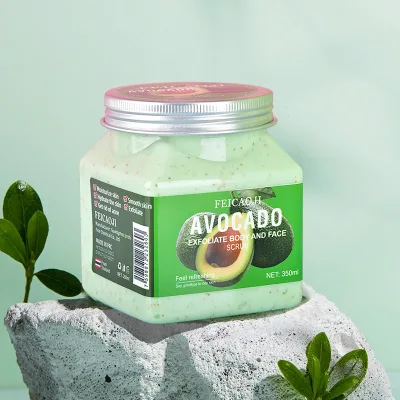
Avocado Body Scrub Deep Cleansing Exfoliation Nourishing Moisturizing Whitening
$1.70 - $2.30
MOQ: 300 Pieces

Huizhou Yajiali Industrial Co., Ltd.
- Verified by SGS
- Combined
- China Guangdong
- Lead time30 days
- Avg. response≤ 4h
Main productsBath Bomb, Body Butter, Shower Steamers, Body Scrubs, Soap, Bath Salt, Bath Set
Main marketsEurope,North America
Guangdong Benefit Consortium Biotechnology Co., Ltd.
- Manufacturer, Trading Company
- Guangdong, China
- Lead time15 days
- Avg. response≤ 3h
Main productsHair Color, Hair Care Sets, Hair Waxes, Perm Lotion, Styling Gel
Main marketsSoutheast Asia(40.00%), South Asia(20.00%), North America(10.00%), Eastern Asia(10.00%), Western Europe(5.00%), Southern Europe(5.00%), Mid East(3.00%), Northern Europe(2.00%), Africa(2.00%), Eastern Europe(2.00%), South America(1.00%)
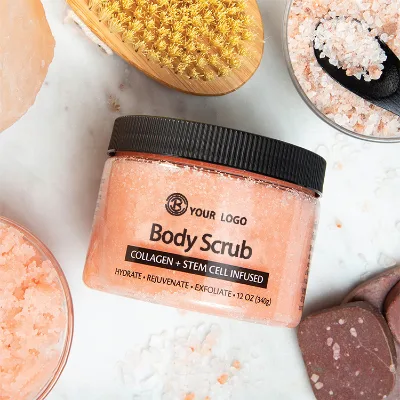
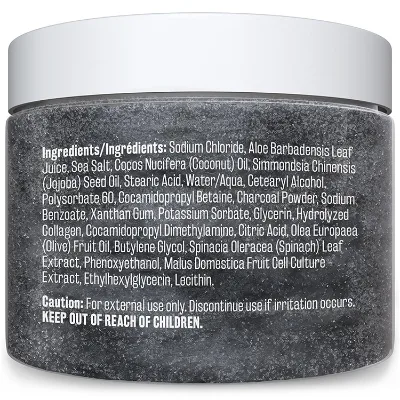
Private Label Factory Wholesales Domestic New Upgrade Exfoliation Body Scrub Whitening Body Scrub
$0.47 - $1.99
MOQ: 1000 pieces

Guangzhou Aixin Cosmetic Co., Ltd.
- Verified by TUVRHEINLAND
- Trading Company
- China Guangdong
- Lead time15 days
- Avg. response≤ 4h
Main productsSkin Care, Cosmetic, Face Mask, Beauty, Body Scrub, Face Care, Body Care, Skin Care Product, Mask, Cream
Main marketsDomestic

Beauty Cosmetics Skin Care Dead Skin Remover Exfoliating Body Scrub Coffee Scrub
$2.00 - $2.80
MOQ: 100 Pieces

Beauty Cosmetics Skin Care Acne Treatment Exfoliating Face Body Coffee Body Scrub
$2.00 - $2.80
MOQ: 100 Pieces


Beauty Cosmetics Skin Care Acne Treatment Exfoliating Face Body Scrubs Turmeric Scrub
$2.00 - $2.80
MOQ: 100 Pieces

Beauty Cosmetics Skin Care Exfoliating Shea Butter Facial Scrub Coconut Body Scrub
$2.00 - $2.80
MOQ: 100 Pieces
Guangzhou Meisheng Cosmetics Co., Ltd.
- Verified by SGS Group
- Manufacturer, Trading Company
- Lead time35 days
- Avg. response≤ 2h
Main productsSkin Care Serum, Hand Care, Foot Care, Body Care, Face Care
Main marketsNorthern Europe(25%), Southern Europe(25%), Domestic Market(14%)
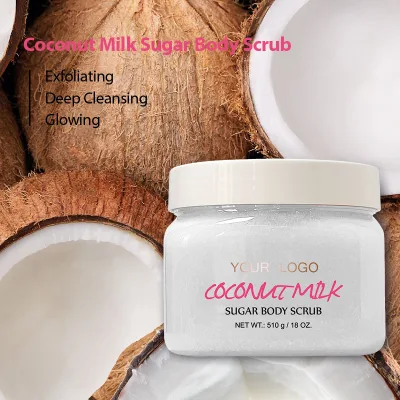
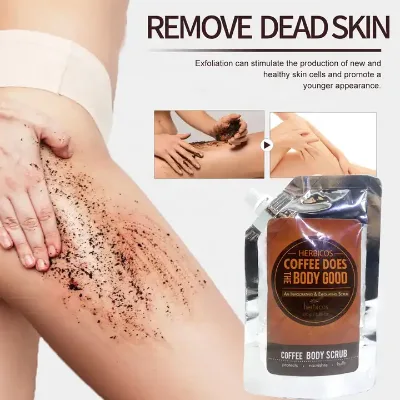
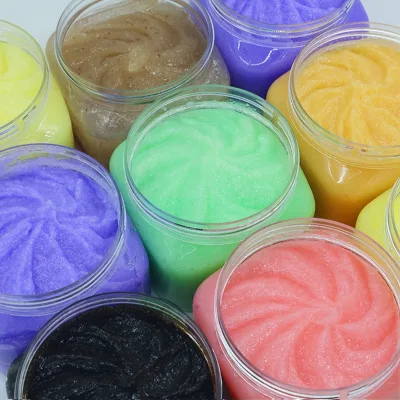
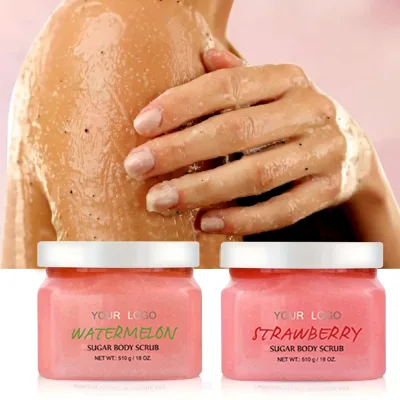
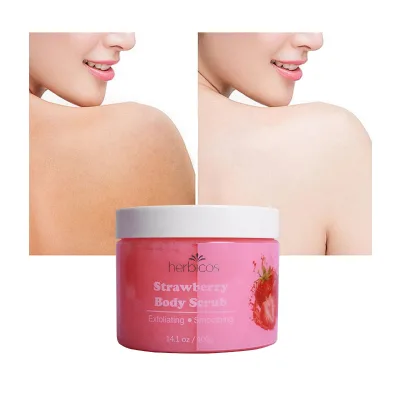
Wholesale Organic Glycolic Body Scrub With Logo
$1.00 - $1.20
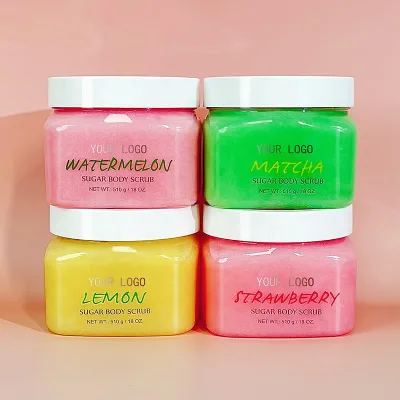

Guangzhou Mebamy Cosmetics Co., Ltd.
- Verified by TUVRHEINLAND
- Manufacturer/Factory
- China Guangdong
- Lead time15 days
- Avg. response≤ 2h
Main productsFace Serum, Soap, Face Cream, Sunscreen, Eyelash Growth Serum, Teeth Whitening, Face Mask, Facial Cleanser, Essential Oil, Hair Care Series
Main marketsNorth America,Western Europe


Custom Advanced Lavender Oil Body Scrub Exfoliator & Moisturize Skin
$2.52 - $3.23
MOQ: 3000 Pieces
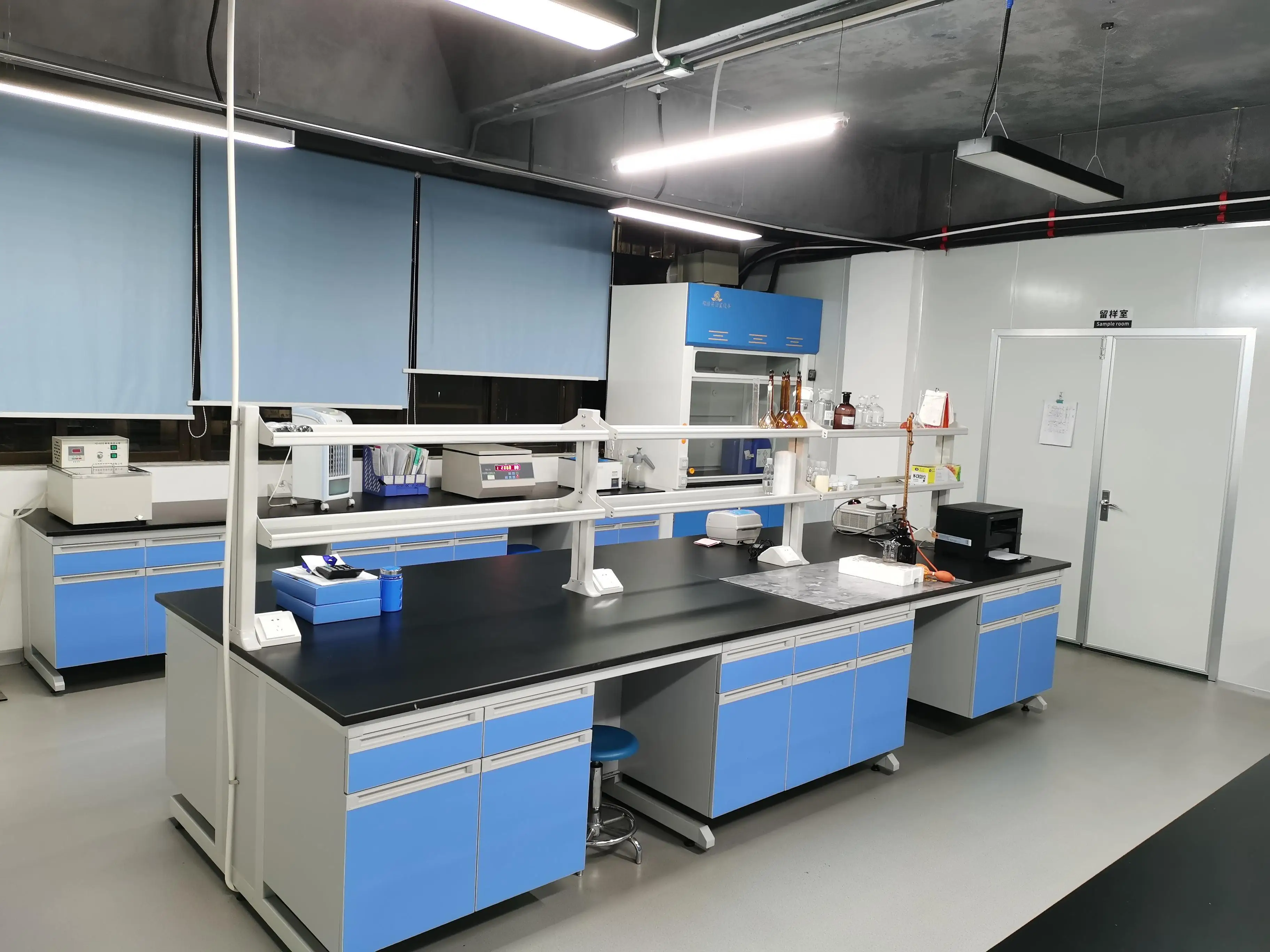
Sichuan Kangmei Xinrui Health Management Co., Ltd.
- Trading Company
- Sichuan, China
- Lead time0 days
- Avg. response≤ 2h
Main productstoothbrush,Wet wipes,electric toothbrush,teeth whitening strips,Hand cream
Main marketsEastern Asia(20.00%), Oceania(9.00%), Western Europe(8.00%), South America(8.00%), Central America(6.00%), North America(4.00%)
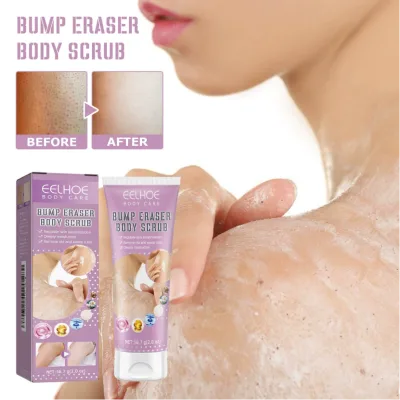
Body Scrub Hydrating and Nourishing Deeply Cleansing and Smoothing Exfoliating Scrub
$2.3248
MOQ: 50 Minimum
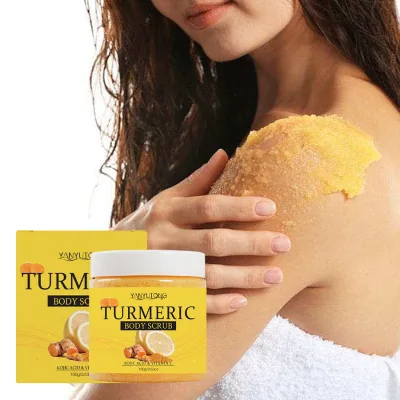
Deeply Exfoliating Turmeric Body Scrub Offers Comprehensive Skin and Body Cleansing Care
$1.40 - $1.50
MOQ: 10 pieces
Dongguan Aobo Technology Co., Ltd.
- Manufacturer, Trading Company
- Guangdong, China
- Lead time8 days
- Avg. response≤ 3h
Main productsmenstrual cup,menstrual disc,menstrual cup sterilizer,menstrual products,silicone products
Main marketsNorth America(40.00%), Western Europe(30.00%), South America(20.00%), Mid East(10.00%)
Guangzhou Ammes Cosmetics Co., Ltd.
- Manufacturer, Trading Company
- Guangdong, China
- Lead time15 days
- Avg. response≤ 2h
Main productsFace Serum,Face Cream,Beauty /Nail Salon Spa,Manicure Pedicure Preparation,Body Scrub/ Lotion
Main marketsNorth America(24.00%), Domestic Market(10.00%), Western Europe(10.00%), Mid East(9.00%), South Asia(8.00%), Southeast Asia(8.00%), Eastern Europe(5.00%), Central America(5.00%), South America(5.00%), Oceania(5.00%), Africa(5.00%), Northern Europe(2.00%), Eastern Asia(2.00%), Southern Europe(2.00%)
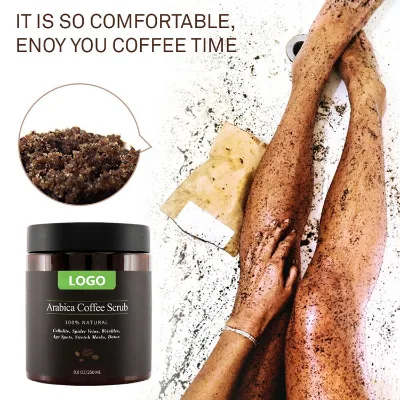
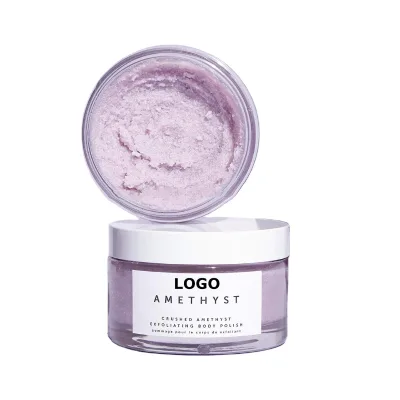
OEM Custom Logo Skin Care Remove Dead Skin Whitening Exfoliating Crushed Amethyst Body Scrub
$1.60 - $2.50
MOQ: 1000 pieces
Guangzhou Shente Beautiful Health Technology Co., Ltd.
- Verified by TüVRheinland
- Manufacturer, Trading Company
- Lead time30 days
- Avg. response≤ 4h
Main productsBody Lotion, Shower Gel, Soap, Body Oil, Shampoo
Main marketsNorth America(30%), Africa(20%), Western Europe(20%)
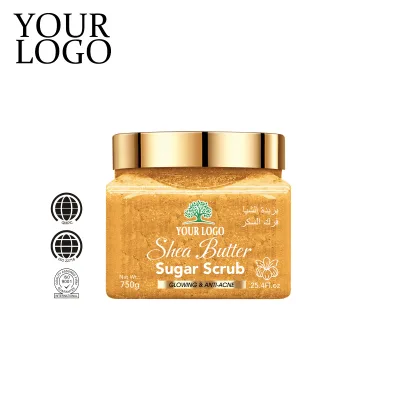
Wholesale Body Scrub Private Label Moisturizing Exfoliating Shea Butter Body Scrub
$3.1796 - $3.5389
MOQ: 500 pieces
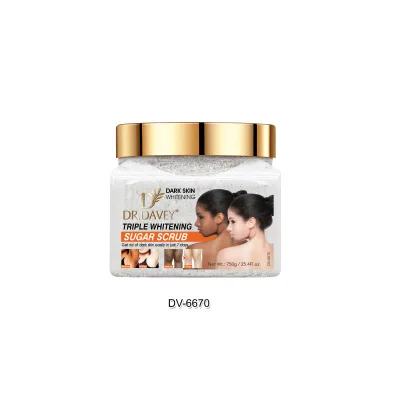
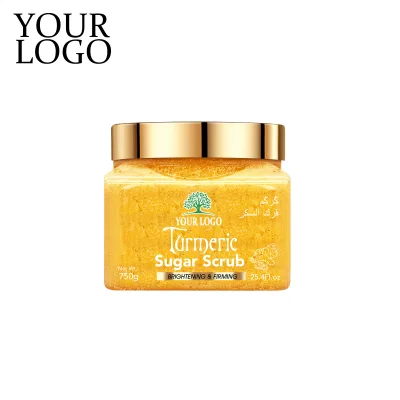
Health & Beyond Health Technology (suzhou) Co., Ltd.
- Verified by SGS Group
- Manufacturer, Trading Company
- Lead time35 days
- Avg. response≤ 5h
Main productsBody Care, Skin Care, Oral Care, Hair Care, Baby Care
Main marketsWestern Europe(24%), Domestic Market(18%), North America(11%)

Zhejiang Qianfei Enterprise Co., Ltd.
- Combined
- China Zhejiang
- Lead time45 days
- Avg. response≤ 17h
Main productsBody Mist, Body Lotion, Body Cream, Perfume, Body Spray, Body Splash, Fragrance Mist, Hand Sanitizer, Fragrance, Hand Cream
Main marketsSouth America,Southeast Asia/ Mideast,Europe

100% Natural Herbal Fragrant Fruity Body Scrub for Face & Body Brightening
$1.21 - $1.52
MOQ: 1000 Pieces

Guangzhou Jm Cosmetics Co., Ltd.
- Manufacturer, Trading Company
- Guangdong, China
- Lead time0 days
- Avg. response≤ 15h
Main productsFace Cream,Face Serum,Face Mask,Body Scrub,Face Wash
Main marketsSouth America(30.00%), North America(20.00%), Central America(20.00%), Eastern Europe(10.00%), Western Europe(10.00%), Africa(10.00%)

Guangzhou Kanglixin Medical Biotechnology Co, Ltd.
- Verified by BV
- Manufacturer/Factory
- China Guangdong
- Lead time23 days
- Avg. response≤ 9h
Main productsSkin Care Products, Body Care, Hair Care Products, Makeup, Men's Care Products, Ferminine Care Products, Serum, Facial Mask, Face Cream, Scrub
Main marketsSouth America,Eastern Europe,Mid East,North America,Southeast Asia,Eastern Asia,Oceania,Western Europe,Africa

Face Body Brightening Organic Vitamin C Exfoliating Private Label Bodyscrub Tumeric Scrub
$1.00 - $1.50
MOQ: 1000 pieces

Natural Organic Coconut Body Scrub Deep Cleaning Exfoliator Body Scrub for Men Women
$1.30 - $2.00
MOQ: 1000 pieces
Guangzhou Jiutai Bio-technology Co., Ltd.
- Verified by SGS Group
- Manufacturer, Trading Company
- Guangdong, China
- Lead time15 days
- Avg. response≤ 2h
Main productsBody Lotion, Body Scrub, Facial Care, Face Serum, Hair Care
Main marketsNorth America(36%), Southeast Asia(15%), Oceania(15%)

Hainan Fuwang Industrial Co., Ltd.
- Trading Company,Manufacturer/Factory
- China Hainan
- Lead time23 days
- Avg. response≤ 11h
Main productsInsulation Materials, Copper Clad Laminated Sheet, Fine Chemical, Fiberglass, Fr-4/G11/G11-H/Epgm203, Green Coffee Beans, Cosmetic, Whey Protein
Main marketsSouth America,Eastern Europe,Mid East,North America,Southeast Asia,Eastern Asia,Oceania,Western Europe,Africa


Wholesale Exfoliating Deeply Cleaning Skin Care Ice Cream Coconut Colleagen Body Scrub
$1.98 - $2.86
MOQ: 3 Pieces


Shandong Shiyi Trading Co., Ltd.
- Verified by CTI
- Trading Company
- China Shandong
- Lead time15 days
- Avg. response≤ 20h
Main productsHealth and Care, Cosmetics
Main marketsAfrica,Europe,North America


Organic Pure Body Scrub Whitening Sea Salt Sugar Exfoliator Foot SPA Care
$0.89 - $1.99
MOQ: 48 Pieces
Yuncheng Zeren Biotechnology Co., Ltd.
- Trading Company
- Shanxi, China
- Lead time3 days
- Avg. response≤ 4h
Main productsFeminine Products, Soap
Main marketsNorth America(80.00%), Western Europe(20.00%)
Guangzhou Bring Beauty Cosmetics Co., Ltd.
- Verified by TüVRheinland
- Manufacturer, Trading Company
- Lead time20 days
- Avg. response≤ 2h
Main productsFace Care Products, Body Care Products, Hair Care Products, Makeup Products
Main marketsNorth America(45%), Western Europe(15%), Mid East(10%)

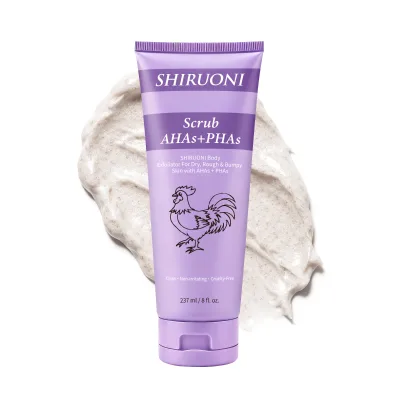
Guangzhou Shiruoni Cosmetics Co., Ltd.
- Trading Company,Manufacturer/Factory,Group Corporation
- China Guangdong
- Lead time15 days
- Avg. response≤ 5h
Main productsSkin Care, Jelly Mask, Face Serum, Face Toner, Face Cream, Facial Mask, Sunscreen, Face Cleanser, Soap, Skin Care Set
Main marketsSouth America,Eastern Europe,Mid East,North America,Southeast Asia,Eastern Asia,Oceania,Western Europe,Africa


Gentle Body Scrub for Sensitive Skin Types with Soothing and Calming Effects
$2.00 - $3.00
MOQ: 1000 Pieces

- Verified by SGS
- Trading Company
- China Zhejiang
- Lead time15 days
- Avg. response≤ 14h
Main productsFan, Heater Fan, Air Fryer, Toaster, Rice Cooker, Vacuum Cleaner, Coffee Machine, Hairdressing Appliance, Electric Toothbrush, Steam Iron
Main marketsEurope,Australia

Hot Private Label Skin Body Scrub Cream Natural Smoothing Currant Body Scrub
$1.16 - $1.30
MOQ: 770 Pieces

Hot Sale Skin Care Wholesale 300g Fruit Brightening Smoothing Exfoliating Body Scrub
$0.30 - $0.33
MOQ: 3020 Pieces

Hot Skin Brightening Scrub Cream Deep Cleansing Exfoliating OEM Body Scrub Wholesale
$1.21 - $1.36
MOQ: 740 Pieces

Skin Care Deep Cleansing Face Skin Care Vegan Exfoliating Whitening Body Scrub
$0.37 - $0.42
MOQ: 2400 Pieces

Hot Selling Vc Exfoliating Exfoliator Shower Skin Care Private Label Body Scrub
$1.07 - $1.19
MOQ: 840 Pieces

Exfoliating Hydrating Vitamin C Essential Oils Skin Exfoliator Body Balm Shea Butter
$0.48 - $0.54
MOQ: 1870 Pieces
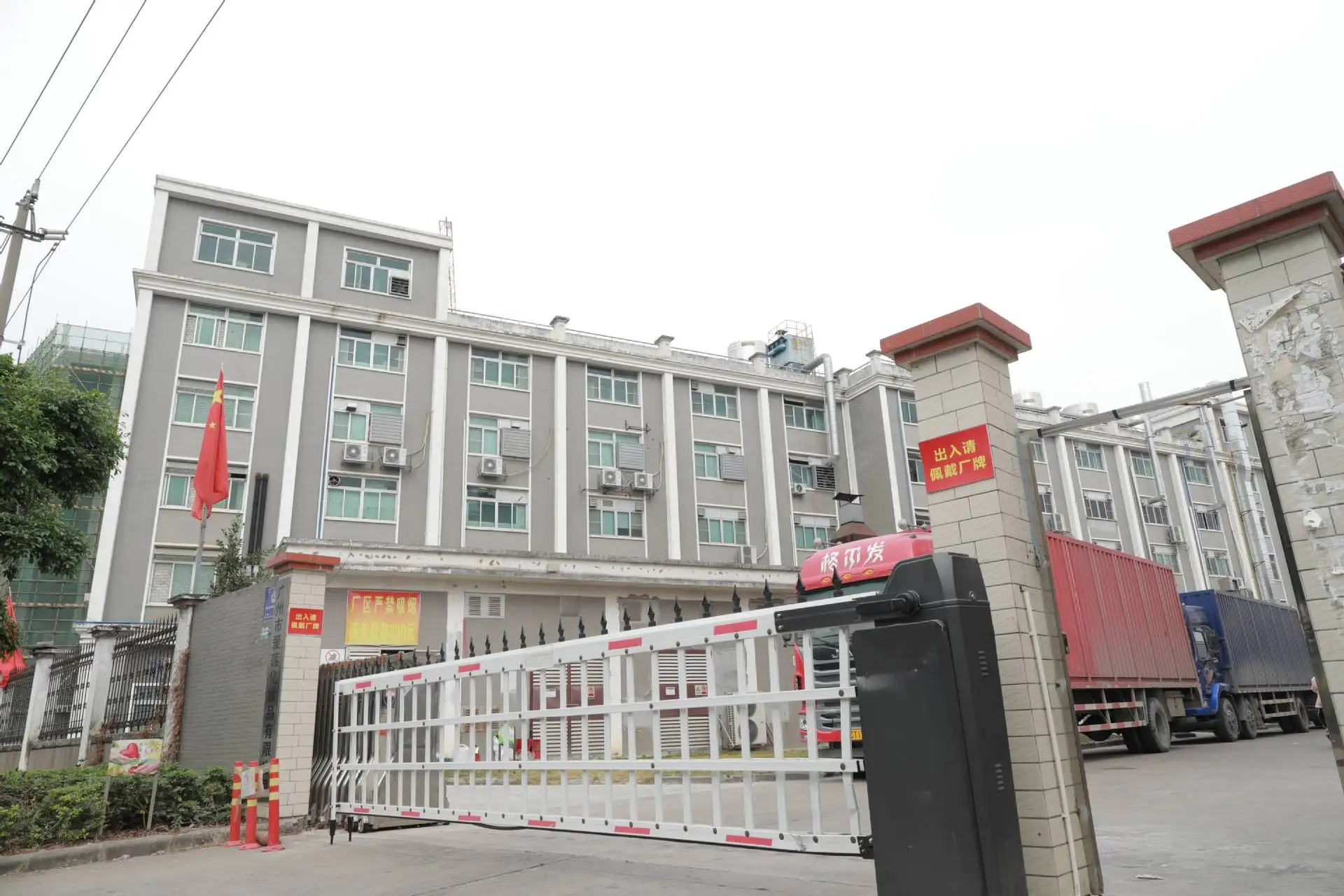
Foshan Sanshui Qiaoxifu Daily Necessities Co., Ltd.
- Manufacturer, Trading Company
- Guangdong, China
- Lead time15 days
- Avg. response≤ 6h
Main productsFacial Mask/Eye Mask/Serum/Make Up/Facial Cream
Main marketsDomestic Market(20.00%), Southeast Asia(20.00%), Mid East(10.00%), South America(10.00%), North America(10.00%), Africa(5.00%), Southern Europe(5.00%), Oceania(5.00%), Eastern Europe(5.00%), South Asia(2.00%), Western Europe(2.00%), Eastern Asia(2.00%), Northern Europe(2.00%), Central America(2.00%)
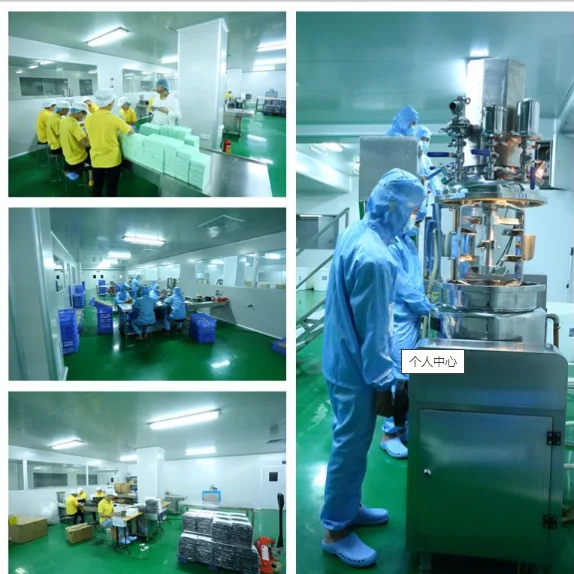
Shenzhen Huaxunneng Technology Co., Ltd.
- Manufacturer, Trading Company, Distributor/Wholesaler
- Guangdong, China
- Lead time5 days
- Avg. response≤ 16h
Main productsMakeup Brush,cosmetics,Makeup tools,Makeup sponge,nail art &tools
Main marketsNorth America(40.00%), South America(20.00%), Eastern Europe(15.00%), Eastern Asia(5.00%), Mid East(5.00%), Africa(5.00%), Western Europe(5.00%), Domestic Market(4.00%), Southeast Asia(1.00%)

Guangzhou Guocui Biological Technology Co., Ltd.
- Verified by TUVRHEINLAND
- Combined
- China Guangdong
- Lead time15 days
- Avg. response≤ 5h
Main productsSkin Care, Face Care, Body Care, Hair Care, Makeup, Essential Oil, Beard Care, Lipstick, Neck Care, Facial Essence
Main marketsDomestic

Effective Exfoliation to Create Smooth Skin Gentle Non-Irritating Coffee Body Scrub
$1.29 - $2.04
MOQ: 500 Pieces

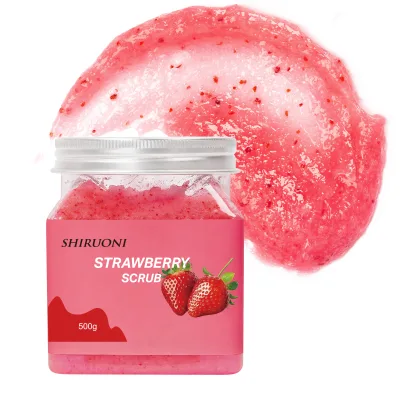
Deep Cleansing Nourishing Exfoliating Mild Non-Irritating Improve Dullness Strawberry Body Scrub
$1.44 - $2.24
MOQ: 500 Pieces

Guangzhou Dephin Cosmetics Co., Ltd
- Verified by CTI
- Trading Company,Manufacturer/Factory
- China Guangdong
- Lead time23 days
- Avg. response≤ 4h
Main productsSkin Care Products, Hair Care, Body Care, Gel Products, Cream & Lotions, Body Deodorant, Face Serum, Hand & Foot Care, Nail Care, Makeup
Main marketsSouth America,Eastern Europe,Mid East,North America,Southeast Asia,Eastern Asia,Oceania,Western Europe,Africa


Factory Supply OEM Soothing Relaxing Body Scrub for Gentle Exfoliation and Skin Relief
$1.80 - $2.30
MOQ: 3000 Pieces

Guangzhou Olehana Biotechnology Co., Ltd
- Verified by BV
- Manufacturer/Factory
- China Guangdong
- Lead time45 days
- Avg. response≤ 9h
Main productsFace Serum, Face Cream, Skin Care Set, Hair Growth, Beauty Device, Lip Gloss, Lip Stick, Lip Balm, Beard Care, Body Care
Main marketsEastern Europe,North America,Western Europe
Enrich Enterprises (Xiamen) Limited
- Verified by Intertek
- Trading Company
- Lead time40 days
- Avg. response≤ 8h
Main productsBath Gift Set, Bath And Body Care Product, Home Fragrance Product, Bath Bomb, Bath Gift Packaging
Main marketsNorth America(75%), Oceania(18%), Eastern Europe(2%)
Hebei Enyu Imp. & Exp. Trade Company Limited
- Verified by SGS Group
- Trading Company
- Lead time15 days
- Avg. response≤ 5h
Main productsBath Bomb, Soap, Spa Foot Jelly, Shower Steamer, Shampoo Bar
Main marketsNorth America(40%), South America(16%), Eastern Europe(16%)

Crown Diamond (guangzhou) Biotechnology Co., Ltd.
- Manufacturer
- Guangdong, China
- Lead time15 days
- Avg. response≤ 2h
Main productsskin care,face care,eye care,hair care,body care
Main marketsNorth America(65.00%), Northern Europe(10.00%), Southern Europe(10.00%), Eastern Europe(10.00%), Western Europe(5.00%)




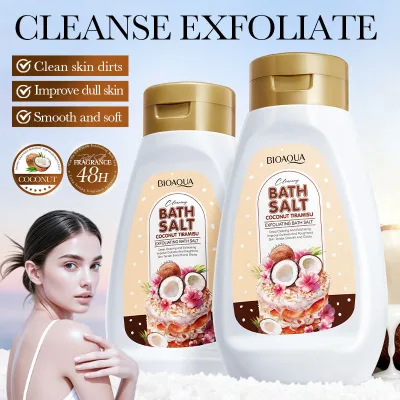
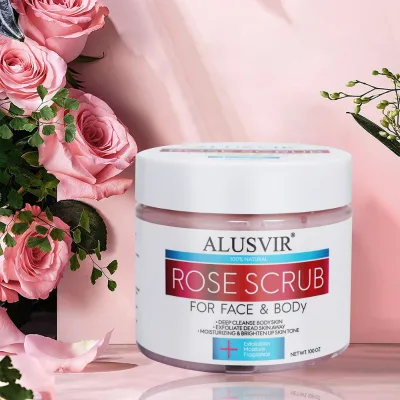
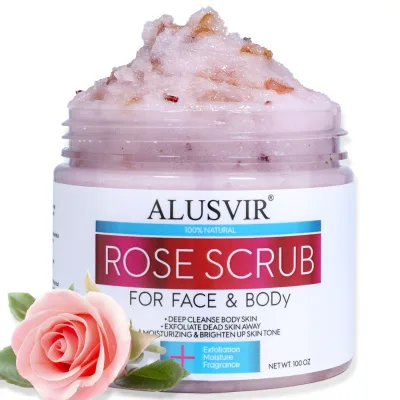
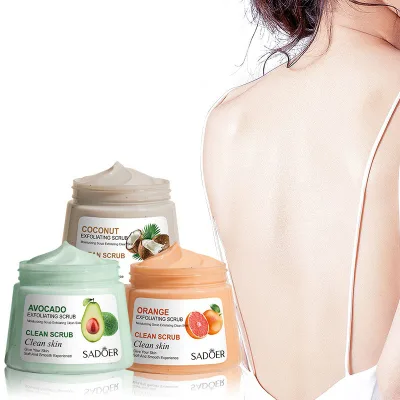
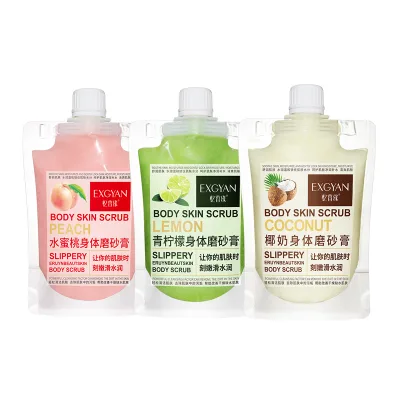
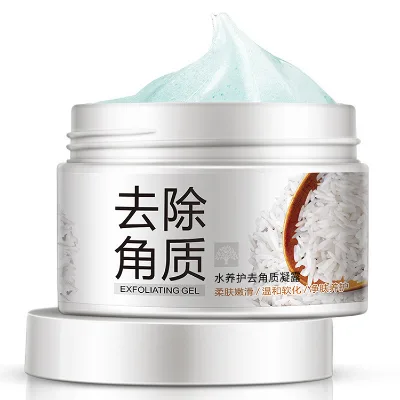
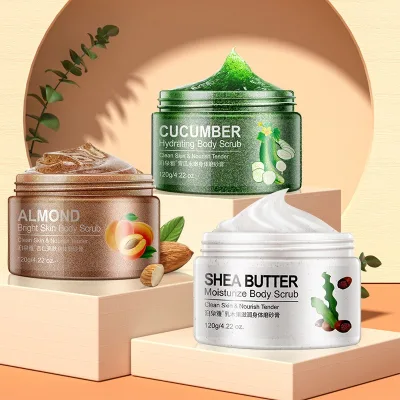
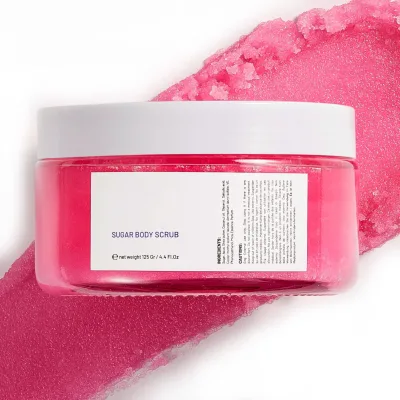
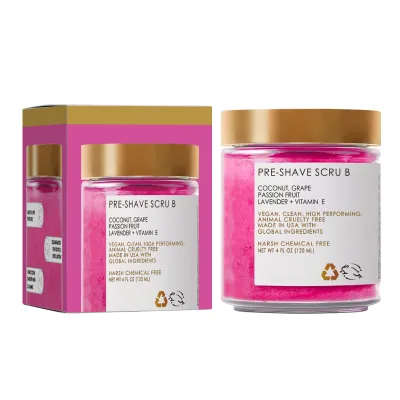


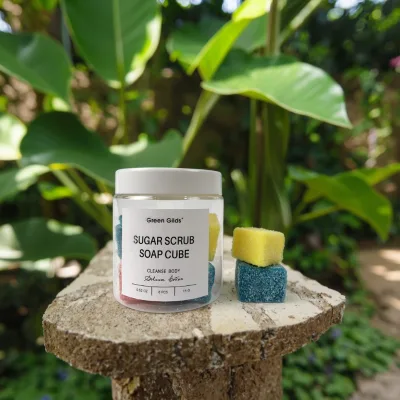
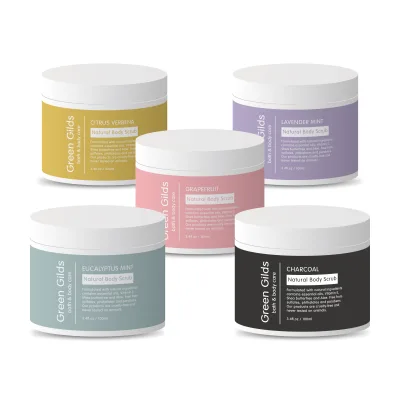
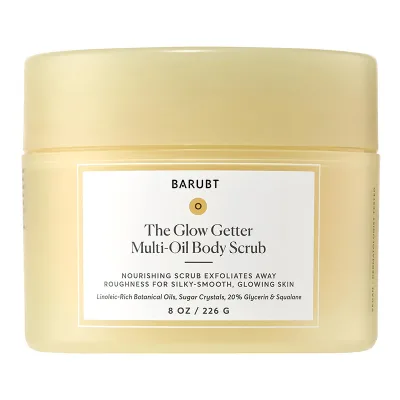
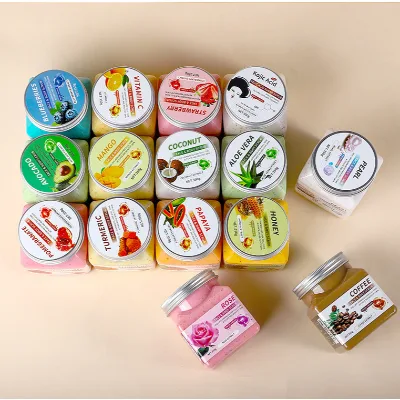
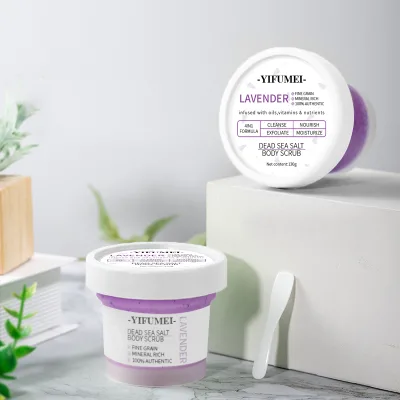
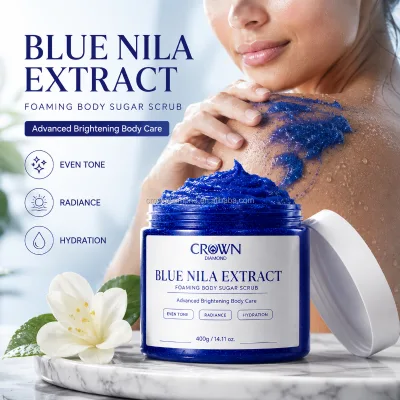
Comprehensive Sourcing Guide
Fragrance-Free Hyaluronic Acid Body Scrub Supplier Concentration and Factory Types
Suppliers offering fragrance-free hyaluronic acid body scrub products on B2B platforms are heavily concentrated in China, with Guangdong province appearing repeatedly as the listed origin for body scrub listings and company locations. Guangdong's personal care ecosystem covers shampoo, hair care, body products, skin products and related cosmetics manufacturing, which makes it a practical region to filter for first when building a supplier shortlist. Because the same industrial base produces complementary categories such as face cream, sunscreen, soap and body care items, buyers can often consolidate a fragrance-free body scrub order with adjacent SKUs. Note that not every supplier on a results page will display a location, so treat missing geographic data as a verification task rather than a disqualifier.
Supplier types in this category split mainly between trading companies and combined manufacturer-trading companies. Trading companies typically list broader portfolios — one profile covering shampoo, conditioner, styling and body products is characteristic — while manufacturer-trading companies list narrower lines such as face cream, eye mask, soap and tanning care alongside body items. Manufacturer-type suppliers are more likely to advertise OEM/ODM private label service, customized packaging and sample processing, which matters for a fragrance-free hyaluronic acid formulation that requires controlled ingredients. When screening profiles, prioritize those whose main products include body care or skin care, and check whether customization is explicitly marked as available on the individual scrub listings.
How to Verify Fragrance-Free Hyaluronic Acid Body Scrub Suppliers
Verification starts with third-party inspection status. On the results pages for this category, some suppliers carry BV verification and others carry TüV Rheinland verification — both are independent audit bodies, and either mark indicates the profile has passed an external assessment. A verified badge does not tell you which factory actually produces your scrub, so request the production entity's business license and confirm it matches the audited entity. If a supplier displays system certifications such as GMPC and CPNP, record exactly which certificates are shown and ask for the certificate documents with scope and validity dates rather than accepting the label alone.
Beyond profile badges, verify product-level evidence. Scrub listings in this category commonly state place of origin (Guangdong, China), model numbers, packing configurations and OEM/ODM acceptance, all of which you can cross-check during inquiry. Ask each supplier for the ingredient declaration for the fragrance-free hyaluronic acid base — one listing details glycerin, hydrated silica, PHA and Salix Alba — and request samples to confirm the product is genuinely unscented. Response time is an early reliability signal: displayed response times in this category range from around four hours to nearly ten hours, so log how quickly each supplier answers technical questions, not just greetings. A supplier that cannot specify hyaluronic acid grade, preservative system or salt versus sugar exfoliant within a few exchanges is unlikely to manage a customized fragrance-free formulation reliably.
What to Compare Across Fragrance-Free Hyaluronic Acid Body Scrub Suppliers
Build a comparison matrix using the attributes actually displayed on listings and profiles, and leave blank cells where data is missing rather than assuming. Comparable dimensions in this category include: supplier type (trading versus manufacturer-trading), location, verification body, system certifications, response time, lead time, main products, and R&D capabilities such as sample processing, graphic processing and customized-on-demand service. Lead time figures vary widely here — one profile shows 15 days while another shows zero displayed — so always confirm production and shipping timelines in writing per SKU. Response speed differences of several hours compound over a multi-round customization negotiation.
Product-level economics deserve their own columns. Displayed MOQs in this category range from 1 piece to 5,000 units depending on the listing, and unit prices span roughly $0.60 to $4.57, so MOQ and price interact strongly: lower MOQs often sit on private-label stock formulas while higher MOQs attach to fully customized production. Compare packing specs (CTN, 36PCS/CTN, 72PCS/CTN), fill sizes (100g, 120g, 237ml, 250ml, 300ml, 500ml), exfoliant form (salt versus sugar), and stated skin types. For a fragrance-free positioning, also compare whether each supplier's scrub is already fragrance-free, naturally scented with fruit or coconut extracts, or marketed with fragrance — converting a scented base to fragrance-free is a reformulation, not a relabel, and should be priced and lead-timed as such.
Common Fragrance-Free Hyaluronic Acid Body Scrub Sourcing Risks
The largest risk in this category is formulation drift. Some listings describe salt-based herbal scrubs with fruity aromas and coconut oil plus vitamin C — products that are scented by design. If your requirement is truly fragrance-free with hyaluronic acid, a supplier whose catalog centers on aromatic salt scrubs may deliver a scented base, substitute ingredients, or add masking fragrance to cover raw material odor. Insist on a signed formulation sheet, retain a sealed reference sample, and specify in the purchase contract that any ingredient substitution requires written approval. Shelf life claims such as three years should be validated against the preservative system on the ingredient declaration.
Verification and consistency risks follow. A verification badge on a profile does not guarantee the specific scrub factory passed the audit, and certifications shown on one listing may not cover the production line making your order. Trading companies add a layer between you and the filling line, which can complicate quality accountability when batch variation appears in salt grain size or viscosity. Relying on displayed lead times is risky — a zero or missing lead time figure means unconfirmed capacity, and a 15-day claim may exclude customization or queue time. Also verify packing claims: carton configurations and unit weights shown in listings should be reproduced in a pre-shipment inspection, since cosmetic scrubs are heavy, leak-prone goods where under-packed cartons cause transit damage claims.
Fragrance-Free Hyaluronic Acid Body Scrub Regional Sourcing and Logistics
The evidence in this category points clearly to Guangdong, China as the primary sourcing region: scrub listings state Guangdong origin, and company profiles list China Guangdong as their location. Guangdong's advantage for a fragrance-free hyaluronic acid scrub is the density of personal care manufacturers and trading companies handling body care, skin care and cosmetics in one cluster, which shortens the chain between raw material suppliers (hyaluronic acid, salt or sugar exfoliants, glycerin) and filling operations. Several scrub listings in this category also state China as product origin, reinforcing regional concentration. Where a supplier profile does not display a location, ask directly and verify the factory address through the business license before depositing funds.
Logistically, plan around the physical nature of the product. Scrubs in jars and tubes at 100g to 500ml fill sizes, packed 36 or 72 pieces per carton, are dense and heavy, so freight cost per unit rises quickly and container utilization matters. Sea freight suits full-container private label orders at MOQs of 1,000 to 5,000 pieces; air freight or express suits sample runs and low-MOQ trial orders of 1 piece to 500 units. Confirm whether the displayed lead time includes customization and printing of your packaging, and whether the supplier supports customized packaging and labels — many listings in this category advertise it. Ask which port the factory ships from and factor inland drayage into landed-cost calculations.
Fragrance-Free Hyaluronic Acid Body Scrub Commercial Terms and Order Planning
Structure commercial terms around the MOQ-to-price relationships visible in this category. Displayed MOQs run from 1 piece to 5,000 units, and displayed unit prices range from about $0.60 to $4.57, so decide your stage: a low-MOQ private label trial on an existing base formula to test the market, then a higher-MOQ customized run to bring unit cost down. For the fragrance-free hyaluronic acid positioning, budget for tooling or label costs on the customized run and confirm whether sample fees are credited against the first bulk order. Use secure payment structures — platform escrow or staged deposits with balance after inspection — and never wire full payment to an unverified entity outside a protected channel.
Order planning should sequence verification, sampling and production deliberately. First confirm supplier type, certifications and factory identity; second, approve samples of the actual fragrance-free formula; third, lock the packing spec (carton count, fill size, label artwork) that listings show as customizable; fourth, confirm lead time in writing for your specific SKU — the 15-day and zero figures on profiles are not commitments. Agree on inspection tolerance for fill weight, grain consistency and seal integrity, and schedule a pre-shipment inspection before balance payment. Finally, plan replenishment lead times at the confirmed production cycle plus ocean transit, since a scrub reordering cycle measured in weeks rewards buyers who forecast two to three months ahead.
(Word count: approximately 1,390)
FAQs
What is the price range for private label body scrubs?
Prices for private label body scrubs typically range from $0.60 to $4.57 per unit. The final cost depends on the specific formulation, packaging size, and order volume. Buyers should expect higher prices for specialized ingredients like hyaluronic acid or custom fragrances compared to standard salt-based exfoliants.
What are the minimum order quantities for body scrub OEM?
Minimum order quantities vary significantly by supplier, ranging from 500 to 5000 units. Some manufacturers accept orders as low as 1000 pieces for customized labels, while others require bulk purchases of 5000 units. Buyers should verify the specific MOQ with the supplier before finalizing their production plan.
How long does production take for custom body scrubs?
Standard lead times for custom body scrub production are approximately 15 days. Some suppliers may offer faster turnaround times, while others might have different schedules based on current capacity. Buyers should confirm the exact lead time with the supplier to ensure timely delivery for their specific order requirements.
Are these body scrubs suitable for sensitive skin types?
Yes, many available body scrubs are formulated for all skin types, including sensitive skin. Ingredients like hyaluronic acid and gentle exfoliants help improve texture without irritation. Buyers should check the specific ingredient list and product features to ensure the scrub meets their customers' skin care needs.
What certifications do these body scrub manufacturers hold?
Manufacturers often hold GMPC and CPNP certifications, ensuring compliance with cosmetic safety standards. Some suppliers are also verified by BV or TüVRheinland. Buyers should request valid certification documents to verify the quality and safety standards of the body scrub products before placing large orders.
Can I get custom packaging for my body scrub brand?
Custom packaging is widely available for body scrub orders. Suppliers offer options like customized labels, specific carton quantities, and unique bottle designs. Buyers can work with manufacturers to create packaging that aligns with their brand identity, ensuring a professional and attractive presentation for retail distribution.