Frozen Taro Balls Suppliers and Manufacturers
Source 14 suppliers for Frozen Taro Balls. Compare certifications like BRC and HACCP, lead times, and MOQs. Request quotes to secure competitive pricing and reliable delivery schedules from verified factories in China; review the available evidence before requesting comparable quotations from suitable candidates.
Suppliers List

- Trading Company,Manufacturer/Factory
- China Fujian
- Lead time15 days
- Avg. response≤ 2h
Main productsIQF Frozen Broccoli, IQF Frozen Mixed Vegetable, IQF Frozen Edamame, IQF Frozen Raspberry, IQF Frozen Strawberry, IQF Frozen Oyster, IQF Frozen Peach, IQF Frozen Mushroom, IQF Frozen French Fries, IQF Frozen Tilapia
Main marketsSouth America,Eastern Europe,Mid East,North America,Southeast Asia,Eastern Asia,Western Europe,Africa
Qingdao Dsf Foodstuff Co., Ltd.
- Verified by SGS Group
- Trading Company
- Shandong, China
- Lead time15 days
- Avg. response≤ 1h
Main productsFrozen Sweet Corn, Frozen Strawberry, Frozen Broccoli, Frozen Mixed Fruits, Frozen Mixed Vegetables
Main marketsNorth America(15%), Oceania(15%), Western Europe(8%)
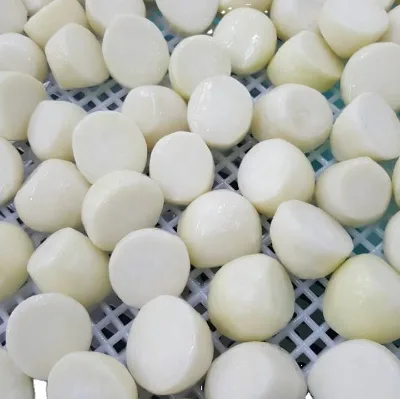
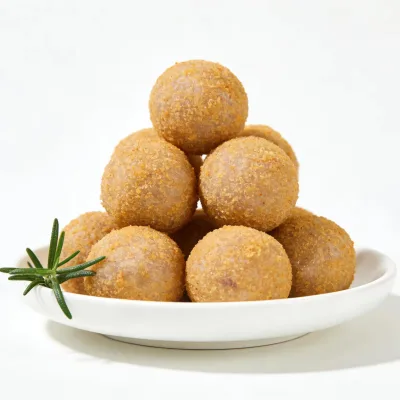
Good Price High Quality New Season Natural Quality Frozen Taro Ball
$500.00 - $1500.00
MOQ: 10 Minimum
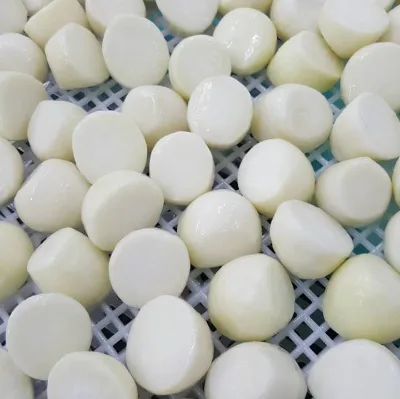
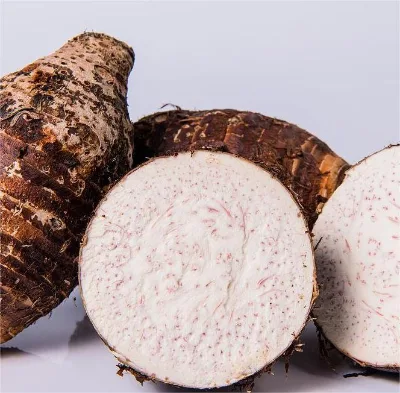
HACCP Chinese Frozen Vegetables and Fruits Good Quality Frozen Vegetable Taro
$1190.00 - $1220.00
MOQ: 12
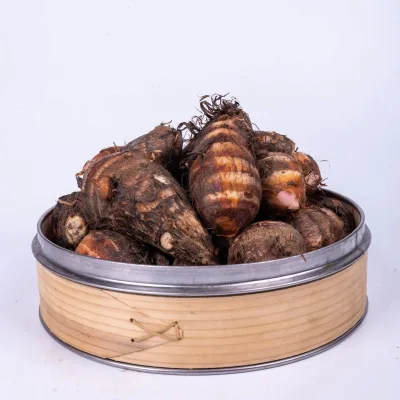
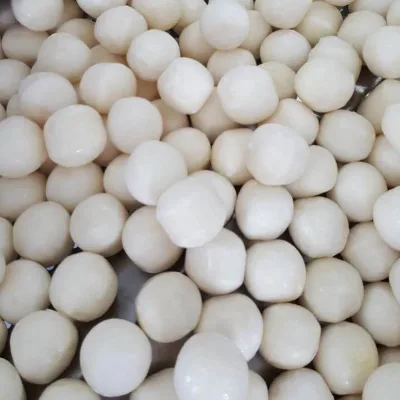
2024 Good Price High Quality Big Size Frozen Taro Ball/ Dice / Slice
$509.93 - $1529.79
MOQ: 10 Minimum
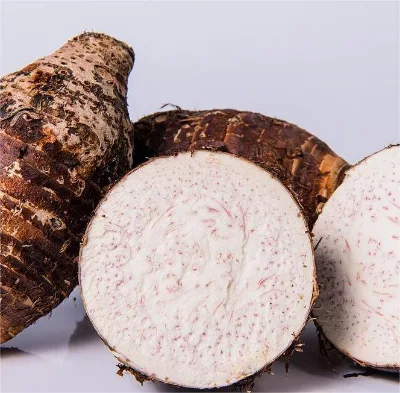

Hanfang Kangcheng (Shandong) Health Technology Co., Ltd.
- Trading Company
- China Shandong
- Lead time0 days
- Avg. response≤ 19h
Main productsDried Vegetable, Frozen Vegetable, Fd Vegetable, Frozen Fruits


New Crop IQF Frozen Taro Hot Sale Export Quality Frozen Taro Slice From China
$820.00 - $990.00
MOQ: 1 Tons

- Trading Company
- China Fujian
- Lead time23 days
- Avg. response≤ 25h
Main productsEdamame Mukimame French Fries Unagi Kabayaki, Chuka Wakame Chuka Idako Onion Ring, Roasted Eel Gutted Eel Frozen Eel, Japanese Food Asian Food Sushi Food Finger Food, Strawberry Raspberry Blackberry Blueberry, Pepper Onion Garlic Ginger Chilli Shiitake, Mango Peach Kiwi Fig Grape Apricot Apple, Sweet Potato Water Chestnut Bamboo Shoots, Snow Peas Sugar Snap Pea Broad Bean, Wasabi Octopus Seasoned Baby Octopus
Main marketsSouth America,Eastern Europe,Mid East,North America,Southeast Asia,Eastern Asia,Oceania,Western Europe


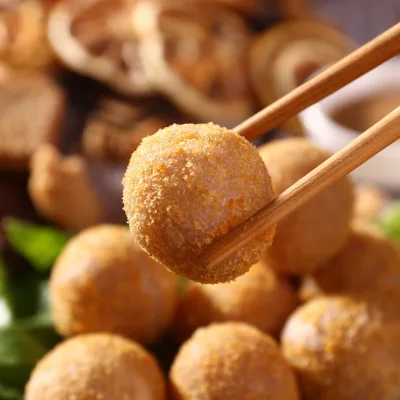
Taro Balls, Snacks, Oriental Food, Asian Food, Dim Sum, Frozen Chinese Snacks, Frozen Foods
$15.00 - $16.00
MOQ: 1000 Boxes

IQF Frozen Peeled Taro Round/IQF Taro Balls Supplier&Manufacturer Brc/Halal/ISO Certified
$0.70 - $1.50
MOQ: 12000 kg

Xiamen Joyfun Import And Export Co., Ltd.
- Manufacturer, Trading Company
- Fujian, China
- Lead time30 days
- Avg. response≤ 1h
Main productsspring roll,Beans Edamame,Diced Taro,Taro Ball,Pumkin Cake
Main marketsWestern Europe(60.00%)

Jinan Gogo International Trade Co., Ltd.
- Verified by TUVRHEINLAND
- Trading Company
- China Shandong
- Lead time15 days
- Avg. response≤ 10h
Main productsGarlic, Ginger, Onion, Pear, Carrot, Peanut, Potato, Dehydrated and Frozen Vegetables, Fresh Apple, Pumpkin Seeds
Main marketsSouth America,Africa,Southeast Asia/ Mideast,East Asia(Japan/ South Korea),Europe,Australia

Qingdao LC Commercial & Trade Co., Ltd.
- Trading Company
- China Shandong
- Lead time15 days
- Avg. response≤ 22h
Main productsOnion, Frozen Food
Main marketsSouth America,Africa,Europe

- Verified by BV
- Manufacturer/Factory
- China Shandong
- Lead time23 days
- Avg. response≤ 25h
Main productsDried Fruit, Vf Vegetables&Fruits, Pumpkin Seeds, Pumpkin Seed Kernels, Walnuts, Pine Nuts, Sunflower Seeds, Sunflower Seed Kernels, Watermelon Seeds, Watermelon Seed Kernels
Main marketsSouth America,Eastern Europe,Mid East,North America,Southeast Asia,Eastern Asia,Oceania,Western Europe,Africa

Qingdao TPJ Foodstuff Co., Ltd.
- Trading Company,Manufacturer/Factory
- China Shandong
- Lead time23 days
- Avg. response≤ 6h
Main productsFrozen Vegetable, Frozen French Fries, Frozen Mushroom, Frozen Mix Vegetable, Frozen Spinach, Frozen Sweet Corn, Frozen Green Peas, Frozen Spring Onion, Frozen Strawberry, Frozen Apple
Main marketsSouth America,Eastern Europe,Mid East,North America,Southeast Asia,Eastern Asia,Oceania,Western Europe,Africa


High Quality IQF Taro Dices with Best Price Brc Approved Frozen Vegetable
$600.00 - $900.00
MOQ: 12 Tons

Laiwu Manhing Vegetables Fruits Corporation
- Verified by TUVRHEINLAND
- Combined
- China Shandong
- Lead time15 days
- Avg. response≤ 14h
Main productsGinger, Sushi Ginger
Main marketsSoutheast Asia/ Mideast

JINING GREEN GARDEN INTERNATIONAL TRADE CO., LTD.
- Trading Company,Manufacturer/Factory
- China Shandong
- Lead time0 days
- Avg. response≤ 22h
Main productsGarlic, Chinese Garlic, Ginger, Fresh Garlic, Normal White Garlic, Garlic Powder, Black Garlic, Pure White Garlic, Dehydrated Garlic, Fresh Peeled Garlic
Main marketsSouth America,Eastern Europe,Mid East,North America,Southeast Asia,Eastern Asia,Oceania,Western Europe,Africa

Jining New SILK ROAD Food Co., Ltd.
- Verified by TUVRHEINLAND
- Trading Company
- China Shandong
- Lead time15 days
- Avg. response≤ 12h
Main productsFresh Garlic, Fresh Ginger, Fresh Apple, Fresh Pear, Honey Pomelo, Chestnut, Pure White Garlic, Air Dried Ginger, Peeled Yelow Onion, Peeled Red Onion
Main marketsAustralia

Shandong Guanghua Agricultural Product Co., Ltd.
- Combined
- China Shandong
- Lead time15 days
- Avg. response≤ 22h
Main productsPeanut, Peanut Butter, Pumpkin Seeds, Sunflower Seeds, Dried Fruits, Beans, Spices, Foods, Peanuts, Peanut in Shell
Main marketsSouth America,Africa,Southeast Asia/ Mideast,East Asia(Japan/ South Korea),Domestic,Europe,Australia,North America

Jinan Farming Star Imp. & Exp. Co., Ltd.
- Verified by TUVRHEINLAND
- Trading Company
- China Shandong
- Lead time15 days
- Avg. response≤ 3h
Main productsChilli, Cumin Seeds, Paprika, Garlic, Coriander Seeds, Spices, Fennel Seeds, Ginger, Onion, Fruits
Main marketsSoutheast Asia/ Mideast




Comprehensive Sourcing Guide
Frozen Taro Balls Supplier Concentration and Factory Types
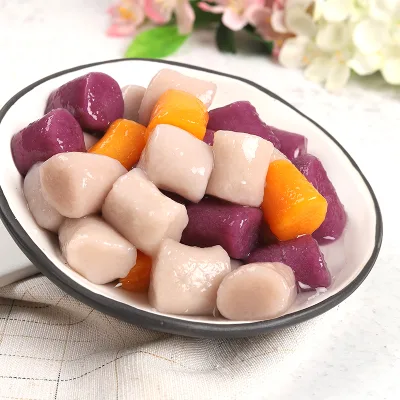
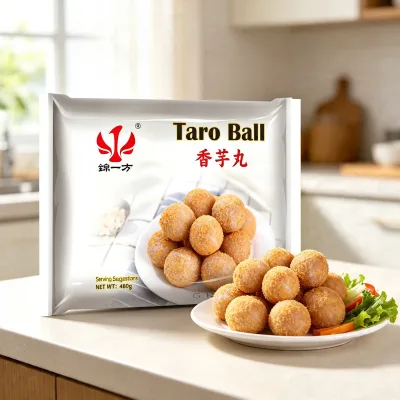
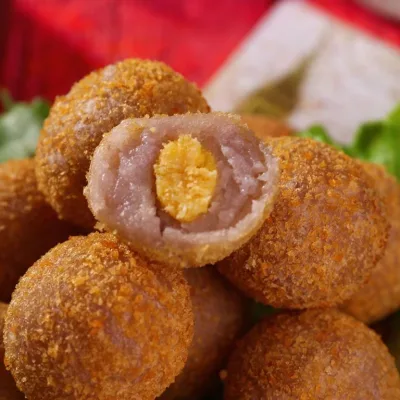
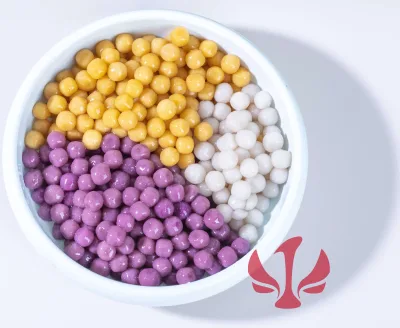
Current data indicates that verified suppliers for Frozen Taro Balls are concentrated in specific Chinese provinces, with Fujian and Shandong emerging as primary manufacturing hubs. In Fujian, the supplier base includes both trading companies and manufacturers capable of handling IQF (Individually Quick Frozen) processing for various frozen vegetables and seafood. These facilities often operate under established brand names like Sinocharm, offering a mix of OEM and own-brand production capabilities. The presence of multiple product lines, including IQF frozen mixed vegetables and taro, suggests a robust infrastructure for frozen food processing in this region. Buyers should look for suppliers explicitly listing these locations to ensure proximity to established cold chain logistics and processing facilities.
In contrast, Shandong-based suppliers often present as trading companies with a focus on export-oriented frozen products. These entities frequently list certifications such as BRC, HACCP, and Kosher, indicating a readiness for international markets. While some suppliers in this region may not own the processing factories directly, they often maintain strong relationships with local manufacturers to ensure consistent supply. The distinction between a pure trading company and a manufacturer is critical, as manufacturers typically offer more direct control over processing parameters like IQF speed and storage temperatures. Buyers must verify whether the supplier is the actual producer or an intermediary to accurately assess quality control capabilities and customization potential for specific taro ball specifications.
How to Verify Frozen Taro Balls Suppliers
Verification begins with checking for recognized system certifications that validate food safety and quality management standards. Available data shows suppliers holding BRC, ISO 9001, HACCP, Halal, and Kosher certifications, which are essential for exporting to regulated markets. These certifications are not merely marketing claims but require rigorous third-party audits to maintain. Buyers should request current certification documents and verify their validity dates, as expired credentials can lead to shipment rejections at customs. Additionally, some suppliers display verification badges from groups like SGS, which adds a layer of confidence regarding the supplier's business legitimacy and operational history.
Beyond certifications, buyers must assess the supplier's response time and verification status to gauge reliability. Data indicates response times ranging from 1 to 1.72 hours, which serves as a proxy for operational efficiency and communication readiness. A faster response time often correlates with a more active sales team and better supply chain management. Furthermore, checking the supplier's company type is vital; distinguishing between a manufacturer and a trading company helps determine who holds the inventory and who manages the production process. Buyers should also confirm the supplier's ability to provide samples and their specific processing capabilities, such as IQF technology, to ensure the final product meets the required texture and quality standards for Frozen Taro Balls.
What to Compare Across Frozen Taro Balls Suppliers
When evaluating potential partners, lead time and minimum order quantity (MOQ) are critical commercial variables that differ significantly across the supplier base. Some suppliers list a standard lead time of 15 days, while others specify delivery windows of 7 to 21 days or even under 25 days depending on order volume and seasonality. MOQs can vary from small batches of 10 units to large industrial orders requiring 12 tons, reflecting the scale of operation and production capacity. Buyers must align their order volume with these constraints to avoid unnecessary costs or production delays. Comparing these metrics helps identify suppliers that can accommodate both trial orders and large-scale procurement needs without compromising delivery schedules.
Price and customization options form another essential comparison dimension for Frozen Taro Balls. Market data reveals price ranges between 500 and 1250 units per kilogram, influenced by factors such as certification levels, packaging requirements, and processing methods. Suppliers offering customization for packaging, such as 10kg cartons or client-specific requirements, provide greater flexibility for branding and logistics. Additionally, the availability of different taro styles, including whole, sliced, diced, or ball shapes, allows buyers to select products that fit their specific application. Buyers should compare the total cost of ownership, including packaging and shipping, rather than focusing solely on the unit price, to ensure the selected supplier offers the best value for their specific operational requirements.
Common Frozen Taro Balls Sourcing Risks
One significant risk involves the inconsistency of product specifications, particularly regarding size and processing style. While some suppliers offer standardized sizes like 3x3mm cubes or specific ball shapes, others may have variable grading standards that affect the final product quality. The data shows variations in product standards, such as SS: 8-12G or S: 12-19G, which can lead to confusion if not clearly defined in the purchase order. Buyers must explicitly state their required specifications to avoid receiving products that do not meet their processing or retail needs. Failure to define these details can result in rejected shipments or additional costs for sorting and reprocessing upon arrival.
Another critical risk is the reliability of the cold chain and storage conditions during transit. Frozen Taro Balls require strict storage temperatures below -18°C to maintain quality and prevent thawing or ice crystal formation. While suppliers list these storage requirements, the actual handling during shipping depends on the logistics provider and the supplier's packaging integrity. Inadequate packaging or temperature fluctuations can degrade the product, leading to quality issues that are difficult to reverse once the goods arrive. Buyers should verify the supplier's packaging standards, such as the use of plastic cartons and bulk packaging, and ensure that the shipping terms include provisions for temperature monitoring to mitigate these risks effectively.
Frozen Taro Balls Regional Sourcing and Logistics
Sourcing from Fujian offers distinct advantages due to its established infrastructure for frozen food processing and export. Suppliers in this region often have direct access to major ports and a well-developed network of cold chain logistics, facilitating efficient shipping to international destinations. The concentration of manufacturers in Fujian allows for streamlined production and quality control, as many facilities specialize in IQF processing for a wide range of vegetables and seafood. Buyers sourcing from this region can benefit from the local expertise in handling frozen products, ensuring that the taro balls maintain their structural integrity and quality throughout the supply chain.
Conversely, sourcing from Shandong provides access to a different set of logistical capabilities and supplier profiles. This region is known for its strong agricultural base and export-oriented trading companies that facilitate global trade. Suppliers here often emphasize certifications like Kosher and Halal, catering to specific market demands. The logistics network in Shandong is robust, with many suppliers experienced in handling large-volume shipments to various global markets. Buyers should consider the specific port of departure and the associated shipping costs when choosing between regions, as these factors can significantly impact the overall cost and delivery timeline. Understanding the regional strengths helps buyers optimize their supply chain strategy for Frozen Taro Balls.
Frozen Taro Balls Commercial Terms and Order Planning
Order planning for Frozen Taro Balls requires careful attention to delivery timeframes and payment terms to ensure smooth transactions. Suppliers typically offer delivery times ranging from 7 to 25 days, depending on the order size and production schedule. Buyers must factor in these lead times when planning their inventory to avoid stockouts or overstocking. Additionally, some suppliers may require specific payment terms or escrow services to protect both parties during the transaction. Understanding these commercial terms is essential for managing cash flow and ensuring that the supplier can meet the agreed-upon delivery dates without delays.
Packaging and labeling requirements are also critical components of the commercial agreement for Frozen Taro Balls. Suppliers often provide standard packaging options like 10kg cartons but may offer customization based on client requirements. Buyers should confirm the packaging specifications, including material type and labeling details, to ensure compliance with destination market regulations. Furthermore, the shelf life of the product, typically around 24 months, must be considered when planning long-term storage and distribution strategies. By aligning commercial terms with operational needs, buyers can establish a reliable supply chain that supports their business goals while minimizing risks associated with frozen food procurement.
FAQs
What certifications do frozen taro ball suppliers hold?
Suppliers typically hold BRC, ISO 9001, HACCP, Halal, and Kosher certifications. These credentials ensure compliance with international food safety standards. Buyers should verify specific certificates for their target markets. Some suppliers also display SGS verification. Always confirm the latest certification status before placing orders to ensure regulatory compliance.
What is the typical lead time for frozen taro orders?
Lead times generally range from 7 to 21 days for standard production runs. Some suppliers offer delivery within 10 to 15 days for specific block styles. Others may require up to 25 days depending on order volume. Buyers should confirm exact timelines with the supplier. Early communication helps manage inventory planning effectively.
What is the minimum order quantity for frozen taro?
Minimum order quantities vary by supplier and product style. Some suppliers require a minimum of 10 units for standard packaging. Others may set higher thresholds, such as 12 tons for bulk block exports. Buyers should check specific product listings for exact MOQs. Smaller orders may incur higher per-unit costs.
Where are frozen taro suppliers located?
Major suppliers are located in China, specifically in Fujian and Shandong provinces. These regions are known for agricultural production and processing capabilities. Buyers can source from both trading companies and manufacturers. Location impacts shipping logistics and lead times. Verify the exact origin for quality and traceability requirements.
What is the price range for wholesale frozen taro?
Prices typically range from $500 to $1,500 per unit or ton, depending on specifications. Specific products like peeled taro balls may cost between $1,150 and $1,250. Prices vary based on certification, packaging, and order volume. Buyers should request detailed quotes for accurate budgeting. Market fluctuations may affect final pricing.
How quickly do suppliers respond to inquiries?
Response times are generally fast, averaging around 1 to 1.72 hours. This indicates active customer service teams ready to assist buyers. Quick responses help streamline the sourcing process. Buyers should expect timely replies during business hours. Faster response times often correlate with better communication throughout the order lifecycle.