Full Face Diving Mask Suppliers and Manufacturers
Compare 23 verified suppliers of full face diving masks by location, lead time, and certifications. Review product specs like CE standards and customization options before requesting quotes to verify pricing and MOQ details for your specific needs; review the available evidence before requesting comparable quotations from suitable candidates.
Updated
Suppliers List

Jiangsu Baizhou Safety Technology Co., Ltd.
- Combined
- China Jiangsu
- Lead time15 days
- Avg. response≤ 4h
Main productsLife Jacket, Inflatable Life Jacket, Life Buoy, Rescue Tube, FRP Box, Fire Hose Box, Scba
Main marketsSouth America,Africa,Southeast Asia/ Mideast,East Asia(Japan/ South Korea),Domestic,Europe,Australia,North America

Dongguan Hongjun Sports Goods Co., Ltd.
- Verified by BV
- Manufacturer/Factory
- China Guangdong
- Lead time23 days
- Avg. response≤ 11h
Main productsDiving Equipment, Diving Mask, Snorkel, Diving Goggles, Diving Fins, Scuba Equipment, Scuba Gear, Swimming Goggles, Swimming Cap, Silicone Product
Main marketsSouth America,Eastern Europe,Mid East,North America,Southeast Asia,Eastern Asia,Oceania,Western Europe,Africa


$7.59 - $8.00
MOQ: 300 Pieces

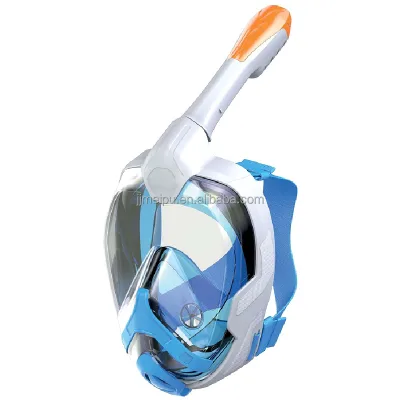
Wholesale Full Face Snorkel Mask Anti-Fog No Leaking Snorkeling Diving Mask
$7.59 - $8.00
MOQ: 300 Pieces

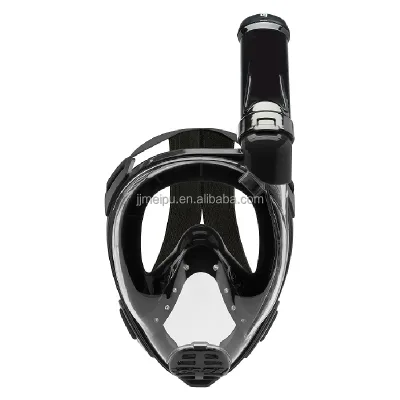
Dry Diving Swimming Free to Breathing 180 Wide View Anti Leak Full Face Snorkel Mask
$7.59 - $8.00
MOQ: 300 Pieces

Shenzhen Zhifengda Sports Co., Ltd.
- Verified by SGS
- Manufacturer/Factory
- China Guangdong
- Lead time0 days
- Avg. response≤ 8h
Main productsSwim Goggles, Swim Cap, Board Shorts, Swimwear, Swim Trunk, Sports Cap, Mesh Bag, Diving Mask
Main marketsSouth America,Eastern Europe,North America,Oceania,Western Europe


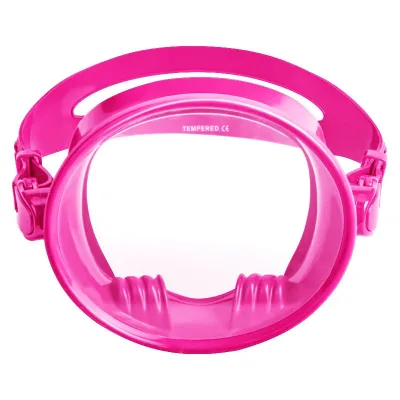
Junior Scuba Full Dry Diving Mask Snorkeling for Children Diving Equipment
$3.08 - $7.38
MOQ: 300 Sets
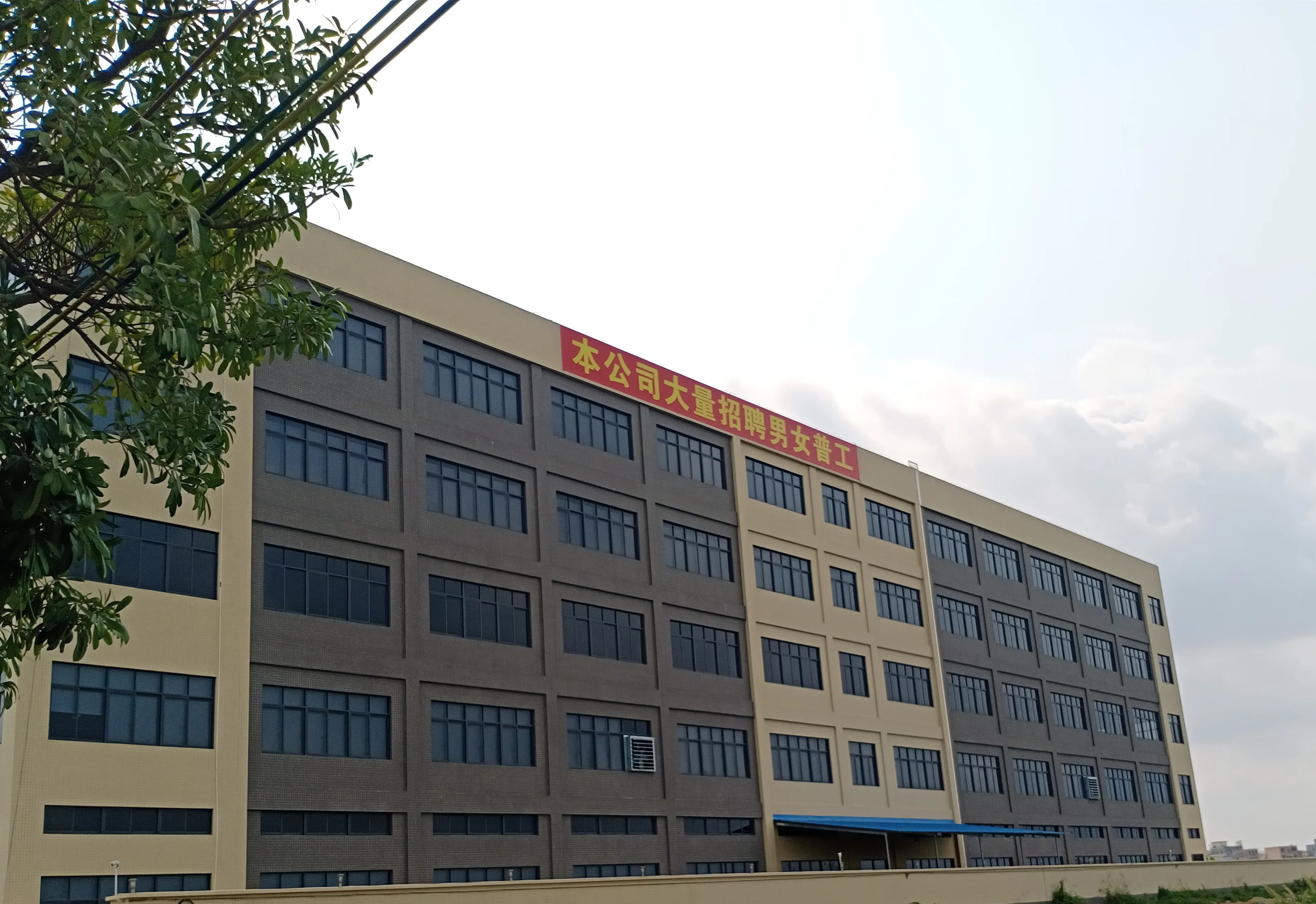
Huizhou Lucky Stone Technology Co., Ltd.
- Manufacturer, Trading Company
- Guangdong, China
- Lead time15 days
- Avg. response≤ 5h
Main productsRoller Skates,Scooters,Bikes,Camping&Hiking
Main marketsNorth America(40.00%), Domestic Market(17.00%), Northern Europe(10.00%), Oceania(10.00%), Eastern Europe(10.00%), Mid East(8.00%), South America(5.00%)
Narwhal Technology (dongguan) Co., Ltd.
- Verified by Intertek
- Manufacturer, Trading Company
- Lead time20 days
- Avg. response≤ 6h
Main productsDiving Regulator, Diving BCD; , Diving Hose, Diving Gear
Main marketsDomestic Market(33%), Southeast Asia(25%), Eastern Europe(15%)
Desaifu Precision Measuring Instrument (shenzhen) Co., Ltd.
- Verified by SGS Group
- Manufacturer, Trading Company
- Lead time30 days
- Avg. response≤ 6h
Main productsThermal Imager, Hardness Tester, Viscometer, Electric Surfboard, Diving Equipment

Ningbo Mingni Import And Export Co., Ltd.
- Verified by SGS
- Manufacturer/Factory
- China Zhejiang
- Lead time23 days
- Avg. response≤ 3h
Main productsWindow Handle, Door Handle, Hinge, Gas Cooker Knob, Oven Knob, Name Plate, Cabinet Handle, Bathroom Hardware, Auto Parts
Main marketsSouth America,Eastern Europe,North America,Western Europe


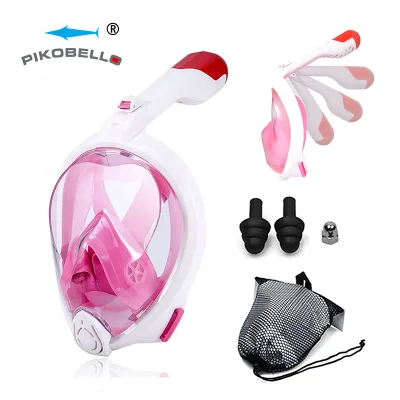
180 Scuba Breath Folding Full Face Swimming Snorkel Mask with Double Diving Equipment
$14.50 - $16.50
MOQ: 100 Pieces


Snorkeling Dry Diving Equipment Swimming Full Face 180 Snorkel Diving Mask
$5.50 - $7.00
MOQ: 100 Pieces

Shenzhen Pengyifa Precision Mould co., Ltd.
- Verified by TUVRHEINLAND
- Combined
- China Guangdong
- Lead time45 days
- Avg. response≤ 2h
Main productsSki Goggles, Snow Goggles, Swimming Goggles, Swimming Caps, Sporting Sunglasses, Swimming Accessories, Swimming Paddles, Nose Clips, Swim Goggles, Swimming Float
Main marketsSouth America,Southeast Asia/ Mideast,Europe,Australia,North America
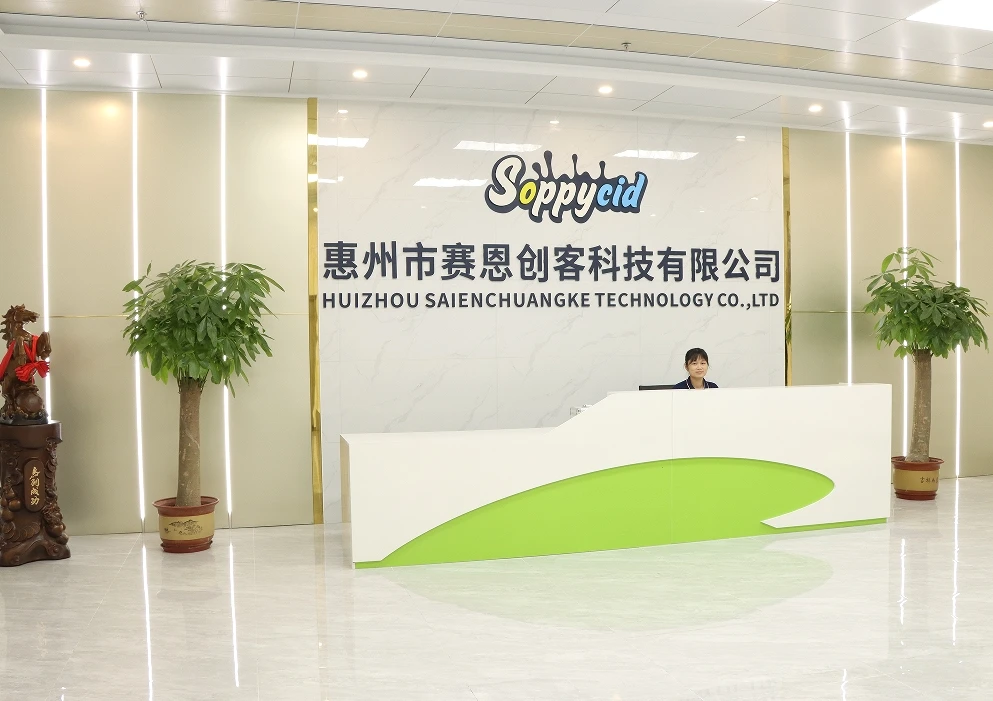
Huizhou Saienchuangke Technology Co., Ltd.
- Manufacturer
- Guangdong, China
- Lead time15 days
- Avg. response≤ 5h
Main productsSilicone Storage Bag,Custom Silicone Products,Swimming & Diving Products,Snorkeling Mask Full Face,Diving / Freediving Mask
Main marketsNorth America(40.00%), Eastern Europe(30.00%), South America(15.00%), Oceania(5.00%), Southeast Asia(5.00%), Africa(4.00%), Mid East(1.00%)
Shenzhen Cadomi Technology Co., Ltd.
- Manufacturer, Trading Company, Other
- Guangdong, China
- Lead time15 days
- Avg. response≤ 7h
Main productswater freight,winter sports,sports bag,Outdoor sports,Indoor activities
Main marketsDomestic Market(40.00%), North America(25.00%), Southeast Asia(20.00%), Mid East(8.00%), South Asia(3.00%), South America(2.00%), Central America(2.00%)

Telamon Sports Goods (Shanghai) Co., Ltd.
- Verified by BV
- Trading Company
- China Shanghai
- Lead time15 days
- Avg. response≤ 11h
Main marketsNorth America
Dongguan Huayi Sport Articles Co., Ltd.
- Manufacturer
- Guangdong, China
- Lead time25 days
- Avg. response≤ 5h
Main productsSwimming Goggles,Swimming Cap,Diving Mask,Snorkel,Fins
Main marketsEastern Asia(100.00%), Africa(100.00%), South America(53.00%), Domestic Market(11.00%), North America(7.00%), Eastern Europe(7.00%), Southeast Asia(5.00%), South Asia(5.00%), Oceania(4.00%), Western Europe(3.00%), Mid East(2.00%), Southern Europe(1.00%), Northern Europe(1.00%), Central America(1.00%)
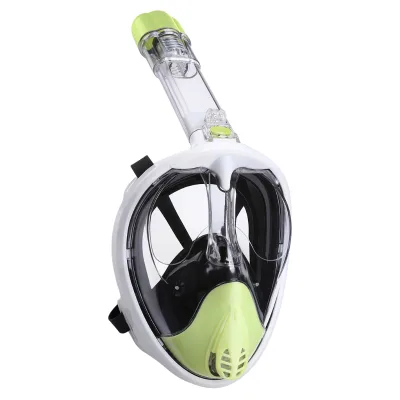
Hot Selling Anti Fog Waterproof Diving Equipment Full Face Diving Mask With Dry Top Snorkel
$7.68 - $7.85
MOQ: 200 sets
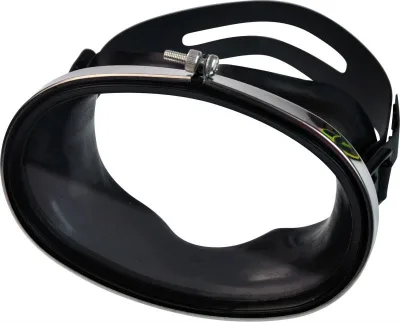
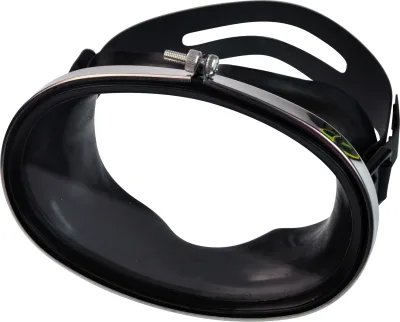
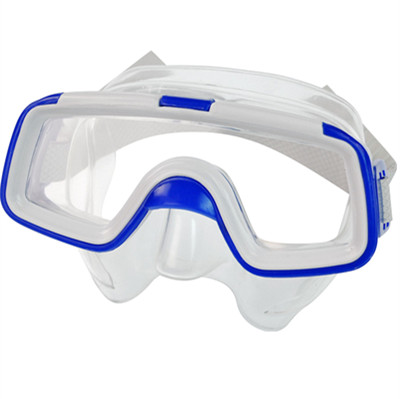
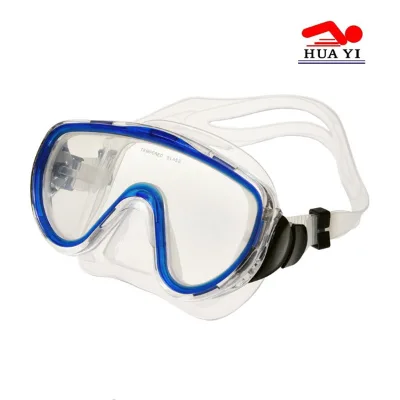
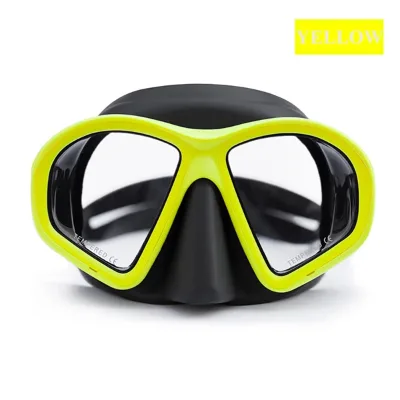
2022 New Snorkeling Mask Water Sport Silicone Diving Mask Adult Diving Mask
$3.58 - $3.62
MOQ: 200 pieces

Shenzhen Reanson Products Co., Ltd.
- Manufacturer/Factory
- China Guangdong
- Lead time90 days
- Avg. response≤ 16h
Main productsSkiing Goggle, Swimming Goggle, Diving Mask, Diving Fins, Snorkel, Textile Swimming Cap, Silicone Swimming Cap, PU Coating Swimming Cap, Hand Paddle, Swimming Training Products
Main marketsNorth America,Eastern Asia,Oceania,Western Europe
Dongguan Xiale Sports Goods Co., Ltd.
- Verified by Intertek
- Manufacturer, Trading Company
- Lead time15 days
- Avg. response≤ 7h
Main productsDiving Mask, Snorkel Tube, Swimming Goggles, Swimming Caps
Main marketsNorth America(30%), Oceania(30%), Western Europe(20%)
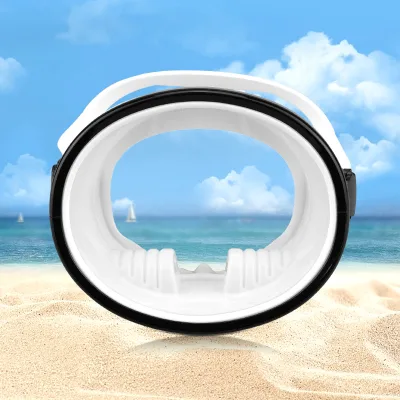
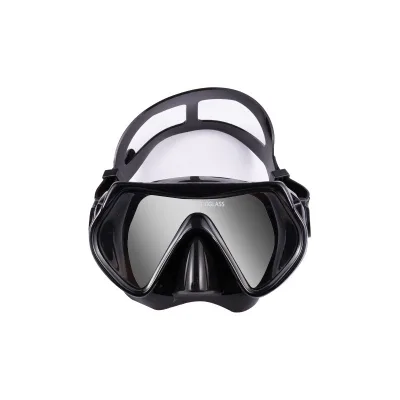
$6.349 - $7.3738
MOQ: 10 pieces
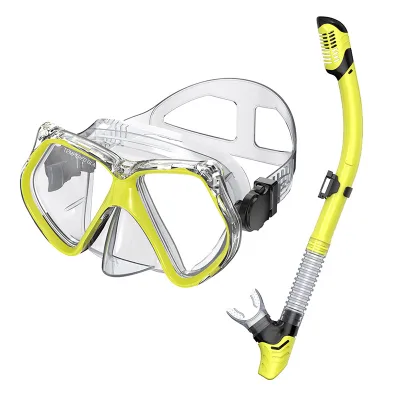
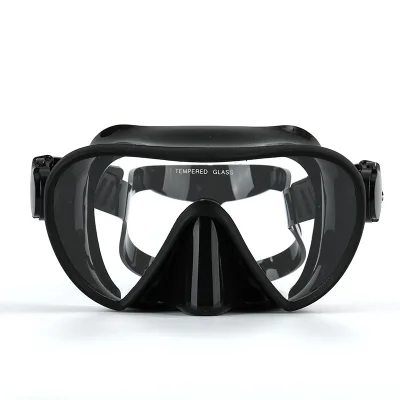

Shanghai Yongjia International Trading Co., Ltd.
- Trading Company
- China Shanghai
- Lead time30 days
- Avg. response≤ 12h
Main productsExhibition Booth, Light Box, Glasses, Trade Show Stands, Tent, Pop up Stands
Main marketsSouth America,Africa,Southeast Asia/ Mideast,East Asia(Japan/ South Korea),Domestic,Europe,Australia,North America
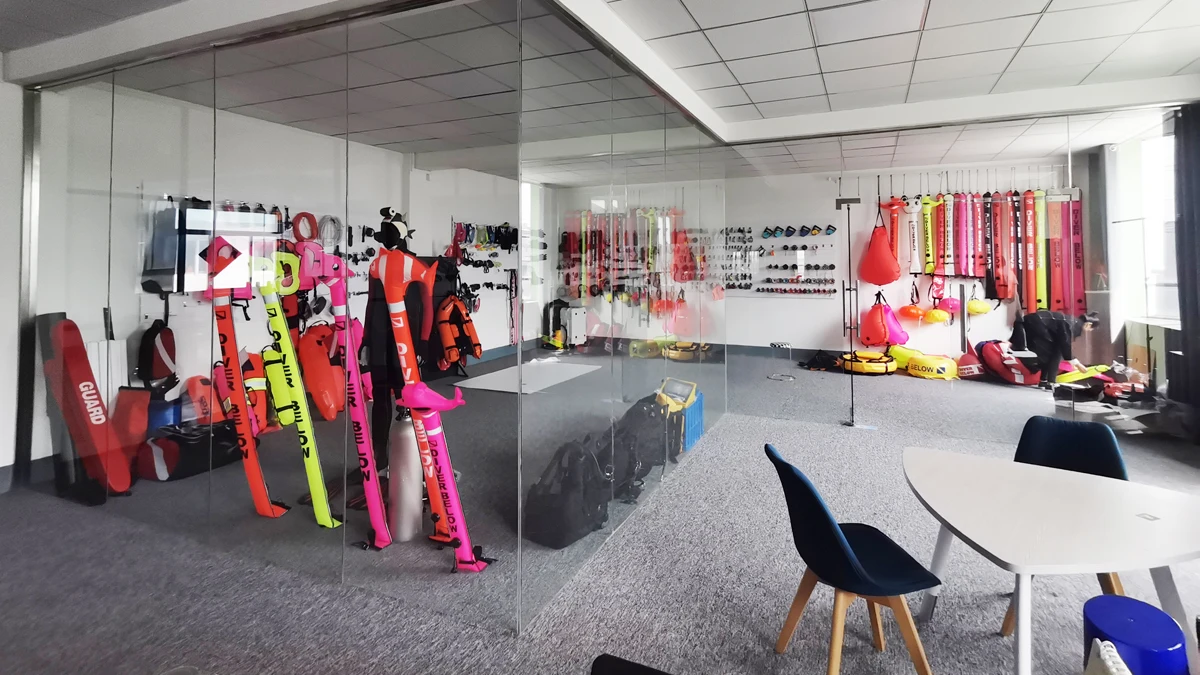
DiveDIY Technology (Shanghai) Co., Ltd.
- Trading Company
- Shanghai, China
- Lead time20 days
- Avg. response≤ 3h
Main productsDiving Products,Spearfishing Products,Commercial Rescue Products,Surface marker buoy,Spearfishing knife
Main marketsCentral America(18.00%), South America(16.00%), North America(15.00%), Western Europe(10.00%), Southern Europe(10.00%), Northern Europe(10.00%), Southeast Asia(6.00%), Domestic Market(5.00%), Eastern Europe(5.00%), South Asia(3.00%), Eastern Asia(2.00%)
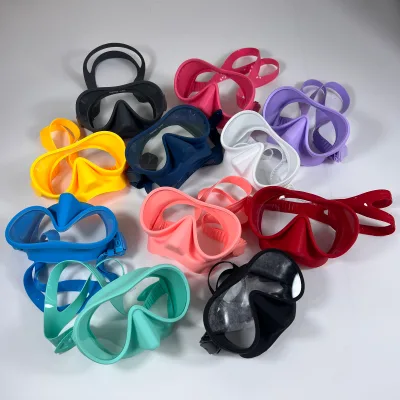
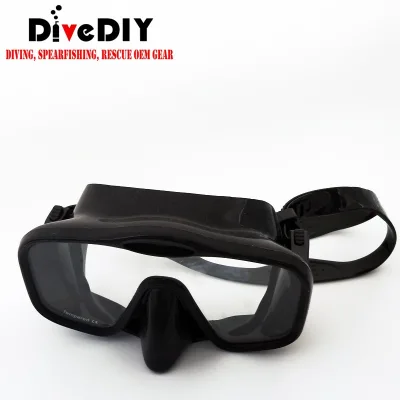
Advanced Anti Fog Diving Mask for Scuba Diving Snorkeling Free Diving and Swimming
$8.6723 - $9.8571
MOQ: 30 pieces
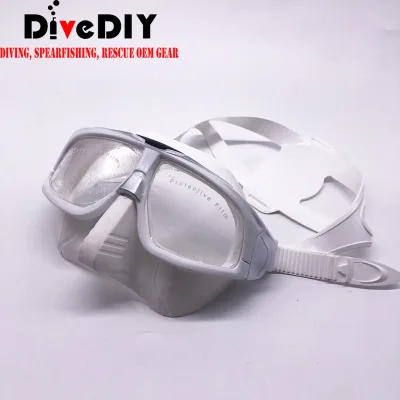
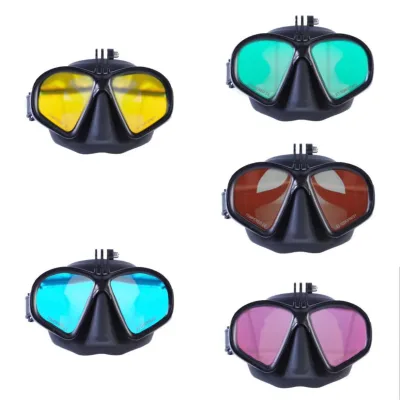
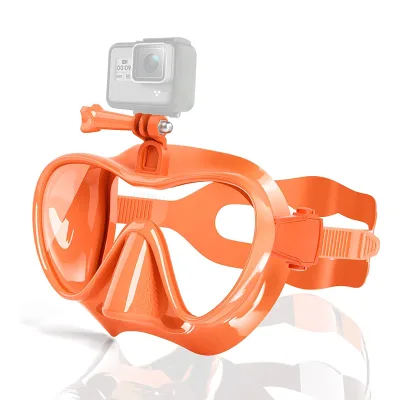
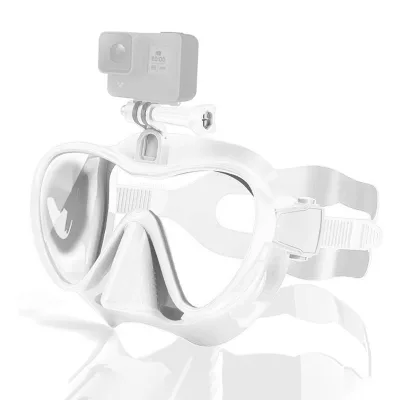
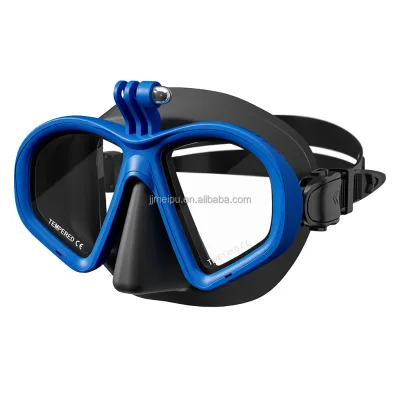
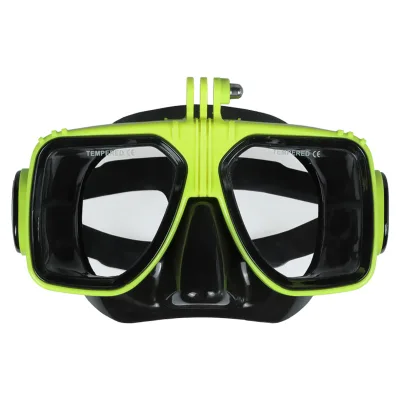
Diving Low Volume Spearfishing Freediving Mask Tinted Color Lens with Dive Camera Bracket Mount
$10.0426 - $10.5034
MOQ: 50 pieces
- Trading Company
- Guangxi, China
- Lead time0 days
- Avg. response≤ 1h
Main productsDiving Mask,Full Face Diving Mask,Swimming Goggles,Swimming Cap,Fins
Main marketsSoutheast Asia(40.00%), South America(20.00%), North America(20.00%), Eastern Europe(2.00%), South Asia(2.00%), Southern Europe(2.00%), Northern Europe(2.00%), Central America(2.00%), Western Europe(2.00%), Eastern Asia(2.00%), Mid East(2.00%), Oceania(2.00%), Africa(2.00%)
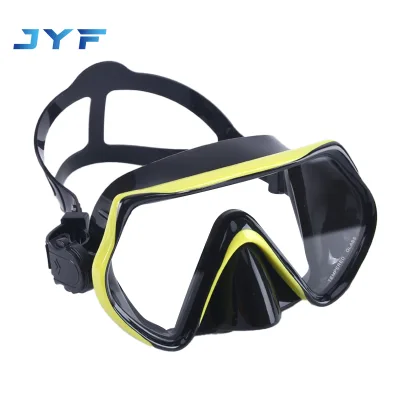
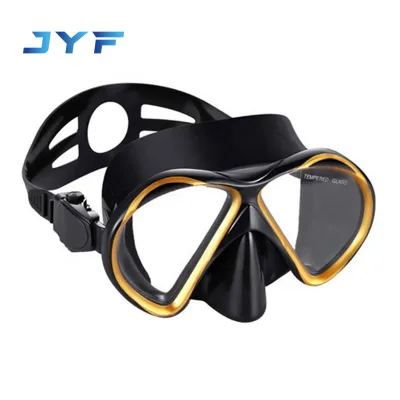
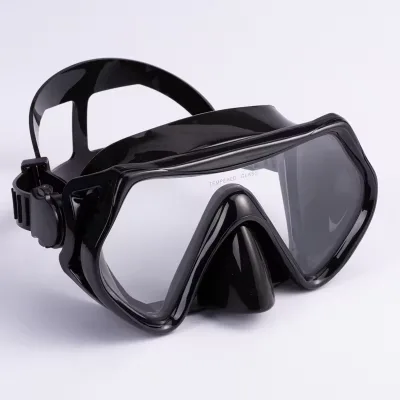
Hot Style JYF Brand Neoprene Diving Masks Wholesasale Corrected Diving Masks
$4.23 - $4.89
MOQ: 50 pieces
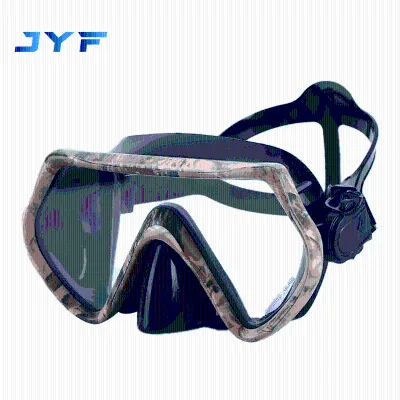
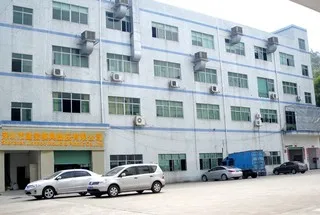
Customized Mask for Diving Scuba Pro Dive Equipment Silicon Mask for Diving Activity
$4.3848 - $5.2839
MOQ: 500 pieces
Shenzhen Jianbao Mould & Plastic Co., Ltd.
- Manufacturer
- Guangdong, China
- Lead time7 days
- Avg. response≤ 10h
Main productsSwimming goggles,Swimming cap,diving mask,snorkel,diving fins
Main marketsNorth America(23.32%), Eastern Europe(21.23%), South America(13.65%), Western Europe(11.32%), Southeast Asia(11.27%), Mid East(5.00%), Northern Europe(3.36%), Central America(2.36%), Eastern Asia(2.32%), Southern Europe(1.69%), Oceania(1.57%), South Asia(1.56%), Africa(1.35%)
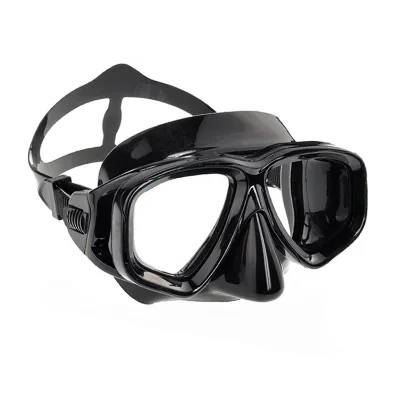
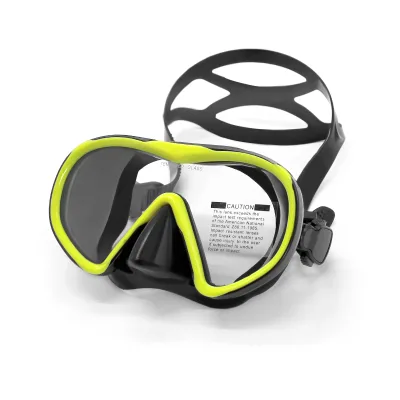
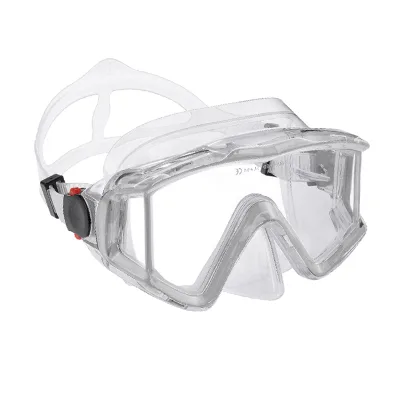
Professional Safety Anti Leak Scuba Diving Mask Mares Diving Equipment Snorkeling Mask
$5.0729 - $6.1486
MOQ: 2 pieces
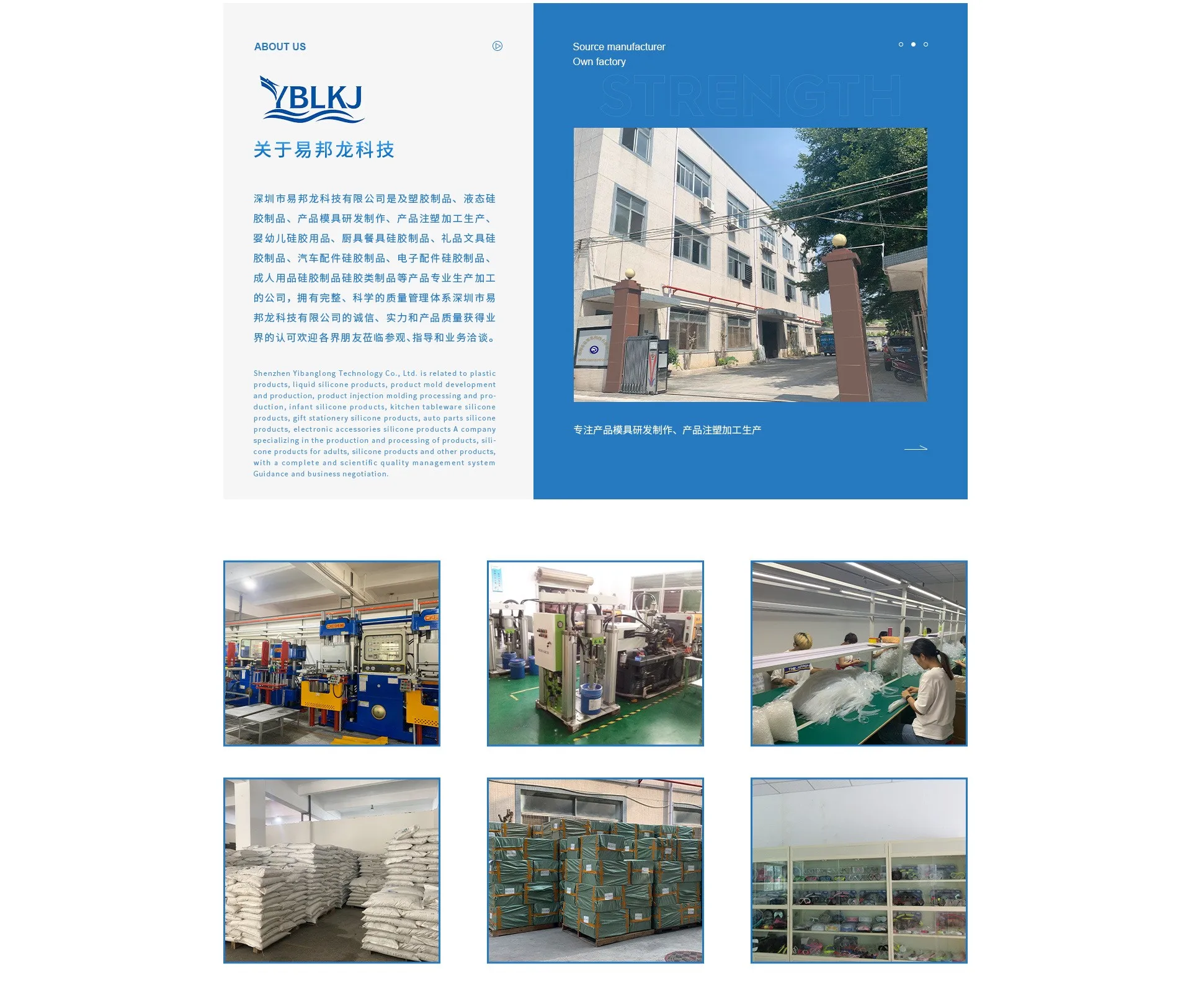
Shenzhen Yibanglong Technology Co., Ltd.
- Manufacturer, Trading Company
- Guangdong, China
- Lead time10 days
- Avg. response≤ 1h
Main productsSwimming Caps,Swimming Goggles,Diving Mask,Diving Snorkel,Diving Fins
Main marketsDomestic Market(50.00%), Southern Europe(10.00%), North America(10.00%), Eastern Europe(10.00%), South America(10.00%), Northern Europe(5.00%), Western Europe(5.00%)
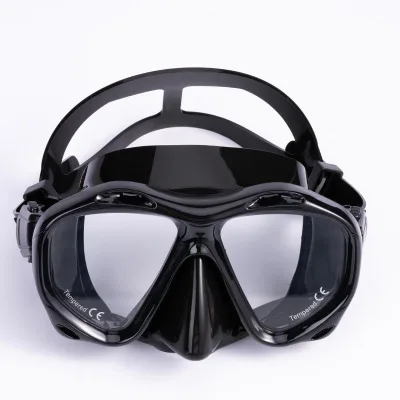
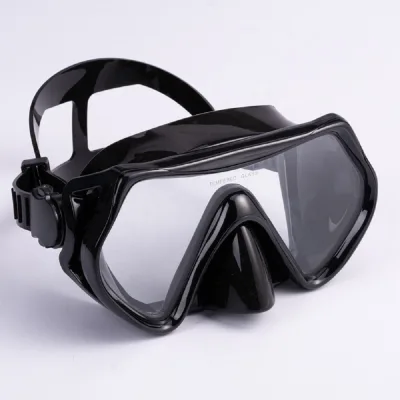
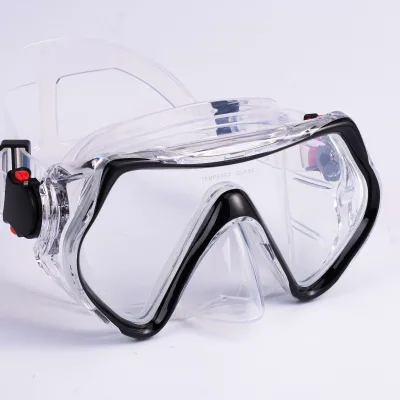
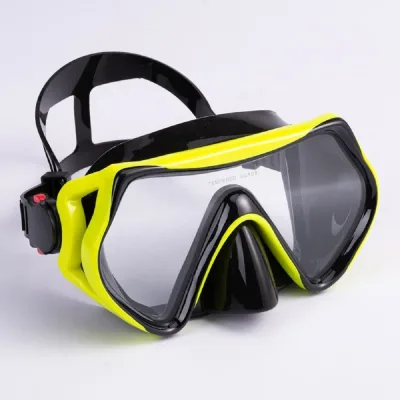
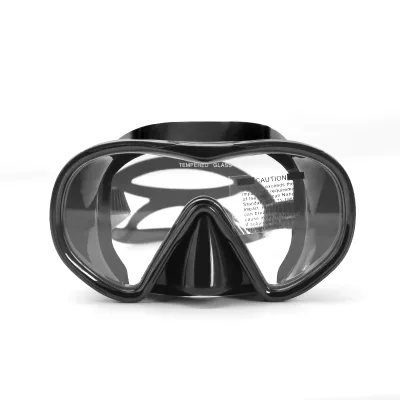
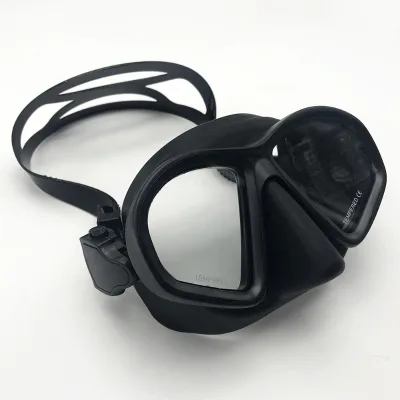
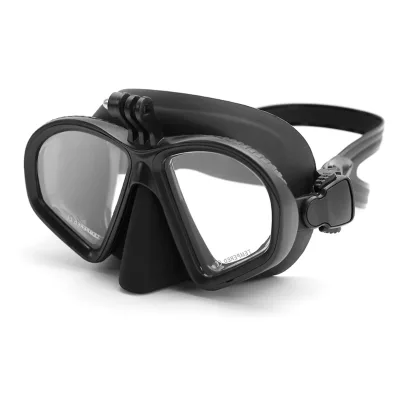
PVC and Tempered Glass Clear 2024 Best Selling Freediving Mask Low Volume Mask
$3.4647 - $5.2121
MOQ: 50 sets

DiveDPR Technology (Shanghai) Co., Ltd.
- Trading Company
- Shanghai, China
- Lead time20 days
- Avg. response≤ 3h
Main productsSCUBA DIVING,FREE DIVING,SPEARFISHING,MARINE RESCUE,DIVING
Main marketsNorthern Europe(15.00%), Central America(15.00%), South America(10.00%), North America(10.00%), Western Europe(10.00%), Eastern Asia(10.00%), South Asia(10.00%), Eastern Europe(10.00%), Southeast Asia(5.00%), Southern Europe(5.00%)
Jinjiang Meipu Clothing Co., Ltd.
- Manufacturer, Trading Company
- Fujian, China
- Lead time0 days
- Avg. response≤ 6h
Main productsBadminton Shuttlecock,Badminton,Shuttlecock,Badminton Racket,Badminton Grip Tape
Main marketsCentral America(100.00%), Mid East(100.00%), Southeast Asia(100.00%), South Asia(100.00%), North America(35.00%)
Shenzhen Yarui Technology Co., Ltd.
- Trading Company
- Guangdong, China
- Lead time15 days
- Avg. response≤ 3h
Main productsDiving Hard Boot,Diving Boots,Diving Upstream Boots,Neoprene Wader,Fishing Wader
Main marketsMid East(20.00%), North America(20.00%), Northern Europe(10.00%), Western Europe(10.00%), South America(10.00%), Southeast Asia(10.00%)
Dongguan City Guoyang Sports Equipment Co., Ltd.
- Manufacturer, Trading Company
- Lead time旺季: "1 - 2000":31,"> 2000":"To be negotiated", 淡季: "1 - 2000":31,"> 2000":"To be negotiated"
- Avg. response≤ 2h
Main productsDiving Mask, Diving Snorkel, Diving Fins






Comprehensive Sourcing Guide
Full Face Diving Mask Supplier Concentration and Factory Types
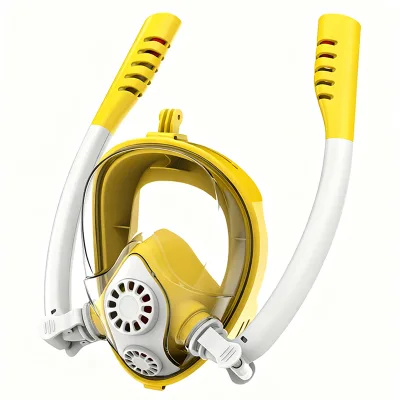
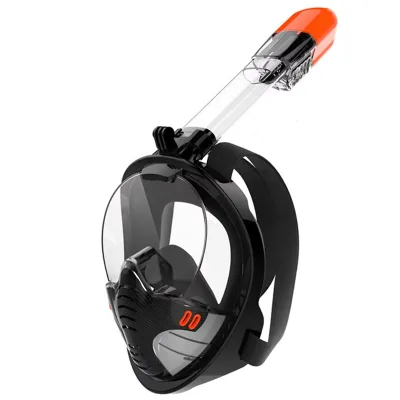
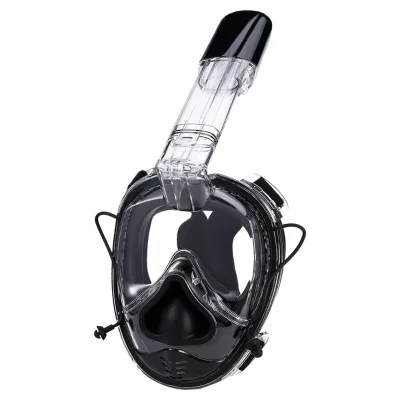
The current supplier landscape for full face diving masks reveals a distinct geographic concentration in China, with specific manufacturing hubs identified in Jiangsu and Guangdong provinces. These regions serve as primary centers for the production of water sports equipment, including life jackets, rescue tubes, and specialized diving gear. Suppliers in Jiangsu often operate as combined entities, offering a mix of trading and manufacturing capabilities, while those in Guangdong frequently present as dedicated manufacturers or factories. This structural difference is critical for buyers, as factory-type suppliers may offer more direct control over production processes and quality assurance protocols compared to combined companies that might source from third-party facilities. The presence of these specific locations indicates established industrial clusters where supply chains for silicone products, scuba equipment, and swimming accessories are mature. Buyers should recognize that the location data provided is a high-confidence fact, allowing for targeted logistical planning and regional risk assessment. Understanding whether a supplier is a manufacturer or a combined entity helps in predicting their flexibility regarding custom orders and their ability to handle large-scale production runs efficiently.
Within these clusters, the types of companies vary significantly in their operational focus and capacity. Some suppliers specialize in a broad range of water sports accessories, including swim goggles, caps, and board shorts, while others focus intensely on diving-specific equipment like full face masks and snorkels. The diversity in main products suggests that some factories have diversified their portfolios to maximize resource utilization, which can be beneficial for buyers seeking multiple items from a single source. However, it also requires careful verification to ensure that the supplier’s primary expertise aligns with the specific technical requirements of full face diving masks. The presence of both OEM and ODM capabilities across these suppliers indicates a market that supports both private labeling and custom design services. Buyers must assess whether the supplier’s primary product focus includes diving masks to ensure they have the necessary technical knowledge and production lines dedicated to this specific item, rather than treating it as a secondary offering. This distinction impacts the quality control measures and the depth of product knowledge available during the sourcing process.
How to Verify Full Face Diving Mask Suppliers
Verification of Full Face Diving Mask suppliers requires a multi-layered approach that goes beyond basic company profiles. Buyers should prioritize suppliers who hold recognized system certifications, such as ISO 9001:2015, ISO 14001:2015, and ISO 45001:2016, which indicate a structured approach to quality management, environmental responsibility, and occupational health and safety. Additionally, third-party verification badges like BV or SGS provide an independent layer of trust, confirming that the supplier’s business operations and product claims have been audited by external experts. These certifications are not merely decorative; they serve as evidence of a supplier’s commitment to standardized processes, which is crucial for products that involve safety-critical components like breathing systems in diving masks. Buyers should request copies of these certificates and verify their validity through the issuing bodies to ensure they are current and cover the specific manufacturing facilities involved in producing the diving masks. This step is essential for mitigating risks associated with substandard materials or unsafe manufacturing practices.
Beyond certifications, buyers must scrutinize the specific product attributes and compliance standards listed for the full face diving masks. Many suppliers list CE certification for their products, which is a mandatory conformity mark for products sold within the European Economic Area, indicating that the masks meet EU safety, health, and environmental protection requirements. Buyers should verify that the CE marking is legitimate and that the supplier can provide the necessary technical documentation to support this claim. Furthermore, checking for customization availability and specific material compositions, such as silicone, is vital for ensuring the product meets the end-user’s comfort and safety needs. Buyers should also inquire about the supplier’s response time, as a quick and professional response can indicate a well-organized sales and support team. It is advisable to ask for detailed product specifications, including weight, packaging details, and model numbers, to ensure transparency and consistency in the supply chain. This thorough verification process helps in building a reliable supplier base that can deliver high-quality, compliant products consistently.
What to Compare Across Full Face Diving Mask Suppliers
When evaluating multiple suppliers for full face diving masks, buyers should compare key operational metrics such as lead times, minimum order quantities (MOQs), and response speeds to determine the best fit for their business needs. Lead times can vary significantly, with some suppliers offering production cycles of 15 days, while others may require 23 days or even up to 30-45 days for complex custom orders. Understanding these timelines is crucial for inventory planning and meeting customer demand without excessive stockpiling. Similarly, MOQs can range from as low as 50 units to as high as 1000 units, depending on the supplier’s production capacity and business model. Buyers with smaller budgets or those testing new markets may prefer suppliers with lower MOQs, while those with established distribution networks might leverage higher volumes for better pricing. Comparing these metrics side-by-side allows buyers to identify suppliers that align with their specific operational constraints and growth strategies.
In addition to operational metrics, buyers should compare the range of main products and customization options offered by each supplier. Some suppliers specialize exclusively in diving equipment, while others offer a broader array of water sports accessories, which may indicate different levels of expertise and resource allocation. Customization options, such as logo printing, color variations, and packaging designs, are also critical differentiators. Buyers should assess the flexibility of each supplier in accommodating custom requests, as this can impact brand identity and market positioning. Response times are another important factor, with some suppliers responding within a few hours, while others may take longer. A faster response time can facilitate quicker decision-making and problem-solving during the sourcing process. By systematically comparing these attributes, buyers can create a shortlist of suppliers that offer the best balance of cost, quality, and service, ensuring a successful sourcing outcome for their Full Face Diving Mask requirements.
Common Full Face Diving Mask Sourcing Risks
One of the primary risks in sourcing full face diving masks is the potential for quality inconsistencies, particularly regarding the integrity of the breathing system and the seal around the face. Since these masks are safety-critical equipment, any defect in the silicone material or the valve mechanism can lead to serious safety hazards for users. Buyers must be vigilant in verifying the material composition and construction quality of the masks, as some suppliers may use lower-grade silicone that degrades quickly or causes skin irritation. Additionally, the risk of non-compliance with international safety standards, such as CE or other regional regulations, is significant. Buyers should ensure that the suppliers provide valid certification documents and that the products undergo rigorous testing to meet these standards. Failure to do so can result in product recalls, legal liabilities, and damage to the buyer’s reputation in the market. It is essential to conduct thorough due diligence to mitigate these quality and compliance risks effectively.
Another common risk is the discrepancy between quoted prices and final costs, which can arise from hidden fees, currency fluctuations, or changes in raw material costs. Buyers should be aware that some suppliers may offer low initial prices but charge extra for customization, packaging, or shipping. Additionally, lead time delays can disrupt supply chains, especially if the supplier faces production bottlenecks or logistical issues. Buyers should establish clear communication channels and regular updates to monitor production progress and address any potential delays promptly. Furthermore, the risk of intellectual property infringement exists if suppliers use proprietary designs or logos without authorization. Buyers should ensure that all customization agreements are clearly documented and that the supplier respects intellectual property rights. By identifying and addressing these risks proactively, buyers can protect their interests and ensure a smooth sourcing process for full face diving masks.
Full Face Diving Mask Regional Sourcing and Logistics
Sourcing full face diving masks from specific regions in China, such as Jiangsu and Guangdong, offers logistical advantages due to the established infrastructure and proximity to major ports. Jiangsu, known for its combined supplier types, may provide a balanced mix of trading and manufacturing services, while Guangdong, with its concentration of manufacturers, often offers more direct production capabilities. Buyers should consider the geographic location of their suppliers when planning logistics, as proximity to ports can reduce shipping times and costs. Additionally, the regional specialization in water sports equipment suggests that these areas have developed expertise in handling the specific packaging and handling requirements of diving masks, which are often fragile and require careful protection during transit. Understanding the regional strengths allows buyers to leverage local supply chain efficiencies and reduce overall logistics expenses.
Logistical planning also involves coordinating with suppliers to ensure that products are packed and labeled according to international shipping standards. Many suppliers offer various packaging options, such as clam shells, paper boxes, or cartons, which can impact the volume and weight of the shipment. Buyers should work with suppliers to optimize packaging to minimize shipping costs while ensuring product safety. Furthermore, buyers should be aware of any regional trade regulations or export restrictions that may apply to diving equipment. Coordinating with freight forwarders who have experience in handling water sports equipment can help streamline the logistics process and ensure timely delivery. By integrating regional sourcing strategies with efficient logistical planning, buyers can enhance their supply chain resilience and reduce the risk of delays or damage during transit.
Full Face Diving Mask Commercial Terms and Order Planning
Commercial terms for Full Face Diving Mask orders often include specific payment conditions, warranty policies, and after-sales support structures that buyers must carefully review. Buyers should negotiate clear terms regarding payment milestones, such as deposits and balance payments upon shipment, to manage cash flow and mitigate financial risks. Additionally, understanding the warranty period and return policies for defective products is crucial, as it provides a safety net in case of quality issues. Buyers should also inquire about the supplier’s capacity for handling large orders and their ability to scale production during peak seasons. This information is vital for planning order volumes and ensuring that the supplier can meet demand without compromising quality or delivery times. Establishing strong commercial terms helps in building a stable and predictable supply relationship.
Order planning for full face diving masks should also consider the customization lead times and the complexity of the design requirements. Custom orders, such as those with specific logos or packaging, may require additional time for production and quality checks. Buyers should factor these lead times into their inventory planning to avoid stockouts or overstock situations. Furthermore, buyers should maintain open communication with suppliers to stay informed about any changes in production schedules or material availability. Regularly reviewing order performance and providing feedback to suppliers can help improve the overall sourcing process and foster a collaborative partnership. By integrating commercial terms with strategic order planning, buyers can optimize their supply chain operations and achieve better business outcomes for their Full Face Diving Mask products.
FAQs
What is the price range for full face diving masks?
Prices for full face diving masks typically range from $5.80 to $14.80 per unit. The cost varies based on specific features, materials, and customization options. Buyers should check the minimum order quantity to determine the final per-unit price for their specific order volume.
What certifications do these masks have?
Most full face diving masks listed carry CE certification for product safety. Suppliers often hold ISO9001:2015, ISO14001:2015, and ISO45001:2016 system certifications. These credentials ensure manufacturing standards are met. Buyers should verify specific product certificates before placing large orders.
What is the typical lead time for orders?
Lead times generally range from 15 to 30 days for standard production. Some suppliers offer a 15-day lead time, while others may require up to 45 days for customized or junior models. Buyers should confirm the exact timeline with the supplier before finalizing the purchase agreement.
What is the minimum order quantity (MOQ)?
Minimum order quantities vary significantly, ranging from 50 to 1000 units. Lower MOQs are often available for specific models or standard colors. Higher volumes may be required for custom branding or specialized designs. Buyers should check the specific product page for the exact MOQ requirements.
Where are these masks manufactured?
Manufacturing locations are primarily in China, specifically in Jiangsu and Guangdong provinces. These regions are known for producing diving equipment and related accessories. Buyers can verify the origin of the product on the supplier listing to ensure it meets their sourcing preferences.
Can I customize the diving masks?
Customization is available for many Full Face Diving Mask models. Buyers can often request custom logos, colors, and packaging options. OEM and ODM services are offered by several suppliers. Contact the supplier directly to discuss specific customization requirements and any associated costs or lead time impacts.