Himalayan Pure Shilajit Resin Suppliers and Manufacturers
Explore 29 verified options for Himalayan Pure Shilajit Resin from Shaanxi and Fujian. Compare response times, lead times, certifications, and MOQs to select the right partner. Contact suppliers directly to request samples and confirm specifications; review the available evidence before requesting comparable quotations from suitable candidates.
Suppliers List
Xian Bright Future Biotech Co., Ltd.
- Manufacturer, Trading Company
- Shaanxi, China
- Lead time7 days
- Avg. response≤ 9h
Main productsHerbal Extract,Food Ingredient,Cosmetic Raw Material,Vitamins &Amino Acid,Oils&Oleoresin
Main marketsSouth America(20.00%), Southeast Asia(20.00%), Western Europe(15.00%), Mid East(10.00%), North America(10.00%), Southern Europe(5.00%), Northern Europe(5.00%), Eastern Asia(5.00%)
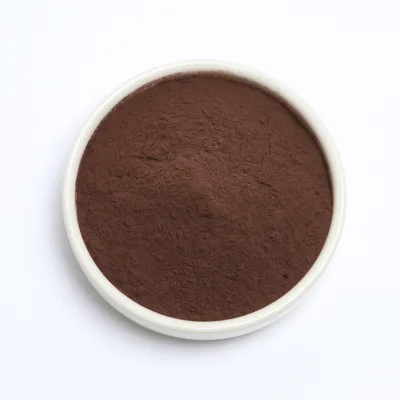
Natural Shilajit Resin Shilajit-Resin-Coa Shilajit Original 1 kg Resin
$20.00 - $30.00
MOQ: 100 kilograms

Fujian Herbal Treasure Bioengineering Co., Ltd.
- Verified by SGS
- Combined
- China Fujian
- Lead time30 days
- Avg. response≤ 8h
Main productsMushroom Coffee, Instant Coffee, Health Supplement Coffee, Gummy, Hericium Ericium
Main marketsNorth America


Genuine Himalayan Shilajit Resin Natural Shilajit Supplement
MOQ: 500 bottles


- Verified by BV
- Trading Company
- China Shaanxi
- Lead time15 days
- Avg. response≤ 3h
Main productsTianeptine Sodium, Tianeptine Sulfate, Tianeptine Free Acid, Melanotan 2, Mt2 Raw Powder, Mt2 Nasal Spray, Peptide Products, Shilajit Resin, Phenibut, API
Main marketsNorth America


Pure Himalayan Organic Shilajit Resin for Supports Immune System Boosts Metablism Resin
$2.00 - $3.50
MOQ: 100 Pieces
Xi'an Gawen Biotechnology Co., Ltd.
- Trading Company
- Lead time旺季: "1 - 100":10,"> 100":"To be negotiated", 淡季: "1 - 100":10,"> 100":"To be negotiated"
- Avg. response≤ 3h
Main productsPlant Extracts, Food Ingredients, Health Ingredients, Fruit Powders & Natural Colorings, Probiotics & Functional Blends
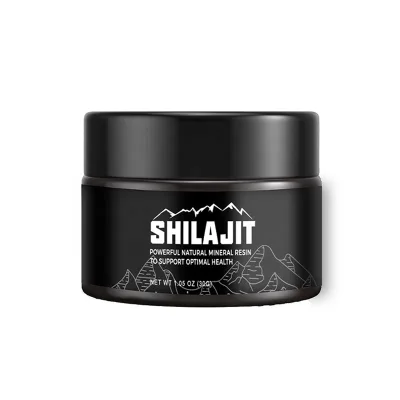
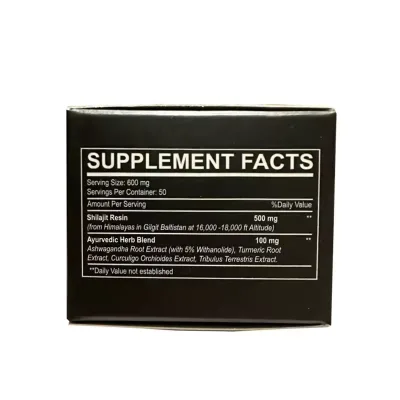
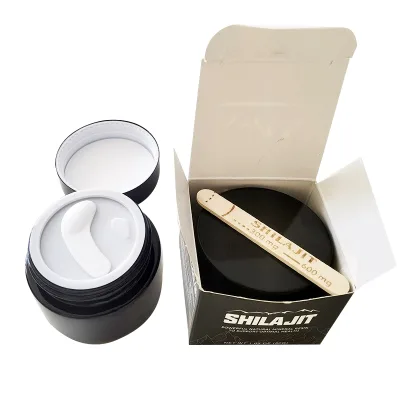
OEM Shilajit Gold Himalayan Shilajit Resin Pure Organic Mountain Blood Shilajit
$2.26 - $3.59
MOQ: 100 Minimum
Shaanxi Kai Sheng Bio Chem Co., Ltd.
- Trading Company
- Shaanxi, China
- Lead time3 days
- Avg. response≤ 2h
Main productsGHK-CU,AHK-CU,COSMETIC PEPTIDES,aloe powder,alpha arbutin
Main marketsNorth America(50.00%), South America(15.00%), Southeast Asia(10.00%), Eastern Europe(10.00%), Western Europe(5.00%), Oceania(5.00%), Africa(5.00%)
Henan Hengchun Industrial Co., Ltd.
- Verified by SGS Group
- Manufacturer, Trading Company
- Lead time5 days
- Avg. response≤ 3h
Main productsOEM/ODM Dietary Supplements, Gummies/Capsules/Tablets/Powder, Shilajit Serises, Slimming Tea and Coffee, Hand Sanitizer
Main marketsDomestic Market(60%), North America(40%)
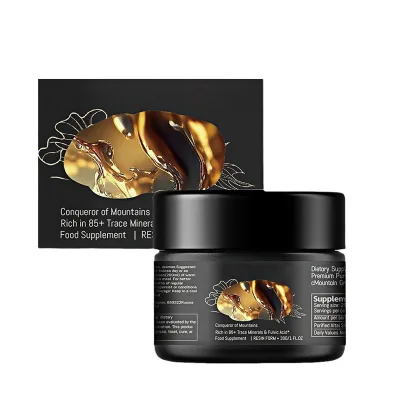
$1.70 - $2.20
MOQ: 500 units

Xi'an Xinlu Biotechnology Co., Ltd.
- Verified by SGS
- Trading Company
- China Shaanxi
- Lead time15 days
- Avg. response≤ 2h
Main productsResveratrol, Glutathione, Coenzyme Q10, Chitosan, Catechin, Artesunate, Cycloastragenol, Gastrodin, Hydroxychlorohydrin, Sulforaphane
Main marketsSoutheast Asia/ Mideast,Domestic,Europe,North America


Pure Shilajit Resin 100% Pure Himalayan Organic with OEM Private Label Shilajit Resin
$2.50 - $3.00
MOQ: 10 Bottle


Guangzhou Green Health Pharmaceutical Technology Co., Ltd
- Verified by SGS
- Combined
- China Guangdong
- Lead time15 days
- Avg. response≤ 1h
Main productsDietary Supplement, Health Food, Weight Loss Oral Liquid Drink, Slimming Jelly, Weight Loss Capsules, Weight Loss Tablet, Protein Powder, Weight Loss Gummies, Multivitamin Tablets, Collagen Drink
Main marketsEast Asia(Japan/ South Korea)


OEM Increase Stamina Boost Immunity Improve Energy Levels Himalayan Shilajit Resin
$1.50 - $2.00
MOQ: 1000 bottles
Zhengzhou Friend Biological Engineering Co., Ltd.
- Verified by TüVRheinland
- Manufacturer, Trading Company
- Lead time10 days
- Avg. response≤ 1h
Main productsBrown Sugar Ginger Tea, Supplement Tablet, Gummy, Ginger Tea Blocks, Sports Nutrition
Main marketsDomestic Market(15%), Eastern Europe(10%), Southeast Asia(10%)

Shaanxi Haibo Biological Technology Co., Ltd
- Verified by CTI
- Trading Company
- China Shaanxi
- Lead time15 days
- Avg. response≤ 6h
Main productsPharmaceutical, Dietarysupplement, Food
Main marketsSouth America,Africa,Others(foreignTradeCapacity.exportBusinessCapacityMarketOther),Southeast Asia/ Mideast,East Asia(Japan/ South Korea),Domestic,Europe,Australia,North America


Hot Sale Pure Shilajit Wholesale Custom Private Label Natural Liquid Shilajit Resin
$2.50 - $5.50
MOQ: 100 Bottle

Hot Selling Enhances Energy Vitality Natural Himalayan Shilajit Resinfor Health Supplements
$2.50 - $5.50
MOQ: 100 Bottle
Xi'an Natualrise Bio-Tech Co., Ltd.
- Verified by SGS Group
- Trading Company
- Lead time7 days
- Avg. response≤ 2h
Main productsOEM Herbal Supplement, OEM Sport Supplement, OEM Health & Wellness Supplement, OEM Vitamin Supplement
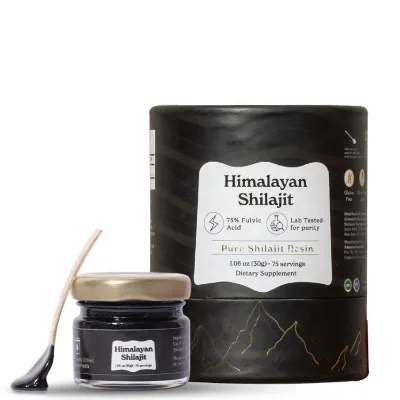
$4.10 - $4.92
MOQ: 500 units

Guangzhou Kangmeihui Biotechnology Co., Ltd.
- Trading Company
- China Guangdong
- Lead time15 days
- Avg. response≤ 17h
Main productsSoft Capsule, Hard Capsule, Tablet Candy, Jelly, Oral Liquid, Fitness Underwear, Weight Loss, Whey Protein Powder, Facial Essence, Wipe Hair Essence
Main marketsSoutheast Asia/ Mideast,North America

Natural Himalayan Shilajit Extract Organic Resin 600mg Himalayan Shilajit Resin
$3.00 - $4.00
MOQ: 20 Bottle/Bottles


Beijing Beehall Biological Pharmaceutical Co., Ltd.
- Combined
- China Beijing
- Lead time15 days
- Avg. response≤ 11h
Main productsRoyal Jelly, Propolis, Bee Pollen, Beeswax, Honey, Healthcare Food, Dietary Supplement
Main marketsSoutheast Asia/ Mideast,Australia,North America

Himalayan Shilajit Natural Resin Supplement Private Label Bulk Shilajit Resin
$2.11 - $4.34
MOQ: 1000 Pieces

Health Support Wholesale Natural Himalayan Shilajit Naturel Shilajit Resin
$2.11 - $4.34
MOQ: 1000 Pieces

$2.11 - $4.34
MOQ: 1000 Pieces


OEM Private Label Natural Himalayan Ayurvedic Shilajit Resin Bulk 50g Himalayan Shilajit Resin
$2.11 - $4.34
MOQ: 1000 Pieces


Xi'an Haoze Biotechnology Co., Ltd.
- Verified by BV
- Manufacturer/Factory
- China Shaanxi
- Lead time15 days
- Avg. response≤ 8h
Main productsNmn, Pharmaceutical Intermediates, Melatonin, Lidocaine, Coenzyme Q10, L-Carnitine, Plant Extract, Alpha Arbutin, Resveratrol, Quercetin
Main marketsSouth America,Eastern Europe,Mid East,North America,Southeast Asia,Eastern Asia,Oceania,Western Europe,Africa

OEM Available Custom Label Shilajit Extract Shilajit Resin Pure Himalayan
$1.99 - $3.99
MOQ: 200 Bottle

Private Label High Quality Pure Shilajit Extract Liquid Himalayan Shilajit Resin
$2.00 - $2.80
MOQ: 300 bottle

Wholesale Shilajit Extract Pure Himalayan Shilajit Gummies Shilajit Resin Gummies
$2.30 - $2.90
MOQ: 500 bottle

Support OEM Naturel Shilajit Extract Pure Himalayan Shilajit Resin 30g/Bottle for Health
$1.99 - $3.99
MOQ: 200 Bottle
Xi'an Kangherb Bio-Tech Co., Ltd.
- Trading Company
- Shaanxi, China
- Lead time10 days
- Avg. response≤ 5h
Main productsPlant Extract, Food Additives, Comstic Material, Herbal Supplements, Fruit & Vegetable Powder
Main marketsNorth America(49.00%), Western Europe(18.00%), Eastern Asia(12.00%), Southeast Asia(8.00%), South America(7.00%), Oceania(6.00%)
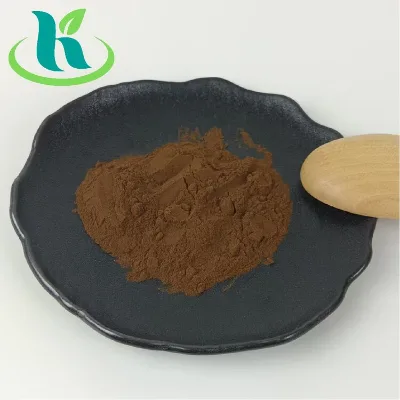
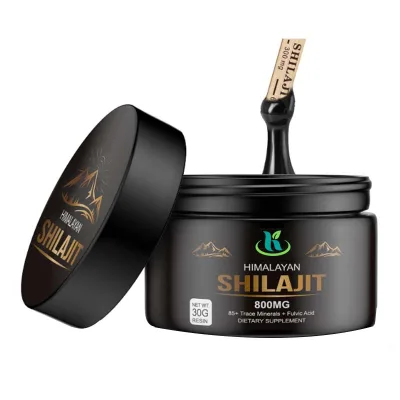
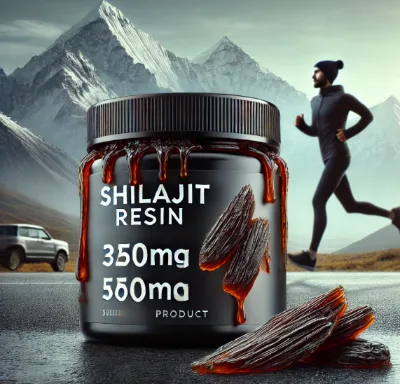
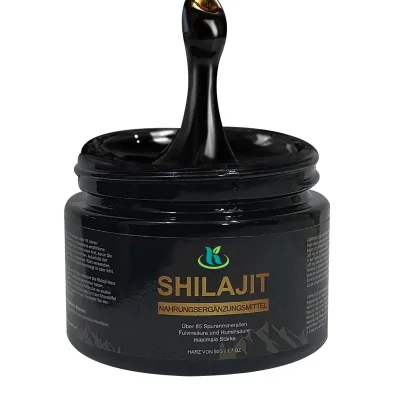
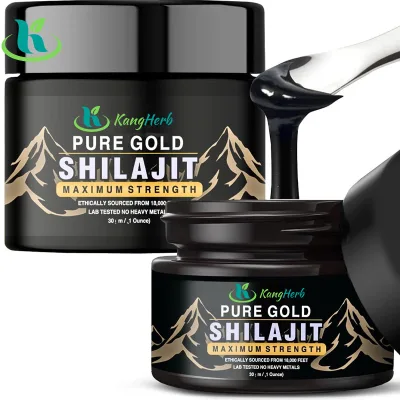
Natural Pure 100% Shilajit Resin Purified Sun-dried Shilajit Shilajit Resin for Men
$2.50 - $3.50
MOQ: 100 units
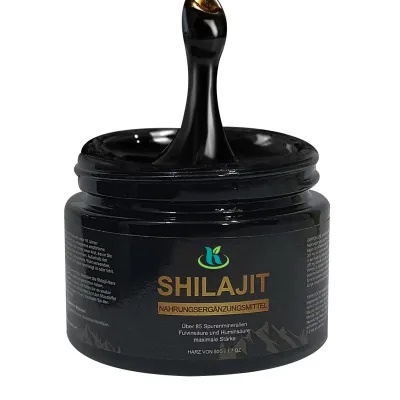

Xi'an International Healthcare Factory Co., Ltd.
- Verified by BV
- Trading Company
- China Shaanxi
- Lead time0 days
- Avg. response≤ 3h
Main productsVeterinary Drugs, Human Apis, Healthcare Products, Vitamins, Amino Acid, Nutrition Supplements, Softgels Capsules, Human Medicine, Daily Chemical, Gummy

Guangzhou Tangcheng Technology Co., Ltd.
- Verified by CTI
- Trading Company
- China Guangdong
- Lead time15 days
- Avg. response≤ 9h
Main productsHealth Food, Kids Gummies Candy, Candy Gummies, Drink & Drop, Oral Liquids, Health Capsules & Softgels, Dietary Supplements, Tablet & Raw Material Extract, Medical Supplies, Delay Spray
Main marketsEurope

Tcbesk 30g Naturel Shilajit Extract Pure Himalayan Shilajit Resin for Health
$1.70 - $1.90
MOQ: 100 bottle

Himalayas Shilajit Resin for Adults to Improve Immunity and Enhanced Skin Vitality
$1.79 - $2.59
MOQ: 200 Pieces


50g Pure Himalayan Organic Shilajit Resin Rich Trace Minerals Dietary Supplement
$2.40 - $2.80
MOQ: 200 bottle

Daily Sports Supplement Pure Himalayan Shilajit Resin for Increasing Strength 30g
$1.59 - $2.90
MOQ: 20 Pieces

100% Pure Shilajit Natural Resin Premium Himalayan Extract for OEM/Wholesale
$39.00 - $49.00
MOQ: 50 kg
Shaanxi Bieyouth Biotech Co., Ltd.
- Verified by SGS Group
- Trading Company
- Lead time15 days
- Avg. response≤ 2h
Main productsFood Additives, Health Care Products Raw Materials, Cosmetic Raw Material
Main marketsMid East(25%), Eastern Europe(20%), Africa(10%)
Xi'an Weineng Power Biotechnology Co., Ltd.
- Verified by TUVRHEINLAND
- Trading Company
- China Shaanxi
- Lead time15 days
- Avg. response≤ 1h
Main productsOEM Gummies, OEM Liquid Drops, OEM Capsules, Collagen, Vitamins, Women's Health, Weight Loss, Men's Health, Sports & Endurance, Digestive Health
Main marketsSoutheast Asia/ Mideast,Europe,North America

Jinan Jianfeng Chemical Co., Ltd.
- Manufacturer
- China Shandong
- Lead time15 days
- Avg. response≤ 4h
Main productsATX-304, Ghk-Cu, Slu-PP-915, Slu-PP-332, Ru58841, Pharmaceutical Intermediate, Peptides, Clascoterone, Phenibut
Main marketsEurope,Australia,North America
Sichuan Jiayi Technology Co., Ltd.
- Trading Company
- sichuan, China
- Lead time0 days
- Avg. response≤ 2h
Main productsDietary supplements,capsules,gummies,tablets
Main marketsSouthern Europe(35.00%), Western Europe(30.00%), North America(20.00%), Eastern Europe(10.00%), South America(5.00%)
Honglan (guangzhou) Biotechnology Co., Ltd.
- Verified by TüVRheinland
- Manufacturer, Trading Company
- Lead time0 days
- Avg. response≤ 2h
Main productsGel Candy, Tablets, Solid Drinks, Soft Drinks, Capsules Supplement
Main marketsNorth America(90%), Northern Europe(5%), Eastern Asia(3%)
Shaanxi Fruiterco Biotechnology Co., Ltd.
- Verified by TüVRheinland
- Trading Company
- Lead time3 days
- Avg. response≤ 2h
Main productsPlant Extract
Miteyo(Shenzhen)BiotechnologyCo.,Ltd.
- Verified by SGS
- Trading Company
- China Guangdong
- Lead time15 days
- Avg. response≤ 3h
Main productsNutrition, Hesupplementrbal, Sports Nutrition, Gummies, Capsules, Tablets, Powder, Softgels, Drops
Main marketsDomestic

Xi'an Plant Source biotech Co.,Ltd.
- Verified by SGS
- Manufacturer/Factory
- China Shaanxi
- Lead time15 days
- Avg. response≤ 4h
Main productsOEM Capsules, Fenbendazole, Plant Extract, Nmn, Linocaine HCl, Creatine Monohydrate, OEM Gummies, Peptide, Shilajit, Tongkat Ali Extract
Main marketsSouth America,Eastern Europe,Mid East,North America,Southeast Asia,Eastern Asia,Oceania,Western Europe,Africa

OEM Private Label High Quality Supplement Pure Himalayan Organic Pure Shilajit Resin
$2.20 - $4.00
MOQ: 100 bottle

OEM Wholesale Natural Shilajit Powder Shilajit Extract Shilajit Resin Shilajit Capsule
$2.30 - $3.50
MOQ: 1 Piece

Factory Supply 100% Natural Organic Pure Shilajit Gummies Shilajit Resin Powder
$2.20 - $3.50
MOQ: 20 bottle

Pure Himalayan Shilajit Gummies High Potency Shilajit Gummy for Energy Boost
$4.20 - $5.50
MOQ: 20 bottle


Factory Supply High Quality Pure Himalayan Shilajit Sticks with Organic Honey
$4.00 - $7.00
MOQ: 20 bottle
Shaanxi Dennis Biotechnology Co., Ltd.
- Verified by Intertek
- Trading Company
- Lead time0 days
- Avg. response≤ 3h
Main productsSolid Drinks, Xanthan Gum, Locust Bean Gum, White Tuckahoe Extract, American Ginseng Extract
Guangzhou Acorn Whale Technology Co., Ltd.
- Verified by TüVRheinland
- Trading Company
- Lead time15 days
- Avg. response≤ 3h
Main productsShilajit Resin, Shilajit Gummies, Maca Capsules, Protein Powder, Vitamin Capsules
Main marketsAfrica(35%), North America(25%), Western Europe(15%)

Discount Biotechnology (Chengdu) Co., Ltd.
- Verified by SGS
- Trading Company
- China Sichuan
- Lead time23 days
- Avg. response≤ 5h
Main productsHealth Supplement, Energy Supplement, Honey Supplement, Functional Gummy, Energy Drink, Sports Supplement, Energy Pouches Customization, Diabetic Supplement, Feminine Health, OEM Oral Strips
Main marketsSouth America,Eastern Europe,Mid East,North America,Southeast Asia,Western Europe,Africa


Private Label Hot Vitamin Supplement Himalayan Shilajit Resin for Energy and Immune
$2.20 - $2.50
MOQ: 100 Pieces

$2.50 - $3.50
MOQ: 300 Pieces
Guangzhou Ludingji Pharmaceutical Co., Ltd.
- Verified by TüVRheinland
- Trading Company
- Lead time0 days
- Avg. response≤ 5h
Main productsGummies, Capsules, Sofgel, Collagen Powder, Drop
Main marketsNorth America(15%), Western Europe(15%), Eastern Europe(10%)






Comprehensive Sourcing Guide
Himalayan Pure Shilajit Resin Supplier Concentration and Factory Types
Current data indicates a concentration of suppliers in Shaanxi, China, offering products labeled as Natural Shilajit Resin and Shilajit Original 1 kg Resin. These entities operate as both Manufacturers and Trading Companies, suggesting a mixed supply chain where some facilities handle direct extraction while others manage distribution. The main product lists for these Shaanxi-based entities include Herbal Extracts, Food Ingredients, and Cosmetic Raw Materials, alongside specific Shilajit offerings. This clustering implies that buyers can find multiple sources within this single province, though the specific factory locations within Shaanxi are not detailed in the available records. Buyers should verify if the manufacturer status implies direct control over the extraction process or if the trading company status indicates a reseller model.
Another cluster appears in Fujian, China, where suppliers list main products such as Mushroom Coffee and Health Supplement Coffee alongside Shilajit Resin. These Fujian-based entities are identified as Combined company types and hold specific verifications like SGS. The presence of these suppliers in a different province suggests that sourcing strategies must account for regional variations in product focus and company structure. While Shaanxi suppliers emphasize plant extracts and powders, Fujian suppliers appear to integrate Shilajit into broader health supplement portfolios. Buyers must distinguish between these regional profiles to ensure the supplier's primary expertise aligns with the specific grade and form of Shilajit required, whether for food, cosmetic, or pharmaceutical applications.
How to Verify Himalayan Pure Shilajit Resin Suppliers
Verification processes for these suppliers rely heavily on third-party audit results and specific certification claims found in product attributes. For instance, one supplier in the Fujian region displays verification status as SGS, while another in Shaanxi holds BV verification. These external validations provide a baseline for assessing operational integrity, though buyers must confirm the scope of these audits covers the specific Shilajit production lines. Additionally, product attributes list certifications such as HACCP, FDA, and ISO for certain items, which serve as critical indicators of compliance with international safety and quality standards. Buyers should request current certificates rather than relying solely on the presence of these labels in the product description, as standards can vary significantly between different product lines within the same company.
Beyond external audits, buyers must scrutinize the detailed product attributes provided in the search results to validate claims about origin and composition. Some listings specify the Place of Origin as Shaanxi, China, while others mention the Main Ingredient as Shilajit-Resin-Coa or Pure Himalayan Shilajit Resin. Discrepancies between the claimed origin and the actual place of origin listed in the attributes can signal potential mislabeling or sourcing from unauthorized regions. Buyers should cross-reference the stated Place of Origin with the physical address provided in the supplier profile, such as the specific mention of Fujian or Shaanxi. Ensuring that the cultivation method, described as artificial planting in some records, matches the buyer's ethical sourcing requirements is also essential for maintaining supply chain transparency and product authenticity.
What to Compare Across Himalayan Pure Shilajit Resin Suppliers
When evaluating potential partners, response time serves as a primary metric for assessing communication efficiency and operational readiness. The available data shows response times ranging from 2.13 hours for a Shaanxi trading company to 9 hours for another entity, with a Fujian supplier recording a response time of 7.86 hours. These variations indicate that faster communication is not guaranteed across all suppliers, and buyers should prioritize those with sub-3-hour response windows for urgent inquiries. Comparing these figures helps identify suppliers who are likely to be more responsive during the negotiation and order placement phases, reducing the risk of delays in resolving technical questions or customizing orders.
Lead time and Minimum Order Quantity (MOQ) are equally critical dimensions for comparing supplier capabilities and flexibility. Current records indicate lead times of 7 days for some Shaanxi manufacturers, while a Fujian supplier lists a lead time of 30 days. This significant difference suggests that production capacity and logistics planning vary widely between regions and company types. Furthermore, MOQs differ substantially, with one supplier requiring 100 units and another demanding 500 units. Buyers must align these thresholds with their inventory strategy and cash flow constraints. Comparing these metrics allows buyers to select suppliers that match their specific volume needs and delivery schedules, ensuring that the chosen partner can meet both immediate and long-term supply requirements without unnecessary financial strain.
Common Himalayan Pure Shilajit Resin Sourcing Risks
One significant risk involves the discrepancy between product naming and actual composition, particularly regarding the origin of the raw material. While many products are marketed as "Pure Himalayan Shilajit Resin," the product attributes for several listings explicitly state the Place of Origin as Shaanxi, China. This geographic mismatch raises questions about whether the resin is actually sourced from the Himalayas or if it is a locally produced alternative labeled for market appeal. Buyers must verify the true source of the raw material through independent testing or detailed supply chain documentation to ensure the product meets the specific purity and geographical expectations associated with Himalayan Shilajit.
Another risk pertains to the variability in product form and grade, which can impact application suitability. The search results show products listed as Dark Brown Powder, while others are described as Resin, and grades range from Food Grade to Cosmetic Grade. This inconsistency suggests that a single supplier may offer different formulations that are not interchangeable for all intended uses. If a buyer requires a specific grade for a pharmaceutical application but receives a cosmetic grade product, the result could be regulatory non-compliance or product failure. Buyers must carefully review the specific attributes, such as Active Ingredient and Extraction Type, to confirm that the product form and grade align precisely with their end-use requirements before committing to an order.
Himalayan Pure Shilajit Resin Regional Sourcing and Logistics
Logistics planning must account for the specific locations of the supplier clusters, primarily Shaanxi and Fujian, which dictate shipping routes and transit times. Suppliers in Shaanxi, located in central China, may offer different logistical advantages compared to those in Fujian, a coastal province with major ports. The lead time data suggests that suppliers in different regions have varying production cycles, which directly impacts the total time from order placement to delivery. Buyers should calculate the total lead time by adding the supplier's production time to the estimated shipping duration from the specific province to their destination, ensuring that the timeline fits within their operational schedule.
Storage and packaging requirements also vary by region and supplier, influencing how the product must be handled during transit. Product attributes indicate storage conditions such as "Cool Dry Place" and packaging options including Drum, Vacuum Packed, and Carton. These specifications are critical for maintaining the integrity of the Shilajit Resin during shipping, especially given the sensitivity of the material to moisture and temperature. Buyers must ensure that the selected supplier's packaging methods align with the storage requirements to prevent degradation. Additionally, the single gross weight and package size, such as 2.000 kg or 17.000 kg, affect freight costs and container utilization, requiring careful calculation to optimize shipping expenses and minimize the risk of damage during transport.
Himalayan Pure Shilajit Resin Commercial Terms and Order Planning
Pricing structures for Himalayan Pure Shilajit Resin vary based on the specific product attributes and order volume, with recorded price ranges between 20.00 and 30.00 units for certain items. Buyers must understand that these prices are likely tied to specific MOQs, such as 100 or 500 units, and may fluctuate based on the grade, form, and packaging selected. It is essential to clarify whether the quoted price includes all costs or if additional fees for customization, such as private labeling, are excluded. Buyers should request detailed quotations that break down the cost per unit, shipping, and any potential tariffs to avoid unexpected expenses that could erode profit margins.
Order planning must also consider the customization capabilities and shelf life of the products to ensure long-term viability. Some suppliers indicate that customization is available, supporting private label requirements, while others specify a shelf life of 2 years or greater than 12 months. These factors influence the optimal order quantity and frequency, as buyers need to balance inventory holding costs with the risk of product expiration. Buyers should align their order planning with the supplier's production capacity, such as the stated supply ability of 3,000,000 kilograms per year, to ensure consistent availability. By integrating these commercial terms into a comprehensive procurement strategy, buyers can secure a reliable supply chain that meets both quality standards and business objectives.
FAQs
What is the price range for Himalayan Pure Shilajit Resin?
The price range for Himalayan Pure Shilajit Resin typically falls between $20 and $30 per unit. This pricing reflects the quality and extraction methods used by manufacturers. Buyers should verify specific costs based on order volume and packaging requirements to ensure accurate budgeting for their procurement needs.
What is the minimum order quantity for shilajit resin?
The minimum order quantity for shilajit resin varies by supplier, with common thresholds set at 100 units or 500 units. These MOQs help manufacturers manage production efficiency and shipping logistics. Buyers should confirm the exact MOQ with their chosen supplier to align with their inventory and distribution strategies.
Where is Himalayan Pure Shilajit Resin manufactured?
Himalayan Pure Shilajit Resin is primarily manufactured in Shaanxi and Fujian, China. These regions host various manufacturers and trading companies specializing in herbal extracts. Buyers should verify the specific place of origin on product listings to ensure alignment with their sourcing preferences and supply chain requirements.
How long does it take to receive shilajit resin orders?
Lead times for shilajit resin orders generally range from 7 to 30 days depending on the supplier. Faster lead times are often associated with manufacturers with established production lines, while longer times may apply to custom orders. Buyers should confirm lead times during negotiation to plan their inventory effectively.
What certifications are available for shilajit resin suppliers?
Suppliers may offer certifications such as HACCP, FDA, ISO, and SGS verification. These certifications indicate adherence to quality and safety standards in production. Buyers should request valid certification documents to ensure the shilajit resin meets regulatory requirements for their target markets and maintains product integrity throughout the supply chain.
What is the shelf life of pure shilajit resin?
The shelf life of pure shilajit resin is typically listed as greater than 12 months or up to 2 years. Proper storage in a cool, dry place is essential to maintain potency and quality. Buyers should check specific shelf life claims on product listings to ensure compliance with their storage capabilities.