Kudzu Root Dietary Fiber Pills Suppliers and Manufacturers
Explore 22 verified options for Kudzu Root Dietary Fiber Pills with clear lead times, MOQs, and certifications. Compare response times and locations to select a suitable partner and request samples today; review the available evidence before requesting comparable quotations from suitable candidates.
Suppliers List

Guangxi Thamile Technology Co., Ltd.
- Trading Company
- Guangxi Zhuang Autonomous Region, China
- Lead time7 days
- Avg. response≤ 3h
Main productsFood & Beverage (OEM Customized Products,Male Product,Female Enhancement Product),herbal supplement,dietary supplements
Main marketsWestern Europe(30.00%), North America(30.00%), Mid East(20.00%), South Asia(10.00%), Southeast Asia(10.00%)
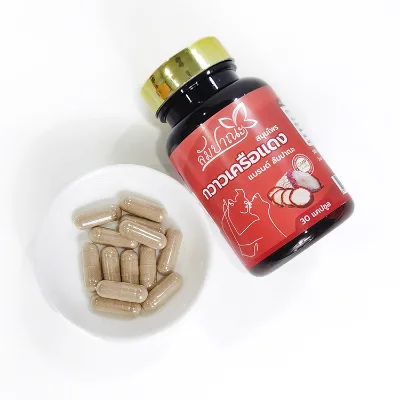
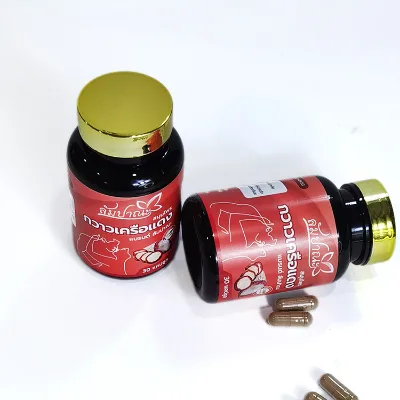
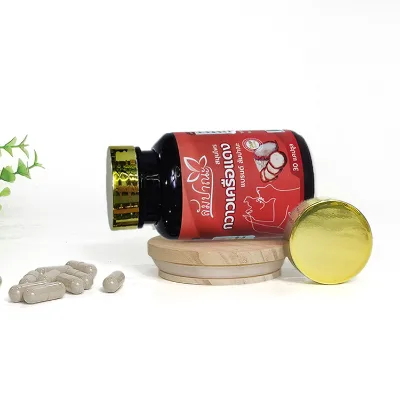
Goodherbs Thai Kudzu Root Plant Extract Dietary Fiber Nutritional Capsules for Adults
$16.34 - $32.68
MOQ: 1 boxes
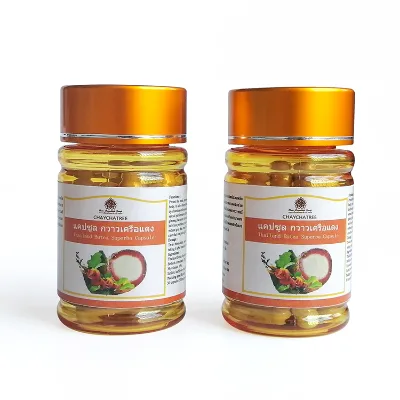
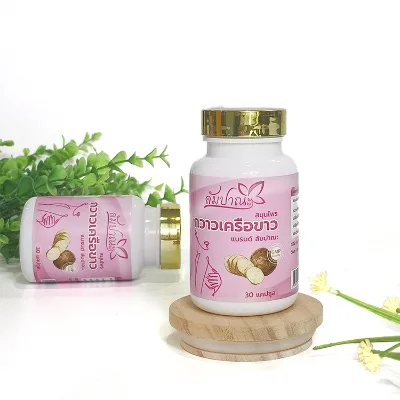
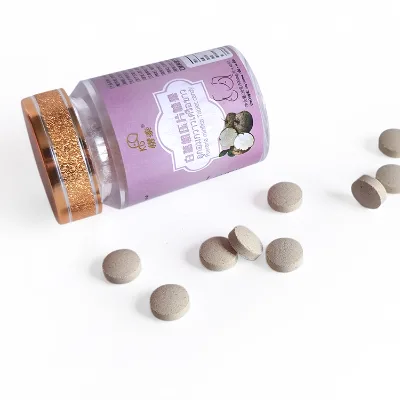
Women's Natural Kudzu Root Supplement Breast Enhancement Herbal Dietary Supplement
$10.00 - $25.00
MOQ: 20
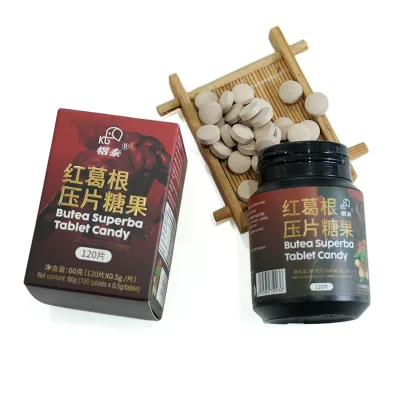
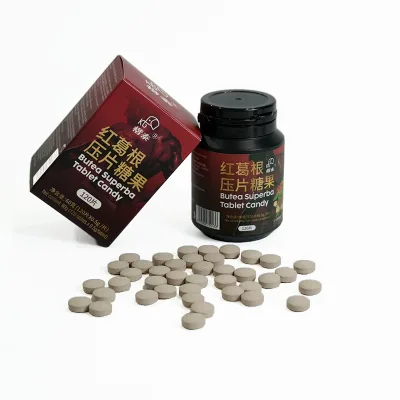
Goodherbs Men's Daily Energy Supplement Red Kudzu Root Thai Herbal Extract 120 Tablets
$15.00 - $30.00
MOQ: 50
Wholesale of Natural Plants, Thai Kudzu Root Plant Extract Nutritional Capsules
$16.00 - $32.00
MOQ: 1 boxes

- Trading Company
- China Anhui
- Lead time15 days
- Avg. response≤ 6h
Main productsFood Supplement, Slimming Tea, Chinese Medicine, Traditional Chinese Medicine, Plant Extract, Herbs, Health and Beauty Equipments
Main marketsSouth America,Africa,Southeast Asia/ Mideast,East Asia(Japan/ South Korea),Europe,Australia,North America

Hebei Lang Mei Biotechnology Co., Ltd.
- Verified by TUVRHEINLAND
- Manufacturer/Factory
- China Hebei
- Lead time0 days
- Avg. response≤ 25h
Main productsWeigh Loss Pills & Man Sex Products, Slimmiming Capsules, Man Sex Capsules, Multivitamin Tablets, Fish Oil Capsules, Beauty Products, Herbal Supplements, Weight Loss, Gummy Candy, Slimming Coffee

Healthcare Supplement Strong Appetite Suppressant Fatzorb Slimming Diet Weight Loss Pills
$6.00 - $8.00
MOQ: 100 Bottle

Dietary Supplement Strong Appetite Suppressant Slimming Pills Weight Loss Capsule Pills
$6.00 - $8.00
MOQ: 500 Bottle


Dietary Supplement Strong Appetite Suppressant Slimming Weight Loss Capsules Diet Pills
$6.00 - $8.00
MOQ: 100 Bottle


Private Label Keto Diet Pills Supplements Weight Loss Slimming Capsules in Dietary Fiber
$6.00 - $8.00
MOQ: 100 Bottle
Guangxi Kaitai Biotechnology Co., Ltd.
- Verified by SGS Group
- Manufacturer, Trading Company
- Lead time8 days
- Avg. response≤ 2h
Main productsSkin Care Product, Dietary Supplement, Honey Products, 3-in-1 Coffee, Gummy Candy
Main marketsNorth America(35%), Oceania(25%), Western Europe(25%)
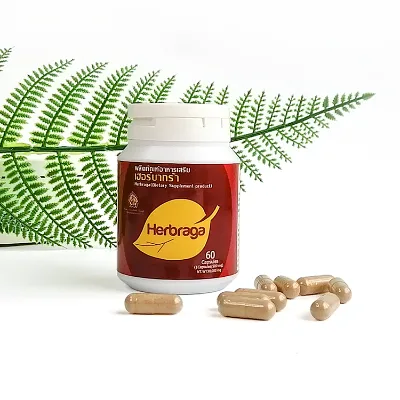
Thai Natural Kudzu Root Plant Extract Capsules Enhance Vitality and Nutritional Supplements
$8.18 - $32.73
MOQ: 1 pieces
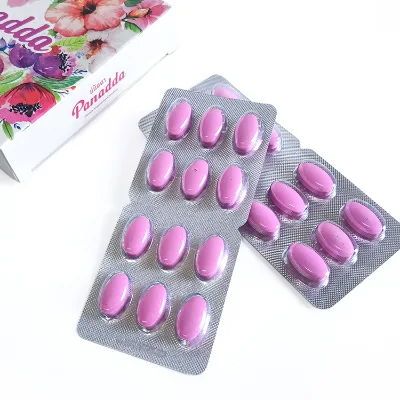
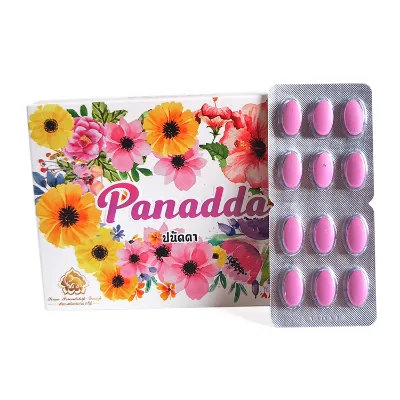
OEM Private Label Panadda Female Health Pills with Wild Kudzu Extract - 12 Tablets Per Box
$12.00 - $26.50
MOQ: 100

Guangzhou Shengmei Pharmaceutical Industry Co., Ltd
- Verified by SGS
- Combined
- China Guangdong
- Lead time15 days
- Avg. response≤ 4h
Main productsGummies, Drink, Capsule, Jelly, Oral Film
Main marketsDomestic,Europe,North America

Shandong Shiyi Trading Co., Ltd.
- Verified by CTI
- Trading Company
- China Shandong
- Lead time15 days
- Avg. response≤ 13h
Main productsHealth and Care, Cosmetics
Main marketsAfrica,Europe,North America


$2.00 - $3.50
MOQ: 500 Pieces
Guangxi Oriental Bright Trading Co., Ltd.
- Trading Company
- Guangxi, China
- Lead time0 days
- Avg. response≤ 2h
Main productsHerbal Supplements,Dietary Supplements,Honey Products,Sport Nutrition,Other Supplements
Main marketsNorth America(30.00%), Western Europe(10.00%), Oceania(10.00%), Southeast Asia(10.00%), South America(10.00%)
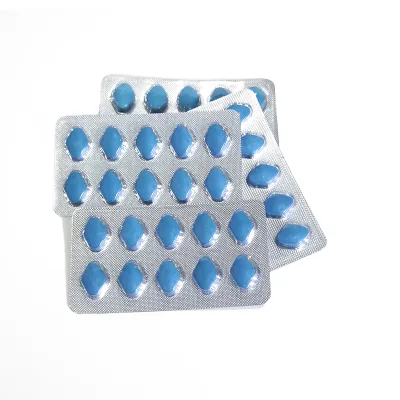
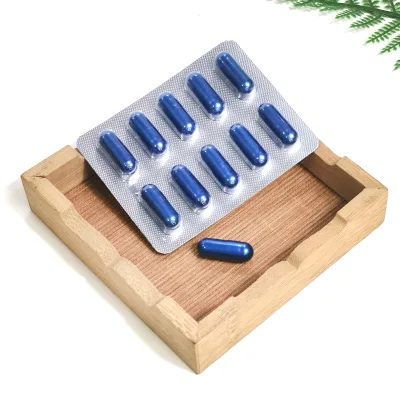
OEM Organic Reishi Mushroom Herbal Supplements Capsules Dietary Fiber Pills/Capsules
$7.23 - $25.55
MOQ: 100 pieces
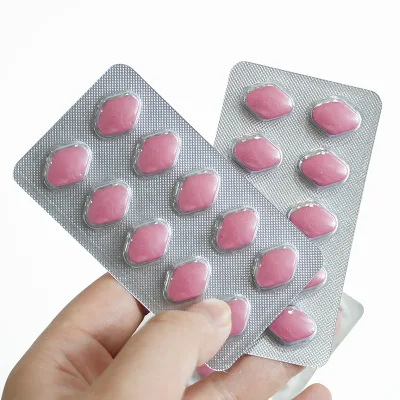
Healthy Organic Maca & Icarii Extract Powder Tablets Preferred Wholesale Dietary Fiber Supplements
$7.11 - $25.87
MOQ: 50 pieces
Guangxi Taimengmeng Technology Co., Ltd.
- Verified by TüVRheinland
- Trading Company
- Lead time9 days
- Avg. response≤ 3h
Main productsHoneybee Product, Dietary Supplement, Coffee, Thai Kudzu Powder, Soft Sweets
Main marketsNorth America(35%), Oceania(25%), Western Europe(25%)
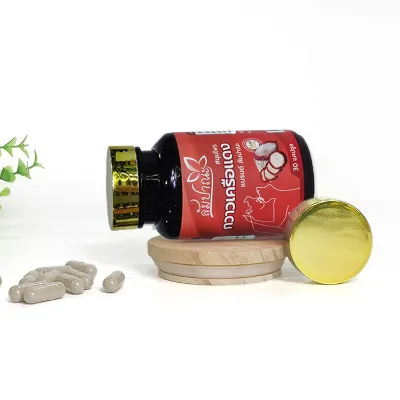
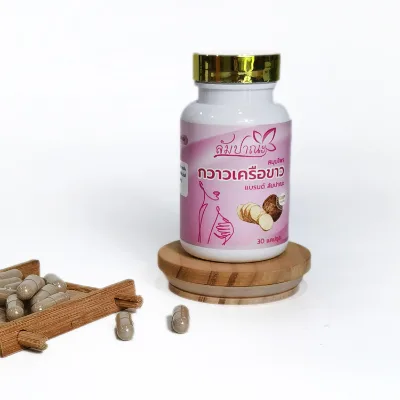
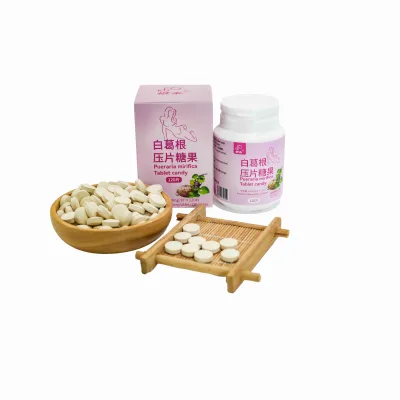
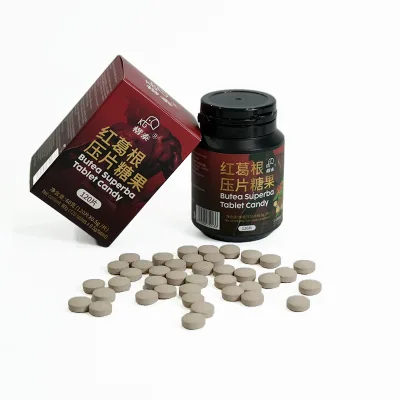
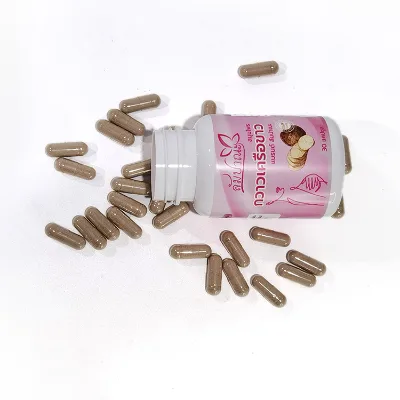
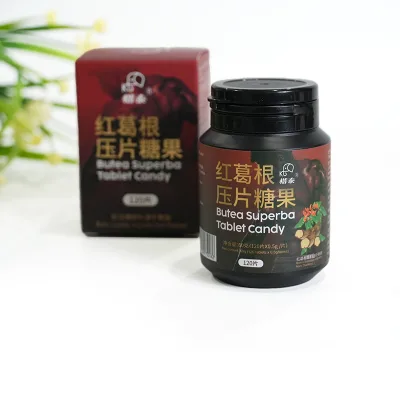
Thai Kudzu Root Capsule Supplement Regulates Female Hormones
$16.00 - $28.00

Guangzhou Bolema B&T Com., Ltd
- Trading Company
- China Guangdong
- Lead time15 days
- Avg. response≤ 19h
Main productsChinese Herb, Health Care Products, Weight Loss, Health Food and Care, Sex Toys, Sex Products
Main marketsSoutheast Asia/ Mideast

Dietary Supplement Super Strong Appetite Suppressant Weight Loss Diet Slimming Pills
$5.98 - $6.55
MOQ: 1000 Pieces


Natural Appetite Suppressant, Diet Pills, Vitamin Enhanced Fat Burner Supplement
$4.00 - $6.00
MOQ: 1000 Pieces


Guangxi Kaitai Biotechnology Co., Ltd
- Verified by BV
- Trading Company
- China Guangxi
- Lead time15 days
- Avg. response≤ 9h
Main productsThailand Pueraria Mirifica Powder, Thailand Butea Superba Powder, Dietary Supplements for Male, Honey, Coffee
Main marketsSouth America,Africa,Southeast Asia/ Mideast,East Asia(Japan/ South Korea),Europe,Australia,North America


Natural Herbal Dietary Supplement Ultimate Black Horse Kagen Extract Pill
$2.50 - $18.00
MOQ: 2 Blister


OEM Private Label Men Pills Health Food Dietary Supplement China Herbal Remedy
$1.50 - $9.00
MOQ: 10 Blister

Guangxi Nanning Zhenpeng Biological Technology Co., Ltd.
- Trading Company
- Guangxi, China
- Lead time7 days
- Avg. response≤ 2h
Main productsMale sex product,female Enhancement product,OEM Customized,sex male enhancement capsule,Fast Effect Male Enhancement Coffee
Main marketsNorth America(30.00%), Western Europe(20.00%), South America(10.00%), Northern Europe(10.00%), Mid East(5.00%), Oceania(5.00%), Central America(5.00%), Eastern Europe(4.00%), Africa(3.00%), Eastern Asia(2.00%), South Asia(2.00%), Southern Europe(2.00%), Southeast Asia(2.00%)
Guangxi Taixianglai Technology Co., Ltd.
- Verified by SGS Group
- Manufacturer, Trading Company
- Lead time6 days
- Avg. response≤ 2h
Main productsPueraria Mirifica Powder, Butea Superba Powder, Dietary Supplements, Coffee, Honey Products
Main marketsNorth America(30%), Western Europe(25%), Eastern Europe(17%)
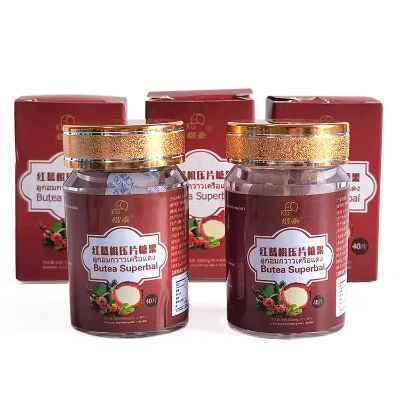
GMP-certified Thai Red Kudzu Root Extract - Male Vitality Health Tablets
$9.24 - $22.58
MOQ: 20 pieces
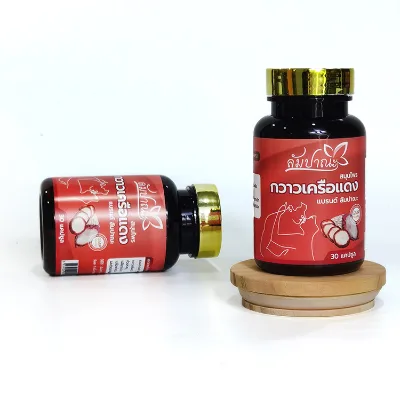
Thai-originated Product Men's Nutritional Supplement - Kudzu Root Capsules - HACCP Certified
$12.00 - $40.00
MOQ: 3 pieces
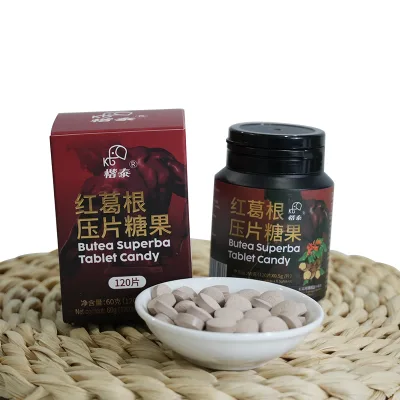
Customized ODM Proprietary Brand Red Kudzu Root Health Tablets -120 Pills/bottle
$9.00 - $25.00
MOQ: 100
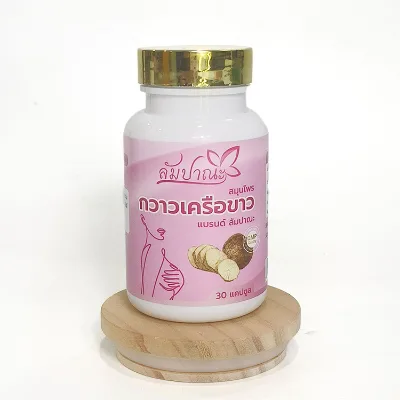
$12.00 - $40.00
MOQ: 2 pieces
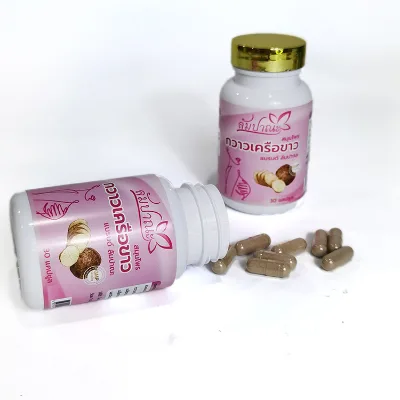
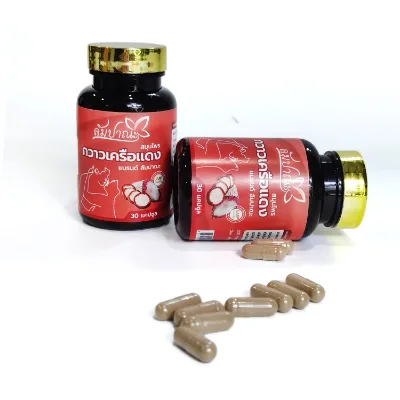
Thai Kudzu Plant Extract Vitality Capsule Natural Supplement Supports OEM Customization
$12.00 - $40.00
MOQ: 2 pieces
Anhui Kangbote Health Food Co., Ltd.
- Verified by TüVRheinland
- Manufacturer, Trading Company
- Lead time20 days
- Avg. response≤ 3h
Main productsVitamin C Effervescent Tablet, Multivitamins, Vitamin D, Vitamin B, Collagen
Main marketsDomestic Market(50%), Southeast Asia(20%), Western Europe(20%)
Guangxi Haichao Technology Co., Ltd.
- Verified by SGS Group
- Trading Company
- Lead time15 days
- Avg. response≤ 2h
Main productsPueraria Mirifica Powder, Butea Superba Powder, Dietary Supplements, Coffee, Honey
Main marketsNorth America(30%), Western Europe(25%), Eastern Europe(17%)

Anhui Chenlixin Health Industry Development Co., Ltd
- Verified by BV
- Combined
- China Anhui
- Lead time15 days
- Avg. response≤ 4h
Main productsHerbal Medicine, Herbal Tea, Traditional Chinese Medicine, Flower and Fruit Tea
Main marketsDomestic

Guangxi Tai Xiang Lai Technology Co., Ltd.
- Verified by TUVRHEINLAND
- Trading Company
- China Guangxi
- Lead time15 days
- Avg. response≤ 4h
Main productsPueraria Mirifica, Product Customization, Tabletcandy, Dietary Fiber Supplements, Honey Products, OEM/ODM
Main marketsOthers(foreignTradeCapacity.exportBusinessCapacityMarketOther),Australia,North America

$10.00 - $35.00
MOQ: 1 Blister

Guangxi Taisilai Technology Co., Ltd.
- Trading Company
- Guangxi, China
- Lead time6 days
- Avg. response≤ 2h
Main productshealth food,health products,dietary supplements
Main marketsSouth America(30.00%), North America(20.00%), Africa(10.00%), Eastern Europe(8.00%), South Asia(5.00%), Oceania(5.00%), Southeast Asia(5.00%), Domestic Market(3.00%), Central America(3.00%), Southern Europe(3.00%), Eastern Asia(3.00%), Northern Europe(2.00%), Western Europe(2.00%), Mid East(1.00%)
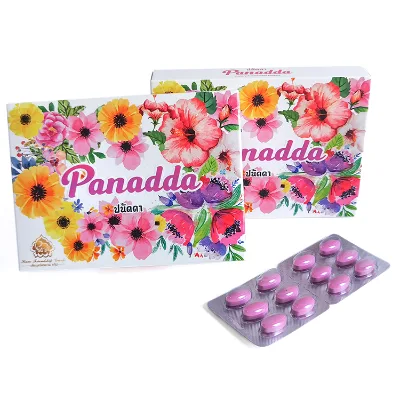
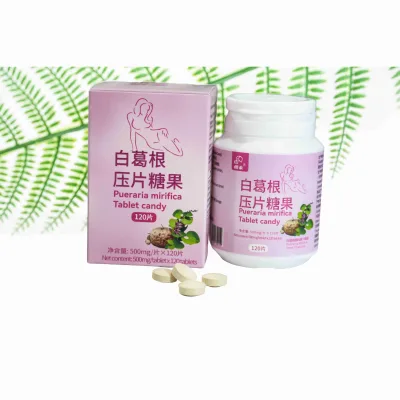
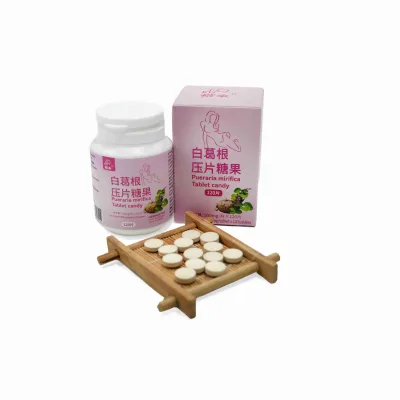
New White Kudzu Root Tablets, Authentic Plant Extract, Easy to Absorb, Portable Bottle
$9.00 - $25.00
MOQ: 100

Shanghai Winoda Technology Co., Ltd.
- Verified by BV
- Trading Company,Group Corporation
- China Shanghai
- Lead time15 days
- Avg. response≤ 7h
Main productsHealth Care Food, Slimming &Sex Beauty Care Product, Organic Intermediate, Research &Beauty &Custom Peptides, Peptides Raw Powder
Main marketsSouth America,Eastern Europe,North America,Eastern Asia,Western Europe


OEM Whoelsale Strong Herbal Extract Weight Loss Herbal Slim Fit Diet Pills
$4.50 - $6.00
MOQ: 100 Pieces


- Verified by SGS
- Trading Company
- China Shaanxi
- Lead time15 days
- Avg. response≤ 5h
Main productsCapsules, Tablets, Solid Beverages, Granulation
Main marketsSouth America,Africa,Southeast Asia/ Mideast,Europe,Australia,North America

Ytbio OEM Kudzu Root Extract Tablets with Hovenia Dulcis and Milk Thistle
$2.10 - $2.80
MOQ: 2000 Bottle

OEM Private Label Licorice Root Tablets Digestive Support Herbal Supplement Manufacturer
$3.50 - $4.50
MOQ: 50 bottle

Factory Supply Kudzu Root Hovenia Dulcis Tablet Liver Support OEM Private Label
$2.40 - $3.80
MOQ: 100 Bottle

Guangzhou Kangmeihui Biotechnology Co., Ltd.
- Trading Company
- China Guangdong
- Lead time15 days
- Avg. response≤ 17h
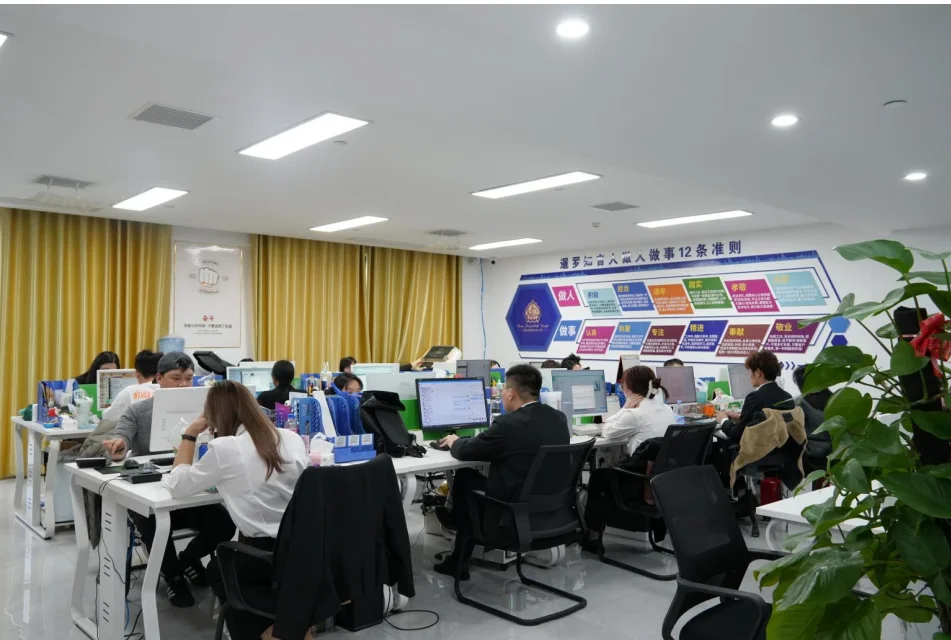
Main productsSoft Capsule, Hard Capsule, Tablet Candy, Jelly, Oral Liquid, Fitness Underwear, Weight Loss, Whey Protein Powder, Facial Essence, Wipe Hair Essence
Main marketsSoutheast Asia/ Mideast,North America
Guangxi Taimengmeng Health Industry Co., Ltd.
- Trading Company
- Guangxi, China
- Lead time15 days
- Avg. response≤ 3h
Main productsFruit gummies,Honey,Three-in-one coffee,Dietary supplements,Thai Butea Superba
Main marketsNorth America(30.00%), Mid East(10.00%), Southeast Asia(10.00%), Northern Europe(10.00%), Eastern Asia(10.00%), Central America(8.00%), Africa(5.00%), South America(4.00%), Southern Europe(3.00%), Domestic Market(2.00%), South Asia(2.00%), Eastern Europe(2.00%), Western Europe(2.00%), Oceania(2.00%)
Thai Natural Breast Enhancement Tablets Kudzu Root Supplement Shapes the Curvaceous Beauty of Women
$12.69 - $26.39
MOQ: 5 boxes
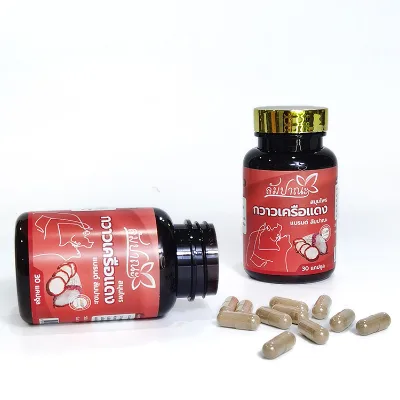
Wholesale supply of kudzu root herbal capsules to assist daily health care
$6.09 - $32.48
MOQ: 5 pieces

Hefei Amedcare Import and Export Trade Co., Ltd.
- Verified by BV
- Combined
- China Anhui
- Lead time30 days
- Avg. response≤ 6h
Main productsChinese Medicine, Vitamin Syrup, Flower Tea, Slim Tea, Iron Syrup, Vitamim B Syrup, Multivitamin Syrup, Soft Capsule
Main marketsSouth America,Europe




Comprehensive Sourcing Guide
Kudzu Root Dietary Fiber Pills Supplier Concentration and Factory Types
When sourcing Kudzu Root Dietary Fiber Pills, understanding where supply is concentrated helps you shortlist efficiently. On this page, the listed results point to two sourcing geographies: suppliers based in Guangxi Zhuang Autonomous Region, China, and products originating in Chiang Mai, Thailand. Both regions appear repeatedly in the product data, with Thai-origin kudzu items marketed under established in-house brands and Chinese-origin items positioned for private-label work. This mix matters because the origin of the finished product is not always the same as the seller's registered location; some listings show a trading company registered in Guangxi while the product itself is declared as made in Thailand. Always read both fields before assuming you are dealing with a factory.
The supplier types visible here also split along a familiar line. At least one seller identifies itself as a trading company, covering food and beverage plus herbal and dietary supplements with OEM customization, while other listings emphasize private-label service and brand-name flexibility. Trading companies can simplify multi-product orders and communication but may add a margin layer; direct manufacturers or brand owners may offer tighter control of formulation and packaging. Since kudzu root pills sit in the healthcare supplements category, check each supplier's declared main products to confirm this category is a core offering rather than a sideline, and weigh that against any single-product specialist you find elsewhere.
How to Verify Kudzu Root Dietary Fiber Pills Suppliers
Verification starts with the attributes a supplier chooses to display, then moves to what you must request independently. In the current results, certification claims vary noticeably between listings: one Thai-origin capsule product lists MSDS, GMP, and HACCP certificates; a Guangxi private-label listing shows only MSDS; another Guangxi product lists ISO and CE; and a Thai tablet product claims GMP, HACCP, QS, and ISO. These are supplier-declared, not independently verified on this page. Ask each supplier for copies of the actual certificates, check the certificate numbers and issuing bodies, and confirm the certified scope covers dietary supplement production rather than a unrelated product line.
Beyond paperwork, verify the product details that suppliers declare in their listings. One listing declares Thai origin from Chiang Mai with a 36-month shelf life, while another declares Guangxi origin with a 24-month shelf life; confirm which applies to your order and request batch-level documentation. Check whether the declared dosage form, specification, and packaging match what you discussed—a listing may advertise capsules at 30 per bottle or tablets at 40 per bottle, so lock the final spec in a written confirmation. Response time is another practical verification signal: a listed response time of around three hours suggests an attentive seller, but test it yourself with a technical question before committing. Finally, ask for samples from the actual production line, not showroom stock, and compare them against the agreed specification.
What to Compare Across Kudzu Root Dietary Fiber Pills Suppliers
Build a side-by-side matrix using the dimensions visible on supplier pages. Lead time is directly comparable here: the results show a listed lead time of seven days for at least one supplier, while another listing states in-stock orders ship within three to seven days and out-of-stock production takes fifteen to thirty days. MOQ differs even more sharply across listings: one bottle, two bottles, twenty bottles, and fifty bottles all appear as minimums on this page, so a buyer testing the market can start small, while scaling up changes which supplier is economical. Price ranges also spread widely, from roughly ten to over thirty dollars per unit across the listed products, reflecting differences in form, count, and branding.
Response speed is worth capturing as a column—a listed response time of three hours is a useful benchmark, but measure it in your own correspondence. Location matters for logistics and origin labeling: Guangxi-based sellers versus Thai-origin products imply different shipping routes and documentation. Main products tell you whether kudzu pills are a specialty or one item among many OEM offerings; one trading company here lists food and beverage plus herbal and dietary supplements broadly. Note that not every supplier displays every attribute—establishment year, escrow status, and certifications are absent from some listings—so treat blank fields as items to request, not disqualifiers. Compare only what is declared, and verify the rest directly.
Common Kudzu Root Dietary Fiber Pills Sourcing Risks
The most common risk in this category is the gap between listing claims and delivered goods. Certification lists vary widely across these results—MSDS, GMP, HACCP, ISO, CE, and QS appear in different combinations—so a supplier claiming a credential may not hold it for the specific facility making your pills. Request the certificate documents and scope before deposit. A second risk is formulation opacity: several listings state only "our formula or the formula you provide" or direct buyers to contact them for details, meaning the actual kudzu content, extract standardization, and excipients are unknown until you negotiate. Put the full formula, including active ingredient origin, in the contract.
Origin confusion is a third risk specific to this page: sellers registered in Guangxi list products made in Thailand, and vice versa, which affects customs treatment, labeling law, and any "Thai kudzu" marketing claims you plan to make. Confirm the true place of manufacture on the commercial invoice and certificate of origin. Shelf-life inconsistency is another trap—listed shelf lives of 24 and 36 months differ by a full year, which changes your inventory planning and retailer requirements. Finally, watch for restricted-audience products: multiple listings exclude pregnant women, and some exclude children and teenagers, so ensure your label copy and market approvals match the intended audience before importing, especially where health claims are regulated.
Kudzu Root Dietary Fiber Pills Regional Sourcing and Logistics
The two declared origins on this page imply different logistics paths. Products made in Chiang Mai, Thailand will typically route through Thai ports or land borders into regional distribution, and Thai-origin herbal supplements often appeal to buyers marketing traditional Thai botanicals—but you should verify the export documentation chain yourself, since origin claims in listings are not proof. Suppliers registered in Guangxi Zhuang Autonomous Region, China generally ship through Chinese ports with established freight schedules, and Guangxi's position as a declared supplier base for herbal and dietary supplements makes it a practical consolidation point if you plan to bundle multiple supplement SKUs from one region.
Where your target cluster is not yet identified, work it out from listing data rather than assumption: read the declared place of origin on each product, the supplier's registered address, and whether the seller describes itself as a manufacturer, brand owner, or trading company. When several listings from one origin recur across your searches, that signals a cluster worth investigating further through samples and audits. For planning, use the timing data that suppliers themselves declare: one listing promises three to seven days for in-stock goods and fifteen to thirty days when production is needed, and another lists a seven-day lead time. Confirm in writing which figure applies to your MOQ, custom formulation, and packaging, and build buffer time for customs clearance and label compliance in your destination market.
Kudzu Root Dietary Fiber Pills Commercial Terms and Order Planning
Order planning in this category should start from the unusually low minimums visible here. Listings on this page show MOQs of one bottle, two bottles, twenty bottles, and fifty bottles, which means you can validate a supplier with a tiny trial order before committing to production runs. Note that the smallest minimums often attach to branded stock products, while private-label and custom-formula orders—where you supply the formula or choose the supplier's—typically sit at higher minimums. Confirm whether the displayed MOQ applies to customized packaging or only to the supplier's existing brand, since that distinction changes both cost and lead time.
Price bands also require careful reading: the listed products span roughly ten to thirty-three dollars per unit, and a range usually reflects specification tiers, order quantity, or packaging choices rather than negotiability on a single SKU. Always request a written quotation tied to your exact specification—capsule or tablet form, count per bottle, bottle packaging, and private-label artwork—because listings show everything from 30-capsule bottles to 120-tablet packs. For payment protection, ask whether the supplier offers escrow or platform-mediated payment, since escrow status was not displayed for all sellers here. Finally, align payment milestones with the declared lead-time tiers: in-stock three-to-seven-day orders and fifteen-to-thirty-day production runs carry different risk profiles, so stage deposits accordingly and keep the final payment contingent on pre-shipment inspection against your agreed specification.
(Approximately 1,390 words total across all six sections)
FAQs
What is the typical MOQ for Kudzu Root Dietary Fiber Pills?
Minimum order quantities vary widely by product listing. Some kudzu root capsule products start at just 1 bottle, while others require 2 bottles, 20 bottles, or 50 bottles per order. Before ordering, confirm the exact MOQ directly with the supplier, since private label and OEM customization requests often carry different minimums than standard stock products.
What price range do kudzu root supplement products fall in?
Listed unit prices for kudzu root capsules and tablets generally range from roughly 10 to 33 dollars per bottle depending on formulation, dosage form, and order size. Products with higher MOQs sometimes sit at the lower end of that range. Always request a current quotation that reflects your chosen specification, packaging, and order quantity.
Do suppliers offer samples before a bulk order?
Yes, several kudzu root supplement listings indicate samples are available. A sample lets you evaluate capsule quality, packaging, and labeling before committing to a larger purchase. Confirm whether the sample is free or paid, and ask about sample shipping costs and lead time, since these details vary by supplier and product listing.
Can I order kudzu root pills with my own private label?
Yes, OEM, ODM, and private label service is explicitly offered on multiple kudzu root capsule and tablet listings. You can typically supply your own formula or use the supplier's existing formulation, then apply your own brand name to the bottle packaging. Confirm artwork requirements, label printing options, and any extra MOQ before placing an order.
What certifications do kudzu root supplement products carry?
Certifications differ by product listing, so verify each one before ordering. Examples shown on listings include MSDS, GMP, HACCP, QS, ISO, and CE. Ask the supplier for copies of valid, current certificates matching the exact product you plan to buy, since certification coverage can vary between a factory, a trading company, and individual products.
How long does production and delivery take for kudzu root pills?
Lead times depend on stock status and order size. One listing states in-stock orders ship within 3 to 7 days, while out-of-stock production runs take 15 to 30 days, and another lists a 7-day lead time. Confirm your specific timeline with the supplier, including whether customization or private labeling adds production days.
How should kudzu root supplement capsules be stored?
Listings consistently recommend storing capsules in a cool, dry place, with some specifying sealed packaging at normal room temperature. Shelf life claims range from 24 to 36 months depending on the product. Check the printed expiration date and storage instructions on your received goods, and confirm storage conditions hold during shipping to your market.
Who can use these kudzu root dietary supplements?
Listings generally state the products are for adults, including men, women, and middle-aged or elderly people. Pregnant women are excluded on every listing, and some products also exclude teenagers, children, and newborns. Always review the full ingredient list and applicable-person restrictions, and confirm the formulation meets the regulatory requirements of your target market.