Garden Plant Clips Suppliers and Manufacturers
Source Garden Plant Clips from 21 verified suppliers in China. Compare locations like Shandong and Zhejiang, response times, lead times, and certifications such as ISO and RoHS. Review MOQs and pricing to identify the right partner for your needs; review the available evidence before requesting comparable quotations from suitable candidates.
Suppliers List

QINGDAO GOFAI RUBBER & PLASTIC PRODUCTS CO., LIMITED
- Verified by BV
- Combined
- China Shandong
- Lead time15 days
- Avg. response≤ 6h
Main productsResilient Sound Isolation Clip, Marine Rubber Fender, USB RJ45 HDMI DVI VGA PS2 SATA 2.0 Dust Cover, Dva Rubber Vibration Dumping, 3m Self Adhesive Rubber Pad, Washing Anti-Vibration Pads, Dock Fender, Tug Boat Fender, Ship Fender, Mooring Bollard
Main marketsSoutheast Asia/ Mideast,East Asia(Japan/ South Korea),Europe,Australia,North America

Ningbo Brice Gardening Co., Ltd.
- Manufacturer, Trading Company
- Zhejiang, China
- Lead time15 days
- Avg. response≤ 3h
Main productsself watering pots,Garden Planter Box,Garden Trellis/Garden Arch,Electric sprayer,Pest control
Main marketsNorth America(40.0%), Central America(15.0%), Eastern Europe(12.0%), Northern Europe(10.0%), Western Europe(5.0%), Southern Europe(5.0%), Southeast Asia(5.0%), Mid East(4.0%), Domestic Market(1.0%), South America(1.0%), South Asia(1.0%), Africa(1.0%)
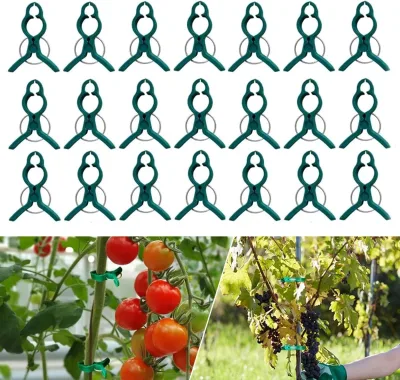
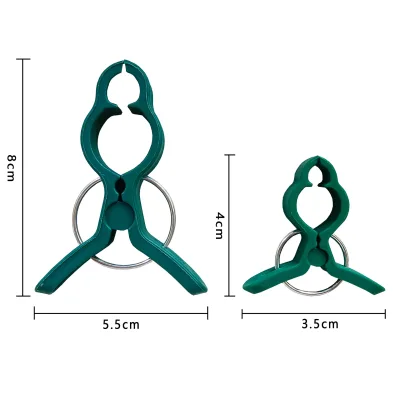
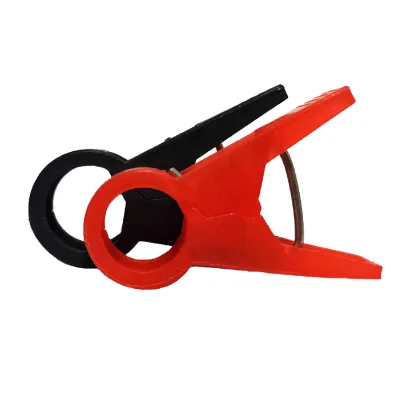
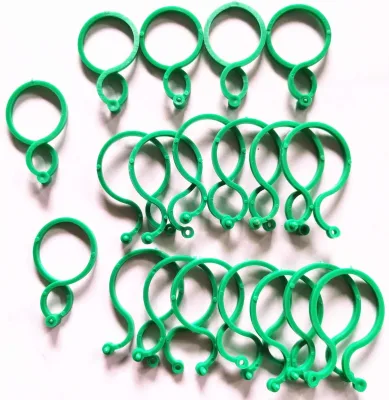
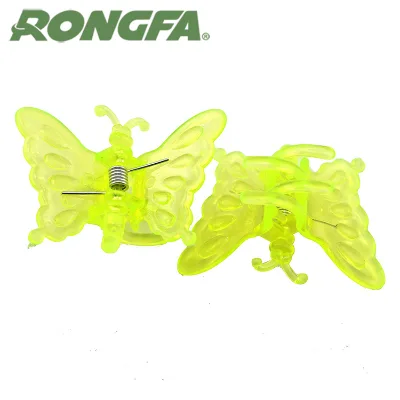
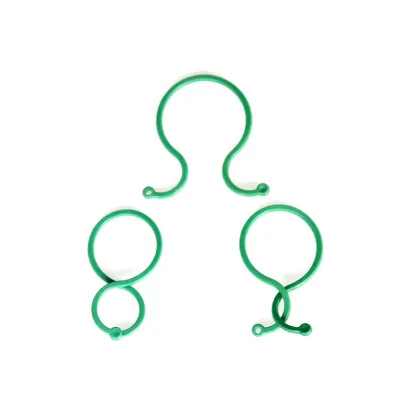
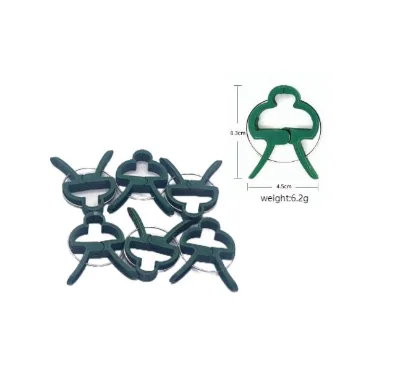
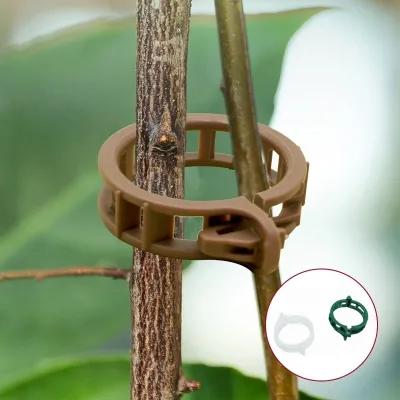
Plastic Garden Plant Clips Garden Accessories Tomato Clip Plant Supports Clips
Contact supplier
Moq: 100
Hangzhou Triumph Imp And Exp Co., Ltd.
- Verified by TüVRheinland
- Manufacturer, Trading Company
- Lead time30 days
- Avg. response≤ 2h
Main productsCarbon Filter, Duct Fan, Grow Light, Grow Rack, Grow Tent
Main marketsNorth America(33%), Southern Europe(25%), Western Europe(24%)

Xiamen Digeer Rubber And Plastic Co., Ltd.
- Manufacturer, Trading Company
- Fujian, China
- Lead time0 days
- Avg. response≤ 2h
Main productsplastic product,silicone product,rubber product,garden product,household product
Main marketsNorth America(30.0%), South Asia(20.0%), Northern Europe(10.0%), Western Europe(10.0%), Eastern Europe(10.0%), South America(5.0%), Southern Europe(5.0%), Eastern Asia(5.0%), Southeast Asia(5.0%)
Ningbo Gamry Import & Export Co., Ltd.
- Trading Company
- Zhejiang, China
- Lead time30 days
- Avg. response≤ 7h
Main productsGarden,thermometer,Pet items,Stationary
Main marketsNorth America(20.0%), Eastern Europe(15.0%), Northern Europe(10.0%), Western Europe(10.0%), Southern Europe(10.0%), South America(10.0%), Central America(6.0%), Oceania(5.0%), Mid East(4.0%), Southeast Asia(4.0%), Domestic Market(3.0%), Eastern Asia(2.0%), South Asia(1.0%)

Shandong Dijie Plastic Industry Co., Ltd.
- Verified by BV
- Combined
- China Shandong
- Lead time15 days
- Avg. response≤ 4h
Main marketsDomestic

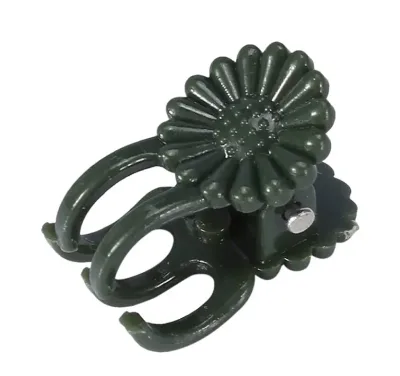
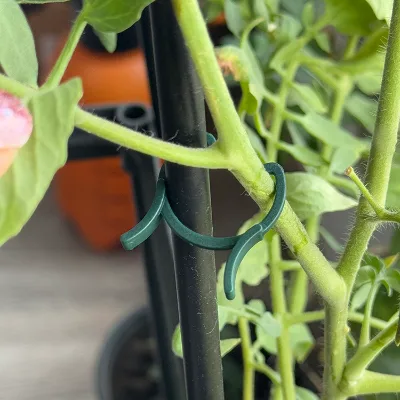
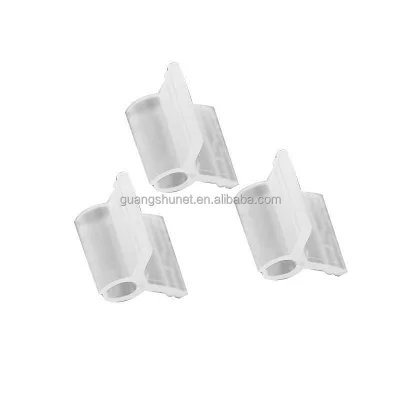
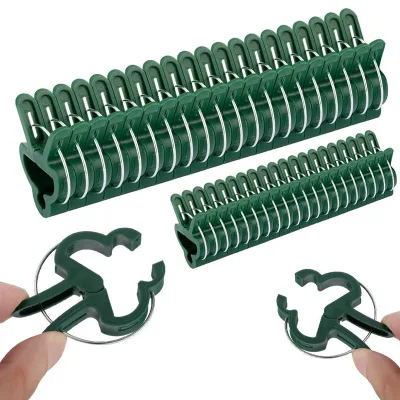
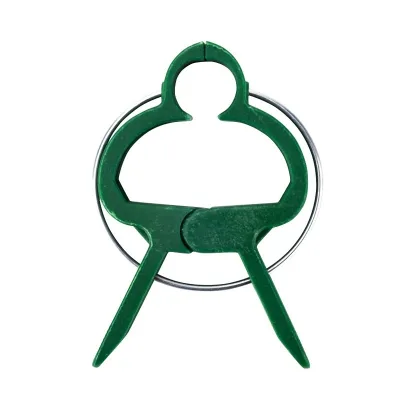
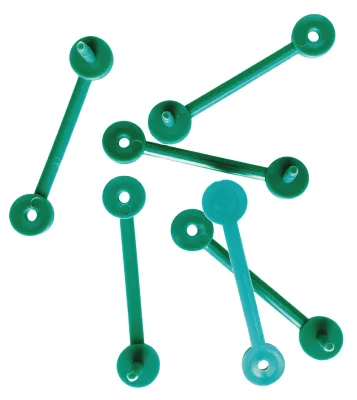
Grafting Clips Vegetable Vine Seedlings Grafted Branches Plastic Plant Garden Clips
$1.20 - $1.50
Moq: 2000


Jiangsu Leader Greenhouse Equipment Co., Ltd.
- Trading Company
- China Jiangsu
- Lead time38 days
- Avg. response≤ 3h
Main productsGreenhouse, Wiggle Wire, Lock Profile, Zigzag Wire, Lock Channel, Shading Net, Insect Net, Roll up Motor, Greenhouse Film, Film Clip
Main marketsSouth America,Africa,Southeast Asia/ Mideast,East Asia(Japan/ South Korea),Europe,Australia,North America

Qingdao Chenghaoda Science and Technology Co., Ltd.
- Verified by BV
- Manufacturer/Factory
- China Shandong
- Lead time23 days
- Avg. response≤ 16h
Main productsRFID Card, NFC Card, Pcv Card, RFID Wristbands, RFID Sticker/Tag
Main marketsSouth America,Eastern Europe,Mid East,North America,Southeast Asia,Eastern Asia,Oceania,Western Europe,Africa


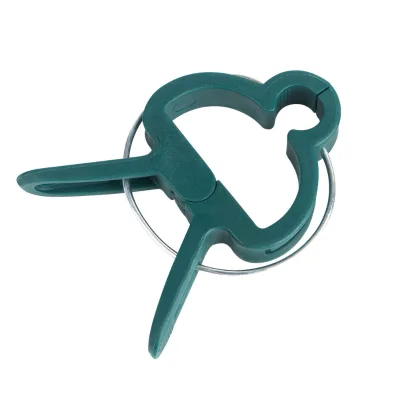
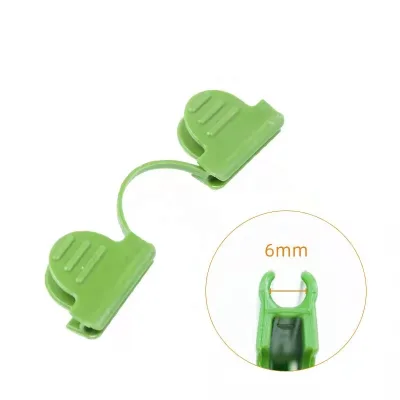
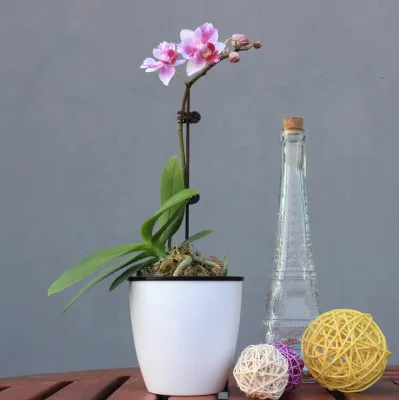
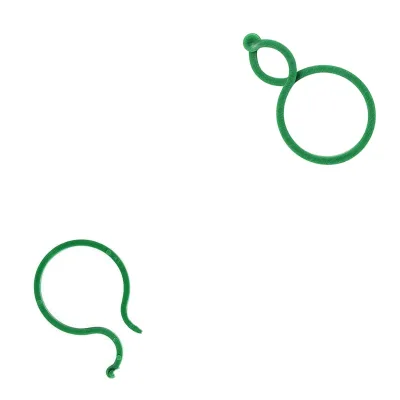
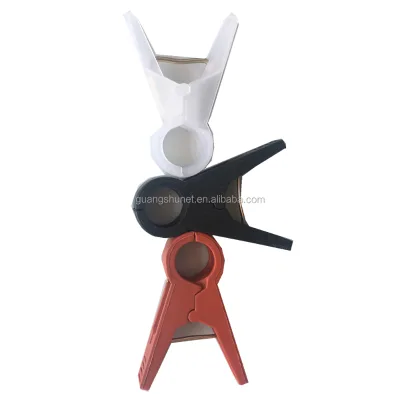
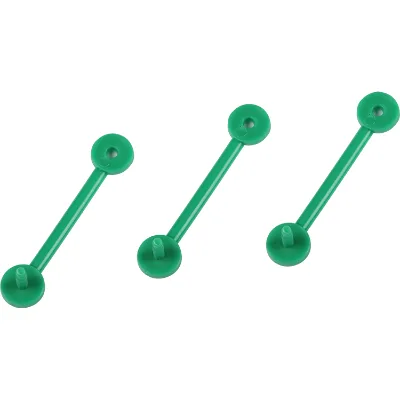
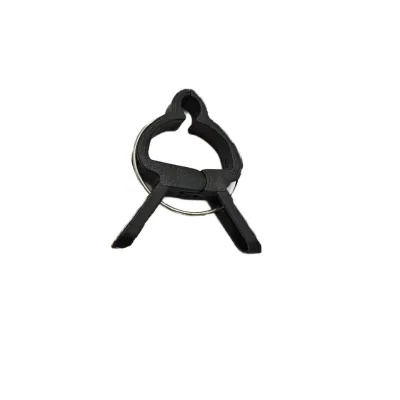
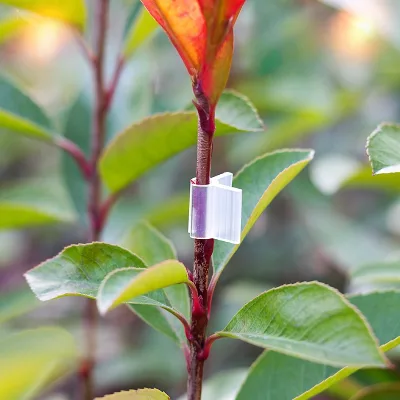
Garden Plastic Vine Plant Support Tomato Trellising Grafting Clips Plastic Tomato Clips
$0.52 - $0.56
Moq: 1000


- Trading Company
- Henan, China
- Lead time3 days
- Avg. response≤ 1h
Main productsRain barrel net,shade sail,anti insect net,seed tray,Pe rope
Main marketsSouth America(20.0%), North America(20.0%), Eastern Asia(10.0%), Domestic Market(10.0%), Africa(10.0%), Eastern Europe(10.0%), Oceania(5.0%), South Asia(5.0%), Southern Europe(5.0%), Central America(5.0%), Western Europe(5.0%)

- Trading Company
- China Hubei
- Lead time0 days
- Avg. response≤ 3h
Main productsGarden Tool, Farm Tools, Poultry Equipment, Agricultural Machinery, Egg Incubator, Chainsaw, Flower Pot, Seedling Tray, Lawn Mower, Artificial Flower
Henan Gengxi Technology Equipment Co., Ltd.
- Trading Company
- Henan, China
- Lead time25 days
- Avg. response≤ 1h
Main productsGrow tent,LED grow light,Heat press machine,Grow Bag,Inline duct fan
Main marketsWestern Europe(20.0%), South America(20.0%), North America(20.0%), Southern Europe(10.0%), Southeast Asia(10.0%), Northern Europe(5.0%), Oceania(5.0%), Eastern Europe(3.0%), Eastern Asia(2.0%), Africa(2.0%), Central America(1.0%), South Asia(1.0%), Mid East(1.0%)
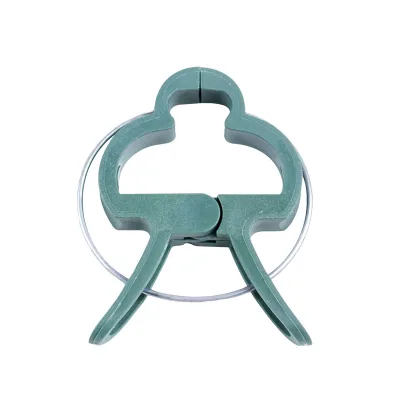
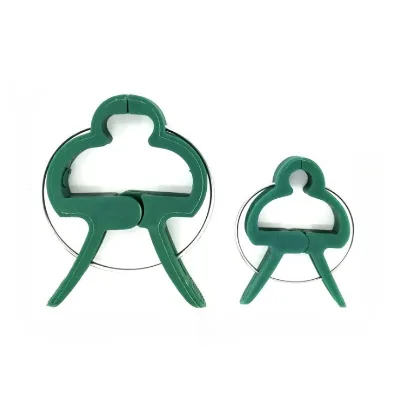
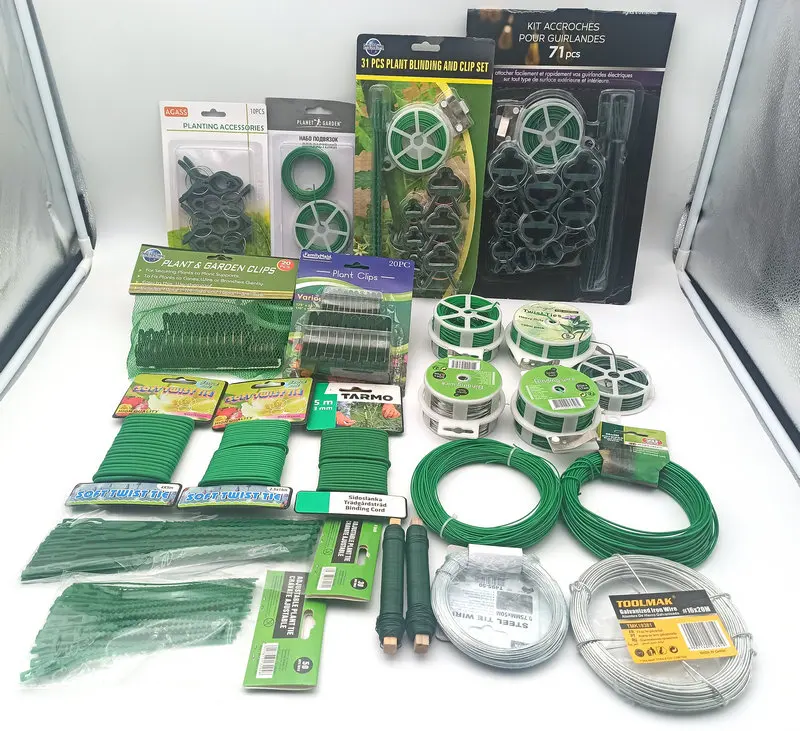
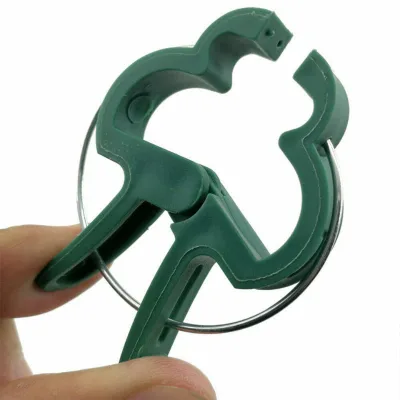
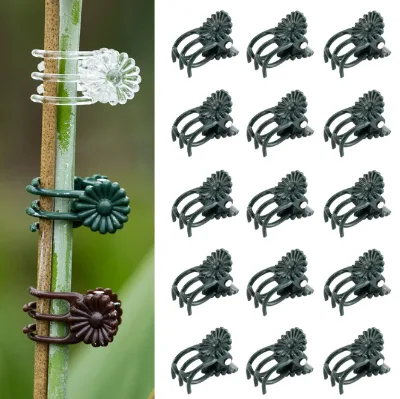
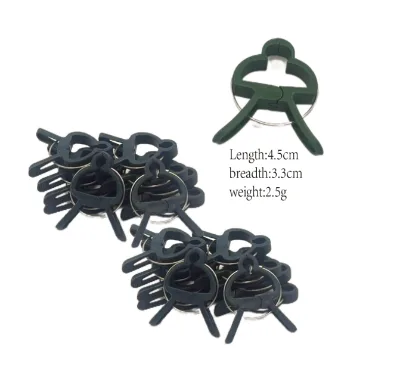
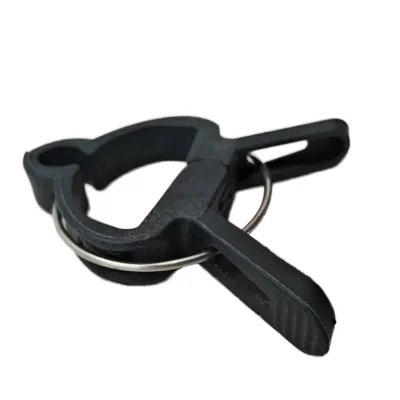
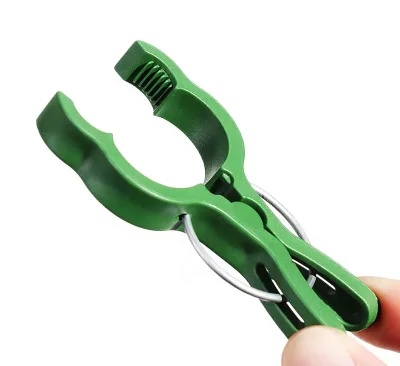
High Quality Plastic Garden Plant Clips Garden Accessories Tomato Clip For Sale
$0.59 - $0.65
Moq: 100
- Trading Company
- Zhejiang, China
- Lead time30 days
- Avg. response≤ 7h
Main productsHome Products,Garden Products,Gifts,Crafts,Tools
Main marketsNorth America(35.0%), Southern Europe(10.0%), Western Europe(10.0%), Northern Europe(10.0%), Eastern Europe(5.0%), Domestic Market(5.0%), Mid East(5.0%), South Asia(5.0%), Africa(5.0%), Southeast Asia(3.0%), South America(3.0%), Eastern Asia(2.0%), Oceania(2.0%)
Zhenjiang Huirong Import & Export Co., Ltd.
- Verified by Intertek
- Manufacturer, Trading Company
- Lead time30 days
- Avg. response≤ 6h
Main productsTwist Ties, Chenille Stems, Diy Accessories, Garden Accessories, Packing Labels
Main marketsNorth America(27%), Western Europe(15%), Southern Europe(13%)
Binzhou Jinpeng Plastic Products Co., Ltd.
- Verified by SGS Group
- Trading Company
- Lead time25 days
Main productsFishing Nets, Agricultural Nets, Sports Nets
Changzhou Jinxian Gardening Products Co., Ltd.
- Manufacturer, Trading Company
- Jiangsu, China
- Lead time15 days
- Avg. response≤ 5h
Main productsGarden Stake,Tomato Support,Flower Support,Tomato Cages,Garden Tunnel
Main marketsWestern Europe(44.0%), Eastern Asia(22.0%), Domestic Market(20.0%), North America(3.0%), Oceania(3.0%), Eastern Europe(2.0%), South America(1.0%), Africa(1.0%), Southeast Asia(1.0%), Mid East(1.0%), Northern Europe(1.0%), Southern Europe(1.0%)
Changzhou Hantechn Imp.& Exp. Co., Ltd.
- Verified by SGS Group
- Trading Company
- Lead time35 days
Main productsPot&planter, Watering&irrigation, Plant Propagation, Hydroponic Gardening, Garden Tools
Main marketsWestern Europe(30%), South America(15%), Oceania(12%)

- Verified by BV
- Trading Company
- China Guangdong
- Lead time30 days
- Avg. response≤ 4h
Main productsHydroponic System, Hydroponic Sponge, Nft Channel, Strawberry Gutter/Tower, Raised Garden Bed, Dutch Bucket, Plastic Net Pot, Substrate, Vegetable Mould, Greenhouse
Main marketsSouth America,Africa,Southeast Asia/ Mideast,East Asia(Japan/ South Korea),Europe,Australia,North America
Hefei Rize International Trade Co., Ltd.
- Trading Company
- Anhui, China
- Lead time0 days
- Avg. response≤ 8h
Main productshome decoration,Home Storage & Organization,Pet products,Household Cleaning Tools & Accessories,Gifts Sports & Toys
Main marketsWestern Europe(90.0%), North America(10.0%)
- Trading Company
- Zhejiang, China
- Lead time0 days
- Avg. response≤ 4h
Main productsgarden pot,garden tool,garden decoration
Main marketsNorth America(60.0%), Northern Europe(20.0%), South Asia(10.0%), Western Europe(10.0%)
Ningbo Hugeleaf Gardening Products Co., Ltd.
- Verified by TüVRheinland
- Trading Company
- Lead time35 days
- Avg. response≤ 3h
Main productsGarden Tools, Plastic Products, Garden Decoration, Pet Product, Outdoor Products
Main marketsNorth America(30%), Western Europe(30%), South America(5%)

Cangzhou Onot Technology Co., Ltd.
- Verified by SGS
- Trading Company,Manufacturer/Factory
- China Hebei
- Lead time15 days
- Avg. response≤ 1h
Main productsMetal Processing Machinery Part, Sheet Metal Part, Custom Metal Fabrication, Garage, Grass Baler Machine
Main marketsSouth America,Eastern Europe,Mid East,North America,Southeast Asia,Eastern Asia,Oceania,Western Europe,Africa












Comprehensive Sourcing Guide
Garden Plant Clips Supplier Concentration and Factory Types
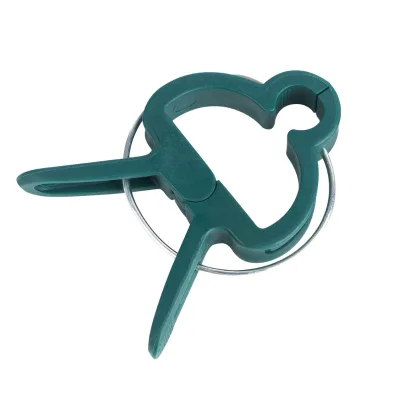
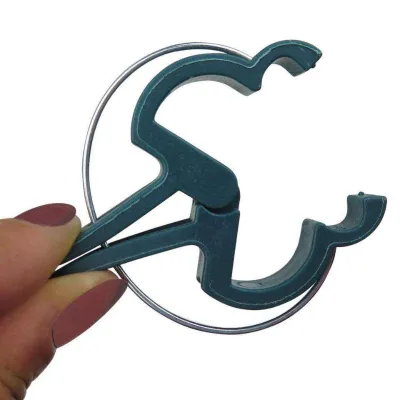
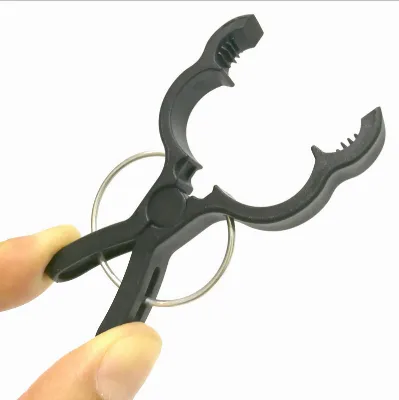
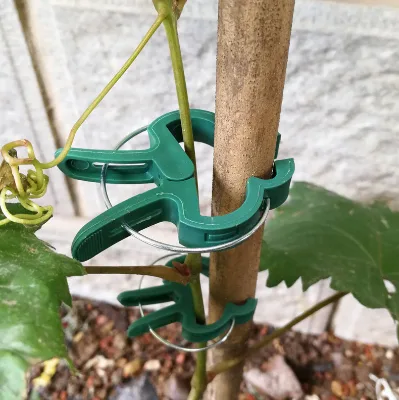
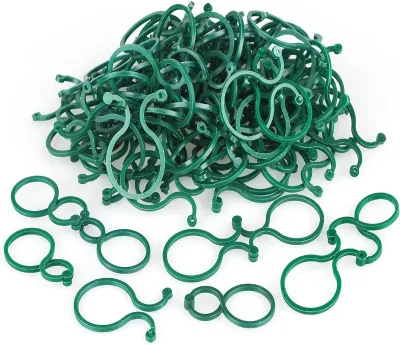
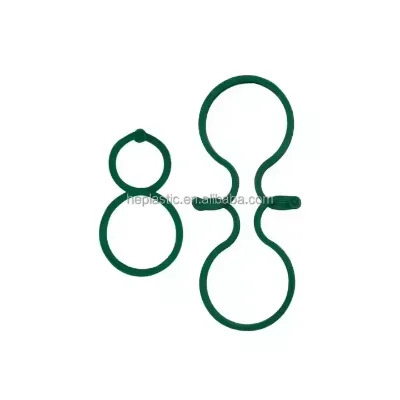
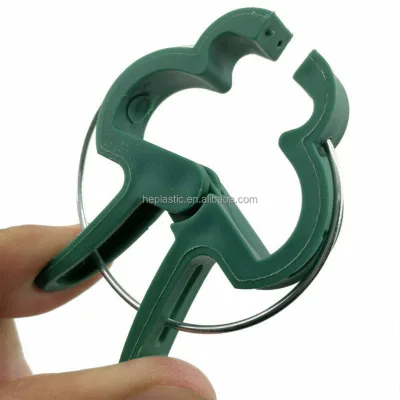
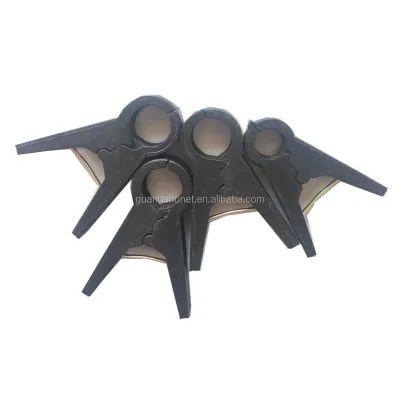
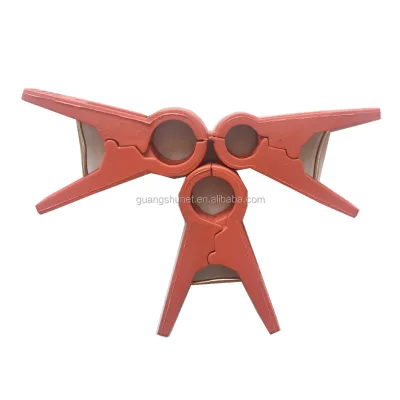
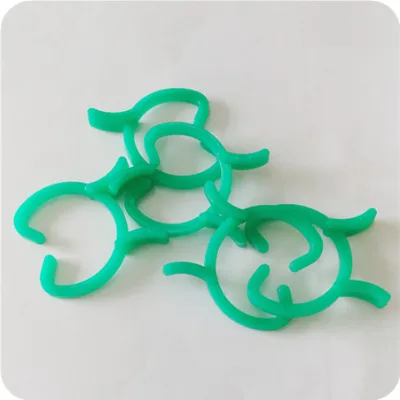
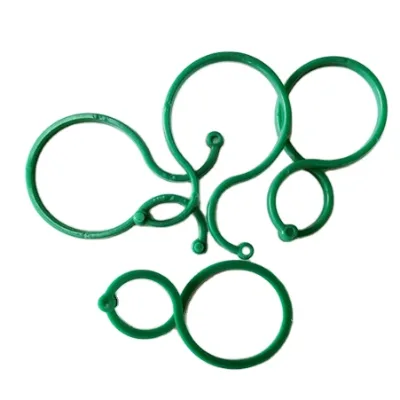
Current data indicates a concentration of manufacturing activity in Shandong and Zhejiang provinces within China, where suppliers list resilient sound isolation clips, marine rubber fenders, and various plastic garden accessories as primary outputs. These regions host combined entities that function as both manufacturers and trading companies, offering a mix of direct production capabilities and broader sourcing networks. The presence of ODM and OEM capacities suggests that factories in these areas can handle custom design requests, such as specific clip models like GF-72 or GF-01, alongside standard inventory items. Buyers should note that while some suppliers specialize in heavy industrial rubber products, others focus exclusively on lightweight plastic gardening tools, indicating a need to filter by main product lists to find the right fit.
When evaluating factory types, the distinction between pure manufacturers and combined entities is critical for understanding supply chain flexibility. Suppliers in Zhejiang often list electric sprayers and pest control equipment alongside plant clips, suggesting a broader agricultural supply portfolio that may offer bundling opportunities. In contrast, suppliers in Shandong may prioritize industrial rubber solutions, requiring careful verification to ensure they possess the specific molding lines for plastic vine clips. The verification status, such as BV or TüVRheinland, provides a baseline for legitimacy but does not guarantee the specific production capacity for garden accessories. Buyers must examine the company type field to determine if the entity can directly manage production or if they act as an intermediary, which impacts communication speed and quality control protocols.
How to Verify Garden Plant Clips Suppliers
Verification processes should prioritize checking for recognized third-party audit reports, as some suppliers display BV or TüVRheinland credentials which serve as independent validations of their business operations. These certifications do not automatically confirm product quality but indicate that the company has undergone a formal assessment of its facilities and management systems. Buyers must cross-reference these claims with the specific product attributes listed, such as the presence of ISO or RoHS certifications on individual item pages, to ensure the factory adheres to relevant safety and environmental standards for plastic components. The absence of a specific certification on a product page does not necessarily mean the supplier is unverified, but it requires direct inquiry to confirm compliance with target market regulations.
Response time metrics offer another layer of verification regarding supplier reliability and operational efficiency. Data shows response times ranging from two to five hours, with faster responses often correlating with suppliers who have dedicated sales teams or automated inquiry systems. A supplier with a three-hour response time may be more agile in addressing urgent customization requests or resolving production issues compared to those with longer delays. However, buyers should not rely solely on this metric; they must also verify the supplier's ability to provide detailed product specifications, such as material composition (PP or PET) and packaging details, which demonstrate technical competence. Combining verification badges with rapid communication and detailed product data creates a robust profile of a trustworthy partner capable of handling complex orders.
What to Compare Across Garden Plant Clips Suppliers
Comparing suppliers requires a systematic evaluation of key operational dimensions, including lead times, minimum order quantities, and pricing structures, which vary significantly across the market. Lead times can range from fifteen to thirty days, influencing inventory planning and delivery schedules for large-scale projects. Buyers should compare these durations against their own production cycles to ensure alignment, noting that suppliers with shorter lead times may prioritize smaller batches or have more streamlined logistics. Minimum order quantities also differ, with some suppliers requiring ten thousand units while others accept orders as low as one hundred pieces, allowing flexibility for startups or small retailers who cannot commit to massive volumes immediately.
Pricing and customization options form another critical comparison point, as costs can fluctuate based on material choices and order volume. Some listings show unit prices as low as four cents, while others range up to ninety-nine cents, reflecting differences in material quality, branding, and packaging standards. Buyers must assess whether customization is available for logos, colors, and sizes, as some suppliers offer fully customized solutions while others provide only standard configurations. The availability of specific product models, such as GF-108 or PSC-1, should be matched against the buyer's design requirements. Additionally, comparing main product lists helps identify suppliers who specialize in garden clips versus those who offer them as a minor part of a broader agricultural inventory, ensuring the partner has the necessary expertise and focus.
Common Garden Plant Clips Sourcing Risks
One significant risk involves the discrepancy between advertised main products and actual inventory availability, as some suppliers list diverse items like marine fenders alongside garden clips. This broad product range may indicate a trading company model where the supplier sources from multiple factories, potentially leading to inconsistent quality control or delayed shipments if one link in the supply chain fails. Buyers must verify that the specific clip model they require is actually manufactured in-house rather than sourced from a third party, as this affects the ability to enforce quality standards and manage production timelines effectively. Relying on a supplier with a vague product focus increases the likelihood of receiving substandard materials or incorrect specifications.
Another risk stems from unclear certification claims and missing product attributes, which can lead to compliance issues in target markets. While some suppliers list ISO or RoHS certifications, others may omit critical details like material composition or power source requirements, creating ambiguity about product safety and durability. Buyers should be wary of listings that lack specific technical data, such as HS codes or standard packaging details, as these omissions often signal a lack of transparency or experience in international trade. Furthermore, the absence of clear customization options for logos or colors can limit branding opportunities, forcing buyers to accept generic products that do not meet their market differentiation needs.
Garden Plant Clips Regional Sourcing and Logistics
Regional sourcing strategies should account for the geographic concentration of suppliers in Shandong and Zhejiang, where logistics infrastructure supports efficient export operations. Suppliers in these regions often utilize established shipping routes, but buyers must verify the specific origin of goods to ensure accurate customs documentation and duty calculations. The location data provided, such as Zhejiang or Shandong, helps in estimating transit times and selecting appropriate freight forwarders who are familiar with the local port facilities. Understanding the regional distribution of manufacturers allows buyers to consolidate orders from nearby factories, potentially reducing shipping costs and simplifying quality inspections before dispatch.
Logistics planning must also consider packaging specifications and weight constraints, which vary by supplier and product model. Some listings indicate package sizes of 55x16x10 cm with a gross weight of 5 kg, while others show larger dimensions and heavier weights, impacting container loading efficiency. Buyers should request detailed packing lists to optimize space utilization and minimize freight charges, especially for high-volume orders. Additionally, the origin of the product, whether from Zhejiang or Shandong, may influence the availability of specific shipping methods or insurance options. Coordinating with suppliers who have experience in international logistics ensures that goods are properly secured and documented, reducing the risk of damage or delays during transit.
Garden Plant Clips Commercial Terms and Order Planning
Commercial terms and order planning require careful attention to payment structures, delivery schedules, and customization agreements to mitigate financial and operational risks. Buyers should clarify whether suppliers offer escrow services or require upfront payments, as this affects cash flow management and risk exposure. Lead times of fifteen to thirty days must be factored into the production schedule, with buffer periods added for potential delays in material sourcing or quality inspections. Establishing clear communication channels for order updates and milestone tracking ensures that both parties remain aligned throughout the fulfillment process, preventing misunderstandings that could disrupt the supply chain.
Order planning should also incorporate flexibility for customization requests, such as logo printing or color variations, which may extend lead times or increase unit costs. Suppliers offering ODM and OEM capabilities can accommodate these changes, but buyers must confirm the additional time and cost implications before finalizing the order. Minimum order quantities, ranging from one hundred to ten thousand units, dictate the scale of the initial investment and inventory holding requirements. Buyers should negotiate terms that allow for partial shipments or staggered deliveries if their storage capacity is limited, ensuring that they can manage stock levels effectively while maintaining a steady supply of Garden Plant Clips for their customers.
FAQs
What is the typical price range for Garden Plant Clips?
Prices for Garden Plant Clips generally range from $0.04 to $0.99 per unit. The lowest cost options are available for bulk orders of 10,000 pieces, while smaller orders of 100 pieces carry a higher per-unit price. Buyers should expect costs to vary based on material type and customization requirements.
What is the minimum order quantity for these clips?
Minimum order quantities vary significantly by supplier. Some manufacturers require a minimum of 10,000 pieces for standard plastic clips, while others accept orders as low as 100 pieces. Buyers seeking smaller quantities should look for suppliers with lower MOQs, whereas large-scale operations can benefit from bulk pricing tiers.
How long does production typically take?
Production lead times typically range from 15 to 30 days depending on the supplier and order volume. Some manufacturers offer faster turnaround times for sample processing or customized designs. Buyers should confirm specific delivery schedules with suppliers to ensure alignment with their project timelines and inventory needs.
Are customization options available for plant clips?
Yes, customization is widely available for Garden Plant Clips. Suppliers offer options for custom colors, sizes, and logos. Many manufacturers support OEM and ODM services, allowing buyers to tailor products to specific branding or functional requirements. Buyers should verify customization details and potential additional costs with their chosen supplier.
What certifications do these products have?
Certifications vary by supplier and product line. Some plant clips are certified under ISO and RoHS standards, ensuring compliance with environmental and quality regulations. Other suppliers may hold EPA or IEC certifications for related gardening equipment. Buyers should request specific certification documents to verify compliance with their regional market requirements.
Where are these plant clips manufactured?
Most Garden Plant Clips are manufactured in China, with production facilities located in provinces such as Shandong and Zhejiang. These regions are known for their strong manufacturing capabilities in plastic and gardening accessories. Buyers can expect efficient supply chains and competitive pricing from suppliers based in these established industrial hubs.