Mini Digital Camera Suppliers and Manufacturers
Source 29 verified Mini Digital Camera suppliers from China Guangdong. Compare response times, lead times, certifications, and pricing to find the right partner. Contact suppliers directly to discuss OEM, ODM, and customization options; review the available evidence before requesting comparable quotations from suitable candidates.
Suppliers List

Shenzhen Shixin Digital Co., Ltd.
- Manufacturer
- China Guangdong
- Lead time15 days
- Avg. response≤ 9h
Main productsUSB Camera, IP Camera, CCTV, 4K Camera, Security Camera, Camera Module, Mini Camera, Webcam, HD Camera, CCTV Camera
Main marketsSoutheast Asia/ Mideast,Domestic,Europe,North America

Mingshang Technology Co., Ltd.
- Manufacturer/Factory,Group Corporation
- China Guangdong
- Lead time23 days
- Avg. response≤ 5h
Main productsRear View Camera, Mobile DVR, Rear View System, Wireless Camera System, Vehicle Safety System, Ai Camera, 360 Camera System, Adas, DMS, Bsd
Main marketsEastern Europe,North America,Western Europe


MOQ: 1 Pieces

Reverse Camera Security Backup System
MOQ: 50 Pieces

Reverse Camera Monitor Backup System
MOQ: 50 Pieces

Glory (Shenzhen) Technology Co., Ltd.
- Verified by SGS
- Trading Company
- China Guangdong
- Lead time15 days
- Avg. response≤ 8h
Main productsKids Camera, Security Cameras, Earbuds, Electric Folding Bike, Phone Protectors, Outdoor Products
Main marketsEurope


Mini Camera for Children - Cartoon-Themed Digital Camera with 2.0 Inch Screen
$6.99 - $7.99
MOQ: 300 Pieces


Shenzhen Shangyi Jinggong Technology Co., Ltd.
- Trading Company
- China Guangdong
- Lead time0 days
- Avg. response≤ 14h
Main products25W Charger, 35W Charger, Smart Phone, Mobile Phone, Feature Phone, Tws, Smart Watch, Mobile Phone Case

Quanzhou E-Best International Trade Co., Ltd.
- Verified by BV
- Trading Company
- China Fujian
- Lead time30 days
- Avg. response≤ 7h
Main productsBluetooth Speaker, Phone Case, Power Bank, Beauty Device, Portable Projector, IP Poe Camera, Mouse, Air Fryer, Razors, Wireless Headphones
Main marketsNorth America

$23.63 - $26.59
MOQ: 20 Pieces

$15.69 - $17.65
MOQ: 20 Pieces


- Verified by SGS
- Trading Company
- China Guangdong
- Lead time15 days
- Avg. response≤ 8h
Main productsConsumer Electronics, Car Accessories, Mini Thermal Printers, Garden Lights, Lawn Mower Accessories, Portable Speakers, Digital Camera, Mini Projectors
Main marketsOthers(foreignTradeCapacity.exportBusinessCapacityMarketOther),Europe


CV01 Digital Camera - 2.8" + 1.4" Dual Screen, 4K 64MP, Photo/Video, White
$27.22 - $28.67
MOQ: 1 Pieces


- Verified by SGS
- Trading Company,Manufacturer/Factory
- China Guangdong
- Lead time15 days
- Avg. response≤ 7h
Main productsPhone Case, PU Leather Cover, Earphone, Magsafe Card Holder
Main marketsSouth America,Eastern Europe,Mid East,North America,Southeast Asia,Eastern Asia,Oceania,Western Europe,Africa

Shenzhen Shire Star Electronic Technology Co., Ltd.
- Verified by BV
- Manufacturer/Factory
- China Guangdong
- Lead time15 days
- Avg. response≤ 5h
Main productsTrail Camera, Hunting Camera, Wildlife Camera, GPS Dog Collar, Pet Camera, Dog Camera, Dog Training Collar, Mini Camera, Miniature Camera, Small Camera
Main marketsSouth America,Eastern Europe,North America,Southeast Asia,Oceania,Western Europe,Africa

Shenzhen Esaker Technology Co., Ltd.
- Verified by SGS
- Manufacturer/Factory
- China Guangdong
- Lead time15 days
- Avg. response≤ 7h
Main productsGame Console, Gaming Accessories, Phone Case, Charger, Entertainment Electronics, Game Controller, Game Box, Earphone
Main marketsSouth America,Eastern Europe,Mid East,North America,Southeast Asia,Eastern Asia,Oceania,Western Europe,Africa

Mini Action Camera with Built-in Display, Digital Zoom and Wireless Transfer
$33.49 - $35.00
MOQ: 50 Pieces

Pocket Digital Camera with Gimbal Stabilizer, 4K Video Recording and Touch Screen Display
$33.49 - $35.00
MOQ: 50 Pieces


Small Pocket Camera with Stabilization System and High Definition Image Capture
$33.49 - $35.00
MOQ: 50 Pieces

Anhui Orange Smart Iot Co., Ltd.
- Verified by SGS
- Trading Company,Manufacturer/Factory
- China Anhui
- Lead time45 days
- Avg. response≤ 3h
Main productsSecurity Camera, IP Camera, CCTV Camera, CCTV, Camera, 4G Solar Camera, Mini CCTV Camera, Surveillance Camera, Solar Camera, Thermal Camera
Main marketsSouth America,Eastern Europe,Mid East,North America,Southeast Asia,Eastern Asia,Oceania,Western Europe,Africa

Shenzhen Jrki Technology Co., Ltd.
- Manufacturer
- Guangdogn, China
- Lead time7 days
- Avg. response≤ 5h
Main productsdigital camera,optical camera,Camera Accessories,Printing camera,DV camera
Main marketsNorth America(40.00%), Northern Europe(10.00%), Eastern Europe(10.00%), Western Europe(10.00%), Southeast Asia(5.00%), South America(5.00%), Eastern Asia(5.00%), Southern Europe(5.00%), South Asia(5.00%), Mid East(4.00%), Africa(1.00%)
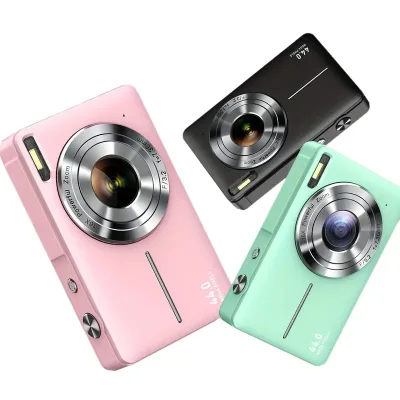
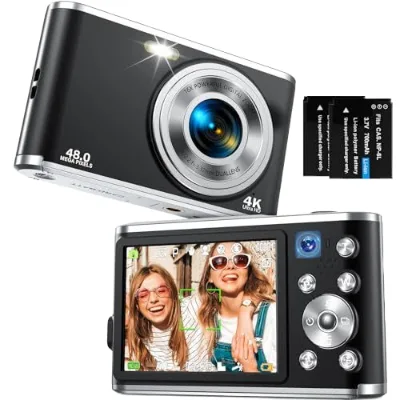
$16.30 - $20.38
MOQ: 2 pieces

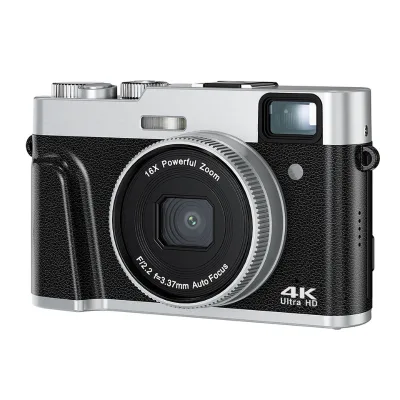
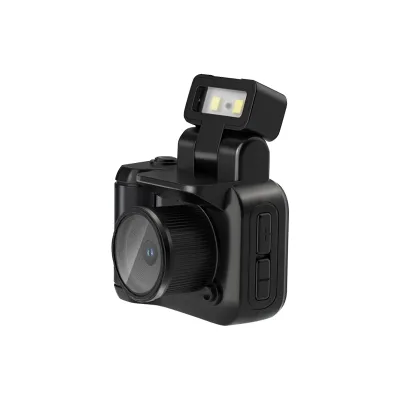
$15.47 - $16.45
MOQ: 50 pieces
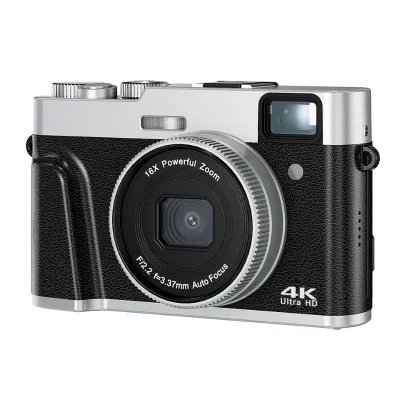
$30.59 - $46.90
MOQ: 50 pieces
Jining Rui Xing Sheng Electronic Technology Co., Ltd.
- Trading Company
- Shandong, China
- Lead time10 days
- Avg. response≤ 1h
Main productsConsumer electronics,Intelligent doll
Main marketsEastern Asia(40.00%), Africa(20.00%), North America(20.00%), Western Europe(10.00%), Eastern Europe(10.00%)
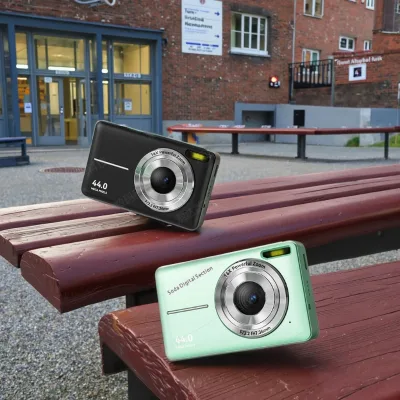
$21.43 - $25.71
MOQ: 50 bags

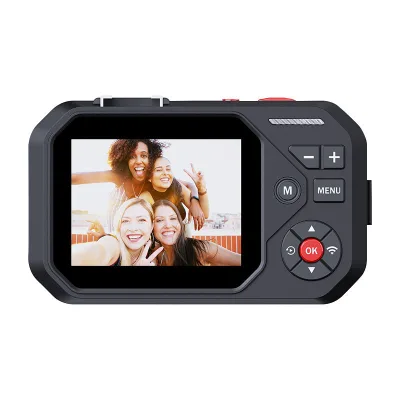
$46.18 - $49.16
MOQ: 50 pieces

Shenzhen Xumeng Technology Co., Ltd.
- Verified by BV
- Trading Company,Manufacturer/Factory
- China Guangdong
- Lead time15 days
- Avg. response≤ 9h
Main productsEarphones, Phone Cases, Chargers, Data Cables, Memory Card, Smart Watch, Watch Straps, Speaker, Phone Battery
Main marketsSouth America,Eastern Europe,Mid East,North America,Southeast Asia,Eastern Asia,Oceania,Western Europe,Africa


Portable 1080P Mini Digital Video Camera Retro Outdoor with Key Chain 0.96 Inch Pocket Camcorder
$6.40 - $7.35
MOQ: 5 Pieces


Shenzhen Shiyusheng Technology Co., Ltd.
- Verified by SGS
- Manufacturer/Factory
- China Guangdong
- Lead time15 days
- Avg. response≤ 10h
Main productsSpeaker, Earphone, Gamed, Phone Case, Charger, Powerbank, Memory Card, Phone Cable
Main marketsSouth America,Eastern Europe,Mid East,North America,Southeast Asia,Eastern Asia,Oceania,Western Europe,Africa

Portable Mini Digital Camera with CMOS Sensor Gift for Kids and Young Adults Option
$15.00 - $20.00
MOQ: 5 Pieces

Shenzhen Maxtop Digital Technology Co., Ltd.
- Trading Company
- Lead time旺季: "1 - 2":10,"> 2":"To be negotiated", 淡季: "1 - 2":10,"> 2":"To be negotiated"
Main productsKid Watch, Kid Camera, Kid Phone Toy, Children Painting Robot, Writing Board
Shenzhen LGYD Electronics Co., Ltd.
- Verified by SGS Group
- Trading Company
- Lead time5 days
Main productsMobile Phone, Tablet PC, Photo Studio Box, LED Ring Light, Electric Rotating Turntable Display Stand
Main marketsEastern Europe(20%), North America(10%), Western Europe(10%)

Shenzhen Icar Multimedia Industry Co., Ltd.
- Manufacturer
- Guangdong, China
- Lead time25 days
- Avg. response≤ 2h
Main productsAction cam,Dash cam/car dvr,life camera,Carplay/Android box,action cam accessories
Main marketsWestern Europe(37.00%), South America(15.00%), North America(10.00%), Southern Europe(10.00%), Mid East(5.00%), Northern Europe(5.00%), Eastern Asia(5.00%), Southeast Asia(3.00%), Central America(3.00%), Eastern Europe(2.00%), South Asia(2.00%), Africa(2.00%), Oceania(1.00%)
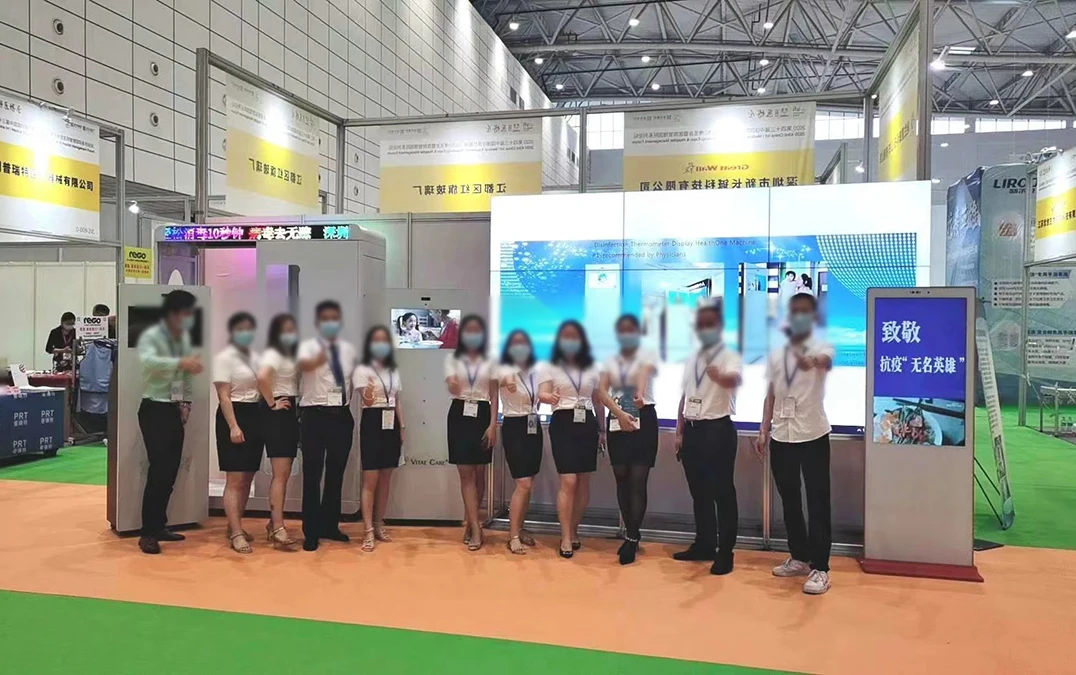
Sichuan Shenmai Technology Co., Ltd.
- Trading Company
- Sichuan, China
- Lead time5 days
- Avg. response≤ 7h
Main productsTranslation And Recording Equipment,Printer,Computer Accessories,Tablet PC,VR Device
Main marketsSouth Asia(100.00%), Central America(100.00%), Oceania(100.00%), Domestic Market(80.00%), Southeast Asia(2.00%), Eastern Europe(2.00%), Southern Europe(2.00%), Northern Europe(2.00%), South America(2.00%), Western Europe(2.00%), Eastern Asia(2.00%), Mid East(2.00%), North America(2.00%), Africa(2.00%)
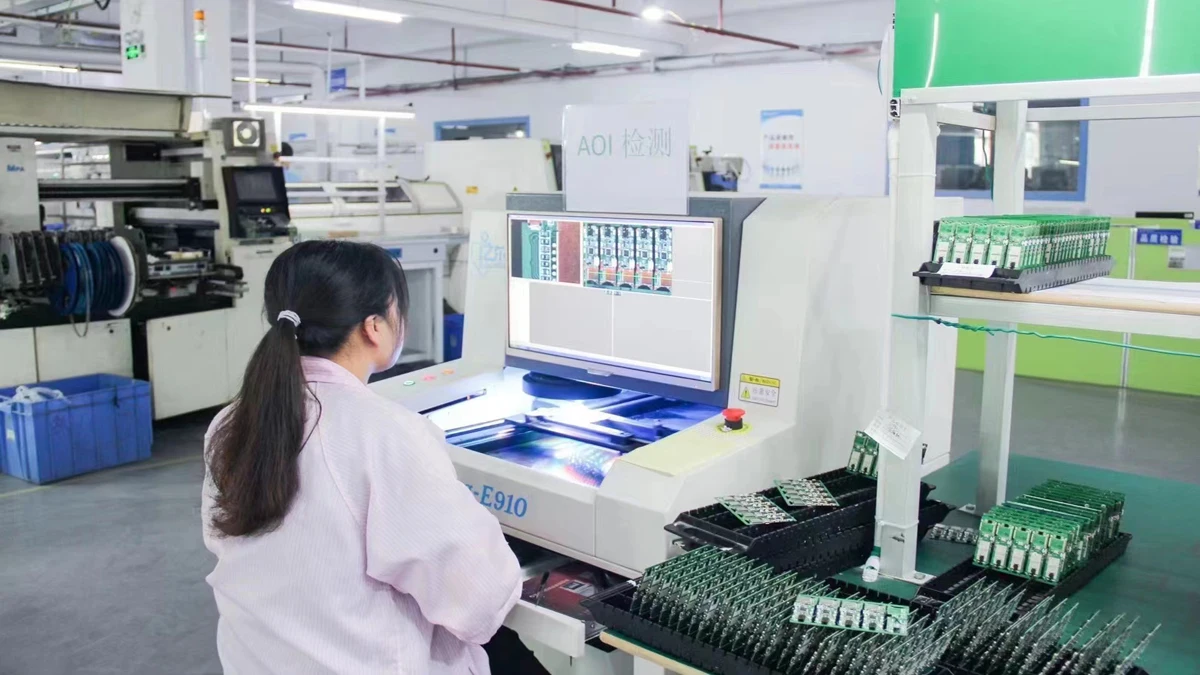
Shenzhen Beixingchen Technology Co., Ltd.
- Manufacturer, Trading Company, Distributor/Wholesaler
- Guangdong, China
- Lead time30 days
- Avg. response≤ 3h
Main productsMini printer,smart plug,smart spearker,wireless charger,phone holder
Main marketsSouth America(40.00%), Mid East(20.00%), Northern Europe(10.00%), Southeast Asia(10.00%), North America(10.00%), Eastern Europe(10.00%)

- Verified by SGS
- Trading Company
- China Guangdong
- Lead time15 days
- Avg. response≤ 7h
Main productsMobile Phone Cases, Car Phone Holder, Bluetooth Speaker, Tablet Case, Wireless Charger, Power Bank, Earphone Headset, RC Drones, Consumer Electronics, Security Cameras
Main marketsOthers(foreignTradeCapacity.exportBusinessCapacityMarketOther),Europe

X19 2.0-Inch Touch Screen Digital Camera with Flip Lens, HD Photo & Video Recording, MP3 Player
$17.64 - $19.00
MOQ: 50 Pieces

Digital Camera Video Small Simple Portable Cameras Auto Focus 1080P Camera for Teens Boys Girls Kids
$18.60 - $21.19
MOQ: 2 Pieces
Shenzhen COC-Technology Co.,Ltd
- Verified by TüVRheinland
- Trading Company
- Lead time10 days
Main productsDigital Camera, Voice Translator, Mini Printer, Instant Print Camera, Kids Camera
Main marketsEastern Europe(15%), Northern Europe(15%), North America(10%)
- Manufacturer, Trading Company
- Lead time旺季: "1 - 100":5,"101 - 500":30,"501 - 1000":40,"> 1000":"To be negotiated", 淡季: "1 - 100":5,"101 - 500":30,"501 - 1000":40,"> 1000":"To be negotiated"
Main productsNight Vision, Hunting Camera, Kids Camera, Pet Feeder, Waterproof Camera
Shenzhen Chuangshitong Electronic Technology Co., Ltd.
- Manufacturer
- Guangdong, China
- Lead time3 days
- Avg. response≤ 2h
Main productsCar DVR,action camera,car black box,webcam,sports DVR
Main marketsEastern Europe(14.26%), Northern Europe(12.85%), Western Europe(10.00%), North America(10.00%), Southern Europe(9.87%), South America(9.80%), Central America(7.20%), Southeast Asia(5.50%), Domestic Market(5.00%), Africa(4.09%), Mid East(3.28%), Eastern Asia(2.91%), Oceania(2.84%), South Asia(2.40%)
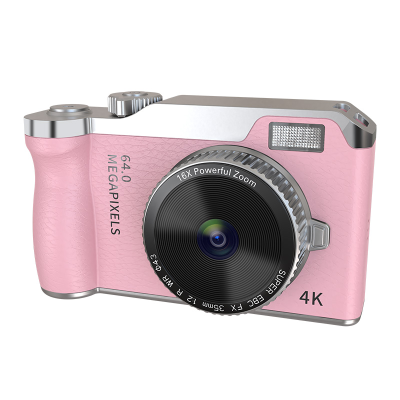
Digital Camera CCD 2.4 Inch IPS Screen Retro Digital Camera Digital Zoom HD Dual Lens Video Recorder
$8.60 - $13.00
MOQ: 10 pieces


Shenzhen Delanda Technology Co., Ltd.
- Verified by SGS Group
- Manufacturer, Trading Company
- Lead time3 days
Main productsUnderwater camera, Kids Walkie Talkie, Digital Camera, Printing Camera, Screenless Retro camera
Main marketsDomestic Market(44%), Western Europe(25%), Eastern Europe(14%)
Shenzhen Famefar Technology Co., Ltd.
- Verified by TüVRheinland
- Trading Company
- Lead time5 days
Main productsMini Camera, Kids Camera, Sport Camera, Webcam, Network Camera
Main marketsNorth America(20%), South America(15%), Eastern Europe(10%)
Dongguan Donghuasheng Electronic Technology Co., Ltd.
- Manufacturer
- Guangdong, China
- Lead time0 days
- Avg. response≤ 4h
Main productsfan,Smart Ring,counter,Bluetooth glasses,Magnetic power bank
Main marketsNorth America(30.00%), Western Europe(20.00%), Southeast Asia(10.00%), Mid East(10.00%), Eastern Asia(5.00%), South Asia(5.00%), Eastern Europe(5.00%), South America(5.00%), Southern Europe(5.00%), Domestic Market(1.00%), Northern Europe(1.00%), Oceania(1.00%), Africa(1.00%), Central America(1.00%)
Shenzhen Hengfulong Technology Co., Ltd.
- Verified by SGS Group
- Trading Company
- Lead time2 days
Main productsKids Camera/Game Console/Smart Tracker, Educational Toys/LCD Drawing Tablet
Main marketsNorth America(30%), Western Europe(30%), South America(10%)

- Verified by SGS
- Trading Company
- China Guangdong
- Lead time15 days
- Avg. response≤ 4h
Main productsPhone Accessories, Consumer Electronics, Car Accessories, Household Appliances, Mobile Phone Cases, Tablet Case, Wireless Charger, Bluetooth Speaker, Security Cameras, Power Bank
Main marketsOthers(foreignTradeCapacity.exportBusinessCapacityMarketOther),Europe

S151 0.96 Inch IPS Color Screen Mini Digital Camera with 64G Memory Card
$12.56 - $13.74
MOQ: 1 Pieces

- Verified by TüVRheinland
- Trading Company
- Lead time15 days
Main productsPhotographic Flash, Continuous Light, LED Panel Light, Light Stand, Photography Accessories
Main marketsNorth America(15%), South America(15%), Southeast Asia(10%)


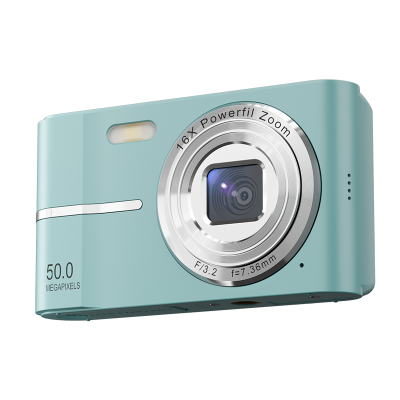


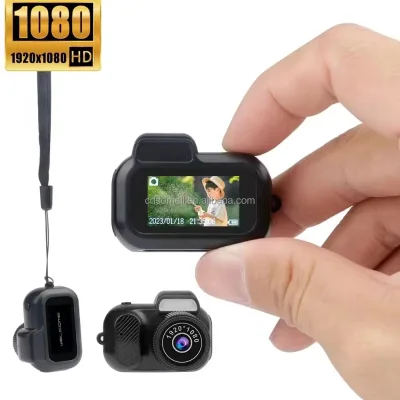












Comprehensive Sourcing Guide
Mini Digital Camera Supplier Concentration and Factory Types
The current supplier landscape for mini digital cameras reveals a distinct concentration of manufacturing capabilities within specific industrial regions, with China Guangdong emerging as a primary hub for production. This geographic clustering suggests a mature supply chain ecosystem where component sourcing, assembly, and testing are optimized for efficiency. Buyers evaluating potential partners should recognize that this concentration often correlates with higher availability of specialized labor and established logistics networks, which can significantly impact lead times and shipping costs. The presence of manufacturers in this region indicates a competitive market where price and quality are balanced through economies of scale. However, buyers must verify that the supplier’s stated location matches their actual operational base, as some trading companies may list a different address than their manufacturing facilities. Understanding this geographic reality helps in assessing the reliability of delivery schedules and the potential for factory audits.
Supplier types in this sector vary from pure manufacturers to group corporations that may include both factory and trading operations. The data indicates that many entities identify as manufacturers, offering OEM and ODM services, which is crucial for buyers seeking custom branding or specific technical modifications. Some suppliers also operate as group corporations, suggesting a broader organizational structure that might offer more comprehensive support or diversified product lines. This distinction is vital because it affects how buyers interact with the supplier, whether they are dealing directly with production line managers or sales representatives who may have less technical depth. Buyers should inquire about the specific nature of the entity they are engaging with to ensure they are getting direct factory pricing and technical support. The ability to provide both OEM and ODM services is a key indicator of a supplier’s flexibility and capacity to meet unique product requirements.
How to Verify Mini Digital Camera Suppliers
Verifying the authenticity and capability of a Mini Digital Camera supplier requires a multi-layered approach that goes beyond surface-level profile reviews. Buyers should prioritize suppliers who display clear system certifications, such as ISO9001:2015 or TS 16949, as these indicate a structured quality management system. For automotive-related mini cameras, TS 16949 is particularly significant, suggesting adherence to rigorous automotive industry standards. Additionally, product-specific certifications like CE, FCC, and RoHS are essential for market compliance in various regions. Buyers must request copies of these certificates and verify their validity through the issuing bodies. It is also important to check if the supplier has undergone third-party audits or holds escrow protection, which adds a layer of financial security to the transaction. These verification steps help mitigate the risk of engaging with unverified entities that may not meet international quality or safety standards.
Beyond certifications, buyers should assess the supplier’s responsiveness and technical depth through direct communication. The response time metric provides a quantitative measure of how quickly a supplier engages with inquiries, with faster response times often indicating a more active and customer-focused operation. Buyers should test this by sending detailed technical questions about sensor types, lens specifications, and interface compatibility. A supplier’s ability to provide accurate and prompt answers demonstrates their technical competence and willingness to support the buyer’s needs. Furthermore, buyers should request product samples to evaluate build quality, image clarity, and functionality firsthand. This hands-on verification is critical because product specifications listed online may not always reflect the actual quality of the units shipped. By combining document verification with direct interaction and sample testing, buyers can build a more accurate picture of a supplier’s reliability and capability.
What to Compare Across Mini Digital Camera Suppliers
When evaluating multiple suppliers for mini digital cameras, buyers should systematically compare key operational metrics to identify the best fit for their specific needs. Lead time is a critical factor, as it directly impacts inventory management and time-to-market. Suppliers may offer varying lead times, ranging from standard production cycles to expedited options, so buyers should clarify these timelines during the negotiation phase. Minimum Order Quantity (MOQ) is another essential comparison point, as it affects cash flow and risk exposure. Some suppliers may have low MOQs suitable for testing or small batches, while others may require larger volumes for cost efficiency. Buyers should also compare pricing structures, keeping in mind that lower prices may come with trade-offs in quality or service. It is important to request detailed quotes that include all costs, such as packaging, shipping, and any customization fees, to ensure a fair comparison.
In addition to operational metrics, buyers should compare the range of main products and customization capabilities offered by each supplier. Suppliers specializing in a narrow range of products may offer deeper expertise and better quality control, while those with broader portfolios might provide more flexibility in sourcing related accessories. The availability of OEM and ODM services is particularly important for buyers looking to differentiate their products in the market. Buyers should also consider the supplier’s response time as an indicator of their customer service quality, as quick and helpful communication can resolve issues more efficiently. Furthermore, comparing the specific technical attributes of the mini digital cameras, such as sensor resolution, lens type, and interface standards, is crucial to ensure the products meet the buyer’s technical requirements. By systematically comparing these dimensions, buyers can make informed decisions that balance cost, quality, and service.
Common Mini Digital Camera Sourcing Risks
Sourcing mini digital cameras involves several inherent risks that buyers must proactively manage to ensure a successful procurement process. One significant risk is the discrepancy between advertised specifications and actual product performance. Suppliers may list impressive technical details, such as high resolution or advanced features, but the actual units may fall short of these claims. This risk is particularly prevalent in the consumer electronics sector, where marketing materials may exaggerate capabilities. Buyers should mitigate this by requesting detailed technical datasheets and conducting rigorous sample testing before placing large orders. Another risk is the variability in quality control standards among different suppliers. Even within the same region, quality can vary significantly based on the supplier’s internal processes and investment in testing equipment. Buyers should inquire about the supplier’s quality assurance procedures and request evidence of consistent quality, such as batch testing reports or customer feedback.
Intellectual property and customization risks are also prevalent when working with suppliers offering OEM services. Buyers must ensure that their designs and branding are protected through proper legal agreements and that the supplier has the capability to execute these customizations accurately. There is a risk of design leakage or unauthorized production if the supplier lacks robust IP protection measures. Additionally, buyers should be cautious of suppliers who claim to offer extensive customization but lack the necessary technical infrastructure to support it. This can lead to delays, increased costs, or subpar product quality. Another common risk is the instability of supply chains, which can be affected by raw material shortages or production disruptions. Buyers should assess the supplier’s supply chain resilience and inquire about their contingency plans for potential disruptions. By identifying and addressing these risks early in the sourcing process, buyers can protect their interests and ensure a smoother procurement experience.
Mini Digital Camera Regional Sourcing and Logistics
Regional sourcing decisions for mini digital cameras are heavily influenced by the geographic concentration of manufacturing hubs, with China Guangdong being a prominent location for production. This region offers a dense network of suppliers, component manufacturers, and logistics providers, which can facilitate faster production cycles and more efficient shipping options. Buyers sourcing from this region should consider the implications of this concentration on lead times and shipping costs. The proximity to major ports and airports in Guangdong can reduce transit times to global markets, making it an attractive option for buyers prioritizing speed. However, buyers should also be aware of potential logistical challenges, such as customs clearance delays or seasonal shipping congestion. Understanding the local logistics infrastructure helps in planning inventory levels and managing delivery expectations. Buyers should work closely with their suppliers to optimize shipping routes and select the most cost-effective and reliable logistics partners.
Logistics planning also involves considering the packaging and handling requirements of mini digital cameras, which are delicate electronic devices. Suppliers in this region typically use standardized packaging methods, such as cartons or gift boxes, to protect products during transit. Buyers should verify that the packaging meets their specific requirements, including labeling, branding, and protection against moisture or shock. Additionally, buyers should assess the supplier’s experience in exporting to their target market, as this can impact the efficiency of customs clearance and compliance with local regulations. Suppliers with extensive export experience are likely to be more familiar with documentation requirements and can help streamline the import process. Buyers should also consider the environmental impact of their sourcing decisions, as some regions may have stricter regulations on manufacturing waste and emissions. By carefully evaluating regional logistics and packaging options, buyers can ensure that their mini digital cameras arrive in optimal condition and on time.
Mini Digital Camera Commercial Terms and Order Planning
Commercial terms and order planning are critical components of a successful sourcing strategy for mini digital cameras, requiring careful negotiation and foresight. Buyers should prioritize understanding the supplier’s payment terms, which can vary from upfront deposits to escrow-based transactions. Escrow services provide an additional layer of security by holding funds until the buyer confirms receipt and satisfaction with the products. This is particularly important for new supplier relationships or large orders. Buyers should also clarify the Incoterms used in the transaction, such as FOB or CIF, as this determines who is responsible for shipping costs and risks. Understanding these terms helps in calculating the total landed cost and avoiding unexpected expenses. Additionally, buyers should negotiate clear warranty and return policies to protect against defective products or non-conformance to specifications. These commercial terms form the foundation of the buyer-supplier relationship and should be documented in a formal contract.
Order planning involves aligning production schedules with market demand to avoid stockouts or excess inventory. Buyers should work with suppliers to establish realistic lead times and production capacities, taking into account any seasonal fluctuations or potential disruptions. It is also important to plan for customization lead times, as OEM and ODM services may require additional time for design approval and tooling. Buyers should maintain open communication with their suppliers to stay informed about production progress and address any issues promptly. Furthermore, buyers should consider the financial implications of order volume, as larger orders may offer better pricing but require more capital investment. Balancing these factors helps in optimizing cash flow and minimizing risk. By developing a robust order planning strategy and negotiating favorable commercial terms, buyers can ensure a smooth and profitable sourcing process for mini digital cameras.
FAQs
What resolutions are available for mini digital cameras from these suppliers?
Listed Mini Digital Camera models span 0.3MP at 640x480 up to 2.0MP at 1920x1080. Entry-level 0.3MP units suit simple inspection or ATM installations, while 1080P CMOS models with 3.4mm lenses fit higher-clarity monitoring. Before ordering, confirm the exact sensor size, such as 1/4 inch or 1/2.7 inch, and available lens options with each supplier.
What is the typical minimum order quantity for mini digital cameras?
Minimum order quantities vary by model and supplier. Some USB mini camera listings show an MOQ of just 1 unit, while a 1080P model lists an MOQ of 10, and vehicle mini reverse cameras range from 50 to 100 units. Request the confirmed MOQ for your chosen model, since sample quantities and bulk pricing tiers often differ.
How long does production take after an order is confirmed?
Lead times in the current listings range from 15 days to 23 days depending on the supplier and product type. USB camera manufacturers report around 15 days, while vehicle camera and DVR factories list about 23 days. Confirm the timeline for your specific quantity and any customization, as ODM or OEM work can extend production beyond the standard lead time.
Do these mini cameras support customization or OEM branding?
Yes, the listed products show customization as available, and the manufacturers state ODM and OEM capability, with some operating their own brands. Customization typically covers lens options, housing, and branding rather than core sensor changes. Ask each supplier for their minimum order quantity and extra lead time for customized units, since customized runs usually require larger volumes than standard models.
What certifications should I verify before importing these cameras?
Product listings show CE marks on most models, with some also stating FCC and RoHS compliance, and manufacturers hold ISO9001:2015 or ISO 9001 system certificates, with one vehicle-electronics factory listing TS 16949. Always request copies of the actual certificates and match them to the exact model number you plan to order, because certification can differ between product variants.
Are these mini cameras suitable for vehicle and reversing applications?
Yes, several listed models are dedicated vehicle cameras with night vision, waterproofing, dustproofing, and shockproof functions, fitting cars, SUVs, trucks, forklifts, and agricultural vehicles. One HD vehicle camera model is rated IP69K waterproof and passed an 840-hour salt spray test. Verify voltage compatibility, typically 12V or 24V, and connector type such as air plug before ordering for fleet installations.
Where are these Mini Digital Camera suppliers located?
The listed suppliers are based in Guangdong, China, with product origins shown in Shenzhen, which is a major hub for camera and security electronics manufacturing. Sourcing from Guangdong offers access to a dense component supply chain and export logistics. Confirm the exact factory address and whether shipping terms such as FOB Shenzhen apply when you request quotations.
How quickly do these suppliers respond to buyer inquiries?
Response times recorded for the listed suppliers range from roughly 4.6 to 8.4 hours, indicating reasonably fast communication during business hours in China's time zone. Send your specification, target quantity, and destination market in the first message to receive accurate quotes faster. If an inquiry sits unanswered beyond a day, follow up or contact an alternate supplier.