Hand Made Creative Decompression Toys Suppliers and Manufacturers
Compare 24 suppliers of Hand Made Creative Decompression Toys on location, response time, lead time, MOQ, pricing and verification status before committing. Shortlist the suppliers that match your volume and customization needs, then request samples and quotations to validate quality directly.
Suppliers List

- Verified by CTI
- Trading Company
- China Zhejiang
- Lead time15 days
- Avg. response≤ 8h
Main productsJewelry, Brooch, Belt, Necklace, Agent, Bracelet, China Trim, China Ring, China Hair Accessory, China Earring
Main marketsSouth America


Stress Relief Toys Decompression Toy Creative Toy Use for Adult or Children
$1.30 - $1.35
MOQ: 100 Pieces

Stress -Relief Funny Cute Animal Squeeze Stretchy Toys Child Gifts Decompression Toys
$0.09 - $0.23
MOQ: 100 Pieces


Yongkang Xiaotongban Toys Gifts Co., Ltd.
- Verified by SGS Group
- Manufacturer, Trading Company
- Lead time25 days
- Avg. response≤ 4h
Main productsPlastic Toys, Rubber bath Toys, Fidget Toy, Bounce Ball, Animal Craft
Main marketsNorth America(80%), Western Europe(15%), South Asia(2%)
Yiwu Xingxin International Trade Co., Ltd.
- Trading Company
- Zhejiang, China
- Lead time0 days
- Avg. response≤ 3h
Main productsPLUSH TOY,CARTOON KEYCHAIN,ACTION FIGURE,PLASTIC TOY
Main marketsNorth America(50.00%), Eastern Europe(10.00%), Southeast Asia(10.00%), South America(5.00%), Western Europe(5.00%), Southern Europe(5.00%), Mid East(3.00%), Eastern Asia(3.00%), Oceania(2.00%), Central America(2.00%), South Asia(2.00%), Africa(1.00%), Northern Europe(1.00%), Domestic Market(1.00%)
Dongguan Julisheng New Material Technology Co., Ltd.
- Verified by BV
- Combined
- China Guangdong
- Lead time30 days
- Avg. response≤ 6h
Main productsPU Foam, PU Corner Guard, Accessories PU Armrest, PU Self-Skinning, PU High Rebound, PU Slow Rebound, PU Imitation Wood Hard Foam, PU Foam Rugby, PU Traction Pillow, PU Foam Wheel
Main marketsDomestic


Customized Animal Cute Kids Toy Slow Rebound Stress Relief Decompression Toys
$1.10 - $2.80
MOQ: 100 Pieces


Promotional Gift Anime Peripherals Squishy Toy PU Foam Decompression Toys
$1.10 - $2.80
MOQ: 100 Pieces
- Verified by TUVRHEINLAND
- Trading Company
- China Zhejiang
- Lead time15 days
- Avg. response≤ 5h
Main productsToys
Main marketsEast Asia(Japan/ South Korea),Europe,North America
- Trading Company
- Guangdong, China
- Lead time0 days
- Avg. response≤ 4h
Main productsChildren's Toys,Anime action,Garden port,Plush toys,S925 Silver Jewelry
Main marketsWestern Europe(20.00%), South America(20.00%), North America(20.00%), Southeast Asia(10.00%), South Asia(5.00%), Northern Europe(5.00%), Eastern Europe(5.00%), Eastern Asia(5.00%), Mid East(5.00%), Africa(5.00%)
Ji'an Caima Electronic Technology Co., Ltd.
- Manufacturer, Trading Company
- Jiangxi, China
- Lead time0 days
- Avg. response≤ 2h
Main productsDIY toys,developmental toys,New and Unique Toys,Educational toys
Main marketsEastern Europe(100.00%)
Ji'anxian Xiawei Technology Co., Ltd.
- Manufacturer, Trading Company
- Jiangxi, China
- Lead time0 days
- Avg. response≤ 6h
Main productsHandmade toys,Science and education toys,Intangible handicraft,epoxide-resin glue,silica gel
Main marketsNorth America(30.00%), Southeast Asia(20.00%), South Asia(10.00%), Central America(10.00%), Mid East(10.00%), South America(4.00%), Domestic Market(2.00%), Africa(2.00%), Southern Europe(2.00%), Northern Europe(2.00%), Oceania(2.00%), Western Europe(2.00%), Eastern Asia(2.00%), Eastern Europe(2.00%)
Guangxi Peirou Technology Information Co., Ltd.
- Verified by BV
- Trading Company
- China Guangxi
- Lead time15 days
- Avg. response≤ 3h
Main productsToy, Plush Toy, Customized Toys, Wholesale Plush Toy, Plush Bear, Plush Doll Toy, Plush Toy Bear, Pet Toy
Main marketsEast Asia(Japan/ South Korea),Europe,Australia,North America
Jinjiang Zhengzheng Technology Co., Ltd.
- Trading Company
- China Fujian
- Lead time0 days
- Avg. response≤ 1h

Shantou XIQI Plastic Products Co., Ltd.
- Verified by SGS
- Manufacturer
- China Guangdong
- Lead time15 days
- Avg. response≤ 2h
Main productsToys Gift Electrical Equipment Household Effe
Main marketsEast Asia(Japan/ South Korea),Europe,North America


$0.40 - $0.50
MOQ: 144 Pieces

Sea Shell Cup Compression Toy - a Stress Relief and Venting Toy for Pinching Fun
$0.30 - $0.50
MOQ: 288 Pieces
Shanxi Dingdangcat Technology Co., Ltd
- Verified by CTI
- Combined
- China Shanxi
- Lead time30 days
- Avg. response≤ 4h
Main products3D Printed Toys, Steam Educational Toy, Custom 3D Printing Services, Custom 3D Printed Characters, Custom Model Parts, 3D Printed Lamps, Squeeze Toys, Electronic Components
Main marketsSouth America,Africa,Southeast Asia/ Mideast,East Asia(Japan/ South Korea),Domestic,Europe,Australia,North America


3D Printed Rotating Decompression Ring Toy Spinning Creative Desk Fidget Toy
$0.33 - $0.40
MOQ: 10 Pieces

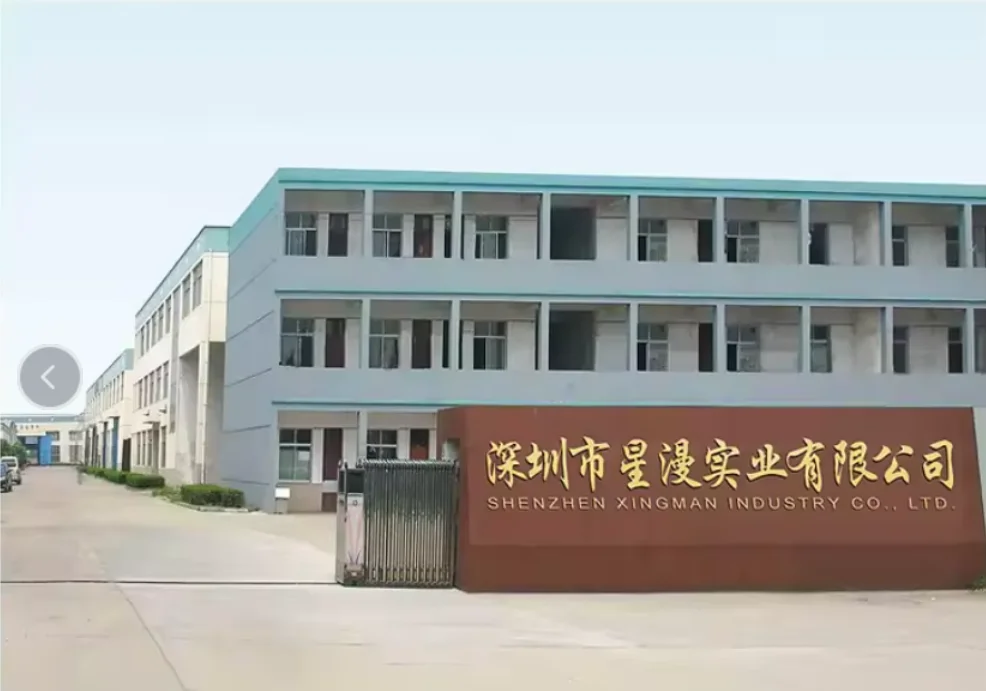
Shenzhen Xingman Industry Co., Ltd.
- Manufacturer, Trading Company, Distributor/Wholesaler
- Guangdong, China
- Lead time30 days
- Avg. response≤ 6h
Main productsAnime Keychain,Anime Necklace,Anime Jewelry,Anime wall Scroll Posters,Anime action figures
Main marketsNorth America(45.00%), Western Europe(20.00%), Southeast Asia(10.00%), Mid East(10.00%), Oceania(10.00%), Domestic Market(5.00%)
Fuzhou Dachion Import & Export Co., Ltd.
- Verified by SGS
- Trading Company
- China Fujian
- Lead time15 days
- Avg. response≤ 6h
Main productsBackpacksGift & Paper Shopping
Main marketsEurope,North America

Creative Cute Cheese Mouse Squirrel Pinch Squeeze Cup Decompression Stress Relief Toy
$2.20 - $3.78
MOQ: 100 pieces

Colorful Octopus Pinch Slow Rebound Mud Handle Decompression Toys for All Ages
$2.20 - $3.78
MOQ: 100 pieces


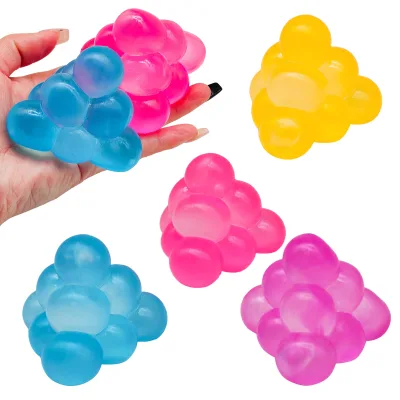
Frosted Triangle Ball Maltose Squeeze Stress Relief Slow Rebound Decompression Toy
$2.20 - $3.78
MOQ: 100 pieces

Chick Toys Squeeze Toys Fidget Decompression Cup Cage Stress Relieve Stress Toy
$2.20 - $3.78
MOQ: 100 pieces

Xiamen Aimo technology Co., Ltd.
- Verified by SGS
- Trading Company
- China Fujian
- Lead time15 days
- Avg. response≤ 9h
Main productsPolyimide Kapton Tape, Green Polyester Tape, PTFE Teflon Tape, Blue Thermal Tape, Copper Foil Tape, Aluminum Foil Tape, Acrylic Vhb Foam Tape, Anti Slip Tape, Die Cutting Tape, 3m Tesa Nitto Tape
Main marketsNorth America

- Verified by SGS
- Trading Company,Manufacturer/Factory
- China Guangdong
- Lead time23 days
- Avg. response≤ 3h
Main productsBeauty Devices, Skin Care Instrument, LED Face Masks, Makeup Tools, Beauty Instrument (OEM/ODM), OEM / ODM Electronics, Beauty Device, Home Air Care Appliances, Furniture, Electric Bakhoor Burners
Main marketsSouth America,Eastern Europe,Mid East,North America,Southeast Asia,Eastern Asia,Oceania,Western Europe,Africa

Decompression Keychain Mechanical Keyboard Button Stress Relief Toy Creative Pendant
$0.85 - $1.00
MOQ: 100 Pieces


Decompression Toys with Many Expressions and Slow Rebounding Feature - Simulated Steamed Buns
$0.50 - $0.85
MOQ: 100 Pieces

Guangdong qunlong technology co., ltd
- Manufacturer
- China Guangdong
- Lead time15 days
- Avg. response≤ 1h
Main productsOEM/Design Toys, Plastic Products
Main marketsDomestic
Xinxiang Hongxia Metal Products Co., Ltd.
- Verified by SGS
- Combined
- China Henan
- Lead time15 days
- Avg. response≤ 1h
Main marketsDomestic,Europe
Ningbo Chinelink Import & Export Co., Ltd.
- Trading Company
- Zhejiang, China
- Lead time0 days
- Avg. response≤ 2h
Main productsPU FOAM BALL TOYS,SAFETY LETTER OPENER,BOX OPEN CUTTER,ANTI STRESS TOYS,STATIONERIES
Main marketsNorth America(35.00%), Western Europe(30.00%), Eastern Europe(10.00%), South America(8.00%), South Asia(5.00%), Southeast Asia(3.00%), Northern Europe(3.00%), Eastern Asia(2.00%), Oceania(2.00%), Mid East(2.00%)

- Verified by BV
- Trading Company
- China Guangdong
- Lead time15 days
- Avg. response≤ 4h
Main productsPlastic Toys, Baby Toys, Educational Toys, Plush Toys, Pretend Play Toys, RC Toys, Doll Toys, Bubble Toys, DIY Toys, B/O Toys
Main marketsSouth America,Southeast Asia/ Mideast,East Asia(Japan/ South Korea),Europe,Australia,North America


$0.53 - $0.55
MOQ: 1440 Pieces

Shenzhen Haiyuan Technology Co., Ltd.
- Manufacturer, Trading Company, Buying Office, Distributor/Wholesaler
- Guangdong, China
- Lead time5 days
- Avg. response≤ 4h
Main productsFlower Pots,succulent plant pot,Garden Accessories,Nordic creative flowerpot,Home decoration
Main marketsNorth America(20.00%), Western Europe(15.00%), South America(15.00%), Northern Europe(10.00%), Mid East(10.00%), Southern Europe(5.00%), Africa(5.00%), Central America(5.00%), Eastern Europe(5.00%), Eastern Asia(5.00%), Southeast Asia(5.00%)

- Verified by TUVRHEINLAND
- Trading Company,Manufacturer/Factory
- China Jiangsu
- Lead time23 days
- Avg. response≤ 4h
Main productsMedal, Coin, Lapel Pin, PVC Patch, Embroidery Patch, Keychain, Button Badge, Silicone Wristband, Lanyards, Gift
Main marketsSouth America,Eastern Europe,Mid East,North America,Oceania,Western Europe

Quanzhou Shengda Rubber Products Co., Ltd.
- Verified by TUVRHEINLAND
- Combined
- China Fujian
- Lead time15 days
- Avg. response≤ 3h
Main productsO Ring, Toilet Seat Hinge Top Fix Rubber Well Nut, Rubber Seal, Silicone Gasket, Silicone Washer
Main marketsEurope

Shandong Rangde Garments Co.,Ltd
- Verified by CTI
- Trading Company
- China Shandong
- Lead time30 days
- Avg. response≤ 3h
Main productsT-Shirt, Clothing
Main marketsEast Asia(Japan/ South Korea)

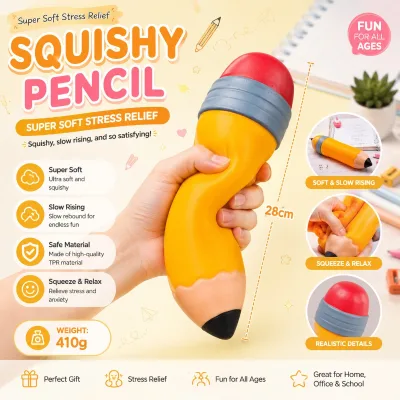
Cute Slow Rising Squishy Toy Perfect for Relaxing Mood and Decompression
$0.70 - $4.50
MOQ: 100 Pieces



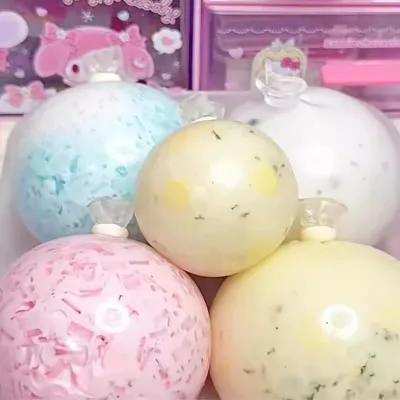
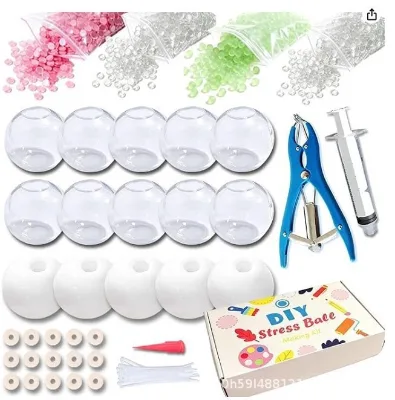
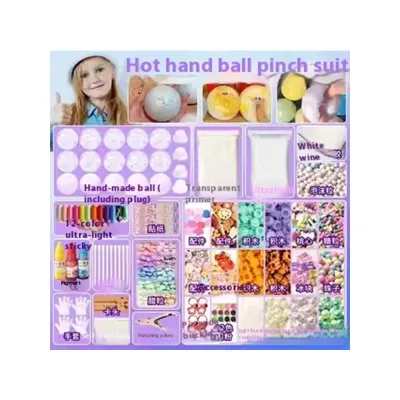
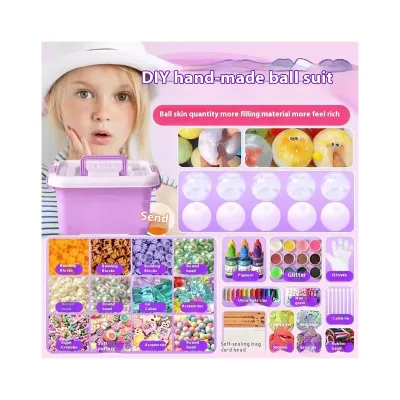
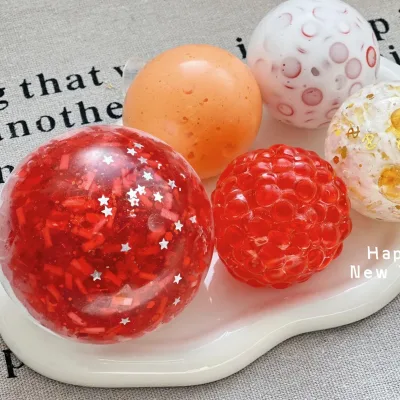
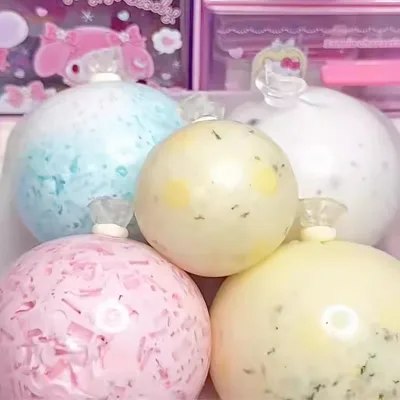


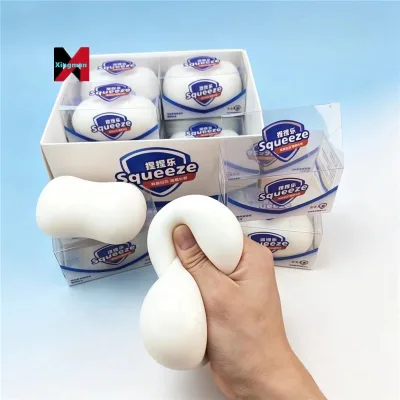
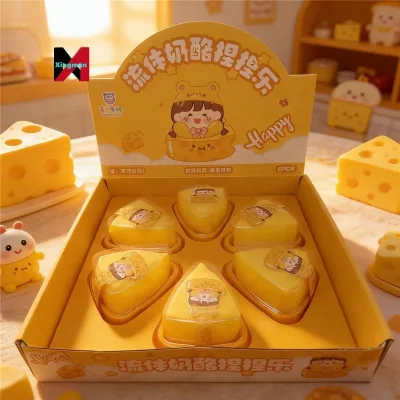




Comprehensive Sourcing Guide
Hand Made Creative Decompression Toys Supplier Concentration and Factory Types
Buyers searching for Hand Made Creative Decompression Toys will notice that many listed products trace their origin to Yiwu in Zhejiang, China, which appears repeatedly in the origin fields of squeeze toys, stress balls, stretchy figures and tape-ball novelties. This concentration matters because a cluster gives buyers density: multiple trading companies and small factories compete within one region, sample lead times tend to be short, and freight forwarders familiar with small-parcel toy shipments operate locally. When results do not display a location, buyers should not assume one; instead they should filter or request origin details directly, since the same product keyword can be listed by companies in very different provinces with different tooling and labor costs.
Factory types in this category span trading companies, self-described factory sellers and hybrid suppliers. The verified results show trading companies listing jewelry alongside decompression toys, which signals a generalist export model, and other listings that explicitly state "Factory: Yes," suggesting in-house hand assembly of silicone or rubber items. Hand made production is usually semi-automated at best: pouring, curing, painting and packing remain labor-intensive, so sellers with large stock claims and fast shipping language often broker from workshops. Buyers should classify each candidate as maker, assembler or reseller early, because it determines who controls quality on hand finishing, who can customize color or logo, and who bears responsibility when a shipment arrives inconsistent.
How to Verify Hand Made Creative Decompression Toys Suppliers
Verification starts with the attributes actually displayed, then moves to evidence the buyer requests. Some suppliers carry third-party verification badges such as CTI, which indicates an inspection body has checked company identity; that reduces but does not eliminate risk, since verification confirms the company, not the workshop. Buyers should confirm whether a listing's "Factory: Yes" claim is supported by business-license scope, photos of the hand assembly line, and a video call at an agreed timestamp rather than a pre-recorded tour. For products marketed to children, check whether a certification such as CE is claimed on the specific listing — one caterpillar toy displays CE — and then demand the certificate document and match its holder to the contracting entity.
Product-level evidence also helps verify capability. Listings that disclose material (silicone, rubber, EVA or alloy), model numbers, packing format and origin fields show mature listing discipline; a hand made stress toy with a documented size of 6.3 by 6.3 by 7.6 centimeters and OPP box packing is easier to re-order consistently than a vague listing. Buyers should request physical samples of at least two models, weigh them against the stated grams, and test seams, scent and colorfastness by hand. Response behavior is another verification signal: one listed supplier answers in roughly 7.4 hours, and any candidate that takes several days before an order exists will likely respond slower when problems appear during production.
What to Compare Across Hand Made Creative Decompression Toys Suppliers
Build a comparison sheet using only the dimensions suppliers actually display, and mark missing fields as unknown rather than assuming parity. Useful columns include company type (trading company versus factory claim), location, main products, verification status, response time, quoted lead time, MOQ and price band. The observed results illustrate why this matters: lead times of around 15 days appear on verified listings, MOQs range from 100 pieces for a hand made silicone stress toy to 500 pieces for an EVA caterpillar toy, and unit prices span from roughly nine cents for a small rubber stretch toy to one dollar and fifty cents for a palm-shaped decompression item. Spread of that width changes margin math dramatically.
Main products deserve particular scrutiny. A trading company whose catalog centers on jewelry, belts, necklaces and hair accessories may still fulfill decompression toys reliably, but customization and quality control on hand finished toy surfaces may be outsourced. Suppliers whose main line is toys or promotional gifts are more likely to hold molds and workshop relationships. Also compare sample speed — one rubber squeeze toy listing quotes samples in five to seven days — and delivery phrasing such as "15–20 days based on MOQ," which implies longer times above minimum quantities. Finally, compare packing detail (OPP bag, OPP box, gift box) and product weight, because both affect your landed cost per unit more than headline price suggests.
Common Hand Made Creative Decompression Toys Sourcing Risks
The most common risk in this category is inconsistency inherent to hand made production. Silicone and rubber items poured, trimmed and packed by hand vary in flash, air bubbles, color shade and scent between batches, and low unit prices leave little margin for rework. Buyers should define acceptable tolerances in a golden sample and require pre-shipment inspection against it. A second risk is material ambiguity: listings mention silicone, rubber, TPR, EVA and even alloy, sometimes within the same supplier's catalog. Each material carries different compliance implications for children's products, and a supplier who cannot state the exact compound and its test basis is a red flag, especially where toys are marketed to girls or young children.
Additional risks cluster around identity and logistics claims. Some listings pair a toy keyword with an unrelated category, such as adhesive tape products filed under packaging, which can indicate keyword stuffing rather than genuine product ownership. "Large stock, fast shipping" language is marketing, not a contractual commitment; confirm stock in writing with a cutoff date. CE certification displayed on one listing does not transfer to a supplier's other products, and buyers who assume so risk customs detention. Finally, brand marks on products — one toy line displays a brand name — raise authorization questions; reselling a branded squeeze toy without written permission exposes the buyer to takedown or seizure even when the supplier is otherwise verified.
Hand Made Creative Decompression Toys Regional Sourcing and Logistics
The supplied evidence consistently points to Yiwu, Zhejiang as the origin for these decompression toys, and that concentration shapes logistics planning. Yiwu's advantage for buyers is consolidation: small-volume toy orders from several suppliers can be combined into one shipment, and agents in the district handle inspection, labeling and carton consolidation routinely. Because hand made squeeze toys are light — listed weights range from five grams to around one hundred grams — air freight and express remain viable even at modest quantities, while sea freight suits high-MOQ orders of bulky boxed items. Buyers should confirm whether prices are quoted ex-works, FOB a named port, or including domestic delivery to a consolidator.
Even within a verified region, confirm the exact ship-from address per order. Suppliers may hold stock in one city while producing hand finished items in a partner workshop elsewhere, which changes pickup cost and lead time. Seasonality is a logistics risk unique to novelty toys: promotional gift peaks around holidays compress workshop capacity, so a quoted 15-to-20-day delivery based on MOQ can stretch when ordered late in peak season. Build buffer into any order placed before major retail deadlines, and ask how the supplier sequences rush orders. For mixed orders, request carton-level packing lists with model numbers matching the listing codes, so destination-country customs can classify each toy variant without ambiguity or delay.
Hand Made Creative Decompression Toys Commercial Terms and Order Planning
Plan first orders around the MOQ and price structure visible in results: minimums of 100 and 120 pieces on silicone and palm-shaped items, 500 on the EVA caterpillar, and unit prices from about 0.09 to 1.50 dollars give a realistic budgeting envelope, but treat each as a starting quote subject to material, color count and packaging changes. Customization is listed as available on most observed products, so request a written custom-price adder for logo printing or color matching rather than assuming the MOQ price holds. Agree on Incoterms, payment split and inspection rights before paying a deposit, and keep the contract entity identical to the verified company name.
Order planning should sequence samples, a trial lot and scaling deliberately. Use the five-to-seven-day sample windows some suppliers quote to compare two or three candidates in parallel, then place a first production run at or slightly above MOQ to test batch consistency of hand finishing. Re-orders benefit from retained model numbers and packing specs, so archive the listing attributes — size, weight, packing format, origin — in your own records in case a listing goes offline. Confirm whether the displayed lead time applies from deposit or from artwork approval, since custom hand made decorations usually start counting later. Finally, plan payment protection appropriate to the platform used and verify in writing what recourse exists if a shipment fails the agreed inspection standard.
Word count check: each section approximately 225–235 words; total approximately 1,390 words, within the required 1350–1450 range.
FAQs
What materials are Hand Made Creative Decompression Toys typically made from?
Common materials include silicone, rubber, EVA, TPR and alloy, depending on the toy style. Silicone and rubber are used for stretchy squeeze toys, while EVA appears in caterpillar-style items and TPR in stress balls. Ask each supplier for material certificates and test reports before ordering, since compliance requirements differ by destination market.
What is the typical minimum order quantity for decompression toys?
Minimum order quantities on this page range from 100 pieces for a silicone stress-relief toy to 500 pieces for a caterpillar squeeze toy, with a tape ball toy listed at 120 pieces. MOQs vary by material and customization level. Confirm the exact MOQ for your chosen model and ask whether trial quantities are negotiable.
How long do production and sampling usually take?
One listed rubber squeeze toy quotes delivery of 15 to 20 days based on MOQ, with samples ready in 5 to 7 days. A broader lead time of around 15 days also appears among these suppliers. Sampling time depends on design complexity and customization, so request a written schedule before confirming your order.
How much do Hand Made Creative Decompression Toys cost per piece?
Listed prices range from about 0.09 to 0.23 dollars for rubber animal squeeze toys, 0.17 to 0.21 dollars for caterpillar toys, around 0.72 dollars for a TPR banana stress ball, and 1.30 to 1.50 dollars for larger silicone or alloy items. Final pricing depends on quantity, material and customization.
Are these toys suitable for children and what ages do they target?
Listings cover a wide range: some squeeze toys suit all ages, caterpillar toys target children over eight years, and several items are marketed toward girls as gifts. Always request age grading, small-parts testing and relevant certifications such as the listed CE marking, since children's toy safety rules vary by market.
Can I customize Hand Made Creative Decompression Toys with my own branding?
Yes, customization is listed as available on most products on this page, including silicone, rubber and alloy models. Customization typically affects unit price, sample time and MOQ, so confirm these details in writing. Ask suppliers whether logo printing, packaging changes and color options are offered for the specific model you want.
Where are these decompression toy suppliers located?
The suppliers are based in Zhejiang, China, with several product listings noting Yiwu, Zhejiang as the place of origin. Yiwu is a well-known sourcing hub for toys and novelty gifts, which helps consolidate shipping. Verify each company's registered address and trading credentials independently before placing a deposit.
How quickly do suppliers respond to buyer inquiries?
One supplier on this page lists an average response time of about 7.4 hours. Response speed matters when coordinating samples and production schedules, so test responsiveness with a detailed inquiry before committing. Ask for a named contact and preferred communication channel to keep sample and lead-time updates on track.