Recycled Chenille Yarn for Baby Suppliers and Manufacturers
Compare 21 verified suppliers offering Recycled Chenille Yarn for Baby with details on location, lead times, and certifications. Review product specs like material and features, then contact suppliers directly to request quotes and samples; review the available evidence before requesting comparable quotations from suitable candidates.
Suppliers List

Xingtai Xisibei Cashmere Co., Ltd.
- Trading Company
- Hebei, China
- Lead time15 days
- Avg. response≤ 5h
Main productscashmere yarn,tibetan yak yarn,silky cashmere yarn,blended yarn,cashmerino yarn
Main marketsNorth America(40.00%), Eastern Europe(10.00%), South America(10.00%), Domestic Market(9.00%), Western Europe(8.00%), Northern Europe(5.00%), Southeast Asia(5.00%), Oceania(5.00%), Southern Europe(5.00%), Eastern Asia(2.00%), Central America(1.00%)
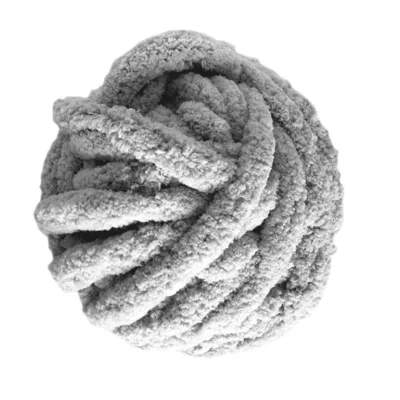
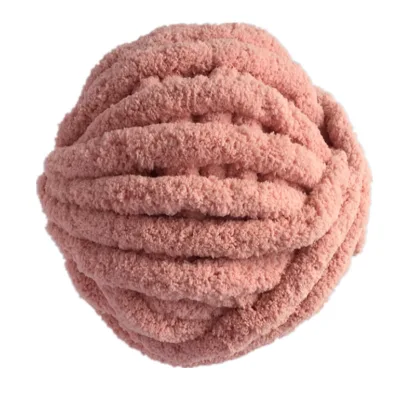
SALE on Vegan Yarn Chunky Chenille Yarn
$1.80 - $1.89

Xuzhou Seagor Import and Export Co., Ltd.
- Verified by TUVRHEINLAND
- Combined
- China Jiangsu
- Lead time30 days
- Avg. response≤ 16h
Main productsPolyester Cotton Yarn, Viscose Yarn, Nep Yarn, Core Spun Yarn, Lurex Yarn, Blend Yarn, Tencel Yarn, Grs Yarn, Recycled Yarn, Regenerated Yarn
Main marketsOthers(foreignTradeCapacity.exportBusinessCapacityMarketOther),Europe,North America

Shanghai Charmkey Textile Co., Ltd.
- Verified by BV
- Trading Company
- China Shanghai
- Lead time23 days
- Avg. response≤ 7h
Main productsYarn, Blended Yarn, Fancy Yarn, Acrylic Yarn, Cotton Yarn, Wool Yarn, Chenille Yarn, Chunky Yarn, T Shirt Yarn, Polyester Yarn
Main marketsEurope


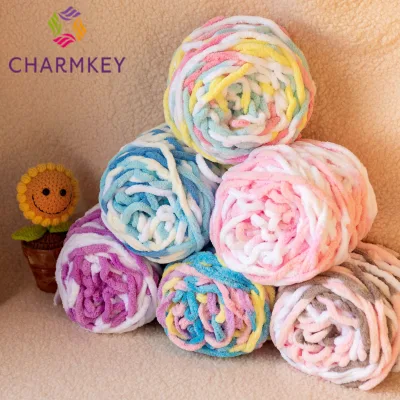
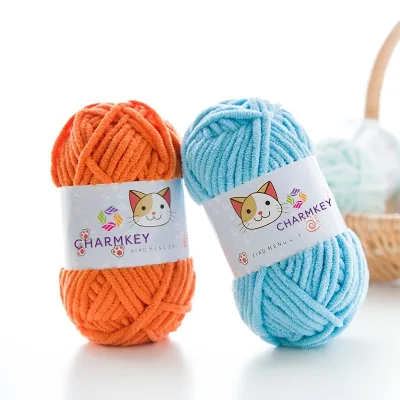
Baby Blanket Yarn Fancy Knitting Velvet Chenille Yarn for Handicraft and Crochet
$0.39 - $0.40
MOQ: 10000 Pieces

Chunky 5mm Thick Baby Chenille Yarns Jumbo for Crocheting Blankets Knitted
$0.89 - $1.21
MOQ: 20000 Pieces
Henan Great Long Textile Co., Ltd.
- Verified by Intertek
- Manufacturer, Trading Company
- Lead time0 days
- Avg. response≤ 3h
Main productsBungee Elastic Cord, Knitted Elastic Band, Jacquard Elastic Band, Fold Over Elastic Band

Suzhou Hanyun New Material Technology Co., Ltd.
- Verified by TUVRHEINLAND
- Manufacturer/Factory
- China Jiangsu
- Lead time23 days
- Avg. response≤ 3h
Main productsYarn, Recycled Yarn, Polyester Yarn, Nylon Yarn, Poly Yarn, Chemical Yarn, Cotton Yarn
Main marketsSouth America,Eastern Europe,Mid East,North America,Southeast Asia,Eastern Asia,Oceania,Western Europe,Africa

Customized Colorful Recycled Cotton Polyester Weaving Yarn Regenerated Blended Yarn
$1.36 - $1.54
MOQ: 24000 kg

100% Viscose Dyed Chenille Yarn
MOQ: 5000 kg

Recycled Yarn for Knitting Gloves
MOQ: 24000 kg

Wholesale Arm Knitting Chunky Chenille Yarn for Blanket
MOQ: 240000 kg
Jiangsu Haite Fashion Co., Ltd.
- Verified by SGS Group
- Manufacturer, Trading Company
- Lead time40 days
- Avg. response≤ 2h
Main productsYarn
Main marketsNorth America(40%), Western Europe(18%), Domestic Market(15%)
Tianjin Cando International Trading Co., Ltd.
- Trading Company
- Tianjin, China
- Lead time20 days
- Avg. response≤ 5h
Main productstufting,yarns,knitting machine,tufting material,DIY
Main marketsNorthern Europe(20.00%), South America(15.00%), North America(10.00%), Eastern Europe(10.00%), Western Europe(8.00%), Southern Europe(8.00%), Southeast Asia(5.00%), Central America(5.00%), Oceania(5.00%), South Asia(5.00%), Mid East(5.00%), Eastern Asia(2.00%), Africa(2.00%)
Hebei Pengda Fine Hair Group Co., Ltd.
- Manufacturer, Trading Company
- Hebei, China
- Lead time7 days
- Avg. response≤ 10h
Main productsYarn, Fancy Yarn, Hand Knitting Yarn, Blend Yarn, Wool Carpet Yarn
Main marketsDomestic Market(60.00%), Mid East(20.00%), Southeast Asia(10.00%), South America(5.00%), Oceania(3.00%), Africa(2.00%)

Ningbo V.k. Industry And Trading Co., Ltd.
- Verified by SGS
- Combined
- China Zhejiang
- Lead time60 days
- Avg. response≤ 4h
Main productsFlannel Fleece Blanket, Sherpa Throw Blanket, Dog Waterproof Blanket, Fleece Bathrobe, PVC Leather, TV Blanket, Down Coat, PV Fleece Blanket, Bazin Riche, Ice Bath Tub
Main marketsSouth America,Africa,Southeast Asia/ Mideast,East Asia(Japan/ South Korea),Domestic,Europe,Australia,North America


Hand Knitting Yarn Baby Crochet and Recycled 100% Cotton Yarn Dyed for Fabric
$0.68 - $0.70
MOQ: 50 Pieces
Hebei Guzhong Trading Co., Ltd.
- Trading Company
- Hebei, China
- Lead time7 days
- Avg. response≤ 5h
Main productscrochet yarn,crochet toys,baby teether,crochet rattles,macrame cord
Main marketsNorth America(40.00%), Northern Europe(30.00%), Oceania(20.00%)

- Verified by TUVRHEINLAND
- Combined
- China Zhejiang
- Lead time30 days
- Avg. response≤ 7h
Main productsThread, Zipper, Lace, Button, Webbing & Tape, Ribbon, Interlining, Fabric, Tailoring Materials, Hook & Loop
Main marketsSouth America,Africa,Europe,Australia

NINGBO FANST IMP.&EXP. CO., LTD.
- Verified by BV
- Trading Company
- China Zhejiang
- Lead time30 days
- Avg. response≤ 18h
Main productsPolyester Yarn, Acrylic Yarn, Knitting Yarn, Acrylic Knitting Yarn, LED Flash Torch, Headlamps, Bicycle Light, LED Work Light, Torches
Main marketsOthers(foreignTradeCapacity.exportBusinessCapacityMarketOther),Southeast Asia/ Mideast,Australia
Lixian Old Goat Trading Co., Ltd.
- Trading Company
- Hebei, China
- Lead time10 days
- Avg. response≤ 6h
Main productsWool Yarn,Cotton Yarn,Acrylic Yarn,Cashmere Fabric,Polyester Yarn
Main marketsNorth America(24.00%), Africa(18.00%), Domestic Market(9.00%), South America(9.00%), Southeast Asia(5.00%), South Asia(5.00%), Southern Europe(5.00%), Northern Europe(5.00%), Eastern Europe(5.00%), Western Europe(3.00%), Eastern Asia(3.00%), Mid East(3.00%), Oceania(3.00%), Central America(3.00%)

Shanghai Hoyia Textile Co., Ltd.
- Trading Company
- Shanghai, China
- Lead time15 days
- Avg. response≤ 6h
Main productshand made yarn,fancy yarn,crochet yarn,knit yarn,yarn
Main marketsDomestic Market(30.00%), Northern Europe(25.00%), Eastern Asia(10.00%), North America(10.00%), South America(5.00%), Central America(4.00%), Eastern Europe(3.00%), South Asia(3.00%)
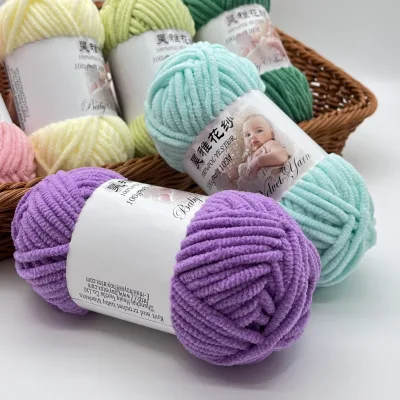
$0.77 - $0.98
MOQ: 100 pieces
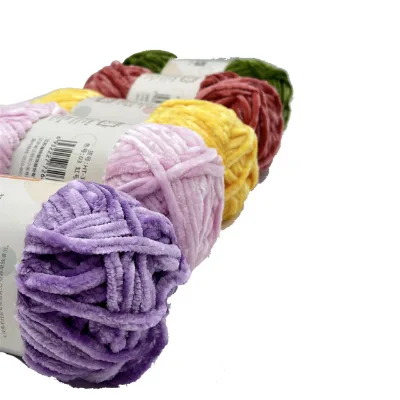
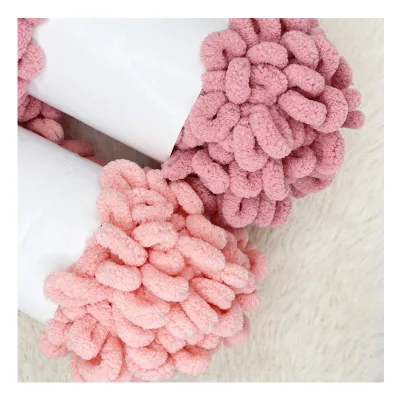
Fun Finger Loops Yarn Jumbo Polyester Chenille Yarn 100g/Skein Puffy Soft Baby Big Loop Blanket Yarn
$9.17 - $10.18
MOQ: 100 kilograms
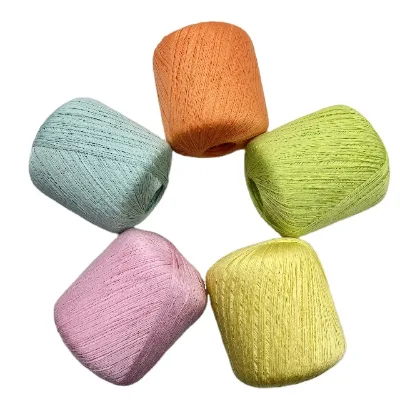
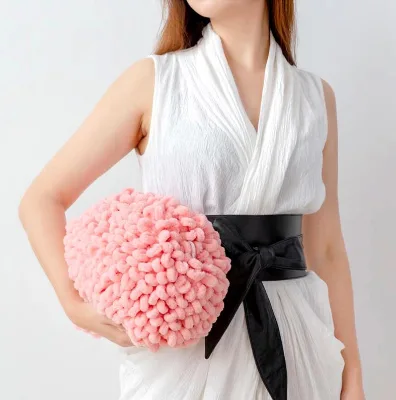
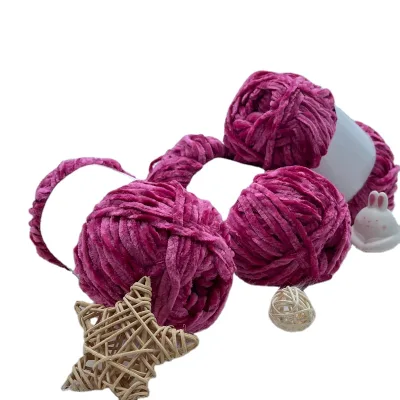
crochet puffy baby blanket 100% Polyester finger loop yarn soft hand knitting supply
$0.66 - $0.76
MOQ: 600

Suzhou Chunsheng Environmental Protection Fiber Co., Ltd.
- Verified by TUVRHEINLAND
- Trading Company,Manufacturer/Factory,Other
- China Jiangsu
- Lead time15 days
- Avg. response≤ 7h
Main productsRecycled Yarn, Recycled Nylon, Yarn, Biodegradable Yarn, Functional Yarn, Polyester, RPET, PLA, Monofilament, Ppolyester Yarn
Main marketsSouth America,Eastern Europe,Mid East,North America,Southeast Asia,Eastern Asia,Oceania,Western Europe,Africa

Baoding Zhongqing Textile Co., Ltd
- Verified by SGS
- Combined
- China Hebei
- Lead time15 days
- Avg. response≤ 7h
Main productsyarn
Main marketsDomestic

$0.65 - $0.85
MOQ: 100 Rolls

$0.40 - $0.58
MOQ: 500 Rolls


Hand-Knitted 50g Dyed Multi-Color Wool Yarn Baby Soft 100% Wool Yarn Crochet Sweater
$0.76 - $1.00
MOQ: 100 Rolls
Shanghai Charmkey Textile Co., Ltd.
- Trading Company
- Lead time旺季: "1 - 100":15,"> 100":"To be negotiated", 淡季: "1 - 100":15,"> 100":"To be negotiated"
- Avg. response≤ 3h
Main productsCake Yarn, Rainbow Yarn, Velvet Yarn, Acrylic Knitting Yarn, Air Yarn
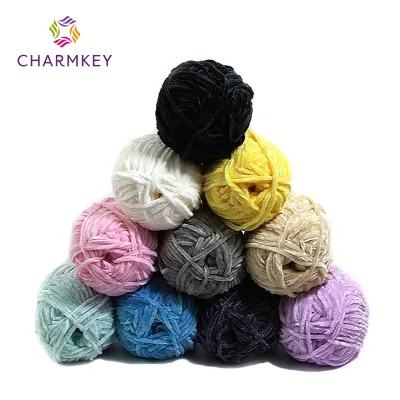
Super Soft Manufacturer Colorful Chunky Chenille Yarn Crochet Baby Velvet Yarn
$0.92 - $1.00
MOQ: 100 pieces
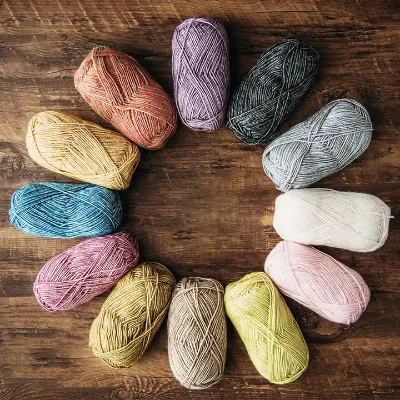
Yarncrafts Baby Hand Knitting Cotton Yarn Crochet Cotton Blended Wholesale
$0.80 - $1.00
MOQ: 500 rolls
Star Poly Color(Tianjin) International Trade Co., Ltd.
- Verified by SGS Group
- Manufacturer, Trading Company
- Tianjin, China
- Lead time0 days
- Avg. response≤ 1h
Main productsT-shirt yarn/Cloth yarn, Polyester Rope / Yarn, Metal yarn/leather yarn, Wool Yarn/ Chenille yarn, Blended Yarn
Main marketsNorth America(40%), Western Europe(20%), Southeast Asia(20%)
Shanghai Charmkey Textile Co., Ltd.
- Trading Company
- Lead time旺季: "1 - 10000":8,"10001 - 50000":45,"> 50000":"To be negotiated", 淡季: "1 - 10000":8,"10001 - 50000":45,"> 50000":"To be negotiated"
- Avg. response≤ 3h
Main productsChenille Yarn, Polyester Yarn, Acrylic Yarn, Wool Yarn, Blended Yarn

Suzhou Chihe Yarn Textile Technology Co., Ltd
- Verified by SGS
- Trading Company,Manufacturer/Factory
- China Jiangsu
- Lead time23 days
- Avg. response≤ 10h
Main productsRecycled Polyester DTY Yarn, Polyester FDY Yarn, Cotton-Like Yarn, DTY, Nylon 66, Functional Polyester Yarn, Recycled Polyester Elastic Yarn
Main marketsSouth America,Eastern Europe,Mid East,North America,Southeast Asia,Eastern Asia,Oceania,Western Europe,Africa

Wuhu Lyman Technology Co., Ltd
- Verified by SGS
- Trading Company
- China Anhui
- Lead time15 days
- Avg. response≤ 8h
Main productsFelt, Industrial Felt, Nomex Felt, Needle Felt, Press Felt, Pbo Roller, Papermaking Felt, Pbo Belt, Felt Belt, Fiber
Main marketsSoutheast Asia/ Mideast








Comprehensive Sourcing Guide
Recycled Chenille Yarn for Baby Supplier Concentration and Factory Types
The available data indicates a concentration of suppliers in Hebei, China, where specific manufacturers offer blended yarns and chenille products. These entities often operate as trading companies, facilitating access to a variety of fiber types including cashmere, yak, and polyester blends. The presence of these trading companies suggests a supply chain structure where sourcing agents aggregate products from multiple production facilities rather than owning the manufacturing lines directly. Buyers should note that while Hebei is a confirmed location for these specific results, other regions like Jiangsu and Shanghai also appear in the dataset, indicating a broader geographic spread of textile activity.
Factory types vary significantly across the observed results, ranging from pure trading companies to combined entities offering both trading and manufacturing capabilities. Some suppliers list capabilities for ODM and OEM services, suggesting they can customize designs or produce under their own brands. The distinction between a trading company and a factory is critical for buyers seeking direct production control. Trading companies may offer broader product ranges but might have less direct oversight over the production process compared to combined entities or factories. Understanding this distinction helps buyers align their sourcing strategy with their need for customization versus product variety.
How to Verify Recycled Chenille Yarn for Baby Suppliers
Verification processes should prioritize checking for recognized third-party certifications and company status indicators found in supplier profiles. The data shows that some suppliers hold TUVRHEINLAND verification, while others display BV verification, serving as external validation of their business legitimacy. Buyers must confirm if these verification badges are current and specific to the entity being evaluated. Additionally, system certifications like GRS, Oeko Tex, BCI, and GOST are listed for specific products, which are essential for ensuring the yarn meets safety and environmental standards required for baby products. These certifications provide concrete evidence of compliance rather than relying on unverified claims.
Response times and lead times serve as practical metrics for assessing supplier reliability and operational efficiency. The observed response times range from approximately five hours to over fifteen hours, indicating varying levels of customer service availability. A faster response time often correlates with a more active sales team and better communication channels. Lead times also vary, with some suppliers offering ten-day turnaround while others require up to thirty days. Buyers should verify these timelines against their specific project schedules to ensure the supplier can meet delivery deadlines. Consistent performance in these areas is a strong indicator of a supplier's ability to manage orders effectively.
What to Compare Across Recycled Chenille Yarn for Baby Suppliers
When comparing suppliers, buyers should focus on key operational dimensions such as lead time, minimum order quantity, and response speed. The data reveals lead times ranging from ten to thirty days, which directly impacts inventory planning and production schedules. Minimum order quantities also differ, with some suppliers requiring 500 units while others allow orders as low as one unit. These variations allow buyers to select partners that match their volume requirements and cash flow constraints. Evaluating these metrics side-by-side helps identify suppliers that offer the best balance between flexibility and efficiency for the specific needs of a baby yarn project.
Product specifications and material composition are equally critical factors in the comparison process. Suppliers offer a wide array of materials, including 100% polyester, cotton/acrylic blends, and recycled fibers. Features such as anti-pilling, eco-friendly status, and high tenacity are listed for various products, which are vital for baby textile applications. Buyers must verify that the specific product attributes align with their quality standards. Additionally, the main products listed by suppliers, such as cashmere yarn or blended yarn, indicate their core expertise. Comparing these product details ensures the selected supplier can deliver the exact texture, strength, and safety profile required for the final baby product.
Common Recycled Chenille Yarn for Baby Sourcing Risks
One significant risk involves the discrepancy between claimed material composition and actual product content. While some listings specify 100% polyester or cotton blends, others mention recycled or regenerated fibers without detailed breakdowns. Buyers must request physical samples and independent lab tests to confirm the fiber content, especially when safety for infants is a priority. Relying solely on product descriptions can lead to receiving materials that do not meet the required softness or durability standards. This verification step is essential to prevent potential quality issues and ensure the final product is safe for baby use.
Another risk relates to the variability in lead times and the potential for delays in production or shipping. The observed lead times range from ten to thirty days, and some suppliers may not consistently meet these estimates. Delays can disrupt production schedules and increase costs, particularly if the buyer is working with tight deadlines. Furthermore, the use of trading companies as intermediaries can sometimes obscure the actual production capacity and location. Buyers should clarify who is responsible for production delays and ensure there are clear contractual terms regarding penalties for late delivery. Understanding these risks allows for better contingency planning and risk mitigation strategies.
Recycled Chenille Yarn for Baby Regional Sourcing and Logistics
Regional sourcing strategies should account for the specific locations identified in the supplier data, such as Hebei, Jiangsu, and Shanghai. These regions represent established textile hubs with varying logistical advantages. Hebei, for instance, is noted for specific yarn types, while other regions may offer different supply chain efficiencies. Buyers should evaluate the proximity of suppliers to their own manufacturing facilities or ports to minimize shipping costs and transit times. Understanding the geographic distribution of suppliers helps in selecting partners that offer the most efficient logistics solutions for the specific market being served.
Logistics planning must also consider packaging details and shipping units provided by suppliers. The data indicates packaging options such as plastic bags inside big sacks or PP bags in carton boxes, with weights ranging from 1.2 kg to 5.0 kg per unit. These details are crucial for calculating shipping volumes and costs. Buyers should verify if the packaging meets their storage and handling requirements. Additionally, the single package size and gross weight affect how many units can be loaded into a container, influencing overall freight expenses. Accurate logistics planning ensures that the supply chain remains cost-effective and efficient from the point of origin to the final destination.
Recycled Chenille Yarn for Baby Commercial Terms and Order Planning
Commercial terms, including pricing and payment structures, vary significantly across suppliers and must be carefully evaluated. The data shows price ranges from 1.20 to 8.90 per unit, depending on the product type and specifications. Buyers should compare these prices against their budget constraints and quality expectations. It is also important to verify if the quoted prices include shipping, taxes, or other fees. Clear understanding of the total cost of ownership helps in making informed decisions and avoiding unexpected expenses during the procurement process.
Order planning requires aligning the supplier's capabilities with the buyer's production timeline and volume needs. The minimum order quantities and lead times observed in the data dictate the scale of initial orders. Buyers should plan their orders to match the supplier's capacity while maintaining flexibility for future adjustments. Establishing a clear communication channel for order updates and changes is vital for managing the supply chain effectively. By integrating these commercial terms and planning considerations, buyers can build a robust sourcing strategy that supports their business goals and ensures a steady supply of high-quality Recycled Chenille Yarn for Baby products.
FAQs
What is the price range for recycled chenille yarn?
Prices for recycled chenille yarn typically range from $1.20 to $8.90 per unit depending on material composition and customization. Suppliers offer options from $1.20 for basic polyester blends to $8.90 for premium dyed varieties. Buyers should verify specific pricing tiers based on order volume and required color specifications before finalizing procurement decisions.
What certifications are available for recycled yarn suppliers?
Certified suppliers often provide GRS, OEKO-TEX, and BCI certifications for their recycled yarn products. These credentials ensure compliance with environmental and safety standards. Buyers should request valid certification documents to verify that the materials meet specific regulatory requirements for baby products and international textile trade standards.
What is the typical lead time for orders?
Standard lead times for recycled chenille yarn orders generally range from 10 to 30 days. Some suppliers offer faster turnaround times of 10 days for specific fancy yarns, while others require up to 30 days for larger production runs. Buyers should confirm exact delivery schedules with suppliers to align with their manufacturing timelines.
What is the minimum order quantity for these products?
Minimum order quantities vary significantly, with some suppliers requiring as few as one unit while others mandate 500 units. Buyers seeking small batches can find flexible options, whereas large-scale procurement may need to meet higher MOQ thresholds. It is essential to check specific product listings for accurate minimum purchase requirements.
Where are these yarn suppliers located?
Suppliers offering recycled chenille yarn are primarily located in Hebei, Jiangsu, and Shanghai regions in China. These areas are known for textile manufacturing capabilities. Buyers can filter search results by these specific locations to find suppliers with established logistics networks and regional production advantages for efficient shipping.
What materials are used in recycled chenille yarn?
Recycled chenille yarn is commonly made from 100% polyester, cotton, acrylic, or blended fibers. Some products feature chitin or viscose components for enhanced functionality. Buyers should review product specifications to confirm the exact material composition, ensuring the yarn meets desired durability, softness, and eco-friendly criteria for baby products.