Gift Wooden Pen Suppliers and Manufacturers
Source Gift Wooden Pen options from 29 verified suppliers in Jiangxi and Guangdong. Compare response times, lead times, MOQs, and certifications like MSDS. Contact suppliers directly to request quotes and verify production details; review the available evidence before requesting comparable quotations from suitable candidates.
Updated
Suppliers List
Jiangxi Jiusi Trade Limited Co
- Trading Company
- Jiangxi, China
- Lead time0 days
- Avg. response≤ 4h
Main productsU pilow,washing bag,luggage cover,lock,office pen
Main marketsEastern Asia(20.00%), Mid East(20.00%), North America(20.00%)
Shenzhen Mantimelong Electronic Co., Ltd.
- Manufacturer, Trading Company
- Guangdong, China
- Lead time3 days
- Avg. response≤ 10h
Main productsBALL PEN,STATIONERY,HOUSEHOLD SUNDRIES,PEN
Main marketsNorthern Europe(25.00%), South America(20.00%), Mid East(13.00%), Western Europe(10.00%), North America(10.00%), Eastern Europe(8.00%), Oceania(5.00%), Eastern Asia(5.00%), Southeast Asia(4.00%)
Shenzhen Liushi Industrial Co., Ltd.
- Verified by SGS Group
- Trading Company
- Lead time30 days
- Avg. response≤ 2h
Main productsWax Seal Stamp, Wax Seal Beads, Wax Seal Sticker, Wax Seal, Feather Pen
Main marketsSouth America(20%), Oceania(20%), Eastern Asia(20%)
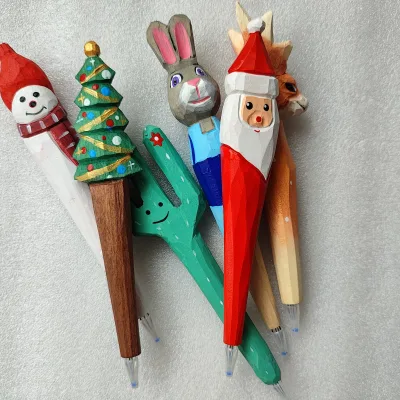
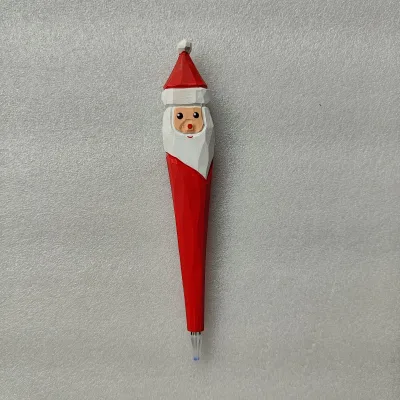
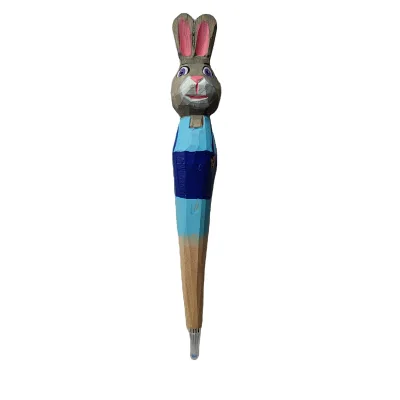
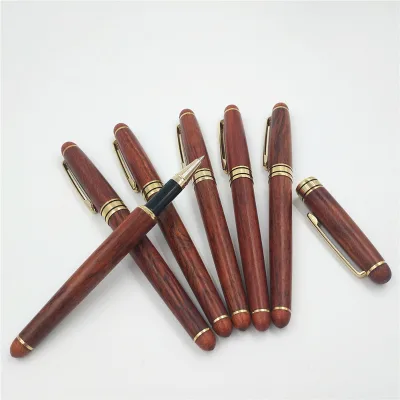
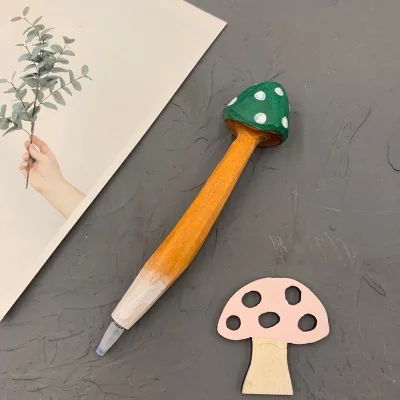
$1.7602 - $2.587
MOQ: 1000 Minimum
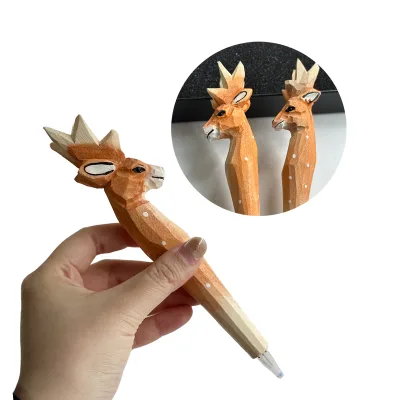
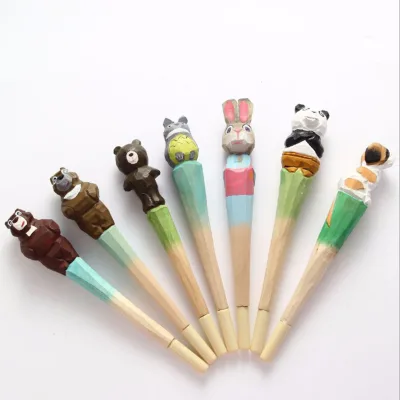
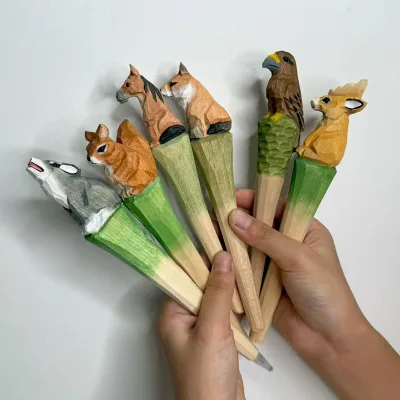
Novelty Writing Pen Unique Gift Pen 100% Handmade Wood Carved Animal Gel Pen Elk Moose Deer
$1.2838 - $1.6328
MOQ: 500 pieces
Yiwu JR Import& Export Co., Ltd.
- Trading Company
- Zhejiang, China
- Lead time25 days
- Avg. response≤ 16h
Main productsBall Pen,Water bottle,Shopping Bag,Notebook,Baseball cap
Main marketsNorth America(45.00%), Mid East(9.00%), Southern Europe(5.00%), Western Europe(5.00%), Northern Europe(5.00%), South America(5.00%), Oceania(5.00%), Africa(5.00%), Southeast Asia(5.00%), Eastern Europe(5.00%), South Asia(2.00%), Central America(2.00%), Eastern Asia(2.00%)

Yiwu Shichen Stationery Co., Ltd.
- Verified by BV
- Trading Company
- China Zhejiang
- Lead time45 days
- Avg. response≤ 1h
Main productsPen, Metal Pen, Gift Pen
Main marketsEurope,North America

Ningbo Inmax Cultural Technology Co., Ltd
- Verified by SGS
- Trading Company,Manufacturer/Factory
- China Zhejiang
- Lead time45 days
- Avg. response≤ 2h
Main productsPen, Stationery, Pencils, Ballpoint Pens, Highlighter, Notebook, Marker, Erasers, Rulers, School Stationery
Main marketsSouth America,Eastern Europe,Mid East,North America,Southeast Asia,Eastern Asia,Oceania,Western Europe,Africa

- Verified by TUVRHEINLAND
- Trading Company
- China Zhejiang
- Lead time15 days
- Avg. response≤ 3h
Main productsLanyard, Promotional Gift, Baseball Cap, Bags, T-Shirt, Ceramic Mug, Sport Water Bottle, PU Toys
Main marketsEurope,Australia,North America

Ningbo Klaid Imp & Exp Co., Ltd.
- Verified by TUVRHEINLAND
- Trading Company
- China Zhejiang
- Lead time30 days
- Avg. response≤ 12h
Main productsChafing Fuel, Gel Fuel, Wire Chafing Dish Racks, Butane Gas Refill, Lighter Gas Refill, Chafing Fuel Cans, Disposable Biodegradable Packaging
Main marketsSouth America,Southeast Asia/ Mideast,Europe,North America

Shuifu Huiyang Agricultural Technology Co., Ltd.
- Verified by SGS
- Trading Company
- China Yunnan
- Lead time23 days
- Avg. response≤ 3h
Main productsBamboo Products, Bamboo Crafts, Bamboo Chopsticks, Bamboo Skewers, Bamboo Weaving, Bamboo Tray, Bamboo Box, Bamboo Placemat, Bamboo Fruit Bowl, Lamp Shades
Main marketsDomestic
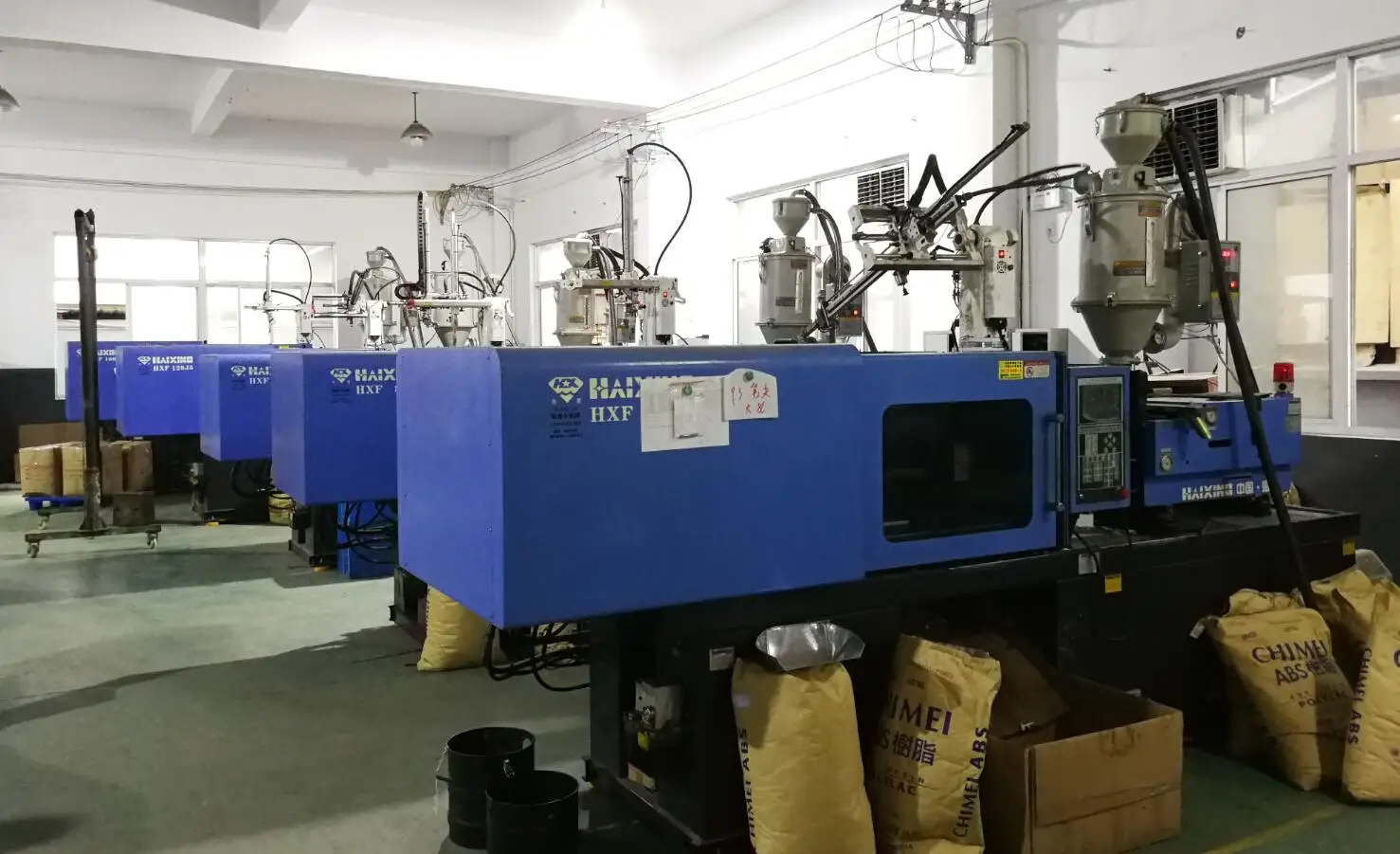
Ningbo FTZ First Stationery& Gift Co., Ltd.
- Trading Company
- Zhejiang, China
- Lead time30 days
- Avg. response≤ 3h
Main productsBall Pen,Pencil,Pen Package Box,Fountain Pen,Promotional Gifts
Main marketsNorth America(26.00%), Western Europe(21.00%), Oceania(13.00%), Southern Europe(12.00%), Southeast Asia(11.00%), Eastern Europe(8.00%), Eastern Asia(6.00%), South America(3.00%)

Xiamen Athome Household Products Co., Ltd.
- Verified by SGS
- Trading Company
- China Fujian
- Lead time30 days
- Avg. response≤ 3h
Main productsXiamen Athome Household Products Co. Ltd. Is a, Custom Matcha Tea Set, Wooden &Bamboo Kitchenware, Custom Gifts & Souvenirs, Home & Seasonal Decor, Tableware &Dinner Set, Custom Candle Holer, Seasonal & Promotional Gifts, Drinkware, Sourdough & Baking Tools
Main marketsSoutheast Asia/ Mideast,East Asia(Japan/ South Korea)

New Arrived Natural Raw Crystal Wooden Pen Creative Wand Style Ballpoint Pen Luxury Gift Pen
$0.10 - $5.88
MOQ: 1 Pieces

New Arrived Luxury Handmade Wooden Ballpoint Pen Gift Set Business Signature Pen Office Writing Gift
$0.10 - $5.88
MOQ: 1 Pieces

Ningbo Rainma Stationery Co., Limited.
- Verified by TUVRHEINLAND
- Trading Company,Manufacturer/Factory,Other
- China Zhejiang
- Lead time23 days
- Avg. response≤ 9h
Main productsPaper Notebook and Note Pad, School Stationery, Art Pigments, Ball Pen, Paint Canvas and Canvas Board, Office Stationery, Promotion Gift Stationery, Eraser and Ruler, Marker & Highlighter, Cutter Knife
Main marketsSouth America,Eastern Europe,Mid East,North America,Southeast Asia,Eastern Asia,Oceania,Western Europe,Africa

Ningbo Becol Stationery & Gifts Co., Ltd.
- Verified by BV
- Trading Company
- China Zhejiang
- Lead time23 days
- Avg. response≤ 8h
Main productsPromotion Pen, Ball Pen, Marker Pen, Highlighter, Gel Pen, Cutter Knife, File Folder, Stapler, Scissor, Stamp
Main marketsSouth America,Africa,Southeast Asia/ Mideast,East Asia(Japan/ South Korea),Europe,Australia,North America
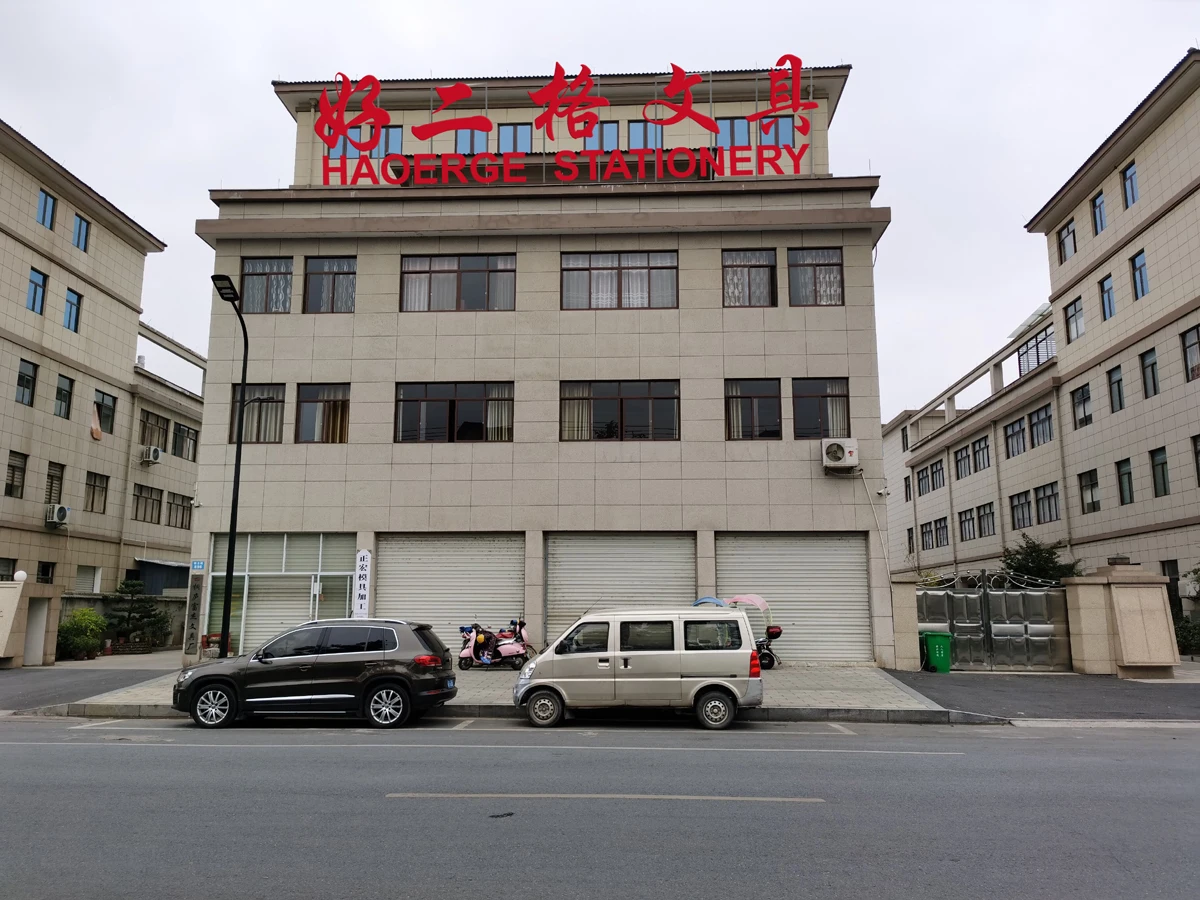
Tonglu Haoerge Stationery Co., Ltd.
- Trading Company
- Zhejiang, China
- Lead time15 days
- Avg. response≤ 3h
Main productsBallpoint Pen, Promotional Pen, Bamboo Pen, Paper Pen, Multifunctional Pen
Main marketsNorth America(40.00%), Western Europe(15.00%), Eastern Asia(10.00%), Eastern Europe(10.00%), South America(5.00%), Southern Europe(5.00%), Mid East(5.00%), Southeast Asia(5.00%), Northern Europe(3.00%), Oceania(2.00%)
Guangzhou Wensheng Stationery Co., Ltd.
- Manufacturer
- Guangdong, China
- Lead time15 days
- Avg. response≤ 3h
Main productsWood/Metal/Plastic/Ball Pen,Notebook,USB Flash Drive,Cup,Gift Box Set
Main marketsNorth America(30.00%), Western Europe(15.00%), South America(10.00%), Southern Europe(9.00%), Northern Europe(8.00%), Eastern Europe(5.00%), Africa(5.00%), Mid East(5.00%), Oceania(5.00%), Central America(3.00%), Southeast Asia(2.00%), Eastern Asia(2.00%), South Asia(1.00%)
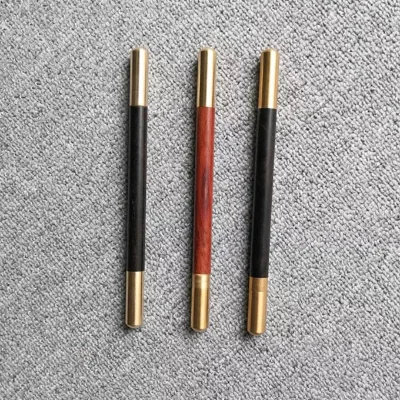
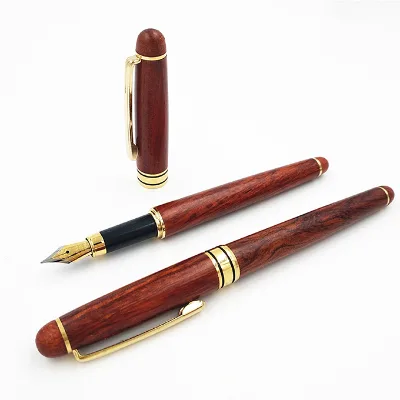
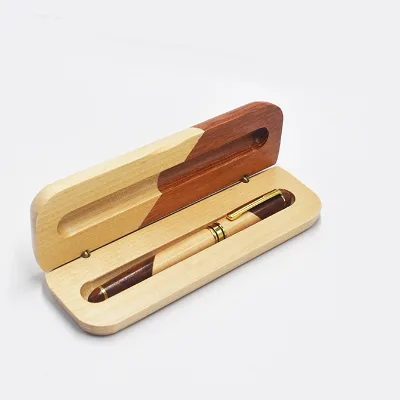
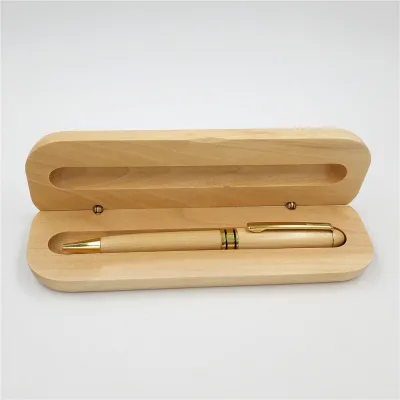
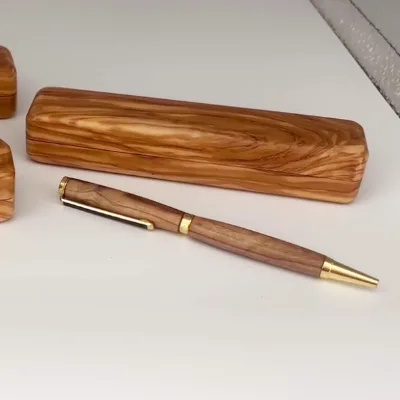
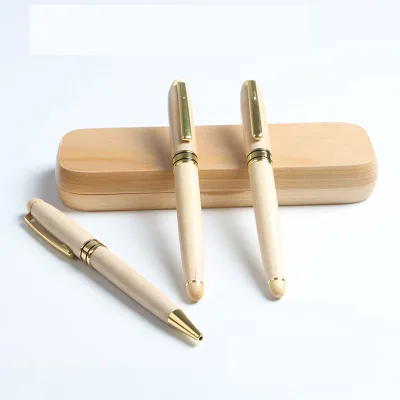
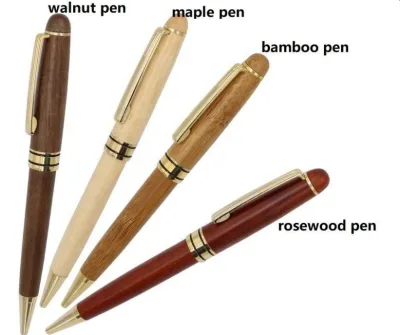
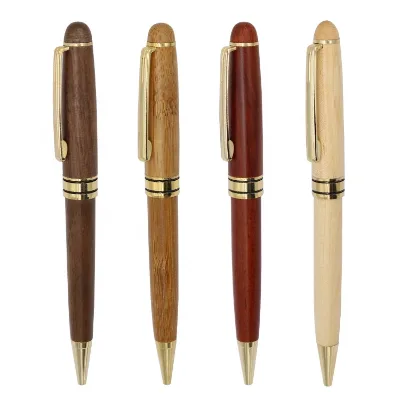
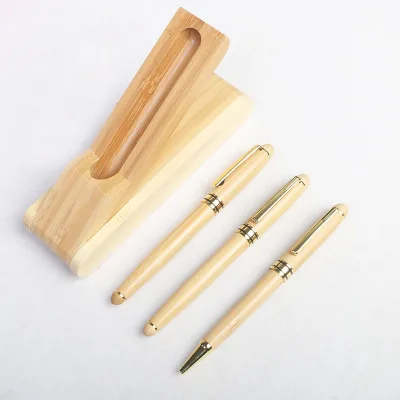
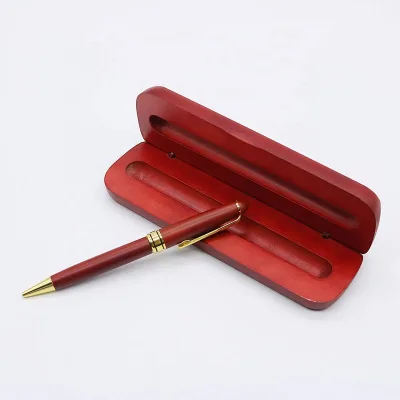
Customized Engrave Logo Man Gift Rosewood Maple Wood Roller Ball Pen High Quality with Wood Box
$2.7908 - $3.5053
MOQ: 100 sets


- Trading Company,Manufacturer/Factory
- China Zhejiang
- Lead time23 days
- Avg. response≤ 8h
Main productsNotebook, White Board, Stationery, Ball Pen, Sticky Notes, Promotion Gifts, Staple, Color Pencils, Pencil Case, Water Bottle
Main marketsSouth America,Eastern Europe,Mid East,North America,Southeast Asia,Eastern Asia,Oceania,Western Europe,Africa

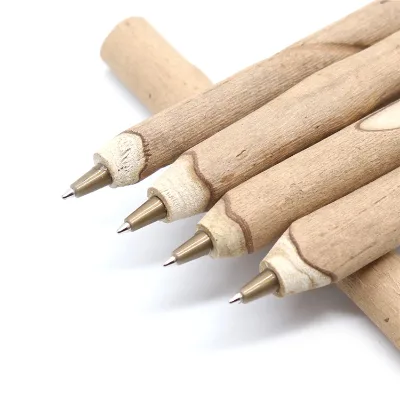
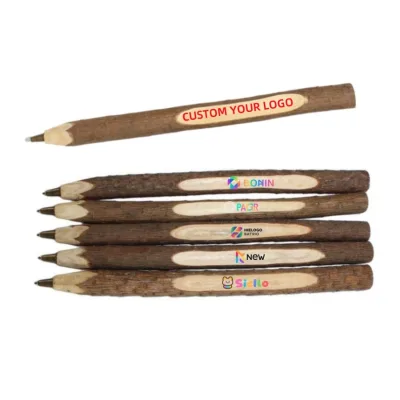
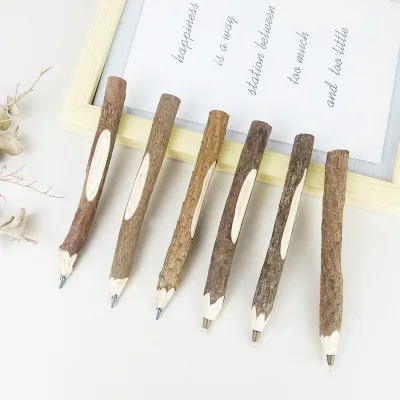
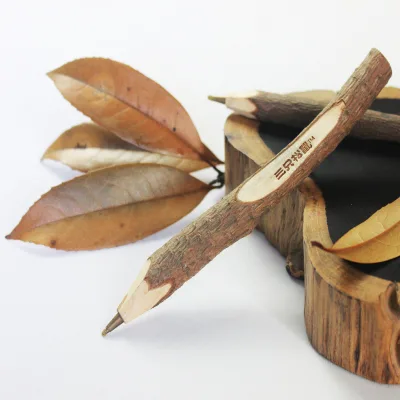
Vintage Handmade Wooden Twig Ball Pen for Promotion Gifts and School Supplies
$0.03 - $0.035
MOQ: 10000 Pieces


Vintage Handmade Twig Ball Pen for Wedding Pen School Office Supplies
$0.03 - $0.035
MOQ: 10000 Pieces


Dongguan Tianyi Stationery Co., Ltd.
- Verified by TüVRheinland
- Manufacturer, Trading Company
- Lead time10 days
- Avg. response≤ 3h
Main productsAcrylic Marker, Chalk Marker, Fabric Marker, Paint Marker, Heat Erasable Marker
Main marketsNorth America(15%), South America(15%), Domestic Market(15%)
Kunming Leying Flower Co., Ltd.
- Manufacturer, Trading Company
- Yunnan, China
- Lead time30 days
- Avg. response≤ 3h
Main productsdried flowers,preserved flowers,Aquarium accessories,Aquarium Decoration,Home Decoration
Main marketsEastern Europe(30.00%), Northern Europe(20.00%), Western Europe(20.00%), Southern Europe(10.00%), Mid East(10.00%), North America(10.00%)

Changzhou Sitan Imp. and Exp. Co., Ltd.
- Verified by BV
- Trading Company
- China Jiangsu
- Lead time15 days
- Avg. response≤ 10h
Main productsFitness Equipment, Barbell Series, Resistance Bands, Agility & Speed, Yoga Ball, Massage Series, Power Rack, Weight Ball, Charging Notebook, Custom Logo Goods
Main marketsSoutheast Asia/ Mideast,Domestic,Europe,North America

Eco Friendly Custom Logo Wooden Pen with Case Gift Pen Bamboo Stylus Ball Pen
$1.20 - $3.50
MOQ: 200 Pieces

Wooden Ball Pen with Environmentally Friendly Materials Custom Logo Wooden Pen Set
$0.80 - $4.50
MOQ: 200 Pieces

Factory Wooden Ball Pen with Environmentally Friendly Materials Custom Logo Wooden Pen Set
$0.20 - $0.35
MOQ: 200 Pieces

Custom Logo Recycled Wooden Bamboo Ballpoint Pens Personalized Promotional Wood Pens
$0.20 - $0.35
MOQ: 200 Pieces

Eco Friendly Custom Logo Wooden Pen with Case Gift Pen Set Bamboo Ball Pen Set
$1.20 - $3.50
MOQ: 200 Pieces

NINGBO SEVEN STAR STATIONERY & GIFT CO., LTD.
- Verified by SGS
- Trading Company
- China Zhejiang
- Lead time60 days
- Avg. response≤ 6h
Main productsPen, Pencil, Box, Mug, Water Bottle, Stationery, Highlighter Pen, Permanet Marker
Main marketsSouth America

Shenzhen Jason Yuen Gift Co., Ltd.
- Combined
- China Guangdong
- Lead time23 days
- Avg. response≤ 13h
Main productsFan Pen, Projector Pen, Projector Torch, Liquid Pen, Laser Pen, Metal Pen, Plastic Pen, Banner Pen, LED Light Pen
Main marketsSoutheast Asia/ Mideast,Europe,North America

$0.55 - $0.75
MOQ: 500 Pieces

$0.58 - $0.78
MOQ: 500 Pieces
Yiwu Miao Miao Stationery Firm (individual Business)
- Trading Company
- Zhejiang, China
- Lead time20 days
- Avg. response≤ 4h
Main productspen,roller pen,ink pen,paintbrush,Chinese Calligraphy Brush Pen
Main marketsNorth America(15.00%), South America(12.00%), Southeast Asia(12.00%), Central America(12.00%), Eastern Europe(10.00%), Eastern Asia(10.00%), Northern Europe(8.00%), Africa(5.00%), Western Europe(5.00%), Domestic Market(4.00%), Southern Europe(3.00%), South Asia(3.00%), Oceania(1.00%)

Jinxian Jiaxiang Stationery Factory
- Trading Company
- Jiangxi, China
- Lead time25 days
- Avg. response≤ 8h
Main productsmetal pen,palstic pen,wooden pen,crystal pen,pen set
Main marketsNorthern Europe(12.00%), Southern Europe(11.00%), Central America(10.00%), Western Europe(10.00%), Mid East(8.00%), North America(8.00%), South Asia(8.00%), Domestic Market(7.00%), South America(5.00%), Eastern Asia(5.00%), Southeast Asia(5.00%), Africa(5.00%), Oceania(3.00%), Eastern Europe(3.00%)
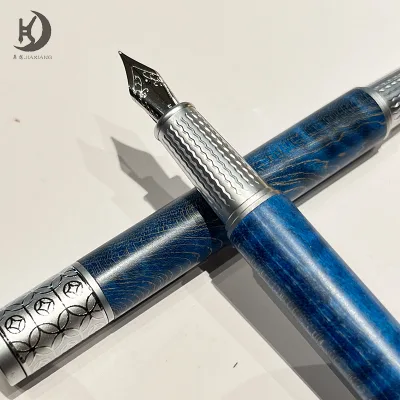
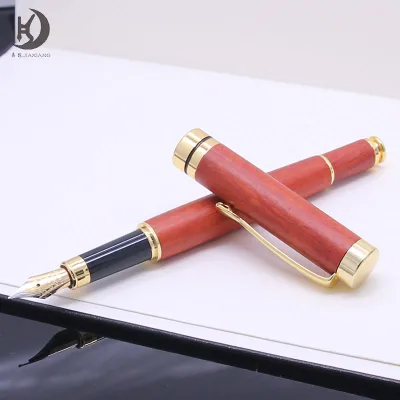
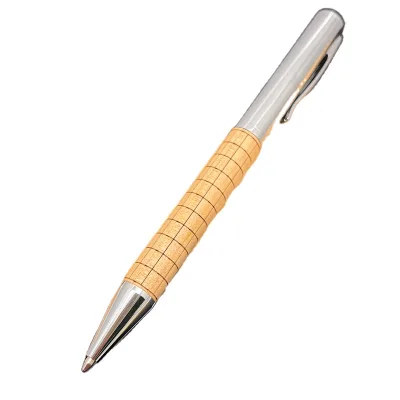
New Business Gift Pen Wood Writing Ink Pen Set Custom logo Luxury Wood Metal Ballpoint Pen
$1.60 - $1.80
MOQ: 500 sets

Nanchang Qunpeng Technology Development Co., Ltd.
- Verified by SGS
- Manufacturer/Factory
- China Jiangxi
- Lead time45 days
- Avg. response≤ 10h
Main productsStationery, Metal Pen, Gift, Ball Pen, Pencil, Markers, Notebook, Art Material, Outdoor Products, Board
Main marketsSouth America,Eastern Europe,North America,Southeast Asia,Eastern Asia,Western Europe

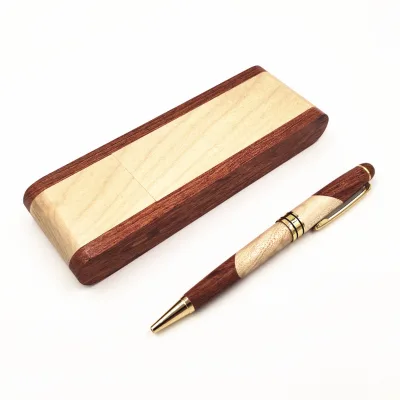
High Quality Luxury Gift Pen Set Customize Engraved Logo Wooden Pen with Wooden Box
$0.70 - $2.00
MOQ: 1000 Pieces

High Quality Wooden Ballpoint Wood Pen Wholesale Wood Roller Pen with Box Set for Gift
$0.70 - $2.00
MOQ: 1000 Pieces
Chengdu Wudongqi Commerce And Trade Co., Ltd.
- Trading Company
- Sichuan, China
- Lead time10 days
- Avg. response≤ 8h
Main productsIPL Laser Parts,IPL Machine,laser components,Sapphire Glass,IPL SHR Lamp
Main marketsNorth America(30.00%), Africa(20.00%), Southeast Asia(20.00%), Central America(10.00%), Eastern Europe(10.00%), South America(10.00%)

Shenzhen Lixin Electronic Commerce Co., Ltd.
- Trading Company
- Guangdong, China
- Lead time15 days
- Avg. response≤ 5h
Main productsWax Stick,Feather Pen,Pet Product,Metal Pen Set,Table Pen Set
Main marketsSouth America(7.00%)
Tonglu Lisen Stationery Gift Co., Ltd.
- Verified by SGS Group
- Trading Company
- Lead time20 days
- Avg. response≤ 10h
Main productsBall Pen, Gift Set Pen, Tools Pen, Notebook , Pen Set
Main marketsNorth America(40%), Western Europe(15%), South America(10%)
Nanchang Triumph-Prosper Engineering Materials Co., Ltd.
- Trading Company
- Jiangxi, China
- Lead time0 days
- Avg. response≤ 1h
Main productsCutleries,Cups,wine accessories,homeware,kitchen ware
Main marketsNorth America(26.00%), Mid East(10.00%), South America(10.00%), Northern Europe(8.00%), Western Europe(8.00%), Eastern Europe(6.00%), Southern Europe(6.00%), Central America(5.00%), South Asia(5.00%), Southeast Asia(5.00%), Oceania(5.00%), Domestic Market(2.00%), Africa(2.00%), Eastern Asia(2.00%)

LION PROMOTIONAL GIFT CO., LIMITED
- Verified by TUVRHEINLAND
- Trading Company
- China Zhejiang
- Lead time30 days
- Avg. response≤ 25h
Main productsPromotional Gifts, Giveaways, Advertising Gift, Premium Items, Publicity Material, Freebie Items, Marketing Gifts, Campaign Gifts, Promotional Products, China Gifts Supplier
Main marketsAfrica,Europe,North America








Comprehensive Sourcing Guide
Gift Wooden Pen Supplier Concentration and Factory Types
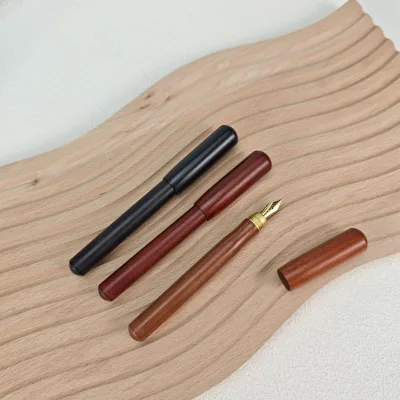
The current supplier landscape for gift wooden pens reveals a distinct geographic and structural diversity that buyers must navigate carefully. Evidence indicates that suppliers are located in Jiangxi and Guangdong, China, which suggests these regions serve as active hubs for this specific product category. In Jiangxi, the available data points to a Trading Company structure, which typically implies a focus on sourcing and aggregation rather than direct manufacturing. This entity lists main products that include U pilow, washing bag, luggage cover, lock, and office pen, indicating a broad portfolio rather than a specialized pen factory. The presence of such a trading company suggests that buyers in this cluster may benefit from consolidated shipping or access to a wider variety of stationery items, though it also introduces an intermediary layer into the supply chain. Conversely, the Guangdong-based suppliers exhibit a different operational model, with some identified as both Manufacturer and Trading Company. This dual status often allows for greater flexibility in production capacity and customization options, as the entity can control the manufacturing process while also handling commercial transactions. The main products for these Guangdong entities include BALL PEN, STATIONERY, HOUSEHOLD SUNDRIES, and PEN, reinforcing a focus on writing instruments and related accessories. Additionally, one supplier in this group specializes in Wax Seal Stamp, Wax Seal Beads, Wax Seal Sticker, Wax Seal, and Feather Pen, highlighting a niche within the broader gift and stationery market. Understanding these structural differences is crucial for buyers, as trading companies may offer faster access to diverse SKUs, while manufacturers might provide better control over quality and lead times for large orders.
Identifying the correct factory type is essential for aligning procurement goals with supplier capabilities. Buyers should scrutinize the company type listed in supplier profiles to determine whether they are dealing with a direct producer or a middleman. For gift wooden pens, which often require specific finishing techniques like engraving or polishing, a manufacturer might offer more consistent quality control. However, a trading company might provide better service for smaller, mixed orders or faster response times, as evidenced by the varying response metrics across the supplier base. The Jiangxi supplier shows a response time of 4, while the Guangdong manufacturer-trading hybrid shows a response time of 10, and another entity shows a response time of 2. These variations suggest that responsiveness is not strictly tied to location or company type but may depend on individual operational efficiency. Buyers should also consider the main products listed to ensure the supplier has relevant experience. A supplier whose primary focus is on household sundries or wax seals might have less specialized expertise in wooden pens compared to one focused primarily on pens and stationery. Therefore, verifying the supplier's core competencies through their product catalog is a necessary step. This verification helps ensure that the supplier has the necessary machinery, materials, and skilled labor to produce high-quality gift wooden pens that meet specific design and functional requirements.
How to Verify Gift Wooden Pen Suppliers
Verifying the authenticity and reliability of Gift Wooden Pen suppliers requires a multi-layered approach that goes beyond surface-level profile information. One critical step is to check for third-party verification badges, which serve as independent validations of a supplier's business status and operational capabilities. For instance, some suppliers display verification from SGS Group, a globally recognized inspection and certification company. This badge indicates that the supplier has undergone rigorous audits regarding their business license, factory conditions, and management systems. Buyers should prioritize suppliers with such verifications, as they provide a higher degree of confidence in the supplier's legitimacy. Additionally, system certifications like MSDS (Material Safety Data Sheet) are crucial for products that may involve chemical treatments, inks, or adhesives. The presence of an MSDS certification suggests that the supplier adheres to safety standards regarding the materials used in their products, which is particularly important for gift items that may be handled by children or used in educational settings. Buyers should request copies of these certifications to ensure they are current and relevant to the specific products being ordered. This due diligence helps mitigate the risk of dealing with fraudulent entities or suppliers who cut corners on safety and quality standards.
Beyond certifications, buyers should assess the supplier's product evidence and attribute consistency to gauge their professionalism and attention to detail. Detailed product listings with comprehensive attributes, such as material composition, writing width, and packaging dimensions, indicate a mature supply chain. For example, specific attributes like "Material: Wood" or "Writing width: 0.5 mm" provide clear specifications that can be cross-referenced with samples. Buyers should also look for consistency in product naming and keyword usage, as this often reflects the supplier's marketing strategy and understanding of their target market. Furthermore, verifying the supplier's response time can offer insights into their operational efficiency. A supplier with a rapid response time, such as 2 hours, may be more agile in addressing buyer inquiries and resolving issues quickly. However, buyers should not rely solely on response time; they should also evaluate the quality and relevance of the responses. A detailed, professional reply that addresses specific questions about customization, materials, and logistics is a stronger indicator of reliability than a quick but generic response. By combining verification badges, certification checks, and an assessment of product detail and communication quality, buyers can build a robust profile of each potential supplier, ensuring they partner with entities that are both legitimate and capable of meeting their procurement needs.
What to Compare Across Gift Wooden Pen Suppliers
When evaluating multiple suppliers for gift wooden pens, buyers must systematically compare key operational metrics to identify the best fit for their specific requirements. One of the most critical factors is the Minimum Order Quantity (MOQ), which directly impacts inventory management and cash flow. The available data shows a range of MOQs, with some suppliers requiring as few as 100 pieces, while others mandate 500 pieces. For buyers testing the market or launching a new product line, a lower MOQ of 100 offers greater flexibility and reduces financial risk. Conversely, suppliers with higher MOQs may offer better economies of scale, potentially leading to lower unit prices for larger orders. Buyers should align their MOQ choice with their sales forecast and storage capacity. Additionally, the price range is a significant differentiator. Prices for wooden pens vary based on material quality, customization options, and order volume. For instance, some products are priced between $0.82 and $1.40, while others range from $1.58 to $2.00. Buyers should compare these prices in the context of the product specifications, such as material type (e.g., walnut vs. maple) and finishing details, to ensure they are getting fair value. It is essential to request detailed quotations that break down costs for customization, packaging, and shipping to avoid hidden fees.
Another vital aspect of comparison is the lead time and supply ability, which affect the reliability of delivery schedules. Some suppliers indicate a lead time of 3 days, while others may have longer production cycles depending on order size and customization complexity. The supply ability, such as 3000 pieces per week, provides insight into the supplier's production capacity. Buyers with urgent deadlines should prioritize suppliers with shorter lead times and robust supply capabilities. Furthermore, the response time of the supplier can influence the overall procurement experience. A supplier with a response time of 2 hours may be more accessible for quick clarifications, whereas a response time of 10 hours might indicate a slower communication cycle. Buyers should also compare the main products offered to ensure the supplier has a diverse portfolio that can meet future needs. A supplier offering a wide range of pen styles, from ballpoint to fountain pens, may be better positioned to support a growing business. Additionally, the availability of customization options, such as logo engraving or custom packaging, should be evaluated. Suppliers that offer flexible customization can help buyers differentiate their products in a competitive market. By systematically comparing MOQ, price, lead time, supply ability, response time, and customization options, buyers can make informed decisions that balance cost, quality, and operational efficiency.
Common Gift Wooden Pen Sourcing Risks
Sourcing gift wooden pens involves several inherent risks that buyers must proactively manage to ensure a smooth procurement process. One significant risk is the variability in material quality, as "wood" is a broad category that encompasses many different types with varying durability, appearance, and cost. Suppliers may use lower-grade wood or composite materials that do not meet the buyer's expectations for a premium gift item. Without clear specifications and sample approvals, buyers risk receiving products that feel cheap or lack the aesthetic appeal required for gifting purposes. To mitigate this risk, buyers should insist on detailed material specifications, including the type of wood, finish, and any treatments applied. Requesting physical samples before placing a large order is essential to verify the quality and feel of the product. Additionally, buyers should check for consistency in the product attributes listed, such as writing width and ink color, to ensure the pens function as intended. Inconsistent product details can indicate a lack of quality control, which may lead to customer dissatisfaction and returns.
Another common risk is the reliability of delivery and communication, which can be impacted by the supplier's operational structure. Trading companies, for example, may face delays if their manufacturing partners encounter issues, as they are not directly controlling the production process. Buyers should verify the supplier's ability to meet lead times, especially during peak seasons or when customizations are involved. The data shows varying lead times and response speeds, which suggests that buyers should establish clear communication protocols and set realistic expectations. Furthermore, there is a risk of intellectual property infringement if the supplier uses unauthorized logos or designs. Buyers should ensure that their branding is protected and that the supplier agrees to confidentiality and non-infringement clauses. Additionally, buyers should be cautious of suppliers who do not provide transparent pricing or hidden costs, such as mold fees for custom packaging. To avoid these risks, buyers should conduct thorough due diligence, including verifying business licenses and checking for third-party certifications. By identifying and addressing these potential pitfalls early in the sourcing process, buyers can minimize disruptions and ensure a successful partnership with their Gift Wooden Pen suppliers.
Gift Wooden Pen Regional Sourcing and Logistics
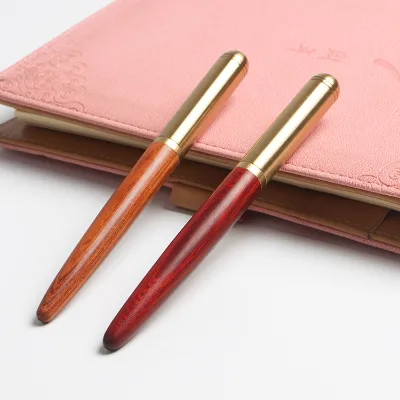
The geographic location of suppliers plays a crucial role in determining logistics costs, lead times, and overall supply chain efficiency. The current supplier results indicate that Gift Wooden Pen manufacturers and traders are concentrated in Jiangxi and Guangdong, China. Guangdong is a well-known manufacturing hub with extensive infrastructure for export, including major ports like Shenzhen. Suppliers in this region, such as those offering brass and wood pens, often benefit from established logistics networks, which can facilitate faster shipping and lower freight costs. The presence of a port of dispatch like Shenzhen suggests that these suppliers are experienced in handling international shipments, which can be advantageous for buyers looking for reliable delivery options. On the other hand, suppliers in Jiangxi may have different logistical advantages, potentially offering lower production costs due to regional economic factors. However, buyers should verify the specific shipping arrangements and transit times from Jiangxi to their destination, as this region may not have the same level of export infrastructure as Guangdong. Understanding the regional strengths of each location helps buyers make informed decisions about where to source their products.
Logistics planning should also consider the packaging and weight of the products, as these factors influence shipping costs. The product data shows specific packaging dimensions, such as 10X3X4 cm, and weights, such as 0.03 kg, which are essential for calculating freight charges. Buyers should work with suppliers to optimize packaging to reduce volumetric weight and shipping expenses. Additionally, the supply ability, such as 3000 pieces per week, impacts the frequency and size of shipments. Buyers with high demand may need to coordinate with suppliers to ensure consistent supply and avoid stockouts. It is also important to consider the customs
FAQs
What is the price range for wooden pens?
Prices for wooden pens typically range from $0.83 to $2.00 per unit. The cost varies based on material quality, such as walnut or maple, and customization options like logo engraving. Buyers should expect higher prices for premium gift sets with boxes compared to standard single items.
What are the minimum order quantities?
Minimum order quantities generally start at 100 pieces for elegant premium pens. Some suppliers require 500 pieces for custom logo carvings or specific model numbers. Buyers should verify the exact MOQ with the supplier, as it depends on the product type and whether personalization is requested.
How long does production take?
Lead times vary by supplier, with some indicating three days for production. Others may have different schedules depending on order volume and customization needs. Buyers should confirm the specific lead time with the manufacturer, as it can impact delivery dates for large bulk orders.
Where are these suppliers located?
Suppliers offering wooden pens are primarily located in Jiangxi and Guangdong, China. These regions are known for manufacturing stationery and office supplies. Buyers can filter results by these locations to find manufacturers or trading companies that specialize in wooden writing instruments and related gift items.
What writing widths are available?
Available writing widths include 0.35 mm, 0.5 mm, and 1.0 mm. The 0.35 mm width is common for brass and wood fountain pens, while 0.5 mm is standard for ballpoint pens. Buyers should select the width based on their preference for line thickness and writing style.
Can I get custom logos?
Yes, many suppliers offer custom logo carving or printing on wooden pens. This service is often available for orders meeting the minimum quantity requirements. Buyers should provide their logo files and confirm the customization method, such as laser engraving, to ensure the desired branding effect.