Adjustable High Density Board Bookend Suppliers and Manufacturers
Source Adjustable High Density Board Bookend options from 15 verified suppliers. Compare dimensions, MOQs, lead times, and certifications to find the right partner. Request samples to verify quality and fit for your specific office or school needs; review the available evidence before requesting comparable quotations from suitable candidates.
Updated
Suppliers List
Shenzhen Stargood Craft Co., Ltd.
- Verified by SGS Group
- Manufacturer, Trading Company
- Lead time15 days
- Avg. response≤ 5h
Main productsPaper Clips, Binder Clips, Memo Clips, Bookmark & Bookend, Metal Crafts
Main marketsDomestic Market(30%), North America(20%), Eastern Europe(15%)
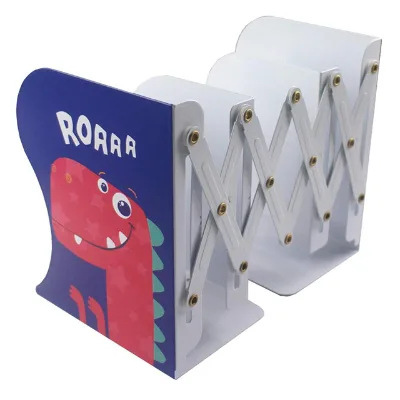
BSCI Factory Custom Variety Printing Pattern Adjustable Desk Storage Metal Bookends Book Ends
$4.00 - $5.00
MOQ: 1 pieces
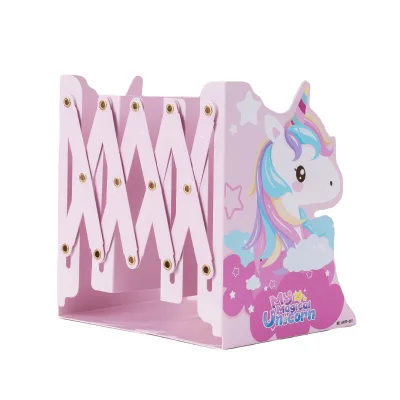
$2.80 - $3.20
MOQ: 100 pieces
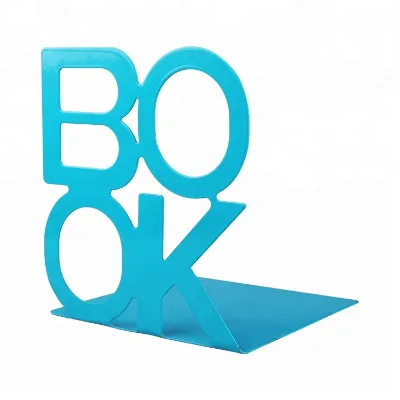
Factory Direct Selling Heavy Duty L Shaped Home Office Decorative Bookend Metal Book Shape Bookends
$3.0982 - $4.1305
MOQ: 500 pairs
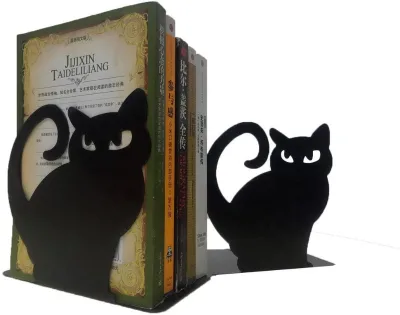
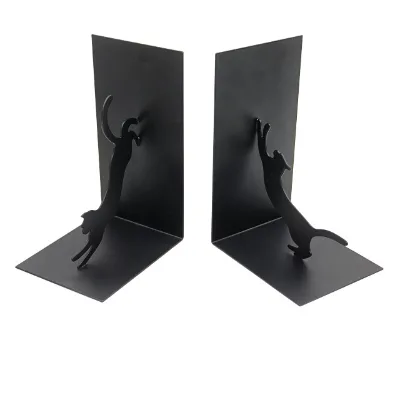
Heavy Duty Bookend Metal Black Cat Shape Book Stand Bookends for Office & School
$2.045 - $3.0668
MOQ: 50 pieces
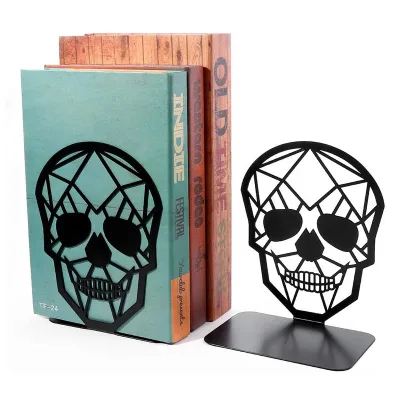
High Quality Custom Black Bookend with Metal Skull Design Verified Supplier Book Stopper Supports
$3.00 - $4.00
MOQ: 100 pairs
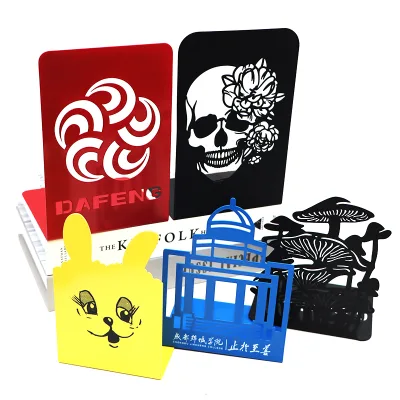

Jinjiang Jiayi Supply Chain Management Co., Ltd.
- Verified by BV
- Trading Company
- China Fujian
- Lead time30 days
- Avg. response≤ 2h
Main productsGift, Shoe, Garment, Machine
Main marketsDomestic
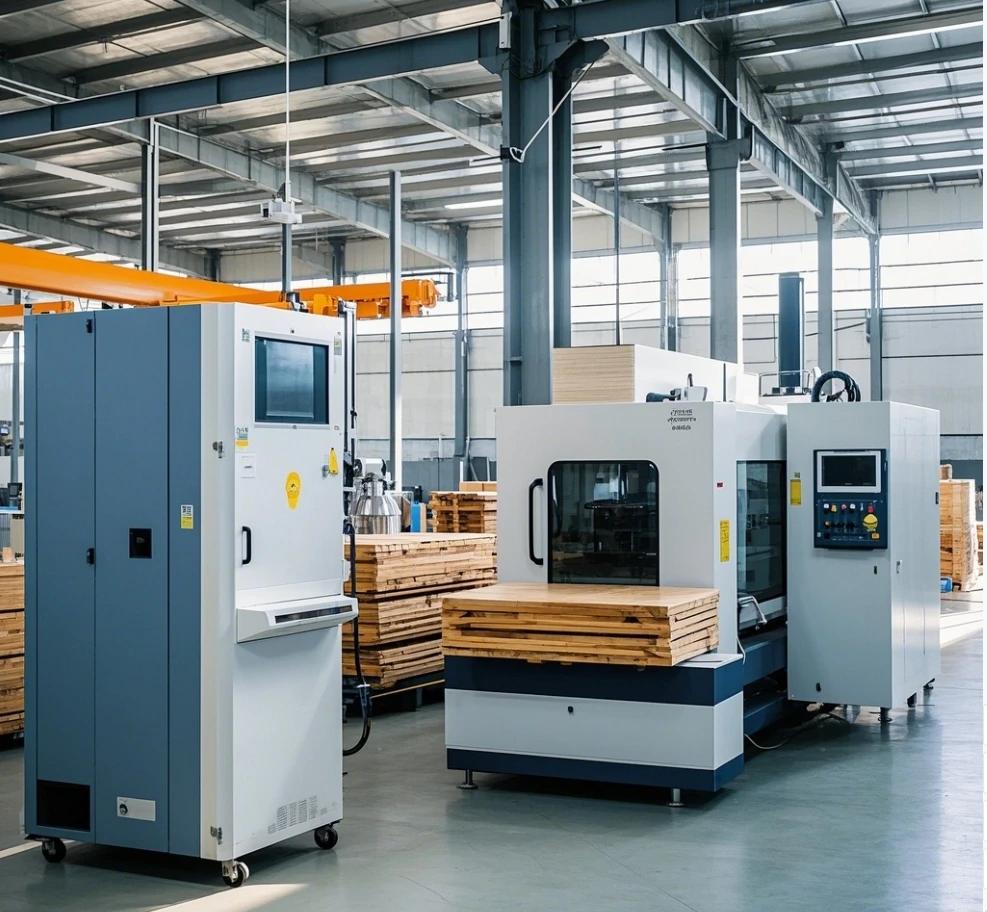
- Manufacturer, Trading Company
- Shandong, China
- Lead time0 days
- Avg. response≤ 1h
Main productsWooden Box,Wooden Shelf,Wooden Craft,cat tree,Wooden Furniture
Main marketsNorth America(50.00%), South America(20.00%), Mid East(10.00%), Southeast Asia(10.00%)
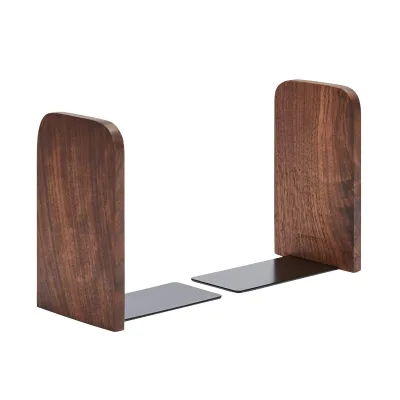
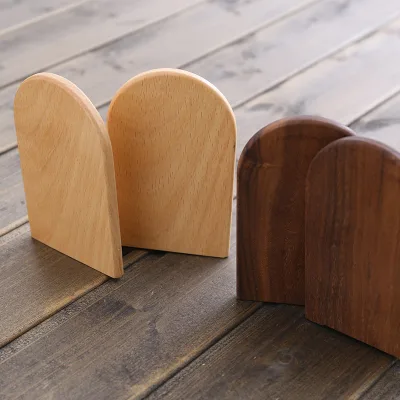
$2.5447 - $3.2703
MOQ: 29 Minimum
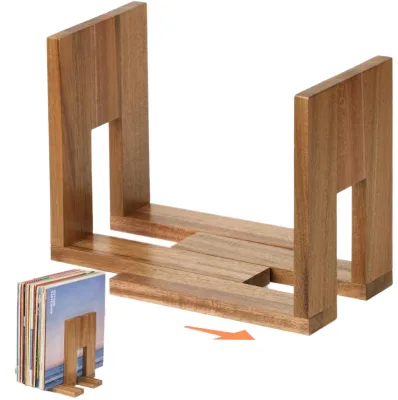
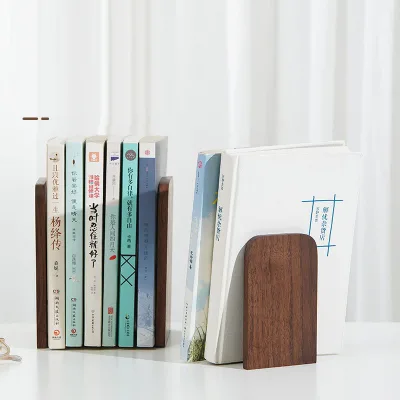
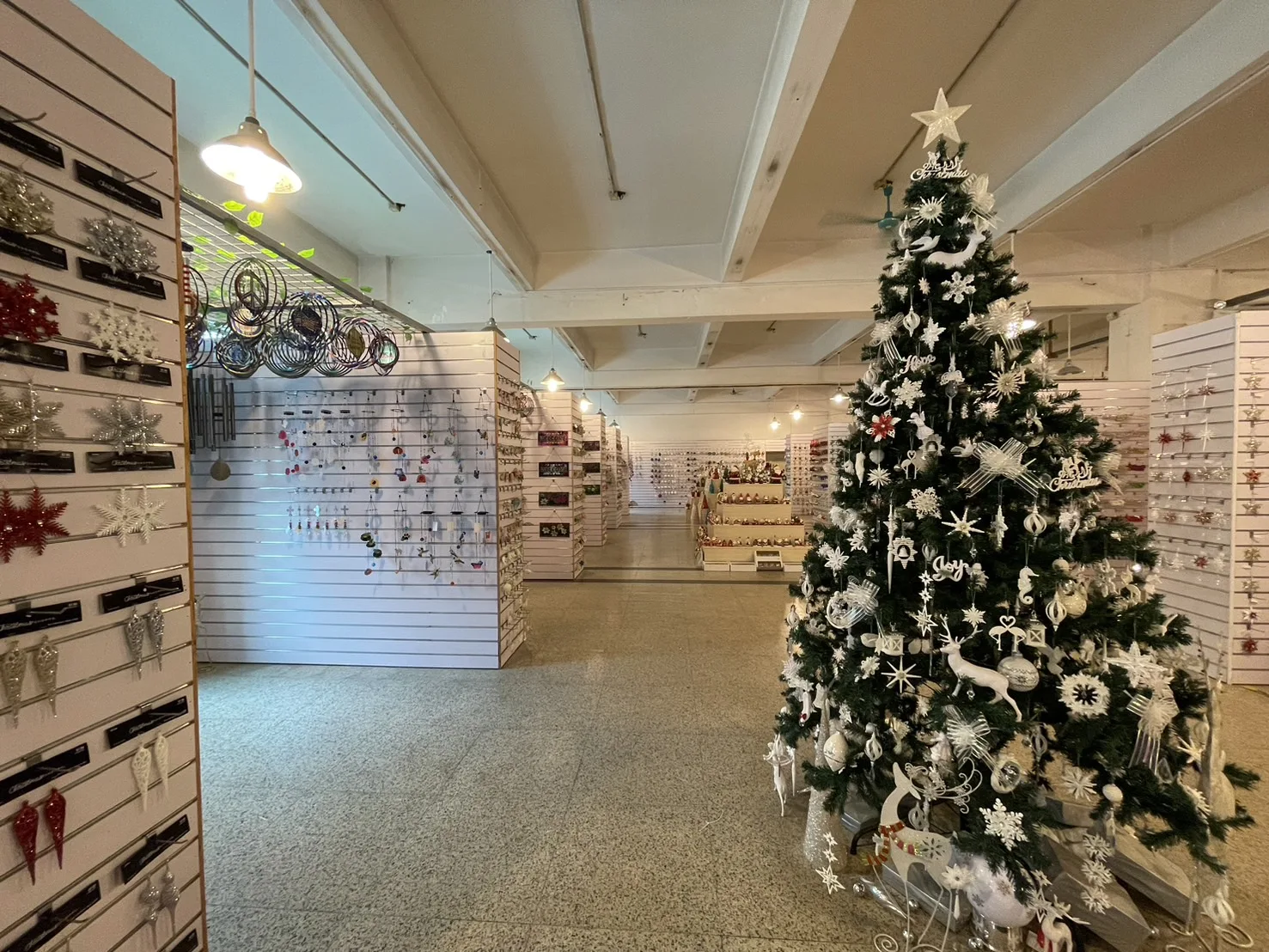
- Trading Company
- Taiwan, China
- Lead time45 days
- Avg. response≤ 3h
Main productsGARDEN DECORATION,WIND CHIMES,STAINED GLASS,CRYSTAL DECORATION,WIND SPINNERS
Main marketsNorth America(40.00%), Western Europe(20.00%), Northern Europe(10.00%), South Asia(5.00%), Southern Europe(5.00%), South America(5.00%), Central America(5.00%), Eastern Europe(5.00%), Mid East(5.00%)
Glam Industry (Guangzhou) Co., Ltd.
- Verified by TüVRheinland
- Manufacturer, Trading Company
- Lead time15 days
- Avg. response≤ 5h
Main productsAcrylic Box, Acrylic Display, Acrylic Photo Frame, Acrylic Tray, Acrylic Block
Main marketsNorth America(30%), Oceania(20%), Western Europe(10%)
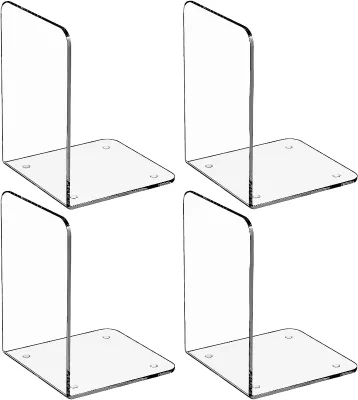
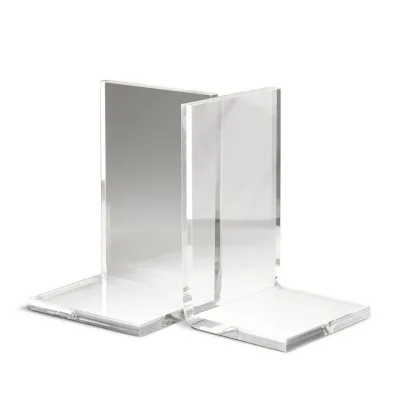
Custom Multi-purpose Book Holder Reading Stand Adjustable Acrylic Bookends for Reading
$0.88 - $18.88
MOQ: 200 Minimum
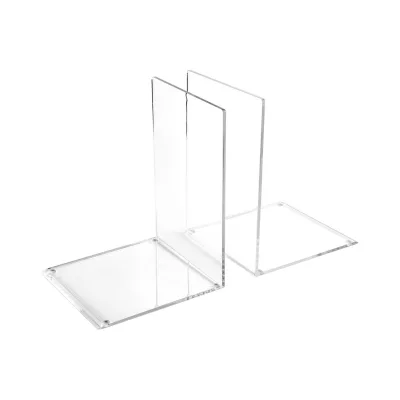

Taizhou EEGO Industry & Trade Co., Ltd.
- Verified by TUVRHEINLAND
- Trading Company
- China Zhejiang
- Lead time15 days
- Avg. response≤ 2h
Main productsNotebook, Stationery, Paper Gift, File Folders, Books Printing, Planner, Agenda, Journal, Spiral Notebook, Memo Pads
Main marketsSouth America,Africa,Southeast Asia/ Mideast,East Asia(Japan/ South Korea),Europe,Australia,North America

Best Selling Heavy Duty Custom Decorative Iron Bookends Holder Black Book Stand Metal Bookend
$1.20 - $1.60
MOQ: 100 Pieces


We House Hardware Product Co. Ltd
- Verified by SGS
- Manufacturer/Factory
- China Guangdong
- Lead time23 days
- Avg. response≤ 10h
Main productsSteel Fabrication, Sheet Metal Fabrication, Metal Fabricaiton, Door Hardware, Bathroom Niche, Door Handle, Pacel Box, Mailbox, Furniture Hardware, Door Lock
Main marketsSouth America,Eastern Europe,Mid East,North America,Southeast Asia,Eastern Asia,Oceania,Western Europe,Africa

Custom Home Office Book Ends Metal Bookends Heavy Duty Bookend Shelf Holder
$1.85 - $4.50
MOQ: 100 Pieces

OEM Home Office Book Ends Metal Bookends Heavy Duty Bookend Shelf Holder
$2.50 - $7.50
MOQ: 100 Pieces


- Verified by SGS
- Trading Company
- China Zhejiang
- Lead time0 days
- Avg. response≤ 11h
Main productsTents, BBQ Grill, Luggage, Kids Toy, Fitness Equpments, Cookware, Kitchen Utensils and Gadgets, Yoga Mat, Bathroom Rugs, Pets Items
Main marketsSouth America,Eastern Europe,Mid East,North America,Southeast Asia,Eastern Asia,Oceania,Western Europe,Africa


Factory Price Vintage Multifunctional Decorative Simple Office Student Bookends
$1.14 - $1.29
MOQ: 800 Pieces

Wholesale L-Shaped Simple Large Desktop Storage Metal Creative Iron Bookend
$0.69 - $0.77
MOQ: 1300 Pieces
Ningbo Aggpo Import And Export Co., Ltd.
- Verified by SGS Group
- Trading Company
- Lead time5 days
- Avg. response≤ 5h
Main productsHousehold daily goods, Consumer goods, Pet goods, Sports goods, Hardware goods
Main marketsNorth America(30%), South America(30%), Western Europe(25%)
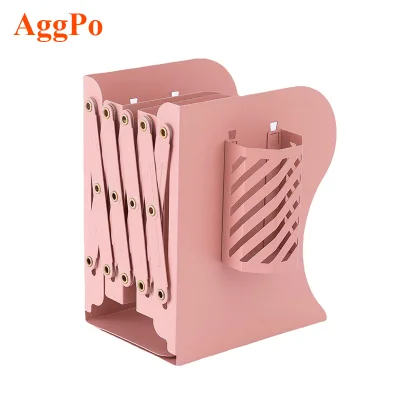
$2.8813 - $4.0033
MOQ: 100 pieces
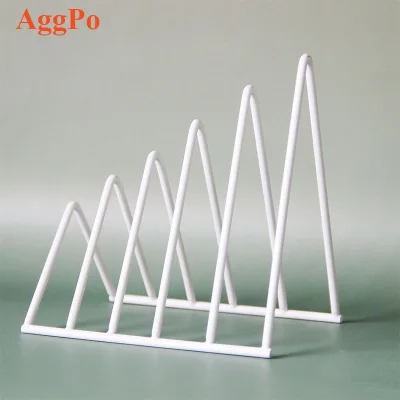

- Trading Company
- China Guangdong
- Lead time15 days
- Avg. response≤ 5h
Main productsHouseware, Bathroom Set, Bathroom Accessory, Kitchenware, Tableware, Wine Accessory, Bath Set, Home Decoration, Soap Dispenser, Bath Ensembles
Main marketsDomestic,North America

New Modern Art Custom Resin Book Ends Nordic Bookends for Desk Organizers
$2.60 - $2.80
MOQ: 100 Pieces


Office Decoration Desk Bookcase Decoration Creative Cloud Splash Ink Design Resin Bookend
$3.75 - $3.99
MOQ: 100 Pieces

Fujian Quanzhou Zhongpin Crafts Co., Ltd.
- Verified by TüVRheinland
- Manufacturer, Trading Company
- Lead time45 days
- Avg. response≤ 3h
Main productsMetal Crafts
Main marketsNorth America(70%), Western Europe(10%), Southeast Asia(5%)
Ningbo Emda Import And Export Co., Ltd.
- Verified by SGS Group
- Trading Company
- Lead time30 days
- Avg. response≤ 2h
Main productsPunch, Stapler, Metal Mesh Products
Main marketsNorth America(25%), South America(20%), Western Europe(20%)
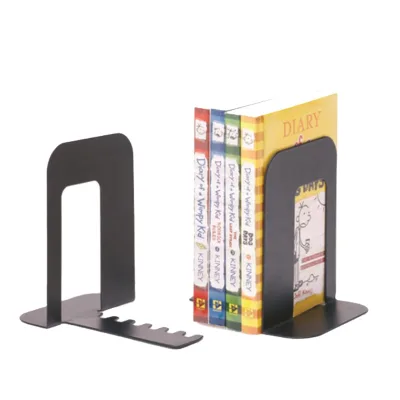
Office Home School Desk Organizer Custom Metal Bookends Mesh Book Holder Unique Bookends
$1.0158 - $1.2881
MOQ: 2000 sets
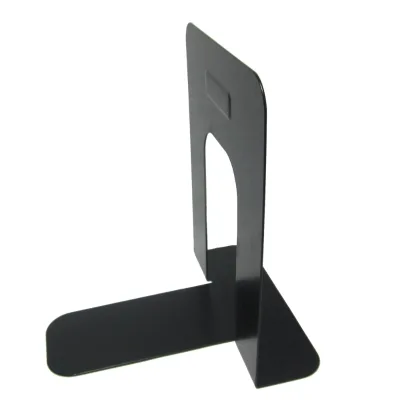
$1.2327 - $1.3868
MOQ: 2 sets
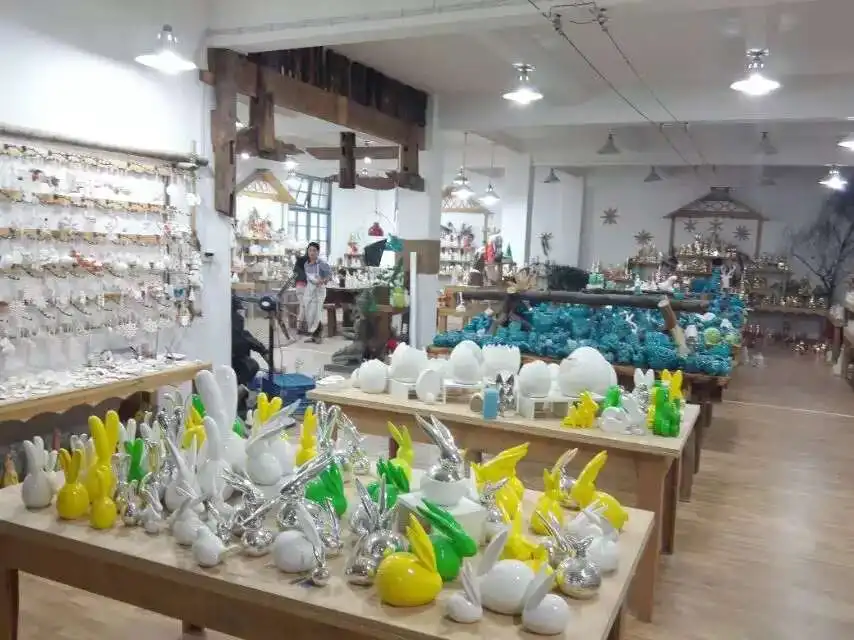
Dehua Beauty Rich Arts & Crafts Co., Ltd.
- Manufacturer, Trading Company
- Fujian, China
- Lead time30 days
- Avg. response≤ 7h
Main productsPolyresin crafts,Ceramic crafts,PVC crafts,Home decoration,Garden decoration
Main marketsEastern Europe(15.00%), North America(15.00%), South America(12.00%), Mid East(5.00%), Oceania(5.00%), South Asia(3.00%), Southern Europe(3.00%), Northern Europe(3.00%), Central America(3.00%), Western Europe(3.00%), Eastern Asia(3.00%), Domestic Market(3.00%), Southeast Asia(3.00%), Africa(2.00%)
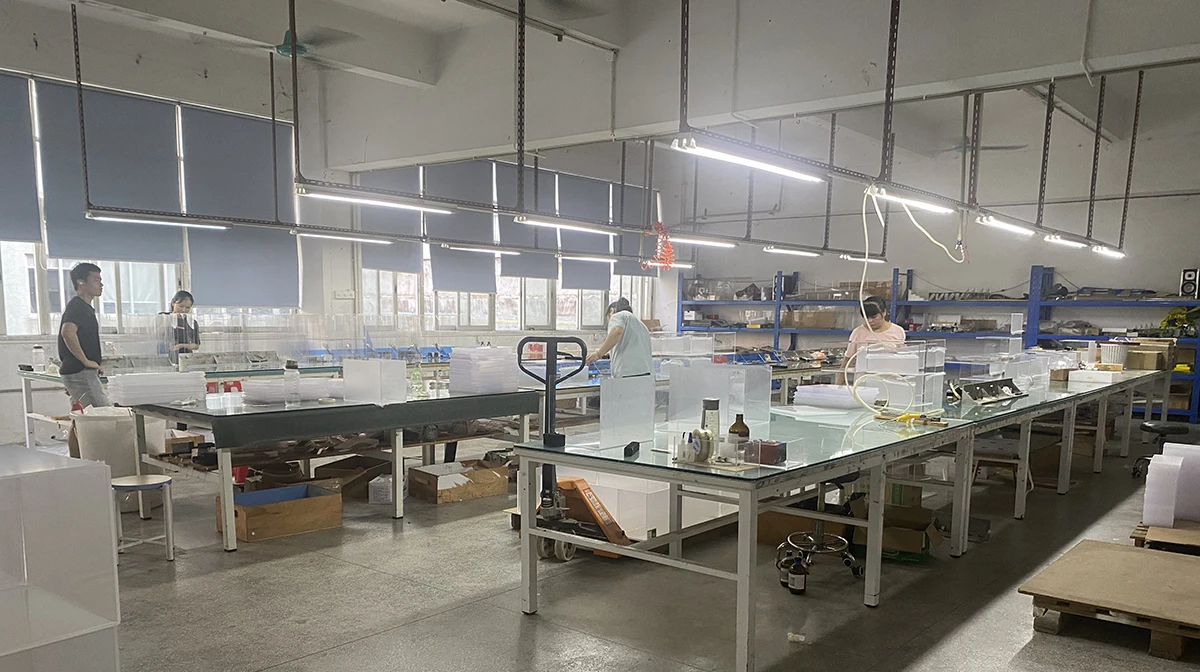
Dongguan Guangzhi Crafts Co., Ltd
- Manufacturer, Trading Company
- Guangdong, China
- Lead time10 days
- Avg. response≤ 5h
Main productsAcrylic Products,Dispalying & Packaging,Precision Machining,Gifts&Rewards,Promotional Items
Main marketsNorth America(30.00%), Western Europe(25.00%), Oceania(10.00%), Northern Europe(8.00%), Mid East(8.00%), Southern Europe(7.00%), Eastern Asia(5.00%), Central America(3.00%), South America(2.00%), Eastern Europe(2.00%)

Heilongjiang Huanfan Acrylic Co., Ltd
- Trading Company
- Heilongjiang, China
- Lead time15 days
- Avg. response≤ 4h
Main productsAcrylic household products,display stand,Acrylic crafts,Acrylic blocks,Acrylic box
Main marketsDomestic Market(80.00%), Southeast Asia(3.00%), North America(3.00%), South America(2.00%), South Asia(2.00%), Southern Europe(2.00%), Northern Europe(2.00%), Eastern Asia(2.00%), Mid East(2.00%), Africa(2.00%)



Comprehensive Sourcing Guide
Adjustable High Density Board Bookend Supplier Concentration and Factory Types
When sourcing an Adjustable High Density Board Bookend, buyers should first understand where relevant suppliers cluster. The supplier results currently in view consistently list Guangdong, China as the place of origin for bookend products, which signals that this province functions as an active manufacturing base for desk organizers and bookends. Buyers searching for board-based adjustable bookends will notice that many surrounding listings describe metal and iron bookends instead, so concentration checks should focus on whether a factory genuinely works with high density board or merely lists adjacent categories. Asking a supplier directly which substrate they run in-house—board, metal, or both—separates true board processors from trading companies reselling generic bookend stock.
Supplier types in this category typically split between manufacturers and hybrid manufacturer-trading companies. The results show at least one company describing itself as both a Manufacturer and Trading Company, which is common in desk organizer categories: the factory produces core SKUs while trading arms source complementary items such as paper clips, binder clips, memo clips, bookmarks and bookends, and metal crafts. For a board bookend specifically, a hybrid structure can be useful if you want one point of contact for a mixed stationery order, but you should confirm who physically produces the adjustable board component. Verification credentials matter here too; results show verification by SGS Group on some profiles, which should be confirmed against the certificate number before relying on it for factory audits.
How to Verify Adjustable High Density Board Bookend Suppliers
Verification starts with matching the claimed capability to the evidence shown. A supplier profile may carry third-party verification, such as SGS Group verification visible in current results, but buyers should still request the underlying report scope: does the audit cover a board-processing workshop, a metal stamping line, or only an export office? For an Adjustable High Density Board Bookend, ask for photographs or video of the cutting, printing, and assembly stations for board products specifically. Listing pages alone are weak proof, because the current results also show bookend listings whose categories sit under clips and other office supplies rather than board goods.
Second, test responsiveness and transparency before committing. The results show a response time of five (hours, per the listing field), which is a usable baseline, but response speed during a quote stage does not guarantee consistency during production. Request business license details, establishment year, and the factory address, then reconcile those against verification documents. Third, probe customization claims: one listing advertises light customization, sample processing, graphic processing, and customized-on-demand services, which is the vocabulary you should hear from any board bookend supplier. Ask each candidate to describe their sample process, tooling for adjustable hinge mechanisms, and whether printing or coating of board panels happens in-house. Finally, verify product certifications claimed on listings, such as BSCI or EN71/ROHS/REACH found in related bookend entries, by requesting certificate copies with validity dates rather than accepting badge icons at face value.
What to Compare Across Adjustable High Density Board Bookend Suppliers
Build a comparison table from the attributes that appear consistently in supplier and product data. Useful dimensions include: company type (manufacturer versus manufacturer-trading hybrid), verification status, response time, quoted lead time, minimum order quantity, main products, and location. In the current results, lead time is shown as fifteen days, response time as five, and main products span paper clips, binder clips, memo clips, bookmark and bookend items, and metal crafts. Do not assume every supplier displays every attribute; treat blank fields as questions to ask rather than defaults to fill with assumptions.
Then compare product-level evidence. Listings in view show bookends with MOQs ranging from one piece to five hundred pieces, unit prices roughly between two and five US dollars, sizes around 14 to 19 centimeters, and supply capacity stated as one million pieces per month on one adjustable bookend line. For a board bookend, note where these figures come from metal products and ask the supplier to restate them for the board version, since material change alters weight, packaging, and cost. Compare customization depth: one profile lists custom design, custom color, laser processing, and OEM branding as available, while another accepts OEM/ODM. Weigh those claims against whether the supplier's core products include desk organizers at all. Finally, compare gross weights and packaging descriptions, because adjustable bookends ship as pairs and carton configuration affects freight cost per unit more than unit price alone.
Common Adjustable High Density Board Bookend Sourcing Risks
The most common risk in this search is category mismatch. Because the visible supplier pool is dominated by metal and iron bookends—powder-coated, laser-cut, stainless steel, and iron plate with printing—buyers may receive quotes for the wrong material when requesting an Adjustable High Density Board Bookend. Always specify substrate, thickness, and the adjustable mechanism in writing. A related risk is key-attribute drift: product attributes like "adjustable" may describe an expandable metal spine, not a board panel system, so request engineering drawings of the hinge or slider before sample approval.
Second, certification and compliance risks. Listings show claims such as BSCI, EN71, ROHS, and REACH, but badge-level claims are not proof. If your market requires children's product testing—some listings target kids and students explicitly—insist on current, scoped test reports from an accredited lab. Third, MOQ and pricing misalignment: current results show MOQs from a single piece for custom metal units to five hundred pieces for L-shaped decorative units. A very low MOQ with full customization often signals sample-level pricing or a trading intermediary, so confirm whether the low minimum applies to your board specification. Fourth, capacity risk: a stated one-million-piece monthly capacity on one product line does not transfer to a different material or mechanism. Finally, packaging risk—bookends are heavy relative to board goods, and carton packing described in metal listings may be unsuitable; confirm drop-test expectations and retail packaging options before mass production.
Adjustable High Density Board Bookend Regional Sourcing and Logistics
The evidence in view points to Guangdong, China as the origin for the listed bookend products, and Guangdong's export infrastructure is directly relevant to logistics planning. Ports and consolidated freight options in the region suit both trial orders and container volumes, and suppliers accustomed to export documentation will typically quote FOB terms. Since your product is board-based, weight will be lower than the 0.2 to 1.5 kilogram gross weights shown for metal bookends, so dimensional volume rather than weight may drive freight cost—ask suppliers for carton dimensions and pieces per carton early.
Beyond origin, plan logistics around the shown lead time of fifteen days and response time of five, but treat those as supplier-side figures only; add sample courier time, holidays, and vessel schedules. For mixed orders, note that main products in the pool include paper clips, binder clips, memo clips, bookmarks and bookends, and metal crafts, which enables consolidated shipments from a single supplier relationship if their trading arm covers multiple items—though you should confirm actual sourcing, not assume it. If board-specific clusters exist elsewhere, identify them yourself: search the category tree (School & Office Supplies, Desk Organizers, Bookends), filter by place of origin fields on listings, and compare how many candidates concentrate per province. Regional concentration matters mainly for tooling access and material supply, so ask shortlisted factories where their high density board is sourced and whether regional material supply supports your volume.
Adjustable High Density Board Bookend Commercial Terms and Order Planning
Commercial planning should begin with the MOQ-to-price relationship visible in the data. Current listings show one-piece MOQs at roughly four to five dollars per unit, fifty-piece MOQs at two to three dollars, one-hundred-piece MOQs at under three dollars, and five-hundred-piece MOQs in the three-to-four dollar band. The lesson is not that board bookends cost this range, but that MOQ and price must be quoted together for your exact specification. Confirm whether quoted prices include custom printing, adjustable mechanism tooling, and retail packaging, or whether each is an add-on.
Order planning should sequence samples, trial production, and scale-up. Use the customization services described in results—light customization, sample processing, graphic processing, and customized on demand—as a checklist: request a design proof, then a physical sample, then a signed pre-production sample before mass output. Reconcile the stated fifteen-day lead time against your calendar, adding time for sample iterations and any third-party inspection. Confirm packaging structure in advance; one listing describes polybag and carton configurations, another kraft or CMYK paper boxes, and board bookends need scuff protection that metal does not. Agree payment terms that protect you on a first order with a new supplier, and consider whether verified profiles—such as SGS Group verification shown in results—warrant reduced deposit friction. Finally, document branding rights: several listings show OEM brand names, so confirm trademark handling and whether the supplier may resell your design afterward.
Word count check: sections of roughly 232, 230, 233, 230, 228, 229 ≈ 1382 words total, within 1350–1450.
FAQs
What is the minimum order quantity for adjustable metal bookends?
The minimum order quantity varies by supplier and product design. Some manufacturers offer a low MOQ of just 1 piece for custom samples, while others require 50 or 100 pieces for standard orders. Buyers should check specific product listings to confirm the exact threshold for their desired customization level.
How long does production take for custom bookends?
Production lead times typically range around 15 days for standard orders. However, this duration can vary based on the complexity of the design, the quantity ordered, and the specific supplier's current workload. It is advisable to confirm the exact timeline with the supplier before finalizing the purchase agreement.
Are these bookends made from metal or plastic?
The available adjustable bookends are primarily constructed from metal materials such as iron plates or stainless steel. Some products feature powder coating or painting for durability and aesthetic appeal. While high-density board is mentioned in search contexts, the verified supplier results indicate metal as the primary material for these specific items.
Can I get custom designs for these bookends?
Yes, many suppliers offer custom design services including OEM and ODM options. Buyers can request specific shapes, colors, and printing patterns. Some manufacturers provide free design samples to help visualize the final product before committing to a larger order, ensuring the custom bookends meet specific branding or functional requirements.
What certifications do these suppliers hold?
Suppliers in this category often hold BSCI certification, indicating compliance with social responsibility standards. Additionally, some products meet safety standards such as EN71, ROHS, and REACH. Buyers should verify specific certification documents for each product to ensure they meet the regulatory requirements of their target market.
Where are these bookends manufactured?
The majority of these adjustable bookends are manufactured in Guangdong, China. This region is known for its robust manufacturing infrastructure for office supplies and metal crafts. Buyers sourcing from this location can often benefit from established supply chains and competitive pricing due to the concentration of specialized factories in the area.