eco-friendly custom logo notebook Suppliers and Manufacturers
Source 32 verified suppliers for eco-friendly custom logo notebook products. Compare dimensions such as lead times, MOQs, certifications, and response rates to identify suitable partners. Contact suppliers directly to request samples and confirm production details; review the available evidence before requesting comparable quotations from suitable candidates.
Updated
Suppliers List

Shenzhen Longyin Printing Packing Co., Ltd.
- Verified by SGS
- Trading Company
- China Guangdong
- Lead time15 days
- Avg. response≤ 4h
Main marketsSouth America,Africa,Southeast Asia/ Mideast,East Asia(Japan/ South Korea),Domestic,Europe,Australia,North America
Wenzhou Guikang Stationery & Gifts Co., Ltd.
- Verified by Intertek
- Manufacturer, Trading Company
- Lead time20 days
- Avg. response≤ 4h
Main productsNotebook, Sketchbook, Childhood Education Books
Main marketsWestern Europe(30%), South Asia(30%), North America(15%)
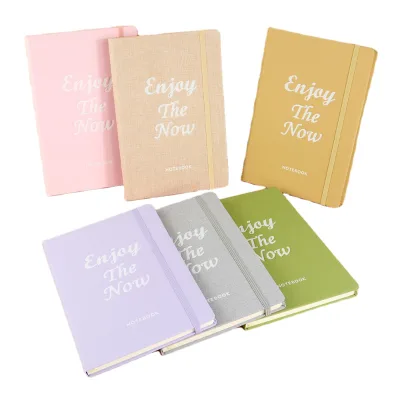
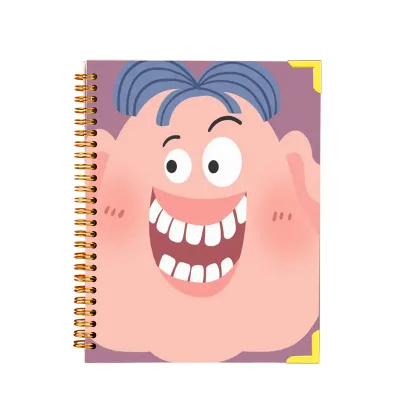
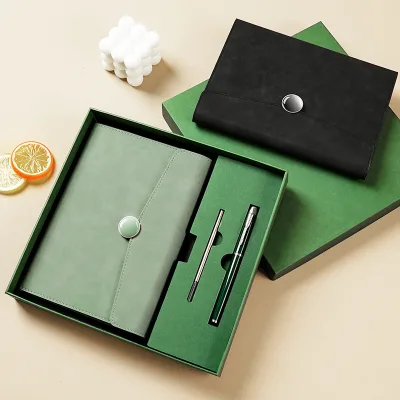
$2.7885 - $4.1305
MOQ: 20 pieces

Ningbo Sentu Art&Craft Co., Ltd
- Verified by SGS
- Trading Company
- China Zhejiang
- Lead time60 days
- Avg. response≤ 3h
Main productsChildren Card Book, Puzzle, DIY Toy Set, Children Scratch Set, Children Water-Painting Book, Calendar, Note Books, Sticky Note
Main marketsSoutheast Asia/ Mideast,Europe

Yiwu Qian You Trading Co., Ltd.
- Manufacturer, Trading Company
- Zhejiang, China
- Lead time15 days
- Avg. response≤ 2h
Main productsNotebook,Pu card holder,luggage tag,pen,Portfolio
Main marketsDomestic Market(10.00%), South Asia(10.00%), Eastern Europe(10.00%), Southern Europe(10.00%), Northern Europe(10.00%), Central America(8.00%), South America(7.00%), Africa(5.00%), Southeast Asia(5.00%), Mid East(5.00%), North America(5.00%), Oceania(5.00%), Western Europe(5.00%), Eastern Asia(5.00%)
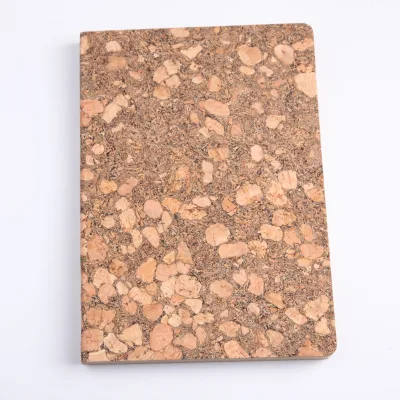
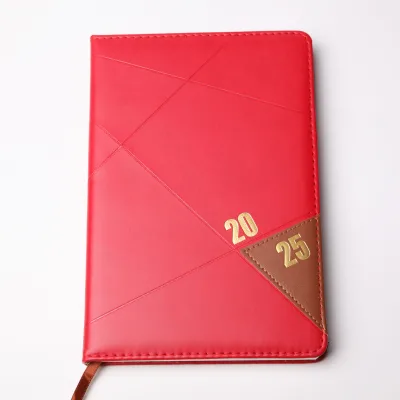
Custom A5 Notebook Printing Hardcover Book Journal Printing Business Office Notebooks with Logo
$1.50 - $2.10
MOQ: 500 Minimum
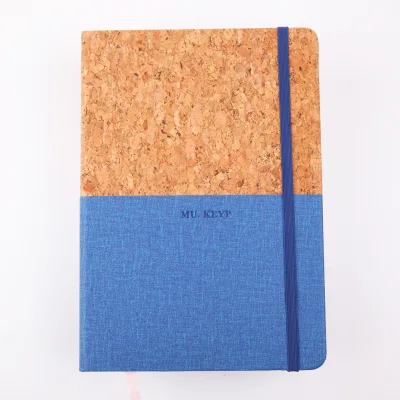

Fujian Juhui Printing Co., Ltd.
- Verified by BV
- Combined
- China Fujian
- Lead time15 days
- Avg. response≤ 5h
Main productsBooks Printing, Notebooks / Journals / Planners / Diaries / Memo, Paper Packaging, Specialty & Premium Printing, Children's Books / Coloring Books, Food Packaging, Notebook & Stationery Printing, Card & Game Printing, Paper Bags, Posters / Business Cards / Postcards / Booklets
Main marketsSoutheast Asia/ Mideast,Europe,Australia,North America

Custom Logo Hardcover Spiral Notebook Customized Notebooks Journal Custom Notebook
$0.50 - $1.68
MOQ: 500 pieces


Promotional Journals Custom Logo High Quality Spiral Hardcover Notebook Planner Diary Printing
$0.60 - $1.80
MOQ: 500 pieces

Softcover Customized Logo Notebook Promotion Multi Color Spiral Paper Notebook for Gift
$0.50 - $1.68
MOQ: 500 pieces


- Verified by TUVRHEINLAND
- Trading Company
- China Zhejiang
- Lead time15 days
- Avg. response≤ 3h
Main productsLanyard, Promotional Gift, Baseball Cap, Bags, T-Shirt, Ceramic Mug, Sport Water Bottle, PU Toys
Main marketsEurope,Australia,North America

Custom Logo Business Spiral Notebook Eco-Friendly Printing Journal A5 Colored Coil Book
$0.35 - $0.37
MOQ: 1000 Pieces

Promotional Custom Company Gift Notebook Eco-Friendly Printing Spiral Writing Notebook with Pen
$1.30 - $1.50
MOQ: 1000 Pieces

Jinjiang Jiayi Supply Chain Management Co., Ltd.
- Verified by BV
- Trading Company
- China Fujian
- Lead time30 days
- Avg. response≤ 2h
Main productsGift, Shoe, Garment, Machine
Main marketsDomestic
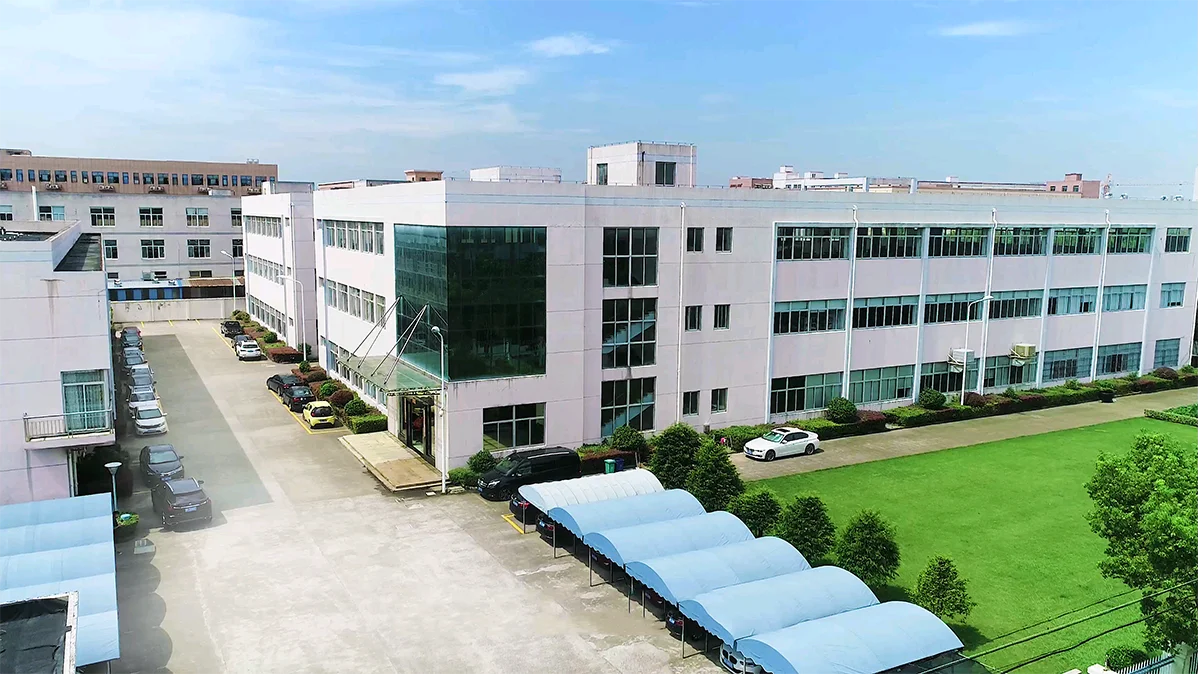
Jiangxi Danger Technology Co., Ltd.
- Trading Company
- Jiangxi, China
- Lead time0 days
- Avg. response≤ 4h
Main productshandicrafts,Lanyards,Sublimation mugs,Shopping Bag,keyholders
Main marketsAfrica(50.00%), Eastern Europe(30.00%), North America(10.00%), Southeast Asia(3.00%), Southern Europe(2.00%), South Asia(2.00%), Western Europe(2.00%), South America(1.00%)
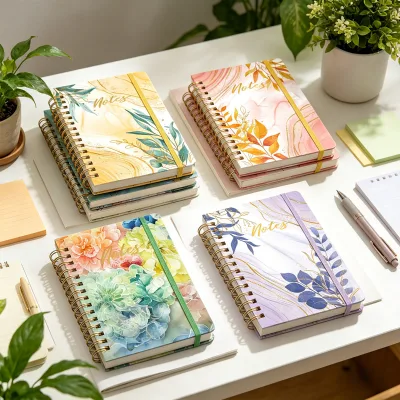
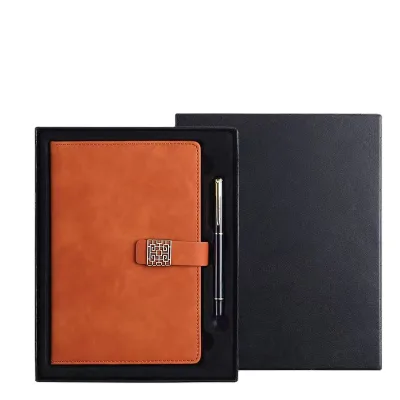
Custom logo Hardcover Notebook A5 Pu Leather Hardcover Gift Unique Notebook Journal Plan Book
$1.3225 - $1.5274
MOQ: 100 Minimum
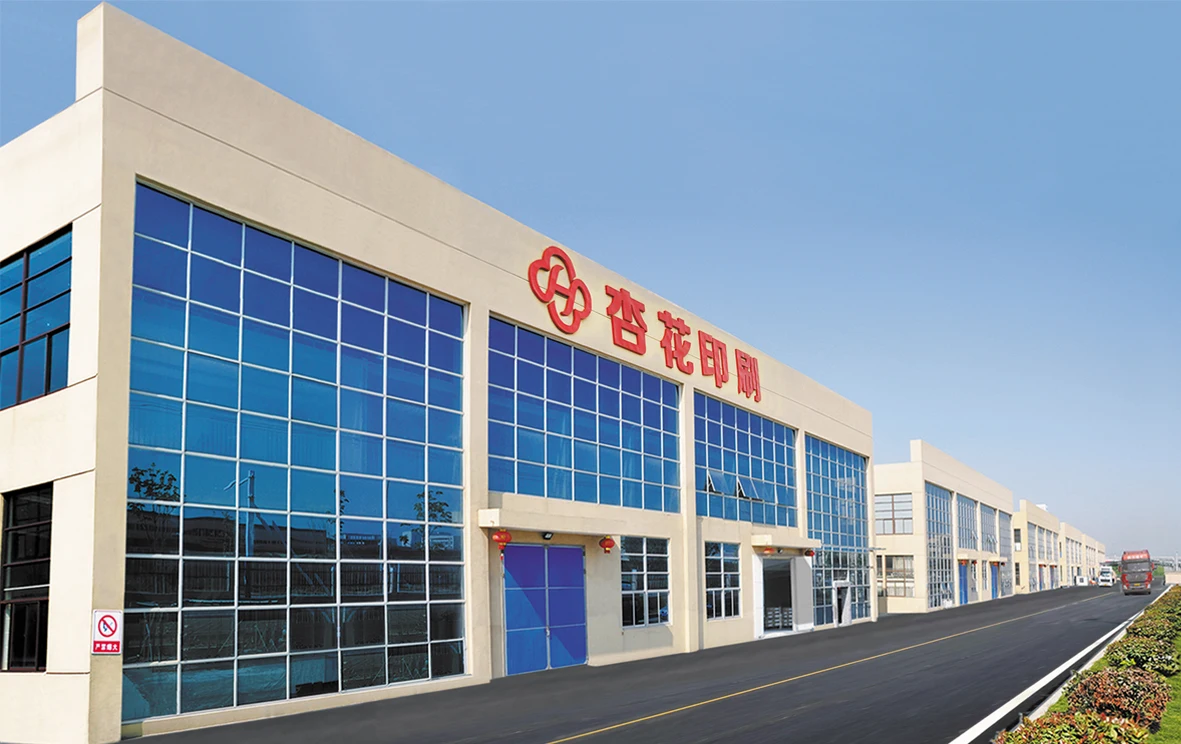
Hefei Xinghua Printing Co., Ltd.
- Manufacturer, Trading Company
- Anhui, China
- Lead time0 days
- Avg. response≤ 6h
Main productsBook Printing, Boutique Packaging Box
Main marketsNorth America(60.00%), Africa(40.00%)
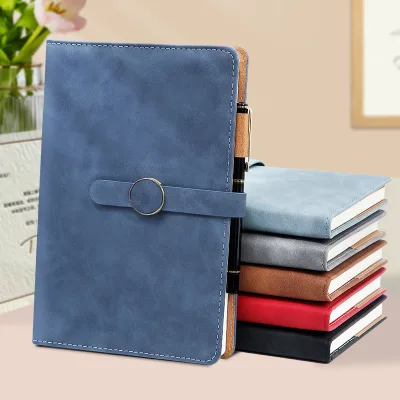
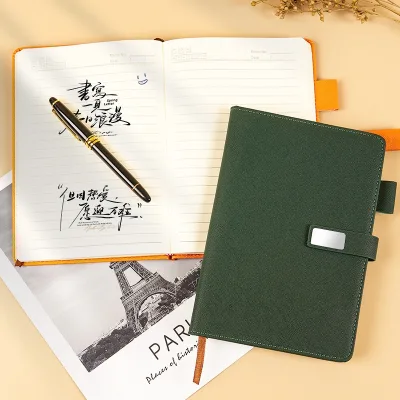
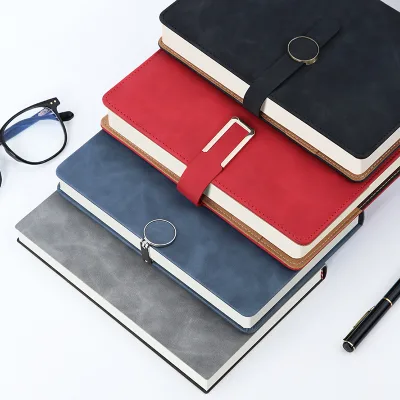
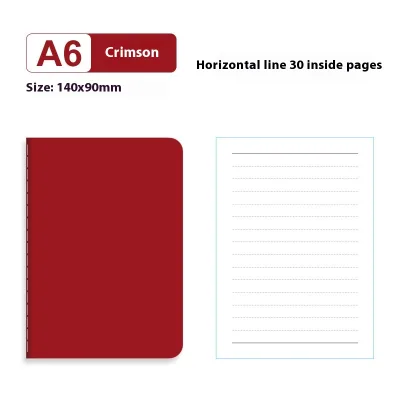
Custom A5 Notebook with Buckle Soft Leather Journal for Business or School Logo Imprinted
$0.66 - $2.60
MOQ: 1 Minimum
Dongguan Qishi Saidebao Leather Goods Produce Factory
- Manufacturer, Trading Company
- Guangdong, China
- Lead time15 days
- Avg. response≤ 5h
Main productsnotebook,portfolio,passport holder,card holder,certificate holder
Main marketsSouthern Europe(12.00%), Central America(10.00%), North America(10.00%), Western Europe(8.00%), Northern Europe(8.00%), Eastern Europe(7.00%), South Asia(7.00%), South America(7.00%), Mid East(6.00%), Africa(6.00%), Eastern Asia(5.00%), Domestic Market(5.00%), Southeast Asia(5.00%), Oceania(4.00%)
Guangzhou Fengrui Stationery Co., Ltd.
- Trading Company
- Guangdong, China
- Lead time14 days
- Avg. response≤ 6h
Main productsNotebooks, Folders , Memo Pad, Business Gift Set, Calendar
Main marketsAfrica(20.00%), Mid East(20.00%), South America(20.00%), North America(20.00%), Western Europe(8.00%), Eastern Europe(8.00%), Southern Europe(2.00%), Northern Europe(2.00%)

Guangzhou Zhongtian Paper Product Co., Ltd.
- Verified by TUVRHEINLAND
- Trading Company,Manufacturer/Factory,Group Corporation
- China Guangdong
- Lead time38 days
- Avg. response≤ 4h
Main productsBible, Book, Children Book, Paper Box, Jigsaw Puzzle, Notebook Printing, Board Game, Calendar, Paper Bags, Seed Paper Cards
Main marketsSouth America,Eastern Europe,Mid East,North America,Southeast Asia,Oceania,Western Europe,Africa
Fujian Jindun Color Printing Co., Ltd.
- Manufacturer, Trading Company
- Fujian, China
- Lead time0 days
- Avg. response≤ 24h
Main productsCorrugated,Paper bag,Make-up box,Gift box,Paper Products
Main marketsSoutheast Asia(1.00%)
Yiwu Yilan Stationery Co., Ltd.
- Verified by Intertek
- Trading Company
- Lead time15 days
- Avg. response≤ 2h
Main productsNotebook, Pen, Sticky Note, Gift Set, Cups
Main marketsNorth America(40%), Western Europe(30%), Domestic Market(10%)
$1.0173 - $1.4047
MOQ: 500 Minimum
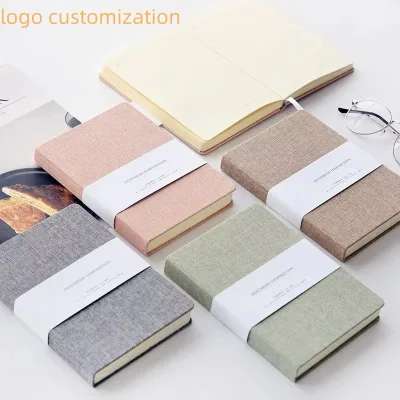

Shanghai David International Trade Co., Ltd.
- Verified by TUVRHEINLAND
- Combined
- China Shanghai
- Lead time15 days
- Avg. response≤ 9h
Main productsPromotional Gifts, Gift Sets, Tshirts, Hats, Hot Packs, Hot Cold Packs, Ice Packs, Bags, Umbrellas, Water Bottles
Main marketsSouth America,Africa,Southeast Asia/ Mideast,East Asia(Japan/ South Korea),Domestic,Europe,Australia,North America

TAIZHOU RONGYI IMPORT AND EXPORT CO., LTD.
- Trading Company
- China Zhejiang
- Lead time15 days
- Avg. response≤ 2h
Main productsNotebook, Diary, Organiser, Certificate Folder, Journal, Greeting Card, Notepad, Sticky Notes
Main marketsSouth America,Southeast Asia/ Mideast,East Asia(Japan/ South Korea),Europe,North America

Custom Logo Eco Friendly Notebook A5 Cork Hardcover Notebooks Customized Multifunction Notebook
$2.30 - $2.68
MOQ: 300 Pieces

Corporate Promotional Notebook with Custom Printed Logo A5 Hardcover Journal
$0.88 - $1.08
MOQ: 100 Pieces
HonorHope (Zhengzhou) Technology Industrial Co., Ltd.
- Manufacturer, Trading Company
- Henan, China
- Lead time15 days
- Avg. response≤ 14h
Main productsPaper Bag,Gift Box,Calendar,Nowoven bag,Notebook
Main marketsMid East(30.00%), North America(20.00%), Western Europe(15.00%), South America(10.00%), Eastern Europe(5.00%), Eastern Asia(5.00%), Southeast Asia(5.00%), Oceania(5.00%), Africa(5.00%)

- Verified by SGS
- Trading Company
- China Shaanxi
- Lead time15 days
- Avg. response≤ 4h
Main productsBusiness Gift Set, Corporate Gift Set, Promotion Gift Set, Notebook Gift Set, Weeding Gift Set for Guests, Birthday Gift Set, Gift Sets, Custom Gift Set, Notebook with Pen, Gifts
Main marketsAfrica,Southeast Asia/ Mideast,Europe,Australia,North America


Business Notebook with Pen and Colorful Logo for School and Business Place
$3.60 - $4.70
MOQ: 50 Pieces

GUANGZHOU MIYI PRINTING CO., LTD
- Verified by BV
- Trading Company,Manufacturer/Factory
- China Guangdong
- Lead time0 days
- Avg. response≤ 8h
Main productsBook Printing, Custom Magazine, Catalog, Paper Bag, Paper Box, Packageing Box, Toy Box, Sticker, Label, School Supplies
Main marketsSouth America,Eastern Europe,Mid East,North America,Southeast Asia,Eastern Asia,Oceania,Western Europe,Africa

Promotional Diary Customized Logo Notebook Custom Printing Spiral Binding Notebook
$0.05 - $0.10
MOQ: 100 Pieces

Promotional Diary Customized Logo Notebook Custom Printing Spiral Binding Notebook
$0.75 - $0.85
MOQ: 500 Pieces

Zhongshan Tianxin Craft Gift Products Co., Ltd.
- Verified by BV
- Combined
- China Guangdong
- Lead time23 days
- Avg. response≤ 2h
Main productsShirt, Gift, Clothing, USB Flash Drives, Key Chain, Medal, Trophy, Lether Tapeline, Fridge Magnet, Wine Opener
Main marketsSouth America,Africa,Southeast Asia/ Mideast,East Asia(Japan/ South Korea),Europe,Australia,North America

Soft Leather Notebook Custom Logo Student Diary Book for Promotional Gifts
$0.80 - $2.20
MOQ: 300 Pieces

Custom Canvas Notebook Manufacturers Custom Printing Logo Office Supplies Promotion
$1.00 - $2.80
MOQ: 300 Pieces

Shanghai Touch Industrial Development Co., Ltd.
- Verified by TUVRHEINLAND
- Combined
- China Shanghai
- Lead time15 days
- Avg. response≤ 5h
Main productsInstant Hot Pack, Hot Cold Pack, Gel Eye Mask, Gel Ice Pack, Gel Bottle Cooler, Instant Ice Pack, Hand Warmer, Heat Pack, Cooling Scarf, Gel Beads
Main marketsSouth America,Others(foreignTradeCapacity.exportBusinessCapacityMarketOther),Southeast Asia/ Mideast,East Asia(Japan/ South Korea),Domestic,Europe,Australia,North America
Shenzhen Cai Mei Plus Printing Co., Ltd.
- Verified by Intertek
- Manufacturer, Trading Company
- Lead time25 days
- Avg. response≤ 6h
Main productsChildren Book, Note Book, Bible, Paper Box, Calendar
Main marketsNorth America(60%), Western Europe(15%), Domestic Market(15%)
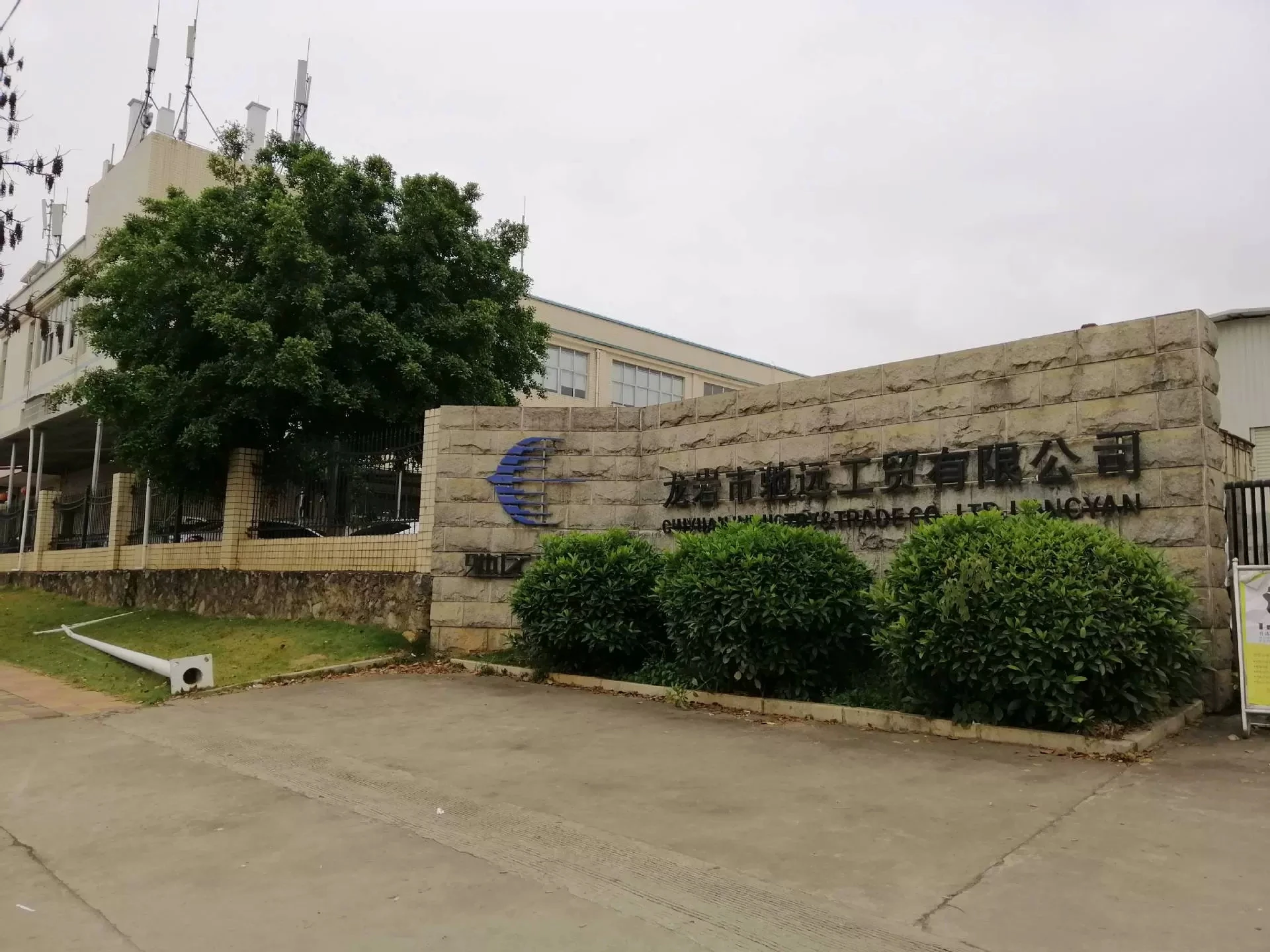
Longyan Chiyuan Industry And Trade Co., Ltd.
- Manufacturer, Trading Company
- Fujian Province, China
- Lead time15 days
- Avg. response≤ 1h
Main productsCards,Stickers,Promotional Collaterals,Carrier Bags,PVC Products
Main marketsNorth America(41.00%), Eastern Europe(18.00%), Mid East(15.00%), Domestic Market(8.00%), South America(7.00%), Northern Europe(3.00%), Southern Europe(3.00%), Southeast Asia(1.00%), Central America(1.00%), Western Europe(1.00%), Oceania(1.00%), Africa(0.50%), Eastern Asia(0.50%)

Hefei Colorfly Stationery Co., Ltd.
- Verified by SGS
- Combined
- China Anhui
- Lead time30 days
- Avg. response≤ 13h
Main productsExercise Book, Notebook, Spiral Notebook, Composition Book, Copy Book, Soft Cover Notebook, Stationery Set, Drawing Book, PP Exercise Book, Counter Book
Main marketsAfrica,Southeast Asia/ Mideast

High Quality Customized Logo Printing Eco Friendly Inner Pages Diary Notebook
$1.90 - $2.10
MOQ: 1000 Pieces

Manufacturer Suppliers Customized Logo Printing Eco Friendly Inner Pages Diary Notebook
$1.90 - $2.10
MOQ: 1000 Pieces

Shanghai Cheng Printing Company
- Combined
- China Shanghai
- Lead time15 days
- Avg. response≤ 2h
Main productsBook Printing, Board Book Printing, Hardcover Book Printing, Puzzle Box Printing, Softcover Book Printing, Catalogue Printing, Calendar Printing, Notebook Printing, Story Book Printing, Textbook Printing
Main marketsSouth America,Europe

Hardcover Customized Logo Notebook Promotion Multi Color Spiral Paper Notebook for Gift
$0.50 - $2.50
MOQ: 500 Pieces

$0.50 - $2.50
MOQ: 500 Pieces

Tianjin Caile Printing Co., Ltd
- Verified by TUVRHEINLAND
- Trading Company
- China Tianjin
- Lead time60 days
- Avg. response≤ 7h
Main productsPlanner, Journal, Notebook, Calendar, Box, Diary, PU Leather Binder, Pop up Book, First Aid Kit, Gift Set
Main marketsEurope,Australia,North America

Wholesale Custom Notebooks with Custom Logo A5 Fabric Hardcover School Notebook with Pen Holder
$0.99 - $3.30
MOQ: 100 Pieces

Sustainable Coffee Grounds & Cork Notebook Personalized Eco Business Journal for Promotional Gift
$0.80 - $2.35
MOQ: 100 Pieces
Yiwu JC Import & Export Co., Ltd.
- Verified by Intertek
- Trading Company
- Lead time10 days
- Avg. response≤ 2h
Main productsShaker Bottle, Vacuum Bottle, Umbrella, Kitchen Utensil, Tableware
Main marketsNorth America(50%), South America(10%), Mid East(10%)

Shenzhen Flying Supply Chain Co., Ltd.
- Verified by SGS
- Trading Company
- China Guangdong
- Lead time15 days
- Avg. response≤ 6h
Main productsPacking Bag, Gift Bag, Folding Bag, Laptop Bag, Carton, Toy Puzzle, Stationery, Label, Hot Melt Paper, 3D Printing Consumables
Main marketsNorth America


Customizable Paper Fabric Eco Friendly Travel Hardcover Notebook Customizable Notebooks
$1.40 - $18.13
MOQ: 2 Pieces


Furry Notebook with The Ins Style, in Candy Colors, Featuring a Girlish Princess Hand Journal.
$0.80 - $2.30
MOQ: 100 Pieces
Wenzhou Base Camp Cultural Goods Co., Ltd.
- Manufacturer, Trading Company
- Zhejiang, China
- Lead time20 days
- Avg. response≤ 3h
Main productsNotebook,Yearly Calendar
Main marketsDomestic Market(100.00%), South Asia(100.00%), Southern Europe(100.00%), Northern Europe(100.00%), Central America(100.00%), Western Europe(100.00%), Eastern Asia(100.00%), Mid East(100.00%), Oceania(100.00%), Africa(100.00%), Southeast Asia(100.00%), Eastern Europe(100.00%), South America(100.00%), North America(100.00%)

- Verified by BV
- Trading Company,Manufacturer/Factory
- China Shanghai
- Lead time23 days
- Avg. response≤ 1h
Main productsBook Printing, Book, Children's Book, Paper Bag, Gift Boxes, Puzzle, Board Game, Tabletop Game, Playing Card
Main marketsSouth America,Eastern Europe,Mid East,North America,Southeast Asia,Eastern Asia,Oceania,Western Europe,Africa

- Verified by BV
- Manufacturer/Factory
- China Shandong
- Lead time0 days
- Avg. response≤ 15h
Main productsNotebook, Book Printing, Pacakging Boxes, Children Book, Diaries, Organizers, Calendars, Notepads, Note Book, Hardcover Book
Zhejiang Jingu Packing&Printing Co., Ltd.
- Verified by Intertek
- Manufacturer, Trading Company
- Lead time35 days
- Avg. response≤ 3h
Main productsNotebook
Main marketsDomestic Market(20%), North America(15%), Eastern Europe(10%)


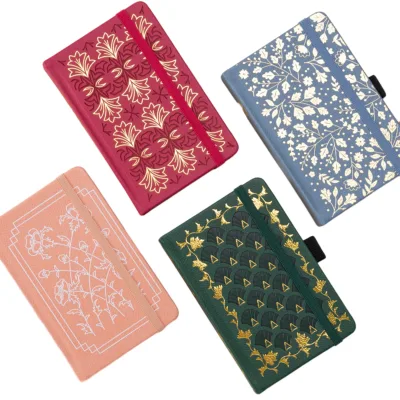








Comprehensive Sourcing Guide
Eco-Friendly Custom Logo Notebook Supplier Concentration and Factory Types
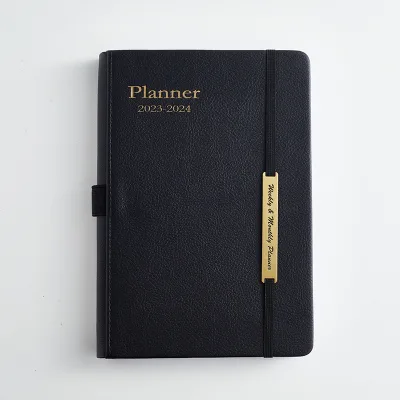
Buyers searching this category on major B2B platforms encounter suppliers concentrated in a few Chinese provinces, and the current results reflect that pattern. Guangdong appears as the origin for several hardcover and agenda-style custom logo notebooks, including planners with embossed finishes and elastic-strap designs, with listings explicitly marked as originating from Guangdong, China. Zhejiang appears as the origin for A5 linen-cover eco-friendly promotion notebooks and spiral-bound A4 customization models, also with explicit place-of-origin attributes. Because these two provinces dominate the visible results, a buyer can reasonably treat southern and eastern China as the primary clusters to investigate for this product, while still confirming any individual factory's actual production address rather than assuming the listed origin equals the manufacturing site.
Supplier types split into three recognizable groups in this category. One listing is held by a pure trading company, which typically brokers production but may offer lower MOQs and faster quoting. Others are combined manufacturer and trading companies, one of which lists notebooks, sketchbooks, and childhood education books as main products and advertises sample processing, graphic processing, and on-demand customization. A third profile lists a broad stationery-adjacent catalog including card books, puzzles, calendars, note books, and sticky notes, suggesting a diversified print house rather than a notebook specialist. Understanding which structure a supplier has helps you predict who actually controls tooling, paper sourcing, and quality control.
How to Verify Eco-Friendly Custom Logo Notebook Suppliers
Verification should begin with the third-party signals that are actually displayed. In the current results, one Guangdong trading company carries SGS verification, while a combined manufacturer-trader holds Intertek verification and separately lists CE and CPC system certifications. These are meaningfully different signals: platform verification generally confirms the business entity, whereas CE and CPC matter directly if your notebooks are sold into European or United States markets, particularly when any children's use is plausible given that CPC covers children's product safety. Note that another visible supplier shows no system certification at all, which is not disqualifying but means you must request documentation directly and check certificate numbers against issuing bodies.
Beyond documents, verify capability through the product record itself. Listings that state customization is available, show OEM model numbers, and specify custom packing, custom standards, and customized sizes indicate genuine manufacturing flexibility rather than resold stock. Ask each candidate for paper source documentation if eco-friendliness is central to your brand claim, since none of the visible listings provides certification for recycled or FSC-grade paper, and the term "eco-friendly" in a title is a marketing attribute, not proof. Request a physical sample to check binding quality—one Zhejiang listing specifies thread sewing at 268g per book while another uses spiral binding—and confirm the sample matches the production run. Finally, confirm the legal entity name on the invoice matches the verified profile to avoid dealing with sub-agents.
What to Compare Across Eco-Friendly Custom Logo Notebook Suppliers
Build a comparison sheet using the attributes the platform exposes, without assuming every supplier displays every field. Lead time is a high-value dimension here because the visible spread is dramatic: one Guangdong supplier shows a 15-day lead time while a Zhejiang supplier shows 60 days, a fourfold difference that could determine whether you hit a promotional or back-to-school window. Response time is a second practical gauge; the visible figures include roughly 3.3 hours and 2.5 hours, both respectable, but a supplier that replies slowly during quoting will usually be slower during production issues.
MOQ and price band comparisons reveal positioning. The hardcover Guangdong listings show MOQs of 50 and 100 units with one price point around $1.20, while Zhejiang listings range from a 20-unit MOQ on a gift-box business notebook, to 100 units on the A5 linen model at roughly $3.00–$3.45, to 1,000 units on a spiral A4 model at $1.10–$1.50. That spread tells you low-volume custom work exists but often at higher per-unit prices. Also compare company type, verification body, main products, and whether customization, OEM branding, and custom packaging are stated. For eco-friendly positioning specifically, treat any sustainability claim as a question to ask rather than a data point, and record what each supplier actually documents versus what its titles advertise.
Common Eco-Friendly Custom Logo Notebook Sourcing Risks
The largest risk in this category is the unverified eco claim. Suppliers freely use "eco-friendly" in product titles—the Zhejiang A5 linen listing is an example—but the visible data includes no chain-of-custody or recycled-content certification for any supplier. If your buyers, retailers, or regulators require substantiation, a title word will not survive an audit. Get material specifications in writing, including paper grams per square meter, cover material, and any recycled percentage, before depositing funds. A second risk is origin ambiguity: a listed place of origin such as Guangdong or Zhejiang describes the registration or listing, not necessarily the mill or bindery, so confirm where production physically occurs.
Sample-to-production drift is a recurring notebook risk. Attributes like thread sewing, 100 inner sheets, embossed surface finish, or a custom elastic strap can be rendered perfectly in a sample and inconsistently at volume, particularly when a listing notes small quantities accepted, which may signal outsourced short runs. Schedule tolerance is another exposure: the 15-day and 60-day lead times in current results show how widely production speed varies, and one Zhejiang listing separately states 7–14 days for samples and 30–35 days for production, so clarify which clock applies to your order. Finally, watch for certification gaps—one supplier in the results lists no system certification—meaning quality assurance rests entirely on your inspection regime rather than audited processes.
Eco-Friendly Custom Logo Notebook Regional Sourcing and Logistics
The two provinces visible in current results support different sourcing strategies. Guangdong's listings center on hardcover agendas, planners, and journals with offset printing, embossing, and custom elastic straps, and one supplier there advertises a 15-day lead time and MOQs as low as 50 units. That combination suits buyers needing fast, small-batch branded notebooks, perhaps for events or pilot runs. Zhejiang's listings emphasize linen-covered eco promotion notebooks, spiral A4 customization, and gift-box business notebooks, with stated sample times of 7–14 days and production times of 30–35 days on one item, and lead times reaching 60 days on the supplier profile. That profile suits larger, more customized orders where longer planning horizons are acceptable.
Logistics planning should start from these stated timelines rather than optimistic assumptions. A 60-day production lead time plus ocean freight to your market can consume a full quarter, so buyers with seasonal demand—planners for a new year, notebooks for back-to-school—must reverse-engineer order dates from the longest credible timeline among shortlisted suppliers. Because notebooks are paper goods, dimensional weight affects air freight sharply; confirm packed weight figures such as the 268g-per-book attribute when estimating. Also ask whether custom packing, which one Guangdong listing offers, adds handling time. If you cannot identify the relevant clusters from listing data alone, map suppliers' stated origins yourself and group quotations geographically before visiting or auditing.
Eco-Friendly Custom Logo Notebook Commercial Terms and Order Planning
Commercial terms in this category reward careful tiering. The visible listings show price-to-MOQ trade-offs clearly: a hardcover custom journal at roughly $1.20 with a 50-unit MOQ, printed planners at a 100-unit MOQ, a linen A5 notebook near $3.00–$3.45 at 1,000 units, and a spiral A4 model at $1.10–$1.50 with a 1,000-unit MOQ, alongside a 20-unit MOQ gift-box notebook at $2.79–$4.13. Use these patterns to structure a staged plan: place a small initial order to validate quality and your logo reproduction, then negotiate unit pricing at the 1,000-unit tier once artwork and materials are frozen. Confirm in writing what the quoted price includes—inner page count, cover material, printing method, and packing.
Order planning should also lock the calendar. Convert stated lead times and the 30–35 day production windows some Zhejiang listings specify into backward-scheduled milestones covering artwork approval, pre-production sample sign-off, bulk production, inspection, and shipment. Because one visible supplier is a trading company and others are manufacturers, clarify who is contractually responsible for defects and who controls the tooling for your custom cover. Use platform escrow or staged payments rather than full prepayment, especially with suppliers showing no listed certification. Finally, document your eco-friendly material requirements as contractual specifications, since no visible listing provides independent sustainability certification you could otherwise rely on.
Word count: approximately 1,392 words.
FAQs
What is the minimum order quantity for custom notebooks?
Minimum order quantities vary by supplier and product specifications. Some manufacturers accept low MOQs of 20 units for specific leather-bound styles, while others require 100 units for standard hardcover options. Higher volume orders, such as 1000 pieces, may be necessary for eco-friendly linen notebooks with thread sewing. Buyers should verify the specific MOQ for their desired customization level and binding type before placing an order.
How long does production take for custom notebooks?
Production lead times typically range from 15 to 60 days depending on the supplier and order complexity. Some trading companies offer faster turnaround times of 15 days, while others may require up to 60 days for larger batches. Sample processing usually takes 7 to 14 days, with full production times extending to 30 to 35 days for standard orders. Always confirm the exact timeline with the supplier.
What certifications do notebook suppliers hold?
Supplier certifications vary, with some holding CE and CPC standards for safety and compliance. Verification services like SGS and Intertek are used to confirm supplier reliability and product quality. System certifications may not always be listed, so buyers should request specific documentation for their target market. Ensuring the supplier has relevant certifications helps guarantee that the notebooks meet international safety and environmental standards.
Where are these custom notebooks manufactured?
Manufacturing locations primarily include Guangdong and Zhejiang provinces in China. Suppliers in these regions offer various customization options, including hardcover, spiral, and thread-sewn bindings. The origin of the products is explicitly stated as Guangdong or Zhejiang, ensuring transparency in the supply chain. Buyers can filter suppliers by these specific locations to align with their logistical preferences and sourcing strategies.
What is the price range for custom notebooks?
Prices for custom notebooks range from approximately $1.10 to $4.13 per unit. Lower-cost options, such as basic hardcover notepads, start around $1.20, while premium leather-bound or gift-boxed versions can exceed $4.00. The price depends on factors like material, binding type, and customization complexity. Buyers should request detailed quotes based on their specific quantity and design requirements to get accurate pricing.
Can I get a sample before placing a large order?
Yes, many suppliers offer sample processing services for custom notebooks. Sample times typically range from 7 to 14 days, allowing buyers to evaluate quality and customization options. Suppliers often support graphic processing and customized on-demand services to ensure the sample meets your specifications. This step is crucial for verifying the final product before committing to larger production runs.