Bridge Box Girder Steel Formwork Suppliers and Manufacturers
Source 24 verified Bridge Box Girder Steel Formwork suppliers in China. Compare lead times, MOQs, certifications, and prices to find the right partner. Filter results to request quotes and verify capabilities; review the available evidence before requesting comparable quotations from suitable candidates.
Updated
Suppliers List

Hebei Jiaquan Engineering Co., Ltd.
- Manufacturer, Trading Company
- Hebei, China
- Lead time15 days
- Avg. response≤ 7h
Main productsSteel Structure, Formwork, Scaffolding, Construction Materials
Main marketsAfrica(30.00%), Domestic Market(20.00%), Southeast Asia(20.00%), North America(10.00%), South America(10.00%), Oceania(10.00%)

Tianjin Gowe New Formwork Co., Ltd.
- Verified by BV
- Combined
- China Tianjin
- Lead time30 days
- Avg. response≤ 4h
Main productsScaffolding, Aluminium Formwork, Wooden Formwork, Steel Frame Formwork, Steel Structure, Construction Materials, Tunnel Trolley, Bridge and Tunnel Products
Main marketsSoutheast Asia/ Mideast

Tianjin Da Tianyuan International Trade Co., Ltd.
- Trading Company
- Tianjin, China
- Lead time20 days
- Avg. response≤ 1h
Main productsAll kinds of concrete metal formworks,all kinds of steel scaffolding,all kinds of accessories,all kinds of adjustable formwork,pulpers
Main marketsNorth America(30.00%), Southeast Asia(20.00%), South Asia(10.00%), Northern Europe(10.00%), Western Europe(10.00%), Mid East(10.00%), South America(10.00%)
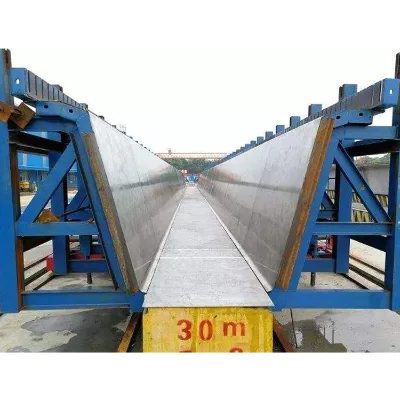
High Quality Paint Color Concrete Project Bridge Box Girder Steel Formwork for Concrete
$750.00 - $950.00
MOQ: 15 tons
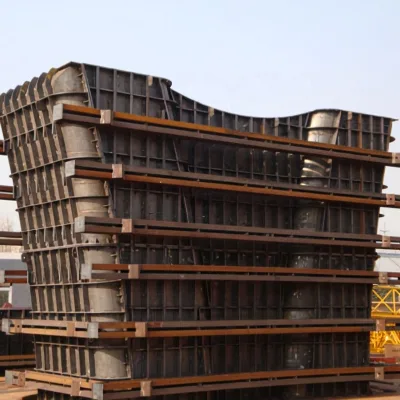
Tianjin DTY Precast Segmental Flyover Bridge Box Girder Steel Formwork for Setting Concrete
$760.00 - $950.00
MOQ: 1000
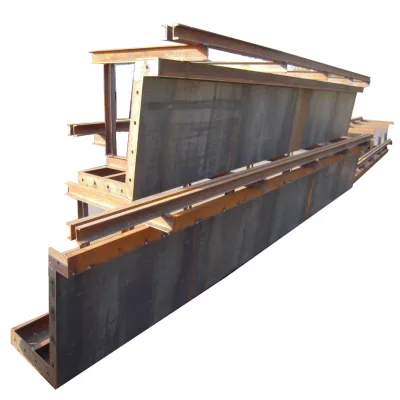
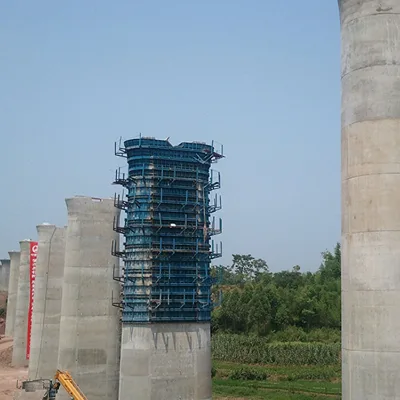

Hebei Taihe Construction Equipment Co., Ltd.
- Verified by SGS
- Combined
- China Hebei
- Lead time15 days
- Avg. response≤ 2h
Main productsSteel Prop, Scaffolding, Steel Formwork, Lock Pin, Joint Pin, Jack Base, Steel Plank, H20 Timer Beam, U-Head Jack Base, Cast Nut
Main marketsDomestic
Shandong Boyoun Heavy Industries Co., Ltd.
- Manufacturer, Trading Company
- Shandong, China
- Lead time30 days
- Avg. response≤ 9h
Main productsCantilever Form Traveller, Precast Segment Box Girder Mould, Precast I/T/U Girder Mould, Tunnel Lining Trolley, Pier Column Formwork
Main marketsDomestic Market(86.00%), Southeast Asia(11.00%), Central America(3.00%)
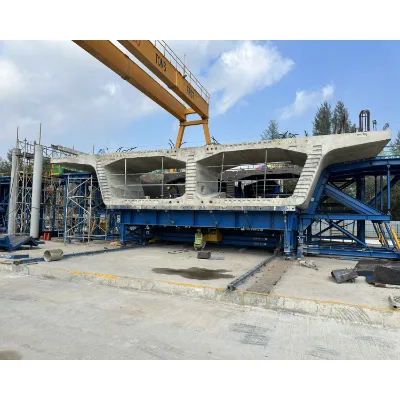
Bridge engineerinng construction machinery steel hydraulic Concrete molds small box girder formwork
$1138.7781 - $1345.8287
MOQ: 50 tons
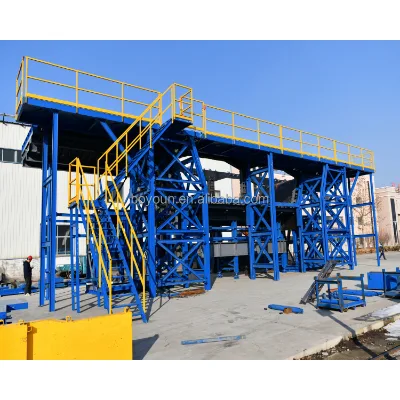
Easy to Control Use Many Times Steel Wide Width Big Box Girder Formwork for Bridge Construction
$1200.00 - $1400.00
MOQ: 50 Minimum
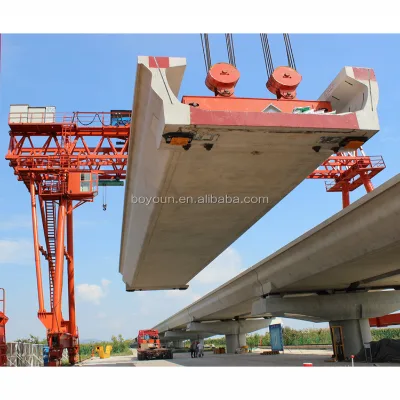
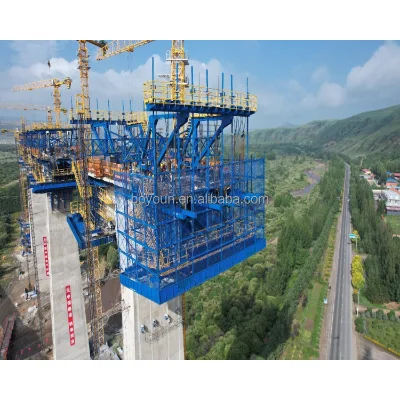
Q235 Steel Box Curve Bridge Railway Construction Cantilever Traveler Formwork
$1038.833 - $1558.2496
MOQ: 100 tons
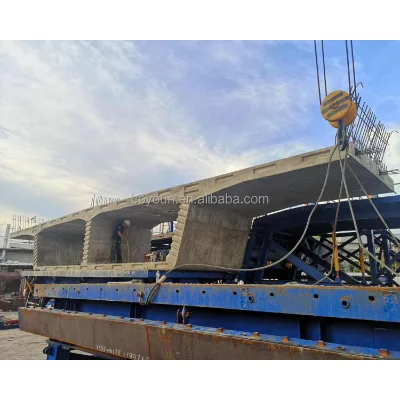
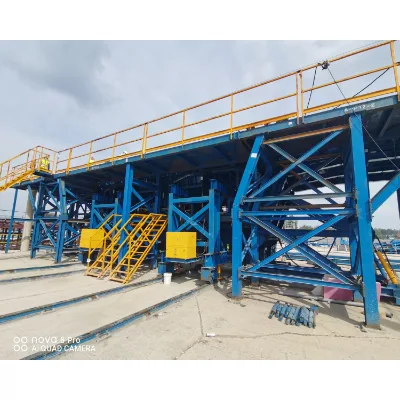

YANCHENG LIANGGONG FORMWORK CO., LTD.
- Verified by TUVRHEINLAND
- Combined
- China Jiangsu
- Lead time30 days
- Avg. response≤ 3h
Main productsHydraulic Auto-Climbing Formwork, Cantilever Climbing Formwork, Timber Beam Formwork, Single-Side Bracket, Tunnel Formwork, Table Formwork, Road and Bridge Steel Formwork, Formwork Accessory, Scaffolding, Slab and Wall Formwork
Main marketsSouth America,Africa,Others(foreignTradeCapacity.exportBusinessCapacityMarketOther),Southeast Asia/ Mideast,Domestic,Europe,Australia,North America
Jinchen Zhihui (Tianjin) Equipment Manufacturing Co., Ltd.
- Verified by TüVRheinland
- Manufacturer, Trading Company
- Lead time25 days
Main productsTunnel Lining Trolley, Precast T Girder Mould, Cantilever Form Traveller, Pier Column Formwork, Precast Segment Box Girder Mould
Main marketsDomestic Market(75%), North America(5%), South America(5%)
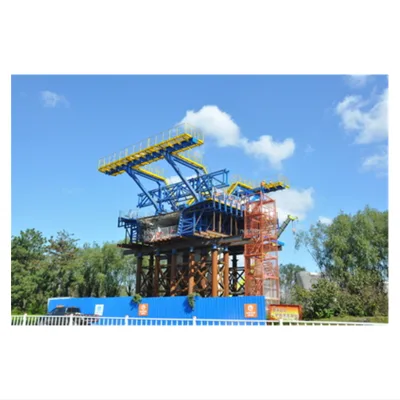
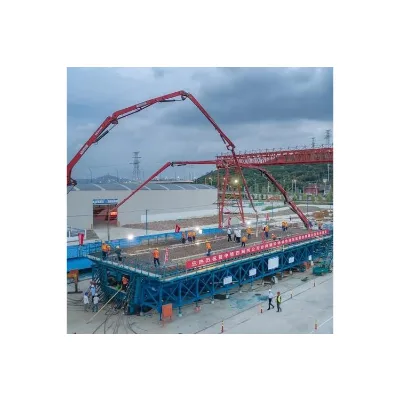
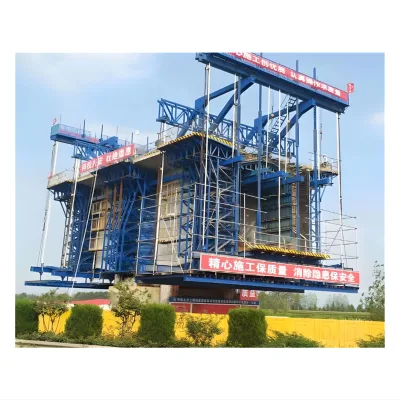
Steel Bridge Type Concrete Cast in Place Balanced Cantilever Formwork
$999.00 - $1200.00
$1020.8091 - $1226.1969
MOQ: 2 tons
Shandong Haijing Heavy Industry Co., Ltd.
- Verified by SGS Group
- Manufacturer, Trading Company
- Lead time0 days
- Avg. response≤ 1h
Main productsConcrete House Mold, Concrete Pipe Machine, Concrete Electrical Pole Machine, Related Concrete Supporting Machine
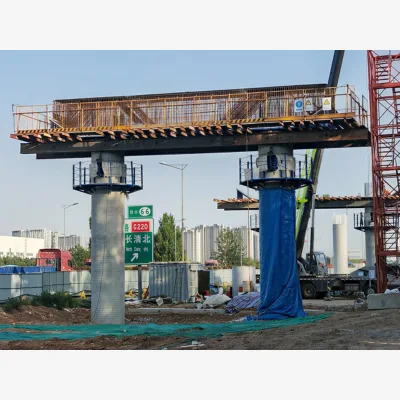
Precast Bridge Construction Formwork Segmental Box Girder Formwork System Q235B Steel Painted
$1100.00 - $1300.00
MOQ: 10
$1100.00 - $1300.00
MOQ: 10
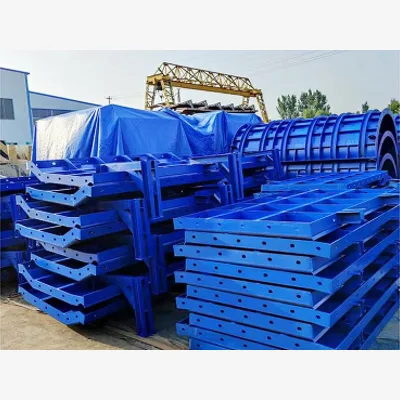
Q235 Precast Concrete Steel Beam Korean Formwork with Camber Control Suitable for Bridge Projects
$1100.00 - $1300.00
MOQ: 10
Guangzhou AJ Flying Import&Export Co., Ltd.
- Verified by TüVRheinland
- Manufacturer, Trading Company
- Lead time0 days
- Avg. response≤ 1h
Main productsScaffolding, Formwork, Ringlock Scaffold, Steel Acrow Prop, Steel Formwork
Main marketsSouth America(25%), Southeast Asia(20%), Africa(20%)
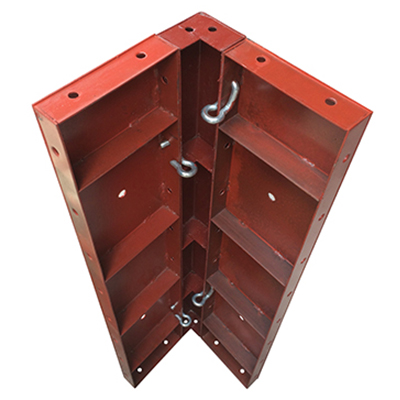
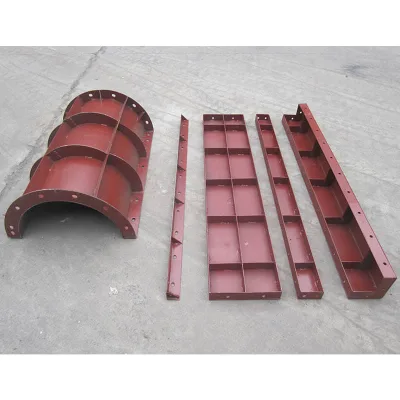
$10.2613 - $51.302
MOQ: 500 Minimum
Yancheng Lianggong Formwork Co.,ltd.
- Verified by TüVRheinland
- Manufacturer, Trading Company
- Lead time15 days
- Avg. response≤ 2h
Main productsClimbing Formwork, Slab Formwork, Wall & Column Formwork, Tunnel Formwork, Trench Box
Main marketsSoutheast Asia(30%), Mid East(15%), South America(12%)
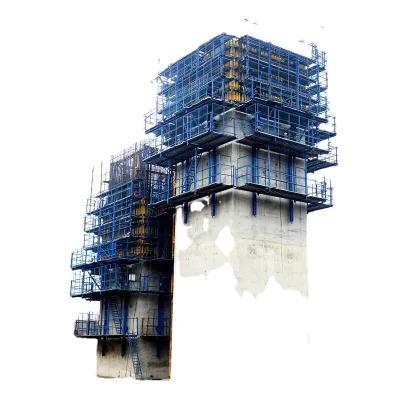
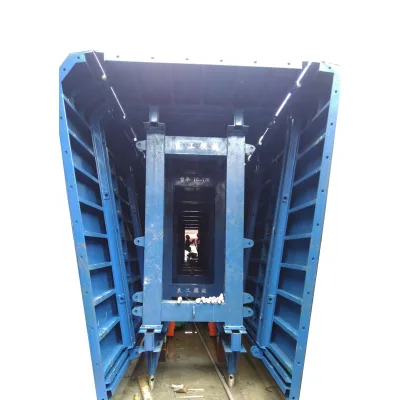
$464.5762 - $516.1958
MOQ: 1 sets
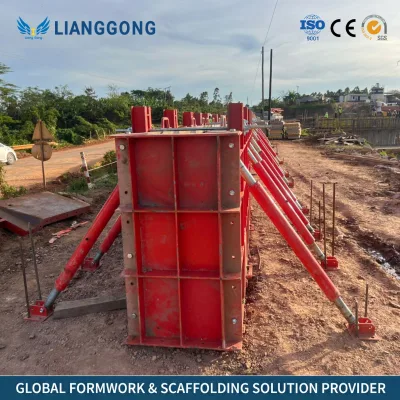
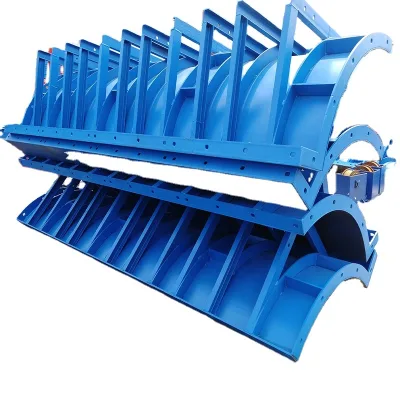
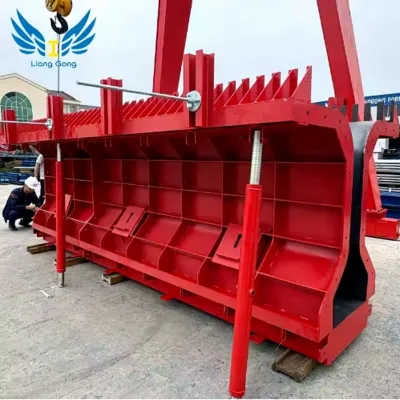
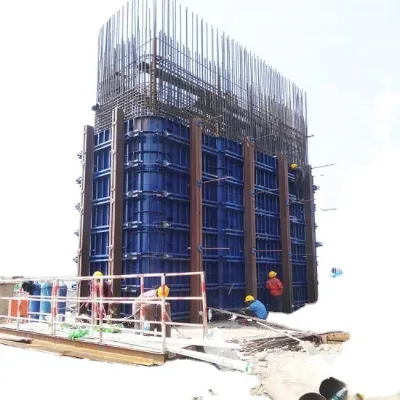
Square Curved Shape Steel Column Formwork Pier Construction Tool
$560.00 - $600.00

QINGDAO QINYUAN STEEL CO., LTD.
- Trading Company
- China Shandong
- Lead time15 days
- Avg. response≤ 5h
Main productsGalvanized Steel Coil, Color Coated Steel Coil, PPGI, Gi, Roofing Sheet, Stone Coated Roof Tile
Main marketsSouth America,Southeast Asia/ Mideast

Tianjin Tiantai Formwork & Scaffolding Co., Ltd.
- Verified by TUVRHEINLAND
- Trading Company
- China Tianjin
- Lead time30 days
- Avg. response≤ 3h
Main marketsDomestic

Concrete Steel T Type Formwork Steel Formwork for Bridge Construction
$38.00 - $160.00
MOQ: 50 Square Meters


Bridge Formwork Construction Adjustable Steel Formwork Industrial Design Style
$41.00 - $120.00
MOQ: 50 Square Meters

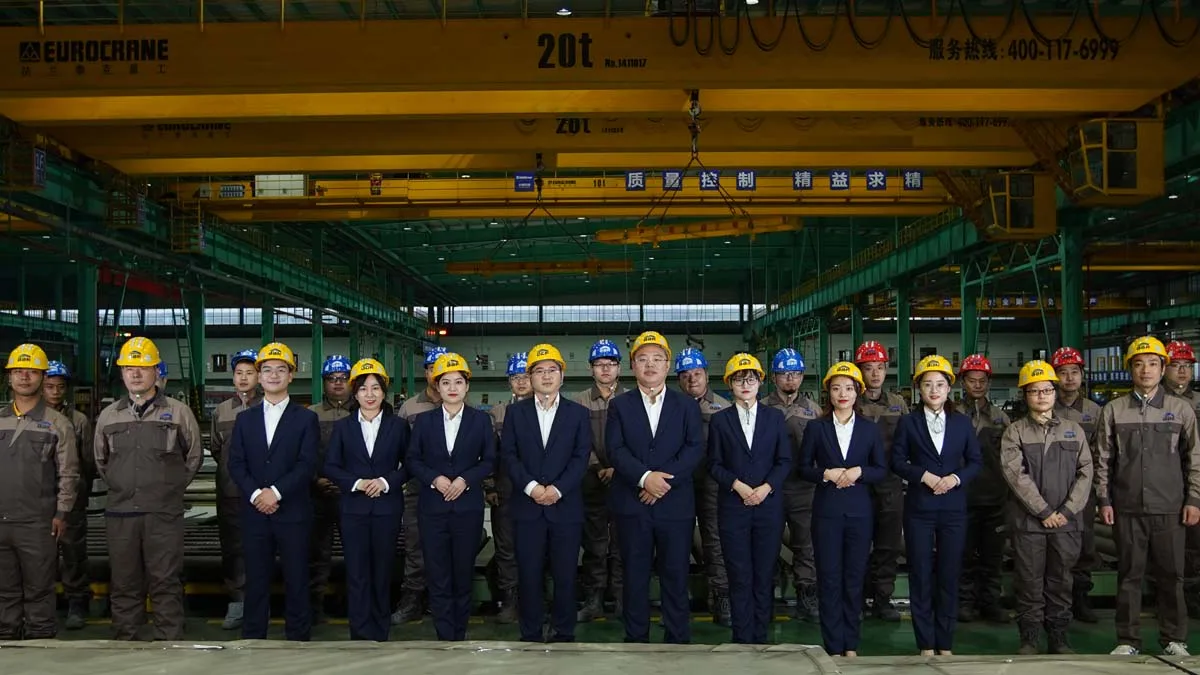
Henan Bebon Iron & Steel Co., Ltd.
- Manufacturer, Trading Company
- Henan, China
- Lead time15 days
- Avg. response≤ 1h
Main productssteel coil,steel sheet,steel plate,sheet metal fabrication,steel flat bar
Main marketsSoutheast Asia(28.00%), Africa(17.00%), South America(12.00%), Mid East(10.00%), Domestic Market(10.00%), South Asia(7.00%), North America(5.00%), Eastern Europe(2.00%), Northern Europe(2.00%), Western Europe(2.00%), Southern Europe(2.00%), Central America(1.00%), Oceania(1.00%), Eastern Asia(1.00%)

Hunan Geto New Materials Tech Corporation Limited
- Trading Company
- Changsha, China
- Lead time30 days
- Avg. response≤ 3h
Main productsAluminum Formwork,Self Climbing Platform,Aluminum Beam,Plastic Board,Scaffolding
Main marketsDomestic Market(41.00%), Mid East(20.00%), Southeast Asia(17.00%), Africa(17.00%), South America(5.00%)
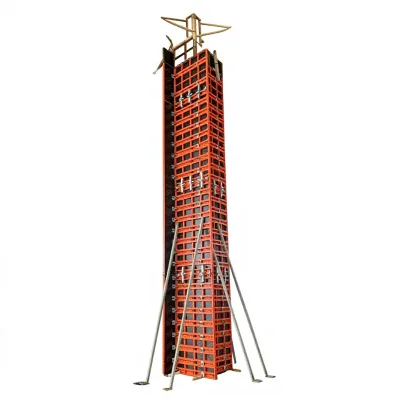
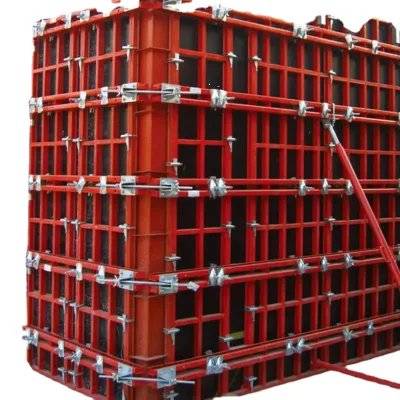
Big Steel Frame Column Formwork of Bridge Project
$110.00 - $120.00
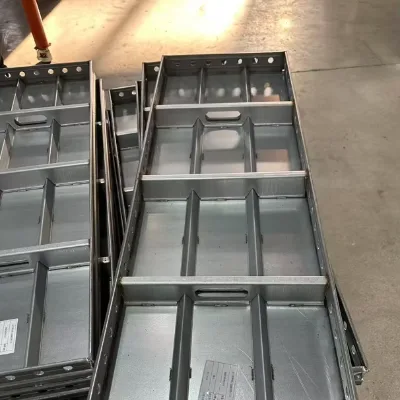
Cangzhou Ranpu Metal Products Co., Ltd.
- Verified by SGS Group
- Manufacturer, Trading Company
- Lead time30 days
- Avg. response≤ 4h
Main productsScaffoldings, Metal Building Materials
Main marketsNorth America(20%), Southeast Asia(20%), Africa(20%)

Tianjin Atlas Scaffolding Co., Ltd
- Verified by SGS
- Trading Company
- China Tianjin
- Lead time30 days
- Avg. response≤ 4h
Main productsScaffolding Frame, Steel Pipe, Ringlock Scaffolding System, Cuplock Scaffolding System, Scaffolding Coupler, Steel Plank, Steel Prop, Steel Formwork, H20 Beams, Scaffold Pipe
Main marketsAfrica,Southeast Asia/ Mideast

Rizhao Fenghua Scaffoldings Co., Ltd.
- Verified by BV
- Combined
- China Shandong
- Lead time45 days
- Avg. response≤ 13h
Main productsScaffolding, Scaffold, Forging, Formwork, Scaffold Couplers, Swivel Coupler, Frame System, Hand Tools, Scaffold Plank
Main marketsSouth America,East Asia(Japan/ South Korea),Europe,North America

Beijing U Good Construction Technology Corporation
- Trading Company
- Beijing, China
- Lead time30 days
- Avg. response≤ 10h
Main productsFormwork,Scaffolding,Material Platform
Main marketsSoutheast Asia(100.00%)
$35.7648 - $56.202
MOQ: 50 Minimum
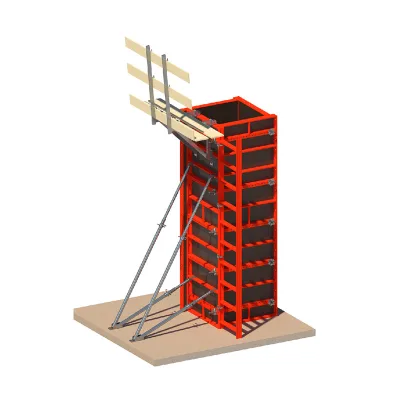
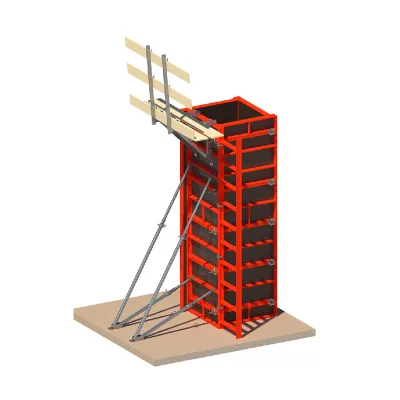
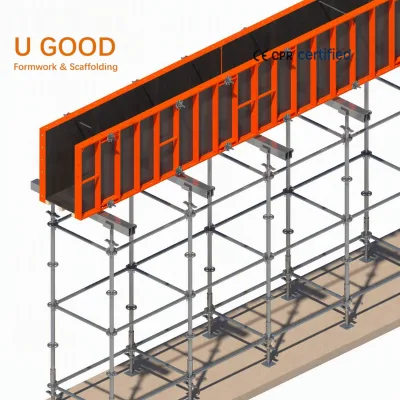
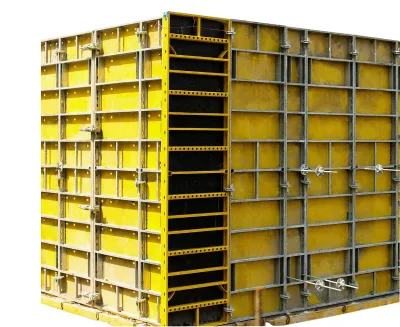
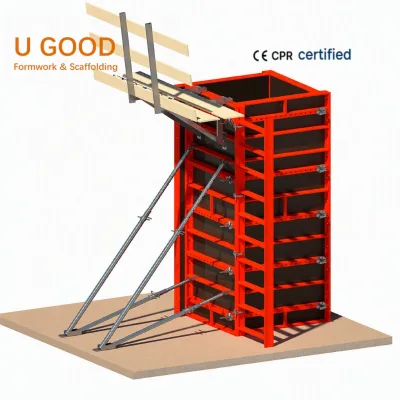
Steel Framework Concrete Construction ICFForms Durable Formwork for Concrete Construction
$35.00 - $55.00
MOQ: 50 Minimum

Tianjin Easy Formwork&Scaffolding Engineering Co., Ltd
- Verified by CTI
- Combined
- China Tianjin
- Lead time30 days
- Avg. response≤ 3h
Main productsAluminum Formwork, Steel Formwork, Steel Frame Formwork, Plastic Formwork, Scaffolding Prop, H20 Beam, Formwork Accessories, Scaffolding
Main marketsSouth America,Africa,Others(foreignTradeCapacity.exportBusinessCapacityMarketOther),Southeast Asia/ Mideast,North America

Qingdao Jiuying Formwork & Scaffolding Co., Ltd.
- Verified by BV
- Manufacturer/Factory
- China Shandong
- Lead time23 days
- Avg. response≤ 5h
Main productsFormwork, Scaffolding, Trench Box, Building Materials, Steel Structure
Main marketsSouth America,Eastern Europe,Mid East,North America,Southeast Asia,Eastern Asia,Oceania,Western Europe,Africa


Durable Steel Frame Formwork for Efficient Construction Projects
$79.00 - $129.00
MOQ: 100 Square Meters


Durable Steel Frame Formwork for High-Strength Construction Projects
$89.00 - $139.00
MOQ: 100 Square Meters


Durable Customized Steel Frame Formwork for Construction Projects
$89.00 - $139.00
MOQ: 100 Square Meters
Guangzhou EK Building Materials Co., Ltd.
- Verified by Intertek
- Trading Company
- Lead time0 days
- Avg. response≤ 1h
Main productsScaffolding, Steel Prop, Steel Formwork, Couplers, Steel Plank

Qingdao Scaffolding Import and Export Co., Ltd.
- Verified by BV
- Trading Company,Manufacturer/Factory,Group Corporation
- China Shandong
- Lead time45 days
- Avg. response≤ 4h
Main productsFormwork, Slab Formwork, Scaffolding, Scaffold, Concrete Shoring, Wall Formwork, Column Formwork, Steel Props, Deck Formwork, Shoring
Main marketsSouth America,Eastern Europe,Mid East,North America,Southeast Asia,Western Europe,Africa

Jiangsu Lianggong Construction Formwork Co., Ltd.
- Verified by BV
- Combined
- China Jiangsu
- Lead time30 days
- Avg. response≤ 3h
Main productsSteel Frame Formwork, Aluminum Frame Formwork, Plastic Formwork, H20 Timber Beam Formwork, Trench Box, Tunnel Formwork, Steel Formwork, Table Formwork, Formwork, Slab Formwork
Main marketsDomestic

High-Quality Corrosion-Resistant Modular Bridge Steel Formwork for Large Spans
$1000.00 - $1200.00
MOQ: 2 Sets

High-Quality Wall and Column Steel Frame Formwork for Construction Projects
$62.00 - $65.00
MOQ: 100 Square Meters

Renqiu Yuhuan Metal Products Co., Ltd.
- Verified by TüVRheinland
- Manufacturer, Trading Company
- Lead time20 days
- Avg. response≤ 1h
Main productsScaffolding, Steel Prop, Screw Base Jack, Scaffolding Coupler, Steel Formwork
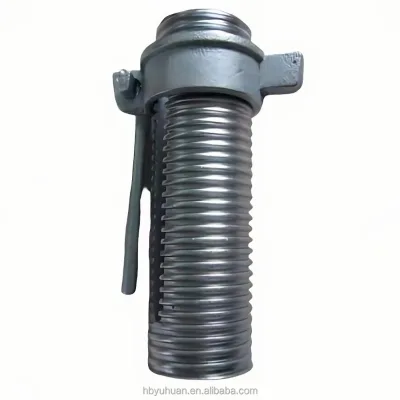
Steel Support Construction Scaffolding Formwork with Nut Accessories
$3.3465 - $3.6551
MOQ: 500 pieces
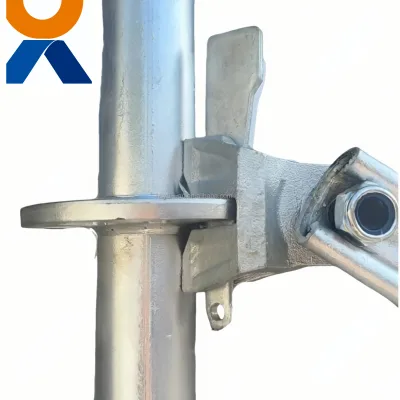
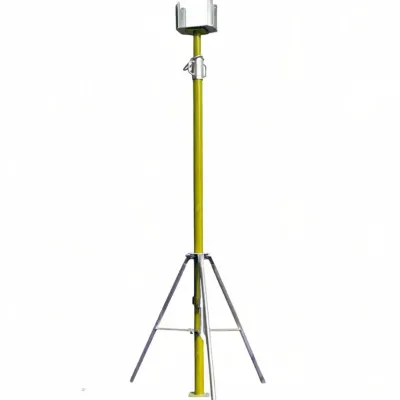
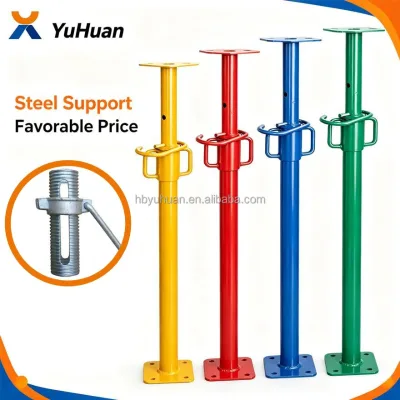






Comprehensive Sourcing Guide
Bridge Box Girder Steel Formwork Supplier Concentration and Factory Types
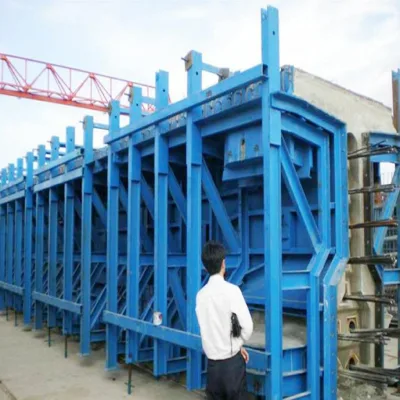
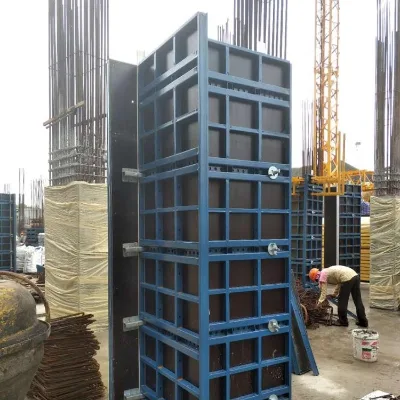
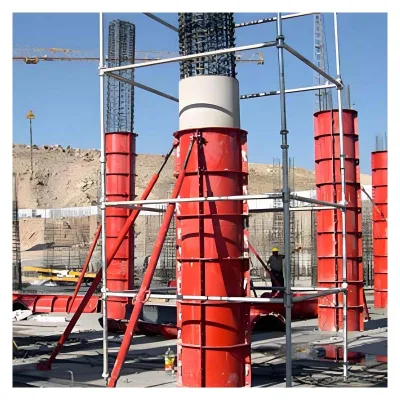
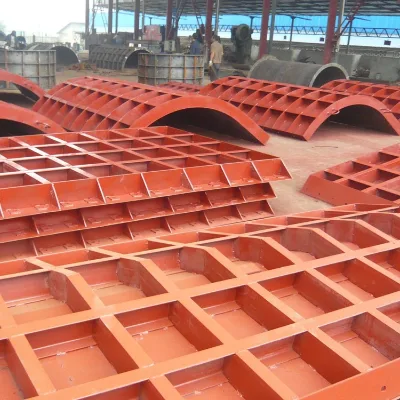
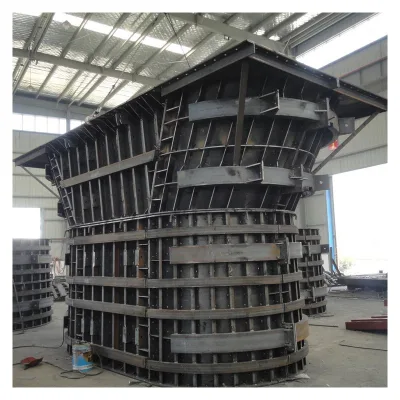
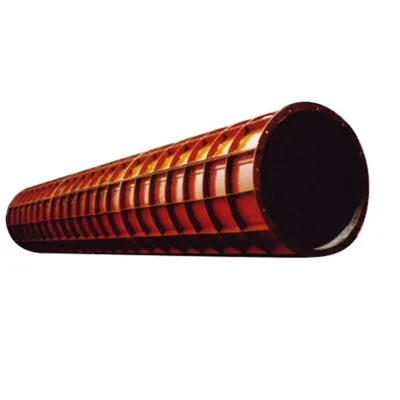
The sourcing landscape for Bridge Box Girder Steel Formwork reveals a distinct concentration of manufacturing and trading entities within specific Chinese industrial hubs. Evidence indicates that a significant portion of available suppliers operates out of Hebei and Tianjin, China. These regions serve as critical nodes for heavy steel fabrication and construction material distribution. Buyers evaluating potential partners should recognize that geographic proximity to these clusters often correlates with established supply chains for raw steel materials, such as Q235 steel, which is frequently cited in product specifications. The presence of suppliers in Tianjin is particularly notable, as this port city facilitates efficient logistics for heavy, oversized construction equipment destined for international markets. Understanding this geographic distribution allows buyers to prioritize suppliers who can leverage local infrastructure for cost-effective production and shipping.
Supplier types in this sector vary between pure manufacturers, trading companies, and combined entities. Manufacturers typically possess the direct capability to fabricate custom steel structures, offering greater control over material quality and production timelines. Trading companies, on the other hand, may aggregate products from multiple factories, providing a broader catalog but potentially less direct oversight of the manufacturing process. Some suppliers identify as combined entities, blending manufacturing capabilities with trading services. This distinction is crucial for buyers assessing risk and communication efficiency. Direct manufacturers often provide more detailed technical support and customization options, such as adjustable segment lengths or specific surface treatments like paint or galvanized finishes. Conversely, trading companies might offer faster response times and more flexible order structures for smaller quantities. Buyers must carefully review company profiles to determine whether the supplier’s primary value proposition lies in production capacity or supply chain management.
How to Verify Bridge Box Girder Steel Formwork Suppliers
Verifying the legitimacy and capability of Bridge Box Girder Steel Formwork suppliers requires a multi-layered approach that goes beyond basic profile reviews. One critical step is checking for third-party verification badges, such as BV (Bureau Veritas) certification, which indicates that an independent agency has audited the supplier’s business operations. This verification adds a layer of trust regarding the company’s legal standing and operational history. Additionally, buyers should scrutinize system certifications displayed on product pages or supplier profiles. Certifications like ISO9001:2015 and ISO14001:2015 are strong indicators of a supplier’s commitment to quality management and environmental standards. These certifications are not merely decorative; they reflect structured processes for production control and risk management, which are essential when dealing with complex steel structures that must meet strict engineering tolerances.
Beyond certifications, buyers should evaluate the depth of technical documentation and product evidence provided. High-quality suppliers often display detailed product attributes, including specific model numbers, material grades, and surface treatment methods. For instance, the presence of specific model identifiers like JQ-FW006 or detailed descriptions of welding processes and cycle use features suggests a mature product line. Buyers should also assess the responsiveness of the supplier by noting their average response time. A rapid response time, such as under four hours, often correlates with a dedicated sales and technical support team that can address urgent engineering queries. Furthermore, examining the after-sales service offerings, such as online technical support, on-site installation guidance, and onsite training, provides insight into the supplier’s long-term commitment to project success. These elements collectively form a robust framework for verifying supplier reliability and technical competence.
What to Compare Across Bridge Box Girder Steel Formwork Suppliers
When evaluating multiple suppliers, buyers must compare key operational metrics to determine the best fit for their specific project requirements. Lead time is a primary differentiator, with some suppliers offering production cycles as short as fifteen days, while others may require up to thirty days. This variance can significantly impact project scheduling, especially for time-sensitive bridge construction projects. Buyers should also compare minimum order quantities (MOQ), which can range from small batches of two units for specialized components to large volumes of one thousand pieces or full container loads for standard formwork systems. Understanding these MOQs helps buyers align their procurement strategy with their project scale, avoiding unnecessary inventory costs or production delays. Additionally, comparing response speeds can reveal which suppliers are best equipped to handle real-time communication needs during the bidding and negotiation phases.
Price and customization capabilities are equally critical factors in supplier comparison. Prices for Bridge Box Girder Steel Formwork can vary widely, with some products listed at fixed rates around one thousand dollars per unit, while others may have broader price ranges depending on customization. Buyers should look for suppliers who offer OEM capabilities and customizable features, such as adjustable segment lengths or specific color treatments. The availability of total project solution capabilities is another important differentiator, indicating that the supplier can provide comprehensive support from design to installation. Furthermore, comparing warranty terms, such as a standard two-year warranty, and supply abilities, like ten thousand tons per week, helps buyers assess the supplier’s capacity to handle large-scale orders. By systematically comparing these dimensions, buyers can identify suppliers that offer the best balance of cost, speed, and technical support.
Common Bridge Box Girder Steel Formwork Sourcing Risks
Sourcing Bridge Box Girder Steel Formwork involves several inherent risks that buyers must proactively manage to ensure project success. One significant risk is the potential for misalignment between product specifications and actual delivery. Since many formwork systems are custom-made to non-standard sizes, there is a risk that the delivered product may not fit the precise engineering requirements of the bridge project. This risk is heightened when dealing with suppliers who lack robust quality control processes or clear communication channels. Buyers must ensure that all technical drawings and specifications are explicitly agreed upon before production begins. Additionally, the risk of material quality issues cannot be overlooked. While suppliers may claim to use high-grade steel like Q235, buyers should verify material certifications and request sample inspections if possible to ensure the steel meets the required strength and durability standards.
Another common risk is logistical complexity and potential delays in shipping. Bridge Box Girder Steel Formwork is heavy and bulky, often requiring specialized packaging and sea freight arrangements. Suppliers may list delivery times that do not account for port congestion or customs clearance delays. Buyers should be aware that some suppliers may have limited experience with international shipping, leading to improper packaging that could damage the formwork during transit. Furthermore, the risk of inadequate after-sales support can arise if the supplier lacks the resources to provide on-site installation assistance or technical troubleshooting. This is particularly critical for complex formwork systems that require precise assembly. Buyers should prioritize suppliers who demonstrate a strong track record in international projects and offer comprehensive support services to mitigate these logistical and technical risks.
Bridge Box Girder Steel Formwork Regional Sourcing and Logistics
Regional sourcing strategies play a pivotal role in optimizing the procurement of Bridge Box Girder Steel Formwork, particularly when dealing with suppliers located in major Chinese industrial hubs. Suppliers based in Tianjin, China, offer a distinct logistical advantage due to their proximity to major ports like Tianjin Xingang Port. This geographic positioning facilitates efficient loading and shipping of heavy steel structures, reducing transit times and potentially lowering freight costs. Buyers sourcing from this region can benefit from established logistics networks that are well-versed in handling oversized cargo. Additionally, suppliers in Hebei, China, often benefit from a dense cluster of steel manufacturers and raw material suppliers, which can streamline the production process and ensure consistent material availability. Understanding these regional dynamics allows buyers to make informed decisions about supplier selection based on logistical efficiency and supply chain resilience.
Logistics planning must also consider the specific packaging and handling requirements of steel formwork systems. Suppliers often use palletized packaging or bulk shipping methods, depending on the size and configuration of the formwork. Buyers should verify the packaging details with their chosen supplier to ensure that the formwork is protected against corrosion and physical damage during transit. Some suppliers offer customized packaging solutions to meet specific project requirements, which can be crucial for maintaining the integrity of the formwork. Furthermore, buyers should be aware of the port of dispatch listed by the supplier, as this can impact customs clearance procedures and inland transportation arrangements. By aligning their logistics strategy with the supplier’s regional capabilities and shipping practices, buyers can minimize delays and ensure that the formwork arrives at the construction site in optimal condition.
Bridge Box Girder Steel Formwork Commercial Terms and Order Planning
Effective commercial terms and order planning are essential for securing Bridge Box Girder Steel Formwork at competitive prices and favorable conditions. Buyers should carefully review the pricing structures offered by suppliers, which may include fixed prices for standard models or negotiated rates for custom orders. Some suppliers list prices around one thousand dollars per unit, while others may have higher price points for specialized systems. Understanding these price ranges helps buyers budget accurately and negotiate effectively. Additionally, buyers should clarify the payment terms, including deposit requirements and balance payments upon shipment. Suppliers with strong verification badges and certifications are more likely to offer secure payment options, such as escrow services, which protect buyers from fraud and ensure that funds are released only upon satisfactory delivery.
Order planning must also account for the supplier’s production capacity and lead times. Suppliers with high supply abilities, such as ten thousand tons per week, are better equipped to handle large orders without significant delays. Buyers should align their order quantities with the supplier’s MOQs to avoid unnecessary costs or production bottlenecks. For instance, ordering in full container loads may offer better shipping efficiency and cost savings. Furthermore, buyers should discuss warranty terms and after-sales support obligations in the commercial contract. A standard two-year warranty and comprehensive technical support services can provide long-term value and reduce maintenance costs. By establishing clear commercial terms and planning orders strategically, buyers can ensure a smooth procurement process and successful project execution.
FAQs
What is the typical lead time for Bridge Box Girder Steel Formwork?
Lead times among listed suppliers generally fall between 15 and 30 days, with one Tianjin-based listing quoting delivery in 15 to 20 days. Custom-made, non-standard sections usually sit at the longer end of that range. Confirm the exact production schedule before ordering, since large or fully customized bridge formwork projects may require additional fabrication and sea freight time.
What is the usual minimum order quantity for this formwork?
Minimum order quantities vary considerably by listing. Some suppliers accept as few as 2 units for precast box girder formwork, another accepts 15 units, while one flyover bridge formwork listing requires 1000 pieces or one full container. Because these formworks are typically custom-engineered, clarify whether the MOQ applies per segment size or to the complete system before committing.
Which material and steel grade are used for box girder formwork?
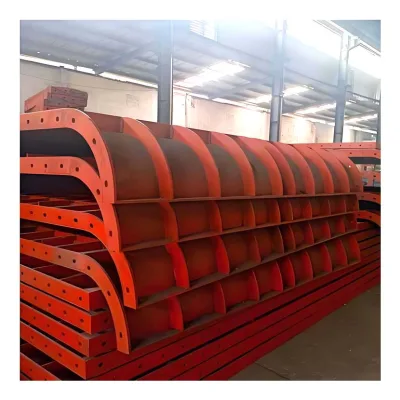
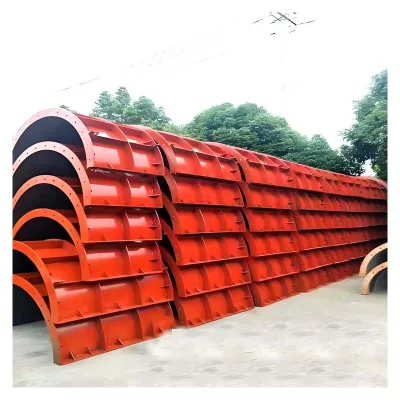
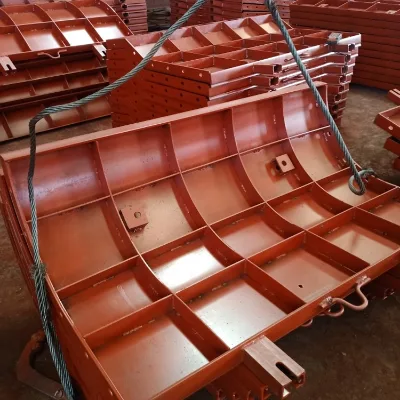
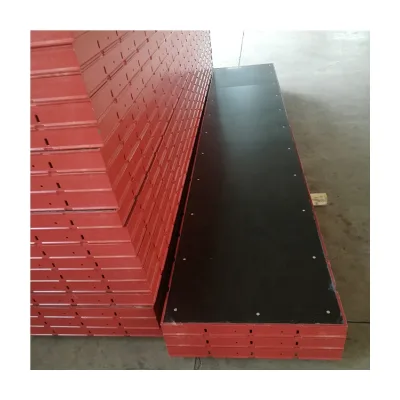
Listed products are made from steel, with at least one bridge girder formwork specifying Q235 steel as the material. Surface treatment is commonly paint, with red paint color mentioned in several listings. Since girder formwork endures repeated pour cycles, ask each supplier to confirm the exact steel grade, wall thickness and surface treatment suited to your expected reuse count.
Can the formwork be customized to my girder dimensions?
Yes, customization is widely available. Multiple Tianjin listings state that sizes are non-standard and custom-made or fully customizable, and one supplier explicitly advertises customization as available with segment lengths that can be adjusted. Provide your girder cross-section drawings, span segmentation and pour sequence early so the supplier can quote accurately and confirm fabrication feasibility for your bridge project.
What certifications should bridge formwork suppliers hold?
Several listed products carry ISO9001 certification, and one supplier holds ISO9001:2015 and ISO14001:2015 system certificates along with BV verification. Some product listings also cite CE, ROHS and ISO markings. Certifications do not guarantee fit for your project, so request the actual certificate copies and verify they are current, then ask for material test reports for the steel used.
How quickly do these suppliers respond to inquiries?
Response times in the current results range from roughly 1 hour to about 7 hours among listed suppliers, so you can expect an initial reply within a working day in most cases. Fast initial replies are encouraging but not sufficient. Test responsiveness by requesting detailed drawings, a fabrication plan and a quotation, then compare the depth and speed of each technical response.
What after-sales support is offered for girder formwork?
Support options in the listings include online technical support, on-site installation, onsite training and onsite inspection, while some listings offer only online technical support. For complex box girder projects, on-site assistance during the first assembly and pour is valuable. Confirm before ordering whether installation supervision is included in the price, billed separately, or available only at the buyer's expense.
Where are these formwork suppliers located and how is shipping handled?
The listed suppliers are located in Tianjin and Hebei, China, with one Tianjin listing dispatching through Tianjin Xingang Port and packing in pallets, bulk, or per buyer requirements. One supplier also cites sea freight packing. Both regions have strong steel fabrication infrastructure, so ask each supplier to quote CIF or FOB freight from their nearest port to your destination.