Halloween LED Light-Up Skull Mug Suppliers and Manufacturers
Explore 34 verified suppliers offering Halloween LED Light-Up Skull Mug options with varying lead times, MOQs, and certifications. Compare response times, prices, and product attributes like working hours and battery types before requesting quotes; review the available evidence before requesting comparable quotations from suitable candidates.
Suppliers List
Wonderful Enterprise Co., Ltd.
- Manufacturer, Trading Company
- Lead time旺季: "1 - 1000":15,"> 1000":"To be negotiated", 淡季: "1 - 1000":15,"> 1000":"To be negotiated"
- Avg. response≤ 2h
Main productsLed Toys and Gifts, Led Wearables, EL Products, Glow Products, Led Barwares
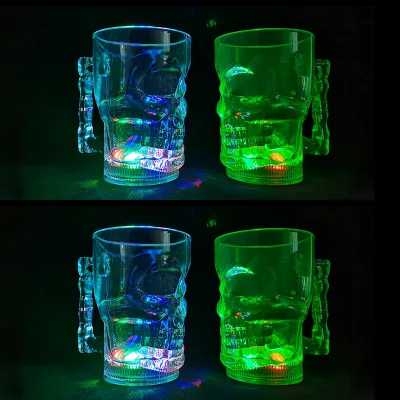
$1.11 - $20.62
MOQ: 1000 pieces
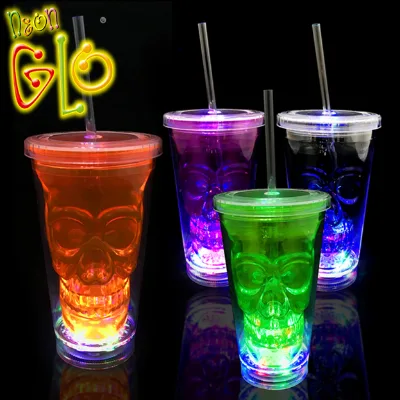
$1.23 - $1.32
MOQ: 960 pieces
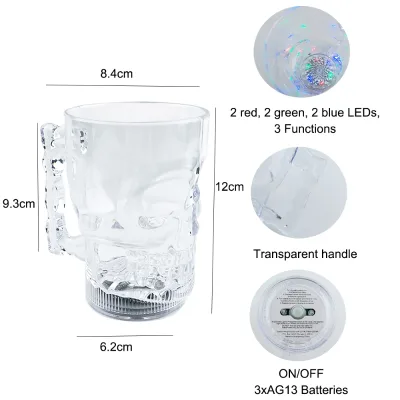
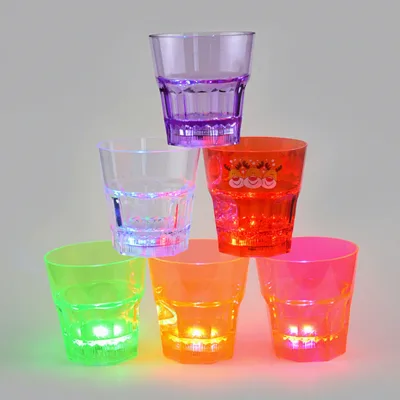
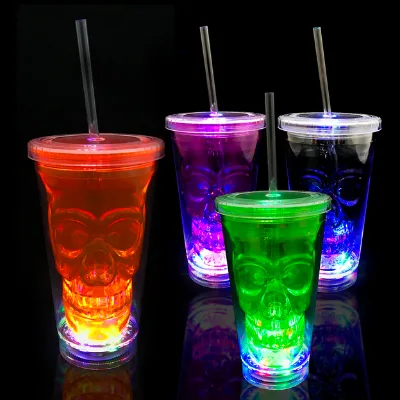
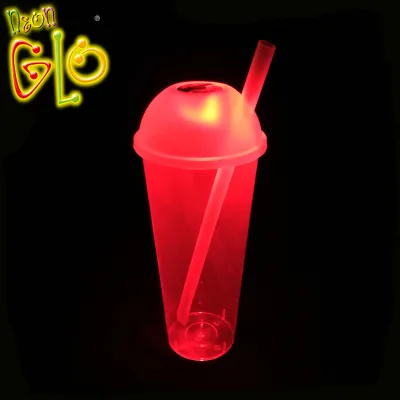
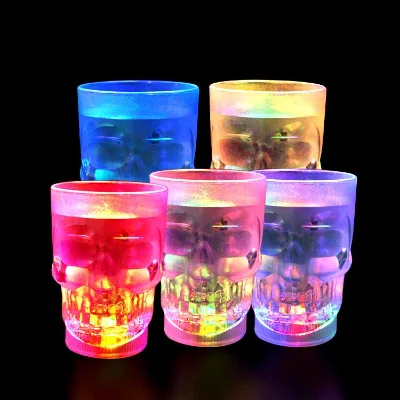
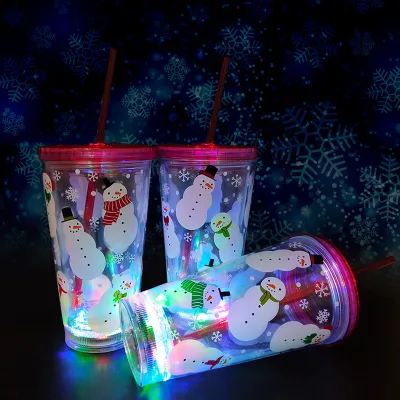
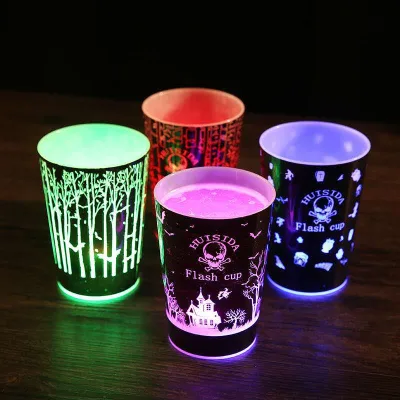
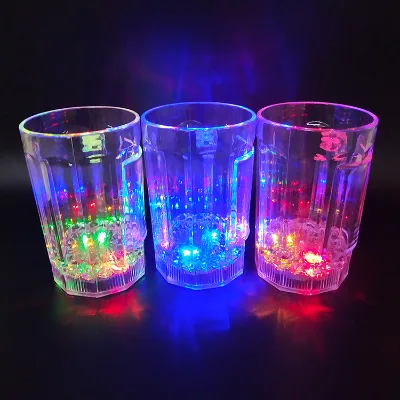
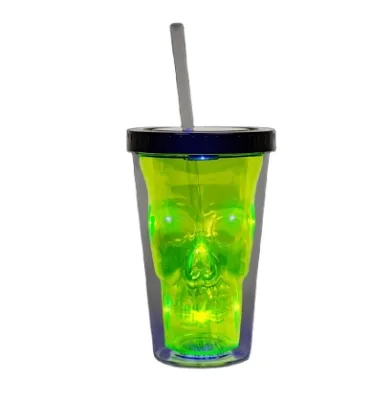
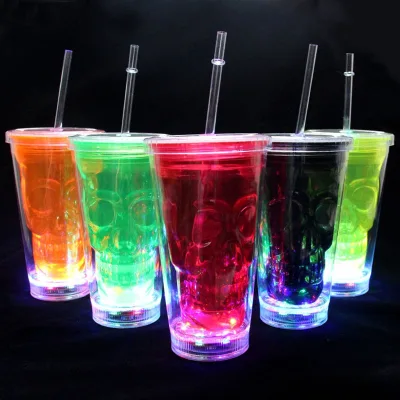
Party Supplies Plastic Neon Flashing Drinking Glasses Glow in the Dark Led Tumbler Cups
Contact supplier
MOQ: 10000 Minimum
Ningbo Tyj Industry and Trade Co., Ltd
- Verified by BV
- Combined
- China Zhejiang
- Lead time30 days
- Avg. response≤ 6h
Main marketsDomestic

Xiamen Yoyo Ceramic Trading Co., Ltd.
- Verified by BV
- Combined
- China Fujian
- Lead time23 days
- Avg. response≤ 9h
Main productsCeramic Mugs, Ceramic Plates, Teawares, Ceramic Canisters, Ceramic Vases, Ceramic Flower Planters, Ceramic Coin Bank, Flowerpot, Canisters, Resin Crafts
Main marketsSouth America,Africa,Southeast Asia/ Mideast,East Asia(Japan/ South Korea),Europe,Australia,North America
Shenzhen New Dody Technology Co., Ltd.
- Manufacturer, Trading Company
- Guangdong, China
- Lead time18 days
- Avg. response≤ 3h
Main productsLED Bracelets remote control,Party Glasses Masks Hats,LED Toy Swords & Gun Wands,LED Cups & Drink Wares,led toys for Halloween Christmas
Main marketsMid East(100.00%), Domestic Market(100.00%), Oceania(100.00%), Africa(100.00%), Southern Europe(100.00%), Northern Europe(100.00%), Central America(100.00%), North America(60.00%), Eastern Asia(20.00%), South Asia(6.00%), Eastern Europe(6.00%), Western Europe(6.00%), Southeast Asia(1.00%), South America(1.00%)
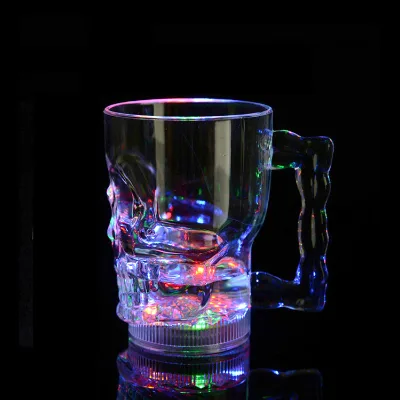
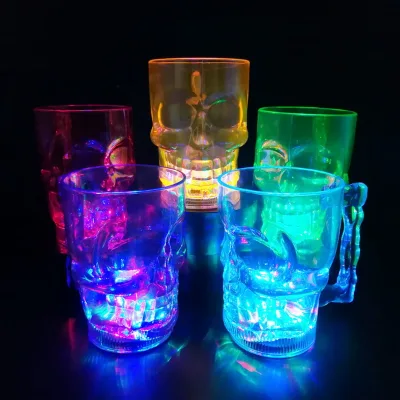
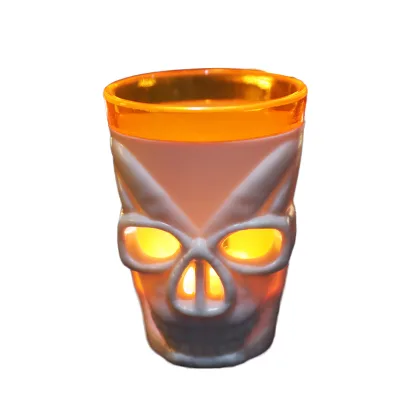
Halloween Custom Light up Skull Cup LED Light up Cups Unbreakable Plastic Drinking Cups Party
$1.01 - $1.42
MOQ: 100 pieces
Wuhan Xinhuahang Household Goods Co., Ltd.
- Verified by BV
- Combined
- China Hubei
- Lead time15 days
- Avg. response≤ 4h
Main productsWine Glasses, Beer Glass, Drinking Glass, Decanter, Shot Glass, Coffee Glass, Cocktail Glass, Champagne Glass, Wine Accessories
Main marketsEurope,Australia,North America


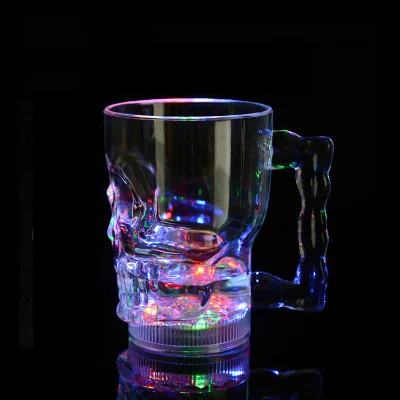
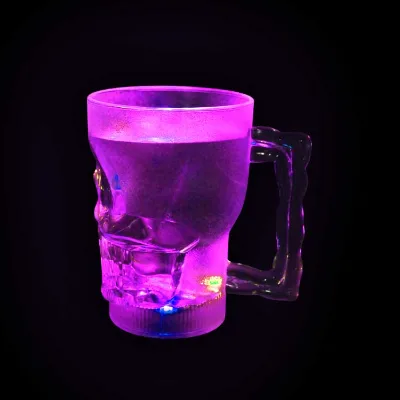
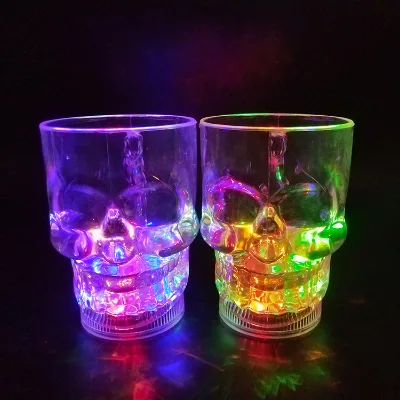
18oz Juice Water Drinking Glasses 540ml Skull Face Beer Mugs with Handle
$0.60 - $0.75
MOQ: 360 Pieces


- Combined
- China Guangdong
- Lead time23 days
- Avg. response≤ 3h
Main productsPromotion Gift, Toy, Flashing Item, Free Gift, Business Gift, Novelty
Main marketsAfrica,Europe,North America


LED Skull Lantern Halloween Skull Hanging Lantern Halloween Decor Props
$0.20 - $1.26
MOQ: 1000 Pieces


Shenzhen Shenghuihuang Electronics Co., Ltd.
- Manufacturer, Trading Company
- Guangdong, China
- Lead time30 days
- Avg. response≤ 12h
Main productsFlashing Gift Series,Concert Series,Garland String Lights Series,Party Supplies,Holiday Supply
Main marketsEastern Asia(36.33%), North America(33.44%), Southeast Asia(10.00%), Oceania(9.00%), Africa(5.00%), Western Europe(2.43%), Mid East(2.00%), Central America(1.00%), Northern Europe(0.63%), Eastern Europe(0.17%)
Xiamen Rising Chance Co., Ltd.
- Verified by Intertek
- Manufacturer, Trading Company
- Lead time45 days
- Avg. response≤ 8h
Main productsCeramic Mug, Tiki Mug, Candle Jars, Polyresin Item, Metal Craft
Main marketsNorth America(35%), Eastern Europe(10%), Africa(10%)
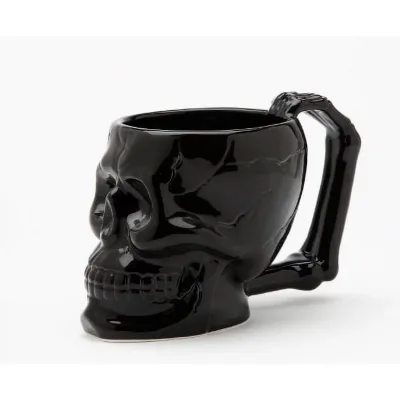
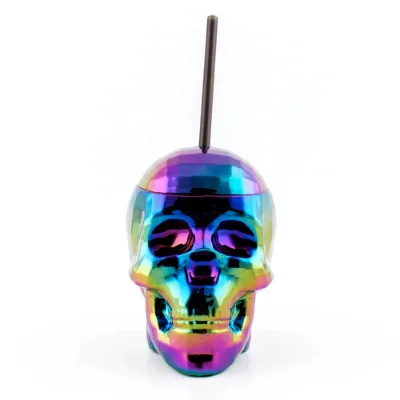
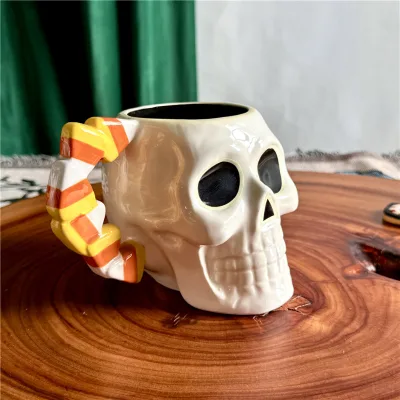
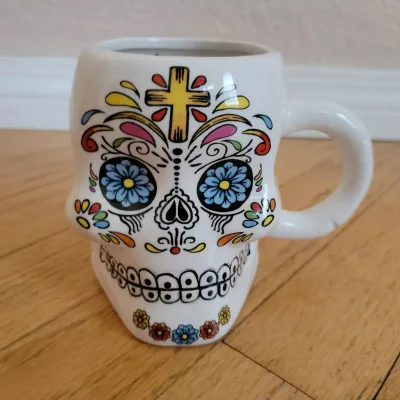
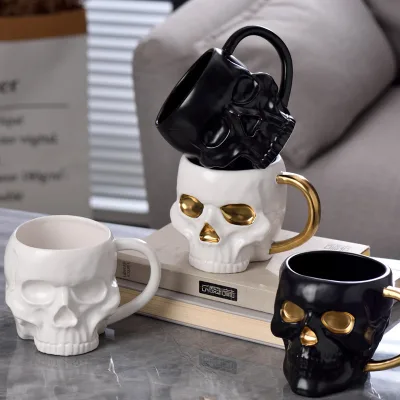
Punk Style Skeleton Mug Halloween Suguar Skull Cup
$1.30 - $2.50

Zhengzhou Feiyang Homeware Co., Ltd.
- Trading Company
- Henan, China
- Lead time7 days
- Avg. response≤ 1h
Main productsCeramic mug,Ceramic plate,Ceramic bowl,Ceramic vase,Ceramic kitchenware
Main marketsNorth America(30.00%), Domestic Market(20.00%), Southern Europe(10.00%), Northern Europe(10.00%), Western Europe(10.00%), Oceania(10.00%), Southeast Asia(10.00%)

- Verified by TUVRHEINLAND
- Trading Company
- China Hunan
- Lead time45 days
- Avg. response≤ 2h
Main productsCeramic Mug, Vacuum Flask, Dinner Set, Cup, Mug, Thermal Bottle, Ceramic Dinner Set, Glass Jar, Glass Cup, Wine Cup
Main marketsSoutheast Asia/ Mideast


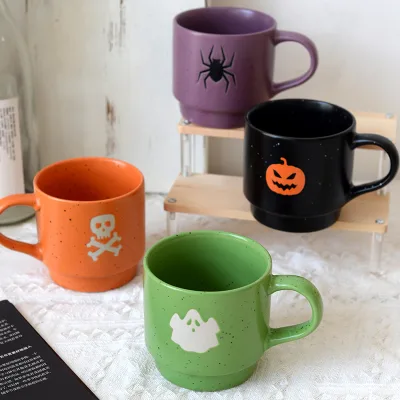
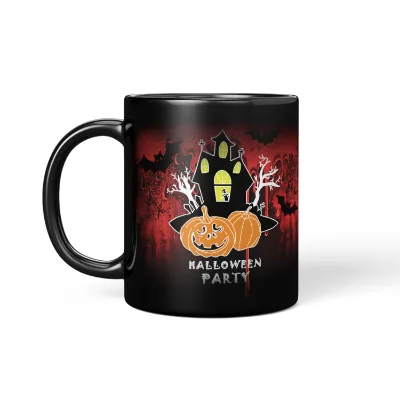
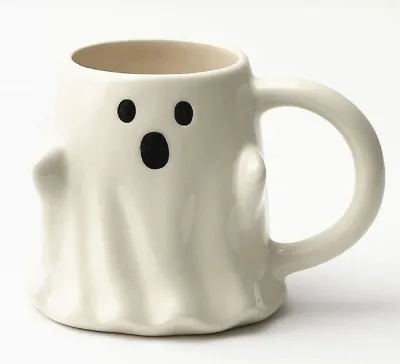
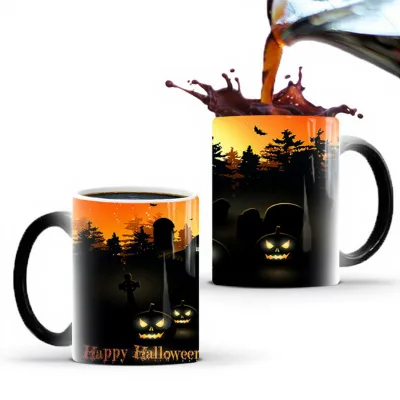
Halloween Spooky Mug Additio Halloweenfestivities Crafted From Ceramic Cup15055
$0.49 - $0.99
MOQ: 500 Pieces

Fujian Dehua Besder Ceramic Co., Ltd.
- Manufacturer, Trading Company
- Fujian, China
- Lead time0 days
- Avg. response≤ 12h
Main productsCERAMIC HOME DECORATION,CERAMIC KITCHENWARE,HOLIDAY DECORATION,CERAMIC PET SUPPLIES,RESIN PRODUCTS
Main marketsNorth America(45.00%), Western Europe(16.00%), South America(11.00%), Mid East(7.00%), Eastern Europe(7.00%), Southern Europe(6.00%), Northern Europe(2.00%), Central America(2.00%), Oceania(1.00%), South Asia(1.00%), Africa(1.00%), Eastern Asia(1.00%)
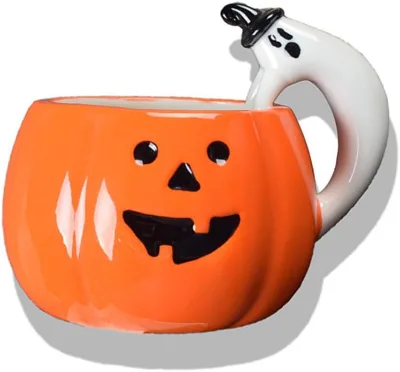
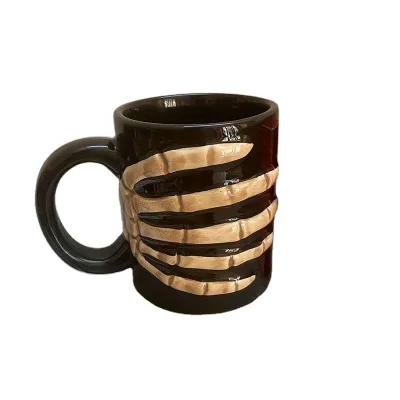
Hand Ceramic Coffee Mug Halloween Skull Ceramic 16oz Mugs for Coffee Tea Hot Chocolate
$2.22 - $2.43
MOQ: 700 pieces
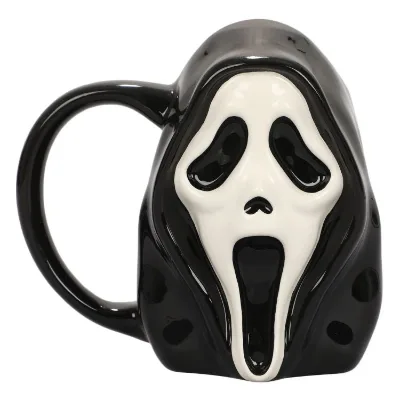
$0.90 - $1.10
MOQ: 500 pieces
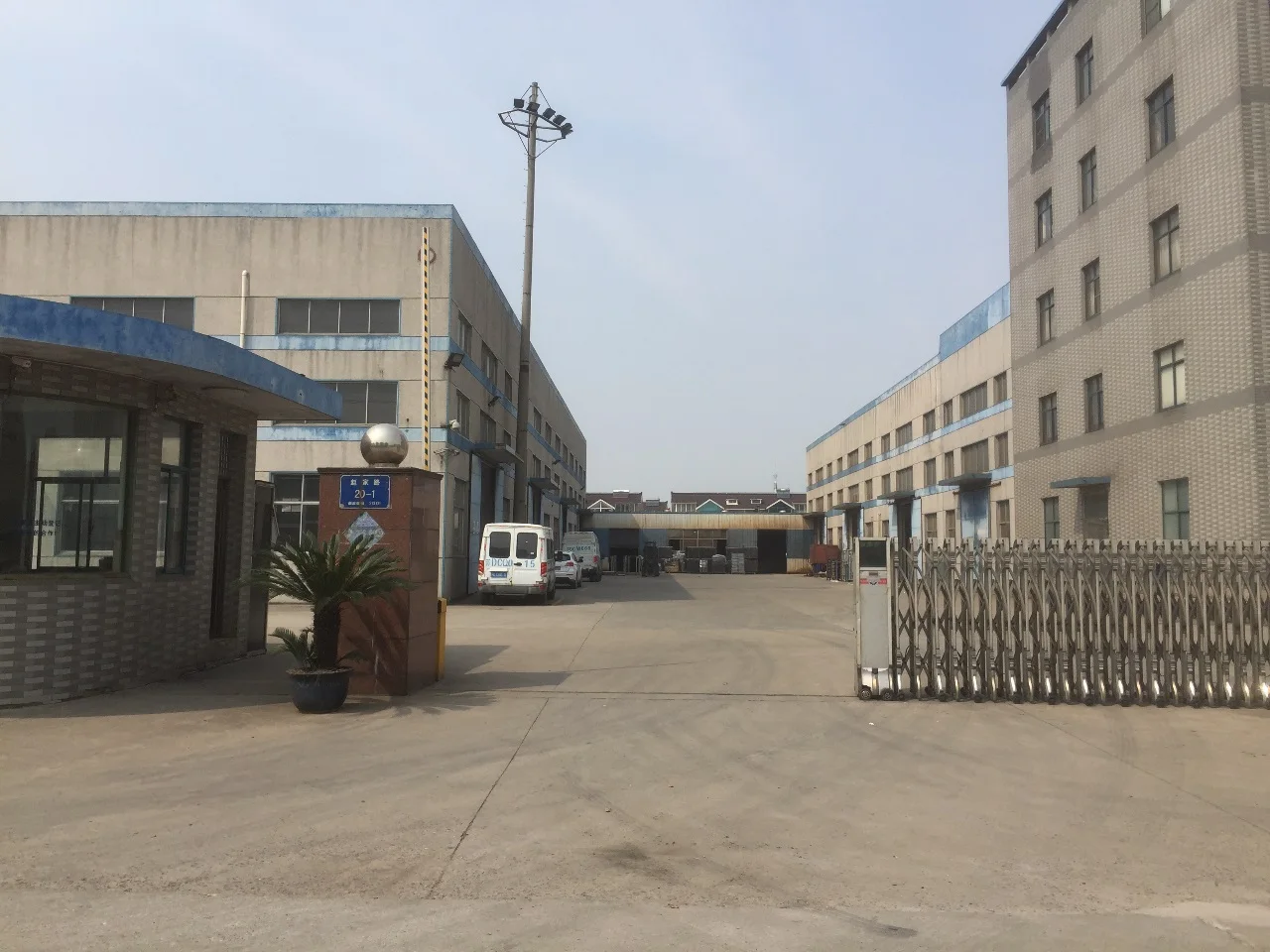
Ido Display Fixtures (changzhou) Co., Ltd.
- Trading Company
- Jiangsu, China
- Lead time15 days
- Avg. response≤ 3h
Main productsdisplay fixture,display rack,storage shelf,home decoration,shop fitting
Main marketsNorth America(41.00%), Western Europe(19.00%), Oceania(8.00%), South America(6.50%), Eastern Europe(6.00%), Africa(5.00%), Northern Europe(4.00%), South Asia(3.00%), Southeast Asia(3.00%), Eastern Asia(3.00%), Southern Europe(1.00%), Central America(0.50%)

- Verified by SGS
- Trading Company
- China Shandong
- Lead time0 days
- Avg. response≤ 14h
Main productsProtective Clothing, Baseball Caps, Microfiber Cloth, LED String Light, Disposable Nitrile Gloves, LED Glowing Stick, Sport Cap, Cleaning Cloth, Bicycle Light, Microfiber Mask

Chaozhou City Cha'an District Fengtang Town Sai Si Ceramics Factory
- Verified by CTI
- Combined
- China Guangdong
- Lead time30 days
- Avg. response≤ 6h
Main productsMugs, Ceramic Tissue Boxes, Ceramic Pet Bowls, Ceramic Vases
Main marketsDomestic


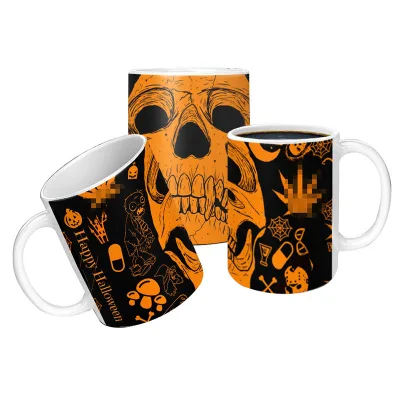
Halloween Ceramic Mug Ghost Festival Bone Black Color Coffee Mug Tea Cup Beer Cup
$2.00 - $4.00
MOQ: 1000 Pieces

Halloween Ceramic Cup Crossbones Mug with Printing Special Shaped Ceramic Mugs
$2.00 - $4.00
MOQ: 1000 Pieces

- Verified by SGS
- Trading Company
- China Zhejiang
- Lead time15 days
- Avg. response≤ 14h
Main productsChristmas Decoration, Christmas Tree, Christmas Gift, Party Decoration, Promotional Product, Festival Items, Gift, Valentine, Party Items, Halloween Decorations
Main marketsEurope,Australia

High Quality Halloween Flashing Luminous LED Light Realistic Scary Skull Face Mask
$1.14 - $1.35
MOQ: 750 Pieces


Shenyang Sunfull Industry Co.,Ltd.
- Trading Company
- China Liaoning
- Lead time0 days
- Avg. response≤ 3h
Main productsPaper Bag, Paper Box, Non-Woven Bag

Halloween Ceramic Skull Mug Ghost Festival Bandage Cup Alien Zombie Coffee Cup Ghost Funny Cup
$2.82 - $2.85
MOQ: 1000 Pieces

Halloween Ghost Demon Elf Mug Creative Gift Ceramic Cup Coffee Cup Funny Couple Cup
$2.85 - $2.98
MOQ: 1000 Pieces
- Trading Company
- Guangdong, China
- Lead time15 days
- Avg. response≤ 3h
Main productsled Halloween mask,sound activated LED bracelet,LED glasses,LED necklace,LED headband
Main marketsNorth America(25.00%), Western Europe(24.00%), South America(18.00%), Eastern Europe(10.00%), Northern Europe(9.00%), Southern Europe(9.00%), Oceania(5.00%)
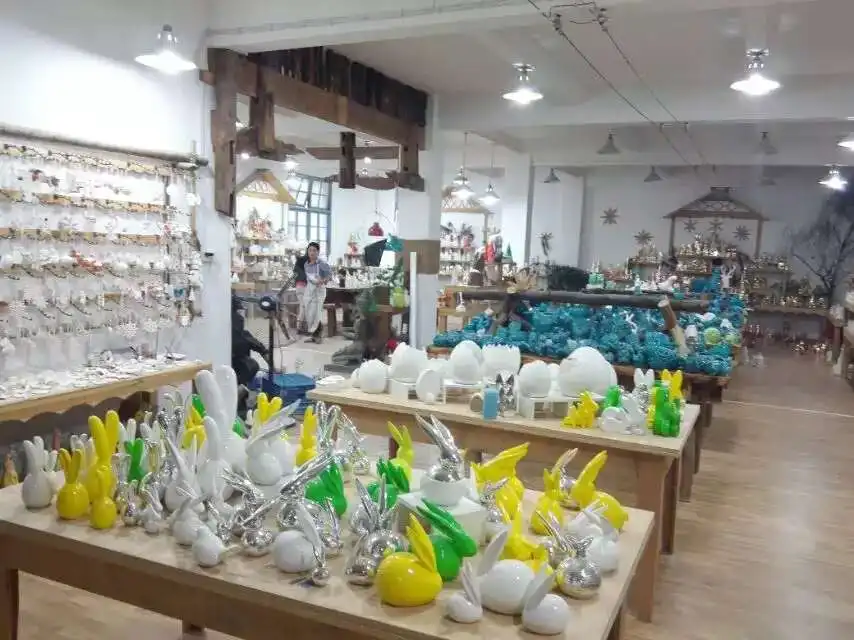
Dehua Beauty Rich Arts & Crafts Co., Ltd.
- Manufacturer, Trading Company
- Fujian, China
- Lead time30 days
- Avg. response≤ 10h
Main productsPolyresin crafts,Ceramic crafts,PVC crafts,Home decoration,Garden decoration
Main marketsEastern Europe(15.00%), North America(15.00%), South America(12.00%), Mid East(5.00%), Oceania(5.00%), South Asia(3.00%), Southern Europe(3.00%), Northern Europe(3.00%), Central America(3.00%), Western Europe(3.00%), Eastern Asia(3.00%), Domestic Market(3.00%), Southeast Asia(3.00%), Africa(2.00%)
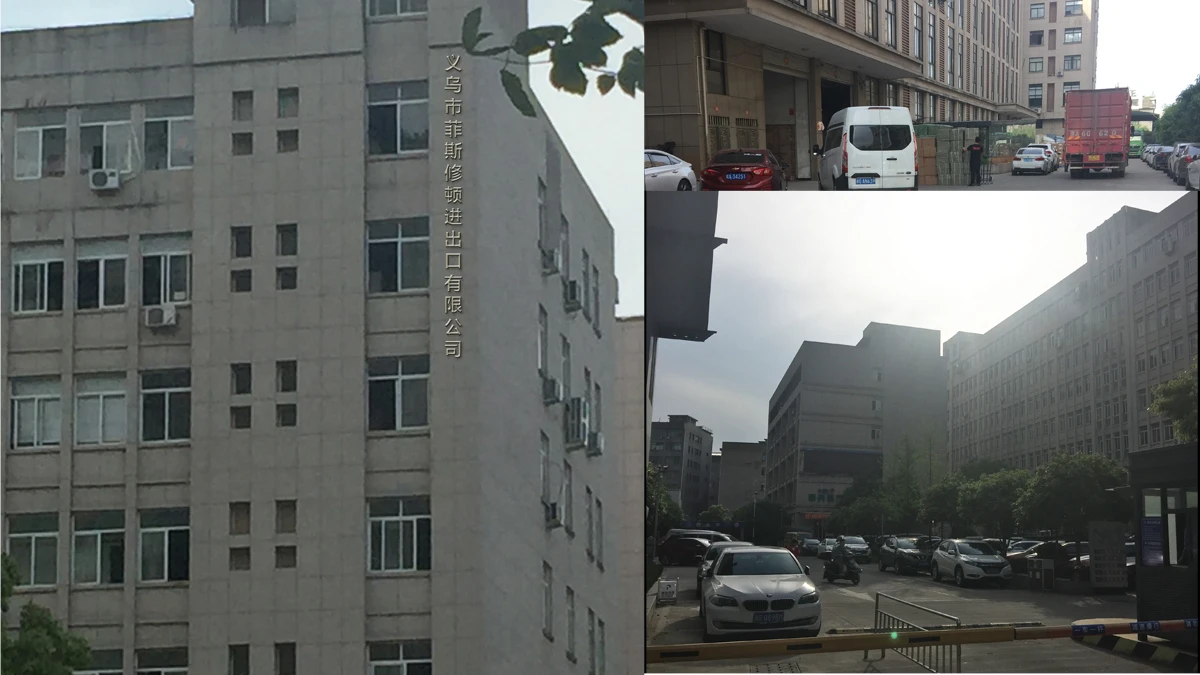
Yiwu Fisterton Import And Export Co., Ltd.
- Trading Company
- Zhejiang, China
- Lead time15 days
- Avg. response≤ 4h
Main productsSilastic Mould, Jewelry Mould, Webbing, Christmas Headband
Main marketsNorth America(50.00%), Western Europe(9.00%), Southern Europe(9.00%), Northern Europe(9.00%), Eastern Europe(9.00%), Eastern Asia(7.00%), Mid East(5.00%), Oceania(2.00%)

- Verified by CTI
- Trading Company
- China Zhejiang
- Lead time23 days
- Avg. response≤ 13h
Main productsEarring, Vase, Scented Candles, Hair Ties, Bags
Main marketsSouth America,Europe,North America

Fuzhou Kuangtong Info & Tech Co., Ltd.
- Trading Company
- Fujian, China
- Lead time10 days
- Avg. response≤ 2h
Main productsEvent and Party Supplies, Party Balloons, Party Tableware, Party Paper Craft, Christmas Ornament
Main marketsNorth America(50.00%), Western Europe(50.00%)
Shenzhen Goldshine Electronics Co.,ltd
- Verified by SGS Group
- Manufacturer, Trading Company
- Lead time20 days
- Avg. response≤ 2h
Main productsLED Glow Sticks, LED Bottle Sticker, LED Wristband, LED Cups, Party Suppliers
Main marketsEastern Asia(25%), Southeast Asia(20%), Domestic Market(18%)
- Manufacturer, Trading Company
- Zhejiang, China
- Lead time15 days
- Avg. response≤ 2h
Main productsCocktail tools,Mugs,Wine accessories,Crafts,split bottle
Main marketsNorth America(60.00%), Northern Europe(10.00%), Western Europe(10.00%), Southern Europe(5.00%), Central America(5.00%), Southeast Asia(3.00%), South America(3.00%), Oceania(2.00%), Eastern Europe(2.00%)
- Trading Company
- Zhejiang, China
- Lead time0 days
- Avg. response≤ 7h
Main productsLED BALLS,LIGHT UP STICKS,LIGHT UP BRACELETS,LED TOYS,LIGHT UP HEADBANDS
Main marketsNorth America(25.00%), Western Europe(20.00%), Eastern Asia(15.00%), South Asia(5.00%), Southern Europe(5.00%), Northern Europe(5.00%), Central America(5.00%), South America(5.00%), Eastern Europe(5.00%), Mid East(5.00%), Southeast Asia(5.00%)

Ningbo Beixuan International Trading Co., Ltd.
- Verified by TUVRHEINLAND
- Manufacturer/Factory
- China Zhejiang
- Lead time15 days
- Avg. response≤ 10h
Main productsPlastic Bottle, Plastic Cup, Plastic Honey Jar, Plastic Food Container, Glass Juice/ Beverage Bottle, Glass Jar, Glass Wine Bottle, Glass Essential Oil Bottles, Cosmetic & Perfume Glass Bottles, Paper Cup
Main marketsSouth America,Eastern Europe,Mid East,North America,Southeast Asia,Eastern Asia,Oceania,Western Europe,Africa
Ningbo General Union Co., Ltd.
- Verified by SGS
- Trading Company
- China Zhejiang
- Lead time45 days
- Avg. response≤ 9h
Main productsChristmas Tree, Party Supply, Christmas Ball, LED Light Strip, Halloween Product, Holiday Decoration, Santa Claus, Valentine's Day Product, Balloon Decoration, Birthday Decoration
Main marketsSouth America,Europe,North America

Funny Shiny Lighting Extra Large Glass Skull for Halloween Theme Party Decoration
$2.85 - $5.30
MOQ: 200 Pieces


- Verified by TUVRHEINLAND
- Trading Company
- China Guangdong
- Lead time23 days
- Avg. response≤ 5h
Main productsTumbler, Heat Press, T Shirt Printing Machine, Decal Paper, Photo Panel, MDF Sublimation Blanks, Sublimation Blanks, T Shirts, Sublimation Ink, 3D Sublimation Machine
Main marketsSouth America,Africa,Others(foreignTradeCapacity.exportBusinessCapacityMarketOther),East Asia(Japan/ South Korea),Europe,Australia,North America

Shenzhen Huaerduo Boutique Barware Co., Ltd.
- Manufacturer, Trading Company
- Guangdong, China
- Lead time20 days
- Avg. response≤ 2h
Main productsIce buckets,led cups / glasses,Barwares,Plastic wine / champagne glass,Led label
Main marketsNorth America(30.00%), Western Europe(20.00%), Northern Europe(20.00%), South America(20.00%), Eastern Europe(5.00%), Central America(5.00%)

Jinjiang Jiaxing Supply Management Co., Ltd.
- Verified by TUVRHEINLAND
- Trading Company
- China Fujian
- Lead time30 days
- Avg. response≤ 1h
Main productsEVA Clogs, Flip Flop, Shoe Charms, Shopping Bags, Wristbands, Gifts, Promotional Gifts, Slipper, Sport Cap, Ball
Main marketsNorth America
Shenzhen Richshining Technology Co., Ltd.
- Verified by SGS Group
- Manufacturer, Trading Company
- Guangdong, China
- Lead time10 days
- Avg. response≤ 3h
Main productsLED Party Light, LED Barware, LED Outdoor Sports Products, LED Advertising Products
Main marketsNorth America(20%), Southeast Asia(20%), Eastern Asia(20%)

Xiamen Rising Chance Co., Ltd.
- Verified by SGS
- Trading Company
- China Fujian
- Lead time45 days
- Avg. response≤ 7h
Main productsResin Craft, Pewter Craft, Tourist Souvenir, Ceramic Beer Mug Beer Stein, Snow Globes, Ceramic Beer Mug, Zinc Alloy Craft, 3D Building Model, Toy Soldier
Main marketsSouth America,Africa,Southeast Asia/ Mideast,Europe,North America

Iridescent Rainbow Holographic Ceramic Skull Coffee Cup with Straw and Lid 22oz Halloween Gift
$1.99 - $3.50
MOQ: 720 Pieces

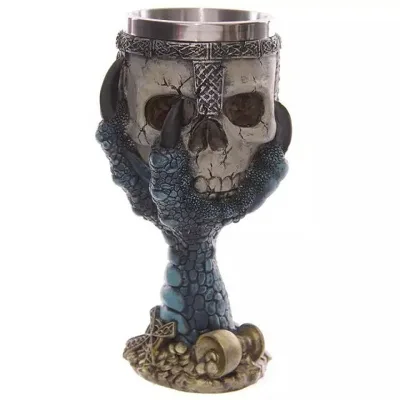
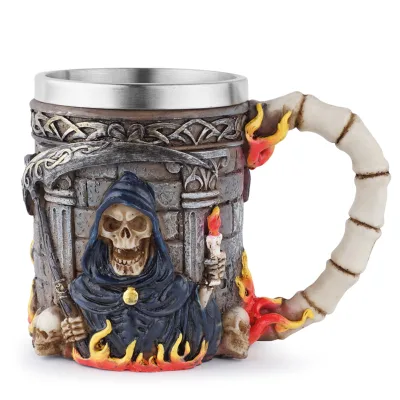
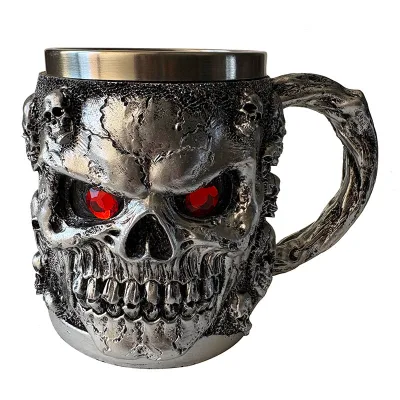
Metal Viking Skull Beer Mug Unique Custom Resin Outside Stainless Steel Inside Cups
$3.99 - $5.00
MOQ: 1000 Pieces
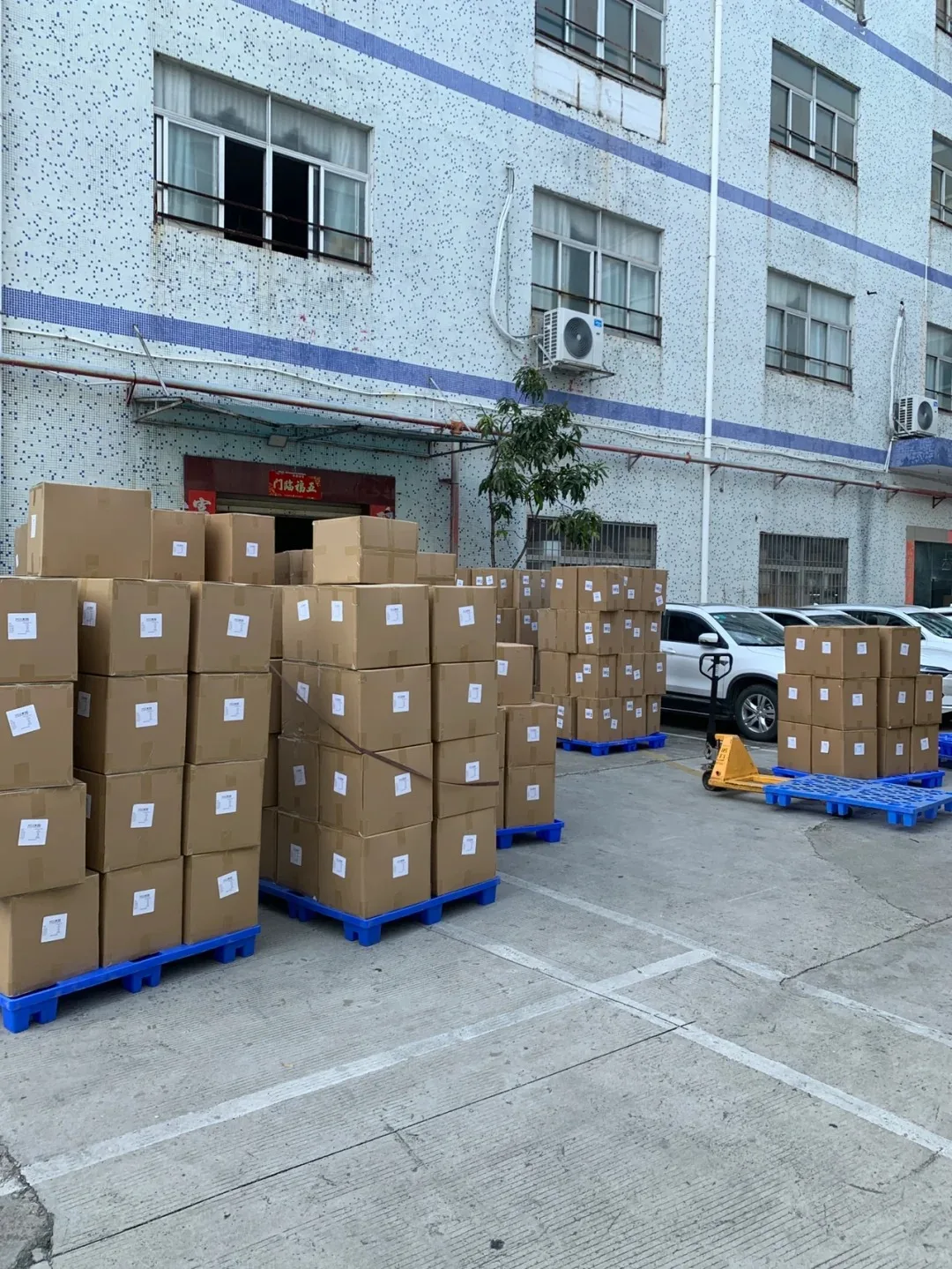
Shenzhen Flashone Technology Co., Ltd.
- Manufacturer, Trading Company, Agent
- Guangdong, China
- Lead time7 days
- Avg. response≤ 3h
Main productsled bracelet,led headband,led mask,led glasses,led toys
Main marketsNorth America(30.00%), Central America(5.00%), Southeast Asia(5.00%), Eastern Europe(5.00%), South America(5.00%)

Changsha Happy Go Products Developing Co., Ltd.
- Trading Company
- China Hunan
- Lead time45 days
- Avg. response≤ 6h
Main productsCoffee Mug, Dinner Set, Bowl, Mug, Dinnerware, Tableware, Plate, Porcelain, Crockery, Coffee Cup
Main marketsSouth America,Africa,Southeast Asia/ Mideast,East Asia(Japan/ South Korea),Europe,Australia,North America
Hebei Zhuozhongxi Glass Products Co., Ltd.
- Verified by BV
- Manufacturer/Factory
- China Hebei
- Lead time15 days
- Avg. response≤ 4h
Main productsGlass Cup, Glass Teapot, Coffee Appliance, Tea Set, Glass Crafts, Glass Jug, Glass Food Storage Jar, Wine Glass, Candle Holders, Double Wall Glass
Main marketsSouth America,Eastern Europe,Mid East,North America,Southeast Asia,Eastern Asia,Oceania,Western Europe,Africa




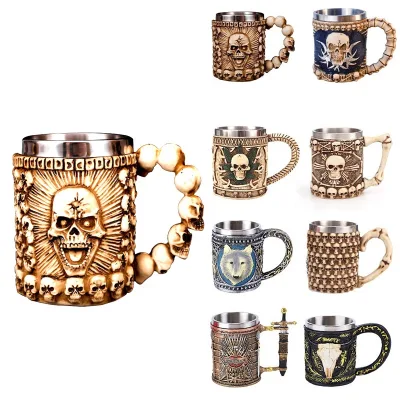


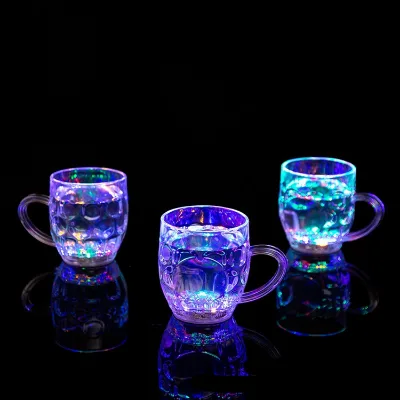
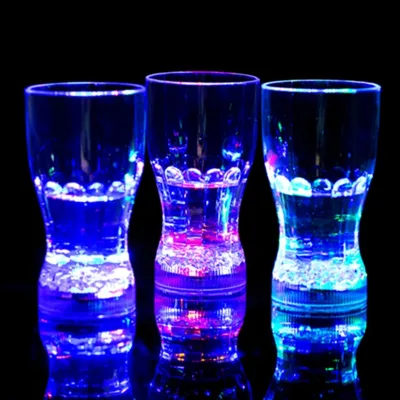
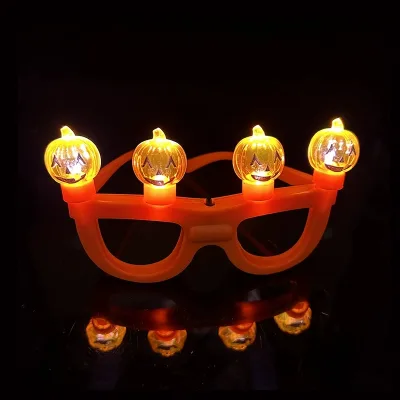






Comprehensive Sourcing Guide
Halloween LED Light-Up Skull Mug Supplier Concentration and Factory Types
When sourcing a Halloween LED Light-Up Skull Mug, the first structural question is whether you are dealing with a manufacturer, a trading company, or a hybrid of both. In the current supplier results, companies describe themselves as "Manufacturer, Trading Company," which is common in this category: the same business often molds plastic PS drinkware in-house while outsourcing LED module assembly, printing, or packaging during peak season. A hybrid can be advantageous because it consolidates responsibility for both the molded body and the electronics, but you should ask directly which processes happen on-site and which are subcontracted, since that affects quality control and reprint consistency across orders.
On location, the product data available in these results point to Guangdong, China as the stated place of origin for the LED skull mugs, cups, and tumblers listed. That concentration matters for practical reasons: tooling shops, battery suppliers, and LED component vendors cluster around drinkware and novelty-lighting production there, shortening the chain from diode to finished mug. If a candidate supplier is not located in an area with documented activity in LED party drinkware, ask how far its component suppliers are and what that adds to cost and lead time. Main product lines listed by these suppliers—LED toys and gifts, LED wearables, EL products, glow products, and LED barwares—also signal whether the mug is a core competence or a seasonal side item.
How to Verify Halloween LED Light-Up Skull Mug Suppliers
Verification starts with matching claims to documents. For a light-up skull mug, request the specific test certificates attached to the exact model you intend to buy, not certificates from a different SKU. In the current listings, certificate fields mention CPSIA, RoHS, and EMC on one model, RoHS and CE on another, and compliance with FDA, CPSIA, and CA65 tests on a third. That inconsistency is exactly why you verify per model: ask for the test report itself, check that the report's model number matches the mug's listed model number, and confirm the certificate covers food-contact and battery requirements relevant to your destination market.
Second, verify the operational claims. The suppliers in these results display a response time of about two hours, but you should measure it yourself with a pre-sales technical question—battery replacement, switch type, or light mode logic—rather than a price inquiry, because fast quoting does not prove engineering competence. Ask whether the company is a manufacturer or trading company for this specific product, request photos or video of the molding and LED assembly areas, and confirm the place of origin stated on the listing matches the invoice and shipping documents. Finally, check production evidence: the listings show specific model numbers, materials such as PS plastic, and detailed attributes like 400ml capacity and 6-8 hours of working glow time. A supplier who can reproduce those details consistently, including packaging dimensions and per-unit weights, is far more likely to control production than one who only re-sends a catalog.
What to Compare Across Halloween LED Light-Up Skull Mug Suppliers
Build a comparison sheet from the attributes the listings actually display, and leave blank any cell a supplier has not shown. Useful displayed dimensions in these results include MOQ, price range, lead time, response time, company type, main products, and stated place of origin. As a concrete example of the spread: one 16oz double-wall skull tumbler shows an MOQ of 960 units with a narrow price band, while a 400ml skull mug shows an MOQ of 1000 units with a much wider price range, and a simpler 8oz illuminated plastic wine glass lists a single flat price point. Wide price bands usually indicate size or light-mode variants, so clarify which configuration sits at which price before comparing suppliers on cost.
Beyond price and MOQ, compare lead time by season. The results show the same quoted lead time for peak and off-season—15 days for orders of 1 to 1000 units, with anything above 1000 units marked "to be negotiated"—but other suppliers may quote differently, so ask each one to state peak-season versus off-season timelines separately for your exact quantity. Response time matters too: the displayed figure of roughly two hours is a good baseline, and a supplier answering technical questions in that window is easier to work with during pre-production. Also compare main product breadth. A supplier whose catalog is dominated by LED barware, glow products, and party drinkware is more likely to have reliable stock of batteries, LED modules, and spare molds in October than a generalist who lists the mug among hundreds of unrelated items.
Common Halloween LED Light-Up Skull Mug Sourcing Risks
The most frequent risk in this category is battery and light-mode drift. The listings show models containing three AG13-style batteries, three flashing modes, and six to eight hours of working glow time—but a factory under cost pressure may substitute a cheaper battery, reduce LED count, or drop a flashing mode without notifying the buyer. Since the 400ml model specifies two red, two green, and two blue lights, any silent reduction changes the visual effect your customers see. Lock the battery type, LED count and colors, flashing modes, and minimum working hours into the purchase specification, and require a pre-shipment sample from the actual production batch.
Material and compliance risks follow closely. These mugs are PS plastic with food contact, and the certificates cited vary by model—CPSIA, RoHS, EMC, CE, FDA, and CA65 appear across different listings. Using a certificate from one SKU to clear another is a real failure mode at customs or with retailers. Second risks are seasonal capacity and lead-time ambiguity: the "to be negotiated" note above 1000 units means large Halloween orders placed late in the season may not hold the standard 15-day timeline. Finally, watch packaging and quantity risks—the listings show single-item sales for some mugs and multiples of 48 for others, with different package sizes and gross weights. If carton configuration is not confirmed in writing, you may receive mixed configurations that complicate retail distribution.
Halloween LED Light-Up Skull Mug Regional Sourcing and Logistics
Because the listed skull mugs, cups, and tumblers all state Guangdong, China as their origin, logistics planning should assume consolidation near that province's export infrastructure. Guangdong offers dense access to plastic molding, LED component supply, and battery vendors, which compresses the internal supply chain; however, it also means late-season demand from many Halloween buyers converges on the same ports and freight lanes. Book freight early for August and September production, and ask whether the supplier can split shipments so a first tranche arrives before your peak retail window while the balance follows.
Within the region, logistics details that matter for this category include carton engineering and unit weights. The listings show single-package sizes such as 11x9x13 cm and 17x10x6.5 cm, per-unit gross weights around 0.16 to 0.21 kg, and batch packing in cartons of roughly 60x51x32 cm at 8.8 kg gross. These figures let you calculate volumetric weight and estimate freight cost per mug before you commit—do the math for both air and sea, since light-up drinkware is light but bulky. If a candidate supplier is outside Guangdong or cannot confirm its origin in shipping documents, ask what component sourcing distances add to the timeline. Also confirm Incoterms and who handles export clearance early, because mixed manufacturer-trading companies sometimes route shipments through a different entity than the one you contracted with.
Halloween LED Light-Up Skull Mug Commercial Terms and Order Planning
Order planning for this category should start from the displayed MOQ and lead-time structure. The listings show MOQs of roughly 960 to 1000 units, with lead time quoted at 15 days for 1 to 1000 units in both peak and off-season, and quantities above 1000 marked as negotiable. In practice this means your first order can stay within the standard lead-time window, but a re-order that grows past 1000 units should be placed earlier and negotiated explicitly. Plan backward from your retail date: allow time for a pre-production sample, a production-batch sample, and shipping, not just the factory's stated production days.
On commercial terms, tie payment and quality together. Use staged payments—for example, a deposit with production and a balance after inspection against an approved golden sample covering light modes, battery type, LED colors, capacity (400ml or 16oz variants), and packaging. Confirm the selling unit in writing, since listings alternate between single items and multiples of 48, and confirm which price band applies to your chosen configuration when a listing spans a wide range. Use secure payment or escrow mechanisms where available rather than direct transfer to unverified accounts, especially for first orders. Finally, agree on re-order terms in advance: whether the MOQ holds, whether the tooling is reserved for you, and how price changes if battery or LED component costs move between seasons. Written answers to those questions are the difference between a reliable Halloween program and an annual scramble.
WORD COUNT CHECK: Sections of ~225, ~230, ~235, ~230, ~230, ~235 = approximately 1385 words. Verified within the 1350–1450 range.
FAQs
What is the typical lead time for Halloween LED skull mugs?
The standard lead time is 15 days for orders between 1 and 1000 units during peak or off-peak seasons. For quantities exceeding 1000 units, the delivery schedule requires direct negotiation with the supplier to confirm specific dates based on current production capacity and shipping logistics.
What are the minimum order quantities for these LED mugs?
Minimum order quantities vary by product model, with specific listings requiring 960 or 1000 units as the baseline. Some suppliers may offer different thresholds, so buyers should verify the exact MOQ for their selected design before placing an order to ensure compliance with supplier policies.
How long do the LED lights stay illuminated on these mugs?
The LED lights typically provide a working time of 6 to 8 hours of glow in the dark or glow up. This duration depends on the specific battery configuration, such as the inclusion of three XAG13 batteries, and the selected light setting mode for the party or event.
What certifications do these Halloween LED skull mugs hold?
Products often carry certifications including CPSIA, RoHS, EMC, CE, and FDA compliance. Some listings specifically mention compliance with CA65 tests. Buyers should verify the exact certificate list for the specific model to ensure it meets the safety standards required for their target market.
What materials are used to construct these LED skull mugs?
These mugs are primarily constructed from PS plastic, described as eco-friendly and durable for party use. The glass type is listed as multi-color or transparent, while the internal components include LED lights in red, green, and blue colors to create the desired festive illumination effect.
What is the price range for wholesale Halloween LED skull mugs?
Wholesale prices range from approximately 0.54 to 20.62 per unit depending on the specific design and order volume. Lower cost options start near 0.54, while premium models with double walls or specific features may reach higher price points within the provided market range for these party supplies.
Where are these LED skull mugs manufactured?
The place of origin for these products is Guangdong, China. This region is a known hub for manufacturing party supplies and LED drinkware, ensuring access to established supply chains for materials like PS plastic and electronic components required for the light-up features.