Halloween Simulation Keychain Suppliers and Manufacturers
Compare 19 verified suppliers offering Halloween Simulation Keychain with varying lead times, response speeds, and certifications. Review their locations in China Zhejiang and Fujian, along with MOQs and pricing to select the right partner for your order; review the available evidence before requesting comparable quotations from suitable candidates.
Suppliers List

EVER GREATER IMP. & EXP. CO., LIMITED
- Verified by TUVRHEINLAND
- Trading Company
- China Zhejiang
- Lead time15 days
- Avg. response≤ 5h
Main productsDisposable Cup, Paper Cup, Pet Cup, PLA Cup, Sleeve, Coaster, Food Packag Box, Pizza Box, Cake Box, Paper Box
Main marketsSoutheast Asia/ Mideast,Europe,Australia,North America
Shishi City Jiatexin Crafts&Gifts Co., Ltd.
- Verified by SGS
- Trading Company
- China Fujian
- Lead time15 days
- Avg. response≤ 3h
Main productsKeychain, Fridge Magnet, Lapel Pin, Medal, Bar Mat, Bottle Opener, Shoe Charms
Main marketsSouth America,Africa,Southeast Asia/ Mideast,East Asia(Japan/ South Korea),Domestic,Europe,North America


Animatronic Costumes Decorations Gifts Key Chainbusiness Custom Rubber Halloween Ghost Keychain
$0.28 - $0.35
MOQ: 50 pieces

Luminous Mini Halloween Pumpkin Gift Sublimation Craft PVC Rubber Doll Keychain
$0.83 - $1.25
MOQ: 20 pieces


Wenzhou Guda Technology Co., Ltd.
- Verified by BV
- Combined
- China Zhejiang
- Lead time30 days
- Avg. response≤ 4h
Main marketsEurope

Rubber Keyring Key Chain 3D Silicone Cartoon Halloween Character Horror PVC Keychain
$0.08 - $0.20
MOQ: 1000 Pieces


Jinjiang Deek Plastic Products Co., Limited
- Verified by SGS
- Trading Company
- China Fujian
- Lead time23 days
- Avg. response≤ 12h
Main productsPVC Keychain, PVC Croc Charms, PVC Straw Topper
Main marketsSouth America,Africa,Southeast Asia/ Mideast,East Asia(Japan/ South Korea),Europe,Australia,North America
Yiwu City Youtu Jewelry Co., Ltd.
- Trading Company
- Zhejiang Province, China
- Lead time15 days
- Avg. response≤ 4h
Main productscrystal keychain,leather keychain,genuine leather bracelet,metal pendants necklace,stainless steel neckalce
Main marketsSouthern Europe(10.00%), Northern Europe(10.00%), Central America(10.00%), Western Europe(10.00%), Mid East(10.00%), Africa(10.00%), Southeast Asia(10.00%), Eastern Europe(10.00%), South America(10.00%), North America(10.00%)

Zhongshan Hongdebo Crafts Co., Ltd.
- Verified by SGS
- Combined
- China Guangdong
- Lead time30 days
- Avg. response≤ 2h
Main productsLapel Pin, Medal, Keychain, Challenge Coins, Carfts
Main marketsSoutheast Asia/ Mideast,Europe,North America
Jinjiang Naike Eco Technology Co., Ltd.
- Verified by SGS
- Trading Company
- China Fujian
- Lead time30 days
- Avg. response≤ 2h
Main productsKeychain, Promotional Gifts, Shoes Charm, Straw Toppers, Pencil Toppers, Christmas Decoration, Party Decoration, Toy, Metal Craft, Silicone Products
Main marketsEurope,North America


Creative Cute Accessories Custom 3D Anime Character PVC Rubber Halloween Gift Keychain
$0.52 - $0.68
MOQ: 100 Pieces


Wholesale Custom Logo PVC Silicone Anime Key Chain Ball Keyring Keychain
$0.64 - $0.69
MOQ: 600 Pieces

- Verified by TUVRHEINLAND
- Trading Company,Manufacturer/Factory
- China Jiangsu
- Lead time23 days
- Avg. response≤ 4h
Main productsMedal, Coin, Lapel Pin, PVC Patch, Embroidery Patch, Keychain, Button Badge, Silicone Wristband, Lanyards, Gift
Main marketsSouth America,Eastern Europe,Mid East,North America,Oceania,Western Europe
Guangzhou Huayue Craft jewelry Factory
- Manufacturer, Trading Company, Distributor/Wholesaler
- Guangdong, China
- Lead time0 days
- Avg. response≤ 2h
Main productscustom keychains,promotional lanyards,decorative pendants,phone lanyards,souvenir craft gifts
Main marketsDomestic Market(10.00%), Northern Europe(10.00%), Western Europe(10.00%), Mid East(10.00%), South Asia(10.00%), Southeast Asia(10.00%), Eastern Europe(10.00%), South America(10.00%), North America(10.00%), Southern Europe(5.00%), Africa(5.00%)

Jinjiang Jiaxing Supply Management Co., Ltd.
- Verified by TUVRHEINLAND
- Trading Company
- China Fujian
- Lead time30 days
- Avg. response≤ 1h
Main productsEVA Clogs, Flip Flop, Shoe Charms, Shopping Bags, Wristbands, Gifts, Promotional Gifts, Slipper, Sport Cap, Ball
Main marketsNorth America

Dongguan AST Industry Co., Ltd.
- Verified by TUVRHEINLAND
- Manufacturer/Factory
- China Guangdong
- Lead time23 days
- Avg. response≤ 14h
Main productsSound Module, Voice Recorder, Video Brochure, Sound Chip, LED Flashing Module for POS, Musical Greeting Cards, Video Module, Musical Bottle Opener, Musical Postcards, DC Motor for Pop Dispay
Main marketsSouth America,Eastern Europe,Mid East,North America,Southeast Asia,Eastern Asia,Oceania,Western Europe,Africa

Lianyungang Hongwen Toys Co., Ltd.
- Verified by SGS
- Combined
- China Jiangsu
- Lead time23 days
- Avg. response≤ 6h
Main productsCustom Plush Backpack, Stuffed Toy, Custom Plush Pillow, Custom Plush Doll, Custom Plush Toy, Custom Hold-All, Plush Pillow, Animal Plush, Stuffed Plush Toys, Plush Toy Animals
Main marketsAfrica,Southeast Asia/ Mideast,East Asia(Japan/ South Korea),Domestic,Europe,Australia,North America

Dongguan Yuan Jie Gifts & Crafts Co., Ltd.
- Verified by BV
- Manufacturer/Factory
- China Guangdong
- Lead time15 days
- Avg. response≤ 4h
Main productsLapel Pin, Keychain, Golf Ball Marker, Custom Divot Tools, Medal, Coin, Poker Chip, Luggage Tag, Towel, Golf Tee
Main marketsSouth America,Eastern Europe,Mid East,North America,Southeast Asia,Eastern Asia,Oceania,Western Europe,Africa

Inspire Souvenirs Manufacturing Limited
- Manufacturer
- China Guangdong
- Lead time30 days
- Avg. response≤ 25h
Main productsKeychain, Key Ring, Bottle Opener, Dinner Bell, Souvenir Spoon, Souvenir Keychain, Fridge Magnet, Key Holder, Brooch, Ashtray
Main marketsSouth America,Europe,North America
- Verified by SGS
- Trading Company
- China Zhejiang
- Lead time15 days
- Avg. response≤ 7h
Main productsYiwu Sourcing Agent, DIY Toys, DIY Jewelry, Travel Souvenirs, Stationery, School Furtiture, Outdoor Products, Caps & Shoes & Socks, Costumes & Props, Beauty Tools
Main marketsAfrica,East Asia(Japan/ South Korea),North America

$0.46 - $0.50
MOQ: 100 Pieces

$0.27 - $0.60
MOQ: 300 Pieces
Shenzhen Yanlsle Cultural and Creative Technology Co., Ltd.
- Verified by SGS
- Trading Company
- China Guangdong
- Lead time15 days
- Avg. response≤ 9h
Main productsBrooch/Coin/Badge/Medal/Pin/Keychain
Main marketsDomestic


Customizable Retro Game Style Pixel Character High Quality Keychains with Logo Option
$0.27 - $0.68
MOQ: 100 Pieces

- Verified by TUVRHEINLAND
- Combined
- China Jiangsu
- Lead time15 days
- Avg. response≤ 5h
Main productsMetal Crafts, Embroidery Crafts, PVC Crafts, Acrylic Crafts, Key Chains, Promotional Gifts, Canvas Bag/Shopping Bag/Drawstring Bag, Baseball Cap/Bucket Hat/Other Caps, Ceramic Mug/PVC Mug/Stainless Steel Cup, Gift Boxes
Main marketsNorth America

Custom Halloween Keychains High Quality Halloween Gift Ghost LED Keychain Luminous Keyring
$0.43 - $0.80
MOQ: 50 Pieces

New Style Creative Keychains Halloween Day Gift Metal Keyrings Christmas Keychain Custom
$0.33 - $0.70
MOQ: 50 Pieces

Keychains Custom Wholesale Metal Key Chains Zinc Alloy Keychain Halloween
$0.10 - $0.50
MOQ: 50 Pieces

Metal Keychains Custom Christmas Day Gift Cartoon Keyrings Christmas Keychain with Pendant
$0.64 - $1.02
MOQ: 50 Pieces

Difanmax Tech Lianyungang Co., Ltd.
- Verified by BV
- Manufacturer/Factory
- China Jiangsu
- Lead time23 days
- Avg. response≤ 4h
Main productsConsumer Electronics, Kinesiology Tape Adhesive Tapes, Industrial Tools, Home & Garden, Gifts & Crafts, Sport Products Entertainment, Health & Medical, Auto Parts E-Bike Auto Tools & Components, Clothes Apparel, Bicycle Hardware Laboratory Measuring Protective
Main marketsSouth America,North America,Southeast Asia,Oceania,Western Europe

Zhongshan Baojianlong Trading Co., Ltd.
- Verified by CTI
- Manufacturer/Factory
- China Guangdong
- Lead time23 days
- Avg. response≤ 1h
Main productsMetal Keychain&PVC Keychain& Enamel Pin&Medal, Lapel Pin&Lanyard&Air Freshener, Souvenir Coins, Metal Cuffinks, Bottle Opener, Fridge Magnet
Main marketsSouth America,Eastern Europe,Mid East,North America,Oceania






Comprehensive Sourcing Guide
Halloween Simulation Keychain Supplier Concentration and Factory Types
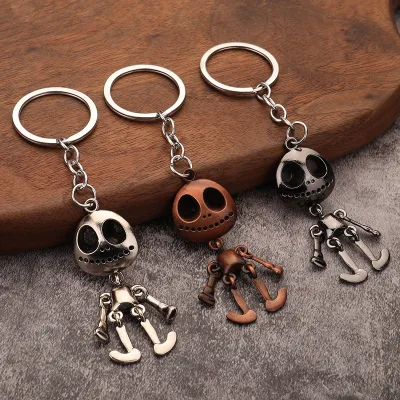
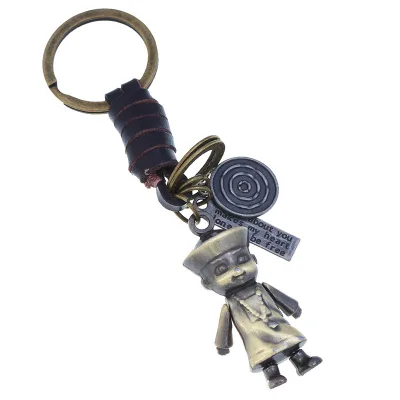
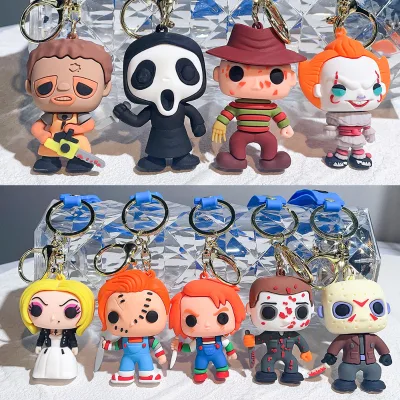
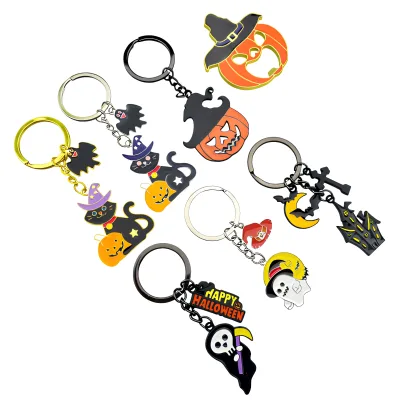
Halloween simulation keychains—soft rubber or PVC pieces shaped like pumpkins, ghosts, horror movie characters, and other seasonal figures—appear in supplier listings from several Chinese provinces, with Fujian represented by companies whose main products include keychains, fridge magnets, lapel pins, medals, bottle openers, and shoe charms. This breadth suggests a craft-and-gifts manufacturing base rather than a single-product factory. Some listings originate from Zhejiang, but note that the Zhejiang company observed in current results focuses on disposable cups, sleeves, coasters, and pizza or cake boxes, so buyers should not assume every nearby trading firm actually produces keychains in-house.
Supplier types vary meaningfully. One observed Fujian company is a combined manufacturer-trader listing ODM, OEM, and own-brand capability, which typically means it can both customize designs and sell stock or semi-custom items. Other suppliers in this category present as trading companies, which can still be useful for consolidation but adds a layer between buyer and mold owner. Product evidence across listings shows PVC and silicone construction, 2D and 3D embossed or debossed logos, and uses ranging from promotional gifts to tourism souvenirs. When mapping the cluster yourself, look for correlated listings—keychains bundled with medals, pins, and bottle openers usually indicate an established gift-crafts region—then confirm which listed companies genuinely hold tooling versus reselling from neighboring workshops.
How to Verify Halloween Simulation Keychain Suppliers
Verification signals visible in this category include third-party audits and management-system certificates. One supplier displays TUVRHEINLAND verification, another SGS, and a third BV (Bureau Veritas) verification, alongside ISO9001:2015 and ISO14001:2015 system certifications. These labels are meaningful starting points, but buyers should verify the certificate numbers directly with the issuing body, confirm the certificate holder name matches the legal entity signing your contract, and check scope—ISO9001 covering a trading office is weaker than coverage of the producing facility. Do not assume every supplier on the results page holds any of these credentials; each must be checked per company.
Beyond certificates, request evidence tied specifically to Halloween simulation keychains. Ask for a mold list showing existing horror, pumpkin, or character tooling, photos or videos of the casting or die-casting line, and a physical sample batch. Several observed listings describe PVC material, die-casting manufacturing processes, and customized packing, so ask which steps happen in-house and which are subcontracted. Test responsiveness with detailed technical questions—emboss depth, paint layers, phthalate-free compound availability—and record reply speed and quality. Cross-check business licenses, export history, and whether the same keychain designs appear under multiple company names, which often signals shared molds or resellers. Escrow or platform-protected payment availability, where a supplier offers it, adds a transaction-level safeguard that complements, but never replaces, factory verification.
What to Compare Across Halloween Simulation Keychain Suppliers
Build a comparison matrix using the attributes suppliers actually display, without assuming every listing carries every field. Useful observed dimensions include lead time (one supplier lists 15 days, another 30), response time in hours (observed values include roughly 2.91, 3.62, and 4.61), MOQ, location, main product lines, company type, and verification status. For Halloween specifically, lead time matters enormously: a 30-day quoted lead plus sampling can push a shipment past a seasonal selling window, so weight the faster 15-day quote heavily if your calendar is tight—and confirm those figures apply to your quantity, not just the listing.
Compare commercial ranges too. Observed keychain pricing spans from about 0.08–0.20 USD for basic rubber pieces to 0.83–1.25 USD for detailed character pendants, with MOQs ranging from as low as 20–50 units on some listings to 1,000 units on custom PVC items. Sampling timelines of 5–7 days and production times of 10–15 days appear in product attributes for some listings; treat these as claims to confirm, not guarantees. Also compare capability labels: ODM/OEM/own-brand capacity, 2D versus 3D logo processes, packing options from OPP bags to gift boxes. Rank suppliers by weighted score—responsiveness and lead time for seasonal goods, then price, then verification—rather than choosing on unit price alone, since a cheap keychain arriving after Halloween has no resale value.
Common Halloween Simulation Keychain Sourcing Risks
The dominant risk is timing. Halloween demand is a short spike, and observed lead times of 15 and 30 days do not include sampling (5–7 days in some listings), mold-making for fully custom characters, or freight. A custom 3D PVC character typically requires new tooling; if a supplier must first win your design, then cut a mold, then sample, then mass-produce, even competent factories miss the season. Confirm calendar-anchored milestones in writing and ask what happens if production slips.
Quality and IP risks follow closely. Soft PVC and silicone keychains can suffer color bleeding, paint chipping on embossed details, odor from uncured compound, or dimensional mismatch between 2D and 3D versions—so approve a golden sample and define acceptable variation. Intellectual property risk is acute for horror movie characters: one observed listing references movie character keychains, and producing licensed likenesses without authorization exposes you to customs seizure and legal claims; either secure licenses or commission original characters. Other risks include MOQ pressure—custom listings often require 1,000 units while low-MOQ stock designs may be resold items with limited control—and origin mislabeling, since some product attributes reference Fujian, China regardless of the trading company's own location. Finally, material compliance varies: if you sell into markets with toy or children's-product rules, verify testing requirements before ordering rather than after goods ship.
Halloween Simulation Keychain Regional Sourcing and Logistics
Regional evidence in this category is limited, so treat geography carefully. Fujian appears as a keychain-relevant province, with supplier product attributes referencing origins there, and the main-product mix (keychains, fridge magnets, medals, pins, bottle openers) fits a gift-crafts cluster. Zhejiang also appears, but the observed Zhejiang company's catalog is disposable and food packaging—cups, pizza boxes, cake boxes—so its presence on a keychain search does not prove regional capability. When the platform evidence is thin, identify clusters indirectly: search the category, note which provinces repeat across multiple suppliers and products, then shortlist within those provinces instead of trusting one listing's location field.
For logistics, plan backward from the Halloween retail date. Keychains are small, light, and high-value-per-kilogram, making air freight viable for top-up orders, but sea freight remains the economic choice for full-season volumes; confirm whether quoted lead times are ex-works, FOB, or delivered. Individual packaging—observed standards include OPP bags, bubble bags, plastic boxes, and gift boxes—affects carton dimensions and freight cost more than buyers expect, so ask for packed carton specs, not just unit size (one listing cites a 3×3×0.5 cm single-item size). If sourcing from Fujian, ask which port the supplier ships from and inland transit time to it. Build in buffer for customs inspection, especially for character-branded goods, and consider splitting orders: an early air shipment for pre-season listings plus a sea shipment for peak weeks.
Halloween Simulation Keychain Commercial Terms and Order Planning
Structure commercial terms around seasonality and customization. Observed pricing runs roughly 0.08–1.25 USD per unit depending on complexity, with MOQs from 20–50 units on stock-adjacent designs to 1,000 units on custom PVC items, so negotiate tiered pricing tied to order size and confirm what each tier includes—tooling amortization, paint detail level, and packaging all move the number. Ask who owns the mold: if you fund custom tooling, secure rights so you can move production, and get the mold fee quoted separately rather than buried in unit price. For payment, prefer staged terms with a small deposit and balance after inspection; where a platform offers escrow or trade assurance, use it, but verify the specific supplier actually supports it before assuming so.
Plan orders in two layers: a confirmed core volume against proven designs ordered early, plus a flexible later slot for top-ups driven by early sell-through. Sequence milestones explicitly—artwork approval, sample (5–7 days where quoted), sample approval, mass production (10–15 days where quoted), final inspection, and ship date—with the Halloween calendar as the immovable anchor. Put inspection criteria in the contract: approved golden sample as reference, AQL level, packaging counts, and carton marking. Finally, reconcile conflicting listing data before signing: one supplier shows a 15-day lead, another 30, and a combined-type company lists ISO certificates while others show third-party verification only—confirm every displayed number against the proforma invoice, since listing attributes are marketing claims until they appear in a signed document.
FAQs
What is the typical lead time for Halloween keychain orders?
Lead times vary by supplier, with some offering 15 days and others requiring up to 30 days for production. Buyers should confirm specific timelines based on order volume and customization needs before placing an order to ensure timely delivery.
What are the minimum order quantities for these keychains?
Minimum order quantities generally range from 20 to 1000 units depending on the specific product and supplier. Some listings require 1000 units for custom PVC designs, while others accept smaller orders starting at 20 or 50 units for standard items.
Which materials are commonly used for Halloween simulation keychains?
Most Halloween simulation keychains are manufactured using PVC or silicone materials to achieve a soft, squishy texture. Some metal options utilize zinc alloy, but the majority of promotional items focus on flexible rubber or plastic for durability and detailed character designs.
How quickly do suppliers typically respond to inquiries?
Response times for these suppliers generally fall between 2.91 and 4.61 hours. Faster response rates are observed among verified trading companies, ensuring that buyers receive prompt updates regarding product availability, pricing, and customization options for their Halloween keychain projects.
Are these keychains available with custom logo printing?
Yes, most suppliers offer customized options including 3D or 2D embossed, debossed, or printed logos. Buyers can request specific branding on the keychains, with sample times typically ranging from 5 to 7 days before full production begins for the custom order.
What certifications do the suppliers hold for these products?
Suppliers may hold various certifications such as ISO9001:2015 and ISO14001:2015 for quality and environmental management. Some vendors are also verified by third-party agencies like TÜV Rheinland, SGS, or BV, providing assurance regarding their manufacturing standards and business reliability.
Where are the manufacturers of these keychains located?
Manufacturers are primarily located in China, specifically within the Zhejiang and Fujian provinces. These regions host trading companies and combined suppliers capable of producing a wide range of Halloween-themed keychains and other promotional gifts for international buyers.