Halloween Kids Witch Costume Suppliers and Manufacturers
Compare 15 verified suppliers offering Halloween Kids Witch Costume with OEM and ODM services. Review certifications like EN 71, response times, and lead times to select a factory in Guangdong or Zhejiang for your order; review the available evidence before requesting comparable quotations from suitable candidates.
Updated
Suppliers List
Huizhou Shenyuan Toys Co., Ltd.
- Verified by Intertek
- Manufacturer, Trading Company
- Lead time0 days
- Avg. response≤ 3h
Main productsTV&Movie Costume, Halloween Costume, Princess Dress, Cosplay Costume, Party Costume
Main marketsNorth America(60%), South America(20%), Domestic Market(10%)
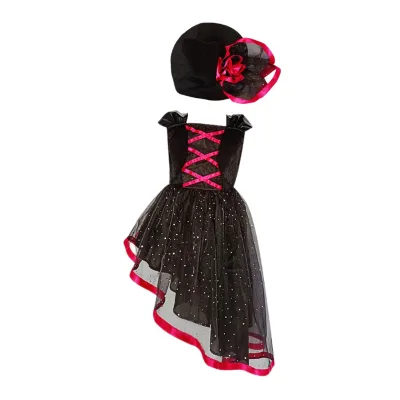
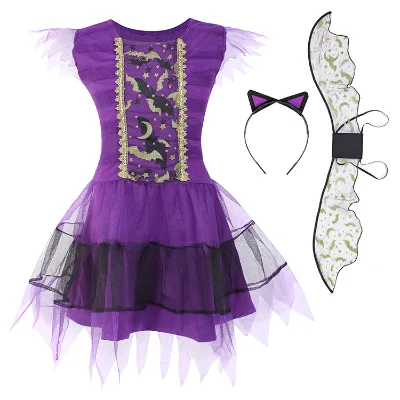
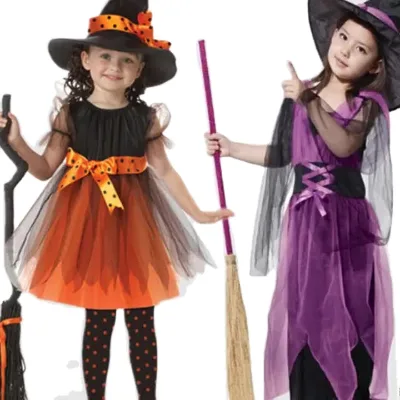
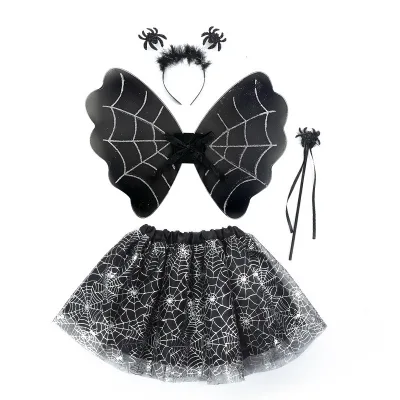
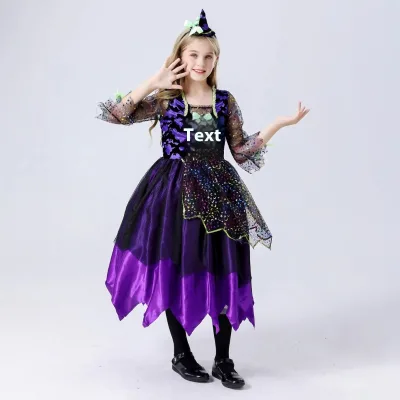
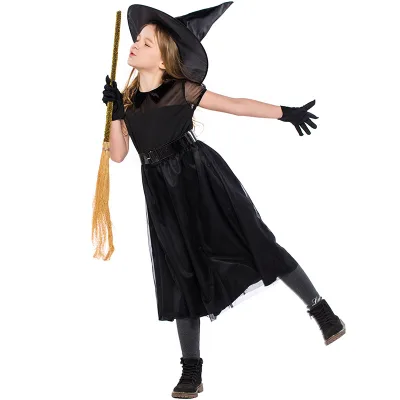
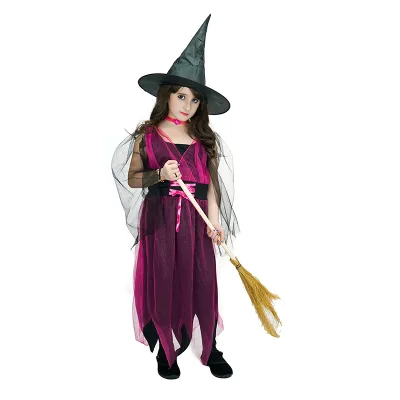
Girls Halloween Party Cosplay Performance Wear Kids Halloween Witch Costume With Wings and Tiara
$6.4985 - $7.8218
MOQ: 2 sets
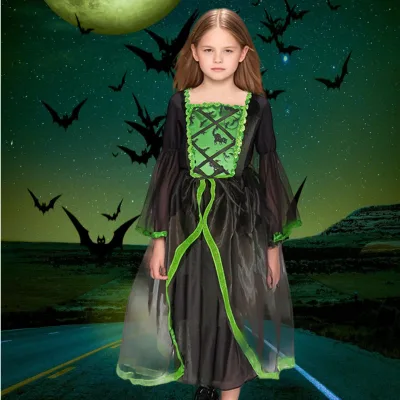
$6.5554 - $7.491
MOQ: 10 sets

Ningbo Yinzhou Xindew Textile Co., Ltd.
- Trading Company
- China Zhejiang
- Lead time15 days
- Avg. response≤ 10h
Main productsKnitting Needles, Knitting Looms, Knitting Crochet Hook Set, Acrylic Yarn, Elastic Tape, Zipper, Thread, Hook and Loop, Baby Blankets, Baby Bibs
Main marketsSouth America,Africa,Southeast Asia/ Mideast,East Asia(Japan/ South Korea),Domestic,Europe,Australia,North America
Wenling Karina Clothing Co., Ltd.
- Trading Company
- Zhejiang, China
- Lead time0 days
- Avg. response≤ 1h
Main productsCostumes,dresses,Halloween costumes,children's clothing
Main marketsNorth America(50.00%), Southeast Asia(15.00%), South America(15.00%), Southern Europe(10.00%), Mid East(10.00%)
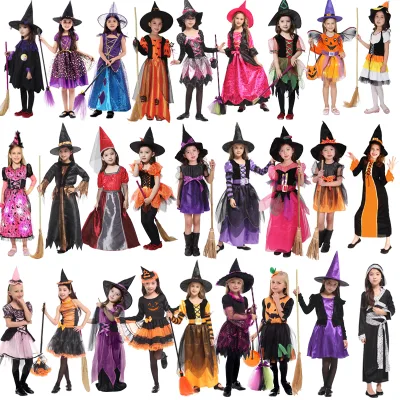
$9.2664 - $10.0913
MOQ: 2 pieces
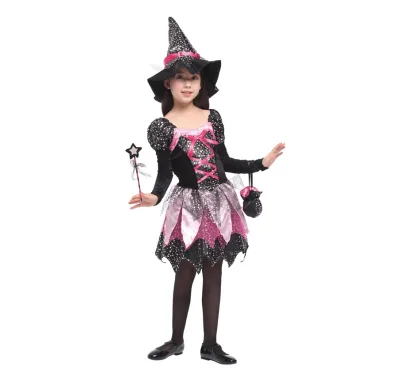
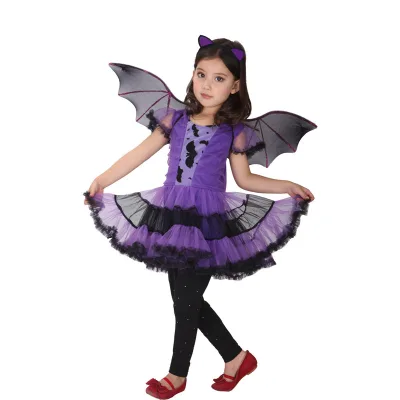
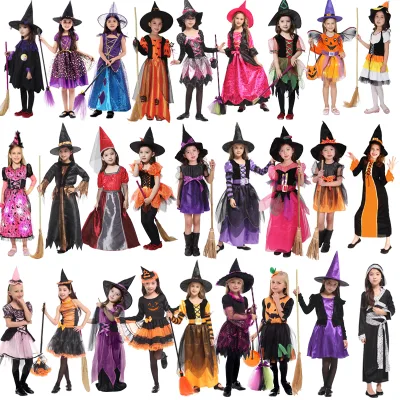

Yiwu Dixu International Trade Co., Ltd.
- Trading Company
- Zhejiang, China
- Lead time20 days
- Avg. response≤ 4h
Main productsCosplay Costumes,Halloween Costumes,TV & Movie Costumes,Christmas Decorations,Christmas String Lights
Main marketsSouth America(24.00%), Mid East(15.00%), Western Europe(11.00%), Eastern Europe(10.00%), Southeast Asia(10.00%), Eastern Asia(8.00%), North America(7.00%), Oceania(6.00%), Africa(5.00%), Northern Europe(2.00%), South Asia(1.00%), Southern Europe(1.00%)

Guangxi Hengzhihua E-Commerce Co., Ltd.
- Trading Company
- Guangxi, China
- Lead time15 days
- Avg. response≤ 16h
Main productsKids Costume/Swimwear/Men and Women Clothes/Boys Clothing Set/Girls Party Dress
Main marketsNorth America(40.00%), South America(10.00%), Western Europe(10.00%), Eastern Europe(10.00%), Oceania(5.00%), Southern Europe(5.00%), Eastern Asia(5.00%), Northern Europe(5.00%), Mid East(5.00%), Africa(3.00%), Central America(2.00%)

Quanzhou Haosheng Garment Trade Co., Ltd.
- Trading Company
- Fujian, China
- Lead time7 days
- Avg. response≤ 14h
Main productsSexy Dress,Sexy Corset,Sexy Halloween Costumes,sexy babydoll,Leggings
Main marketsWestern Europe(75.00%), North America(9.00%), South America(5.00%), Domestic Market(1.00%), South Asia(1.00%), Southern Europe(1.00%), Northern Europe(1.00%), Central America(1.00%), Eastern Europe(1.00%), Eastern Asia(1.00%), Mid East(1.00%), Oceania(1.00%), Africa(1.00%), Southeast Asia(1.00%)
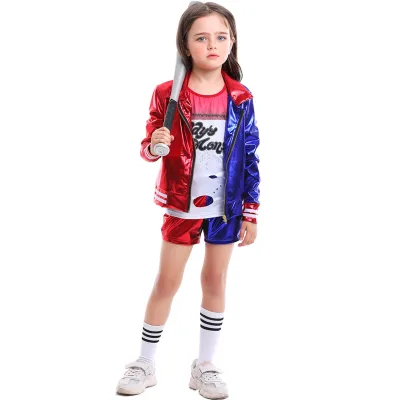
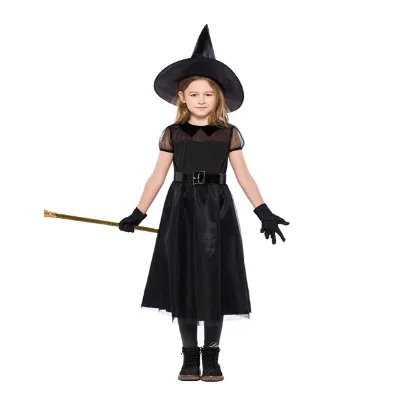
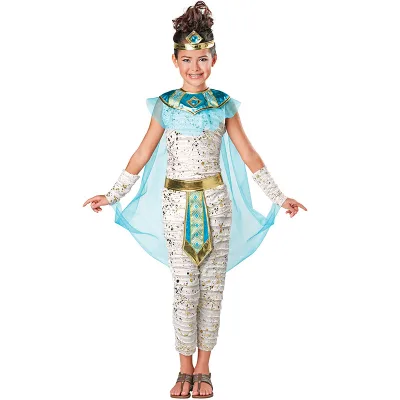
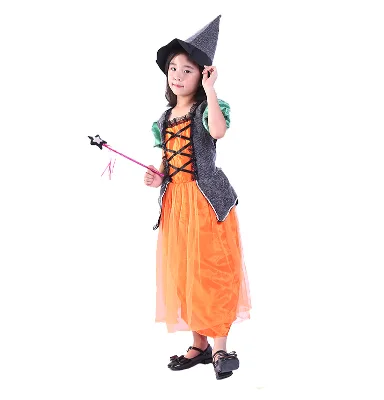
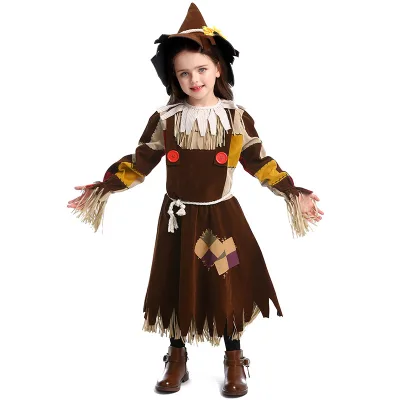
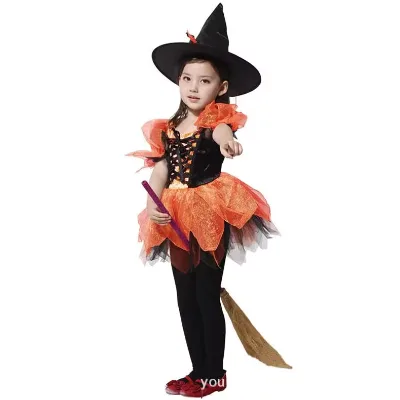
Halloween Cosplay Girls Party Dresses Kid Magic Witch Costume Devil Star Orange Dress Witch Costumes
$11.20 - $11.80
MOQ: 1 pieces
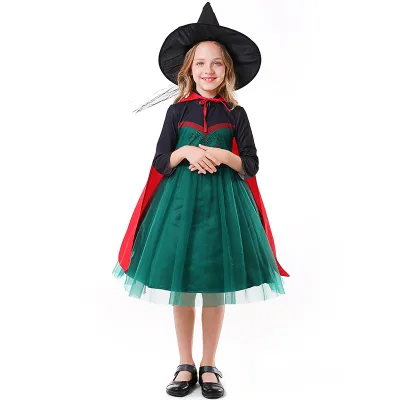
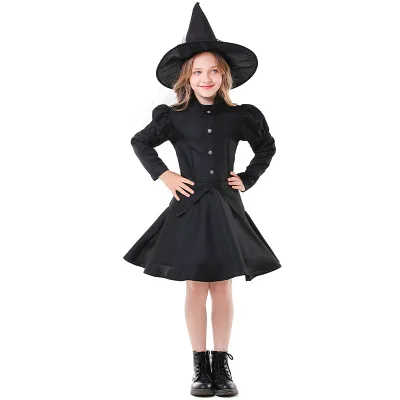
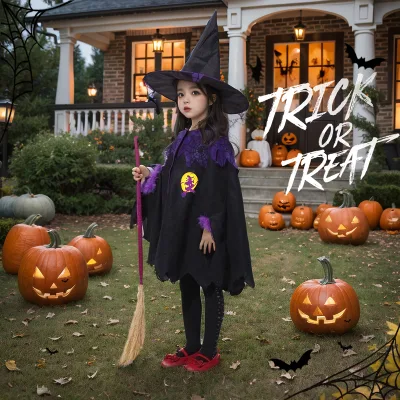
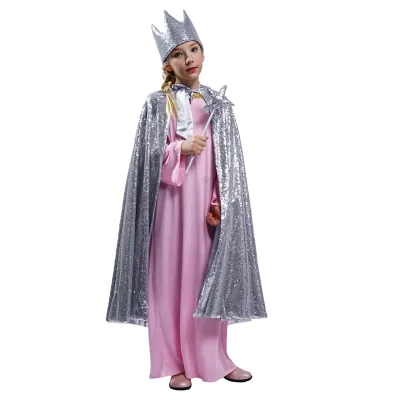
New Halloween Children's Clothing Retro Witch Costume Cosplay Costume Girl Witch Princess Dress
$12.4251 - $13.0359
MOQ: 1 pieces

- Verified by SGS
- Trading Company
- China Zhejiang
- Lead time15 days
- Avg. response≤ 4h
Main productsYiwu Sourcing Agent, DIY Toys, DIY Jewelry, Travel Souvenirs, Stationery, School Furtiture, Outdoor Products, Caps & Shoes & Socks, Costumes & Props, Beauty Tools
Main marketsAfrica,East Asia(Japan/ South Korea),North America

$12.35 - $13.80
MOQ: 50 Pieces

Shenzhen Limike Industrial Co.,Ltd
- Verified by Intertek
- Trading Company
- Lead time0 days
- Avg. response≤ 10h
Main productsBaby & Children Clothing, Toddler Clothing, TV & Movie Costumes, Kids & Baby Bedding, Baby Supplier & Products
Main marketsWestern Europe(30%), North America(25%), Southeast Asia(15%)
Yiwu Baige International Trade Co., Ltd.
- Verified by Intertek
- Trading Company
- Lead time10 days
- Avg. response≤ 3h
Main productsHalloween Costumes
Main marketsSouth America(35%), North America(20%), Western Europe(15%)

- Verified by SGS
- Trading Company
- China Zhejiang
- Lead time15 days
- Avg. response≤ 14h
Main productsChristmas Decoration, Christmas Tree, Christmas Gift, Party Decoration, Promotional Product, Festival Items, Gift, Valentine, Party Items, Halloween Decorations
Main marketsEurope,Australia


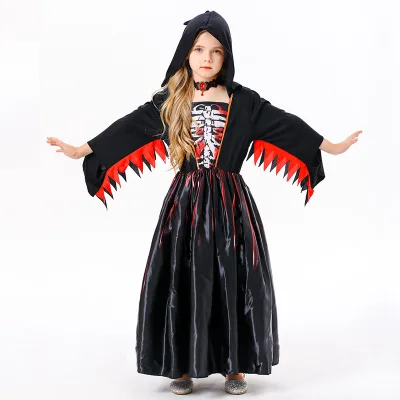
Factory Price Halloween Gift Children Cosplay Witch Skeleton Princess Dress Costume
$5.35 - $6.02
MOQ: 170 Pieces

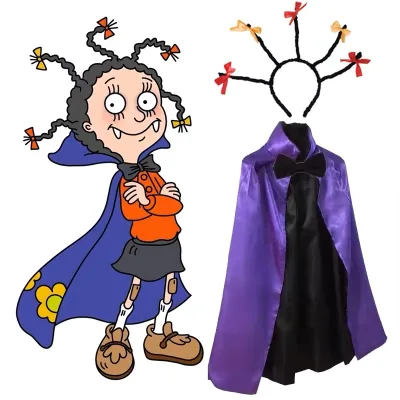
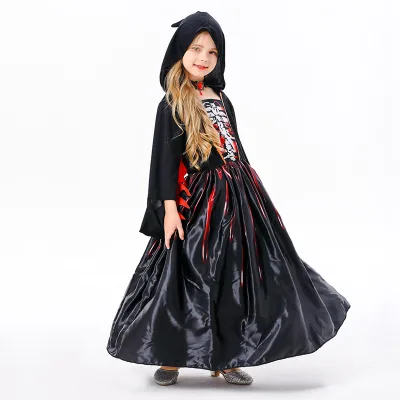
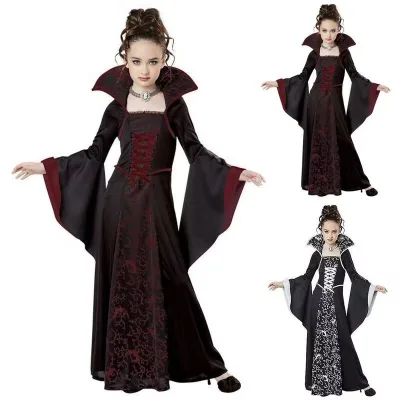
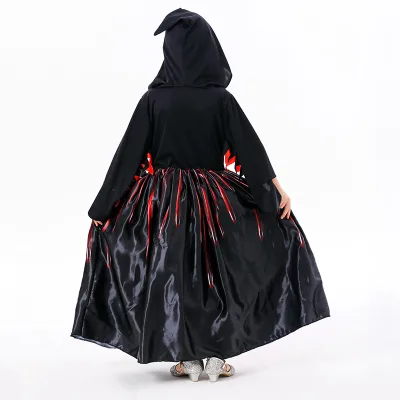
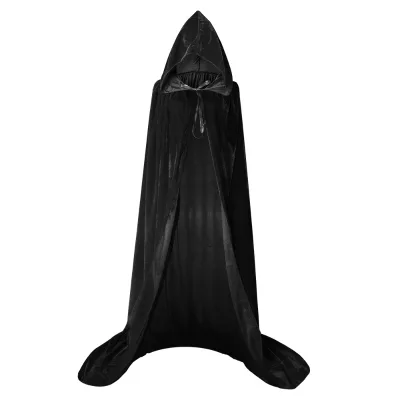
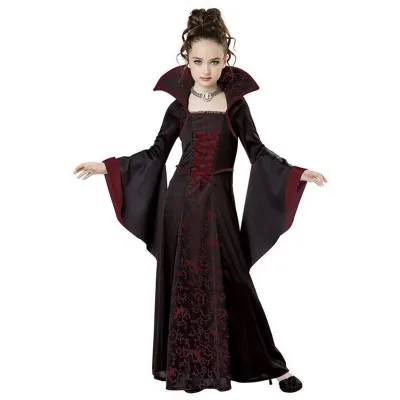
Hotselling Halloween Children's Costumes Demon Witch Vampire Girl Long Dress Sorcerer Robe
$6.74 - $7.58
MOQ: 130 Pieces


Fuzhou Duoguo Arts And Cafts Co., Ltd.
- Trading Company
- Fujian, China
- Lead time30 days
- Avg. response≤ 2h
Main productsmascot,plush toys,cosplay suit,display,infatable mascot
Main marketsNorth America(35.00%), Northern Europe(33.00%), Mid East(30.00%)
Guangzhou Manwei Animation Clothing Co., Ltd.
- Verified by Intertek
- Trading Company
- Lead time0 days
- Avg. response≤ 2h
Main productsUnique Clothing, Performance Costumes, Cosplay Clothing
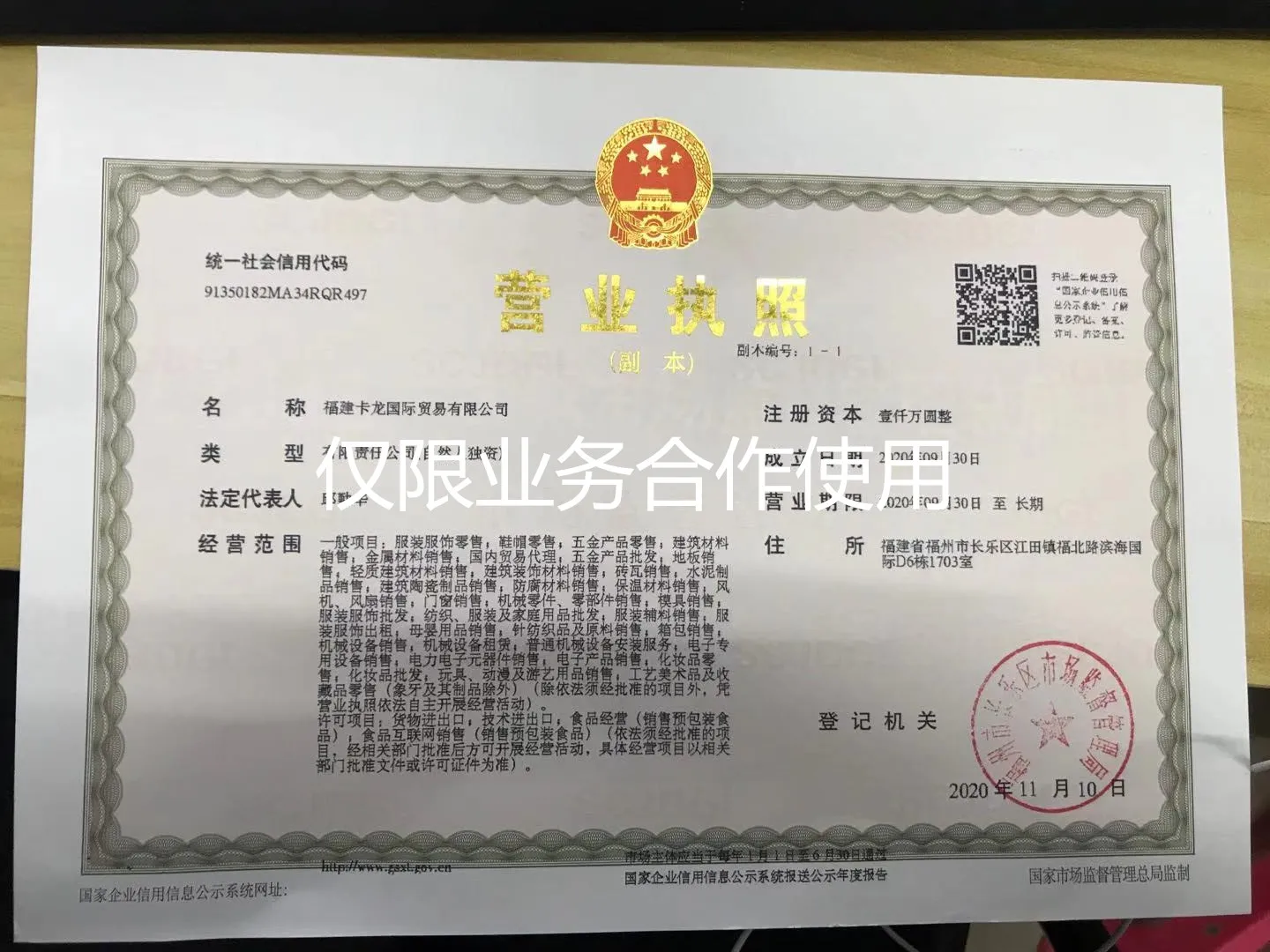
Fujian Kalong International Trading Co., Ltd.
- Trading Company
- Fujian, China
- Lead time1 days
- Avg. response≤ 2h
Main productslace,fabric,ribbon,tassel fringe,feathers
Main marketsWestern Europe(30.00%), North America(30.00%), Domestic Market(10.00%), Northern Europe(10.00%), Africa(10.00%), Mid East(10.00%)

Dongyang Alice Party Costumes Co., Ltd.
- Manufacturer, Trading Company
- Zhejiang, China
- Lead time15 days
- Avg. response≤ 4h
Main productsParty Costume,halloween costume,carnival party costume,dress up costume,Masquerade Costumes
Main marketsWestern Europe(40.00%), Domestic Market(25.00%), North America(20.00%), Africa(10.00%), Oceania(5.00%)
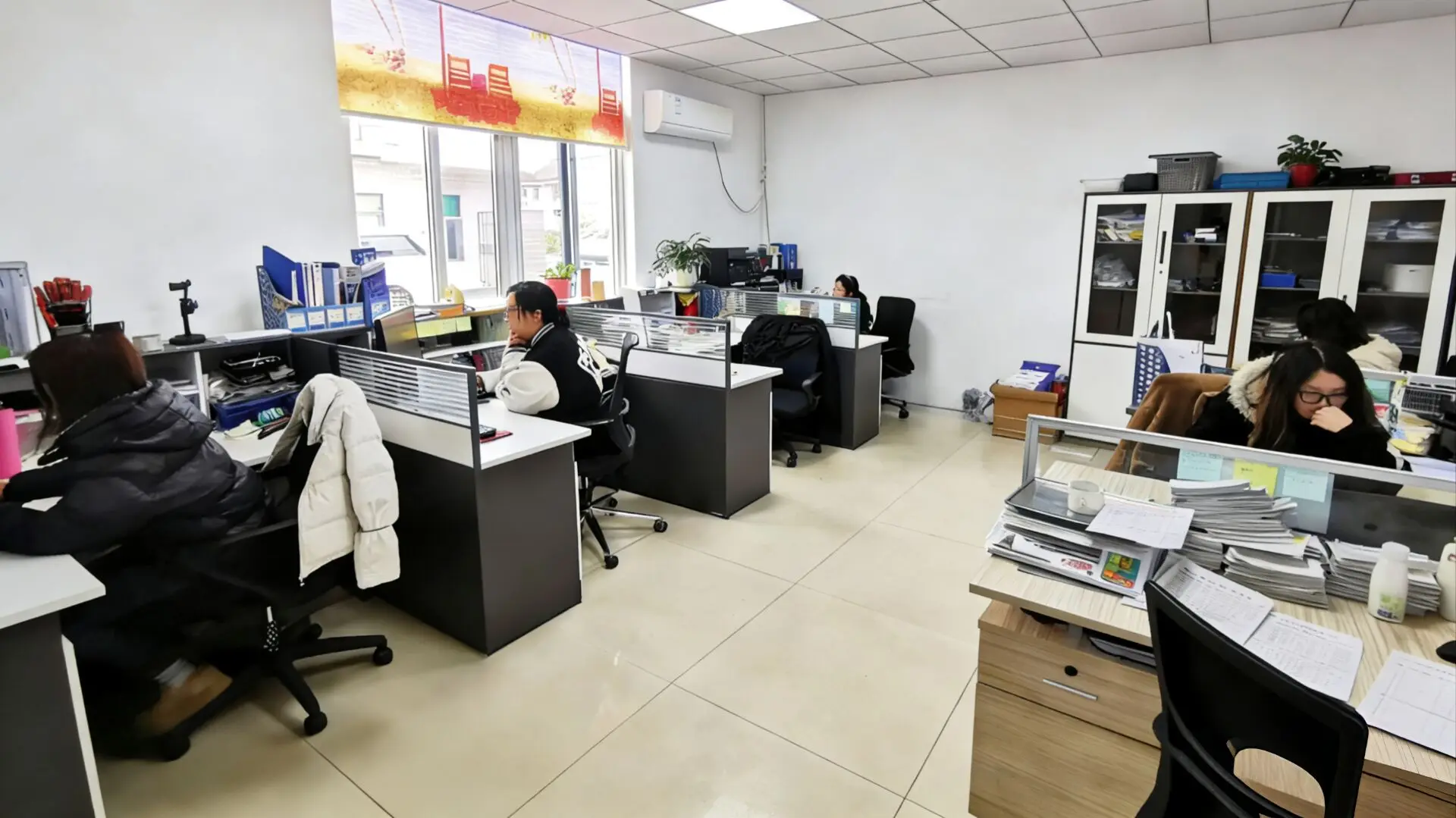
Hangzhou Sailing I/E Co., Ltd.
- Trading Company
- Zhejiang, China
- Lead time25 days
- Avg. response≤ 2h
Main productsGLOVES,HAT,TOWEL,BLANKET,SCARF
Main marketsNorth America(30.00%), Western Europe(20.00%), Oceania(15.00%), Eastern Asia(10.00%), South America(10.00%), Africa(10.00%), Mid East(5.00%)


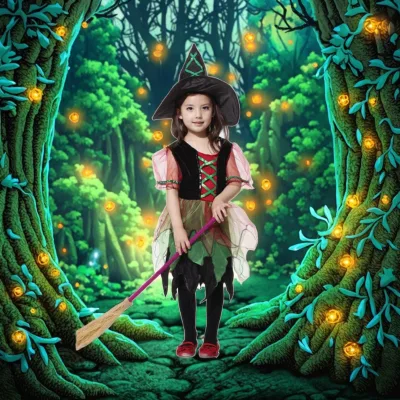
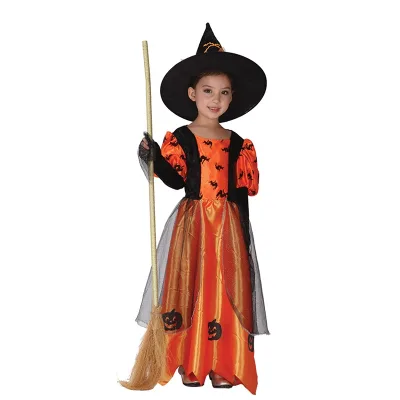
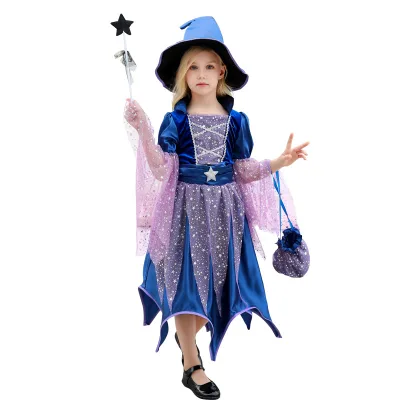
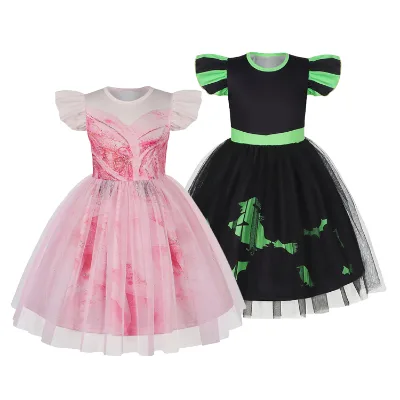
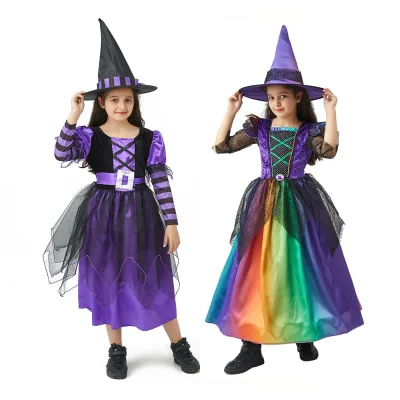
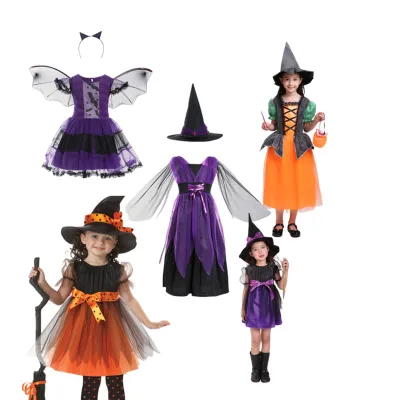
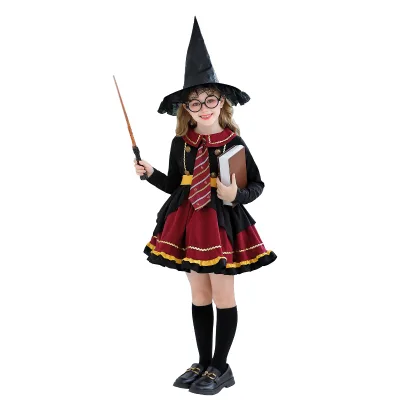
Comprehensive Sourcing Guide
Halloween Kids Witch Costume Supplier Concentration and Factory Types
The current supplier landscape for Halloween kids witch costumes reveals a mix of manufacturing capabilities and trading structures that buyers must navigate carefully. Evidence indicates that the primary production hubs are located in Guangdong, China, where manufacturers leverage established textile infrastructure to produce these specialized garments. These facilities often operate as manufacturers capable of handling light customization, sample processing, and graphic processing, allowing for tailored designs that meet specific brand requirements. The presence of ODM and OEM service types suggests that many suppliers offer flexible production models, ranging from fully customized creations to adaptations of existing stock items. This diversity in company types means that buyers can choose between direct factory engagement for larger volumes or trading companies for more streamlined procurement processes, although the latter may add a layer of intermediary markup.
In contrast to the manufacturing-heavy regions, some suppliers are identified as trading companies based in areas like Zhejiang, China, which may offer a broader array of related products such as knitting needles, yarn, and baby accessories alongside costumes. These trading entities often serve as aggregators, providing convenience for buyers seeking multiple product categories from a single source, though their direct manufacturing control may be limited. The distinction between a pure manufacturer and a trading company is critical for assessing quality control and communication efficiency. Manufacturers typically have deeper expertise in the specific technical aspects of costume construction, such as handling polyester materials or integrating components like wings and tiaras, while trading companies might excel in logistics and customer service. Buyers should verify the actual operational nature of the supplier to ensure alignment with their sourcing strategy, particularly when evaluating the capacity for customized on-demand production versus standard in-stock item fulfillment.
How to Verify Halloween Kids Witch Costume Suppliers
Verification is a critical step in ensuring that the suppliers offering Halloween kids witch costumes meet international safety and quality standards. The evidence highlights that several manufacturers hold significant certifications, including EN 14682, CPC, CE, and EN 71, which are essential for children's apparel sold in various global markets. EN 14682, for instance, addresses the flammability of children's sleepwear, while CPC (Children’s Product Certificate) is mandatory for products sold in the United States. These certifications indicate that the supplier has undergone rigorous testing and compliance checks, providing a baseline of trust for buyers concerned about child safety. Additionally, the presence of Intertek verification suggests that third-party inspection services have been utilized, adding another layer of credibility to the supplier's claims. Buyers should actively request and validate these certificates, ensuring they are current and applicable to the specific product lines being sourced, such as polyester-based witch costumes or princess dresses.
Beyond certifications, buyers should assess the supplier's response time and verification status to gauge their operational reliability. The data shows varying response times, with some suppliers responding within three hours, while others may take significantly longer, such as nine and a half hours. A faster response time often correlates with better customer service and more agile problem-solving capabilities, which are crucial during the sourcing process. Furthermore, the availability of sample processing support is a key indicator of a supplier's willingness to engage in the pre-production phase. Suppliers that support seven-day sample order lead times demonstrate a commitment to quality assurance and design validation, allowing buyers to physically inspect the costume's fit, material quality, and accessory integration before committing to large orders. Buyers should prioritize suppliers who not only possess the necessary certifications but also demonstrate responsiveness and a structured approach to sample development, as these factors significantly reduce the risk of receiving non-compliant or substandard products.
What to Compare Across Halloween Kids Witch Costume Suppliers
When evaluating multiple suppliers for Halloween kids witch costumes, buyers must compare key operational metrics such as lead times, minimum order quantities (MOQs), and pricing structures to determine the best fit for their business needs. The evidence indicates that lead times can vary, with some suppliers offering support for seven-day sample orders, while others may not support sample processing at all, potentially indicating a focus on bulk in-stock items. For production lead times, some suppliers list a lead time of zero, which may imply immediate availability of stock, while others have a lead time of fifteen days, suggesting a more structured production schedule. MOQs also differ significantly, with some suppliers requiring a minimum of two units, making them suitable for small businesses or dropshippers, while others require ten units or more, catering to larger retailers. Buyers should align these metrics with their inventory strategy, considering whether they need rapid replenishment of small batches or the cost efficiency of larger production runs.
Pricing and customization capabilities are another crucial area for comparison. The price ranges for these costumes typically fall between approximately $6.50 and $7.80 per unit, depending on the complexity of the design, such as the inclusion of wings, tiaras, or specific character types like witches or princesses. Buyers should analyze whether the price includes accessories and how customization options, such as ODM or OEM services, affect the final cost. Suppliers offering light customization or graphic processing may provide more flexibility for branding, but this could come at a higher price point or longer lead time. Additionally, the material composition, such as polyester blends, and the age group targeting, whether for babies, children, or adults, should be compared to ensure the product matches the target market. By systematically comparing these dimensions, buyers can identify suppliers that offer the best balance of cost, speed, and quality, ensuring a competitive advantage in the Halloween costume market.
Common Halloween Kids Witch Costume Sourcing Risks
Sourcing Halloween kids witch costumes involves several inherent risks that buyers must proactively manage to avoid supply chain disruptions and quality issues. One significant risk is the variability in product specifications, particularly regarding size and fit. The evidence shows that sizes can range from customized options to standard S, M, and L sizes, with specific age group recommendations such as 4-6 years or 7-9 years. Inconsistent sizing across different suppliers or even within the same supplier's product line can lead to customer dissatisfaction and high return rates. Buyers must ensure that size charts are accurate and that the supplier has robust quality control measures in place to maintain consistency. Additionally, the inclusion of accessories like wings and tiaras introduces another layer of complexity, as these components may detach or break during use, affecting the overall product quality and safety.
Another risk is the potential mismatch between supplier claims and actual capabilities, especially regarding customization and lead times. While some suppliers advertise ODM and OEM services, the actual execution may vary, leading to delays or deviations from the agreed-upon design. The evidence indicates that some suppliers do not support sample processing, which can be a red flag for buyers who rely on samples to validate quality before placing large orders. Furthermore, the reliance on specific materials like polyester may pose challenges if the supplier does not adhere to strict quality standards, potentially resulting in issues with durability or comfort. Buyers should also be cautious of suppliers with longer response times, as this may indicate a lack of dedicated customer service resources, making it difficult to resolve issues promptly. By identifying and mitigating these risks through thorough due diligence and clear communication, buyers can protect their business interests and ensure a successful sourcing experience.
Halloween Kids Witch Costume Regional Sourcing and Logistics
The regional concentration of Halloween Kids Witch Costume suppliers in China, particularly in Guangdong and Zhejiang provinces, offers distinct advantages and challenges for international buyers. Guangdong is highlighted as a primary manufacturing hub, known for its extensive textile industry and efficient logistics networks. This region's proximity to major ports facilitates faster shipping times and lower freight costs, making it an attractive option for buyers seeking to minimize lead times and transportation expenses. The presence of manufacturers in this area suggests a high level of specialization in costume production, with access to a wide range of materials and components. Buyers sourcing from Guangdong can benefit from the region's established supply chain infrastructure, which supports both small-batch customization and large-scale production runs. However, buyers should also consider the potential for increased competition in this region, which may impact pricing and availability.
In contrast, suppliers located in Zhejiang, China, may offer a different value proposition, often operating as trading companies that aggregate products from various manufacturers. While these suppliers may not have direct manufacturing facilities, they can provide a broader selection of related products, such as knitting supplies and baby accessories, which may be beneficial for buyers looking to diversify their inventory. The logistics from Zhejiang are also well-developed, with access to major shipping routes, but buyers should verify the actual origin of the products to ensure transparency and compliance with import regulations. Additionally, the regional differences in labor costs and operational efficiencies can influence pricing and lead times. Buyers should assess the logistical implications of sourcing from different regions, considering factors such as shipping duration, customs clearance processes, and the reliability of local freight forwarders. By understanding the regional dynamics, buyers can make informed decisions that optimize their supply chain efficiency and cost structure.
Halloween Kids Witch Costume Commercial Terms and Order Planning
Effective order planning for Halloween kids witch costumes requires a careful analysis of commercial terms, including payment structures, shipping conditions, and after-sales support. The evidence suggests that suppliers offer various supply types, such as in-stock items, ODM, and OEM services, each with different implications for order volume and lead time. Buyers should negotiate clear terms regarding sample costs and whether they are deductible from the final order, as this can impact the overall cost of sourcing. Additionally, the availability of escrow services or other secure payment methods can provide an extra layer of protection for buyers, ensuring that funds are only released upon satisfactory delivery of the goods. Buyers should also inquire about the supplier's policy on defective items and returns, as this can mitigate financial risks associated with quality issues.
Furthermore, buyers must plan for the seasonal nature of Halloween costumes, which requires precise timing to ensure products arrive in time for the holiday season. The lead times, ranging from zero for in-stock items to fifteen days for production, must be factored into the procurement schedule to avoid stockouts or missed sales opportunities. Buyers should also consider the packaging specifications, such as polybag and carton packing, which can affect storage and shipping efficiency. By establishing clear commercial terms and aligning order planning with production capabilities, buyers can streamline their sourcing process and enhance their competitiveness in the market. It is essential to maintain open communication with suppliers to stay informed about any changes in production schedules or material availability, ensuring that orders are fulfilled on time and to the required quality standards.
FAQs
What certifications do these costumes have?
Suppliers offer EN 14682, CPC, CE, and EN 71 certifications for safety compliance. These standards ensure the materials and construction meet international requirements for children's apparel. Buyers should verify specific certificates for each order to confirm regulatory adherence and product safety for young users.
What is the minimum order quantity?
Minimum order quantities vary by supplier, with some requiring as few as two pieces while others set the threshold at ten units. This flexibility allows small businesses to test market demand with low initial investment. Always confirm the specific MOQ with the supplier before placing an order.
How long does production take?
Lead times depend on the supplier type and order specifics. Some manufacturers support sample processing with a seven-day lead time, while others may have different production schedules. Trading companies might have varying turnaround times. Buyers should request a confirmed timeline based on their specific quantity and customization needs.
Can I customize the designs?
Many suppliers offer light customization, sample processing, and graphic processing services. You can request OEM or ODM services to tailor costumes to your brand. Options include customized sizes and specific character types. Confirm the customization capabilities and any associated costs with the supplier before finalizing your design requirements.
What materials are used?
Costumes are typically made from polyester or polyester-cotton blends. Some designs feature knitted techniques for specific textures. Materials are selected for durability and comfort. Buyers should check the specific material composition for each product listing to ensure it meets their quality standards and safety requirements for children's wear.
Where are the suppliers located?
Suppliers are primarily located in Guangdong and Zhejiang, China. These regions are known for their manufacturing capabilities in apparel and costumes. Buyers can filter results by location to find suppliers closer to their logistics hubs. Verify the exact location details with the supplier to plan shipping and logistics effectively.