Halloween Spider Costume Set with Tutu Skirt Suppliers and Manufacturers
Compare 13 verified suppliers offering Halloween Spider Costume Set with Tutu Skirt options with lead times from 0 to 45 days and response times under 24 hours. Review certifications like WRAP, BSCI, and ISO 9001 to select a factory for your order.
Updated
Suppliers List

HANGZHOU PERSERPRO GARMENT CO., LTD.
- Other
- China Zhejiang
- Lead time45 days
- Avg. response≤ 24h
Main productsKnitwear, Kid's Knitwear, Pet Clothes, Men's Knitwear, Knitting Blanket, Sweater, Knitting Accessories, Ladie's Knitwear, Blanket
Main marketsSouth America,Eastern Europe,Mid East,North America,Western Europe

$13.50 - $13.70
MOQ: 300 PCS

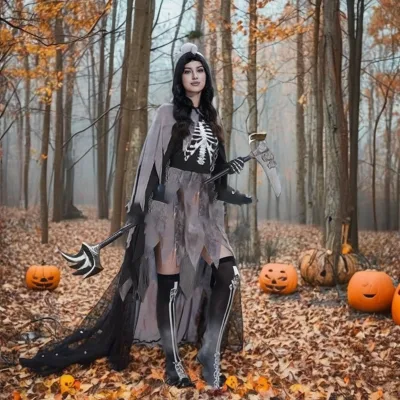
Halloween Costume Skeleton Pattern Print Skirt Ladies Dark Cosplay Long Dress
$13.50 - $13.70
MOQ: 300 Pieces


- Verified by SGS
- Trading Company
- China Zhejiang
- Lead time15 days
- Avg. response≤ 3h
Main productsYiwu Sourcing Agent, DIY Toys, DIY Jewelry, Travel Souvenirs, Stationery, School Furtiture, Outdoor Products, Caps & Shoes & Socks, Costumes & Props, Beauty Tools
Main marketsAfrica,East Asia(Japan/ South Korea),North America


$6.56 - $7.80
MOQ: 50 Pieces
Guangzhou Manwei Animation Clothing Co., Ltd.
- Verified by Intertek
- Trading Company
- Lead time0 days
- Avg. response≤ 2h
Main productsUnique Clothing, Performance Costumes, Cosplay Clothing

QUANZHOU MINSHAN IMPORT AND EXPORT CO., LTD.
- Trading Company
- Fujian, China
- Lead time0 days
- Avg. response≤ 6h
Main productsWaist Trainer, Sexy Lingerie, Costume, Ladies Dress, Men Suit
Main marketsNorth America(40.00%), Oceania(20.00%), Western Europe(12.00%), Eastern Europe(8.00%), Mid East(5.00%), Southeast Asia(5.00%), South America(5.00%), Northern Europe(5.00%)

Xiamen Crownway Apparel Co., Ltd.
- Verified by TUVRHEINLAND
- Trading Company
- China Fujian
- Lead time30 days
- Avg. response≤ 4h
Main productsOutdoor/Ski/Waterproof/Down Jackets, Hiking/ Camping/Waterproof/Ski Pants, Yoga/Gym/Fitness Wear, Active Pants&Shorts, Hoody&Sweatshirt, Beachwear, Underwear, Cycling Wear/Running Wear, Equestrian Clothing/Breeches, Safety/Security Workwear
Main marketsSoutheast Asia/ Mideast,Europe,North America


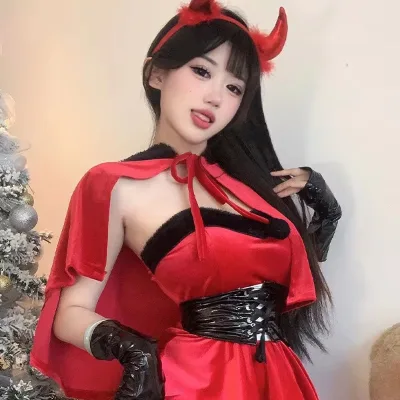
Costume Seductive or Sexy Halloween Costume Maid Cos Bunny New Year's Christmas Costume Catwoman
$21.85 - $28.62
MOQ: 1 Pieces

$7.00 - $13.00
MOQ: 50 Pieces

- Verified by SGS
- Trading Company
- China Zhejiang
- Lead time15 days
- Avg. response≤ 14h
Main productsChristmas Decoration, Christmas Tree, Christmas Gift, Party Decoration, Promotional Product, Festival Items, Gift, Valentine, Party Items, Halloween Decorations
Main marketsEurope,Australia

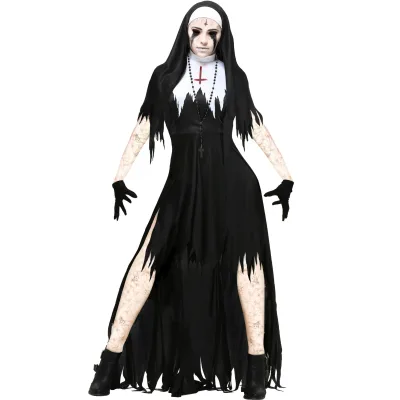
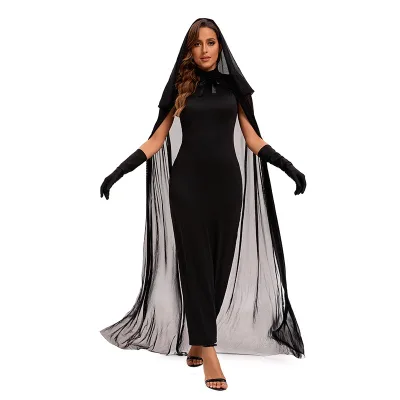
Hot-Selling Halloween Cosplay Women Death Hell Witch Devil Vampire Uniform Opera Costume
$5.23 - $6.15
MOQ: 170 Pieces

$1.70 - $1.80
MOQ: 100 Pieces


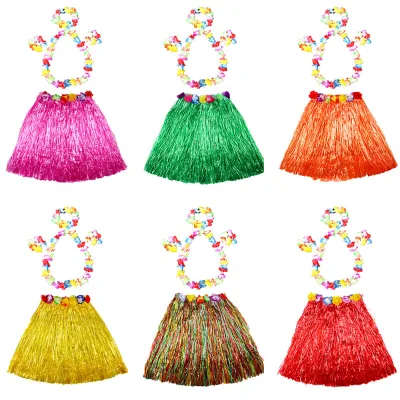
Cross-Border Party Dress up Hula Costume Performance Suit Dance Hula Skirt
$0.25 - $0.30
MOQ: 3500 Pieces


New Party Grass Skirt Children's Adult Performance Hawaiian Costume Decoration
$0.28 - $0.32
MOQ: 3200 Pieces

Ningbo Yinzhou Xindew Textile Co., Ltd.
- Trading Company
- China Zhejiang
- Lead time15 days
- Avg. response≤ 11h
Main productsKnitting Needles, Knitting Looms, Knitting Crochet Hook Set, Acrylic Yarn, Elastic Tape, Zipper, Thread, Hook and Loop, Baby Blankets, Baby Bibs
Main marketsSouth America,Africa,Southeast Asia/ Mideast,East Asia(Japan/ South Korea),Domestic,Europe,Australia,North America

Fuzhou Duoguo Arts And Cafts Co., Ltd.
- Trading Company
- Fujian, China
- Lead time30 days
- Avg. response≤ 2h
Main productsmascot,plush toys,cosplay suit,display,infatable mascot
Main marketsNorth America(35.00%), Northern Europe(33.00%), Mid East(30.00%)

Dongyang Alice Party Costumes Co., Ltd.
- Manufacturer, Trading Company
- Zhejiang, China
- Lead time15 days
- Avg. response≤ 3h
Main productsParty Costume,halloween costume,carnival party costume,dress up costume,Masquerade Costumes
Main marketsWestern Europe(40.00%), Domestic Market(25.00%), North America(20.00%), Africa(10.00%), Oceania(5.00%)

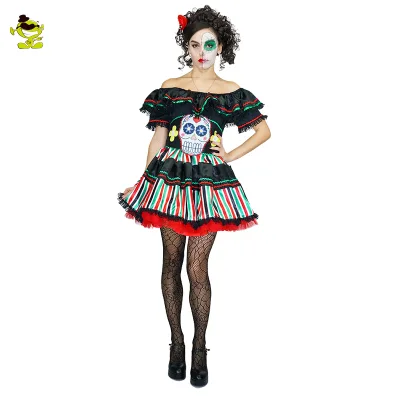
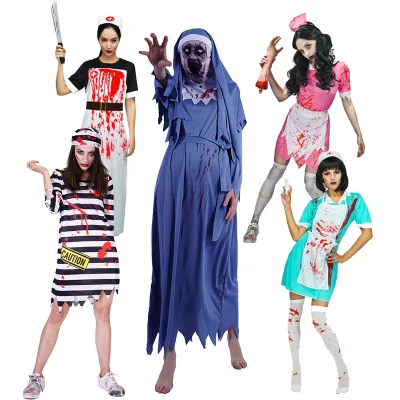
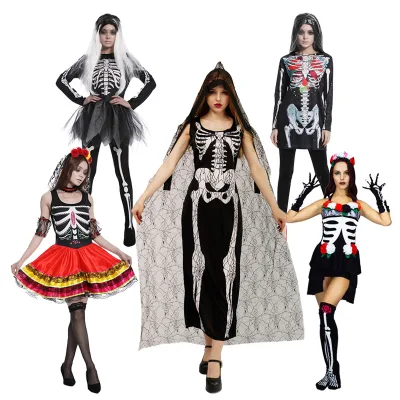

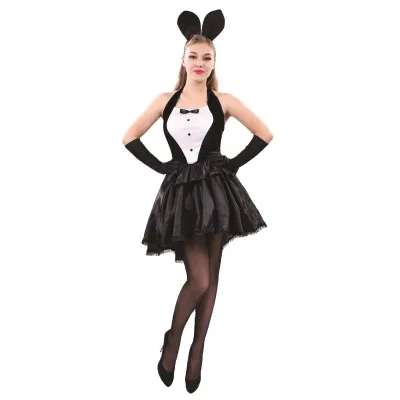
Halloween Party Cosplay Cute Rabbit Girl Costume Beautiful Girls Bunny Lady Jumpsuit Costume
$5.86 - $26.36
MOQ: 1 pieces
Shenzhen Limike Industrial Co.,Ltd
- Verified by Intertek
- Trading Company
- Lead time0 days
- Avg. response≤ 9h
Main productsBaby & Children Clothing, Toddler Clothing, TV & Movie Costumes, Kids & Baby Bedding, Baby Supplier & Products
Main marketsWestern Europe(30%), North America(25%), Southeast Asia(15%)

Quanzhou Haosheng Garment Trade Co., Ltd.
- Trading Company
- Fujian, China
- Lead time7 days
- Avg. response≤ 11h
Main productsSexy Dress,Sexy Corset,Sexy Halloween Costumes,sexy babydoll,Leggings
Main marketsWestern Europe(75.00%), North America(9.00%), South America(5.00%), Domestic Market(1.00%), South Asia(1.00%), Southern Europe(1.00%), Northern Europe(1.00%), Central America(1.00%), Eastern Europe(1.00%), Eastern Asia(1.00%), Mid East(1.00%), Oceania(1.00%), Africa(1.00%), Southeast Asia(1.00%)
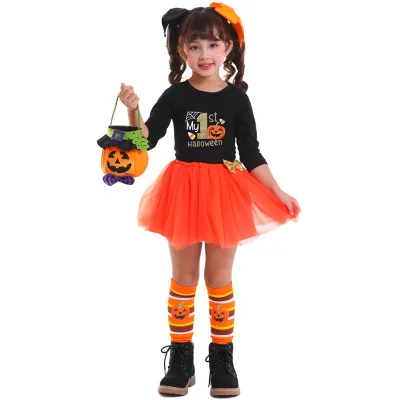
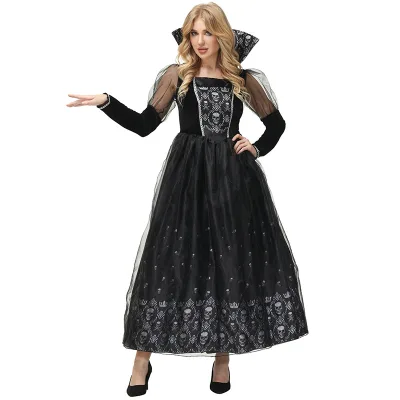
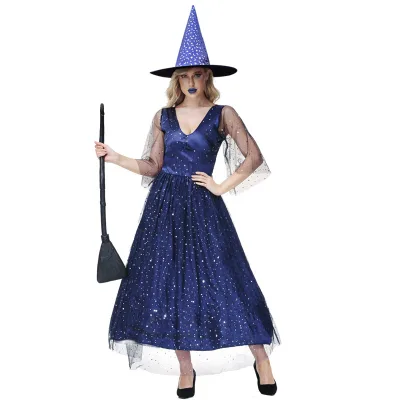
2025 new styles Halloween Costume Vampire Female Witch Devil Costume Vampire Cosplay Dress
$14.20 - $14.80
MOQ: 1 pieces
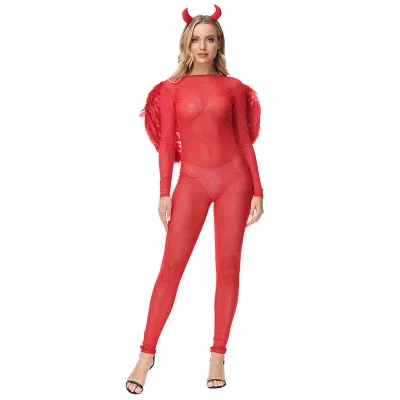
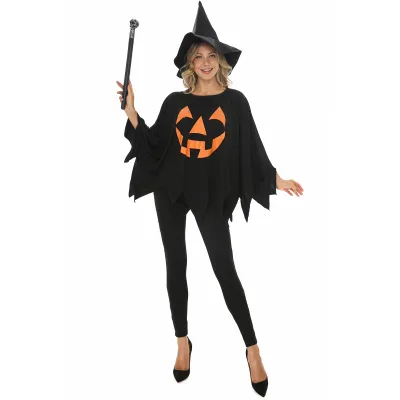
$11.5718 - $12.1916
MOQ: 1 pieces

Shijiazhuang Cool Apparel Co., Ltd.
- Verified by BV
- Combined
- China Hebei
- Lead time23 days
- Avg. response≤ 6h
Main productsBaby Cloth, Baby Romper, Baby Bib, Baby Onesie, Baby Pajamas, T-Shirts, Polo Shirts, Pajamas, Baby Sleeping Bag, Baby Hats
Main marketsSouth America,Africa,Southeast Asia/ Mideast,East Asia(Japan/ South Korea),Domestic,Europe,Australia,North America

Halloween Costume Suppliers Wholesale Cosplay Clothes Dinosaur Show Halloween Costume Kids
$2.69 - $3.15
MOQ: 100 Pieces

Wholesale a Variety of Halloween Costumes for Children's and Adult's Turtles Cosplay Show Costumes
$5.88 - $7.94
MOQ: 50 Pieces

Lanxi Rose-Team Sexy Lingerie Firm
- Verified by CTI
- Trading Company
- China Zhejiang
- Lead time30 days
- Avg. response≤ 11h
Main productsHalloween Costumes, Party Costumes, Cosplay Costumes, Sexy Costumes, Sexy Lingerie, Carnival Costumes, Inflatable Costumes, Fancy Dress Costumes, Mascot Costumes, Bodystocking
Main marketsDomestic
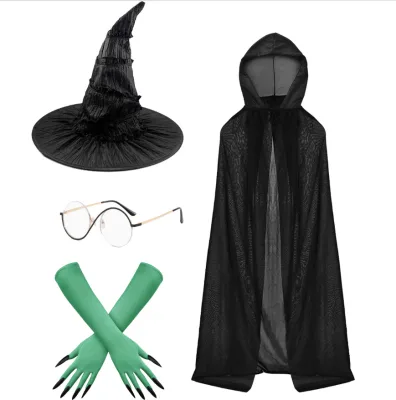
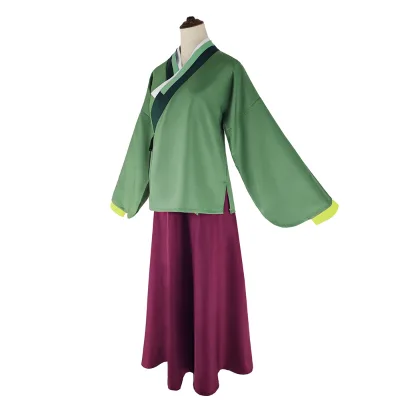
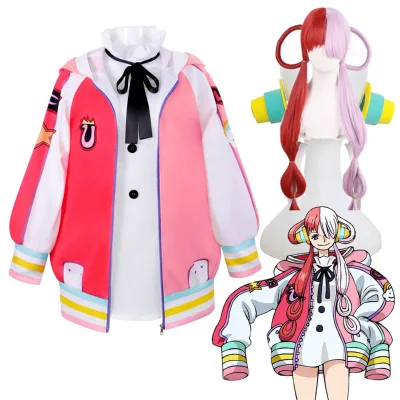


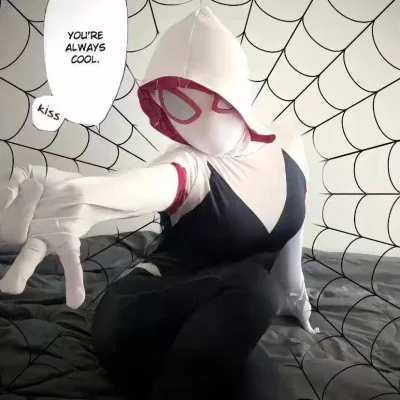


Comprehensive Sourcing Guide
Halloween Spider Costume Set with Tutu Skirt Supplier Concentration and Factory Types
When sourcing a Halloween Spider Costume Set with Tutu Skirt, the first step is understanding what kinds of suppliers actually list this category. Seasonal costume production typically comes from three supplier types: dedicated garment factories that cut and sew knitwear and dresses in-house, trading companies that consolidate costumes and props from multiple workshops, and sourcing agents who arrange production on request. In current results, one knitwear-focused manufacturer in Zhejiang, China lists Halloween-themed cosplay dresses alongside sweaters, blankets, and knit accessories, operating as an OEM/ODM partner. A trading company covering costumes, props, toys, and stationery also offers children's Halloween dresses, while another costume specialist lists performance and cosplay clothing with in-stock availability.
These structural differences matter for your category. A manufacturer with OEM/ODM capability suits buyers who need custom spider appliqués, tutu layering, or private-label packaging, but usually enforces higher minimums — one such listing shows a 300-piece MOQ on Halloween dresses. Trading companies and sourcing agents can aggregate smaller orders, with some children's costume listings showing 50-piece minimums, which suits boutique retailers testing seasonal demand. In-stock costume sellers trade customization for speed, useful for late-season replenishment. Note that clusters for costume sewing exist across several Chinese provinces; rather than assuming one, verify where each shortlisted supplier actually produces, since location affects freight, inspection visits, and holiday-season capacity.
How to Verify Halloween Spider Costume Set with Tutu Skirt Suppliers
Verification starts with third-party auditing signals displayed on supplier profiles. In the current results, one trading company carries SGS verification, while a costume specialist is verified through Intertek and lists CE certification. For a children's Halloween Spider Costume Set with Tutu Skirt, these signals matter because kids' apparel can face market-specific safety and labeling requirements. However, never treat a platform badge as complete proof: confirm which entity was audited — the trading company or the underlying factory — and request the certificate scope and validity dates directly. Also ask whether the audited entity is the one that will appear on your invoice and shipping documents.
Beyond displayed credentials, verify through documents and samples. Ask the knitwear-type manufacturers for evidence of their stated system certifications such as WRAP, BSCI, ISO 9000/9001, or ISO 14001, and check whether those certificates cover costume sewing operations or only their main knitwear lines — a supplier whose main products are sweaters and blankets may outsource seasonal costume work. Order a pre-production sample of the exact spider set, including the tutu skirt fabric, elastic waistband, and any attached decorations, and confirm the sample matches the listed size standard, packing method, and declared origin. Finally, test responsiveness during negotiation: the results show response times ranging from roughly two hours to more than 23 hours, and slow pre-sale replies usually worsen once an order is running.
What to Compare Across Halloween Spider Costume Set with Tutu Skirt Suppliers
Build a comparison sheet across the dimensions actually displayed on supplier profiles. Key columns should include supplier type (manufacturer, trading company, sourcing agent), location, main products, verification status, certifications, response time, lead time, MOQ, and customization capability. The current results illustrate the spread you should expect: lead times range from 15 days at a fast-responding trading company to 45 days at a Zhejiang knitwear manufacturer, and response times range from about two hours to over 23 hours. For a seasonal item like a Halloween Spider Costume Set with Tutu Skirt, those gaps determine whether you can complete production, inspection, and shipping before retail cut-off dates.
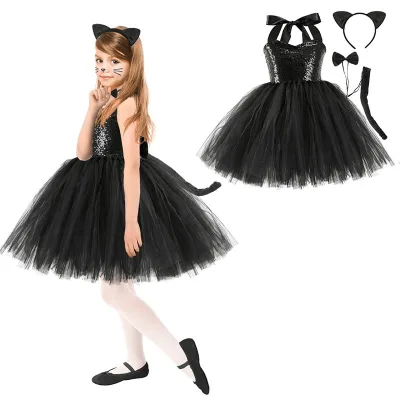
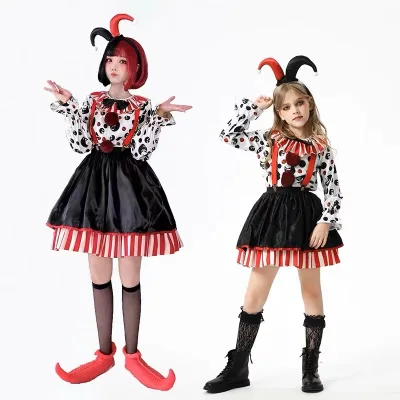
Compare product-level data as well as company-level data. One manufacturer's Halloween cosplay dress listings show pricing from $13.50 to $13.70 per piece at a 300-piece MOQ, with stated packing of one piece per poly bag, 50 pieces per carton, and sizes S, M, L. A trading company's children's costume listings show MOQs of 50 pieces and prices ranging roughly from $6.56 to $11.40 depending on the design, plus customization marked as available. An in-stock costume seller offers ready inventory with fast response but limited sample-order lead time. Weigh unit price against MOQ, lead time, customization, and whether main products — knitwear, costumes, or mixed general goods — indicate genuine category depth rather than a single opportunistic listing.
Common Halloween Spider Costume Set with Tutu Skirt Sourcing Risks
The most frequent risk in this category is seasonal timing failure. A 45-day production lead time, as shown by one knitwear manufacturer's listings, can be acceptable for a standard order but fatal if placed late in the season — combined with inspection and freight, delivery could slip past Halloween entirely. Counter this by mapping each supplier's lead time against your required shelf date and treating any stated lead time as unverified until confirmed in writing for your specific design, since tutu skirts, spider appliqués, and layered tulle often add handwork beyond a base dress.
Quality and specification risks follow closely. Costume fabrics are frequently polyester blends, and children's items can raise compliance questions in destination markets; one supplier lists CE certification, but you must confirm which directive covers your product and whether testing applies to your exact materials. Watch for attribute inconsistencies in listings — one children's costume shows an age group of "Children" alongside a gender of "Women," a sign that profile data needs correction before ordering. In-stock sellers may run out of your size curve mid-season, and trading companies may switch subcontracted factories without notice, changing fabric hand-feel between orders. Finally, size standards vary: some listings use S–L, others use height-based sizing from 110cm to 150cm, so lock a measurement chart, a golden sample, and tolerances into the contract before deposit payment.
Halloween Spider Costume Set with Tutu Skirt Regional Sourcing and Logistics
The only location explicitly supplied in the current results is Zhejiang, China, where one knitwear manufacturer producing Halloween cosplay dresses is based; a separate Guangdong origin is declared on an in-stock costume product. Beyond these, treat regional claims cautiously: costume sewing capacity exists in multiple provinces, and the correct approach is to ask each supplier where its goods are actually produced rather than assuming a cluster. If you need on-site audits, ask whether the manufacturing site differs from the registered office — common with trading companies — and whether you or your inspection partner can visit the sewing floor during peak season.
Logistics planning should reflect the product's physical profile. Lightweight costumes with tulle skirts pack compactly — one listing shows a single package of 45×30×4cm at 0.35kg gross weight — which favors air freight for urgent replenishment and keeps sea freight costs per unit low for bulk. Confirm carton configuration early: one manufacturer states 50 pieces per carton or customized packing, which affects dimensional weight and container planning. Build the calendar backward from your launch date, reserving time for sample approval, bulk production, inspection, and port cut-offs, and remember that peak-season shipping rates and vessel space tighten in the months before Halloween. Suppliers with no-season-restriction products, as one listing states, may still compete for the same production windows as strictly seasonal buyers.
Halloween Spider Costume Set with Tutu Skirt Commercial Terms and Order Planning
Commercial terms deserve the same rigor as product specs. With MOQs ranging from 50 pieces on children's costumes to 300 pieces on manufacturer cosplay dresses, decide whether you need supplier flexibility or factory-level pricing before shortlisting. Negotiate price tiers across quantity breaks, and ask whether customization — spider motifs, tutu colors, size curves, labels — changes the MOQ or unit price, since one trading company marks customization as available without publishing conditions. Confirm payment structure separately from the listing; escrow availability and similar protections should be verified per supplier rather than assumed, and any arrangement should be documented in the purchase contract.
Order planning should reconcile lead time, response speed, and seasonality into a single timeline. A supplier answering within about two hours, as some results show, resolves production questions quickly; one taking over 23 hours may stall a compressed seasonal schedule. Sequence milestones: sample approval with a signed reference, deposit, bulk production with mid-line inspection, final inspection against the size standard and packing spec (one piece per bag, cartons per agreed configuration), balance payment, and shipment. Build buffer weeks into a 15-to-45-day lead-time range rather than planning to the best case. For a first order, consider a conservative quantity from a low-MOQ supplier to validate demand, then scale with an OEM/ODM manufacturer once fit, fabric, and sell-through are proven — keeping your second order placed early enough to beat the seasonal production rush.
FAQs
What is the typical lead time for Halloween costume orders?
Manufacturers in China Zhejiang generally require 45 days for production, while trading companies in Yiwu can deliver in 15 days. Some suppliers offer immediate stock for specific items. Buyers should confirm exact timelines based on customization needs and order volume before finalizing contracts.
What are the minimum order quantities for these costumes?
MOQs vary significantly by supplier type. Knitwear manufacturers typically require 300 pieces per design. Trading companies offering cross-border goods often accept orders as low as 50 pieces. Buyers seeking smaller batches should prioritize suppliers with lower MOQs to reduce initial inventory risk.
Which certifications do these costume suppliers hold?
Many suppliers hold ISO 9001, ISO 14001, BSCI, and WRAP certifications. Others may have CE certification or Intertek verification. These credentials ensure quality management and ethical manufacturing standards. Buyers should verify specific certificates relevant to their target market regulations before placing large orders.
What materials are used in these Halloween costumes?
Common materials include polyester, cotton blends, and soft knit fabrics. Some items are described as soft and cool, suitable for daily life or holiday parties. Buyers should check specific product attributes for fabric composition to ensure comfort and durability for the intended cosplay or performance use.
How quickly do suppliers respond to inquiries?
Response times vary, with some suppliers averaging 23.42 hours and others responding within 2.85 hours. Faster response times often indicate trading companies or agents. Buyers should prioritize suppliers with quicker response rates to ensure efficient communication during the sourcing and negotiation process.
Can suppliers provide custom designs for these costumes?
Yes, many suppliers offer OEM and ODM services. Some provide custom design options for Halloween costumes, including specific prints and styles. Buyers should confirm customization availability, lead times, and additional costs for bespoke designs to ensure the final product meets their specific requirements.