Hand-Made Animals Design Nutcracker Suppliers and Manufacturers
Source 26 verified suppliers for Hand-Made Animals Design Nutcracker products. Compare key dimensions including location, lead times, MOQs, response times, certifications, and pricing to identify the right partner. Review detailed product specifications and request quotes directly; review the available evidence before requesting comparable quotations from suitable candidates.
Suppliers List

Ningbo General Union Co., Ltd.
- Trading Company
- China Zhejiang
- Lead time23 days
- Avg. response≤ 17h
Main productsTable Lamp, Heat Press Machine, Home Appliance, Alarm Clock, Fans, Night Light, Solar Light, Kitchen Appliance, Pet Product, Sport Equipment
Main marketsSouth America,Eastern Europe,Mid East,North America,Southeast Asia,Eastern Asia,Oceania,Western Europe,Africa


2023 Hot Sale Table Decoration Nutcracker with Hand Painted Home Decoration
$3.69 - $4.10
MOQ: 150 Pieces


Yiwu Shuangyuan Christmas Artware Co., Ltd.
- Verified by TUVRHEINLAND
- Combined
- China Zhejiang
- Lead time30 days
- Avg. response≤ 6h
Main productsChristmas Decoration, Christmas Tree, Christmas Ball, Christmas Santa, Christmas Ornament, Christmas Gift, Christmas Wreath
Main marketsOthers(foreignTradeCapacity.exportBusinessCapacityMarketOther)

Hai Yang International Limited
- Verified by SGS
- Trading Company,Manufacturer/Factory
- China Zhejiang
- Lead time60 days
- Avg. response≤ 5h
Main productsWooden Toy, Montessori Material, Wooden Educational Toys, Wooden Puzzle, Wooden Blocks, Wooden Train Set, Wooden Nutcrackers, Wooden Crafts, Wooden Dolls, Wooden Chess
Main marketsEastern Europe,Mid East,North America,Southeast Asia,Eastern Asia,Oceania

120cm Chirstmas Wooden Nutcracker, 48 Nutcracker, Wooden Carved Nutcracker
$12.98 - $13.98
MOQ: 500 Pieces


Nutcracker Ornaments, 25cm Wooden Nutcracker Dolls Sale, Nutcracker Costumes
$0.58 - $0.78
MOQ: 500 Pieces


DIY Wooden Nutcracker, Small Wooden Toy Soldier Nutcracker, Unpainted Nutcracker
$0.68 - $0.98
MOQ: 500 Pieces

WENZHOU TIMES ARTS&CRAFTS CO., LTD.
- Verified by SGS
- Manufacturer/Factory
- China Zhejiang
- Lead time23 days
- Avg. response≤ 5h
Main productsToys, Montessori Toys, Wooden Toy, Educational Toy, Role Play Toys, Children Furniture, Puzzle, Kid Bike, Musical Toy, Wooden Blocks
Main marketsSouth America,Eastern Europe,Mid East,North America,Southeast Asia,Eastern Asia,Oceania,Western Europe,Africa

2019 New Customize Handcraft Wooden Nutcracker Figurine for Decor W02A334
$5.00 - $15.00
MOQ: 100 Pieces

2019 Handcraft Children Wooden Functional Nutcracker for Wholesale W02A339
$5.00 - $15.00
MOQ: 100 Pieces


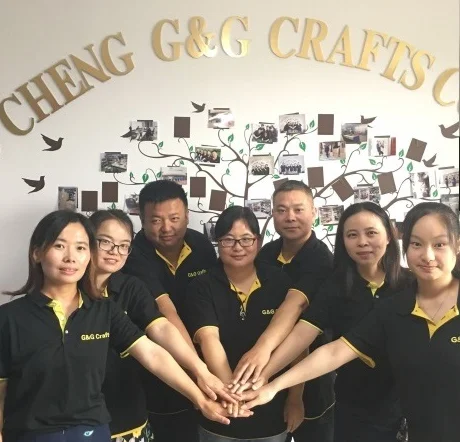
- Manufacturer
- Shandong, China
- Lead time30 days
- Avg. response≤ 4h
Main productsKitchen Items,Pet Supplies,Home Decoration,Garden Decoration
Main marketsNorth America(52.00%), Western Europe(20.00%), Southern Europe(5.00%), Northern Europe(5.00%), South America(5.00%), Eastern Asia(3.00%), Eastern Europe(3.00%), South Asia(2.00%), Southeast Asia(2.00%), Mid East(2.00%), Africa(1.00%)
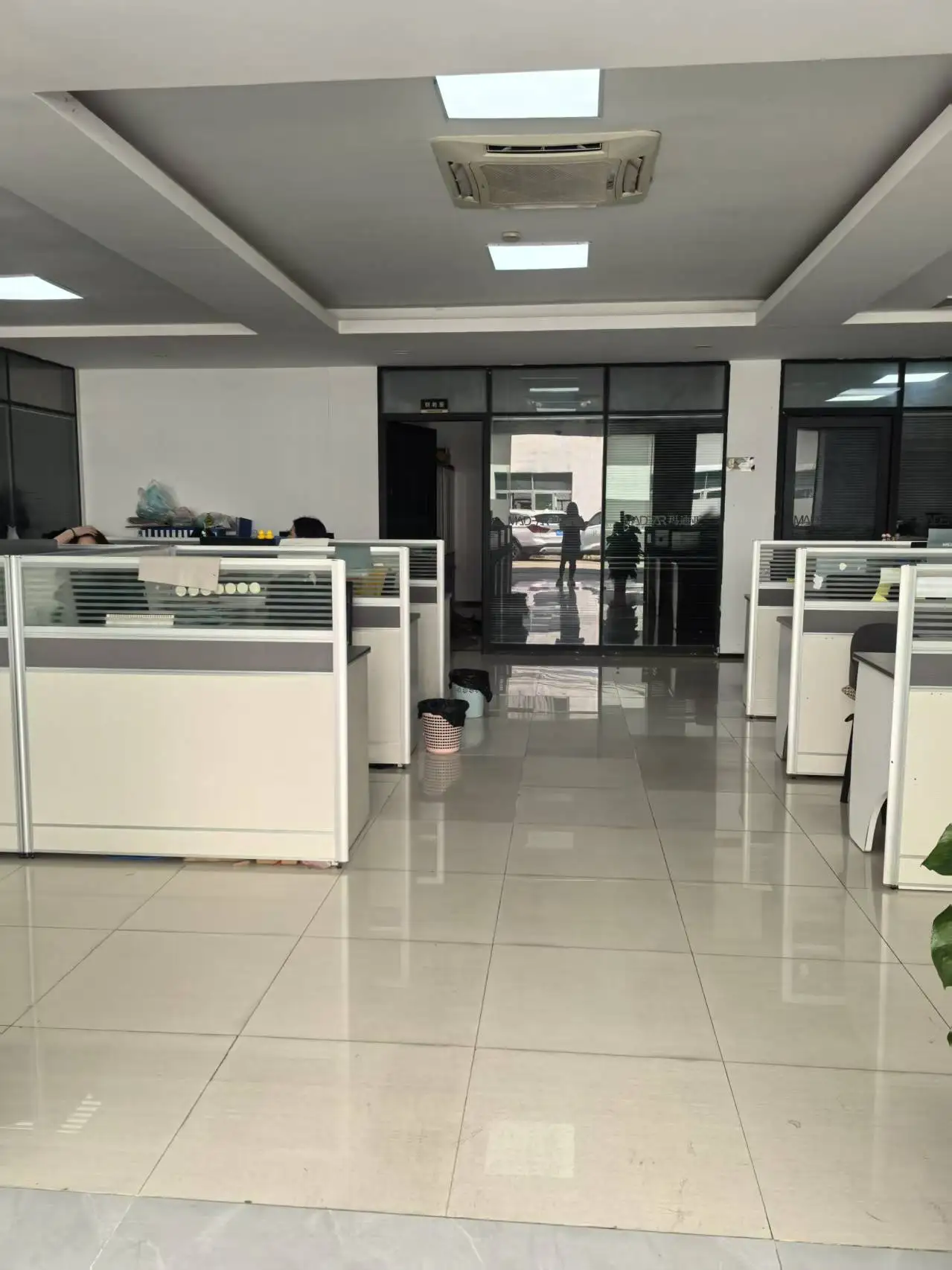
Shenzhen Gouli Technology Co., Ltd.
- Manufacturer, Trading Company, Buying Office
- Guangdong, China
- Lead time20 days
- Avg. response≤ 3h
Main productsNutcrackers,Snow Globes,Custom Flags & Banners
Main marketsNorth America(50.00%), Western Europe(30.00%), Southeast Asia(10.00%), Eastern Asia(8.00%), Mid East(2.00%)

Jiangmen Liyuan Household Goods Co., Ltd.
- Verified by SGS
- Combined
- China Guangdong
- Lead time30 days
- Avg. response≤ 5h
Main productsIce Scoop, Lemon Squeezer, Ice Shovel, Garlic Press, Walnut Clip, Meat Hammer, Egg Slicer, Rolling Pin
Main marketsDomestic,Europe
- Manufacturer, Trading Company
- Shandong, China
- Lead time15 days
- Avg. response≤ 4h
Main productsScissors,Garden Tools,Kitchen Tools,Scales,Cable
Main marketsNorth America(30.00%), Northern Europe(10.00%), Western Europe(10.00%), Mid East(10.00%), Africa(10.00%), Southeast Asia(10.00%), Eastern Europe(10.00%), South America(10.00%)
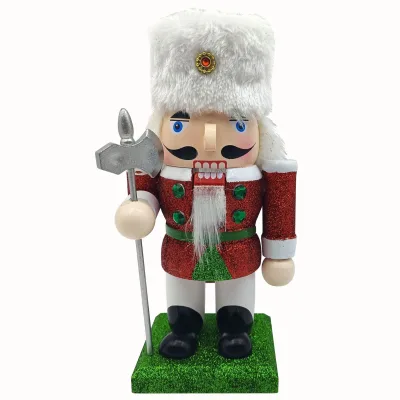
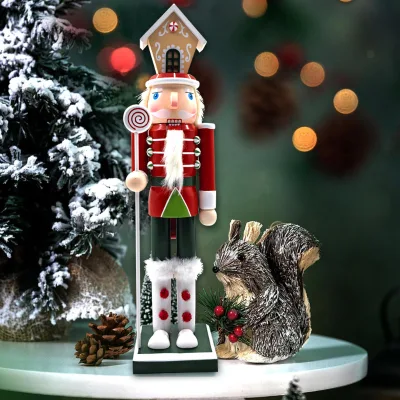

White Ear Walnut Jigsaw Puzzle School Drawing DIY Craft Artifacts Walnut Dolls Nutcracker
$3.72 - $3.88
MOQ: 100 pieces


Wenzhou Sunray Technology Co., Ltd.
- Verified by SGS
- Manufacturer/Factory
- China Zhejiang
- Lead time23 days
- Avg. response≤ 4h
Main productsSunglasses, Custom Sunglasses, Polarized Sunglass, Reading Glasses, Jewelry Boxes, Paper Boxes, Gift Boxes, Packaging Box, Custom Packaging Box, Packing Box
Main marketsSouth America,Eastern Europe,Mid East,North America,Southeast Asia,Eastern Asia,Oceania,Western Europe,Africa


Hot Sale Painted Various Figures Navidad Cascanueces Christmas Wooden Nutcracker for Home Decoration
$10.49 - $15.00
MOQ: 10 Pieces

90cm Wholesale European Style Puppet People Shopping Mall Decoration Pink Nutcracker for Decoration
$38.78 - $41.76
MOQ: 10 Pieces

PEIDA MACHINERY GROUP CO., LTD.
- Verified by BV
- Manufacturer/Factory
- China Anhui
- Lead time90 days
- Avg. response≤ 9h
Main productsBarge, Tugboat, Oil Tanker Ship, Cargo Ship, Tug Boat, Floating Crane Barge, Passenger Ship, Passenger Boat, Deck Barge, Oil Barge
Main marketsSouth America,North America,Southeast Asia,Western Europe,Africa


Different Types Wooden Animal Arts and Crafts Wood Carving Crafts Animals
$1.00 - $100.00
MOQ: 100 Pieces
Shandong Best G And G Enterprise Co., Ltd.
- Trading Company
- Shandong, China
- Lead time0 days
- Avg. response≤ 3h
Main productsMusic Box,Kalimba,Pan Drum,Tongue Drum,Garden Tool
Main marketsSouth America(20.00%), Central America(20.00%), North America(20.00%), Eastern Europe(10.00%), Southeast Asia(10.00%), Northern Europe(10.00%), Mid East(5.00%), South Asia(5.00%)

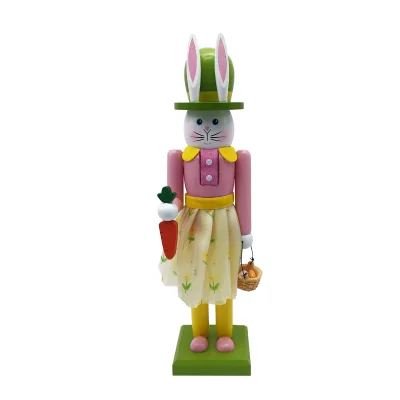
Easter Bunny Nutcracker 30.8 cm Traditional Wooden Nutcracker Decoration Figurine for Christmas Tree
$4.78 - $4.98
MOQ: 108 pieces


10 Inch Traditional Wooden Rocking Horse Nutcracker Christmas Gift Decor Figurine
$4.42 - $4.62
MOQ: 100

Ningbo Yinzhou Wenhui Paper Co., Ltd.
- Verified by TUVRHEINLAND
- Manufacturer/Factory
- China Zhejiang
- Lead time45 days
- Avg. response≤ 7h
Main productsStationery Gifts Promotional Homeware, Pen, Pet Products, Board Game, Paper Tube, Notebook, Wooden Toys, DIY Toy, Puzzle, Gift Bag
Main marketsSouth America,Eastern Europe,Mid East,North America,Southeast Asia,Eastern Asia,Oceania,Western Europe,Africa
Yiwu Shuangyuan Christmas Artware Limited
- Manufacturer, Trading Company
- Lead time旺季: "1 - 200":16,"201 - 5000":30,"5001 - 10000":45,"> 10000":"To be negotiated", 淡季: "1 - 200":16,"201 - 5000":30,"5001 - 10000":45,"> 10000":"To be negotiated"
Main productsPlastic Christmas Ball, Christmas Tree, PET Christmas Tinsel Garland, Decorated Christmas Wreath, Decorated Christmas Garland

$3.26 - $3.56
MOQ: 200 sets


Ningbo General Union Co., Ltd.
- Verified by SGS
- Trading Company
- China Zhejiang
- Lead time45 days
- Avg. response≤ 9h
Main productsChristmas Tree, Party Supply, Christmas Ball, LED Light Strip, Halloween Product, Holiday Decoration, Santa Claus, Valentine's Day Product, Balloon Decoration, Birthday Decoration
Main marketsSouth America,Europe,North America


$3.75 - $3.85
MOQ: 500 Pieces


Christmas LED Nutcracker Factory with Rotating Christmas Village Houses Ornament
$8.80 - $9.80
MOQ: 10 Pieces

Quanzhou Leader Industry Limited
- Verified by TUVRHEINLAND
- Trading Company
- China Fujian
- Lead time30 days
- Avg. response≤ 18h
Main productsPolyresin Crafts, Metal Crafts, Souvenir Gifts, Snow Globe, Fridge Magnet, Bobble Heads, Resin Figurine, Ceramic Items, Garden Statue Garden Ornament, Ceramic Mug
Main marketsEurope
Ningbo General Union Co., Ltd.
- Trading Company
- Lead time旺季: "1 - 500":25,"> 500":"To be negotiated", 淡季: "1 - 500":25,"> 500":"To be negotiated"
- Avg. response≤ 3h
Main productsChristmas products,Easter products,Halloween products,Valentine's Day products,Seansonal products
Shaanxi Longstar New Material Technology Co., Ltd.
- Manufacturer, Trading Company
- Lead time旺季: "1 - 200":15,"201 - 300":15,"301 - 600":20,"> 600":"To be negotiated", 淡季: "1 - 200":15,"201 - 300":15,"301 - 600":20,"> 600":"To be negotiated"
Main productsChristmas Ball, Christmas Tree, Christmas Dolls, Christmas Wreath, Christmas Garland

$2.04 - $2.12
MOQ: 100 pieces

Hot Sale Nutcracker Puppet Candy Colors Christmas Holiday Pendant Indoor Outdoor Decoration
$2.02 - $2.04
MOQ: 50 pieces


Ningbo Shone Med-Tech Co., Ltd.
- Verified by SGS
- Trading Company,Manufacturer/Factory,Group Corporation
- China Zhejiang
- Lead time23 days
- Avg. response≤ 4h
Main productsWooden Games, Wooden Toys, Bingo Games, Wooden Sport Items, Wooden Box
Main marketsSouth America,Eastern Europe,Mid East,North America,Southeast Asia,Eastern Asia,Oceania,Western Europe,Africa


Xmas Nutcracker Craft Ornament Wooden Chrismtmas Nutcracker of Home Decor
$0.30 - $3.00
MOQ: 100 Pieces


- Combined
- China Guangdong
- Lead time45 days
- Avg. response≤ 1h
Main productsResin Craft, Baby Doll, Christmas Tree, Christmas Wreath, Christmas Garland, Christmas Decoration, Artificial Flower, Artificial Plant, Artificial Tree, Christmas Ornaments
Main marketsSouth America,Europe,North America

Hot Sale Christmas Hanging Ornament Wooden Christmas Nutcracker for Christmas Decoration
$1.00 - $2.00
MOQ: 1 Pieces


OEM Factory Christmas Nutcracker Christmas Decoration Nut Cracker Manufacturer in China
$0.10 - $0.20
MOQ: 300 Pieces


Shenzhen Wild Art Decoration Co.,Ltd.
- Verified by CTI
- Trading Company,Manufacturer/Factory
- China Guangdong
- Lead time23 days
- Avg. response≤ 7h
Main productsChristmas Decorations, Christmas Tree, Ramadan Decorations, Chinese New Year Lantern, Christmas Ornaments, LED Motif Light, Artificial Tree, Fiberglass Planter Pot, Fiberglass Seat, Fiberglass Sculpture
Main marketsSouth America,Eastern Europe,Mid East,North America,Southeast Asia,Eastern Asia,Oceania,Western Europe,Africa

Hot Selling Solid Wood Nutcracker Colorful Christmas Decoration for Family for Home Decoration
$18.00 - $50.00
MOQ: 1 Pieces


- Verified by BV
- Manufacturer/Factory
- China Fujian
- Lead time15 days
- Avg. response≤ 25h
Main productsWater Bottle, Kitchen Ware, Shoes, Plastic Product, Bag, Toy
Main marketsSouth America,Eastern Europe,Mid East,North America,Southeast Asia,Eastern Asia,Oceania,Western Europe,Africa
Dongguan Hengfeng Plastic Products Co., Ltd.
- Verified by Intertek
- Manufacturer, Trading Company
- Guangdong, China
- Lead time60 days
- Avg. response≤ 2h
Main productsAcrylic Display Case, Acrylic Display Rack, Acrylic Display Box, Acrylic Decorative, Acrylic Protective Products
Main marketsNorth America(40%), Domestic Market(40%), Eastern Europe(10%)
Meizhou Haka Plus Imp. And Exp. Co., Ltd.
- Trading Company
- Guangdong, China
- Lead time35 days
- Avg. response≤ 5h
Main productswooden crafts,musical crafts with snow,light up items,wooden lamppost,garden supplier
Main marketsEastern Europe(10.00%), South America(10.00%), Southern Europe(10.00%), Western Europe(9.00%), North America(9.00%), Mid East(8.00%), Northern Europe(8.00%), Africa(6.00%), Oceania(6.00%), Domestic Market(5.00%), Southeast Asia(5.00%), Eastern Asia(5.00%), Central America(5.00%), South Asia(4.00%)

Shenzhen Mraz Industry Co., Ltd.
- Manufacturer, Trading Company
- Guangdong, China
- Lead time15 days
- Avg. response≤ 14h
Main productsHome Decor,Promotion Gifts,Home Products,Festival Supplies,OEM ODM Services
Main marketsNorth America(16.00%), Western Europe(10.00%), South Asia(10.00%), South America(9.00%), Eastern Asia(8.00%), Northern Europe(8.00%), Central America(8.00%), Southeast Asia(8.00%), Eastern Europe(6.00%), Mid East(5.00%), Southern Europe(5.00%), Oceania(3.00%), Domestic Market(2.00%), Africa(2.00%)

Fuzhou Deco-Route Import & Export Co., Ltd.
- Verified by SGS
- Trading Company
- China Fujian
- Lead time15 days
- Avg. response≤ 2h
Main productsPolyresin
Main marketsEurope

Shenzhen Hengbo Gifts Co., Ltd.
- Trading Company, Distributor/Wholesaler
- Guangdong, China
- Lead time7 days
- Avg. response≤ 2h
Main productsGift,Craft,Toys,stationery,Home decoration
Main marketsSouth America(30.00%), North America(30.00%), Eastern Europe(20.00%), Southern Europe(6.00%), Western Europe(5.00%), Domestic Market(1.00%), South Asia(1.00%), Northern Europe(1.00%), Central America(1.00%), Africa(1.00%), Eastern Asia(1.00%), Southeast Asia(1.00%), Mid East(1.00%), Oceania(1.00%)






Comprehensive Sourcing Guide
Hand-Made Animals Design Nutcracker Supplier Concentration and Factory Types
Buyers searching for a Hand-Made Animals Design Nutcracker will encounter a mix of supplier types on B2B platforms, and understanding that mix matters before any outreach. The visible results for this category include trading companies and combined manufacturer-trading operations. A trading company may not own carving or painting workshops but can consolidate multiple decorative-wood lines, while a combined operation typically lists broader festive product ranges such as Christmas trees, balls, Santa figures, wreaths and ornaments alongside nutcrackers. Neither type is inherently better; trading companies often simplify multi-item orders, while combined factories may offer tighter control over hand-painted finishing, which is the costliest labor step in this product.
Concentration is easiest to confirm through product evidence rather than assumptions. In the current results, the supplier location is listed as Zhejiang, China, and one product record states Zhejiang as its origin, which signals a provincial cluster for wooden Christmas decorations. A second product lists Ningbo Port as the FOB point, consistent with coastal shipment of bulky wooden decor. Where no location is displayed, buyers should identify clusters indirectly: check whether a supplier's catalog is dominated by wooden festive items, whether origin fields on product pages name a province or city, and whether multiple suppliers quote the same FOB port. Handmade animal-design nutcrackers depend on wood, paint and hand-assembly skills, so a supplier whose entire listing history sits in festive wooden decor is more credible than a generalist appliance trader listing one nutcracker as a seasonal experiment.
How to Verify Hand-Made Animals Design Nutcracker Suppliers
Verification should start with the attributes actually displayed on supplier pages, because these are checkable claims. In the current results, one supplier carries system certifications listed as BSCI, ISO 9001 and ISO 14001, which cover social compliance, quality management and environmental management respectively; another shows a TUV Rheinland verification badge. Treat these as starting points, not conclusions: certification claims should be confirmed against the issuing body or through an audit report shared before deposit. Other results show no system certification at all, which is common for smaller workshops but means buyers must compensate with sample evaluations, factory photos, video calls and third-party inspection rather than paperwork alone.
Practical verification for a handmade product goes beyond documents. Because the animals design nutcracker is hand-painted wood, request physical samples from every shortlisted supplier and compare paint coverage, seam quality and detail consistency across two or three units of the same model, since handmade variation is the main quality variable. Ask whether customization is genuinely available: several product records state customization available and OEM/ODM capability, but buyers should request design-file-based quotations to confirm the supplier can actually sculpt or paint to artwork. Check the supplier's stated company type, response behavior and product history for consistency. Ask for a business license copy and cross-check the registered scope against festive decorations. Finally, confirm who will perform final inspection — in-house QC, a hired inspector or the buyer — because handmade goods show unit-to-unit drift that only human inspection catches reliably.
What to Compare Across Hand-Made Animals Design Nutcracker Suppliers
Build a comparison sheet from the supplier-label dimensions shown on platform pages. The current results illustrate usable contrasts: one trading company lists a lead time of 23 days and an average response time of about 16 hours, while a combined-type supplier lists 30 days lead time and roughly 5 hours response. Neither figure should be read as a category standard — they are per-supplier claims — but they show how response speed and production lead time can pull in different directions. A fast responder with a longer lead time may still ship sooner overall for a custom animal-design nutcracker, because design iteration time dominates. Compare lead time, response time, company type, location, main products, certification status, verification badges and customization capability side by side rather than in isolation.
Product-level comparison is equally important because MOQ and price vary sharply within this single category. Displayed product records range from a 70-piece minimum on a 19.5 cm painted nutcracker, to 100, 150 and 200 pieces on other models, up to 3,000 sets on one listing — a difference of more than fortyfold. Unit prices in the evidence span roughly $3 to $8.50, tracking size and hand-painting complexity. Also compare sample time, which one listing states as 7–15 days, and packing formats such as inner box versus carton box. Remember that not every supplier displays every attribute; where a field is blank, contact the supplier and record their answer in the same sheet so the comparison stays apples-to-apples and missing data becomes a scoring factor rather than an oversight.
Common Hand-Made Animals Design Nutcracker Sourcing Risks
The first risk in this category is paint and finish inconsistency. Because an animals design nutcracker is hand-painted wood, two production runs from the same factory can differ in color matching, line thickness and small detail work. Sample approval does not fully eliminate this; buyers should define a signed golden sample plus a written tolerance range for paint shade and detail, and schedule mid-production and pre-shipment inspections. A second risk is material substitution: product records list wood as the material, but grade, moisture content and joint construction vary. Poorly dried wood cracks in transit or in dry heated retail environments, so specify moisture limits and packaging that protects thin protruding parts such as ears, tails or antlers.
Commercial risks cluster around minimums and lead-time drift. One listed MOQ of 3,000 sets is appropriate for large retailers but traps small buyers into excess inventory, while very low MOQs, such as the 10-piece or 70-piece minimums shown, may carry higher unit prices or weaker factory backing. Verify whether the displayed MOQ applies to a stock design or to customized animal artwork, since custom tooling and paint-mixing usually raise the real minimum. Lead times around 23–30 days sound manageable but can slip during the pre-Christmas production peak when festive decoration factories run at capacity; order placement timing matters more here than in non-seasonal categories. Finally, verify compliance expectations for the destination market — paint safety rules for decorative items, labeling and carton marking — before production, because rectifying non-compliant paint after shipping is effectively impossible for handmade goods.
Hand-Made Animals Design Nutcracker Regional Sourcing and Logistics
Regional logic for this product follows the material and port geography visible in the results. The listed supplier location is Zhejiang, China, and the FOB point named on multiple product records is Ningbo Port, a major deep-water gateway in that same province. For buyers, this pairing matters: sourcing wooden festive decor from a province with an adjacent export port shortens inland haulage, reduces handling of fragile hand-painted items and simplifies consolidation if the buyer also sources Christmas trees, wreaths or other festive goods from nearby suppliers. When screening suppliers with no displayed location, ask directly for the factory address and the intended FOB port, then check whether the two are geographically coherent — a distant factory quoting a coastal port adds trucking cost and damage risk to bulky wooden decor.
Logistics planning should account for the product's physical profile. Displayed sizes range from roughly 13 cm to 38–42 cm in height, with one listing showing a 180 cm oversized piece, so carton dimensions and stacking strength vary widely by model. Packing is stated as carton box, brown carton or inner box depending on the listing; confirm which level applies, since inner-box packing adds retail readiness but also volume and cost. Sea freight is the default for seasonal decor, and buyers should map dates backward from retail delivery: production lead time, inland transit, port cut-offs and ocean transit, leaving buffer for the seasonal congestion that affects decorative-goods shipments in the second half of the year. Air freight is rarely economical for solid wood figures at the unit weights involved.
Hand-Made Animals Design Nutcracker Commercial Terms and Order Planning
Commercial terms in the visible evidence are fairly consistent but must be confirmed per supplier. Product records list T/T payment and FOB Ningbo Port as trade terms, with one listing specifying 30% deposit and 70% balance against copy of bill of lading — a common structure worth requesting as a baseline, though buyers should negotiate milestone or inspection-linked balance payments for first orders. Unit prices shown range from about $2.99 to $8.49 depending on model, size and MOQ, so always request quotations against your exact design, size and quantity rather than comparing listing prices, which usually reflect stock configurations. Ask what the price includes: hand-painting complexity, inner-box packing and any customization charges are the usual variables in this category.
Order planning should reconcile the category's wide MOQ spread with its seasonal demand. With displayed minimums from 70 pieces to 3,000 sets, a buyer should first size the order honestly, then select suppliers whose minimum matches — approaching a 3,000-set supplier for a 150-piece test order wastes a negotiation cycle. Build a timeline backward from shelf date using stated lead times of 23 and 30 days as claims to verify, not guarantees, and add sample time of 7–15 days where customization applies. Confirm in writing the customization scope, packing format, carton markings, inspection checkpoints and payment schedule before deposit. For repeat seasons, negotiate a rolling forecast so the factory reserves hand-painting capacity during peak months, which is the binding constraint for handmade wooden nutcrackers.
@(1350–1450 words total; six sections, each within 225–235)
FAQs
What is the typical lead time for custom nutcracker orders?
Manufacturers in Zhejiang, China, generally require 23 to 30 days to produce custom orders. This timeframe accounts for material sourcing, hand-painting processes, and quality inspections. Buyers should confirm specific schedules with suppliers before finalizing contracts to ensure timely delivery for holiday seasons.
What are the minimum order quantities for wooden nutcrackers?
Minimum order quantities vary significantly by supplier and product design. Some suppliers accept orders as low as 10 pieces for custom prototypes, while standard bulk orders often require 150 to 3000 sets. Buyers should verify the specific MOQ for their chosen design and customization level.
Which certifications do nutcracker suppliers typically hold?
Many trading companies in this sector hold BSCI, ISO 9001, and ISO 14001 certifications. Some suppliers also undergo third-party verification by TÜV Rheinland. Buyers should request current certification documents to ensure compliance with international safety and ethical manufacturing standards for their specific market.
How quickly do suppliers typically respond to inquiries?
Response times for these suppliers range from approximately 5 to 16 hours. Faster response rates often indicate higher operational efficiency and dedicated customer service teams. Prompt communication helps buyers clarify customization details, pricing, and shipping logistics more effectively during the sourcing process.
What payment terms are common for nutcracker purchases?
Common payment methods include T/T transfers and structured deposits. Some suppliers require a 30% deposit with the 70% balance paid against the copy of the Bill of Lading. Buyers should negotiate terms that align with their cash flow and risk management policies before placing orders.
Are custom designs and OEM services available?
Yes, most suppliers offer customization, OEM, and ODM services. Buyers can request specific sizes, colors, and hand-painted details for wooden nutcrackers. Suppliers typically accommodate custom packaging and branding requirements, allowing businesses to create unique products that align with their brand identity and market demands.
What is the price range for hand-painted nutcrackers?
Prices for wooden nutcrackers typically range from $2.99 to $8.49 per unit. Costs depend on size, complexity of hand-painting, and order volume. Smaller or simpler designs are generally more affordable, while larger, intricately painted figures command higher prices due to increased labor and material requirements.