Hand Paint Coffee Cup Suppliers and Manufacturers
Source 17 verified suppliers for Hand Paint Coffee Cup products across China. Compare key dimensions including response time, lead time, MOQ, and pricing to find the right partner. Review product specifications and customization options to streamline your procurement process; review the available evidence before requesting comparable quotations from suitable candidates.
Suppliers List
Ningbo Xunjie Silicone Products Co., Ltd.
- Combined
- China Zhejiang
- Lead time30 days
- Avg. response≤ 18h
Main productsWater Pipe
Main marketsSouth America,Africa,Southeast Asia/ Mideast,East Asia(Japan/ South Korea),Europe,Australia,North America
Chaozhou City Cha'an District Fengtang Town Sai Si Ceramics Factory
- Verified by CTI
- Combined
- China Guangdong
- Lead time30 days
- Avg. response≤ 6h
Main productsMugs, Ceramic Tissue Boxes, Ceramic Pet Bowls, Ceramic Vases
Main marketsDomestic

Lovely Handmade Hand Painted Lines Splatter Ceramic Coffee Mug Coffee Cup
$2.00 - $4.00
MOQ: 1000 Pieces


Factory Hot Selling Handmade Painting Ceramic Mug Ceramic Coffee Cup Set Irregular Cup with Plate
$4.00 - $8.00
MOQ: 1000 Pieces

Hot Sale Ins Irregular Hand Painted Flower Ceramic Coffee Mug Creative Coffee Cups Handmade Ceramics
$4.00 - $8.00
MOQ: 1000 Pieces

Qingdao Aosheng Plastic Co., Ltd.
- Manufacturer/Factory
- China Shandong
- Lead time30 days
- Avg. response≤ 11h
Main productsPaint Mixing Cup, Disposable Painting Cup, Spray Gun Cup, Drop Sheet, Building Film, Construction Film, Masking Film, Car Cover, Plastic Film, Mattress Bag
Main marketsSouth America,Eastern Europe,Mid East,North America,Southeast Asia,Eastern Asia,Oceania,Western Europe,Africa
Foshan Ron Hospitality Supplies Co., Ltd.
- Verified by BV
- Manufacturer/Factory,Group Corporation
- China Guangdong
- Lead time45 days
- Avg. response≤ 3h
Main productsRestaurant Furniture, Restaurant Booth, Restaurant Chair, Restaurant Table, Bar Stools, Wedding Chairs, Flatware Sets, Dinnerware Sets, Garden Chairs, Disposable Dinnerware & Tableware
Main marketsSouth America,Eastern Europe,Mid East,North America,Southeast Asia,Eastern Asia,Oceania,Western Europe,Africa

Rollin Porcelain Industrial Co., Ltd.
- Verified by BV
- Manufacturer/Factory
- China Guangdong
- Lead time45 days
- Avg. response≤ 7h
Main productsPorcelain Dinnerware, Tableware, Dinner Set, Dinner Plate, Hotel and Restaurant Tableware, Bone China, Cutlery, Glassware, Ceramic Plate, Porcelain
Main marketsEastern Europe,Mid East,North America,Southeast Asia,Eastern Asia,Oceania,Western Europe

Qingdao Hanspray New Material Technology Co., Ltd.
- Verified by CTI
- Trading Company
- China Shandong
- Lead time15 days
- Avg. response≤ 14h
Main productsSpray Gun, Speedy Spray Gun Cup, Paint Preparation System, Paint Mixing Cup, Speedy Paint System
Main marketsEurope,North America

Wenzhou Guanmin Import and Export Co., Ltd.
- Verified by BV
- Trading Company,Manufacturer/Factory
- China Zhejiang
- Lead time120 days
- Avg. response≤ 6h
Main productsShopping Bag, Cooler Bag, Notebook, Pen, Color Pencil, Lanyard, Beach Ball, Umbrella, Sunshade, Air Freshener
Main marketsSouth America,Eastern Europe,Mid East,North America,Southeast Asia,Eastern Asia,Western Europe

Guangzhou Garbo International Trading Co., Ltd.
- Verified by TUVRHEINLAND
- Trading Company,Manufacturer/Factory
- China Guangdong
- Lead time45 days
- Avg. response≤ 6h
Main productsGlassware, Glass Cup, Glass Mug, Glass Bowl, Glass Candy Jar, Glass Pitcher, Glass Ice Cream Cup and Ice Bucket, Opal Glassware, Stainless Steel Cutlery, Ceramic Dinnerware
Main marketsSouth America,Eastern Europe,Mid East,North America,Southeast Asia,Eastern Asia,Oceania,Western Europe,Africa
Longyan Zhanling Industry and Trade Co., Ltd.
- Manufacturer/Factory
- China Fujian
- Lead time150 days
- Avg. response≤ 4h
Main productsStainless Steel Cup, Customized Cup, Stainless Steel Cup & Mug, Double Wall Stainless Steel Cup, Customized Stainless Steel Cup, Water Bottle, Tumbler, Stainless Steel Water Bottle, Stainless Steel Bottle, Whiskey Glass
Main marketsSouth America,Eastern Europe,Mid East,North America,Southeast Asia,Eastern Asia,Oceania,Western Europe,Africa

Elegant Handcrafted Ceramic Coffee Cup with Versatile Design for Daily Use
$2.30 - $2.55
MOQ: 50 Pieces


Chaozhou Chaoan Chaoda Ceramics Co., Ltd.
- Manufacturer
- Guangdong, China
- Lead time7 days
- Avg. response≤ 6h
Main productsCeramic Plates,Ceramic Bowls,Ceramic Cups
Main marketsWestern Europe(50.00%), North America(25.00%), Southeast Asia(15.00%), South America(10.00%)

Jinjiang Jiaxing Supply Management Co., Ltd.
- Verified by TUVRHEINLAND
- Trading Company
- China Fujian
- Lead time30 days
- Avg. response≤ 1h
Main productsEVA Clogs, Flip Flop, Shoe Charms, Shopping Bags, Wristbands, Gifts, Promotional Gifts, Slipper, Sport Cap, Ball
Main marketsNorth America

Yongkang Heecn Stainless Steel Co., Ltd.
- Manufacturer/Factory
- China Zhejiang
- Lead time45 days
- Avg. response≤ 8h
Main productsMug, Cup, Flask, Bottle, Coffee Mug, Drink Bottle, Camping Mug, Advsing Mug, Gift Mug, Shot Glass
Main marketsSouth America,Eastern Europe,North America,Western Europe

LION PROMOTIONAL GIFT CO., LIMITED
- Trading Company,Manufacturer/Factory
- China Zhejiang
- Lead time15 days
- Avg. response≤ 24h
Main productsPromotional Gifts, Giveaways, Advertising Gift, Premium Items, Publicity Material, Freebie Items, Marketing Gifts, Campaign Gifts, Promotional Products, China Gifts Supplier
Main marketsSouth America,Mid East,North America,Southeast Asia,Oceania,Western Europe,Africa
Qingdao Kawell Plastic Technology Co., Ltd.
- Verified by SGS
- Manufacturer
- China Shandong
- Lead time15 days
- Avg. response≤ 10h
Main productsMasking Film Roll, Plastic Drop Sheet, Disposable Car Care Products, Crash Wrap, Mixing Cup, Paint Cup, Measuring Cup, Mixing Stirrer
Xuzhou Risen Industry and Supply Co., Ltd
- Verified by TUVRHEINLAND
- Trading Company
- China Jiangsu
- Lead time30 days
- Avg. response≤ 3h
Main productsHousehold Adornment, Household Supplies, Home Decoration, Compressed Sofa, Dining Furniture, Bothroom Organizer, Kitchen Storage, Glass Ornaments, Ceramic Tableware, Home Fragrance
Main marketsSouth America
Anhui Shengjing Import & Export Co., Ltd
- Verified by SGS
- Combined
- China Anhui
- Lead time30 days
- Avg. response≤ 4h
Main productsPaper Cup, Paper Bowl, Paper Cup Fan, Paper Cup Lid
Main marketsDomestic
Yancheng Leading Homeware Corporation Ltd.
- Verified by CTI
- Manufacturer/Factory
- China Jiangsu
- Lead time30 days
- Avg. response≤ 8h
Main productsGlass Teapot, Double Wall Glass Cup, Borosilicate Glass Jug, Glass Coffee Dripper, Borosilicate Glass Cup, Glass Sealed Jars
Main marketsEastern Europe,Mid East,North America,Western Europe,Africa




Comprehensive Sourcing Guide
Hand Paint Coffee Cup Supplier Concentration and Factory Types
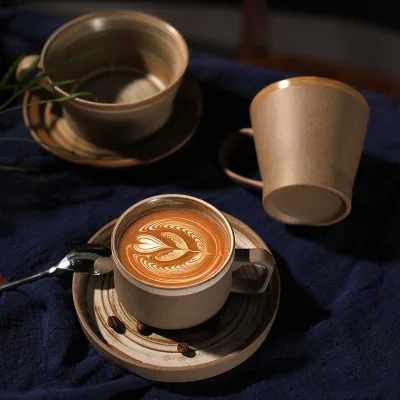
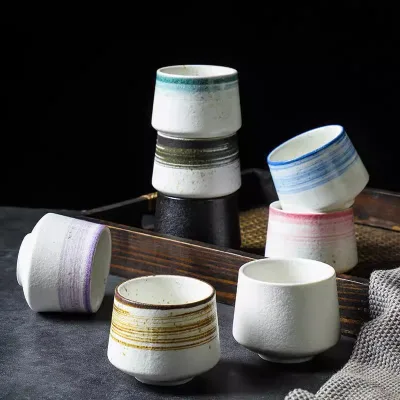
Current data indicates that suppliers offering hand-painted coffee cups are concentrated in specific Chinese provinces, with Zhejiang and Guangdong emerging as primary hubs for this category. Fact records show Zhejiang-based entities specializing in combined trading and manufacturing models, often listing water pipes and ceramic mugs as core products. These suppliers frequently operate with ODM and OEM capacities, suggesting a flexible production environment capable of handling custom designs. The presence of plastic and ceramic materials in product attributes highlights a diverse manufacturing base within this region, where factories may produce both functional drinkware and decorative items.
In contrast, suppliers located in Guangdong are noted for their focus on ceramic products, including mugs, tissue boxes, and pet bowls. Verification data for these entities often includes third-party certifications like CTI, which serves as a tangible indicator of quality assurance processes. These factories typically emphasize hand-painted techniques and eco-friendly features, aligning with the specific demands of the hand-painted coffee cup market. While Shandong-based suppliers appear in the broader search results, their primary focus remains on industrial paint mixing cups rather than consumer-grade ceramic drinkware. Buyers should prioritize regions where the main product list explicitly includes ceramic mugs or coffee cups to ensure the supplier has the necessary specialized equipment and skilled labor for this specific craft.
How to Verify Hand Paint Coffee Cup Suppliers
Verification of suppliers in this category requires a rigorous check of their stated credentials and operational history. The presence of third-party verification badges, such as CTI, provides a concrete starting point for assessing reliability, as these certifications often validate factory audits and quality control systems. Buyers must confirm that the supplier's main product list aligns with the specific item being sourced, ensuring they are not merely a general trading company pivoting to ceramics. Fact records indicate that some suppliers list "Combined" company types, which implies a blend of trading and manufacturing capabilities, while others are strictly manufacturers. This distinction is critical for understanding who holds the actual production control and quality responsibility.
Beyond certifications, buyers should scrutinize response times and communication efficiency as proxies for operational stability. Data shows response times varying significantly, with some suppliers averaging under six hours while others take nearly eighteen hours. A faster response time often correlates with a more active sales team and better project management, which is essential for custom hand-painted orders that require frequent design approvals. Additionally, checking the "Stock" status is vital; many ceramic mug suppliers indicate "No" stock availability, confirming they operate on a made-to-order basis. This necessitates a deeper verification of their production capacity and lead time reliability before committing to an order, ensuring they can meet specific deadlines without compromising the hand-painted quality.
What to Compare Across Hand Paint Coffee Cup Suppliers
When evaluating potential partners, buyers must compare specific operational metrics such as minimum order quantities (MOQ), lead times, and pricing structures. The data reveals a wide range in MOQs, with some suppliers requiring as few as 100 units while others demand 1,000 or even 5,000 pieces. This variance directly impacts the feasibility of small-batch custom orders versus large-scale production runs. Lead times also differ, with some suppliers indicating a standard thirty-day window, while others may have different timelines based on the complexity of the hand-painting process. Comparing these figures helps buyers determine which suppliers align with their inventory strategy and cash flow requirements.
Pricing and customization options form another critical comparison point. Product attributes show price ranges from approximately two to eight dollars per unit, depending on the complexity of the design and the material used. Suppliers offering "Customized Logo" and "Customized Shape" options provide greater flexibility for branding, but these services often come with higher MOQs or longer lead times. Buyers should also compare the specific shipping methods offered, such as DHL, UPS, or sea freight, as these affect the final landed cost and delivery speed. By systematically comparing these dimensions, buyers can identify suppliers that offer the best balance of cost, flexibility, and reliability for their specific hand-painted coffee cup requirements.
Common Hand Paint Coffee Cup Sourcing Risks
One significant risk in sourcing hand-painted coffee cups is the inconsistency inherent in manual production processes. Unlike machine-made items, hand-painted designs can vary slightly in color saturation, pattern alignment, and brushstroke quality from batch to batch. Suppliers may list "Customized Designs" as available, but without strict quality control protocols, the final product might not match the approved sample. Buyers must verify if the supplier has a dedicated quality assurance team to inspect each piece before packaging, as this is crucial for maintaining brand standards. The absence of standardized production lines increases the likelihood of defects, making pre-shipment inspections a non-negotiable step in the sourcing process.
Another risk involves the reliability of lead times and the potential for delays in custom manufacturing. While some suppliers list a thirty-day lead time, the actual duration can extend if the hand-painting process encounters bottlenecks or if raw materials are delayed. Suppliers with "No" stock availability are entirely dependent on production schedules, which can be unpredictable during peak seasons. Furthermore, the complexity of custom orders, such as specific color changes or irregular shapes, can introduce unforeseen delays. Buyers should assess the supplier's capacity to handle rush orders and their track record for meeting deadlines. Failing to account for these potential delays can disrupt supply chains and lead to missed market opportunities, making it essential to build buffer time into the procurement plan.
Hand Paint Coffee Cup Regional Sourcing and Logistics
Regional sourcing decisions should be guided by the specific manufacturing clusters identified in the data, particularly in Zhejiang and Guangdong. Zhejiang-based suppliers often combine trading and manufacturing capabilities, offering a broad range of products from water pipes to ceramic mugs. This region's concentration of combined-type companies suggests a mature ecosystem for sourcing diverse home and garden items. Buyers should prioritize suppliers in this area if they require a mix of product categories or if they value the flexibility of a combined trading and manufacturing model. The proximity of these suppliers to major ports facilitates efficient logistics, though buyers must verify the specific shipping methods and costs associated with their location.
Guangdong-based suppliers, on the other hand, are noted for their specialization in ceramic products and often hold third-party certifications like CTI. This region's focus on high-quality ceramics and hand-painted techniques makes it an ideal choice for buyers seeking premium drinkware. The presence of verified suppliers in Guangdong indicates a higher level of quality assurance, which is critical for hand-painted items where craftsmanship is paramount. Logistics from this region are generally well-established, with suppliers offering various shipping options including air and sea freight. Buyers should consider the trade-off between the specialized expertise of Guangdong suppliers and the broader product range of Zhejiang suppliers when planning their regional sourcing strategy.
Hand Paint Coffee Cup Commercial Terms and Order Planning
Commercial terms for hand-painted coffee cups vary significantly based on the supplier's location and production model. MOQs can range from 100 to 5,000 units, requiring buyers to carefully plan their order volumes to meet these thresholds. Pricing structures also differ, with unit costs ranging from two to eight dollars depending on the customization level and material. Buyers must negotiate clear terms regarding payment schedules, especially for custom orders that require upfront deposits. Understanding the supplier's capacity for OEM and ODM services is essential, as this determines the level of customization available and the associated costs. Clear communication of these terms prevents misunderstandings and ensures a smooth transaction process.
Order planning must account for the specific lead times and production capabilities of the chosen supplier. While some suppliers offer a thirty-day lead time, others may require longer periods for complex hand-painted designs. Buyers should factor in the time needed for design approval, sample production, and mass manufacturing when creating their procurement schedule. Additionally, the availability of stock and the supplier's ability to handle rush orders should be considered. For suppliers with "No" stock availability, buyers must ensure that the production timeline aligns with their market launch dates. By meticulously planning these commercial terms and timelines, buyers can mitigate risks and ensure a successful sourcing experience for their hand-painted coffee cup projects.
FAQs
What is the price range for hand painted ceramic coffee cups?
Hand painted ceramic coffee cups typically range from $2.00 to $8.00 per unit depending on customization and volume. Lower price points around $2.00 apply to standard designs, while complex hand-painted graffiti or irregular shapes cost up to $8.00. Bulk orders often secure better pricing tiers within this bracket.
What is the minimum order quantity for custom ceramic mugs?
The minimum order quantity varies by supplier and product type. Standard ceramic mugs often require a minimum of 1,000 units, while specialized items like plastic spray paint cups may have lower thresholds of 50 units. Buyers should verify specific MOQ requirements with suppliers offering custom logo or design services.
How long does production take for custom coffee cups?
Production lead times generally average around 30 days for standard orders. Suppliers located in Zhejiang and Guangdong regions typically adhere to this timeframe. Buyers requiring expedited production should confirm specific schedules with manufacturers, as lead times can vary based on order volume and customization complexity.
Are hand painted coffee cups available with custom logos?
Yes, many suppliers accept custom logo printing on ceramic and plastic cups. Options include hand-painted designs, printed logos, and custom shapes. Buyers can request customized colors and eco-friendly features. Suppliers in China offer OEM and ODM services to accommodate specific branding requirements for promotional or retail use.
What materials are used for hand painted coffee cups?
Common materials include ceramic and plastic. Ceramic cups are often single-layer, hand-painted, and designed to withstand high temperatures. Plastic options, such as spray paint cups, are disposable and feature mix-and-paint functions. Buyers can choose based on usage needs, with ceramic preferred for daily use and plastic for industrial applications.
Where are hand painted coffee cup suppliers located?
Suppliers are primarily located in China, specifically in Zhejiang, Guangdong, and Shandong provinces. Zhejiang focuses on plastic and combined manufacturing, Guangdong specializes in ceramic mugs, and Shandong produces paint mixing cups. Buyers can filter results by region to align with logistics preferences and supplier capabilities.
What shipping methods are available for coffee cup orders?
Available shipping methods include DHL, UPS, FedEx, air freight, and sea freight. Suppliers offer flexible logistics options to suit different order sizes and urgency levels. Buyers should select methods based on cost efficiency and delivery speed, with sea freight suitable for large bulk orders and express couriers for samples.