Hand-held Garment Steamer Suppliers and Manufacturers
Explore 26 verified options for Hand-held Garment Steamer suppliers in China. Compare lead times, certifications, prices, and response times to find the right partner. Review product specifications and request quotes directly; review the available evidence before requesting comparable quotations from suitable candidates.
Suppliers List

Ningbo Invo Import and Export Co., Ltd.
- Trading Company
- China Zhejiang
- Lead time23 days
- Avg. response≤ 21h
Main productsBaby Bottle
Main marketsSouth America,Africa,Southeast Asia/ Mideast,East Asia(Japan/ South Korea),Europe,Australia,North America


2000W Big Power Handy Garment Steamer Hand Held Folded Electric Clothes Steamer Garment Steamer
$14.45 - $16.20
MOQ: 8 Pieces


- Verified by TUVRHEINLAND
- Trading Company
- China Zhejiang
- Lead time30 days
- Avg. response≤ 8h
Main productsVacuum Cleaner, Garment Steamer, Window Cleaner, Steam Cleaner, Low Sugar Cooker, Air Fryer, Floor Srubber, Robot Vacuum Cleaner, Wet Dry Hardfloor Washer, Pet Vacuum Cleaner
Main marketsSouth America,Southeast Asia/ Mideast,Europe

Handy Garment Steamer Hand Held Folded Electric Clothes Steamer Garment Steamer
$8.80
MOQ: 1000 Pieces


Dongguan Jinsen Craft Technology Co., Ltd.
- Verified by TUVRHEINLAND
- Trading Company,Manufacturer/Factory
- China Guangdong
- Lead time23 days
- Avg. response≤ 2h
Main productsKitchen Household Appliances, Kitchenware, Blender, Air Fryer, Meat Grinder, Stainless Steel Pot, Breakfast Machine, Electric Fan Solar Fans, Vacuum Cup, Vacuum Bottle
Main marketsSouth America,Eastern Europe,Mid East,North America,Southeast Asia,Eastern Asia,Oceania,Western Europe,Africa
Shenzhen Belen Electronic Technology Co., Ltd.
- Verified by TüVRheinland
- Manufacturer, Trading Company
- Lead time5 days
- Avg. response≤ 2h
Main productsMassage Scraper, Muscle Scraping Tool, Massage Gun, Beauty Device, Skin Scrubber
Main marketsEastern Asia(60%), North America(30%), South America(3%)
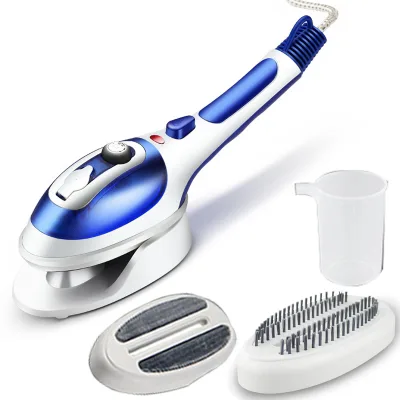
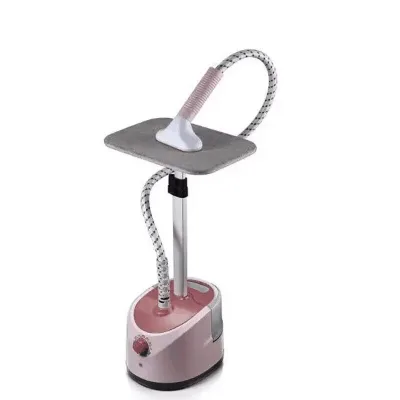
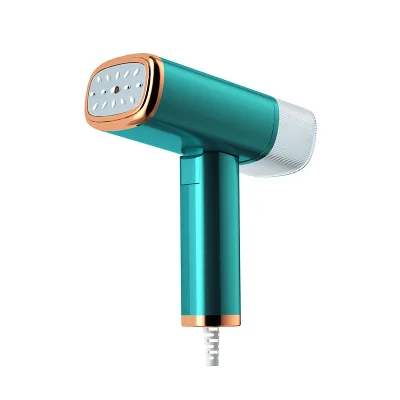
Hot Sales Portable Fabric Iron Steamer Handheld Travel Clothes Garment Steamer
$8.45 - $10.29
MOQ: 10 pieces

Ningbo Kelina Electric Appliance Co., Ltd.
- Combined
- China Zhejiang
- Lead time45 days
- Avg. response≤ 6h
Main productsVacuum Cleaner, Electric Sprayer, Lawn Mower, Mite Remover, Ignition Distributor, Ignition Coil, Water Pump, Ignition Module, Agricultural Sprayer, Portable Water Pump
Main marketsSoutheast Asia/ Mideast,East Asia(Japan/ South Korea),North America

Ningbo Yicheng Technology Co., Ltd.
- Verified by TUVRHEINLAND
- Trading Company
- China Zhejiang
- Lead time30 days
- Avg. response≤ 7h
Main productsElectric Grill, Waffle Maker, Air Fryer, BBQ, Food Processor, Kitchenware, Pizza Maker, Multifunction Cooker, Thermomixer, Coffee Grinder
Main marketsEurope

Anhui Huining International Trade Co., Ltd.
- Verified by SGS
- Combined
- China Anhui
- Lead time30 days
- Avg. response≤ 3h
Main productsCoffee Maker, Commercial Water Boilers, Food Container, Plastic Cup, Thermostat, Disposable, Home Appliance, Electric Appliance, Kitchen Appliance, Home Appliance Parts
Main marketsSouth America,Africa,Southeast Asia/ Mideast,Europe,North America
Ningbo Haojia Electrical Appliance Co., Ltd.
- Verified by Intertek
- Manufacturer, Trading Company
- Lead time45 days
- Avg. response≤ 19h
Main productsGarment Steamer, Steam Iron, Vacuum Cleaner
Main marketsSouth America(25%), Eastern Europe(15%), Southeast Asia(15%)
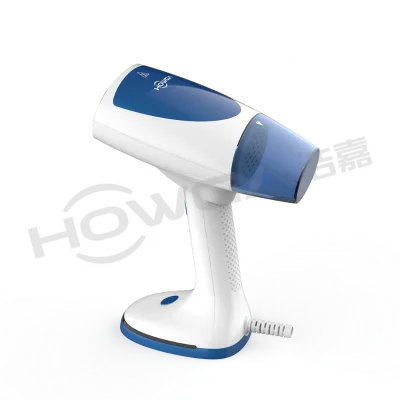
1200W Removes Wrinkle Garment Steamer Head Adjustable Hand Held Clothing Steamer for Home
$11.30 - $11.50
MOQ: 2000 pieces
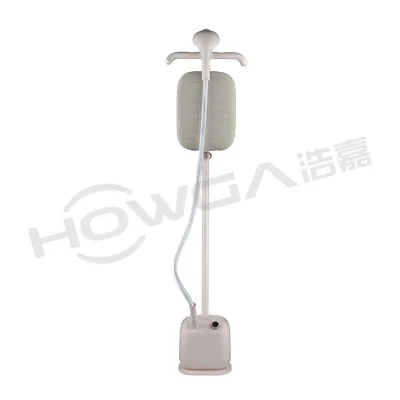
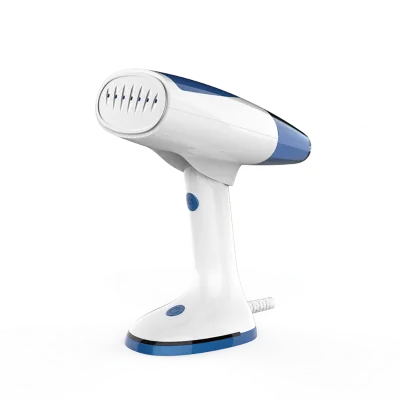
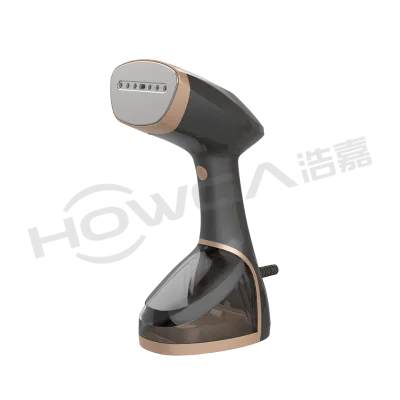
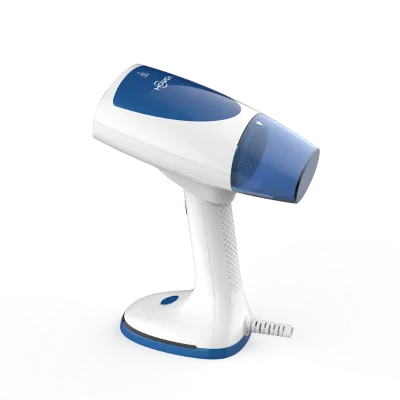
$10.20 - $10.50
MOQ: 2000 pieces
Yiwu Fengtong Electric Appliance Co., Ltd.
- Verified by TüVRheinland
- Trading Company
- Lead time60 days
- Avg. response≤ 3h
Main productsHome Appliances
Main marketsSoutheast Asia(30%), Eastern Europe(18%), Africa(18%)
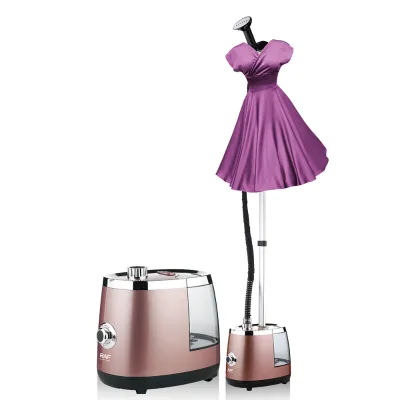
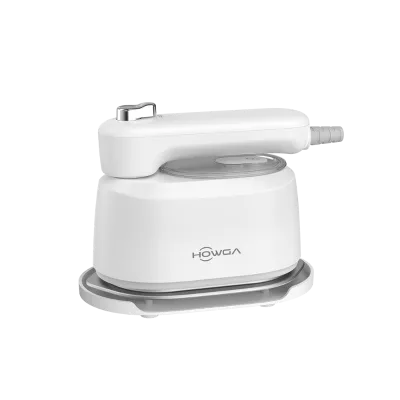
Handheld Garment Steamer for Clothes Vertical Steam Iron With Handheld Garment Steamer
$24.06 - $24.54
MOQ: 2 pieces
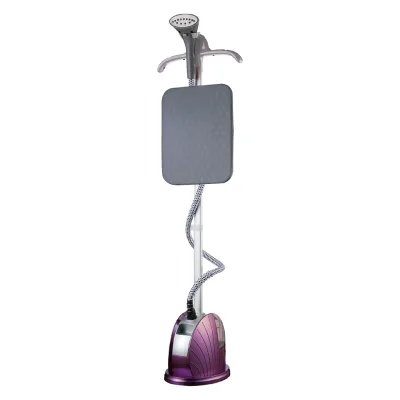
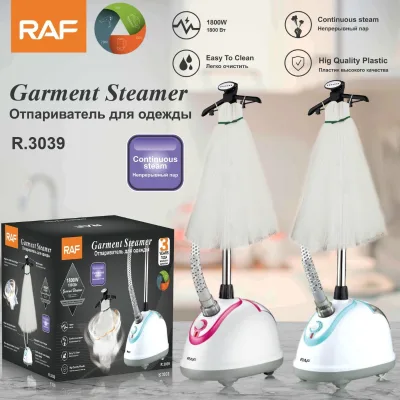
2000W Electric Home Garment Steamer Handheld Vertical Standing Design for Household Use
$13.44 - $13.71
MOQ: 8 pieces
Shanghai Antronic Electrical Appliance Co., Ltd.
- Verified by TüVRheinland
- Trading Company
- Lead time35 days
- Avg. response≤ 3h
Main productsAir Fryer, Vacuum Cleaner, Steam Iron, Sandwich Maker, Blender
Main marketsEastern Europe(15%), Western Europe(15%), North America(10%)
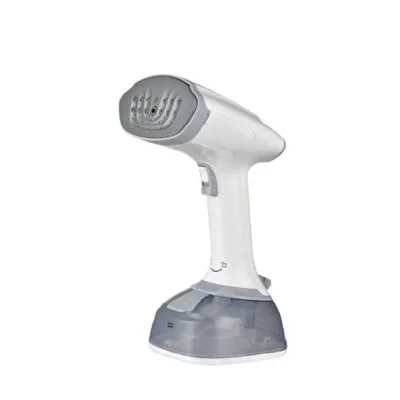
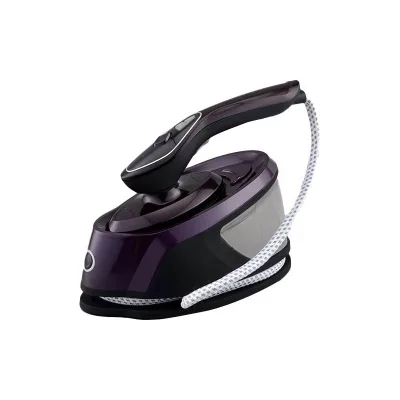
$25.90 - $27.90
MOQ: 980 pieces
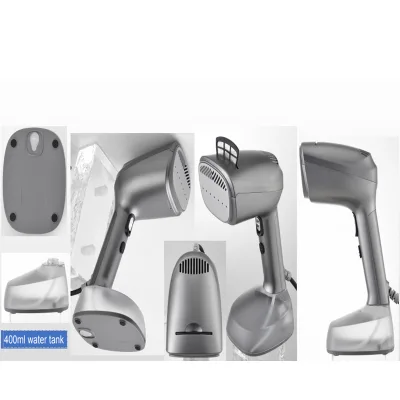
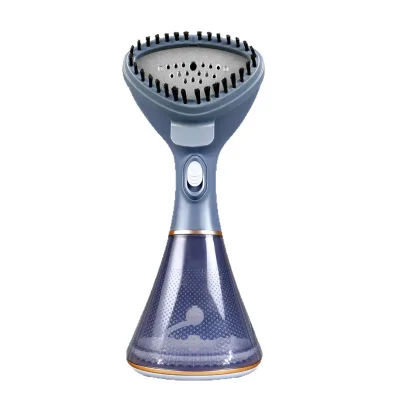

- Trading Company
- China Zhejiang
- Lead time30 days
- Avg. response≤ 11h
Main productsHome Appliance, Cookware Set, Thermos, Home Storage, Furniture, Pet Supplies, Garden Tools, Outdoor Supplies, Baby Supplies, Houesehold Items
Main marketsSouth America,Africa,Southeast Asia/ Mideast,East Asia(Japan/ South Korea),Domestic,Europe,Australia,North America


Handheld Garment Steamer for Clothes Fabric Wrinkles Remover, 30-Second Fast Heat-up
$19.03 - $19.15
MOQ: 1000 Pieces

Cixi Meiteng Electrical Appliance Co., Ltd.
- Verified by TüVRheinland
- Manufacturer, Trading Company
- Lead time7 days
- Avg. response≤ 4h
Main productsGarment Steamer, Steam Irons
Main marketsSoutheast Asia(33%), Western Europe(14%), North America(11%)
Yiwu Aikelansi Electrical Appliance Co., Ltd.
- Trading Company
- Lead time旺季: "1 - 500":31,"> 500":"To be negotiated", 淡季: "1 - 500":31,"> 500":"To be negotiated"
- Avg. response≤ 7h
Main productsSteam Iron, Electric Kettle, Stand Mixer, Sandwich Maker, Juicer

Suzhou Purolf Technology Co.,Ltd
- Verified by BV
- Manufacturer/Factory
- China Jiangsu
- Lead time0 days
- Avg. response≤ 7h
Main productsVacuum Cleaner, Steam Mop, Cordless Vacuum Cleaner, Carpet Washer, Wet Dry Vacuum Cleaner, Garment Steamer, Spot Cleaner, Canister Vacuum Cleaner, Robot Vacuum Cleaner, Floor Sanitizer
Main marketsSouth America,Eastern Europe,Mid East,North America,Southeast Asia,Eastern Asia,Oceania,Western Europe,Africa


Handheld Portable Clothes Steamer Garment Electric with Spray Steamer Iron
$7.50 - $9.80
MOQ: 1000 Pieces


- Verified by SGS
- Trading Company
- China Zhejiang
- Lead time15 days
- Avg. response≤ 15h
Main productsFan, Heater Fan, Air Fryer, Toaster, Rice Cooker, Vacuum Cleaner, Coffee Machine, Hairdressing Appliance, Electric Toothbrush, Steam Iron
Main marketsEurope,Australia

Portable Handheld Design Strong Penetrating Steam Garment Steamer Fabric Steamer Steam Iron
$2.14 - $4.14
MOQ: 322 Pieces


Ningbo Invo Import And Export Co., Ltd.
- Trading Company
- Lead time旺季: "1 - 1000":45,"> 1000":"To be negotiated", 淡季: "1 - 1000":45,"> 1000":"To be negotiated"
- Avg. response≤ 14h
Main productsHome Appliance,Garment Steamer,Vacuum cleaner,pet grooming kit,cat water fountain
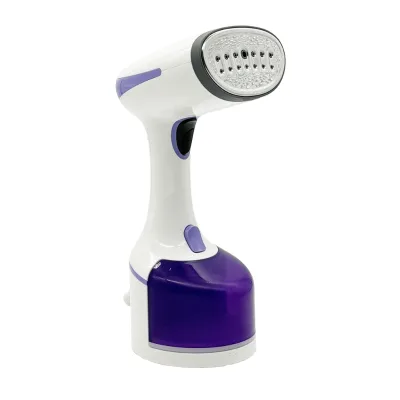
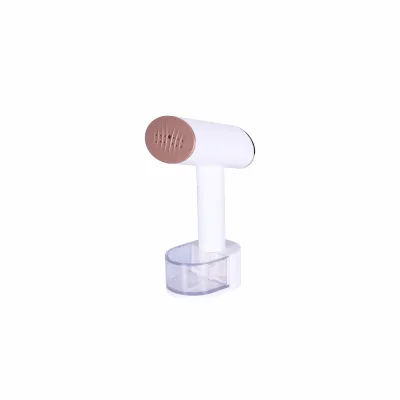
Mini Steamer for Quick Refresh of Clothes and Upholstery 300ml Water tank Garment Steamer
$14.30 - $14.50
MOQ: 2000
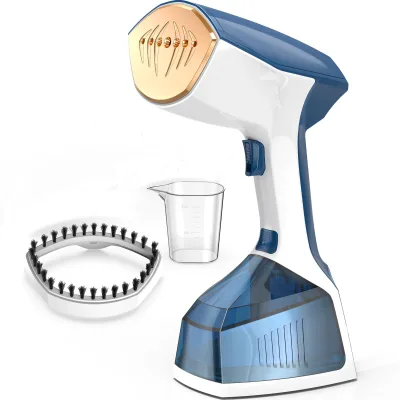
Handheld Garment Steamer Easy to Use for Collars Sleeves Curtains Home Travel
$14.46 - $14.66
MOQ: 1000 pieces
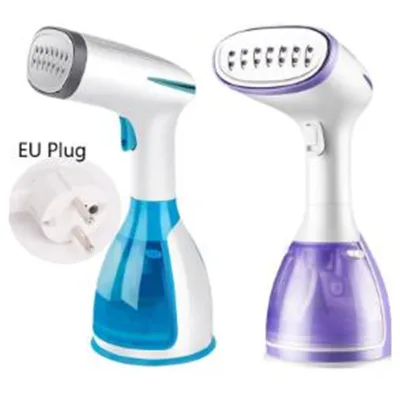
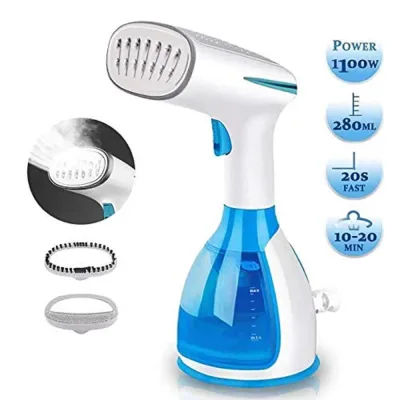
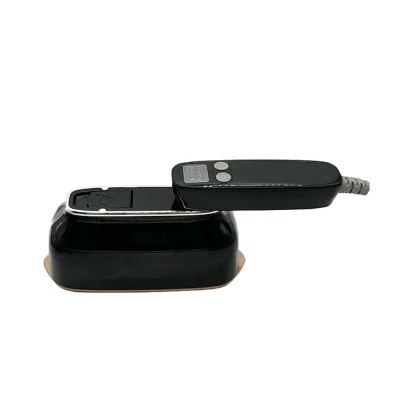
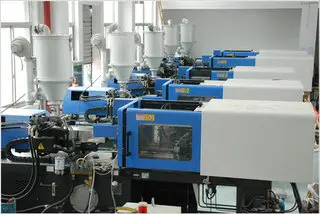
Ningbo Invo Import And Export Co., Ltd.
- Trading Company
- Zhejiang, China
- Lead time20 days
- Avg. response≤ 13h
Main productsbaby products,plastic products,glass products,gifts & crafts,Household Sundries
Main marketsWestern Europe(30.00%), North America(30.00%), Oceania(10.00%), South America(10.00%), Domestic Market(5.00%), South Asia(5.00%), Africa(5.00%), Mid East(5.00%)
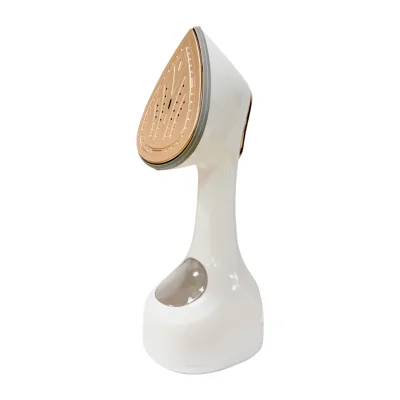
New Product Garment Steamer Vertical Garment Steamer Household Promotional Garment Steamer
$14.00 - $14.50
MOQ: 1000 pieces
Cixi Kaibin Electric Co., Ltd.
- Manufacturer
- Zhejiang, China
- Lead time0 days
- Avg. response≤ 2h
Main productsAir fryer,portable steam iron,garment steamer,hair clipper,steam sterilizer
Main marketsDomestic Market(70.00%), Southeast Asia(20.00%), Eastern Europe(5.00%), South Asia(5.00%)
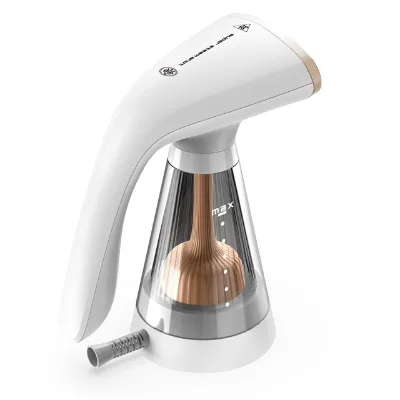
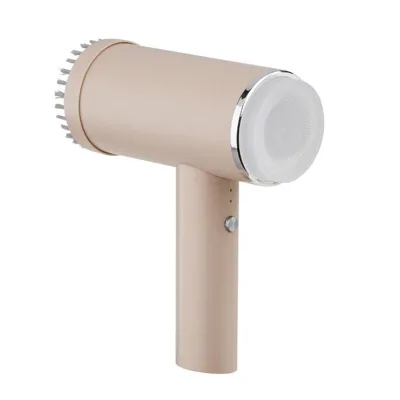
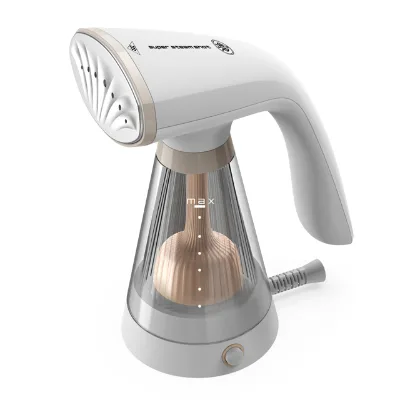
Home Appliance Portable Hair Steamer Handheld Travel Foldable Garment Steamer with Brush
$8.10 - $9.00
MOQ: 2000
Henan Superfit Technology Co., Ltd.
- Trading Company
- Henan, China
- Lead time7 days
- Avg. response≤ 7h
Main productsBakeware,Kitchen Gadget,Coffee Tools,Household appliances,Silicone Items
Main marketsNorth America(30.00%), Western Europe(15.00%), Mid East(10.00%), Oceania(10.00%), Eastern Asia(10.00%), Eastern Europe(10.00%), Domestic Market(5.00%), South America(5.00%), Africa(5.00%)

Ningbo Brite Import and Export Co., Ltd.
- Verified by SGS
- Trading Company
- China Zhejiang
- Lead time23 days
- Avg. response≤ 1h
Main productsKettle, Safe Box, LED Lights, Hair Dryer, Weight Scale, Minibar Fridge, Coffee Maker, Garment Steamer, Cosmetic Mirror, Air Purifier
Main marketsAfrica

Laundry Equipment Foldable Powerful Handheld Clothing Steamer for Quick Home and Travel Use
$8.88 - $15.99
MOQ: 20 Pieces

Multi-Functional Handheld Fabric Steamer for Efficient Ironing and Travel
$8.88 - $15.99
MOQ: 20 Pieces

Portable Handheld Steamer for Effortless Travel Garment Care Dry Cleaning and Fabric
$8.88 - $15.99
MOQ: 20 Pieces


Living Room Furniture Versatile Handheld Garment Steamer Ideal for Home and Travel Needs
$8.88 - $15.99
MOQ: 20 Pieces

Large Capacity Professional Garment Steamer Vertical Household Steamer with High Power Performance
$8.99 - $19.88
MOQ: 2 Pieces

Shenzhen Baiyisen Health Technology Co., Ltd.
- Verified by SGS
- Trading Company
- China Guangdong
- Lead time30 days
- Avg. response≤ 4h
Main productsHigh-Speed Hair Dryer Curling Irons Styler, Multi-Function Hair Dryer Hairdryer, Secador De Cabello Air Wrap, Blower Hair Secador De Pelo Blow Dryer
Main marketsDomestic

Portable Steam Iron for Both Dry and Wet Use Handheld Mini Home Garment Steamer
$12.00 - $13.00
MOQ: 1000 Pieces

$12.00 - $13.00
MOQ: 1000 Pieces

Compact Handheld Garment Steamer with Suction, High-Power, High-Speed
$22.90 - $24.50
MOQ: 1000 Pieces

Guangdong Tianjun Intelligent Technology Co., Ltd.
- Verified by SGS
- Combined
- China Guangdong
- Lead time30 days
- Avg. response≤ 2h
Main marketsSoutheast Asia/ Mideast,East Asia(Japan/ South Korea),Europe
Shenzhen JPC Technology Co., Ltd.
- Verified by SGS Group
- Trading Company
- Lead time15 days
- Avg. response≤ 2h
Main productsHair Removal, Nail Lamp, Facial Steamer, Facial Cleansing Brush, Led Mask
Main marketsNorth America(40%), South America(8%), Eastern Europe(8%)
Ningbo Hexu Electrical Appliance Co., Ltd.
- Manufacturer
- Zhejiang, China
- Lead time25 days
- Avg. response≤ 6h
Main productsGarment Steamer; Steam Iron
Main marketsDomestic Market(50.00%), North America(30.00%), Eastern Asia(15.00%), Western Europe(5.00%)

Ningbo Laien Electric Co., Ltd.
- Verified by SGS
- Manufacturer/Factory
- China Zhejiang
- Lead time23 days
- Avg. response≤ 25h
Main productsAir Fryer, Vacuum Cleaner, Electric Heater, Balloon Pump, Steam Iron, Motor, Fan, Coffee Machine, Hair Dryer, Garment Steamer
Main marketsSouth America,Eastern Europe,Mid East,North America,Southeast Asia,Eastern Asia,Oceania,Western Europe,Africa

- Verified by BV
- Trading Company
- China Zhejiang
- Lead time30 days
- Avg. response≤ 8h
Main productsElectric Kettle, Massager, Hair Dryer, Heater, Electric Grill, Humidifier, Hair Straightener, Mixer, Beauty Instrument, Electronics
Main marketsAfrica,Southeast Asia/ Mideast,Europe,North America


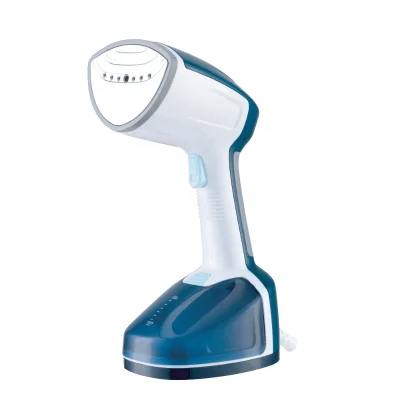
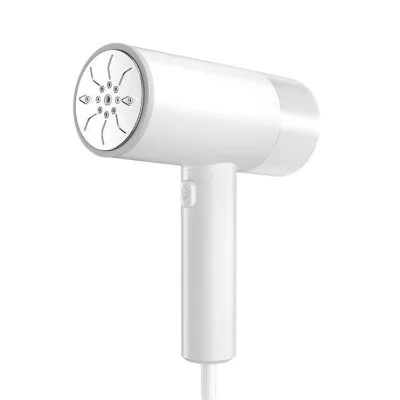
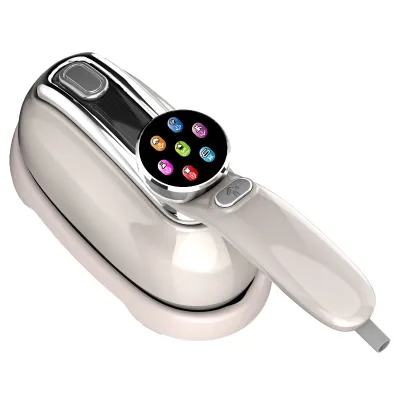
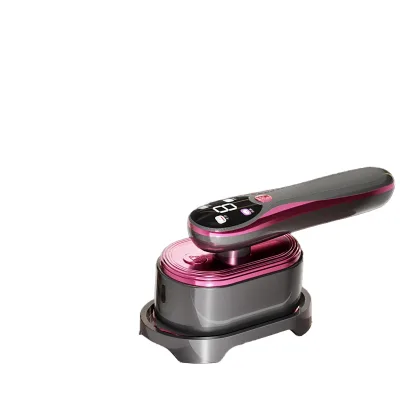




Comprehensive Sourcing Guide
Hand-held Garment Steamer Supplier Concentration and Factory Types
The available data indicates that suppliers for hand held garment steamers are concentrated in specific regions within China, with Zhejiang and Ningbo appearing as documented origins for multiple product listings. These locations serve as key manufacturing clusters where factories and trading companies operate to produce items such as mini handheld portable garment steamers and multifunctional 3-level steamers. When evaluating potential partners, buyers should verify if the supplier's registered address aligns with these known industrial hubs, as proximity to these clusters often correlates with established supply chains for home appliances and laundry machinery. The presence of these specific geographic markers in product attributes provides a concrete starting point for narrowing down the search to regions with verified production capabilities rather than relying on general assumptions about manufacturing zones.
Regarding company structures, the observed results include both trading companies and manufacturers, though the specific mix varies by listing. Some entries explicitly identify the entity as a trading company, which may influence the directness of communication and the ability to customize production lines compared to a factory. Buyers must distinguish between these entity types by checking the company type field in supplier profiles, as trading companies often aggregate products from various factories while manufacturers control the production process directly. This distinction is critical for understanding who holds the inventory and who manages the quality control protocols for items like the 1500W portable handheld garment steamer. Verifying the actual operational nature of the supplier ensures that the buyer understands the supply chain dynamics before proceeding with negotiations.
How to Verify Hand-held Garment Steamer Suppliers
Verification begins with scrutinizing the product evidence provided in supplier listings, specifically looking for detailed technical attributes that confirm the item's specifications. For instance, listings for hand held garment steamers often include precise data points such as power ratings ranging from 1000W to over 1500W, water capacity measurements between 150ml and 280ml, and specific heat-up times like 20 seconds or 30 seconds. Buyers should cross-reference these technical claims against the supplier's provided product attributes to ensure consistency, as discrepancies in power output or steam rate can indicate unreliable data. Additionally, checking for certifications like CE, GS, RoHS, and CB in the product properties section offers a tangible metric for compliance, though the absence of a system certification label in some profiles requires further inquiry into the specific product's testing status.
Response time and lead time are also critical verification metrics that reflect a supplier's operational efficiency and reliability. The observed data shows response times recorded around 20.35 units, which serves as a benchmark for expected communication speed, while lead times are documented at approximately 23 days for certain items. Buyers should request current lead time estimates for their specific order volume, as these figures can fluctuate based on production schedules and raw material availability. Furthermore, verifying the supplier's ability to provide detailed product attributes, such as soleplate materials (stainless steel or aluminum) and plug types (UK, US, AU, EU, CN), confirms their technical competence. If a supplier cannot provide these granular details or if the data appears inconsistent across different product listings, it warrants a deeper investigation into their manufacturing capabilities and quality assurance processes.
What to Compare Across Hand-held Garment Steamer Suppliers
When comparing suppliers, the primary focus should be on the variation in minimum order quantities (MOQ) and pricing structures, which can differ significantly even for similar product categories. The data reveals MOQs ranging from as low as 8 pieces for certain multifunctional steamers to 1000 pieces for other models, indicating a wide spectrum of flexibility in order sizes. Buyers must align their procurement needs with these thresholds, as ordering below the specified MOQ may result in higher unit costs or refusal of the order. Price ranges also vary, with some listings showing minimum prices around 12.80 and maximums near 25.00, while others present tighter ranges between 14.45 and 16.20. Understanding these financial parameters is essential for budgeting and determining the economic viability of sourcing from different suppliers.
Beyond cost and volume, comparing technical specifications and customization options provides a clearer picture of product suitability. Attributes such as steam rate (27-32g/Min), working time (10-14 minutes), and features like automatic shut-off and anti-drip technology vary across listings. Some suppliers offer customization services, which is a valuable differentiator for buyers seeking branded or modified products. Additionally, the inclusion of accessories like lint brushes, fabric brushes, and travel bags can add value to the final package. Buyers should create a comparison matrix that includes these specific product attributes alongside the supplier's response time and location. This structured approach allows for an objective evaluation of which supplier offers the best balance of technical performance, customization potential, and logistical convenience for the specific Hand-held Garment Steamer requirements.
Common Hand-held Garment Steamer Sourcing Risks
One significant risk involves the inconsistency of product specifications and certifications across different listings from the same or different suppliers. While some product attributes list comprehensive certifications like CE, GS, RoHS, and CB, other entries may show a system certification status of NIL, creating uncertainty about the actual compliance of the goods. Buyers must be vigilant in verifying that the specific unit they order matches the certified specifications, as a discrepancy could lead to customs issues or safety violations in the destination market. The presence of varying soleplate materials, such as stainless steel versus aluminum, further complicates quality assurance, as these materials affect durability and heat distribution. Without a standardized verification process, buyers risk receiving products that do not meet the advertised performance standards or safety requirements.
Another risk pertains to the reliability of lead times and the potential for production delays. The observed lead time of 23 days serves as a baseline, but actual delivery schedules can be impacted by supply chain disruptions or capacity constraints. If a supplier promises a shorter lead time without a written guarantee, the buyer faces the risk of delayed inventory arrival, which can disrupt sales cycles. Additionally, the variation in packaging sizes and weights, such as carton dimensions ranging from 141229cm to 545330cm, can lead to unexpected shipping costs and logistical challenges. Buyers should clarify these details in advance to avoid hidden costs and ensure that the packaging is suitable for their distribution channels. Failing to address these logistical and specification risks upfront can result in financial losses and operational inefficiencies.
Hand-held Garment Steamer Regional Sourcing and Logistics
Sourcing from regions like Zhejiang and Ningbo offers distinct logistical advantages due to their established infrastructure for exporting home appliances and laundry machinery. These locations are known for their proximity to major ports, which facilitates efficient shipping of heavy items like garment steamers. Buyers should verify the specific port of origin listed in the product attributes, as this information directly impacts freight costs and transit times. For instance, products originating from Ningbo may have different shipping routes compared to those from other parts of Zhejiang, affecting the overall delivery timeline. Understanding the regional logistics network allows buyers to optimize their shipping strategies and select suppliers that align with their preferred delivery windows.
Logistical planning also involves managing the complexities of packaging and weight variations across different product models. The data shows significant differences in package sizes and weights, with some units weighing as little as 1.3kg while others are packed in larger cartons weighing up to 9.5kg. These variations influence the number of units that can be loaded into a container, directly affecting the cost per unit for international shipping. Buyers must calculate the total landed cost by factoring in these packaging dimensions and weights, as inefficient packing can lead to wasted space and higher freight charges. Additionally, the availability of specific plug types (UK, US, AU, EU, CN) in the product attributes ensures that the goods are ready for the target market, reducing the need for additional modifications or adapters upon arrival.
Hand-held Garment Steamer Commercial Terms and Order Planning
Commercial terms for hand held garment steamers often include specific requirements regarding payment methods, shipping terms, and customization agreements. Buyers should clarify whether the supplier offers escrow services or other payment protections to mitigate financial risks, especially when dealing with new suppliers. The presence of customization options, such as available branding or specific feature modifications, should be confirmed in the commercial agreement to ensure that the final product meets the buyer's specifications. Additionally, understanding the return policy and warranty terms is crucial, as these factors can impact the long-term viability of the partnership. Clear communication of these terms helps establish a solid foundation for the business relationship and minimizes the potential for disputes.
Order planning requires a strategic approach to managing inventory levels and production schedules based on the supplier's lead times and MOQs. Given the variability in lead times and the potential for production delays, buyers should plan their orders well in advance to avoid stockouts. The wide range of MOQs, from 8 to 1000 pieces, allows for flexibility in order sizing, but buyers must balance this with their storage capacity and cash flow constraints. It is also important to consider the seasonal demand for garment steamers, as peak seasons may strain supplier capacity and extend lead times. By developing a robust order planning strategy that accounts for these variables, buyers can ensure a steady supply of hand held garment steamers while maintaining cost efficiency and operational stability.
FAQs
What is the typical price range for a Hand-held Garment Steamer?
Listed Hand-held Garment Steamer models generally fall between roughly 12.80 and 25.00 per unit, with volume tiered pricing applying above the minimum order quantity. Entry configurations sit near the lower bound, while higher-power or multi-level steam versions reach the upper bound. Ask suppliers for a tiered quotation based on your actual order quantity.
What minimum order quantities do Hand-held Garment Steamer suppliers require?
Minimum order quantities on the current results vary widely, ranging from as low as 8 or 12 pieces on some models up to 1000 pieces on certain 2000W steamers. The requirement depends on the specific model and whether customization is involved. Confirm the MOQ for your chosen model before requesting samples.
How long does production take for a Hand-held Garment Steamer order?
One supplier in the current results reports a lead time of approximately 23 days, which is a reasonable planning benchmark for standard orders. Customized branding, packaging, or plug types may extend that timeline. Always confirm the lead time in writing, including sample production and shipping durations, before placing a deposit.
Which certifications should a Hand-held Garment Steamer have?
The steamer models in the current results list CE, GS, RoHS, and CB certifications, which cover European safety, electromagnetic, and hazardous-substance requirements. Note that at least one trading company shows no system certification on its profile, so verification matters. Request valid, dated certificate copies from any supplier before committing to an order.
Are suppliers based in Zhejiang reliable for steamers?
The Hand-held Garment Steamer results on this page originate from China, Zhejiang, including Ningbo, a major export hub for small home appliances. Regional concentration gives buyers access to mature supply chains and competitive pricing, but it does not guarantee individual supplier quality. Verify each supplier's track record, certifications, and references independently before ordering.
How fast do Hand-held Garment Steamer suppliers respond to inquiries?
A response time of about 20 hours appears in the current supplier results, so plan for replies within roughly a day rather than instantly. Response speed can vary with time zones, holidays, and inquiry volume. Send detailed questions covering MOQ, certification, and customization in your first message to reduce back-and-forth delays.
Can hand held garment steamers be customized for different markets?
Customization is listed as available on multiple steamer models in the current results, and several products already support UK, US, AU, EU, and CN plug types. Typical customization covers plugs, voltage, color, packaging, and branding. Confirm minimum quantities for customized runs, since they can exceed the standard MOQ for stock configurations.
Are these steamers trading companies or manufacturers?
The current results include a trading company type among the suppliers, so not every listing comes directly from a factory. Trading companies can offer broader model selection and consolidated logistics, while factories may offer better unit pricing. Ask each supplier to disclose whether they manufacture in-house, and request factory audit evidence when relevant.