Hand Held Portable Plasma Pen Suppliers and Manufacturers
Compare 21 verified suppliers offering hand held portable plasma pens with varying lead times, certifications, and response speeds. Review product specs like power and weight, then request quotes to confirm pricing and customization options for your needs; review the available evidence before requesting comparable quotations from suitable candidates.
Suppliers List
- Verified by SGS
- Trading Company,Manufacturer/Factory
- China Guangdong
- Lead time23 days
- Avg. response≤ 2h
Main productsBeauty Devices, Skin Care Instrument, LED Face Masks, Makeup Tools, Beauty Instrument (OEM/ODM), OEM / ODM Electronics, Beauty Device, Home Air Care Appliances, Furniture, Electric Bakhoor Burners
Main marketsSouth America,Eastern Europe,Mid East,North America,Southeast Asia,Eastern Asia,Oceania,Western Europe,Africa


2026 Hot Selling Multi Functional Portable Spot Removal Plasma Lift Pen
$10.74 - $13.50
MOQ: 20 Pieces



International Saw Beauty Co., Limited
- Manufacturer, Trading Company
- Guangdong, China
- Lead time7 days
- Avg. response≤ 7h
Main productsMassage equipment,Beauty equipment,Weight loss equipment,Fitness equipment,Skin analysis equipment
Main marketsWestern Europe(60.00%), North America(30.00%), Southern Europe(10.00%)

Guangzhou RenLang electronic technology Co., LTD
- Verified by CTI
- Combined
- China Guangdong
- Lead time15 days
- Avg. response≤ 9h
Main productsBeauty Machine, Hair Removal Machine, Tattoo Removal Machine
Main marketsEurope
Shandong Jiaxin Machinery Equipment Co., Ltd.
- Verified by BV
- Combined
- China Shandong
- Lead time15 days
- Avg. response≤ 7h
Main productsCNC Laser Cutting Machine CNC Plasma Cutter
Main marketsSouth America,Africa,Southeast Asia/ Mideast,East Asia(Japan/ South Korea),Domestic,Europe,Australia,North America
Shanxi Jingwei Chemical Fiber Machinery Co.,Ltd
- Verified by BV
- Combined
- China Shanxi
- Lead time15 days
- Avg. response≤ 17h
Main productsgear pump
Main marketsOthers(foreignTradeCapacity.exportBusinessCapacityMarketOther),Domestic

GUANGZHOU KONMISON TECHNOLOGY CO., LIMITED
- Verified by BV
- Trading Company
- China Guangdong
- Lead time30 days
- Avg. response≤ 10h
Main productsBeauty Machine, Beauty Equipment, Slimming Machine, Cavitation Weight Loss Beauty Machine, Skin Care Machine, RF Skin Lifting Rejuvenation Machine, IPL Hair Removal Machine, Laser Hair Removal Machine, LED Facial Mask Beauty Device
Main marketsEurope,Australia


2019 New Arrivals Electric Pigment Skintag Removal Beauty Mole Removal Plasma Pen
$12.00 - $26.00
MOQ: 1 Pieces

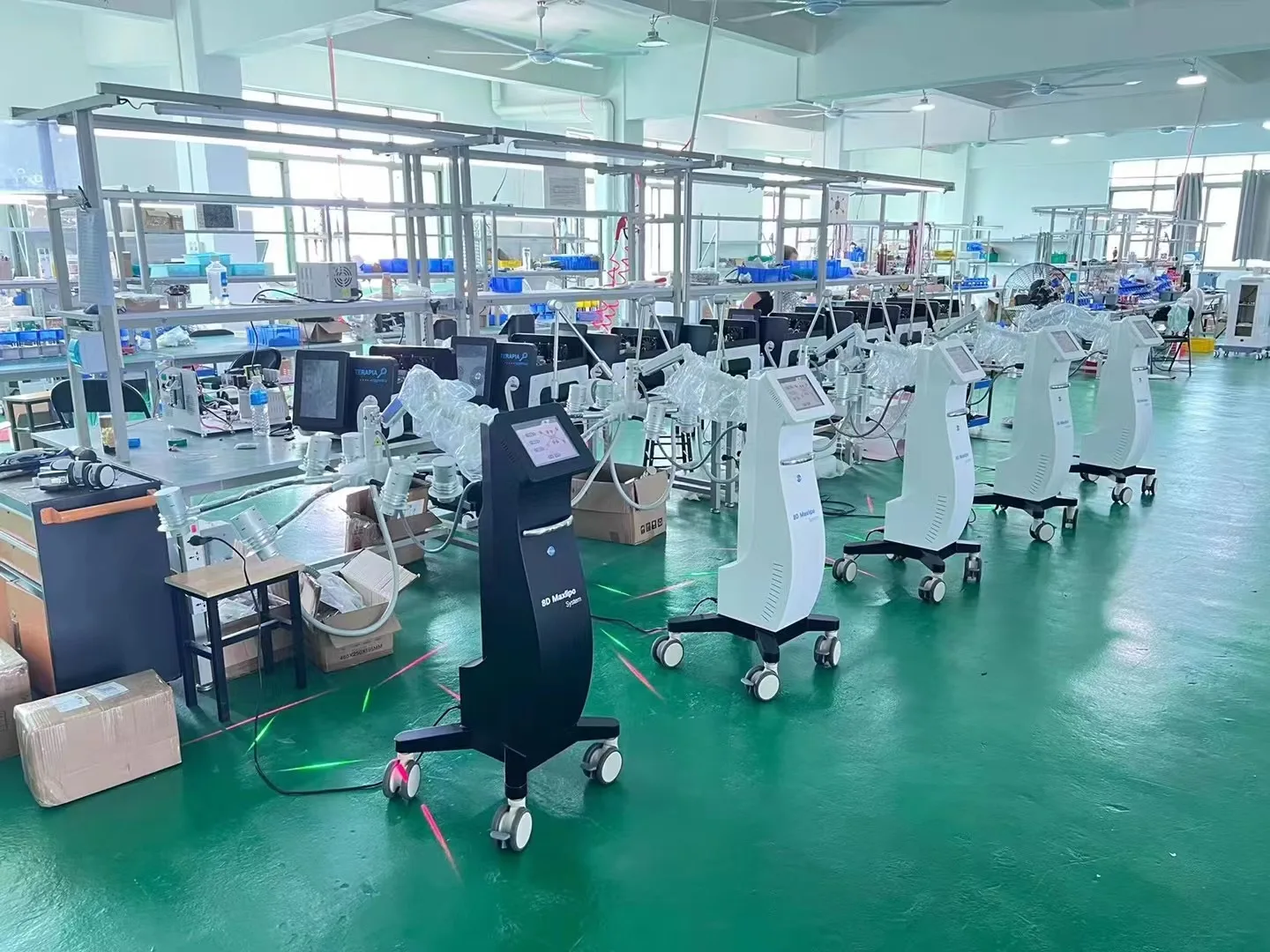
Guangzhou Hopersmile Electronic Co. LTD
- Manufacturer, Distributor/Wholesaler
- Guangdong, China
- Lead time0 days
- Avg. response≤ 4h
Main productsBody Contouring Equipment,Skin Care Equipment,Anti-aging Equipment,Hair Removal Machines,Laser Beauty Machines
Main marketsNorth America(30.00%), Western Europe(20.00%), Mid East(10.00%), Eastern Europe(10.00%), Southern Europe(5.00%), Northern Europe(5.00%), Central America(5.00%), South America(5.00%), Eastern Asia(5.00%), Southeast Asia(5.00%)
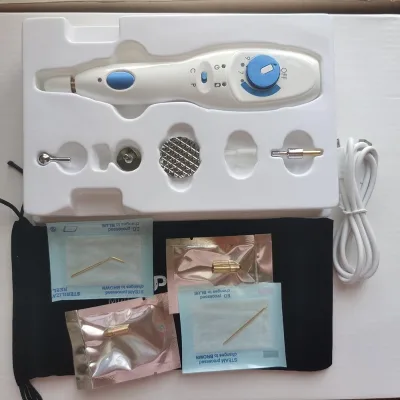
Cool Jet Skin Care Portable Plasma Pen for Professional Use with High Quality
$90.06 - $110.53
MOQ: 1 units
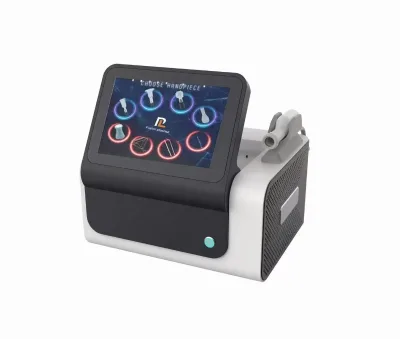
$1330.39 - $2149.09
MOQ: 1 units

Jinan Zhongke CNC Equipment Co., Ltd.
- Verified by BV
- Combined
- China Shandong
- Lead time30 days
- Avg. response≤ 5h
Main productsCNC Router, Wood Engraving Machine, Plasma Cutting Machine, Laser Engraving Machine, Metal Die Milling Machine, Laser Cutting Machine, Wood Carving Machine, Aluminum Board Cutting Machine, Laser Marking Machine, CNC Cutting Machine
Main marketsSouth America,Africa,Southeast Asia/ Mideast,East Asia(Japan/ South Korea),Domestic,Europe


Portable CNC Plasma Cutting Machine/Portable Plasma Cutter/Plasma Cut CNC
$6000.00 - $10000.00
MOQ: 1 Pieces

Shandong Urway Biological Technology Co., Ltd.
- Manufacturer/Factory
- China Shandong
- Lead time0 days
- Avg. response≤ 2h
Main productsDermal Filler, Plla, Pdo Thread, Derma Roller, Hyaluronic Acid Filler, Meso Serum, Pdrn, Derma Pen, LED Mask

Guangzhou allfond electronics co.,ltd
- Verified by SGS
- Trading Company
- China Guangdong
- Lead time15 days
- Avg. response≤ 7h
Main productsSlimming Machine, Beauty Equipment, Derma Roller, Tattoo Equipment, ND YAG Laser Machine, Cavitation RF Vacuum, Hifu, 808nm Diode Laser, EMS Sculpting Machine, Cryolipolysis Machine
Main marketsSoutheast Asia/ Mideast,Europe,North America


Professional 2 in 1 Ozone Plasma Flash Plasma Pen for Skin Rejuvenation
$420.00 - $460.00
MOQ: 1 Pieces
Guangzhou Ibeier Technology Co., Ltd.
- Verified by SGS Group
- Trading Company
- Lead time7 days
- Avg. response≤ 3h
Main productsTerahertz Wand, Plasma Pen, Terahertz Therapy Device, RF Beauty Machine, Terahertz Patch
Main marketsSoutheast Asia(30%), North America(20%), South America(10%)
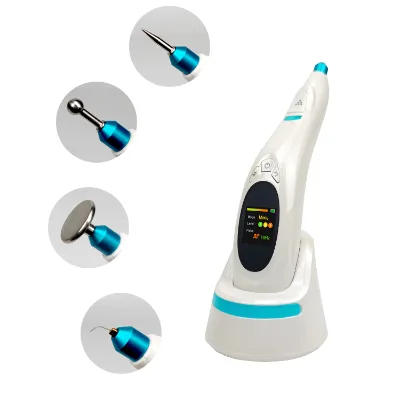
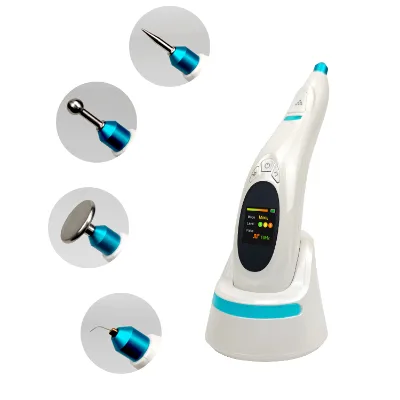
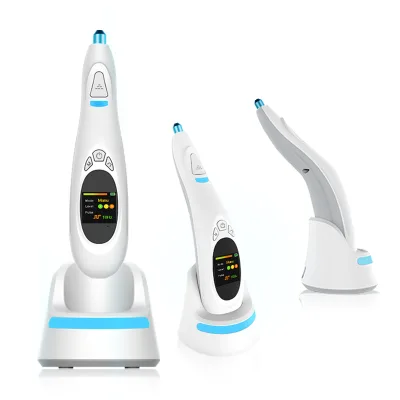
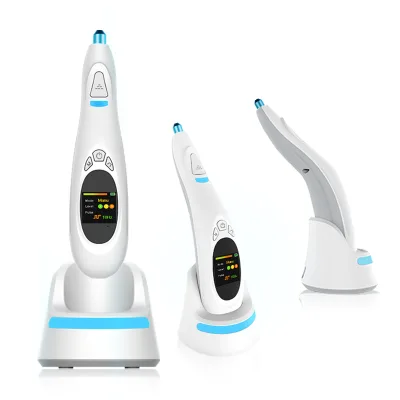
Professional Plasma Pen for Body and Face Lifting Plasma Pen Distributor Price
$301.27 - $570.89
MOQ: 1 pieces
$303.98 - $576.02
MOQ: 1 sets
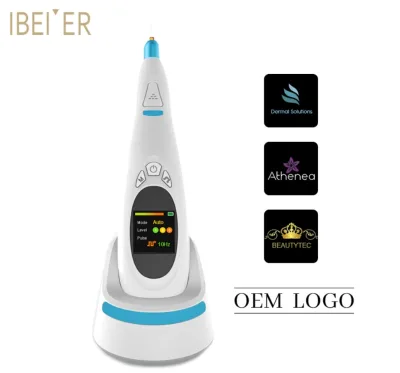
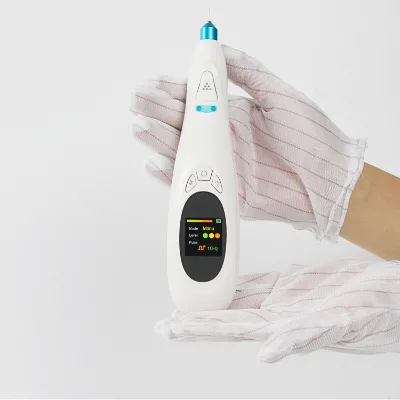
Ibeier Plasm Pen for Wrinkles Remove Skin Tightening Beierplasm Pen K85
$300.86 - $570.10
MOQ: 1 pieces
Sanhe Wk Electronic Technology Co., Ltd.
- Verified by BV
- Combined
- China Hebei
- Lead time15 days
- Avg. response≤ 2h
Main productsBeauty Equipment, Beauty Devices, Laser Hair Removal Machine, Picoscend Laser, IPL Machine, CO2 Fractional Laser, RF Machine, Hifu Machine, Cryolipolysis Machine, Oxygen Machine
Main marketsDomestic

HEBEI KEYLASER SCI-TECH CO., LTD.
- Verified by CTI
- Manufacturer/Factory
- China Beijing
- Lead time15 days
- Avg. response≤ 4h
Main productsIPL, Diode Laser Hair Removal, ND YAG Laser, Hifu, CO2 Fractional Laser, Picosecond Laser, Body Slimming, Cryolipolysis Fat Freezing, 980nm Diode Laser, Emscuplt Muscle Building
Main marketsSouth America,Eastern Europe,Mid East,North America,Southeast Asia,Eastern Asia,Oceania,Western Europe,Africa

New Plasma Lift Pen 2 in 1 Multifunctional Plasma Pen Spot Removal Pen for Home Use
$199.00 - $399.00
MOQ: 1 Pieces

Professional Cold Jet Plasma Lifting Pen Skin Tightening Ozone Fibroblast Plasma Pen
$199.00 - $399.00
MOQ: 1 Pieces

Shijiazhuang Tiantian Technology Co., Ltd.
- Trading Company
- China Hebei
- Lead time15 days
- Avg. response≤ 10h
Main productsDermal Filler
Main marketsSouth America,Africa,Southeast Asia/ Mideast,East Asia(Japan/ South Korea),Europe,Australia,North America
Handan Congtai Hanina E-Commerce Co., Ltd.
- Trading Company
- Hebei, China
- Lead time3 days
- Avg. response≤ 1h
Main productsBeauty Equipment,Anti-wrinkle Machine,Facial Tanner,IPL Machine,Oxygen Jet
Main marketsNorth America(32.00%), Eastern Asia(15.00%), Western Europe(12.00%), Domestic Market(8.00%), South America(6.00%), Northern Europe(6.00%), Mid East(5.00%), Southern Europe(4.00%), Central America(3.00%), Southeast Asia(3.00%), South Asia(2.00%), Eastern Europe(2.00%), Oceania(1.00%), Africa(1.00%)
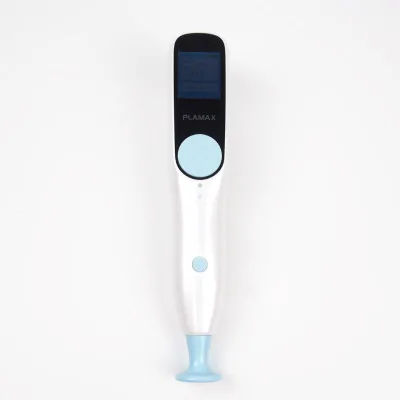
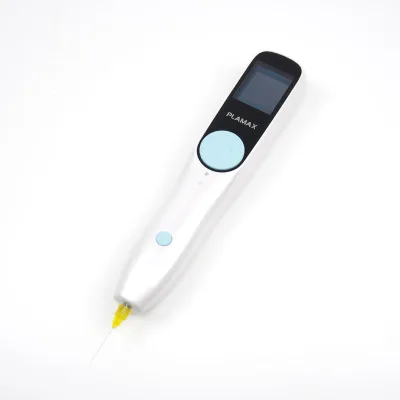
2 in 1 Professional Plasma Pen for Dark Circle Removal and Wrinkle Removal
$98.00 - $112.00
MOQ: 1 pieces

Jinan Allwin CNC Machinery Co., Ltd.
- Combined
- China Shandong
- Lead time15 days
- Avg. response≤ 3h
Main productsCNC Plasma Cutting Machine, Laser Cutting Machine, Laser Welding Machine, Laser Cleaning Machine, CNC Router, CNC Metal Cutting Machine, Laser Pipe Cutting Machine, Plasma Pipe Cutting Machine, CNC Plasma Head Cutting Machine
Main marketsSouth America,Europe,Australia,North America
Guangzhou Huangkai Electronic Technology Co., Ltd.
- Trading Company
- Guangdong, China
- Lead time3 days
- Avg. response≤ 2h
Main productsPhysicaltherapy Machine,Shockwave Therapy,Tecar Therapy,Magneto Therapy,Laser Therapy
Main marketsSouth America(20.00%), Africa(8.00%), Western Europe(8.00%), Eastern Europe(8.00%), Southern Europe(8.00%), Mid East(7.00%), Eastern Asia(7.00%), South Asia(6.00%), Southeast Asia(6.00%), Northern Europe(6.00%), Domestic Market(5.00%), Central America(4.00%), North America(4.00%), Oceania(3.00%)
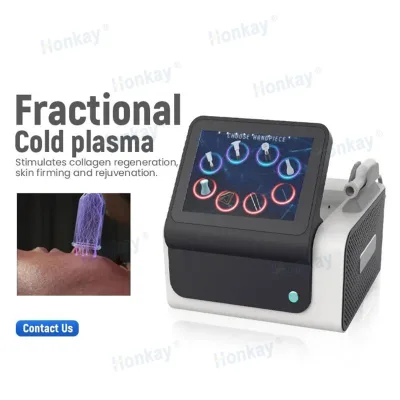
$1551.71 - $2461.83
MOQ: 1 Minimum
Shandong Cyber CNC Group Co., Ltd.
- Verified by TUVRHEINLAND
- Combined
- China Shandong
- Lead time15 days
- Avg. response≤ 3h
Main productsIndustrial Welding Robot, Cobot, Fiber Laser Cutting Machine, Handheld Laser Welding Machine, CNC Plasma Cutting Machine, Plasma Power Source, Plasma Parts, Laser Parts
Main marketsSouth America,Europe


2024 Best-Selling 1530 Portable Plasma Cutting Tool for Professionals
$1450.00 - $1650.00
MOQ: 1 Pieces

Solana Beauty Technology Co., Limited
- Trading Company,Manufacturer/Factory
- China Guangdong
- Lead time15 days
- Avg. response≤ 4h
Main productsBeauty Equipment, Hifu Anti-Aging Machine, Radio Frequency Lipocavitation Machine, Cryolipolysis Fat Freezing Machine, 808nm Diode Laser Hair Removal Machine, Elight Opt IPL Hair Removal Machine, Pressotherapy Machine, Hydro Facial Skincare Machine, Mesotherapy Machine, G5 Massager Machine
Main marketsSouth America,Eastern Europe,Mid East,North America,Southeast Asia,Eastern Asia,Oceania,Africa


High Quality Fibroblast Plasma Pen for Eyelid Lifting Scar Removal Skin Rejuvenation
$400.00 - $500.00
MOQ: 1 Pieces
Guangzhou Huang Kai Electronic Technology Company Limited
- Manufacturer, Trading Company
- Lead time旺季: "1 - 1":10,"> 1":"To be negotiated", 淡季: "1 - 1":10,"> 1":"To be negotiated"
- Avg. response≤ 2h
Main productsJet Peel,Vacuum RF Roller,Oxygen Facial Machine,Press Therapy Lymphatic Drainage,Hair Remove Machine
$1276.43 - $2171.67
MOQ: 1 units
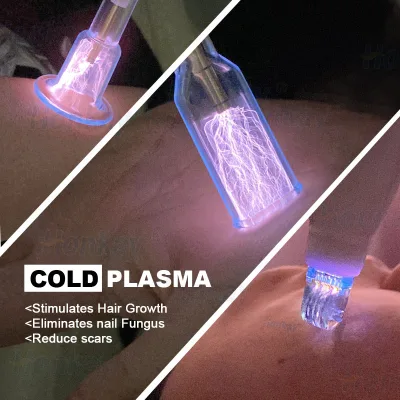
$1899.00 - $2399.00
MOQ: 1 units

Ningbo Yingmed Medical Instruments Co., Ltd.
- Verified by TUVRHEINLAND
- Trading Company,Manufacturer/Factory
- China Zhejiang
- Lead time23 days
- Avg. response≤ 16h
Main productsSurgical Gloves, Alcohol Pads, Surgical Mask, Syringe, IV Set, Bandage, Urine Bag, Oxygen Mask, Nebulizer Mask, Surgical Suture
Main marketsMid East,Southeast Asia,Western Europe,Africa


Comprehensive Sourcing Guide
Hand Held Portable Plasma Pen Supplier Concentration and Factory Types
The supplier results for this category cluster heavily in Guangdong, China, with product origin listings pointing specifically to Shenzhen. This matters because Guangdong hosts one of the densest concentrations of beauty device and aesthetic equipment manufacturers, which shortens the distance between component sourcing, assembly, and export handling. When several suppliers locate in the same province, buyers can more realistically plan consolidated shipments, combine factory visits into a single trip, and cross-check quotations between neighboring manufacturers. The listings also show that suppliers describe themselves in different ways: some as trading companies, some as manufacturers or factories, and some as combined manufacturer-and-trading operations. A combined label is common in this category, where a factory sells directly but also brokers complementary items.
Beyond location, examine the main product lines each supplier lists. Some focus broadly on beauty devices, skin care instruments, LED face masks, and makeup tools with explicit OEM/ODM services; others center on aesthetic medicine equipment, massage and fitness devices, or tattoo and hair removal machines. A supplier whose catalog sits close to handheld plasma pens is more likely to have relevant tooling, firmware experience, and quality-control routines. Suppliers offering own-brand, OEM, and ODM capacity signal flexibility for private-label work, while a supplier whose primary business is unrelated equipment may simply be reselling. Treat the displayed classification as a starting hypothesis and confirm actual production involvement during direct inquiry.
How to Verify Hand Held Portable Plasma Pen Suppliers
Verification should begin with the credentials displayed on the platform, then move to independent confirmation. In the current results, suppliers show verification by third-party inspection bodies such as SGS and CTI, and some list system certifications including ISO 9001 and BSCI. These are meaningful starting points: third-party verification indicates an on-site audit of business license and premises, while ISO 9001 relates to quality-management systems and BSCI to social compliance. However, platform badges describe a point in time, so request copies of current certificates, check the issuing body and validity dates, and confirm the certificate number against the certifier's records where possible. Do not assume every supplier on the page holds the same credentials; only some display them.
After document checks, verify the supplier's actual role and capability. Ask whether the company manufactures the plasma pens in-house or trades them, request a video walkthrough or an on-site visit if volumes justify it, and ask for references from buyers in similar markets. Test responsiveness during the inquiry stage: the displayed response times in these results range from roughly two hours to about eight, which is a measurable proxy for communication discipline. For a regulated-adjacent product like a plasma pen, also ask which safety testing the device has undergone for your destination market and request the underlying reports. A supplier that cannot produce evidence, only assurances, should be treated as higher risk regardless of its listing quality.
What to Compare Across Hand Held Portable Plasma Pen Suppliers
Build a comparison table using the attributes actually displayed, since not every supplier shows every field. Useful dimensions include: lead time, where the current results span from about seven days to about twenty-three days; MOQ, which ranges in the visible listings from a single unit on one professional machine to twenty or fifty pieces on handheld pens; response time; location; company type; verification status; and main products. Establish how long quotations remain valid, since component costs and exchange rates can shift a pen's quoted price within weeks. Note that prices in the results vary widely, from roughly six to thirteen dollars for handheld pens up to around three hundred dollars for professional fractional machines, so compare quotes at equivalent specifications, not just at headline numbers.
Specification comparison deserves equal weight. One listed handheld pen model, for example, uses a 3.7V power supply, nine gear levels, ABS and plastic construction, and a 0.25kg weight; another uses 110-240V working power with a DC 24V 1A adapter; a third is USB-charged with a stated 1200mAh battery and two-hour charging time. These differences change the buyer experience, so request samples and test gear intensity, tip durability, and charging behavior side by side. Also compare customization availability, packaging format, and unit dimensions for freight planning. Weight the comparison by your priority: low MOQ suits market testing, while lower unit cost at higher MOQ suits established distribution.
Common Hand Held Portable Plasma Pen Sourcing Risks
The most common risk in this category is specification drift between sample and production run. Because handheld plasma pens are assembled from generic housings, circuit boards, and discharge tips, a supplier can quietly substitute components between orders, changing output intensity or battery life. Lock down a golden sample, photograph internal assemblies where the supplier permits, and write the agreed specifications, including the model number shown in the listings such as FY-105 or a generic plasma pen designation, into the purchase contract. A related risk is role ambiguity: a trading company presenting itself as a factory may pass your order to a neighboring workshop, adding cost and weakening your control over quality.
Compliance risk is also prominent. Plasma pens that claim tattoo, mole, or spot removal may be classified as medical or aesthetic devices in some destination markets, and the product descriptions in these results make exactly such claims. Confirm which regulations apply to you, what documentation the supplier can supply, and whether the claims you plan to publish are permitted. Additional risks include inconsistent battery quality in USB-charged models, packaging that arrives without instruction manuals in your market's language, and gift-box packaging shown in the listings that may not survive consolidated freight. Mitigate with pre-shipment inspection, drop-test checks on retail packaging, and staggered first orders rather than a single large commitment.
Hand Held Portable Plasma Pen Regional Sourcing and Logistics
The confirmed regional picture places nearly all listed suppliers in Guangdong, China, with product origins citing Shenzhen. This concentration affects logistics in concrete ways. Shenzhen's proximity to major container ports and to Hong Kong makes both sea freight and air courier options efficient, and the wide availability of forwarders serving the beauty-device trade keeps freight quoting competitive. Suppliers in the results report lead times from seven to twenty-three days, so ask each supplier whether its stated lead time covers production only or includes quality inspection and handover to your forwarder, and whether it changes during regional holiday periods.
Because several suppliers sit in one province, plan logistics jointly rather than per order. If you source handheld pens from one factory and a professional plasma machine from another, ask both to deliver to a single consolidation warehouse before export, reducing fragmented shipments. Confirm Incoterms early, since whether the supplier quotes FOB, EXW, or DDP determines who arranges trucking, customs declaration, and insurance. For battery-containing devices, verify that shipping documents classify the lithium cells correctly for air transport if you choose courier, as misdeclared batteries are a frequent cause of seized cargo. Finally, confirm packing dimensions from the listings, such as carton sizes around 53 by 28 by 31 centimeters holding fifty pieces, to calculate realistic container utilization before committing to a freight quote.
Hand Held Portable Plasma Pen Commercial Terms and Order Planning
Commercial terms should be negotiated against the benchmarks visible in the results. Listed MOQs range from one piece on a professional machine to twenty and fifty pieces on handheld pens, and quoted unit prices run from about six dollars to over thirteen dollars for handheld models. Use these ranges to calibrate negotiations, but insist that any price be quoted against a written specification, including gear count, voltage, battery capacity, material, and packaging. Ask about customization fees separately from unit price, since customization is marked available on several listings but the tooling or printing cost is rarely included. Confirm payment structure, deposit proportion, and whether any escrow or platform-protected payment option applies to the specific supplier.
Order planning should reflect the product's low barrier to sampling. Start with a mixed sample order across two or three suppliers, then place a small trial batch at the higher end of the MOQ range before scaling. Map the production calendar: with lead times of roughly one to three weeks among these suppliers, a reorder triggered at a set inventory level avoids stockouts during promotional periods. Clarify warranty handling, spare tip availability, and defective-unit replacement terms in writing, since plasma pen tips are consumables that drive repeat purchases. Finally, agree on the inspection standard, defect classification, and remedy before deposit payment, so that a disputed shipment has a pre-agreed resolution path rather than an argument.
(Section word counts: approximately 228, 231, 230, 229, 227, 231; total approximately 1376 words.)
FAQs
What is a handheld portable plasma pen used for?
A handheld portable plasma pen is used for spot, mole, tattoo, and dark spot removal treatments, as well as facial lifting and skin tightening in home and salon settings. Many models listed are marketed for beauty salon equipment and home use beauty equipment. Always confirm the intended application with the supplier before ordering.
What prices do portable plasma pens typically sell for?
Listed handheld plasma pen products range from about 6.00 to 13.50 USD per unit depending on model and features, while professional fractional or lifting machines are listed around 300 to 305 USD per unit. Features like multiple gears, LCD displays, or extra probes affect price. Request a current quotation because prices can change.
What is the typical MOQ for handheld plasma pens?
Minimum order quantities on the listed products range from 20 to 50 pieces, and one professional plasma machine allows a single-unit order. Smaller MOQs usually mean higher per-unit prices. Ask each supplier to confirm the exact MOQ and pricing tiers for your target quantity before placing an order.
Do these plasma pens support OEM or ODM customization?
Yes, customization is available on the listed portable plasma pen products, and several suppliers list OEM and ODM among their capabilities. Some suppliers also carry their own brands. Confirm which logo, packaging, and product modifications the supplier accepts, and request samples to verify quality before committing to customized production.
What are the lead times and response times for plasma pen suppliers?
Lead times among the listed suppliers range from about 7 to 23 days, and average response times range from roughly 2 to 8 hours. Actual production time depends on order size and customization level. Ask suppliers to state the current lead time for your specific order and confirm their working-hours response policy.
What technical specs should I compare on a plasma pen?
Compare power rating, voltage, battery capacity, charging time, gear settings, material, and product weight. Listed pens run on 3.7V or 5V with power ratings around 1.5W, while professional machines reach 10-60W and support 110V/220V. Materials like ABS+PC or ABS+Plastic are common. Match the specification to your market's electrical standards.
Where are these plasma pen suppliers located?
The listed suppliers are located in Guangdong, China, with product origins including Shenzhen. Guangdong is a major hub for beauty device manufacturing, offering many options for plasma pens and related beauty equipment. Consider visiting factories or arranging third-party inspections, and confirm shipping terms from the region before finalizing an order.
How can I verify a plasma pen supplier's reliability?
Check verification status, such as SGS or CTI verification, and review system certifications like ISO 9001 or BSCI that some listed suppliers hold. Confirm company type, since some are manufacturers and others trading companies. Request business licenses, product compliance documents, and samples, and consider using secure payment arrangements for initial orders.