Handmade Natural Gemstone Lanyard Suppliers and Manufacturers
Explore 26 verified suppliers offering Handmade Natural Gemstone Lanyard options with customizable designs and eco-friendly features. Compare locations in Zhejiang, China, response times, lead times, and MOQs to find the right partner for your promotional needs; review the available evidence before requesting comparable quotations from suitable candidates.
Updated
Suppliers List
- Trading Company
- Zhejiang, China
- Lead time12 days
- Avg. response≤ 5h
Main productsLanyards,bags,wine pourer,keychain,opener
Main marketsNorth America(20.00%), Eastern Europe(15.00%), Western Europe(10.00%), Mid East(10.00%), Southern Europe(5.00%), Northern Europe(5.00%), Central America(5.00%), Southeast Asia(5.00%), Eastern Asia(5.00%), South America(5.00%), Oceania(5.00%), Africa(5.00%), Domestic Market(3.00%), South Asia(2.00%)
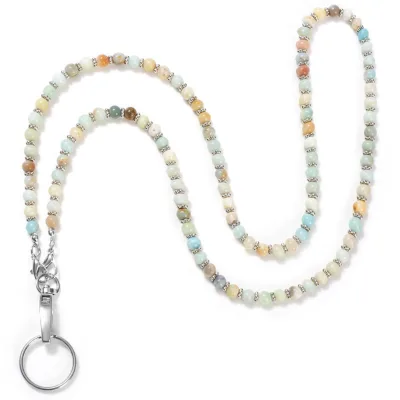
$1.86 - $6.90
MOQ: 100 pieces
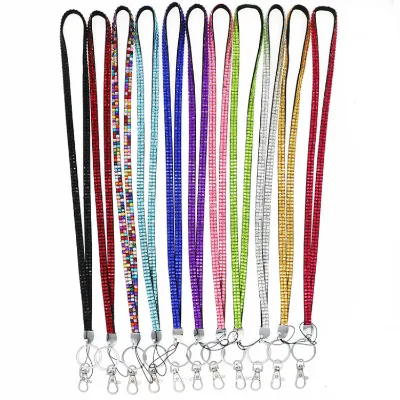
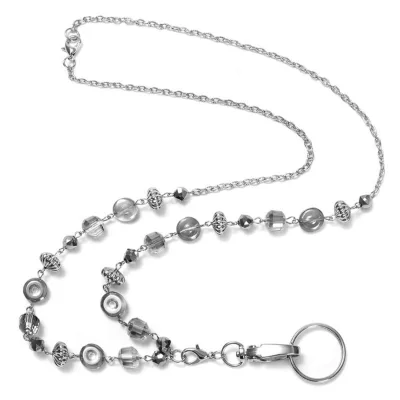
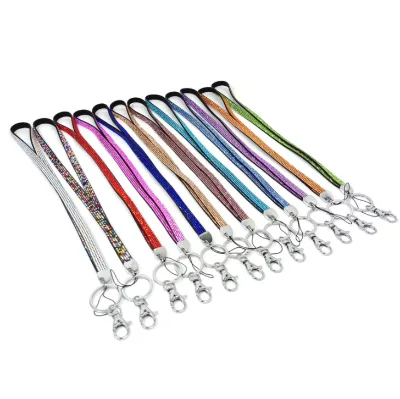
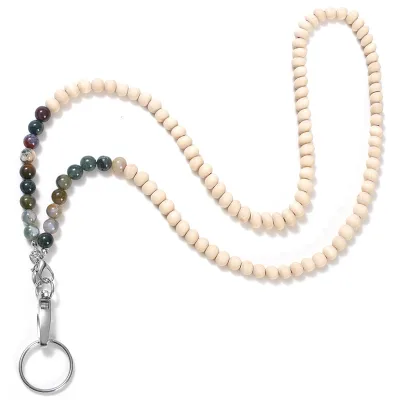
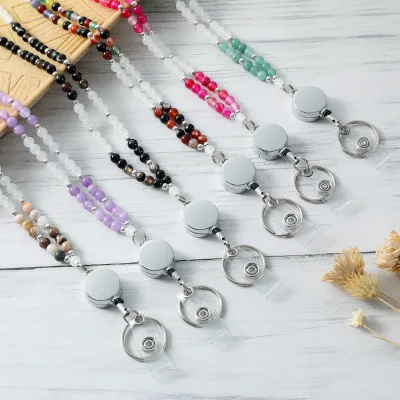
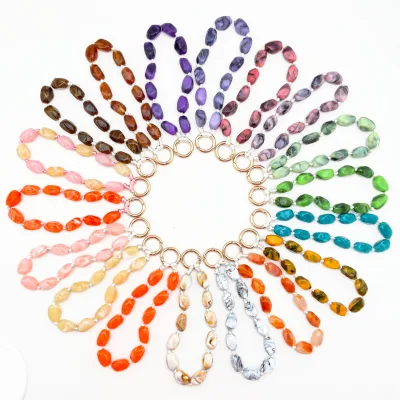
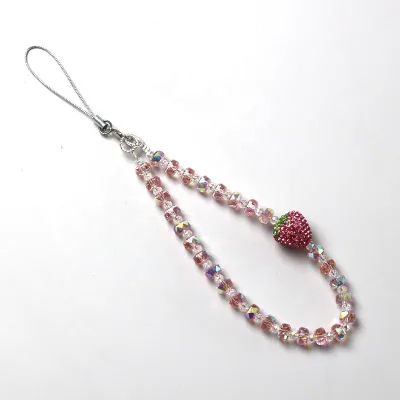
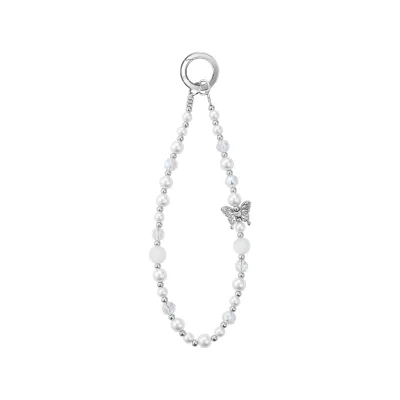
Oem Odm Custom New Design Fashionable Pearl Rhinestone Beaded Necklace Lanyard for Keychain
$1.86 - $6.90
MOQ: 100 pieces

- Verified by SGS
- Trading Company
- China Zhejiang
- Lead time23 days
- Avg. response≤ 2h
Main productsBackpack, School Bag, Storage Bag, Travel Bag, Promotion Gift, Car Decoration, Phone Charm, Car Hanger, Car Ornament, Craft
Main marketsSouth America
Yiwu Shanmei Arts And Gifts Co., Ltd.
- Verified by TüVRheinland
- Manufacturer, Trading Company
- Lead time旺季: "10 - 20":15,"30 - 1000":35,"1010 - 10000":60,"> 10000":"To be negotiated", 淡季: "10 - 20":15,"30 - 1000":35,"1010 - 10000":60,"> 10000":"To be negotiated"
- Avg. response≤ 8h
Main productsGemstone Jewelry, Metal Jewelry, Jewelry Accessories, Sterling Sliver Jewelry, Gemstone Decorations
Guangzhou Ding Xing Jewelry Co., Ltd.
- Manufacturer, Trading Company
- Guangdong, China
- Lead time15 days
- Avg. response≤ 8h
Main productsPhone Chain,Key Chain,Bag Strap Chain,Acrylic Beads,Phone Charm Strap
Main marketsWestern Europe(9.00%), Domestic Market(7.00%), South Asia(7.00%), Southern Europe(7.00%), Northern Europe(7.00%), Central America(7.00%), North America(7.00%), Eastern Asia(7.00%), Mid East(7.00%), Oceania(7.00%), Africa(7.00%), Southeast Asia(7.00%), Eastern Europe(7.00%), South America(7.00%)
Dongguan Yonglidasheng Metal Product Co., Ltd.
- Manufacturer
- Guangdong, China
- Lead time15 days
- Avg. response≤ 5h
Main productsHoodie String,Garment Accessories,Shoe Lace,Metal Aglet,Phone Lanyard
Main marketsNorth America(50.00%), Northern Europe(10.00%), Western Europe(9.00%), Southeast Asia(8.00%), Southern Europe(6.00%), Oceania(5.00%), Domestic Market(3.00%), South Asia(2.00%), Eastern Asia(2.00%), Eastern Europe(1.00%), Mid East(1.00%), Africa(1.00%), South America(1.00%), Central America(1.00%)

- Verified by SGS
- Trading Company,Manufacturer/Factory
- China Guangdong
- Lead time23 days
- Avg. response≤ 14h
Main productsPersonal Lanyard, Vape Lanyard, CPE Bag, PE Bag, PVC Bag, OPP Bag, Zip Bag, Bottle Lanyard, Fan Lanyard, Custom Lanyard
Main marketsSouth America,Eastern Europe,Mid East,North America,Southeast Asia,Eastern Asia,Oceania,Western Europe,Africa

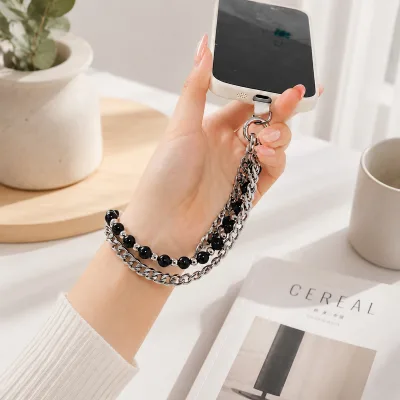
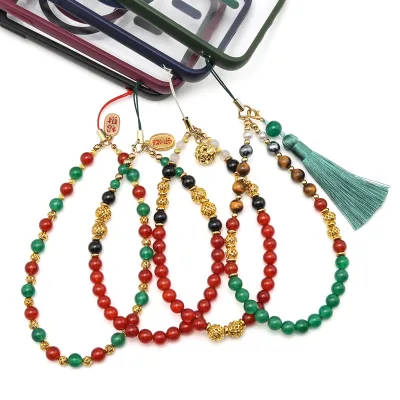
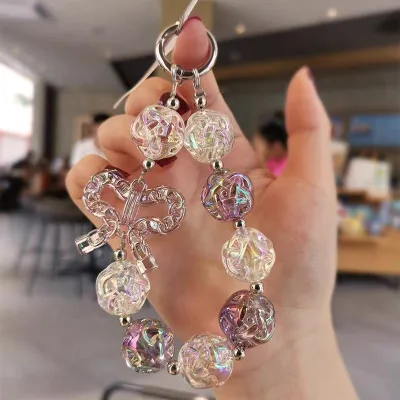
Manufacturer Crystal Bracelet Gemstone Short Rope Mobile Phone Crystal Big Flower Lanyard
$0.44 - $0.47
MOQ: 1000 Pieces

$0.59 - $0.70
MOQ: 500 Pieces


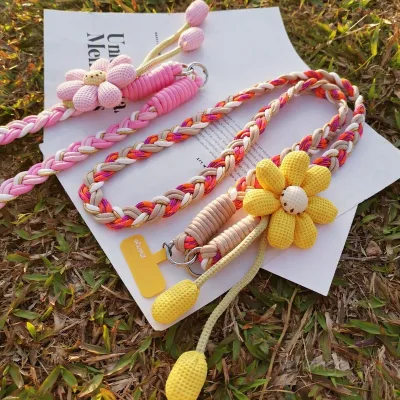
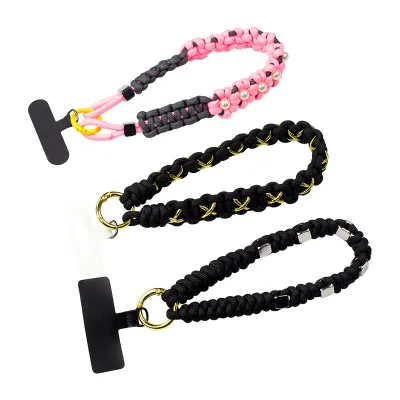
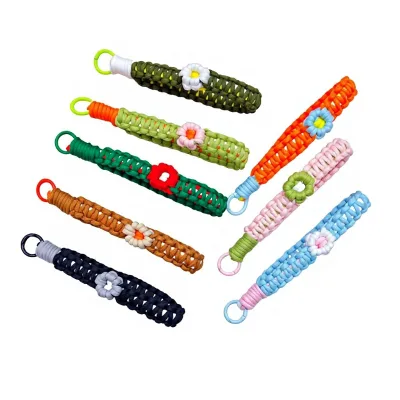
Short Hand-Woven Wrist Pendant Anti-Fall Anti-Loss Fashion Phone Case Pendant Lanyard
$0.70 - $0.78
MOQ: 1000 Pieces


$0.37 - $0.44
MOQ: 100 Pieces

Zhongshan Xiaolan Lianxin Gifts & Arts Factory
- Verified by CTI
- Combined
- China Guangdong
- Lead time15 days
- Avg. response≤ 2h
Main productsLanyard, Embroidery Patch, Key Chain, Pet Collar, Pet Leash, Label Pin, Medal, Wristband, Bracelet, Patch
Main marketsSoutheast Asia/ Mideast,Domestic,Europe


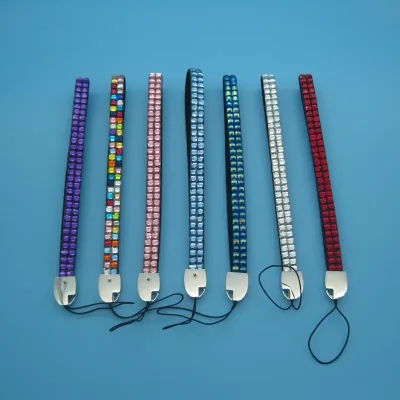
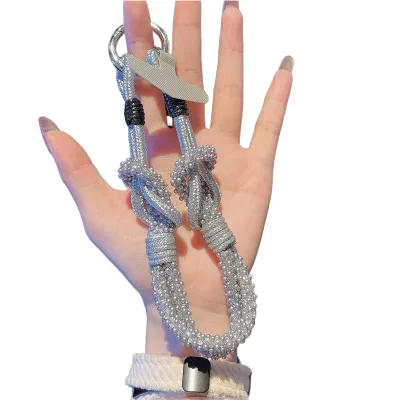
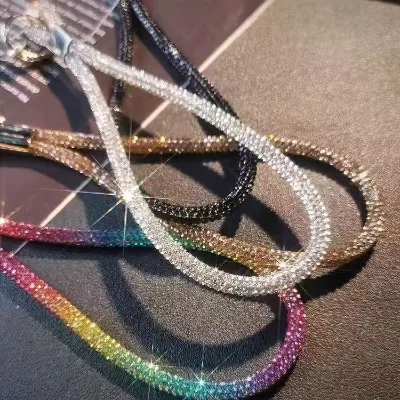
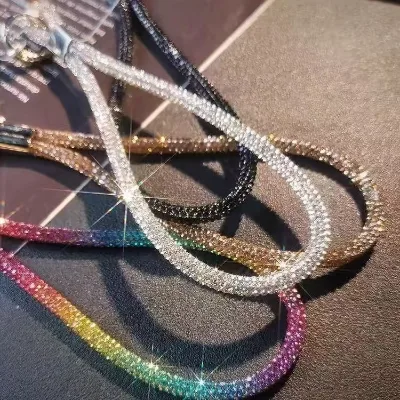
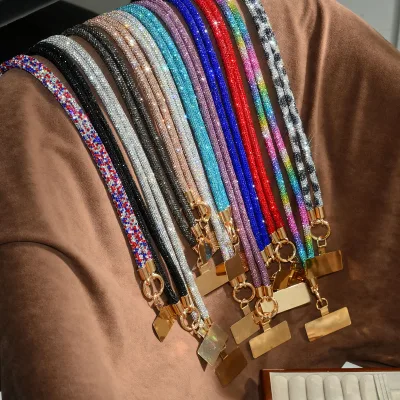
Custom Rhinestone Mobile Phone Lanyard Women Full Diamonds Pendant Long Neck Strap
$0.60 - $1.10
MOQ: 100 piece

- Verified by SGS
- Manufacturer/Factory
- China Zhejiang
- Lead time30 days
- Avg. response≤ 1h
Main productsNecklace, Bracelets, Earring, Ring, Brooch, Phone Lanyard, Key Chain, Body Jewelry, Hair Clip, Hair Band
Main marketsSouth America,Eastern Europe,Mid East,North America,Southeast Asia,Eastern Asia,Oceania,Western Europe,Africa
Yiwu Good Morning Fashion Accessory Factory
- Verified by Intertek
- Manufacturer, Trading Company
- Lead time20 days
- Avg. response≤ 6h
Main productsNecklace, Earring, Bracelet, Keychain, Hairband
Main marketsNorth America(80%), Western Europe(10%), Southeast Asia(5%)

Yichanglong Garment Accessories Limited
- Verified by SGS
- Manufacturer/Factory
- China Guangdong
- Lead time15 days
- Avg. response≤ 6h
Main productsHang Tag String, Elastic Tape, Perfume Metal Label, Nail File, Backpack, Lanyard, Lvds Screen Cable, Paper Tag, Drawcord, Silk Scarf
Main marketsSouth America,Eastern Europe,Mid East,North America,Southeast Asia,Eastern Asia,Oceania,Western Europe,Africa


Custom Rhinestone Neck Lanyard for for Women Teacher Nurse Office Worker
$0.11 - $0.125
MOQ: 100 Pieces

Keylion Cruise Neck Lanyard Necklace with ID Holder Sets for Company and School
$0.11 - $0.125
MOQ: 100 Pieces
Yiwu Fenjin Import&export Co., Ltd.
- Trading Company
- Zhejiang, China
- Lead time8 days
- Avg. response≤ 8h
Main productsBag,Bottle Opener,Keychain,Lanyard,Ballpoint Pen
Main marketsNorth America(24.00%), Eastern Europe(20.00%), Southeast Asia(20.00%), South America(15.00%), Africa(10.00%), Western Europe(5.00%), Domestic Market(3.00%), Oceania(3.00%)

- Verified by BV
- Trading Company
- China Anhui
- Lead time15 days
- Avg. response≤ 7h
Main productsPin, Keychain, Fridge Magnet, Lanyard, Metal Pin, Button Badge, Coin, Lapel Pin, Key Chain, Badge
Main marketsSouth America,Southeast Asia/ Mideast,East Asia(Japan/ South Korea),Domestic,Europe,North America

- Verified by BV
- Combined
- China Anhui
- Lead time15 days
- Avg. response≤ 6h
Main productsStorage Basket, Laundry Basket, Kitchen Rack, Storage Shelf, Storage Jar, RPET Tableware Set, Matcha Whisk, Handmade Storage Basket, Wall & Table Decoration, Hamper
Main marketsSouth America,Southeast Asia/ Mideast,North America

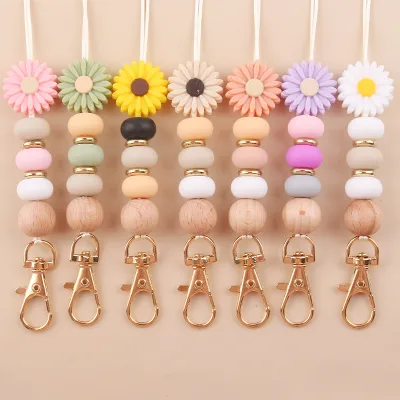
Handmade Custom Keychain Lanyards for Women Home Keys Lanyard Strap for Children
$1.59 - $2.11
MOQ: 50 Pieces


Dongguan Chunhui Gifts Co., Ltd.
- Verified by SGS
- Manufacturer
- China Guangdong
- Lead time30 days
- Avg. response≤ 3h
Main marketsSouth America,Africa,Southeast Asia/ Mideast,East Asia(Japan/ South Korea),Domestic,Europe,Australia,North America

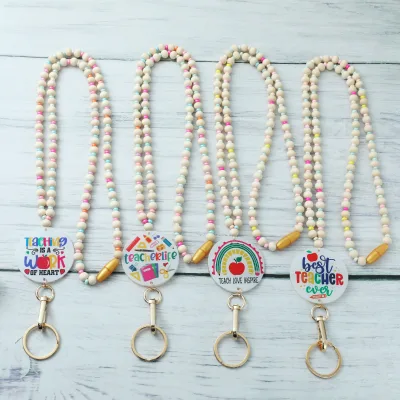
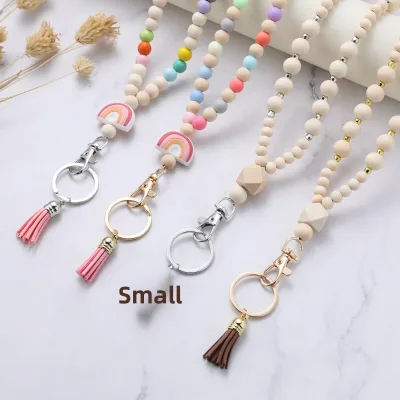
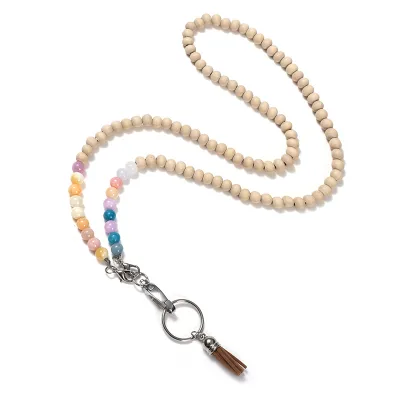
Badges Keys Natural Beaded Teacher Lanyard Retractable Lanyard with ID Holder Cute Lanyards
$0.05 - $0.18
MOQ: 50 Pieces


Keys Natural Beaded Teacher Lanyard for Women, Retractable Lanyard with ID Holder
$0.05 - $0.18
MOQ: 50 Pieces


ID Badges and Keys, Natural Beaded Lanyard Retractable Lanyard Supplier ID Holder
$0.05 - $0.18
MOQ: 50 Pieces


- Manufacturer/Factory
- China Henan
- Lead time15 days
- Avg. response≤ 9h
Main productsRibbons and Printed Ribbons, Sticker Label, Hang String Seal /Seal Tags/ Hang Tags String, Cotton Tape, Silicone Products, Nail Files, Lanyard
Main marketsSouth America,Eastern Europe,Mid East,North America,Southeast Asia,Eastern Asia,Oceania,Western Europe,Africa

Jinjiang Naike Eco Technology Co., Ltd.
- Verified by SGS
- Trading Company
- China Fujian
- Lead time30 days
- Avg. response≤ 2h
Main productsKeychain, Promotional Gifts, Shoes Charm, Straw Toppers, Pencil Toppers, Christmas Decoration, Party Decoration, Toy, Metal Craft, Silicone Products
Main marketsEurope,North America

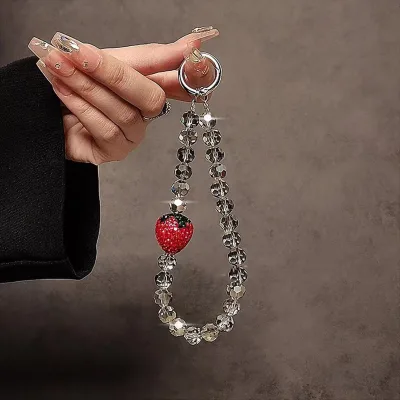
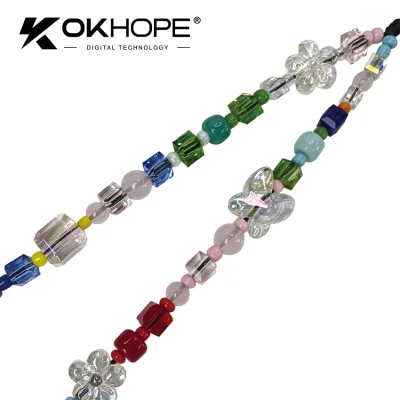
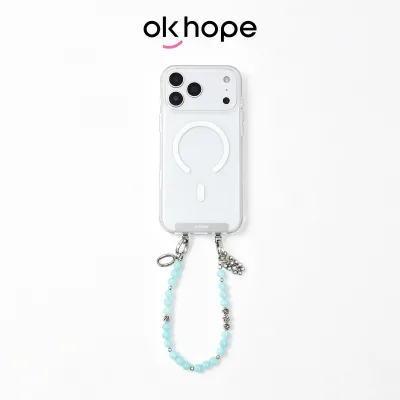
Wholesale Handmade Crystal Bead Phone Lanyard Custom Fashion Phone Charms
$0.42 - $0.55
MOQ: 1000 Pieces

Hot Sale Crystal Rhinestone Bracelet Mobile Phone Case Charm Chain Lanyard
$0.82 - $1.07
MOQ: 500 Pieces
Yiwu Yilu E-Commerce Business Firm
- Trading Company
- Zhejiang, China
- Lead time15 days
- Avg. response≤ 4h
Main productsMetal Keychain,Leather Keychain,Plush Keychain,Other Keychains,Plastic Keychain
Main marketsSouth Asia(8.00%), Eastern Asia(8.00%), Mid East(8.00%), Northern Europe(8.00%), Africa(8.00%), Southeast Asia(8.00%), Central America(8.00%), South America(8.00%), North America(8.00%), Western Europe(7.00%), Southern Europe(7.00%), Oceania(7.00%), Eastern Europe(7.00%)

Meishan Shunjieru Arts & Crafts Co., Ltd.
- Verified by SGS
- Trading Company
- China Sichuan
- Lead time15 days
- Avg. response≤ 2h
Main productsBadge Coin Emblem Medal
Main marketsSoutheast Asia/ Mideast,Europe,Australia,North America


Hot Selling Custom Logo ID Card Holder Sublimation Neck or Wrist Nylon Lanyard
$0.25 - $0.50
MOQ: 5 Pieces


Jinjiang Jiaxing Supply Management Co., Ltd.
- Verified by TUVRHEINLAND
- Trading Company
- China Fujian
- Lead time30 days
- Avg. response≤ 1h
Main productsEVA Clogs, Flip Flop, Shoe Charms, Shopping Bags, Wristbands, Gifts, Promotional Gifts, Slipper, Sport Cap, Ball
Main marketsNorth America

- Verified by SGS
- Combined
- China Fujian
- Lead time15 days
- Avg. response≤ 4h
Main marketsEurope
Guangzhou Yuyoubuxi Technology Co., Ltd.
- Manufacturer, Agent, Distributor/Wholesaler
- Guangdong, China
- Lead time15 days
- Avg. response≤ 5h
Main productsToys,3D-printed toy,3D-printed keychain,Stress-relief toy,Fidget toy
Main marketsNorth America(40.00%), Eastern Europe(30.00%), South America(20.00%), Southeast Asia(10.00%)
Shanghai Asailing Advertisement Co., Ltd.
- Trading Company
- Shanghai, China
- Lead time30 days
- Avg. response≤ 3h
Main productsBanner,Flag,sticker,Poster,Advertisement Printing Products
Main marketsNorth America(50.00%), Oceania(20.00%), South America(5.00%)

Ganzhou Hongsheng Weaving Belts Co., Ltd.
- Verified by CTI
- Trading Company
- China Jiangxi
- Lead time15 days
- Avg. response≤ 7h
Main productsLanyard/Fabric Wristband/Silicone Bracelet
Main marketsSouth America,Africa,Southeast Asia/ Mideast,East Asia(Japan/ South Korea),Europe,Australia,North America

Shishi City Jiatexin Crafts&Gifts Co., Ltd.
- Verified by SGS
- Trading Company
- China Fujian
- Lead time15 days
- Avg. response≤ 3h
Main productsKeychain, Fridge Magnet, Lapel Pin, Medal, Bar Mat, Bottle Opener, Shoe Charms
Main marketsSouth America,Africa,Southeast Asia/ Mideast,East Asia(Japan/ South Korea),Domestic,Europe,North America
Dongguan Emak Craft Gift Co., Ltd.
- Manufacturer, Trading Company
- Guangdong, China
- Lead time15 days
- Avg. response≤ 6h
Main productsSurvival Kit,Paracord Bracelet,Paracord Watch,Camping Stove,First Aid Kit
Main marketsNorth America(40.00%), Domestic Market(35.00%), Southeast Asia(15.00%)
Yiwu Bichang Import And Export Co., Ltd.
- Trading Company
- Zhejiang, China
- Lead time20 days
- Avg. response≤ 6h
Main productsphone case,phone charge,earphone,display,glass screen protect
Main marketsNorthern Europe(18.00%), Western Europe(15.00%), Southern Europe(15.00%), Eastern Europe(12.00%), South America(12.00%), North America(5.00%), Southeast Asia(5.00%), Central America(5.00%), Eastern Asia(3.00%), Domestic Market(2.00%), South Asia(2.00%), Africa(2.00%), Mid East(2.00%), Oceania(2.00%)


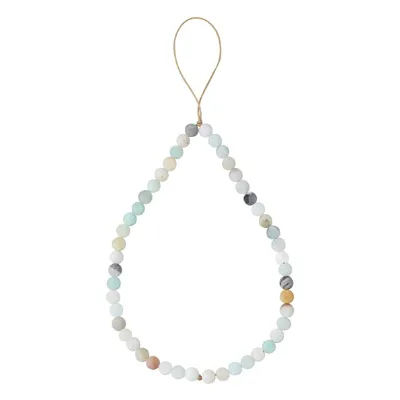
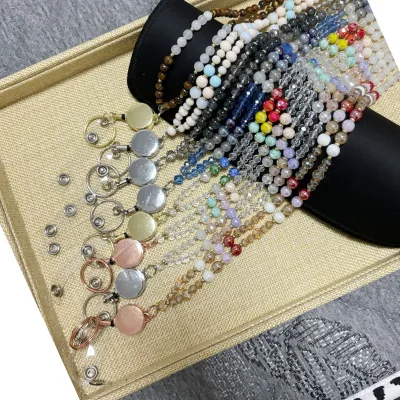
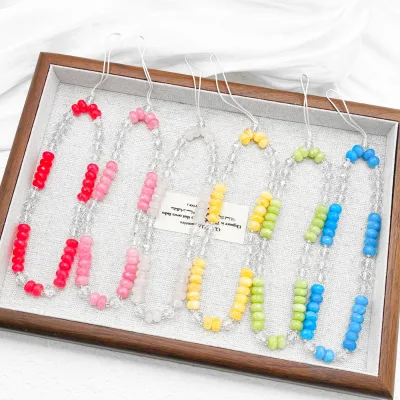
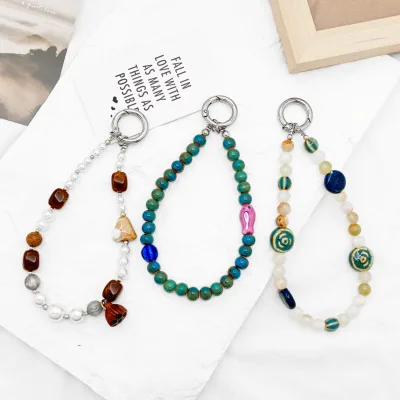
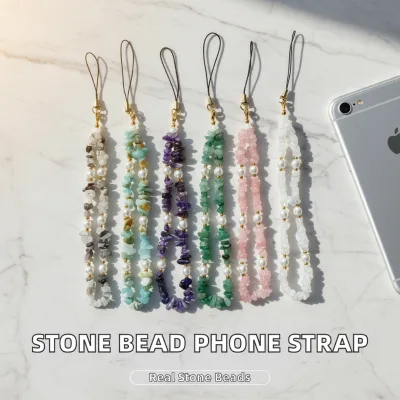
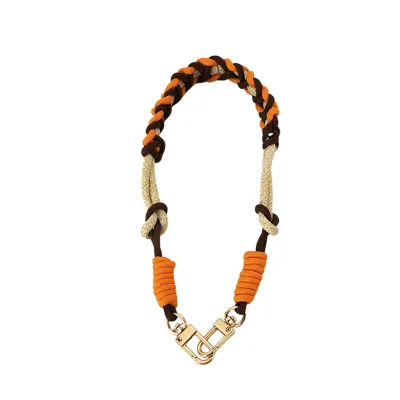









Comprehensive Sourcing Guide
Handmade Natural Gemstone Lanyard Supplier Concentration and Factory Types
The sourcing landscape for handmade natural gemstone lanyards reveals a distinct concentration of manufacturing activity within specific industrial regions, with Zhejiang, China emerging as a primary hub for this specialized category. Suppliers located in this area often operate as trading companies rather than direct factories, which significantly influences the procurement dynamic for buyers seeking custom jewelry accessories. These trading entities typically aggregate products from various small-scale workshops or artisan groups, allowing them to offer a broader catalog that includes lanyards, bags, wine pourers, and keychains under one roof. This structure provides buyers with a single point of contact for diverse promotional items, yet it necessitates careful verification of the actual production capabilities behind the listed merchandise. The presence of such trading companies indicates a mature supply chain ecosystem where logistics and export documentation are streamlined, but the direct oversight of the handmade gemstone setting process may be less transparent compared to dealing with a dedicated jewelry manufacturer.
Understanding the distinction between trading companies and manufacturing factories is crucial when evaluating potential partners for natural gemstone lanyard orders. While some suppliers may claim direct factory ownership, the prevalence of trading companies in Zhejiang suggests that many listings represent intermediaries who source from multiple artisans. This model can offer flexibility in order sizes and product variety, as trading companies often have established relationships with various small workshops capable of handling intricate beadwork and stone setting. However, buyers must recognize that this intermediary layer can impact communication speed and quality control consistency. The main products listed by these suppliers often extend beyond lanyards to include other promotional gifts, indicating a generalist approach rather than a specialized focus on gemstone jewelry. Consequently, the sourcing strategy should prioritize suppliers who demonstrate specific expertise in handling natural stones and handmade assembly, regardless of whether they are direct producers or trading entities, to ensure the integrity and quality of the final product.
How to Verify Handmade Natural Gemstone Lanyard Suppliers
Verifying the legitimacy and capability of suppliers requires a multi-layered approach that goes beyond simple profile reviews, focusing heavily on third-party certifications and response metrics. One critical verification step is to check for established credentials such as SGS verification, which serves as an independent confirmation of the supplier’s business operations and compliance standards. Buyers should prioritize suppliers who display such verifications, as they indicate a higher level of transparency and adherence to international trade practices. Additionally, the response time of a supplier is a significant indicator of their operational efficiency and customer service quality. A rapid response time, such as under two hours, suggests a dedicated sales team that is actively monitoring inquiries and ready to provide detailed information about product specifications, pricing, and production schedules. This responsiveness is particularly important for custom orders involving natural gemstones, where precise details about stone quality, color matching, and bead size must be communicated clearly to avoid misunderstandings.
Beyond digital metrics, buyers must scrutinize the product evidence provided in supplier listings to assess their actual manufacturing capabilities. Detailed product attributes, such as specific material descriptions, customization options, and sample times, offer insights into the supplier’s attention to detail and production flexibility. For instance, suppliers who provide clear information about logo printing, custom designs, and specific lanyard materials demonstrate a higher level of professionalism and readiness to handle bespoke orders. Buyers should also look for evidence of past performance, such as consistent product listings with accurate keywords and categories, which can indicate a stable and experienced operation. It is essential to verify that the supplier’s main products align with the buyer’s specific needs, as a supplier focusing on general promotional items may not have the specialized expertise required for intricate handmade gemstone work. By combining verification of credentials with a thorough review of product evidence, buyers can build a more accurate picture of a supplier’s reliability and suitability for their sourcing requirements.
What to Compare Across Handmade Natural Gemstone Lanyard Suppliers
When evaluating multiple suppliers, buyers should systematically compare key operational dimensions such as minimum order quantities, lead times, and pricing structures to identify the most suitable partner for their specific needs. Minimum order quantities can vary significantly, ranging from small batches of ten pieces to larger orders of one thousand pieces, depending on the supplier’s production model and inventory status. Suppliers with lower MOQs may be ideal for testing new designs or fulfilling small promotional campaigns, while those with higher MOQs might offer better unit prices for bulk orders. Lead times are another critical factor, with some suppliers offering production times of twelve days and others requiring up to twenty-three days. This variation can impact the buyer’s ability to meet tight deadlines, making it essential to align supplier capabilities with project timelines. Additionally, response times should be considered, as faster communication can facilitate quicker decision-making and problem resolution during the sourcing process.
Pricing and customization options are also vital comparison points that can influence the final cost and quality of the handmade natural gemstone lanyards. Buyers should compare price ranges, which can vary from less than one dollar to nearly seven dollars per unit, depending on the complexity of the design, the quality of the gemstones, and the level of customization required. Suppliers offering custom printing, logo engraving, and personalized designs may charge higher prices but provide greater value for branded promotional items. It is also important to compare the specific attributes of the products, such as lanyard material, size, and feature sets like eco-friendliness or multi-functionality. By creating a comparison matrix that includes these dimensions, buyers can objectively assess the trade-offs between cost, speed, and quality. This structured approach helps in identifying suppliers who offer the best balance of affordability, reliability, and customization potential, ensuring that the final selection aligns with the buyer’s strategic sourcing goals and budget constraints.
Common Handmade Natural Gemstone Lanyard Sourcing Risks
One of the primary risks in sourcing handmade natural gemstone lanyards is the inconsistency in product quality due to the manual nature of the manufacturing process. Unlike machine-produced items, handmade goods can vary in bead size, stone color, and overall finish, even within the same batch. Buyers must be aware that natural gemstones are unique, meaning that exact color matching or uniformity across a large order may be challenging to achieve. This variability can lead to discrepancies between the sample provided and the final bulk production, potentially resulting in customer dissatisfaction if not managed properly. To mitigate this risk, buyers should request detailed samples and clearly communicate their quality expectations, including acceptable tolerances for natural stone variations. Additionally, suppliers should be asked to provide photos or videos of the actual production process to ensure that the craftsmanship meets the required standards.
Another significant risk is the potential for delays in production and delivery, which can disrupt supply chains and miss critical market windows. Lead times can vary widely among suppliers, and unexpected delays may occur due to material shortages, labor issues, or logistical challenges. Buyers should carefully review the supplier’s stated lead times and compare them with their actual performance history, if available. It is also important to consider the impact of customization on production schedules, as custom designs often require additional time for setup and approval. Furthermore, buyers should be cautious of suppliers who do not provide clear information about their production capacity or who have poor response times, as these can be indicators of underlying operational issues. By proactively addressing these risks through thorough due diligence and clear communication, buyers can minimize the likelihood of disruptions and ensure a smoother sourcing experience for their Handmade Natural Gemstone Lanyard orders.
Handmade Natural Gemstone Lanyard Regional Sourcing and Logistics
Sourcing handmade natural gemstone lanyards from specific regions like Zhejiang, China, offers distinct logistical advantages due to the area’s well-developed manufacturing infrastructure and export capabilities. Suppliers in this region are often accustomed to international trade requirements, making it easier to navigate customs clearance, shipping documentation, and compliance standards. The concentration of suppliers in Zhejiang also facilitates efficient logistics, as many shipping carriers and freight forwarders have established routes and competitive rates for goods originating from this hub. Buyers can benefit from this infrastructure by leveraging local logistics partners to optimize shipping costs and delivery times. However, it is important to consider the environmental and social implications of sourcing from this region, ensuring that suppliers adhere to ethical labor practices and sustainable production methods.
Logistical planning should also account for the specific requirements of shipping delicate handmade items, such as gemstone lanyards, which may be prone to damage during transit. Buyers should work with suppliers to determine the most appropriate packaging methods, such as using protective materials and sturdy boxes, to minimize the risk of breakage. Additionally, considering the weight and dimensions of the products, as indicated by single package sizes and gross weights, can help in calculating accurate shipping costs and selecting the most efficient transport mode. For larger orders, sea freight may be more cost-effective, while smaller or urgent orders might benefit from air freight. Buyers should also be aware of any regional trade agreements or tariffs that may impact the final landed cost of the products. By carefully planning the logistics and considering the specific characteristics of the products, buyers can ensure that their Handmade Natural Gemstone Lanyard orders are delivered safely and efficiently to their intended destinations.
Handmade Natural Gemstone Lanyard Commercial Terms and Order Planning
Effective order planning for handmade natural gemstone lanyards requires a clear understanding of commercial terms, including payment structures, sample policies, and after-sales support. Buyers should negotiate favorable payment terms, such as partial upfront payments and balance upon shipment, to manage cash flow and mitigate financial risk. It is also important to clarify the sample policy, including costs, lead times, and refundability, as samples are crucial for verifying product quality before committing to a large order. Suppliers who offer reasonable sample terms and quick turnaround times demonstrate a commitment to customer satisfaction and operational efficiency. Additionally, buyers should inquire about the supplier’s after-sales support, including warranty policies and procedures for handling defective items, to ensure that any issues are resolved promptly and fairly.
Order planning should also involve detailed specification sheets that outline all product requirements, including materials, dimensions, colors, and customization details. This documentation serves as a reference for both the buyer and the supplier, reducing the risk of misunderstandings and ensuring that the final product meets the agreed-upon standards. Buyers should also consider the scalability of their orders, planning for potential increases in demand or changes in design. Working with suppliers who have flexible production capabilities and clear communication channels can facilitate this adaptability. Furthermore, buyers should monitor market trends and consumer preferences to anticipate changes in demand for handmade natural gemstone lanyards, allowing them to adjust their sourcing strategies accordingly. By combining thorough commercial planning with proactive market analysis, buyers can optimize their sourcing operations and achieve better outcomes for their Handmade Natural Gemstone Lanyard projects.
FAQs
What is the typical minimum order quantity for a Handmade Natural Gemstone Lanyard?
Minimum order quantities in current listings range from as low as 10 pieces to 1000 pieces, with several styles set at 100 pieces. Lower MOQs usually apply to rhinestone card-holder lanyards, while beaded stone designs often require 100 or more. Always confirm the MOQ per color or design before requesting a quotation.
How long does sampling take before bulk production starts?
Sample time is commonly 3 to 5 days for custom designs, while some phone lanyard styles list a production time of 7 to 15 days. Sampling covers the bead choice, length, and any logo work. Confirm whether sample fees are refundable against bulk orders before you approve the sample.
What price range should I expect per piece?
Listed prices generally fall between about 0.65 and 6.90 US dollars per piece depending on materials and detailing. Simple rhinestone lanyards sit near the lower end, while natural stone and handmade bead styles command higher prices. Quantity, customization, and clasp hardware all influence the final quoted unit cost.
Where are most suppliers of these lanyards located?
The suppliers represented here are based in Zhejiang, China, a region known for gifts, crafts, and promotional accessories manufacturing. Sourcing from Zhejiang gives access to bead, cord, and hardware suppliers within the same area. Verify whether a supplier is a manufacturer or a trading company, since both types operate here.
Can I customize the bead colors, length, and add my logo?
Yes, customization is widely offered, including Pantone-matched colors, custom lengths, and logo printing or engraving. Some bead styles are described as available in all colors, and one listing offers sizes from 28 cm up to 140 cm. Ask for a customization proof or pre-production photo before bulk production begins.
What lead times should I plan for bulk orders?
Lead times in the current results range from about 12 days to around 23 days after order confirmation. Beaded handmade designs may take longer than simple lanyards because each piece is strung by hand. Factor in shipping time separately and confirm the production schedule in writing with your chosen supplier.
How quickly do these suppliers usually respond to inquiries?
Response times in the current listings range from under 2 hours to about 5 hours on average. Faster response times often indicate a more active export team, which helps during sampling and production. Send detailed inquiries including quantity, customization, and target price to receive accurate quotes sooner.
What should I verify about quality before placing a bulk order?
Check bead consistency, knot strength, and clasp durability by requesting samples from more than one supplier. Some suppliers hold third-party verification such as SGS, which you can ask to see. Also confirm whether cords are stretchable or fixed, since one listing measures 90 cm relaxed and 130 cm stretched.