Handmade Jewelry Moon Pendant Charm Suppliers and Manufacturers
Explore 25 verified options for Handmade Jewelry Moon Pendant Charm from Guangdong, China. Compare response times, certifications like CPC, and product specifications including plating and stone types. Contact suppliers directly to request quotes and verify lead times; review the available evidence before requesting comparable quotations from suitable candidates.
Suppliers List
Huizhou FubaoYing jewelry Co., LTD.
- Manufacturer, Trading Company
- Guangdong, China
- Lead time0 days
- Avg. response≤ 2h
Main productsStone Pendant,Bracelets,Stone Beads,Cabochon Stone,Stone Crafts
Main marketsNorth America(50.00%), Western Europe(15.00%), Oceania(10.00%), Southeast Asia(10.00%), Northern Europe(5.00%), South America(5.00%), Mid East(5.00%)
Guangzhou Tengyue Jewelry Co., Ltd.
- Manufacturer, Trading Company
- Guangdong, China
- Lead time0 days
- Avg. response≤ 5h
Main productsPendant/Earring/Bracelet/Bead/Charms
Main marketsNorth America(50.00%), Domestic Market(20.00%), Western Europe(20.00%), Southeast Asia(5.00%), South America(5.00%)
Lianyungang Jialin Jewelry Co., Ltd.
- Trading Company
- Jiangsu, China
- Lead time25 days
- Avg. response≤ 3h
Main productsFashion Jewelry Necklaces,Fashion Jewelry Earrings,Fashion Jewelry Rings,Fashion Jewelry Bracelets & Bangles,Crystal Crafts
Main marketsNorth America(50.00%), Oceania(22.00%), Southeast Asia(7.00%), Domestic Market(4.00%), South America(3.00%), Eastern Europe(3.00%), Mid East(2.00%), Central America(2.00%), South Asia(2.00%), Western Europe(2.00%), Northern Europe(1.00%), Southern Europe(1.00%), Eastern Asia(1.00%)

Guangzhou IO Jewelry Co., Ltd.
- Combined
- China Guangdong
- Lead time30 days
- Avg. response≤ 8h
Main productsJewelry, Fashion Jewelry, Stainless Steel Jewelry, Custom Jewelry, Stainless Steel Beads, Stainless Steel Charms, Stainless Steel Rings, Stainless Steel Pendants, Beads, Charms
Main marketsSouth America,Domestic,Europe,Australia,North America


Simple Classic Design Pearl Jewelry Pendant Charm for Handbag Clothes Accessory
$1.00 - $3.00
MOQ: 80 Pieces

- Trading Company
- Zhejiang, China
- Lead time20 days
- Avg. response≤ 5h
Main productsgift,metal charm,craft,jewelry,DIY sets
Main marketsNorth America(40.00%), Western Europe(35.00%), Africa(20.00%), South America(5.00%)

Shenzhen Right Grand Jewelry Co., Ltd.
- Verified by SGS
- Manufacturer
- China Guangdong
- Lead time15 days
- Avg. response≤ 7h
Main productsNecklace, Bracelet, Earring, Ring, Nose Ring, Ear Piercing, Belly Ring, Nipple Ring
Main marketsSouth America,Europe,North America


Fashion Enamel Jewelry Stainless Steel Gold Plated Square Moon Pendant Necklace
$3.27 - $3.83
MOQ: 2 Pieces

Charm Pendant for Ear Lobe Small Hoop Huggie Dangle Earring Jewelry Making DIY Craft
$1.00 - $2.00
MOQ: 5 Pieces

Creative Design Ladies Personalized Exquisite Star Moon Zircon Pendant Clavicle Necklace
$0.85 - $2.05
MOQ: 50 Pieces
Yiwu Shanmei Arts And Gifts Co., Ltd.
- Verified by TüVRheinland
- Manufacturer, Trading Company
- Lead time20 days
- Avg. response≤ 7h
Main productsGemstone Jewelry, Metal Jewelry, Jewelry Accessories, Sterling Sliver Jewelry, Gemstone Decorations
Main marketsNorth America(40%), South America(30%), Southeast Asia(10%)

Yiwu Fashion Guide Industrial Co., Ltd.
- Manufacturer, Trading Company
- Zhejiang, China
- Lead time25 days
- Avg. response≤ 5h
Main productsFashion Jewelry,Stainless Steel Jewelry,Ring,Bracelet,Fashion Accessories
Main marketsNorth America(35.00%), Eastern Europe(20.00%), South America(17.00%), Western Europe(5.00%), Mid East(5.00%), Oceania(5.00%), Southern Europe(5.00%), Southeast Asia(5.00%), Africa(3.00%)

Zhongshan Lucky Art & Crafts Gifts Co., Ltd.
- Verified by BV
- Combined
- China Guangdong
- Lead time15 days
- Avg. response≤ 5h
Main productsCustom Medal, Key Chain, Custom Coin, Custom Lapel Pin, Custom Lanyard, Custom Badge, Custom Patch, Custom Air Fresheners, Custom Silicone Bracelets, Custom Cufflinks
Main marketsEast Asia(Japan/ South Korea),Europe,North America

Fashion Custom Jewelry Metal Logo Enamel Pendants Charm for Jewelry Making
$0.20 - $0.80
MOQ: 100 Pieces

Wholesale Gold Plated Pendant Jewelry Metal Enamel Pendants Charm for Jewelry Making
$0.20 - $0.80
MOQ: 100 Pieces


Custom Enamel Pendants Alloy Charms for Necklace Bracelet Crafts Jewelry Making Charms
$0.20 - $0.80
MOQ: 100 Pieces

Pendant Charm DIY Jewelry Making Wholesale Custom Gold Plated Enamel Pendant Charm
$0.20 - $0.80
MOQ: 100 Pieces

- Trading Company
- Zhejiang, China
- Lead time5 days
- Avg. response≤ 2h
Main productsFashion Charm Bracelets,Fashion Jewelry,Hair Accessories,Hair Clips,Baseball Caps
Main marketsCentral America(80.00%), Western Europe(8.00%), Domestic Market(1.00%), South Asia(1.00%), Southern Europe(1.00%), Northern Europe(1.00%), North America(1.00%), South America(1.00%), Eastern Asia(1.00%), Mid East(1.00%), Oceania(1.00%), Africa(1.00%), Southeast Asia(1.00%), Eastern Europe(1.00%)
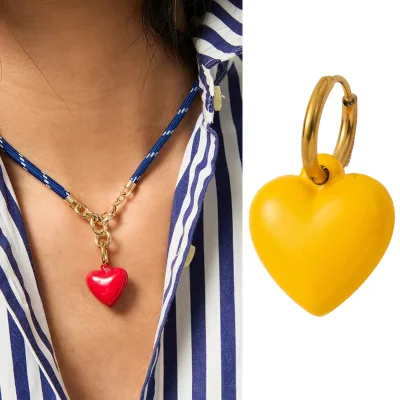
Handmade DIY Jewelry Accessories Heart Shaped Love Heart Necklace Pendant Charm
$0.80 - $1.17
MOQ: 12 pieces
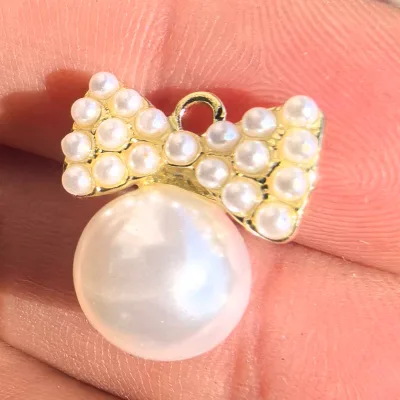
Diy Handmade Charms Pearl Jewelry Making Accessories Decoration Crafts Pendant
$0.10 - $0.16
MOQ: 120 pieces

Guangzhou Huifu Jewelry Co., Ltd.
- Verified by BV
- Manufacturer/Factory
- China Guangdong
- Lead time90 days
- Avg. response≤ 4h
Main productsJewelry, Stainless Steel Jewelry, Stainless Steel Ring, Stainless Steel Pendant, Stainless Steel Earring, Fashion Jewelry, Ring, Necklace, Pendant, Bracelet
Main marketsEastern Europe,Mid East,North America,Western Europe,Africa
Yiwu Hanluan Jewelry Co., Ltd.
- Verified by SGS Group
- Trading Company
- Lead time15 days
- Avg. response≤ 2h
Main productsJewelry, Hats, Lanyard, keychian
Main marketsNorth America(80%), Western Europe(15%), Southeast Asia(3%)

Guangzhou Chenzuan Crafts Co., Ltd.
- Manufacturer, Trading Company
- Guangdong, China
- Lead time15 days
- Avg. response≤ 8h
Main productsNecklace,Bracelets,Earring,Ring,Anklets
Main marketsNorth America(25.00%), Western Europe(15.00%), Eastern Europe(15.00%), South America(15.00%), Southern Europe(10.00%), Northern Europe(10.00%), Mid East(10.00%)

Dongguan weiyizao import and Export Co., Ltd.
- Verified by BV
- Trading Company,Manufacturer/Factory
- China Guangdong
- Lead time45 days
- Avg. response≤ 4h
Main productsUnderwear, Sportwear, Seamless Underwear, Mould Bra, Nursing Bra, Panty, Garment Accessories, Garment Decoration-Jewelry, Bra Strap, Belt
Main marketsSouth America,Eastern Europe,Mid East,North America,Southeast Asia,Eastern Asia,Oceania,Western Europe,Africa

Fashion Different Designs with Stones Pendant Jewelry Charm for Ladies Decoration
$0.29 - $0.49
MOQ: 200 Pieces


Fashion Designs with Stones Pendant Jewelry Charm for Ladies Underwear Use
$0.29 - $0.49
MOQ: 200 Pieces

$0.29 - $0.49
MOQ: 200 Pieces

Crown Fashion Designs with Stones Pendant Jewelry Charm for Ladies Bra Bow
$0.29 - $0.49
MOQ: 200 Pieces
- Verified by Intertek
- Trading Company
- Lead time4 days
- Avg. response≤ 2h
Main productsFashion Jewelry, Fine Jewelry, Necklace, Earring, Ring
Main marketsNorth America(40%), South America(5%), Eastern Europe(5%)
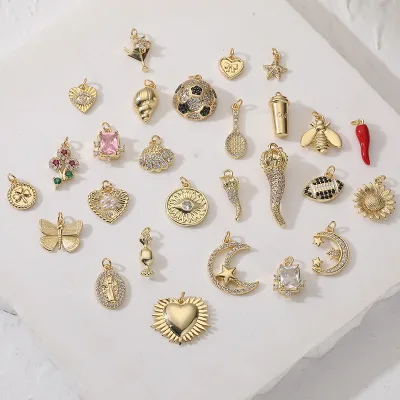
Multi Design Charms DIY Jewelry Heart Moon Charms for Girls Women Flower Charms Jewelry Making
$0.65 - $1.18
MOQ: 10 Minimum
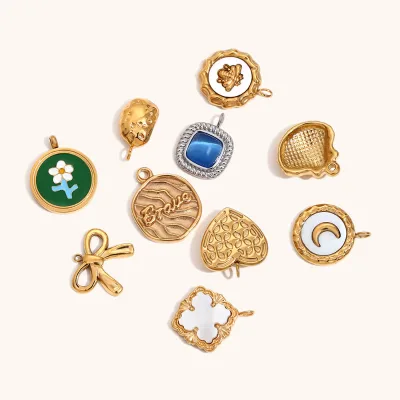
DIY Fashion Pendants & Charms Jewelry Moon Flower Shell Charms for Bracelet Necklace
$1.13 - $2.15
MOQ: 10 Minimum
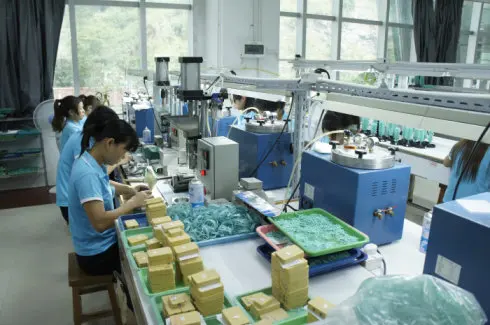
Guangzhou Bangmingwei Jewelry Co., Ltd.
- Trading Company
- Guangdong, China
- Lead time5 days
- Avg. response≤ 3h
Main productsBracelet/ Necklace/ Ring/ Earring/ Jewelry accessories
Main marketsNorth America(50.00%), South America(20.00%), Mid East(15.00%), Eastern Europe(10.00%), Africa(5.00%)
- Trading Company
- Zhejiang, China
- Lead time7 days
- Avg. response≤ 7h
Main productsGemstone Jewelry,Stainless Steel Jewelry,CZ Jewelry,Pearl Jewelry,Alloy Jewelry
Main marketsWestern Europe(25.00%), Northern Europe(15.00%), North America(5.00%), Eastern Europe(5.00%), South America(5.00%), Southeast Asia(5.00%), Africa(5.00%), Oceania(5.00%), Mid East(5.00%), Eastern Asia(5.00%), Central America(5.00%), Southern Europe(5.00%), South Asia(5.00%), Domestic Market(5.00%)

Dianzi Jewelry Manufacture Co., Ltd
- Verified by CTI
- Manufacturer/Factory
- China Guangdong
- Lead time23 days
- Avg. response≤ 7h
Main products925 Silver Collection, Brass Collection, Moissanite Diamond Collection, Lab Grown Diamond Collection, Zircon Collection, Pearl Collection, Fashion Accessories, Jewellery Sets
Main marketsSouth America,Eastern Europe,Mid East,North America,Southeast Asia,Eastern Asia,Oceania,Western Europe,Africa

Ocean Life Charms 14K Gold Filled DIY Jewelry Pendants for Handmade Necklace Bracelet Earrings
$1.00 - $2.00
MOQ: 30 Pieces


Xiamen Neostar Trade Co., Ltd.
- Verified by SGS
- Trading Company
- China Fujian
- Lead time23 days
- Avg. response≤ 5h
Main productsMetal Button, Clothing Metal Label, Bag Metal Tag, Zipper Puller, Pin Badge, Leather Patch, Rubbert Patch, Heat Transfer Label, Metal Buckle, Clothing Label
Main marketsSoutheast Asia/ Mideast,Europe,North America

OEM Chinese Manufacturer Custom Made Embossed Logo Pendant Metal Jewelry Charms
$0.02 - $0.10
MOQ: 100 Pieces

OEM Cheap Price Custom Made Shape Engraved Logo Jewelry Charms for Bracelets
$0.02 - $0.10
MOQ: 100 Pieces

Wuzhou Provence Jewelry Co., Ltd.
- Verified by CTI
- Combined
- China Guangxi
- Lead time23 days
- Avg. response≤ 7h
Main productsMoissanite, Moissanite Jewelry, Cubic Zirconia, Lab Grown Diamond, Gold Jewelry
Main marketsSoutheast Asia/ Mideast,Europe,North America


18K Gold Jewelry Pendants Charms Personalized Customization Exquisite Chinese Characters Style
$189.00 - $980.00
MOQ: 1 Pieces

Dongguan AQ PINS&GIFTS CO.,LTD
- Verified by BV
- Trading Company,Manufacturer/Factory
- China Guangdong
- Lead time23 days
- Avg. response≤ 7h
Main productsBadges/Lapel Pins/Coins/Medals, Keychain/Belt Buckle/Tie Bar/Cuff Link, Button/Button Badges/Embroidery & Woven Patches, Lanyard/Ribbon/Dog Leash, Silicone Bracelet/Smart Bracelet/Smart Watch, Bottle Opener/Dog Tag/Divot Tool/Hat Clip, Bag Tag/Bookmark/Paper Clip/Bag Hanger/Charm, Pendent/Trophy/Award/Metal Photo Frame, Soft PVC Wristbands/Keychain/Badge/Luggage Tag, Pen/Coaster/Fridge Magnet/Mini Fan
Main marketsSouth America,Eastern Europe,Mid East,North America,Southeast Asia,Eastern Asia,Oceania,Western Europe,Africa
Guangzhou Byron Jewelry Co., Ltd
- Verified by Intertek
- Trading Company
- Lead time15 days
- Avg. response≤ 2h
Main productsStainless Steel Lobster Clasp, Jewelry Making Finddings, Necklace, Bracelet, Earrings
Main marketsNorth America(40%), Western Europe(30%), Southern Europe(20%)
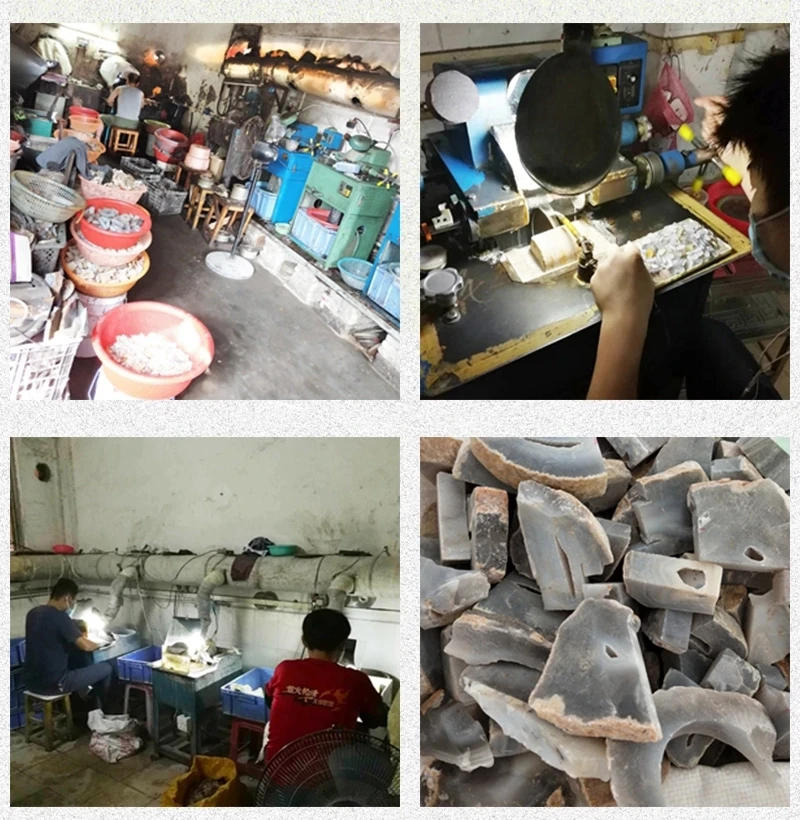
Guangzhou Yasa Jewelry Co., Ltd.
- Manufacturer, Trading Company
- Guangdong, China
- Lead time10 days
- Avg. response≤ 4h
Main productsjewelry,crystal jewelry,natural gemstone,925 silver jewelry,gold plated jewelry
Main marketsNorth America(40.00%), Southeast Asia(10.00%), Eastern Europe(10.00%), South America(10.00%), Eastern Asia(5.00%), Mid East(5.00%), Oceania(5.00%), Western Europe(5.00%), Southern Europe(2.00%), Northern Europe(2.00%), Central America(2.00%), Africa(2.00%), Domestic Market(1.00%), South Asia(1.00%)
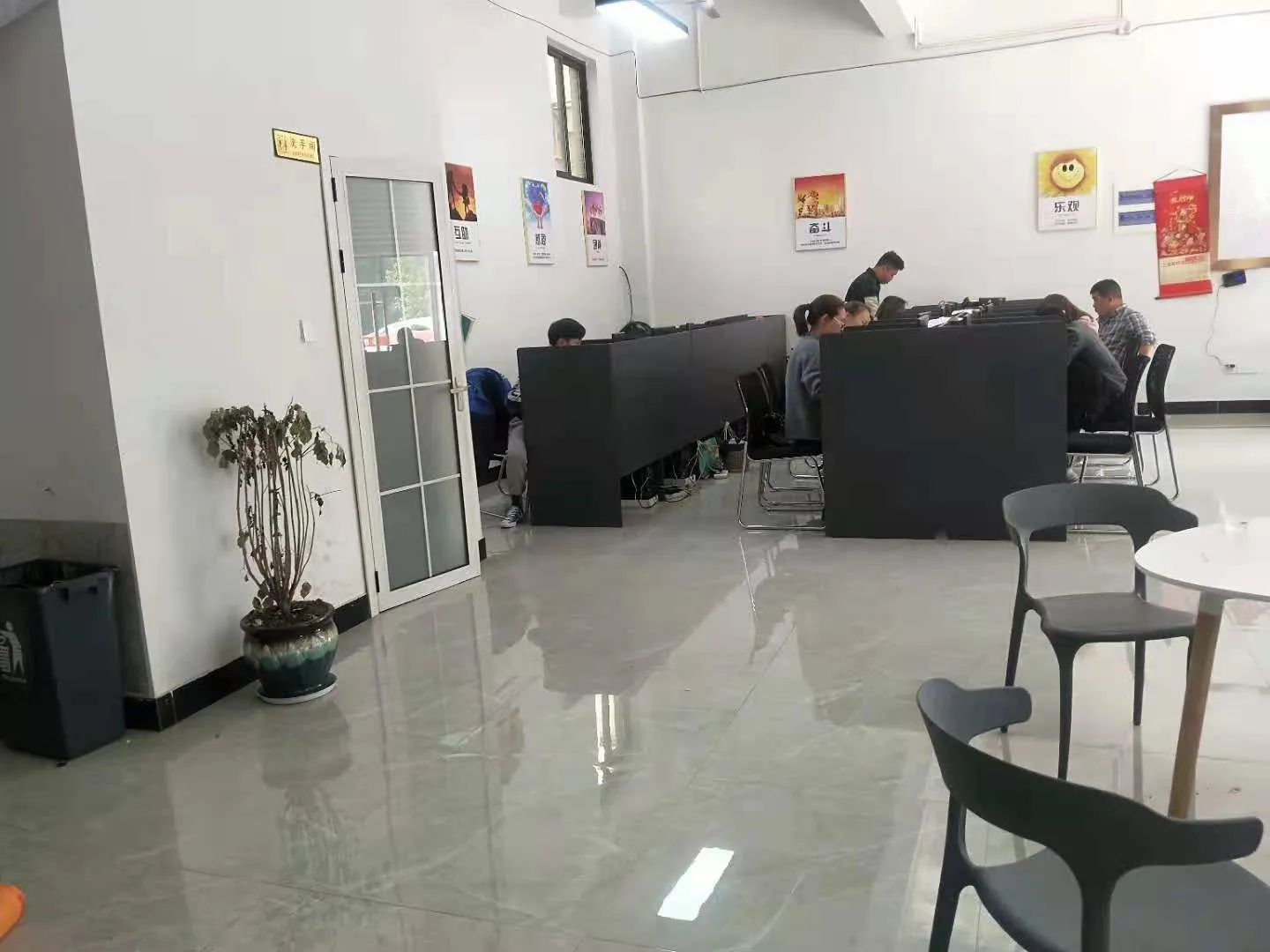
Yiwu Yongsu E-Commerce Co., Ltd.
- Trading Company
- Zhejiang, China
- Lead time10 days
- Avg. response≤ 4h
Main productscharm,necklace,bracelet,earring,Hair accessories
Main marketsSouth America(20.00%), Eastern Europe(20.00%), North America(15.00%), Southern Europe(5.00%), Central America(5.00%), Western Europe(5.00%), Eastern Asia(5.00%), South Asia(5.00%), Oceania(5.00%), Africa(5.00%), Southeast Asia(5.00%), Northern Europe(3.00%), Domestic Market(1.00%), Mid East(1.00%)
Shenzhen Europa Industrial Co., Ltd.
- Trading Company
- Guangdong, China
- Lead time15 days
- Avg. response≤ 6h
Main productsEarring, Ring, Necklace Chain, Bracelets Bangles, Brooch
Main marketsNorth America(40.00%), Eastern Asia(25.00%), Western Europe(10.00%), South America(5.00%), Oceania(5.00%), Domestic Market(5.00%), Mid East(5.00%), Southeast Asia(5.00%)





Comprehensive Sourcing Guide
Handmade Jewelry Moon Pendant Charm Supplier Concentration and Factory Types
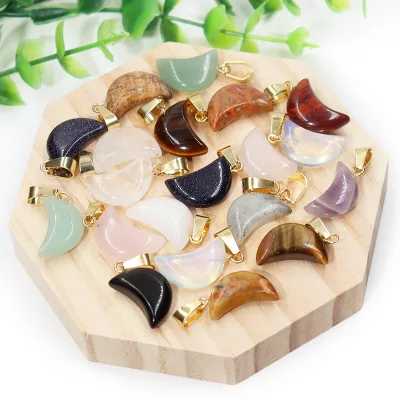
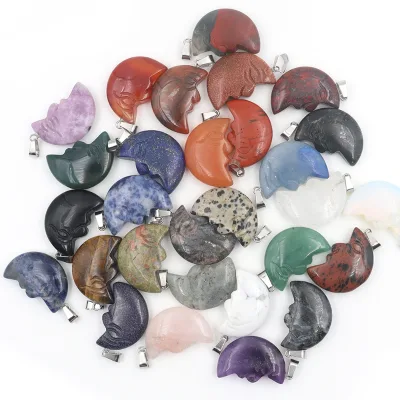
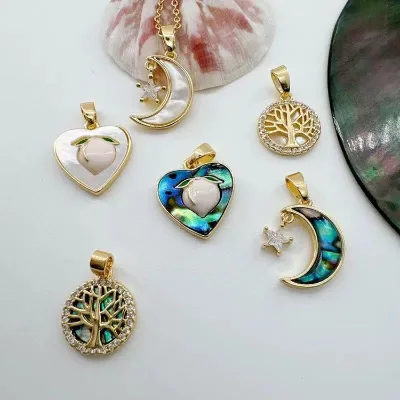
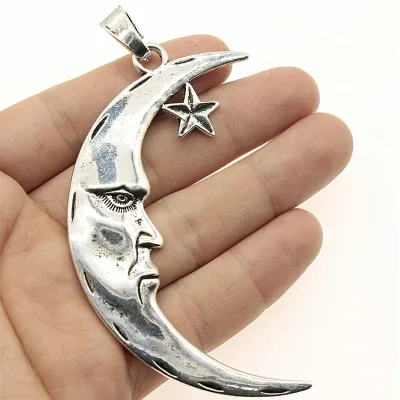
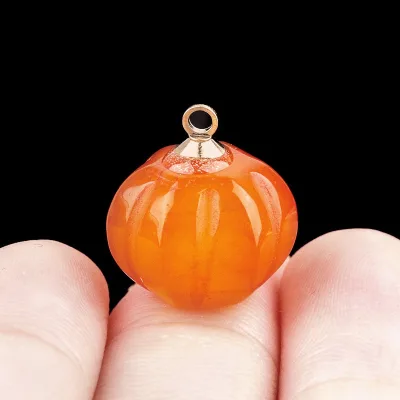
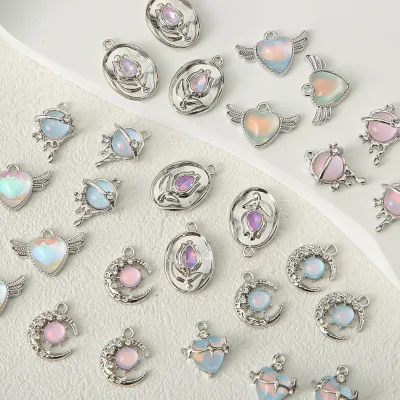
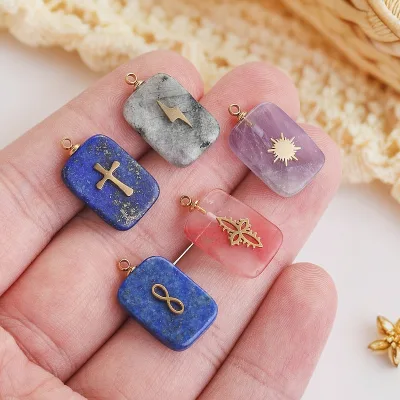
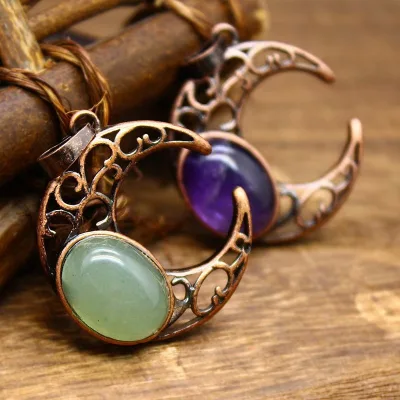
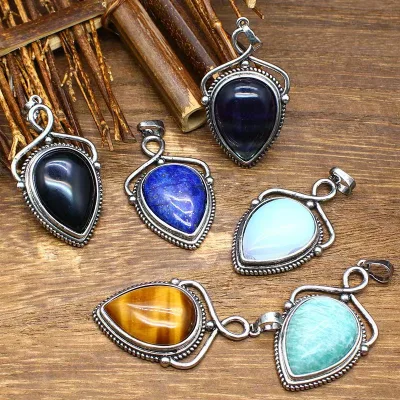
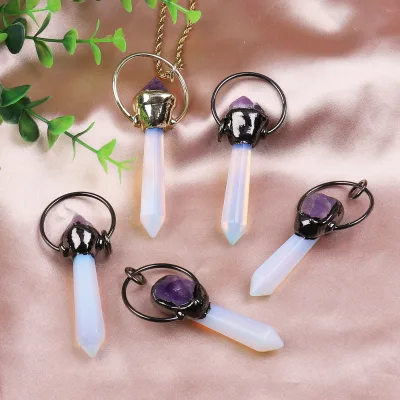
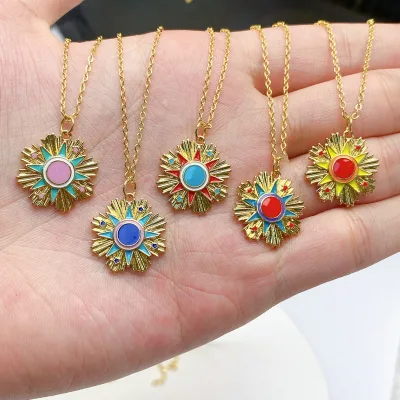
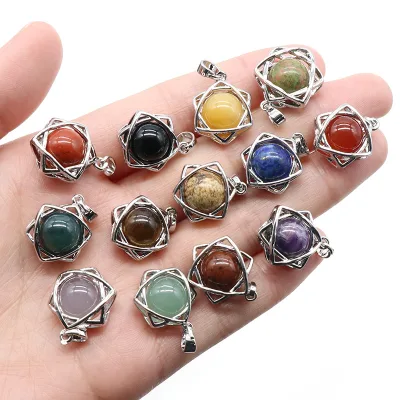
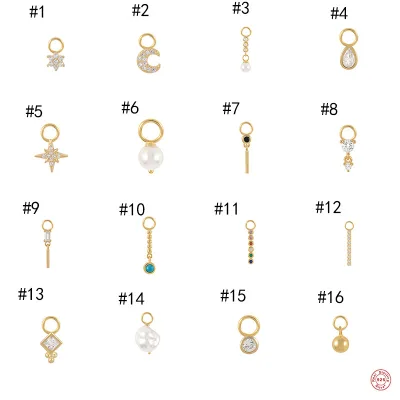
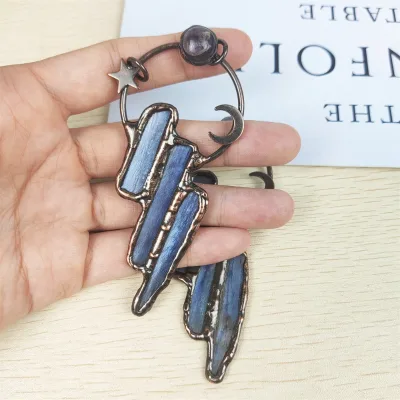
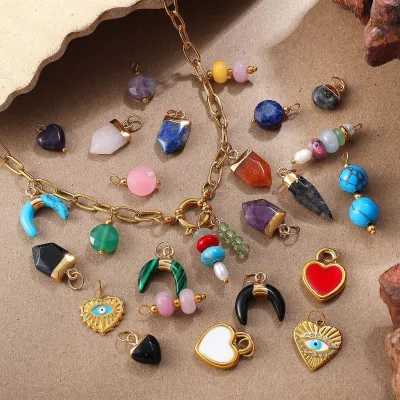
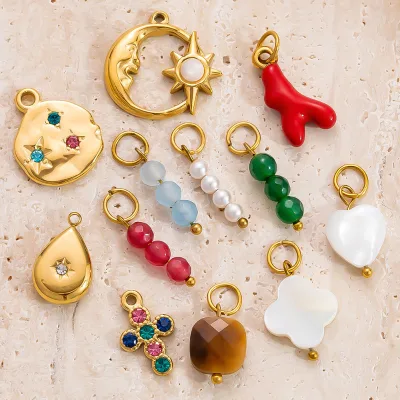
The available data indicates a specific concentration of suppliers operating within Guangdong, China, for this product category. This region serves as a primary manufacturing hub where both manufacturers and trading companies are active in producing stone pendants, bracelets, and various stone crafts. Buyers observing results from this location should note that the supply chain often integrates raw material processing with final assembly, allowing for a diverse range of output including natural quartz crystal moon pendants and gold-plated charms. The presence of these entities suggests a mature ecosystem capable of handling both small-batch custom orders and larger volume production runs for fashion jewelry components.
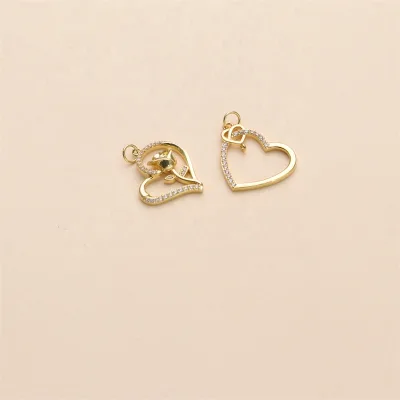
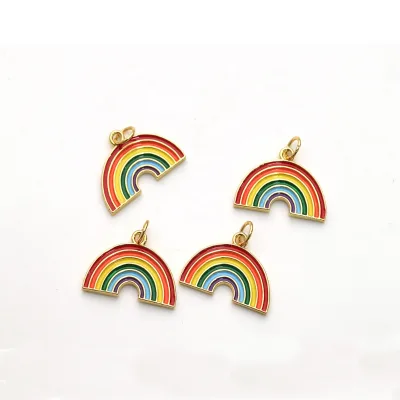
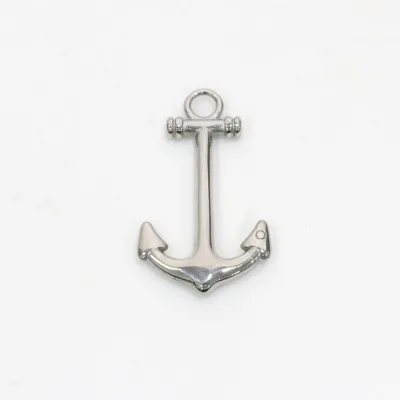
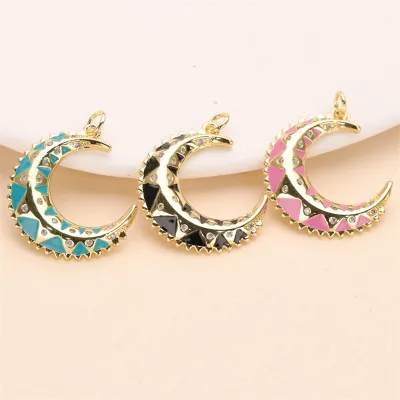
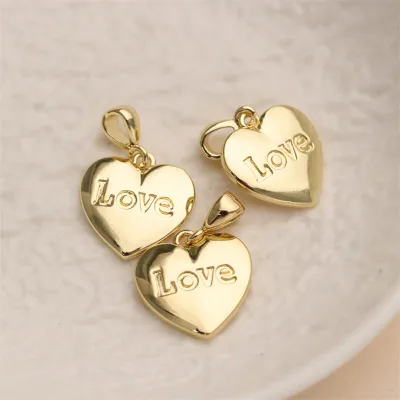
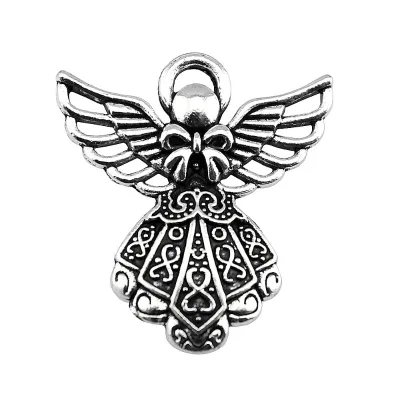
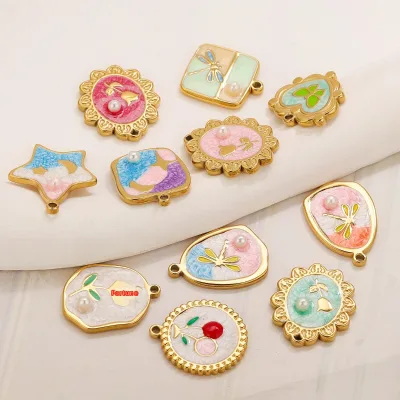
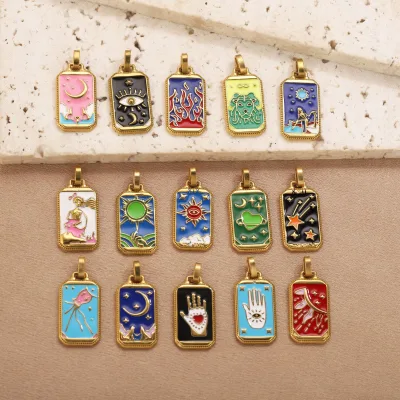
When evaluating the company type, it is essential to distinguish between direct manufacturers and trading companies, as each offers different advantages for sourcing handmade jewelry moon pendant charms. Manufacturers typically control the production process, which can lead to tighter quality control over materials like natural stone and plating techniques. Trading companies, conversely, may aggregate products from multiple factories, offering a broader catalog that includes items such as heart pendants, anchor charms, and enamel crescent moons. Buyers should verify the specific role of the supplier to ensure alignment with their needs for customization, volume flexibility, and direct communication regarding production capabilities.
How to Verify Handmade Jewelry Moon Pendant Charm Suppliers
Verification begins with scrutinizing the response time metrics provided in supplier profiles, as these figures indicate operational readiness and communication efficiency. The observed data shows response times ranging from two to five units, which serves as a preliminary indicator of how quickly a supplier can address inquiries about product specifications or order status. A faster response time often correlates with a more active sales team and a streamlined internal process, which is critical when sourcing intricate items like moon face pendants or custom heart charms. Buyers should prioritize suppliers demonstrating consistent responsiveness to ensure that any issues regarding design or material quality can be resolved promptly before production begins.
Certification status and product attributes provide another layer of verification for supplier legitimacy and product safety. While some listings explicitly mention certifications like CPC, others may list "None" for certificate types, requiring buyers to request specific documentation for compliance with target market regulations. The product evidence includes detailed attributes such as plating types, stone materials, and dimensions, which must be cross-referenced with physical samples or factory audits. For instance, verifying that a "Gold Plated" claim matches the actual product weight and plating thickness is essential. Buyers should not assume all suppliers possess the same credentials and must actively request proof of compliance for specific product lines before committing to an order.
What to Compare Across Handmade Jewelry Moon Pendant Charm Suppliers
Comparing suppliers requires a systematic analysis of Minimum Order Quantities (MOQ) and pricing structures, as these vary significantly across the available results. The data reveals MOQs ranging from as low as 10 pieces for specific stone pendants to 100 pieces for other styles, with prices fluctuating between approximately $0.22 and $1.20 per unit depending on the design and material complexity. A buyer sourcing a small batch of hand-carved moon face pendants might find a supplier with a 10-piece MOQ more suitable than one requiring 100 units, even if the per-unit cost is slightly higher. Conversely, larger orders may benefit from suppliers offering lower price points at higher volume thresholds, necessitating a clear calculation of total landed cost versus inventory requirements.
Lead times and response speeds are equally critical dimensions for comparison when selecting a partner for handmade jewelry moon pendant charms. While some product listings indicate a lead time of zero, suggesting immediate availability or a drop-ship model, others may imply longer production cycles for custom designs. The variation in response times, observed between two and five units, further influences the speed of the entire sourcing process. Buyers must align these operational metrics with their own sales cycles and inventory planning. A supplier with a low MOQ but a slow response time may delay market entry, whereas a faster responder with a higher MOQ might offer better long-term stability for growing brands.
Common Handmade Jewelry Moon Pendant Charm Sourcing Risks
One significant risk involves the discrepancy between advertised product attributes and the actual delivered goods, particularly regarding material composition and plating quality. The product evidence lists various stone types, including agate, quartz, and zircon, alongside plating details like "Gold Plated" or "Silver Plated." However, without physical verification, there is a risk that the "Main Stone" or plating thickness may not meet the buyer's expectations or brand standards. For example, a listing for a "Natural Quartz Crystal Moon Pendant" might vary in clarity or color intensity compared to the sample provided. Buyers must mitigate this by requesting pre-shipment photos or third-party inspection reports to confirm that the physical product matches the digital specifications.
Another risk stems from inconsistent commercial terms and potential hidden costs related to packaging and shipping. The data shows packaging details ranging from simple boxes to specific single package sizes, which can impact shipping costs and product protection during transit. If a supplier lists a price but does not clearly define the packaging details or shipping terms, the final cost may exceed the initial quote. Additionally, the absence of explicit certification data for some products, such as those marked with "None" for certificate types, poses a compliance risk in regulated markets. Buyers should clarify all packaging requirements and certification needs upfront to avoid disputes or rejected shipments upon arrival at the destination.
Handmade Jewelry Moon Pendant Charm Regional Sourcing and Logistics
The concentration of suppliers in Guangdong, China, offers logistical advantages for sourcing handmade jewelry moon pendant charms due to established export infrastructure and specialized manufacturing clusters. This region is known for its efficiency in handling jewelry components, from stone cutting to metal plating, which can streamline the production timeline. Buyers sourcing from this area can often expect a robust network of logistics partners familiar with the specific requirements of small, high-value items like charms and pendants. However, the specific location of the factory within the province may still influence transit times to ports, so verifying the exact origin within the region is advisable for accurate shipping estimates.
When logistics are not fully detailed in the initial product listing, buyers must proactively inquire about shipping methods and transit times to ensure timely delivery. The product evidence includes single package sizes and weights, which are essential for calculating freight costs, but these figures alone do not guarantee a specific delivery window. Buyers should confirm whether the supplier uses standard air freight, sea freight, or express courier services based on their urgency and budget constraints. For items with varying weights, such as an 8g moon face pendant versus a 2.1g stone pendant, the cumulative shipping cost can differ significantly. Establishing clear logistics protocols early in the negotiation process helps prevent delays and ensures that the supply chain remains resilient against potential disruptions.
Handmade Jewelry Moon Pendant Charm Commercial Terms and Order Planning
Order planning for handmade jewelry moon pendant charms must account for the diverse MOQ requirements and pricing tiers observed across different suppliers. With MOQs ranging from 10 to 100 pieces and prices varying from $0.22 to $1.20, buyers need to calculate the optimal order size that balances inventory holding costs with the need for product variety. A strategy that involves splitting orders among multiple suppliers might allow for a broader range of designs, such as combining moon pendants with heart charms, while adhering to individual supplier minimums. This approach requires careful coordination to manage multiple shipments and ensure consistent quality across different product lines.
Commercial terms regarding payment, escrow, and warranty should be explicitly defined before finalizing any transaction to protect the buyer's interests. While the provided data does not specify escrow availability for all suppliers, it is a critical factor for securing payments, especially when dealing with new vendors or large orders. Buyers should verify if the platform offers escrow services to hold funds until the goods are received and inspected. Additionally, understanding the return policy for defective items, such as those with incorrect plating or stone quality, is vital. Clear communication on these terms ensures that both parties have a shared understanding of the obligations and risks involved in the transaction.
FAQs
What is the typical MOQ for moon stone pendants?
Minimum order quantities vary by design. Standard moon pendants often require 100 pieces, while hand-carved natural quartz options may start at just 10 pieces. Custom heart charms typically have a 20-piece minimum. Buyers should verify specific requirements with suppliers before placing bulk orders to ensure alignment with production capabilities.
Where are these jewelry charms manufactured?
Most suppliers are located in Guangdong, China. This region is a major hub for fashion jewelry production. Products originate from this area, ensuring access to established supply chains. Buyers seeking specific regional manufacturing should filter results accordingly to align with logistical preferences and quality standards.
What materials are used for moon pendants?
Common materials include natural quartz crystal, brass, copper alloy, and stainless steel. Many items feature gold plating or enamel finishes. Some pendants incorporate cubic zirconia or various gemstones like agate and amethyst. Buyers should check product attributes for specific material compositions to match durability and aesthetic requirements.
How fast do suppliers respond to inquiries?
Response times generally range from two to five hours. Quick replies indicate active supplier engagement. Buyers can expect prompt communication for standard inquiries. Faster response times often correlate with higher availability. Checking response metrics helps identify reliable partners for urgent sourcing needs.
What is the price range for these charms?
Prices typically range from $0.22 to $1.20 per piece. Basic stone pendants start around $0.22, while stainless steel anchor charms cost approximately $1.10. Gold-plated brass options fall between $0.60 and $0.95. Costs depend on materials, plating, and order volume.
Are certifications available for these products?
Some suppliers hold CPC system certifications. However, many fashion jewelry items list no specific certificate type. Buyers requiring compliance documentation should verify certification status directly with manufacturers. Always request proof of relevant standards before finalizing procurement agreements for international markets.